European stag beetle
About
The European stag beetle, or deer beetle, is the largest beetle in Europe. It inhabits old deciduous forests, primarily oak forests, parks, and gardens with old trees. In the Carpathians, the stag beetle is most often found in oak forests and beech forests of the foothills and low mountains of Zakarpattia and Prykarpattia, as well as in Poland, Slovakia, and Romania.
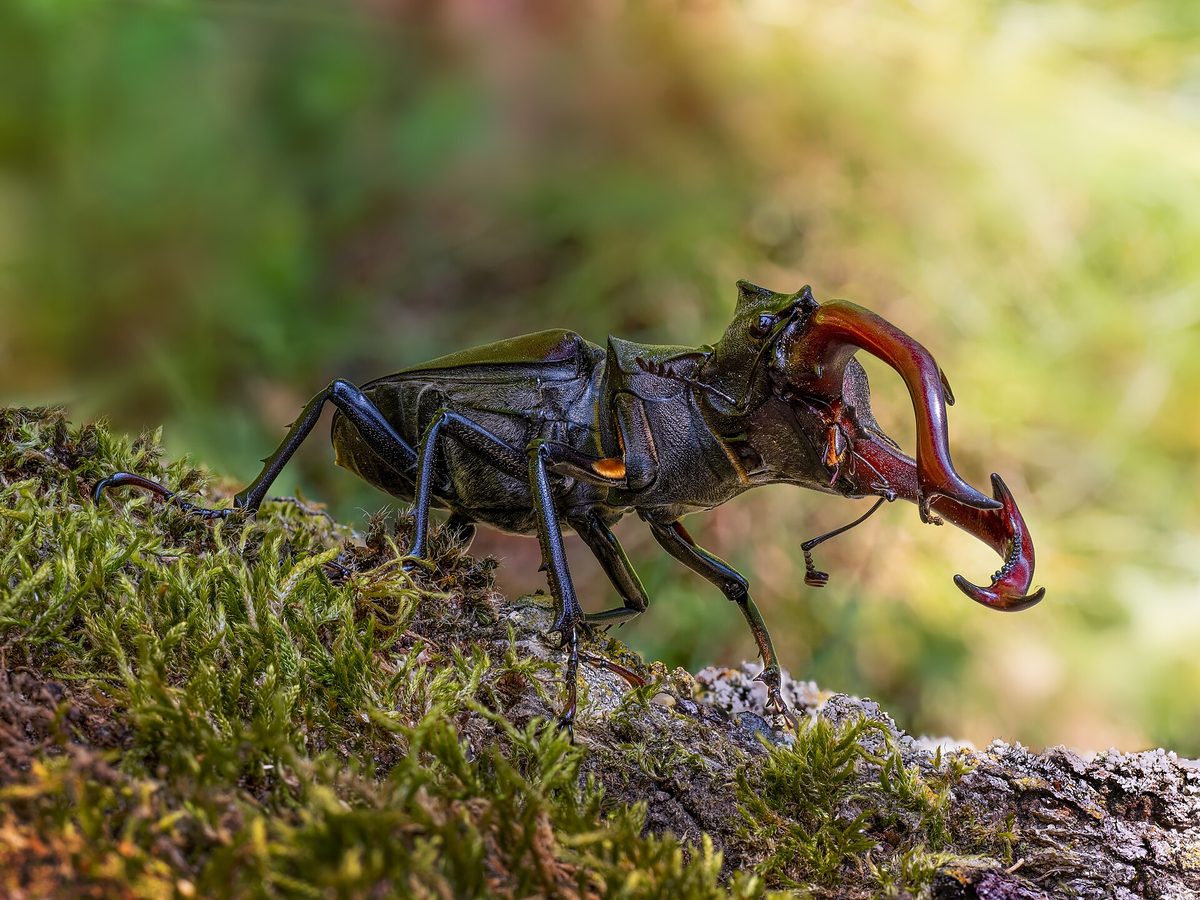
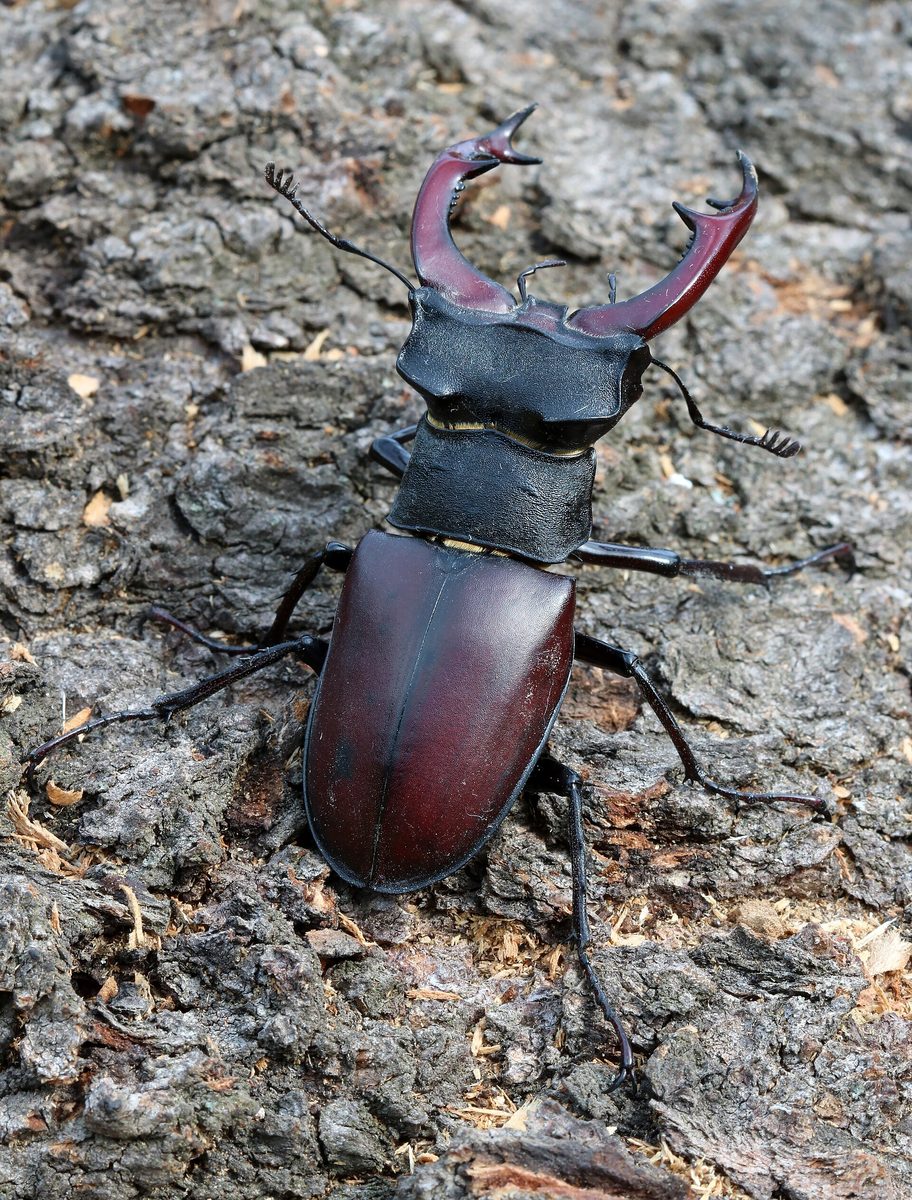
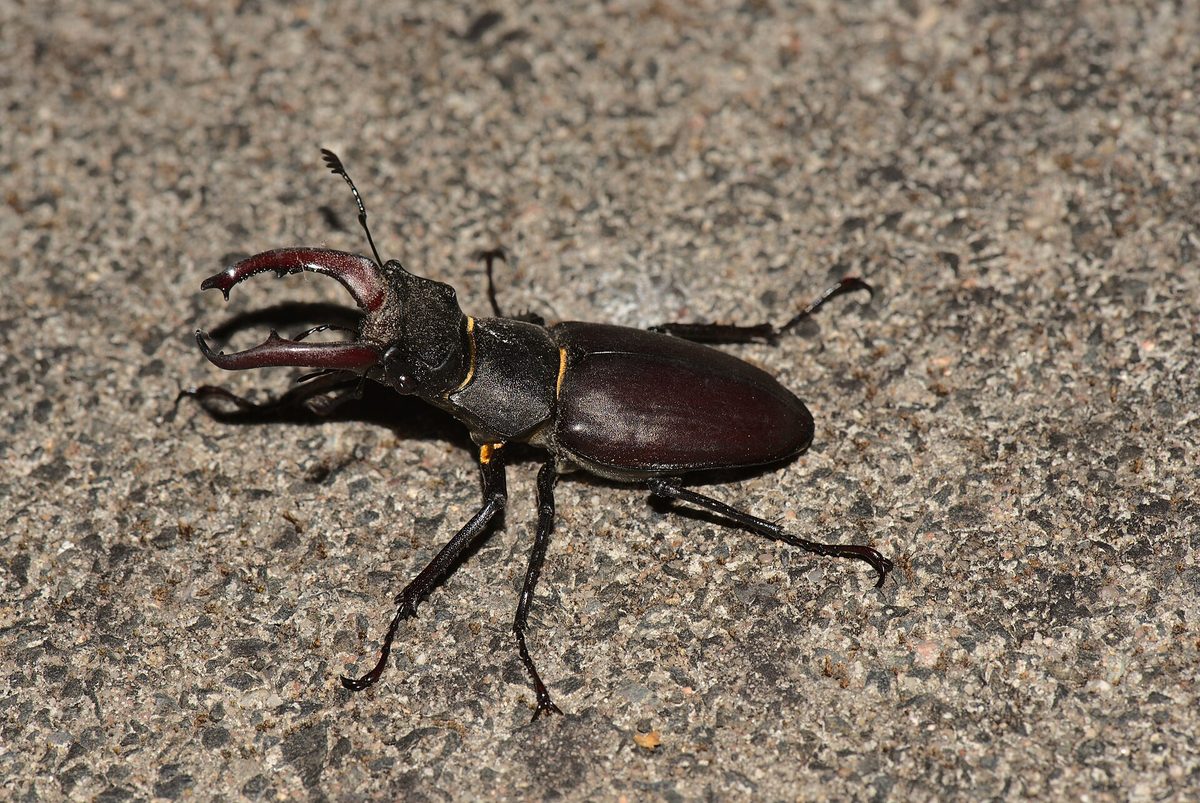
Males are unmistakable: their upper jaws have grown into huge antler-like 'horns' resembling those of a deer, and together with them, the beetle can reach a length of up to 7–8 cm. The body is black, and the elytra are chestnut-brown. Females are noticeably smaller, with short but strong jaws.
Adult beetles live only a few weeks, from late May to July. They fly on warm evenings, buzzing, holding their bodies almost vertically, and are attracted to the sap that oozes from wounded oaks. The 'horns' are needed by males for battles over females: rivals try to lift and throw each other off branches.
Most of the stag beetle's life is spent as a larva: for several years—usually four to six—it grows in the decaying wood of old stumps and roots of oaks and other deciduous trees. Therefore, it is crucial for the European stag beetle to leave old trees, stumps, and dead wood in the forest.
The European stag beetle is listed in the Red Book of Ukraine as a rare species, and in the EU, it is included in Annex II of the Habitats Directive. Catching and collecting beetles is prohibited.
Where in the Carpathians

The map shows where naturalists recorded the species (GBIF, CC0 and CC BY records), not every place it lives. The Ukrainian Carpathians are less studied, so a blank area does not mean the species is absent.
- Countries
- Hungary · Ukraine · Slovakia · Romania · Czechia · Austria · Serbia
- Mountain ranges
- Mátra, Börzsöny and Cserhát, Bükk, Vihorlat-Gutin Volcanic Ridge, Zemplén Mountains, Maramureș Mountains, Polonynian Ridge, Strážov Mountains, Krasna Polonyna, Gorgany
- Altitude belts
- Foothills (below 600 m)
When to see it
| Jan | Feb | Mar | Apr | May | Jun | Jul | Aug | Sep | Oct | Nov | Dec | |
|---|---|---|---|---|---|---|---|---|---|---|---|---|
| Sightings |
From naturalists’ observations in the Carpathians (iNaturalist, research grade): the darker the cell, the more often the species is seen that month.
Protection and rules
Catching and collecting is prohibited: the species is listed in the Red Book of Ukraine.
Admire, don’t pick: plants listed in the Red Data Book of Ukraine — and any plants in nature reserves and strictly protected zones of national parks — must not be collected.
FAQ
Is the European stag beetle found in the Carpathians?
Yes, in old oak forests and beech forests of the foothills and low mountains of Zakarpattia and Prykarpattia, as well as in Poland, Slovakia, and Romania. Adult beetles can be seen from late May to July.
Is the European stag beetle listed in the Red Book of Ukraine?
Yes, as a rare species. Catching and collecting it is prohibited.
Similar species
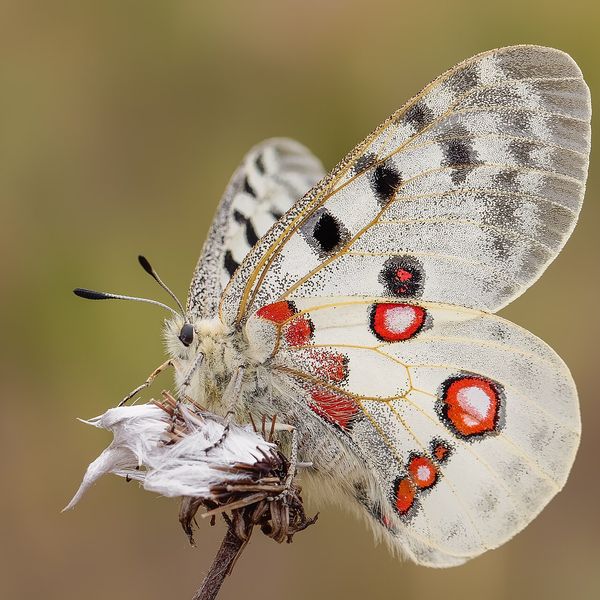
Where to meet it
Trails
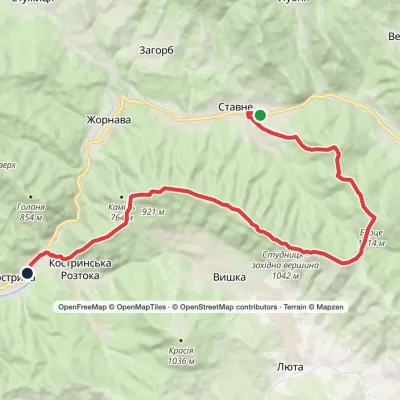 HardTwo-dayStavne village to Kostryno villagevia Mount Bertse, Mount VezhaElevation profile292–1 042 m22.3 kmascent 1 136 m≈ 8 h walking
 HardMulti-dayKostryno village loopvia Mount BorsukElevation profile279–887 m24.8 kmascent 1 200 m≈ 8.5 h walking
 ModerateOne-dayKostryno village Mount KrasiiaElevation profile293–1 016 m9.2 kmascent 765 m≈ 4 h walking
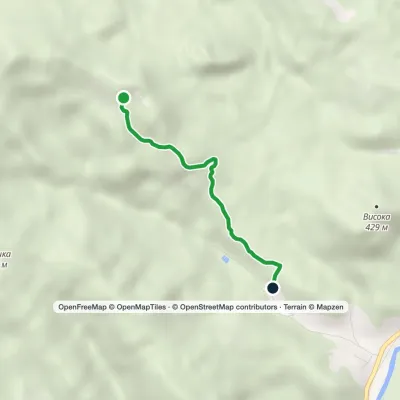 EasyOne-dayMarkedGreen marker (Babaiovo Poliana Yaseni)Elevation profile251–605 m3.1 km≈ 45 min walking
 HardMulti-dayKostryno village to Pastilky villagevia Vyshka village, Liuta village +2Elevation profile167–1 480 m79.8 kmascent 3 004 m
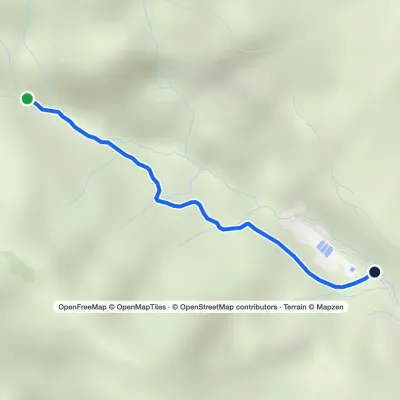 EasyOne-dayMarkedPerechyn Plishka WaterfallElevation profile241–416 m2 kmascent 9 m≈ 30 min walking
 ModerateTwo-dayYarok village to Vorochovo villagevia Antalovetska PolianaElevation profile141–968 m16 kmascent 743 m≈ 5.5 h walking
 HardMulti-dayLukovo village to Svaliavavia Mount BuzhoraElevation profile162–1 085 m46.8 kmascent 1 894 m
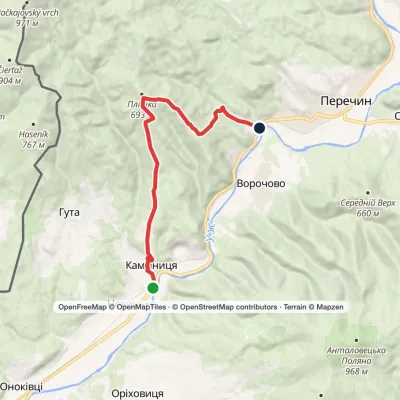 ModerateOne-dayKamianytsia village to Perechyn villagevia Mount PlishkaElevation profile137–694 m12.2 kmascent 571 m≈ 4 h walking
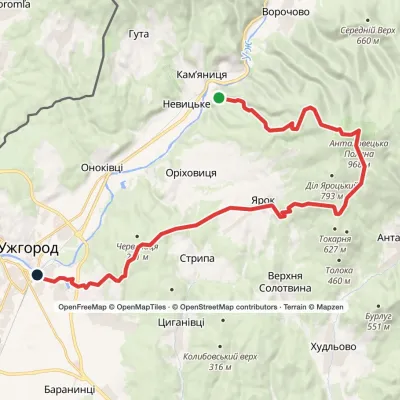 HardMulti-dayKamianytsia village to Uzhhorodvia Antalovetska Poliana, Yarok villageElevation profile117–968 m28.9 kmascent 909 m≈ 9 h walking
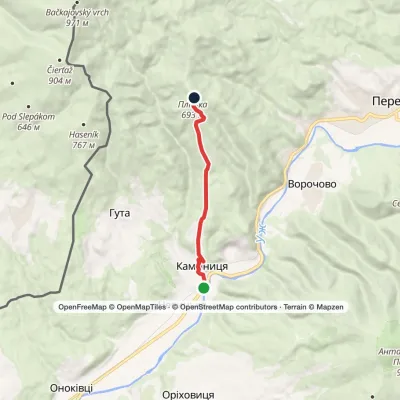 EasyOne-dayKamianytsia village Mount PlishkaElevation profile138–695 m7.2 kmascent 563 m≈ 3 h walking
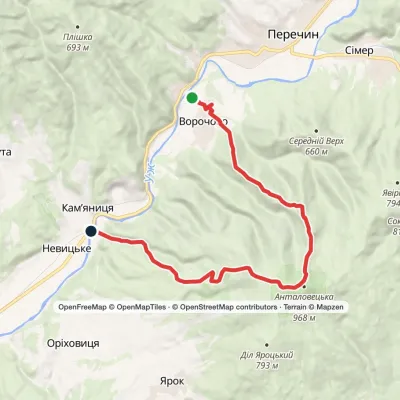 ModerateTwo-dayVorochovo village to Kamianytsia villagevia Antalovetska PolianaElevation profile131–957 m17.5 kmascent 840 m≈ 6 h walking
Waters and waterfalls
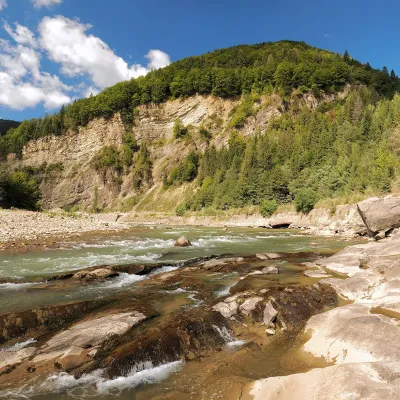 RiverCheremosh RiverVyzhnytsiaThe Cheremosh is born near Usteriky, where the Chornyi Cheremosh and the Bilyi Cheremosh meet.
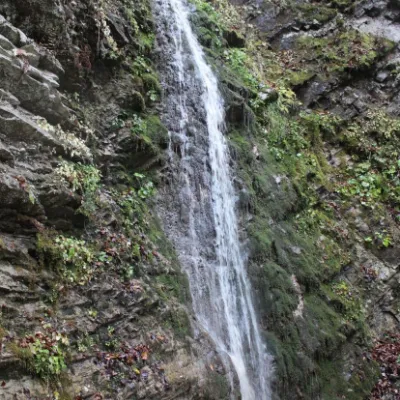 WaterfallSych waterfall (Bukovinian waterfalls)RoztokyThe Sych Waterfall is one of the waterfalls that are part of the Bukovyna Waterfalls, located in the Roztotskyi...
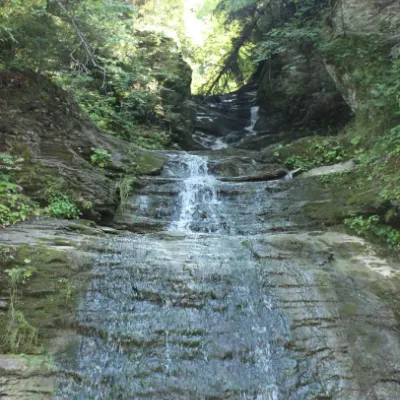 WaterfallSrednyi Huk waterfall (Bukovyna waterfalls)RoztokyThe Srednyi Huk waterfall is one of the Bukovyna waterfalls located in the Chernivtsi region in western Ukraine.
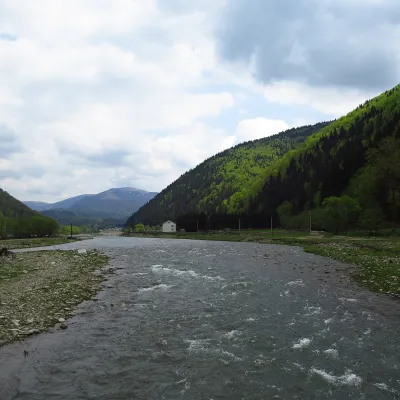 RiverTereblia RiverKolochavaThe Tereblia begins in the Inner Gorgany, where the Roztoka and Sloboda streams meet, and flows through Synevyrska...
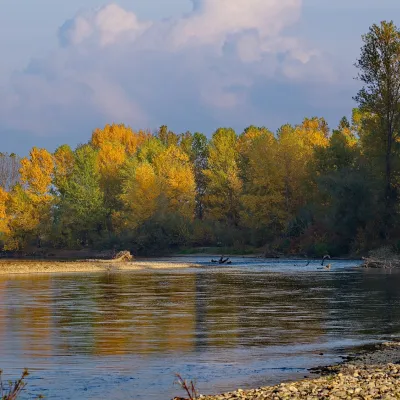 RiverTysa River (Tisza)RakhivThe Tysa (Tisza) is the main river of Zakarpattia. It begins on the north-eastern edge of Rakhiv, where the Chorna...
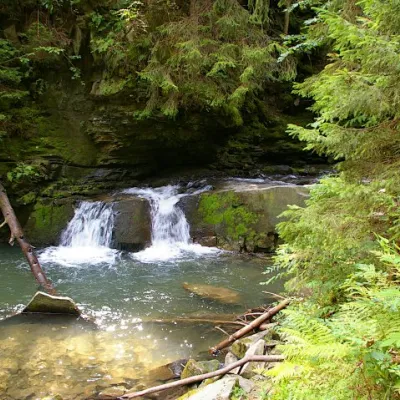 WaterfallWaterfall Maiden's Tears, YaremcheYaremcheMaiden's Tears is a waterfall in the Ukrainian Carpathians (Gorgany massif).
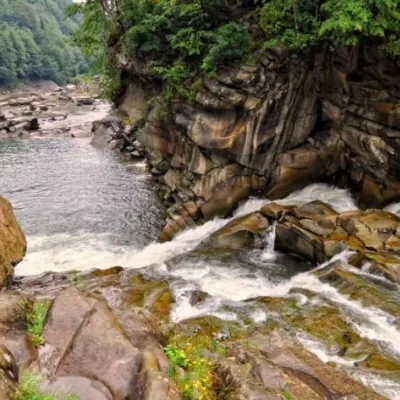 WaterfallProbiy waterfall, YaremcheYaremcheProbiy Waterfall is located in the heart of the Carpathian Mountains, in the city of Yaremche.
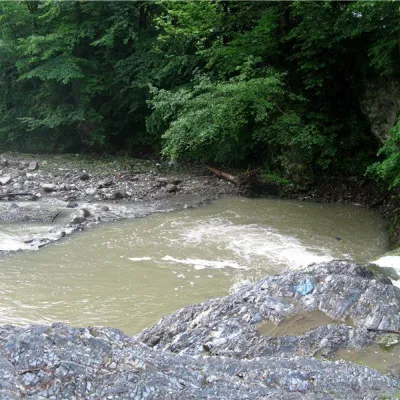 RiverVyzhenka RiverVyzhenkaTheriver Vyzhenka is located in the village of the same name in the Chernivtsi region.
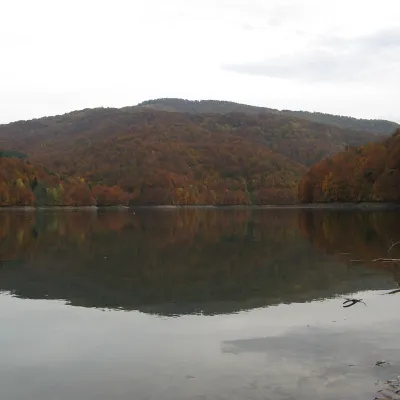 LakeVilshany ReservoirVilshanyThe Vilshany Reservoir, also called the Tereblia-Rika Reservoir, is a narrow mountain lake in the Tereblia valley...
Mountain ranges: Vihorlat-Gutin Volcanic Ridge, Maramureș Mountains, Polonynian Ridge, Krasna Polonyna, Gorgany, Pokuttia-Bukovina Carpathians. In other countries: 🇭🇺 Mátra, 🇭🇺 Börzsöny and Cserhát, 🇭🇺 Bükk, 🇭🇺 Zemplén Mountains, 🇸🇰 Strážov Mountains, 🇷🇴 Bucegi Mountains, 🇨🇿 White Carpathians, 🇷🇴 Almăj and Locva Mountains
Trails and peaks near which naturalists recorded the species (GBIF, iNaturalist), matched by altitude and habitat. Sightings are not guaranteed.
Sources
- Вікіпедія: Жук-олень
- Wikipedia (en): Lucanus cervus
- Перелік видів тварин, що заносяться до Червоної книги України (наказ Міндовкілля від 19.01.2021 № 29, зареєстровано в Мін'юсті 01.03.2021 за № 260/35882)
- Міндовкілля: текст переліку видів тварин Червоної книги України (PDF)
- GBIF: таксон і категорія МСОП
- Директива Ради 92/43/ЄЕС про збереження природних оселищ (консолідована редакція)
GBIF · iNaturalist · Wikidata · Distribution data: GBIF.org (CC0 and CC BY records), iNaturalist; names and identifiers: Wikidata (CC0). Text: Karpaty.rocks, checked 09.11.2026.
