European badger
About
The European badger is a stocky animal from the weasel family that leads a nocturnal life. In the Carpathians, it inhabits deciduous and mixed forests of the foothills and low mountains, at forest edges, in ravines, and on slopes with loose soil, where it is convenient to dig. It occurs in all Carpathian countries.
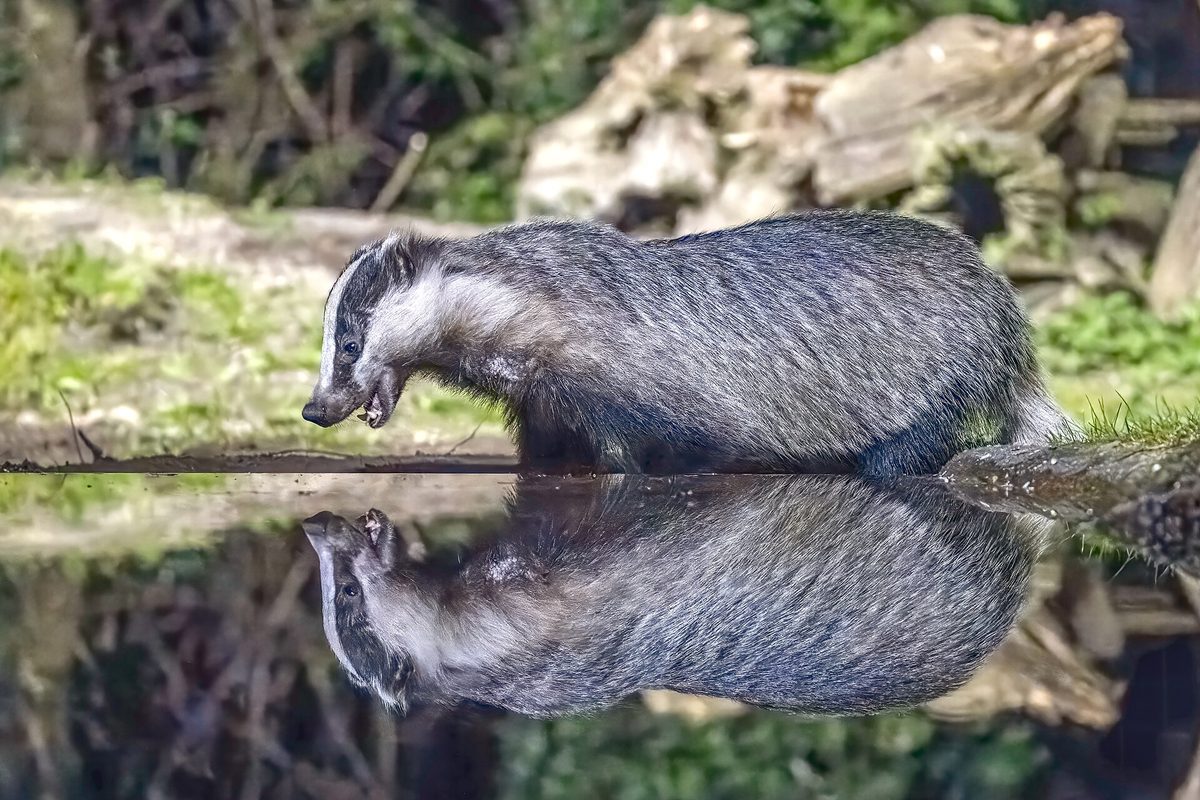
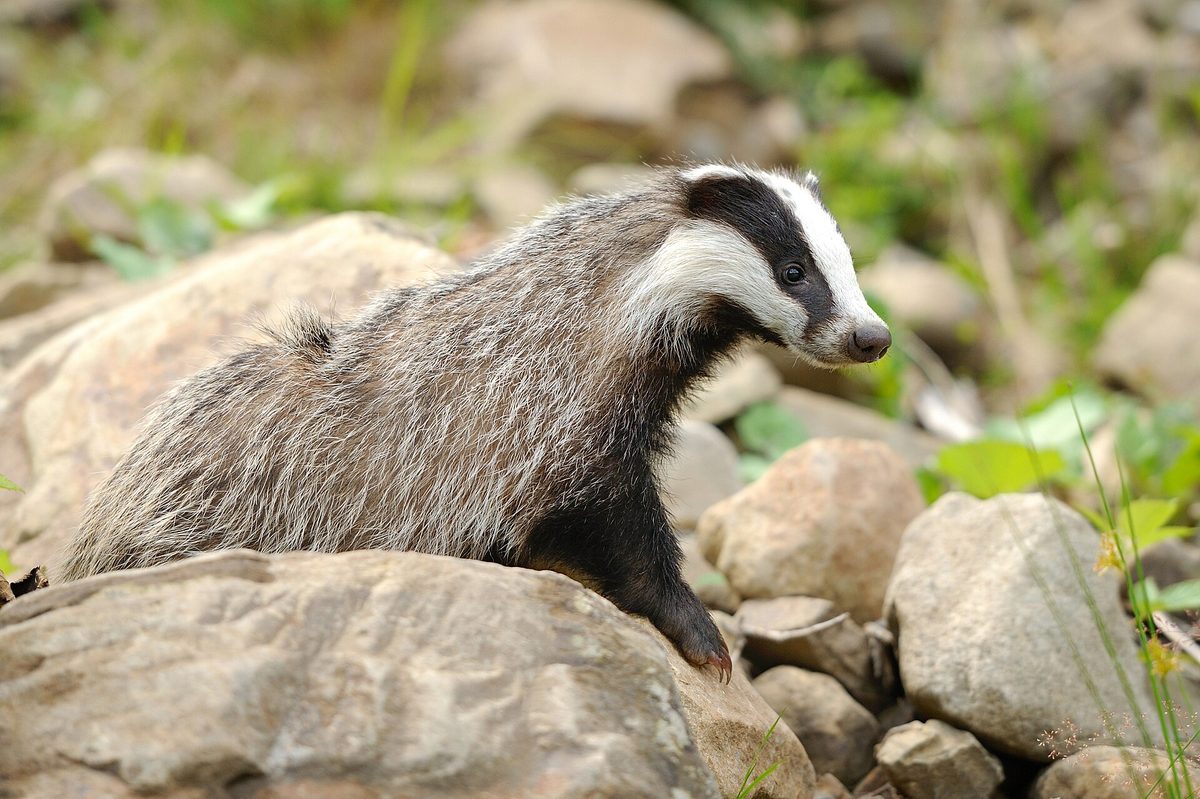
You can't confuse it with anything else: a white head with two black stripes across the eyes, gray fur on the back, a dark belly, and short strong legs with long claws. The European badger is low but massive.
The European badger is a true builder. Its burrows can be multi-storey, with several tunnels and chambers, and serve many generations. Large heaps of excavated soil can be seen near the entrances, and nearby are "toilets," small pits that the animals use to mark their territory.
The European badger feeds on everything it finds in the forest litter and soil: earthworms, insect larvae, snails, roots, tubers, berries, and fruits, and occasionally small rodents. In autumn, it builds up fat and in winter in cold areas, it enters a shallow hibernation, but during thaws, it may come out of its burrow. Young are born at the end of winter - in spring.
The European badger is not included in the current list of the Red Book of Ukraine.
Where in the Carpathians

The map shows where naturalists recorded the species (GBIF, CC0 and CC BY records), not every place it lives. The Ukrainian Carpathians are less studied, so a blank area does not mean the species is absent.
- Countries
- Serbia · Ukraine · Poland · Romania · Czechia · Hungary · Slovakia · Austria
- Mountain ranges
- Maramureș Mountains, Hryniava Mountains, Bieszczady, Silesian Beskids, Rivna Polonyna, Vihorlat-Gutin Volcanic Ridge, Bükk, Żywiec Beskids
- Altitude belts
- Foothills (below 600 m) · Beech forests (600–1200 m) · Conifer forests (1200–1600 m)
When to see it
| Jan | Feb | Mar | Apr | May | Jun | Jul | Aug | Sep | Oct | Nov | Dec | |
|---|---|---|---|---|---|---|---|---|---|---|---|---|
| Sightings |
From naturalists’ observations in the Carpathians (iNaturalist, research grade): the darker the cell, the more often the species is seen that month.
Protection and rules
Not included in the current list of the Red Book of Ukraine (2021).
FAQ
Do European badgers live in the Carpathians?
Yes, the European badger lives in the deciduous and mixed forests of the foothills and low mountains of all Carpathian countries. Most often, you see not the animal itself, but its burrows with large heaps of soil.
Is the European badger included in the Red Book of Ukraine?
The European badger is not included in the current list of animals in the Red Book of Ukraine (2021).
Similar species
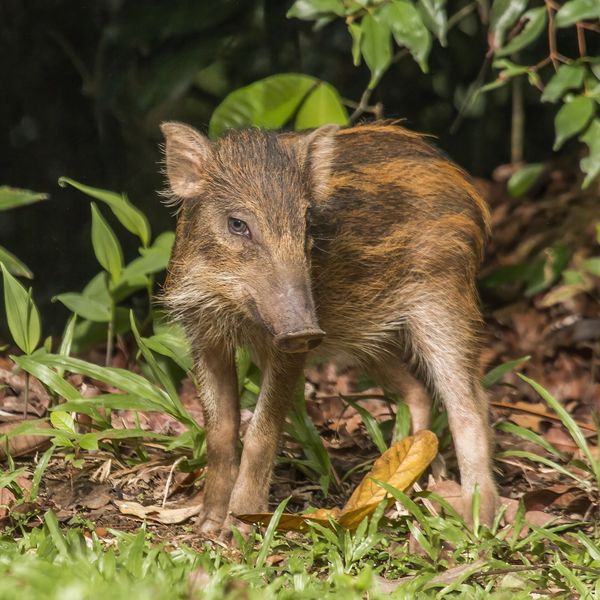
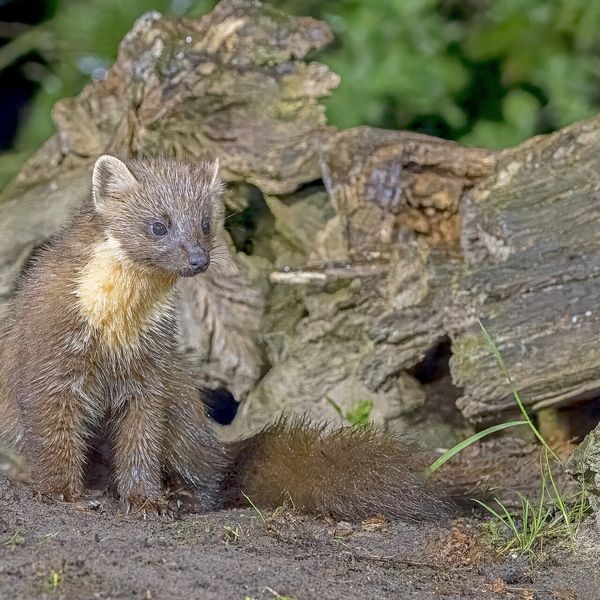
Where to meet it
Trails
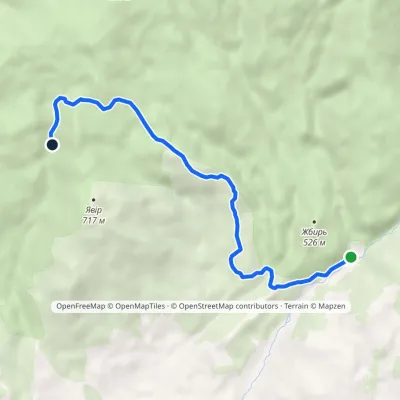 EasyOne-dayMarkedKamianka tract Enchanted ValleyElevation profile363–771 m6.8 kmascent 412 m≈ 2.5 h walking
 HardTwo-dayMarkedBilasovytsia village to Mount Starostynavia Mount Pikui, Mount Velykyi VerkhElevation profile804–1 408 m22.1 kmascent 1 246 m≈ 8 h walking
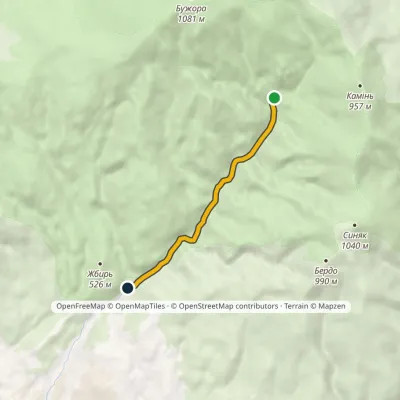 EasyOne-dayMarkedKamianka tract Huchalo Waterfallvia mineral springElevation profile365–590 m4.8 kmascent 3 m≈ 1 h walking
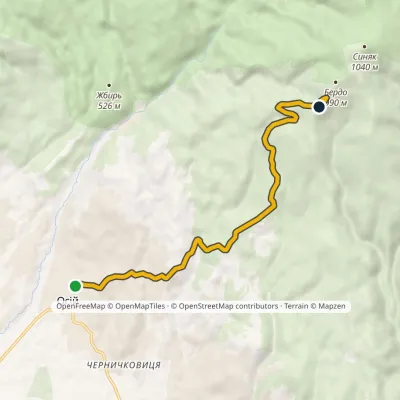 ModerateOne-dayMarkedOsii village Mount BerdoElevation profile257–928 m8.5 kmascent 678 m≈ 3.5 h walking
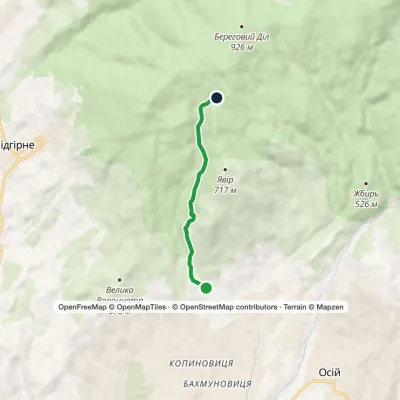 EasyOne-dayMarkedNovoselytsia Smerekovyi StoneElevation profile322–729 m4.3 km≈ 1 h walking
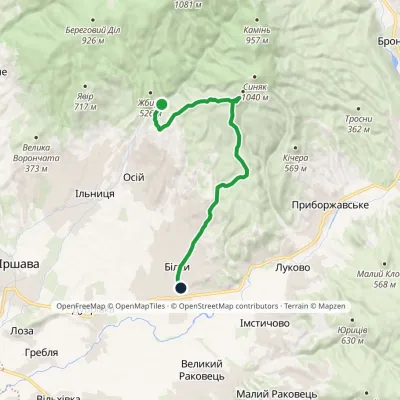 ModerateOne-dayMarkedKamianka tract Bilky villagevia Mount BerdoElevation profile150–928 m16 kmascent 565 m≈ 5 h walking
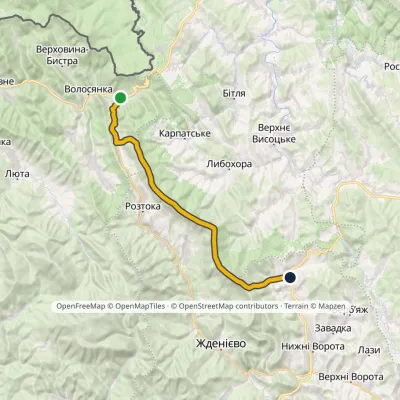 HardMulti-dayMarkedUzhok village to Bilasovytsia villagevia Husnyi village, Mount Drohobytskyi Kamin +2Elevation profile540–1 408 m30.3 kmascent 1 450 m≈ 10.5 h walking
 EasyOne-dayMarkedRuskyi Mochar village loopvia Mount YavirnykElevation profile529–1 006 m9 kmascent 487 m≈ 3 h walking
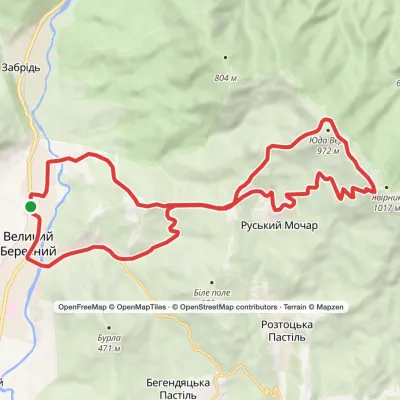 HardTwo-dayVelykyi Bereznyi village loopvia Mount Yavirnyk, Ruskyi Mochar villageElevation profile195–1 006 m22.8 kmascent 861 m≈ 7.5 h walking
 HardMulti-dayMarkedBilasovytsia village to Sianky villagevia Mount Pikui, the Ruska Put Pass +1Elevation profile557–1 408 m41.1 kmascent 1 859 m≈ 14 h walking
 ModerateTwo-dayUzhok village to Mount Velykyi Verkhvia Mount Drohobytskyi Kamin, Mount StarostynaElevation profile569–1 309 m18.2 kmascent 1 159 m≈ 7 h walking
 HardMulti-dayMarkedBilasovytsia village to Uzhok villagevia Mount Pikui, the Ruska Put Pass +1Elevation profile575–1 408 m37.1 kmascent 1 602 m≈ 12.5 h walking
Peaks and meadows
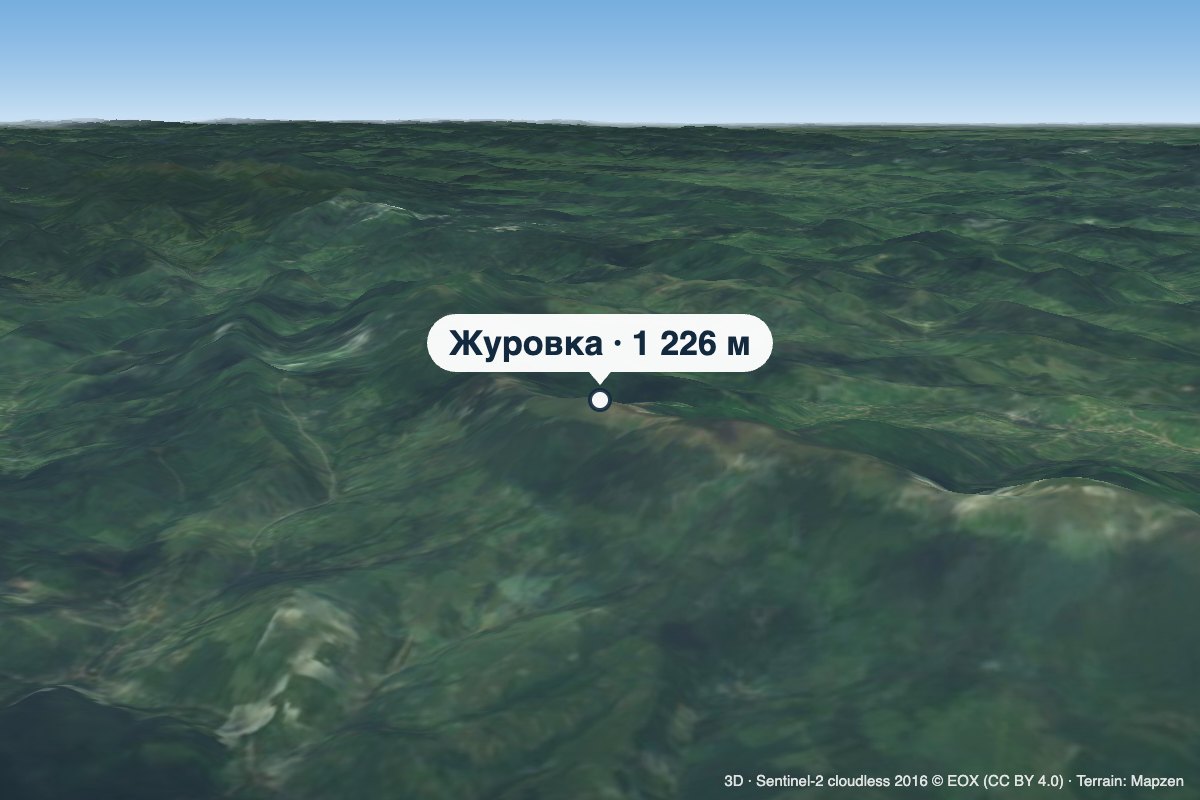 PeakMount ZhurovkaLybokhoraaltitude 1 226 m · Watershed Ridge range1 trail to the topZhurovka (Zhurivka in encyclopedic sources) is a 1,226 m summit on the Vododilnyi (Verkhovyna Watershed) Ridge, on...
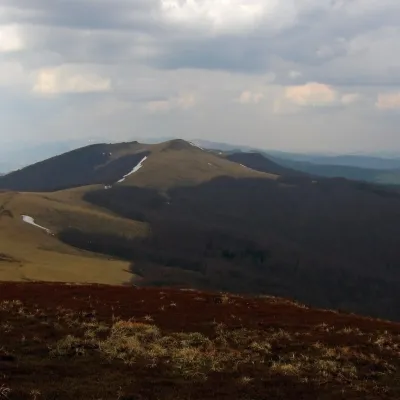 PeakMount StarostynaLybokhoraaltitude 1 229 m · Watershed Ridge range1 trail to the topStarostyna is a 1,229 m mountain on the Vododilnyi (Verkhovyna Watershed) Ridge of the Eastern Beskids.
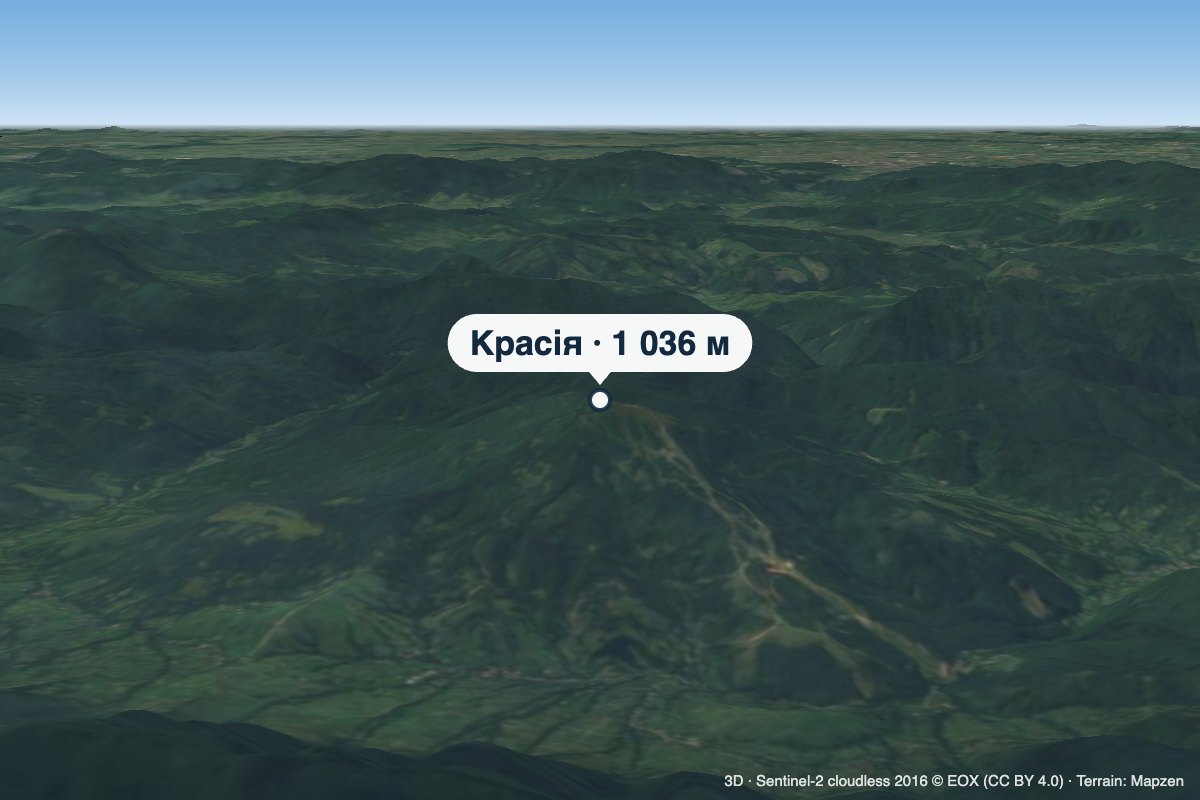 PeakMount KrasiiaVyshkaaltitude 1 036 mKrasiia is a 1,036 m mountain in the Eastern Beskids above the village of Vyshka in the Uzhhorod (formerly Velykyi...
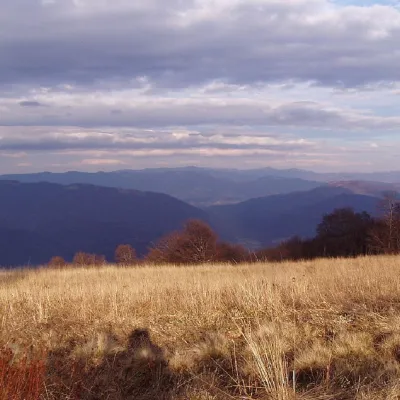 PeakMount YavirnykRuskyi Mocharaltitude 1 017 m17 trails to the topMount Yavirnyk is a 1,017-meter peak of the Ukrainian Carpathians, which is located within the Polonynsky Beskyd.
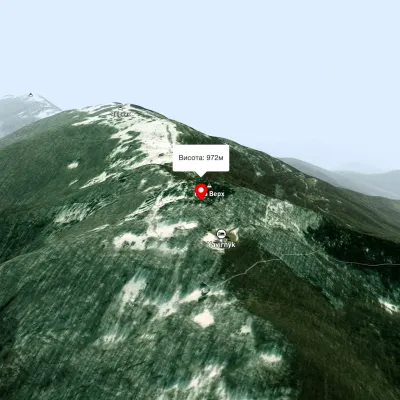 PeakMount Judah TopRuskyi Mocharaltitude 972 mThe top of Mount Judah Top is 972 meters above sea level. The nearest settlements are: Ruskyi Mochar (2.1 km), Sil (4...
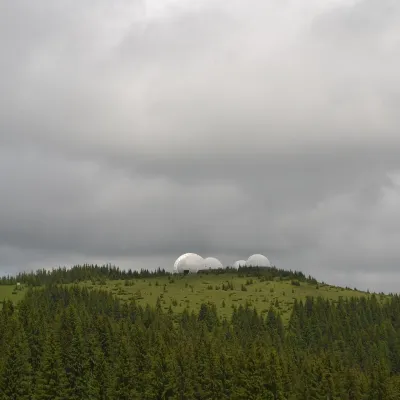 Mountain meadow1 565 mMount Tomnatyk (Yalovychory)SarataTomnatyk is a 1,565 m mountain in the Yalovychory Mountains, on the Tomnatykul ridge.
Mountain ranges: Maramureș Mountains, Hryniava Mountains, Bieszczady, Rivna Polonyna, Vihorlat-Gutin Volcanic Ridge. In other countries: 🇵🇱 Silesian Beskids, 🇭🇺 Bükk, 🇵🇱 Żywiec Beskids
Trails and peaks near which naturalists recorded the species (GBIF, iNaturalist), matched by altitude and habitat. Sightings are not guaranteed.
Sources
- Вікіпедія: Борсук європейський
- Wikipedia (en): European badger
- Перелік видів тварин, що заносяться до Червоної книги України (наказ Міндовкілля від 19.01.2021 № 29, зареєстровано в Мін'юсті 01.03.2021 за № 260/35882)
- Міндовкілля: текст переліку видів тварин Червоної книги України (PDF)
- GBIF: таксон і категорія МСОП
GBIF · iNaturalist · Wikidata · Distribution data: GBIF.org (CC0 and CC BY records), iNaturalist; names and identifiers: Wikidata (CC0). Text: Karpaty.rocks, checked 09.11.2026.
