Eurasian lynx
About
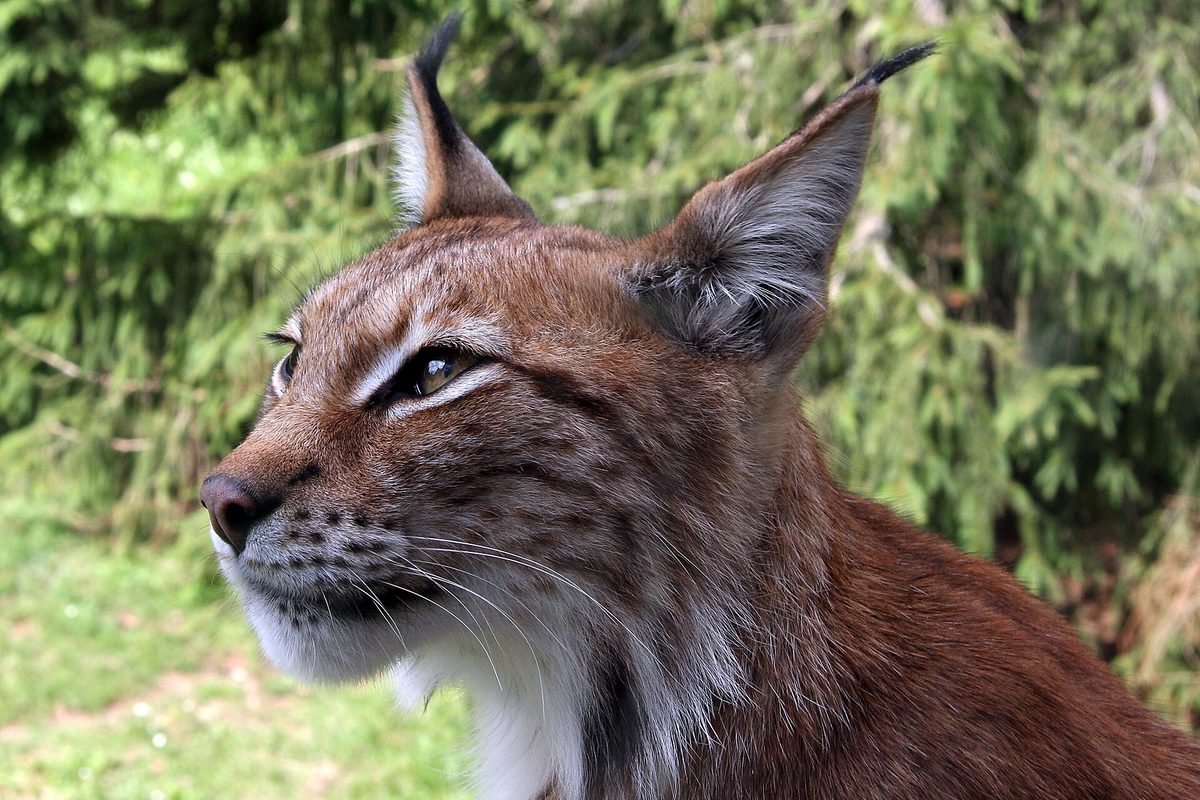
The Eurasian lynx is the largest wild cat in Europe and one of the most elusive inhabitants of the Carpathians. In Ukraine, it is rare and primarily lives in the Carpathians and Polissia. In the Carpathians, the lynx prefers large forested areas—mixed and spruce forests, with windfalls, cliffs, and rocky outcrops, where it can comfortably set up a den and ambush prey. It can be found in all Carpathian countries—from the Polish Bieszczady and Slovak Poloniny to Romania.
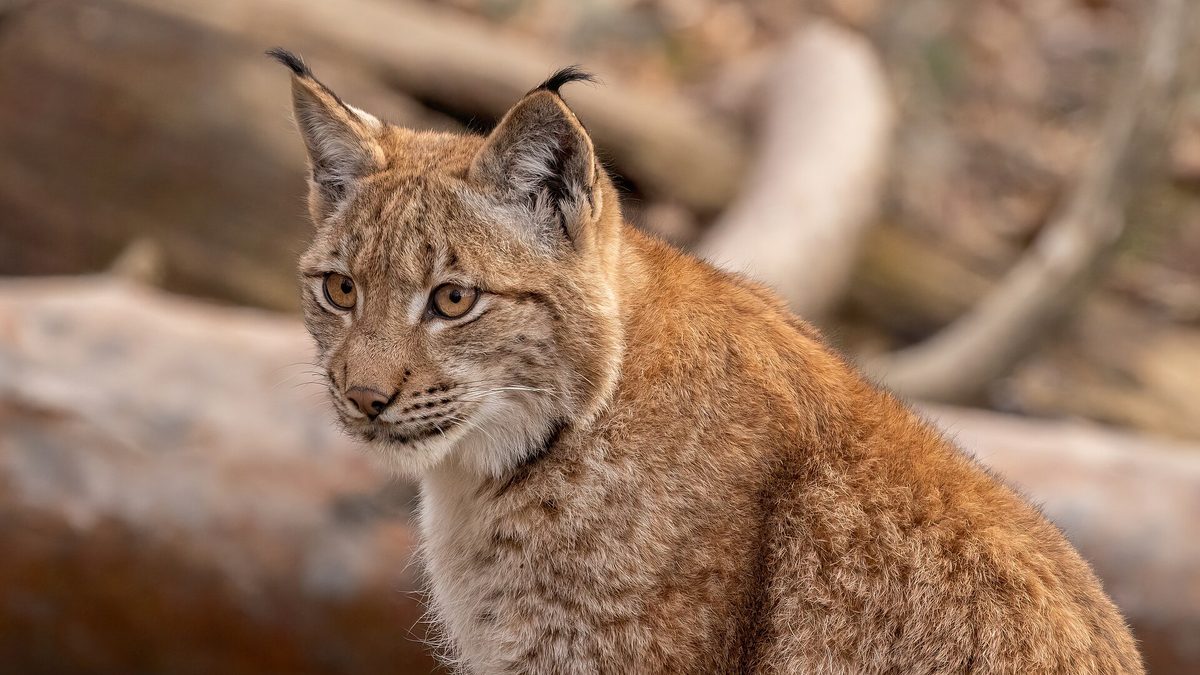
The lynx is easily recognizable by the tufts on its ears, whiskers, short 'bobbed' tail with a black tip, and long legs with broad paws that help it walk on snow. The body length of a male is 76–110 cm, with a height at the shoulder of 60–65 cm; the lynx typically weighs 16–20 kg, occasionally more. Its fur is grayish-red, with dark spots of varying prominence; in winter, it becomes denser and lighter, and thick fur grows on its paws, functioning like snowshoes.
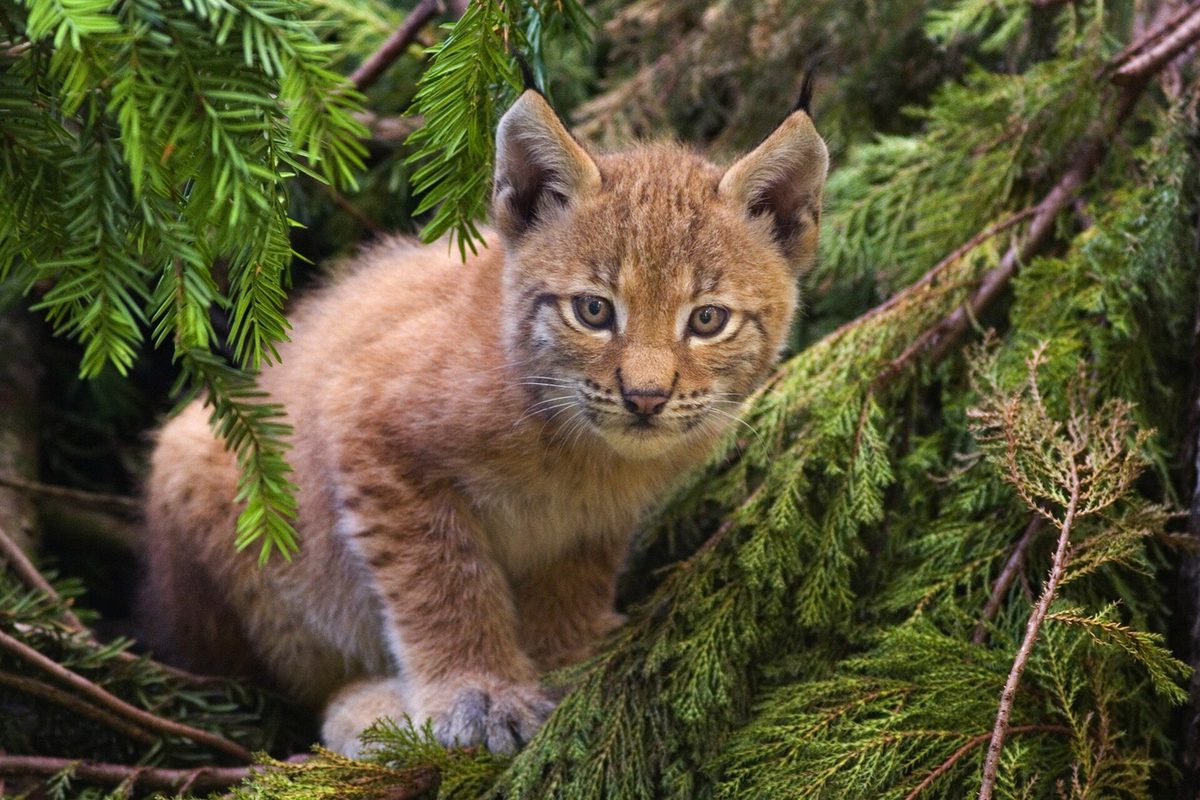
The lynx is an ambush hunter: it stalks and catches its prey in a few jumps. It hunts hares, birds, rodents, and in winter, when ungulates sink into deep snow, it also preys on roe deer. It is primarily active after sunset; at night, it travels 6–8 km, and in harsh winters, up to 30 km per day. The mating season begins at the end of February and lasts nearly a month. The gestation period is 63–70 days, so kittens, usually two to three, are born in May. Young lynxes stay with their mother for almost a year and learn to hunt from her before seeking their own territory. According to estimates provided in the Ukrainian Wikipedia, there are 350–400 lynxes living in the Carpathians.
The lynx lives alone: each adult animal has a large territory that it marks with scent and scratches on trees. The lynx's tracks are round, about the size of a palm, and without claw marks: when walking, the cat retracts them. In winter, the lynx walks in a straight line, placing its hind paws precisely in the tracks of its front paws. It often buries remains of its prey under snow or leaves and returns to them several nights in a row.
Seeing a lynx in the wild is a rare occurrence— even park workers mostly know it by its tracks in the snow and photos from camera traps. The locations of dens and regular paths are not disclosed. The lynx is listed in the Red Data Book of Ukraine as a vulnerable species, and hunting it is prohibited.
Where in the Carpathians

The map shows where naturalists recorded the species (GBIF, CC0 and CC BY records), not every place it lives. The Ukrainian Carpathians are less studied, so a blank area does not mean the species is absent. For rare and vulnerable species the map is deliberately coarse (hexagons of ~250 km² or more) so that it never points to dens, nests or growing sites.
- Countries
- Ukraine · Slovakia · Romania · Poland · Czechia
- Mountain ranges
- Chornohora, Maramureș Mountains, Gorgany, Hryniava Mountains, Pokuttia-Bukovina Carpathians, Skole Beskids, Bieszczady, Krasna Polonyna, Polonynian Ridge, Chyvchyn Mountains
- Altitude belts
- Beech forests (600–1200 m) · Conifer forests (1200–1600 m)
When to see it
| Jan | Feb | Mar | Apr | May | Jun | Jul | Aug | Sep | Oct | Nov | Dec | |
|---|---|---|---|---|---|---|---|---|---|---|---|---|
| Sightings |
From naturalists’ observations in the Carpathians (iNaturalist, research grade): the darker the cell, the more often the species is seen that month.
Protection and rules
Hunting the lynx is prohibited: the species is listed in the Red Data Book of Ukraine.
FAQ
Does the lynx live in the Carpathians?
Yes. In Ukraine, the lynx is primarily found in the Carpathians and Polissia; in the Carpathians, it prefers large mixed and spruce forests. Due to its secretive lifestyle, it is seen very rarely.
Is the lynx listed in the Red Data Book of Ukraine?
Yes, as a vulnerable species. Hunting it is prohibited.
Similar species
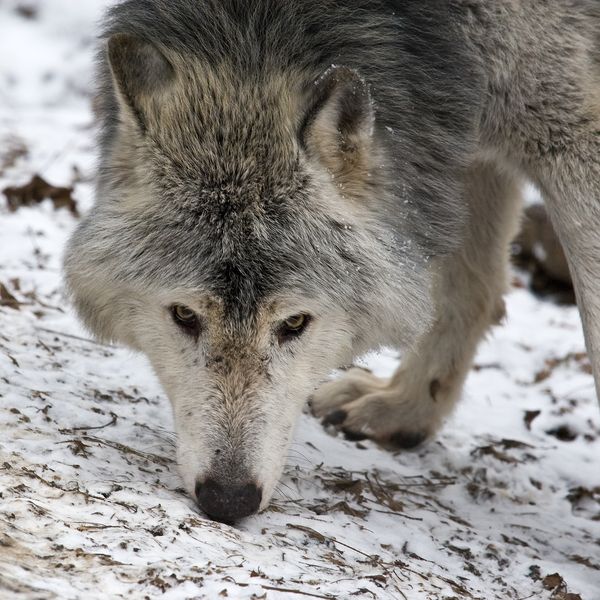
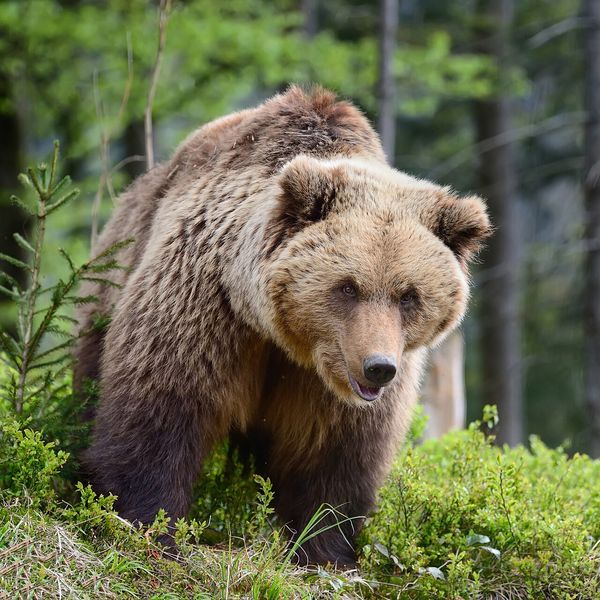
Where to meet it
Ranges where it occurs: Chornohora, Maramureș Mountains, Gorgany, Hryniava Mountains, Pokuttia-Bukovina Carpathians, Skole Beskids, Bieszczady, Krasna Polonyna, Polonynian Ridge, Chyvchyn Mountains. In other countries: 🇸🇰 Low Tatras
Trails and peaks near which naturalists recorded the species (GBIF, iNaturalist), matched by altitude and habitat. Sightings are not guaranteed.
Sources
- Вікіпедія: Рись звичайна
- Wikipedia (en): Eurasian lynx
- Перелік видів тварин, що заносяться до Червоної книги України (наказ Міндовкілля від 19.01.2021 № 29, зареєстровано в Мін'юсті 01.03.2021 за № 260/35882)
- Міндовкілля: текст переліку видів тварин Червоної книги України (PDF)
- GBIF: таксон і категорія МСОП
- Директива Ради 92/43/ЄЕС про збереження природних оселищ (консолідована редакція)
GBIF · iNaturalist · Wikidata · Distribution data: GBIF.org (CC0 and CC BY records), iNaturalist; names and identifiers: Wikidata (CC0). Text: Karpaty.rocks, checked 09.11.2026.
