Bank vole
About
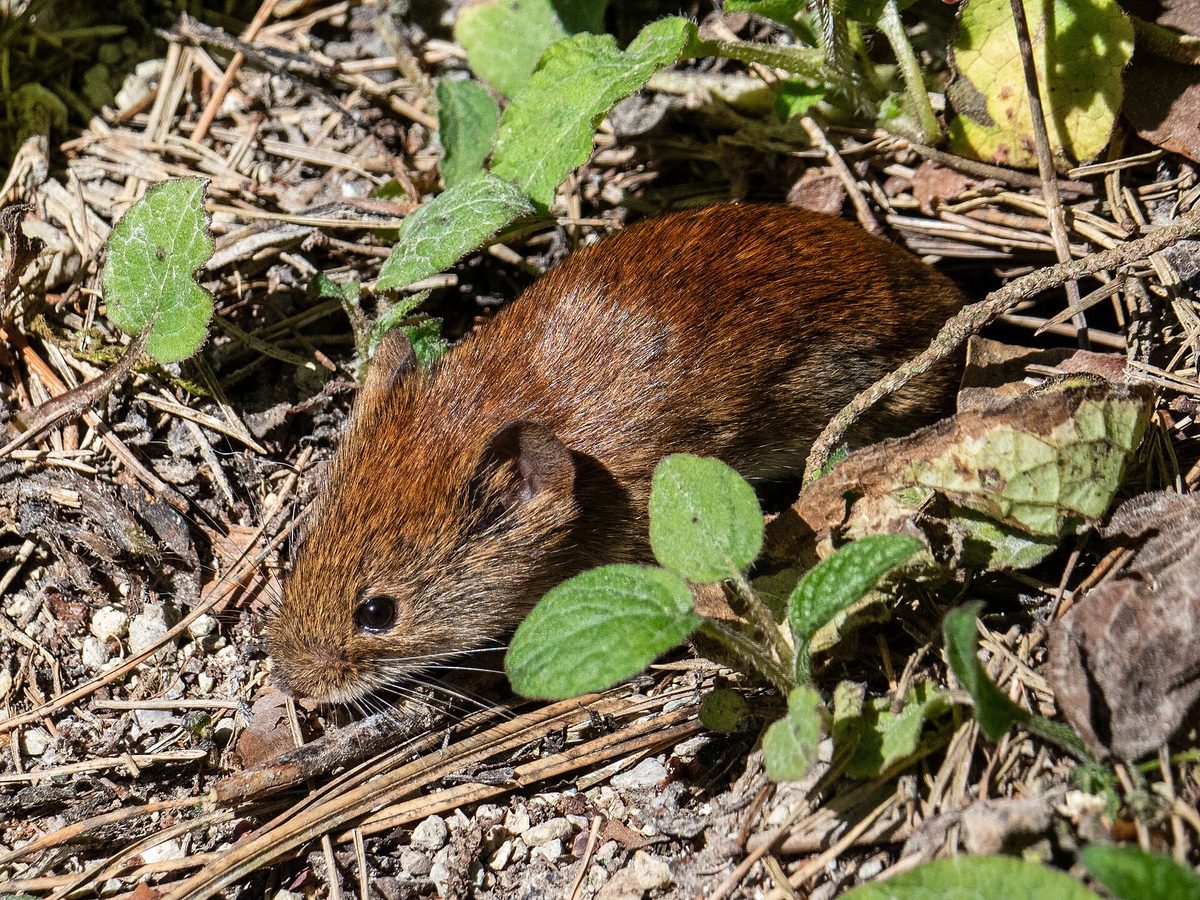
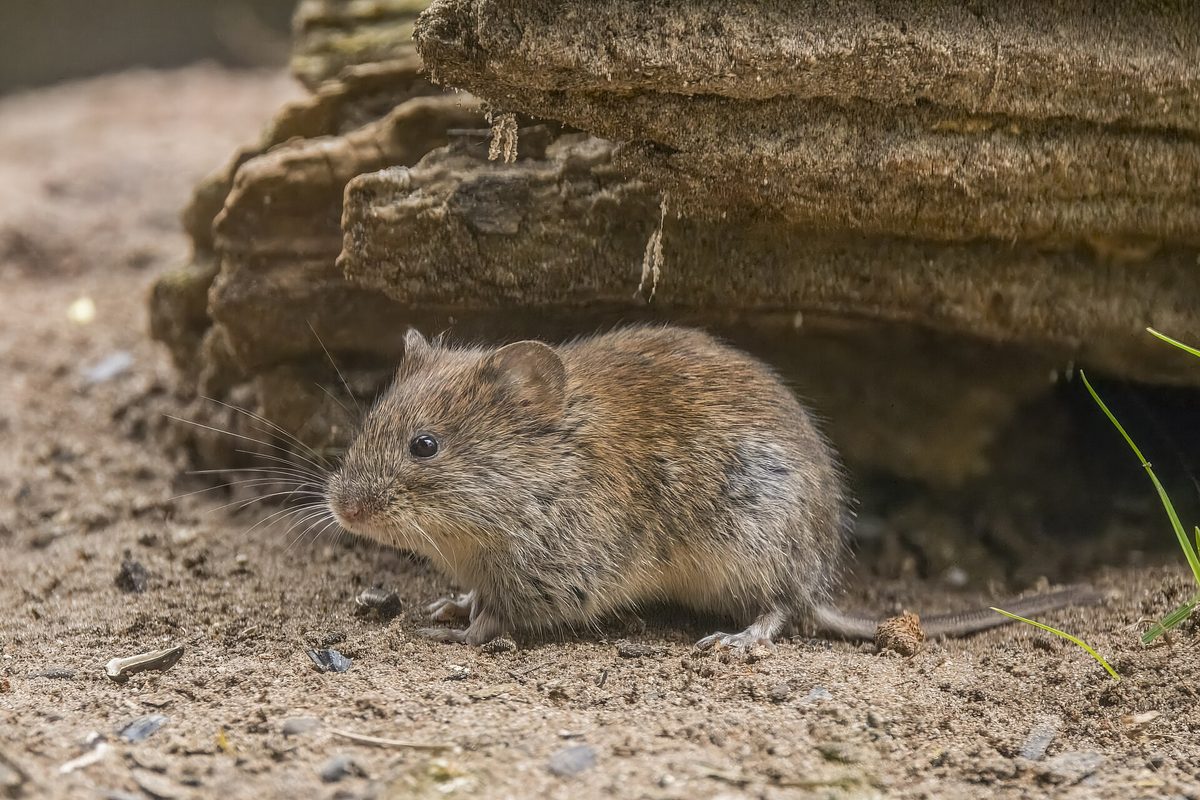
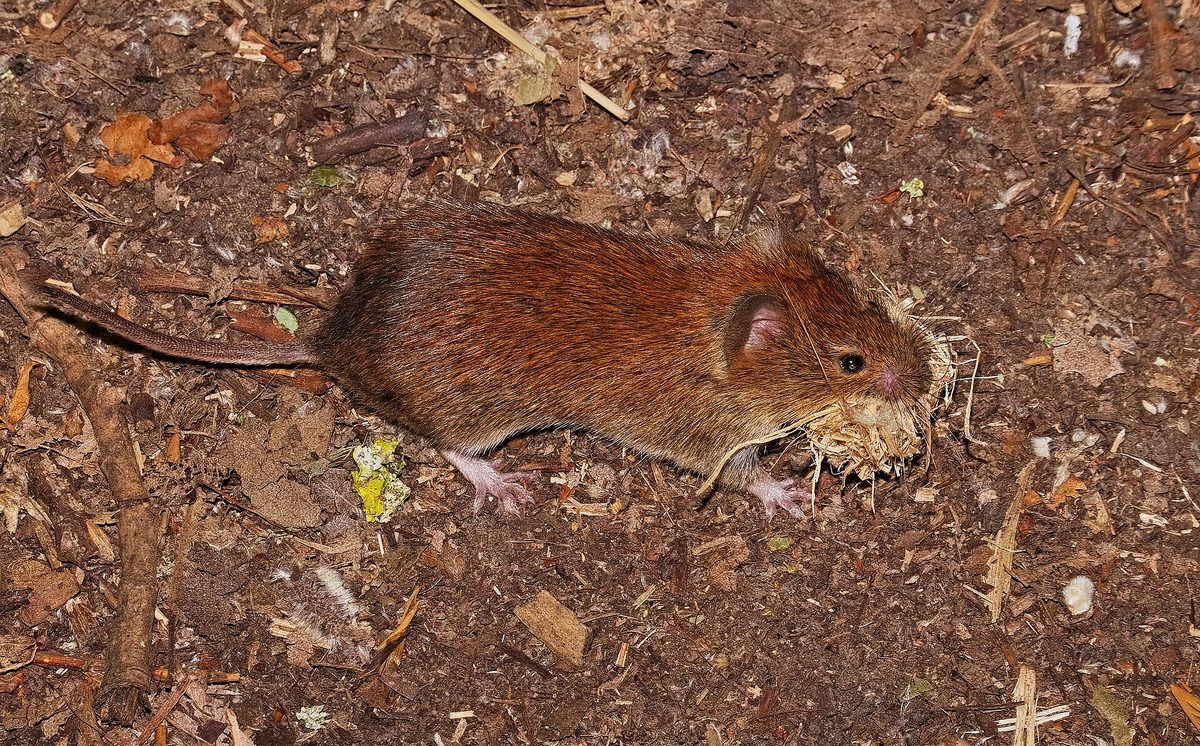
The Bank vole is a small rodent: its body measures 8–12 cm in length, with a tail approximately half as long. It is distinguished from mice by its blunt snout, small ears that barely protrude from its fur, and short tail. Its back is rusty-brown or chestnut, sides are gray, and the belly is light.
This is the most common mammal of the forest belt in the Carpathians. The Bank vole lives in beech, mixed, and spruce forests, in clearings, in thickets of brambles and raspberries, among stones and debris — from the foothills to the crooked forests. It is active both at night and during the day, so tourists often notice it when something rustles in the leaves along the trail. It climbs well in bushes and fallen branches.
The Bank vole feeds on seeds, beech nuts, buds, green parts of plants, berries, mushrooms, bark, and also insects. It makes food reserves for winter. During the warm season, females produce several litters, so after the harvest of beech nuts, the number of rodents increases significantly, while in poor harvest years, it decreases.
The fate of predators depends on the number of Bank voles: Long-eared owl, Tawny owl, martens, weasels, stoats, foxes, and wildcats.
In mountain huts and Kolibas, rodents search for food, so keep products in closed containers or hung up.
Where in the Carpathians

Teal — roughly where the species can occur, by elevation and habitat; orange — where naturalists recorded it (GBIF, CC0/CC BY).
Range: elevation belt and forests — our model (AWS Terrain Tiles; © OpenStreetMap)
- Countries
- Ukraine · Slovakia · Romania · Hungary · Poland · Czechia
- Mountain ranges
- nearly all Carpathian ranges, in the forest belt
- Altitude belts
- Foothills (below 600 m) · Beech forests (600–1200 m) · Conifer forests (1200–1600 m)
When to see it
| Jan | Feb | Mar | Apr | May | Jun | Jul | Aug | Sep | Oct | Nov | Dec | |
|---|---|---|---|---|---|---|---|---|---|---|---|---|
| Sightings |
From naturalists’ observations in the Carpathians (iNaturalist, research grade): the darker the cell, the more often the species is seen that month.
Safety
The Bank vole is a natural carrier of hantavirus, which is transmitted through dust from dry droppings and urine of rodents. In huts and Kolibas, do not eat products gnawed by rodents, do not sweep droppings dry — first moisten them with water — and wash your hands.
Protection and rules
Not listed in the Red Book of Ukraine.
FAQ
How to distinguish a Bank vole from a mouse?
The Bank vole has a blunt snout, small ears, and a short tail — about half the length of its body. Mice have a pointed snout, large ears, and a tail that is nearly as long as their body.
Are forest rodents dangerous for tourists?
The animals themselves do not attack people. The risk is associated with infections transmitted through droppings and gnawed food, so keep products closed in huts and do not stir up dust from droppings.
Comments
Travellers’ experience: reports, tips, questions.
No one has written here yet. Be the first — your experience helps others.
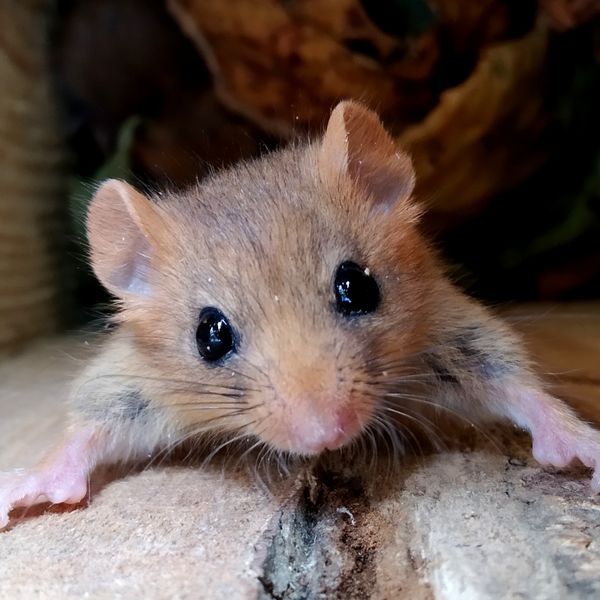
Similar species
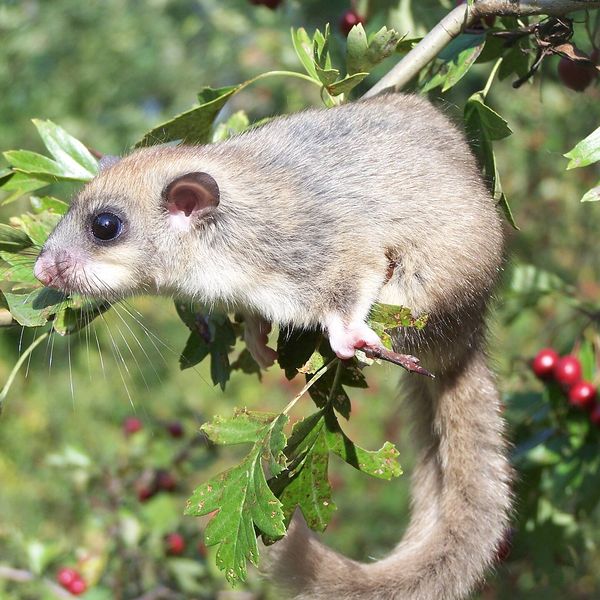
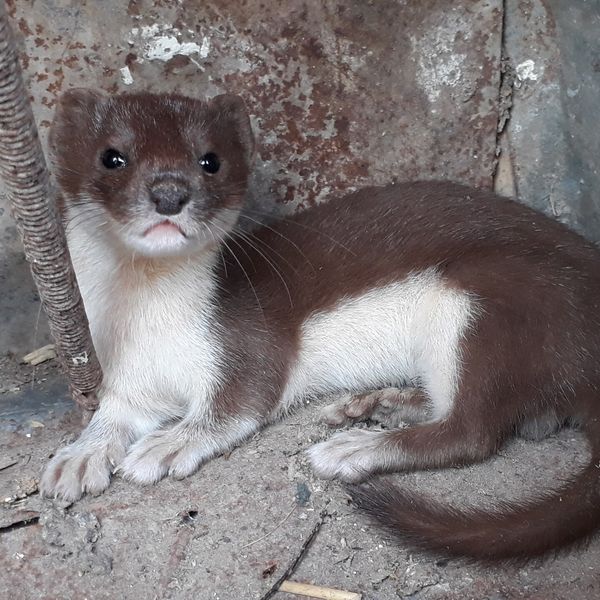
Where to meet it
Trails
 Hard1–2 daysShybene village loopvia Mount Stih, Mount Reheska +1Elevation profile847–1 571 m32.2 kmascent 897 m≈ 9.5 h walking
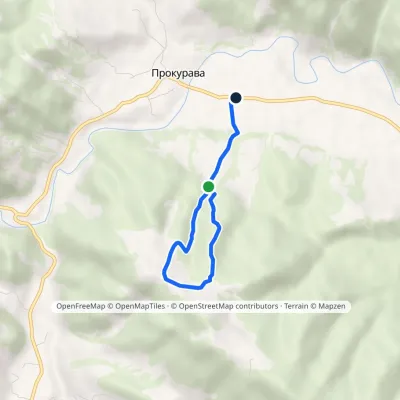 EasyOne-dayMarkedUp Brusnyi ridge to Dovbush RockElevation profile510–856 m3.5 kmascent 233 m≈ 1.5 h walking
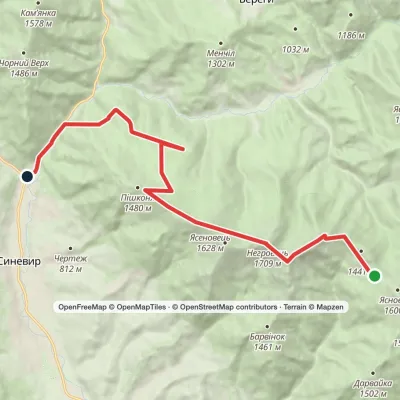 ModerateOne-dayMount Nehrovets Synevyr villageElevation profile665–1 707 m17.1 kmascent 621 m≈ 5.5 h walking
 HardOne-dayLake Synevyr to Synevyr villagevia Mount Ozerna, Mount KamiankaElevation profile660–1 578 m19.4 kmascent 1 192 m≈ 7 h walking
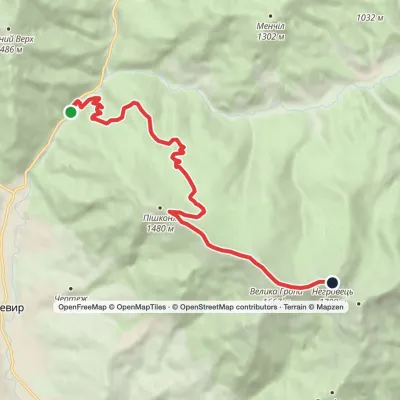 ModerateOne-dayMarkedSynevyr village Mount NehrovetsElevation profile682–1 707 m12.3 kmascent 1 087 m≈ 5 h walking
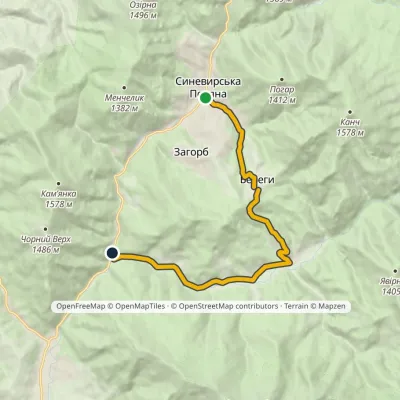 ModerateOne-dayMarkedSynevyrska Poliana TersovataElevation profile697–1 140 m13.3 kmascent 401 m≈ 4 h walking
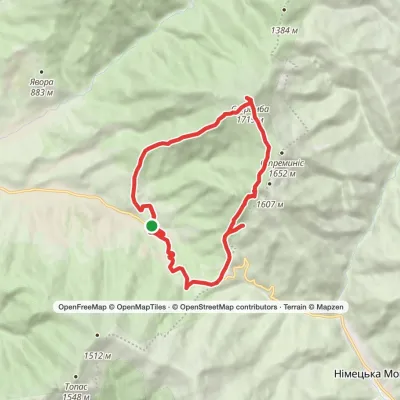 ModerateOne-dayMarkedKolochava village loopvia Mount StrymbaElevation profile719–1 719 m16.2 kmascent 1 025 m≈ 6 h walking
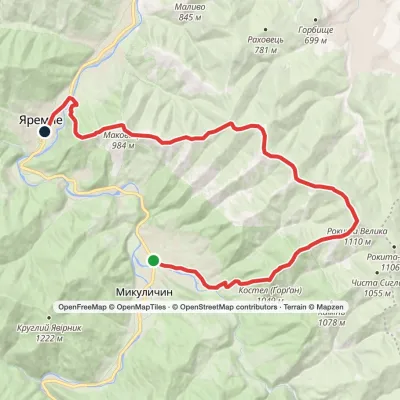 HardOne-dayMarkedMykulychyn village to Yaremchevia Mount Kostel, Mount Rokyta +1Elevation profile476–1 110 m27.1 kmascent 908 m≈ 8.5 h walking
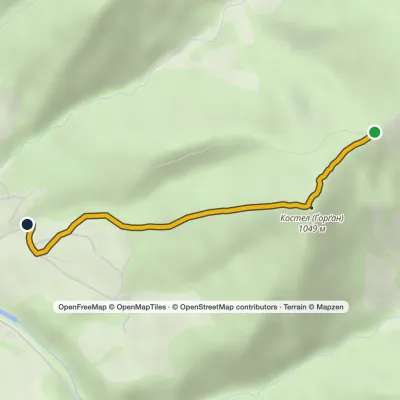 EasyOne-dayMarkedTo Mount KostelElevation profile682–1 049 m2.5 kmascent 367 m≈ 1 h walking
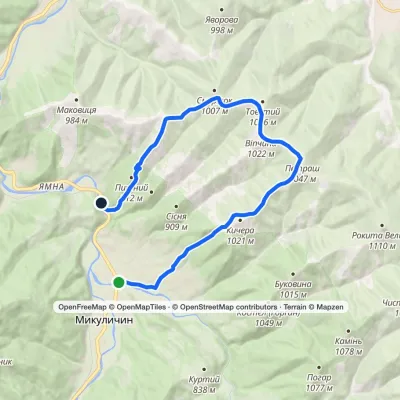 ModerateOne-dayMarkedRivnia hamlet Mykulychynvia Mount Smerichok, Mount PetrashElevation profile574–1 047 m15 kmascent 587 m≈ 4.5 h walking
 ModerateOne-dayMykulychyn village loopvia Mount YahidnaElevation profile590–1 216 m15.1 kmascent 647 m≈ 5 h walking
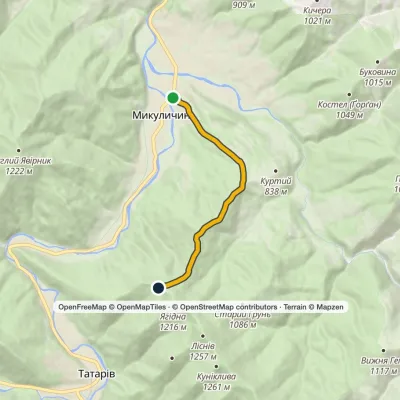 EasyOne-dayMarkedMykulychyn village Mount YahidnaElevation profile594–1 103 m6.2 kmascent 525 m≈ 2.5 h walking
Peaks and meadows
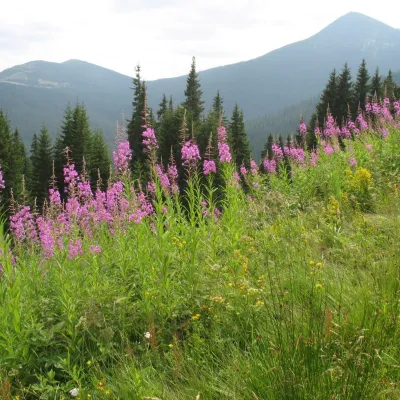 Mountain meadow1 290 mPolonyna MaryshevskaBystretsMaryshevska Polonyna is a small mountain pasture on a north-eastern spur of Chornohora, in the group of Velyka (1,567...
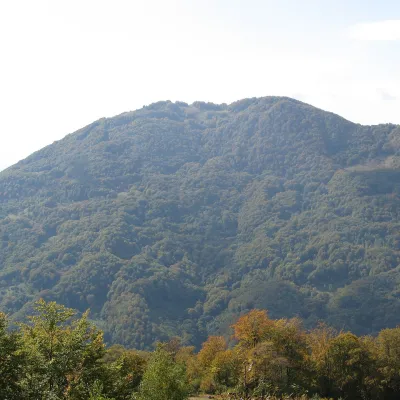 PeakMount KobylaKobyletska Polianaaltitude 1 177 m · Svydovets rangeKobyla is a 1,177 m mountain in the Rakhiv district of Zakarpattia Oblast.
 Mountain meadow674 mPolonyna Rosokhata (Sheshory)SheshoryWhy is the meadow called "Rosokhata"? The two parts of the field that form the branches look like dewdrops.
Waters and waterfalls
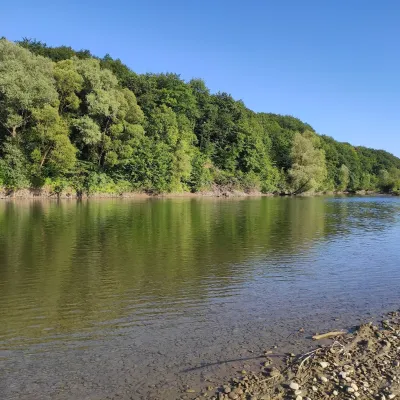 RiverBystrytsia Solotvynska RiverSolotvynThe Bystrytsia Solotvynska rises at about 1,390 m at the foot of Mala Syvulia and Bystryk, near the Peklo cliffs in...
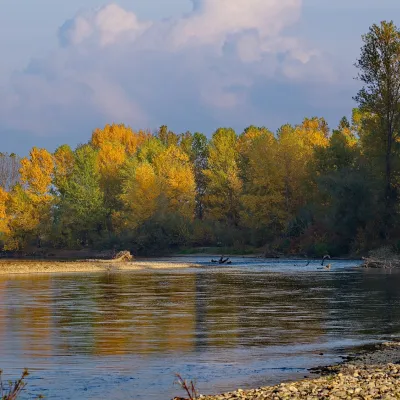 RiverTysa River (Tisza)RakhivThe Tysa (Tisza) is the main river of Zakarpattia. It begins on the north-eastern edge of Rakhiv, where the Chorna...
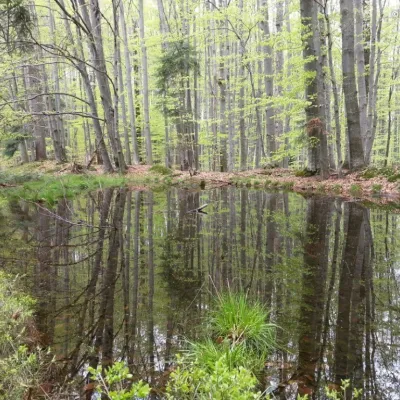 LakeDead Lake (Sheshory)SheshoryNot far from the Rosokhata valley, on the neighboring Karmatura ridge, there is the Dead Lake.
Mountain ranges: Gorgany, Maramureș Mountains, Pokuttia-Bukovina Carpathians, Chornohora. In other countries: 🇸🇰 High Tatras, 🇸🇰 Low Tatras, 🇷🇴 Bucegi Mountains, 🇭🇺 Börzsöny and Cserhát, 🇷🇴 Pădurea Craiului, 🇭🇺 Bükk
Trails and peaks near which naturalists recorded the species (GBIF, iNaturalist), matched by altitude and habitat. Sightings are not guaranteed.
Sources
- Вікіпедія: Нориця руда
- Wikipedia (en): Bank vole
- iNaturalist: Clethrionomys glareolus (спостереження в Карпатах)
GBIF · iNaturalist · Wikidata · Distribution data: GBIF.org (CC0 and CC BY records), iNaturalist; names and identifiers: Wikidata (CC0). Text: Karpaty.rocks, checked 11.11.2026.
