Hazel dormouse
About
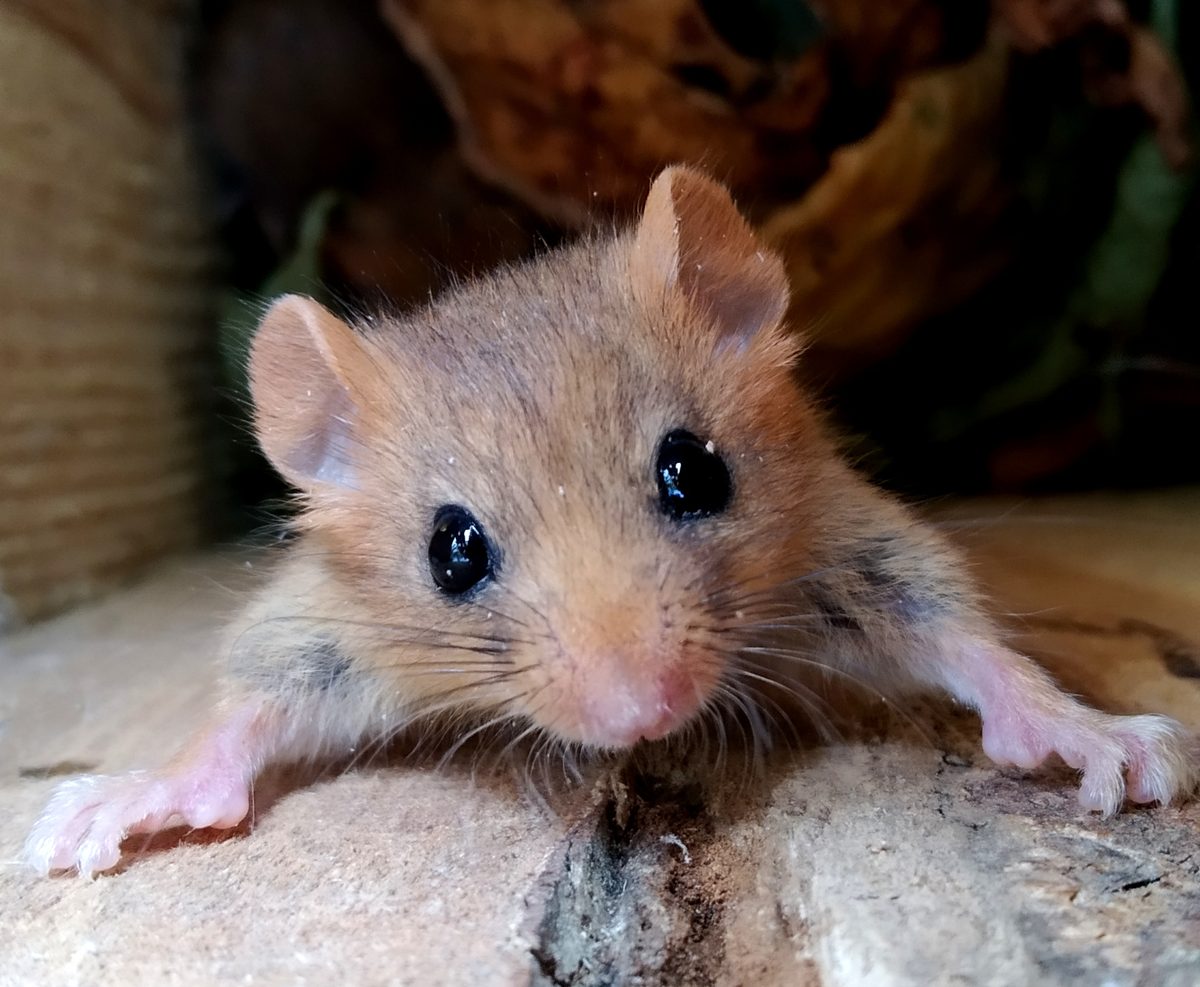
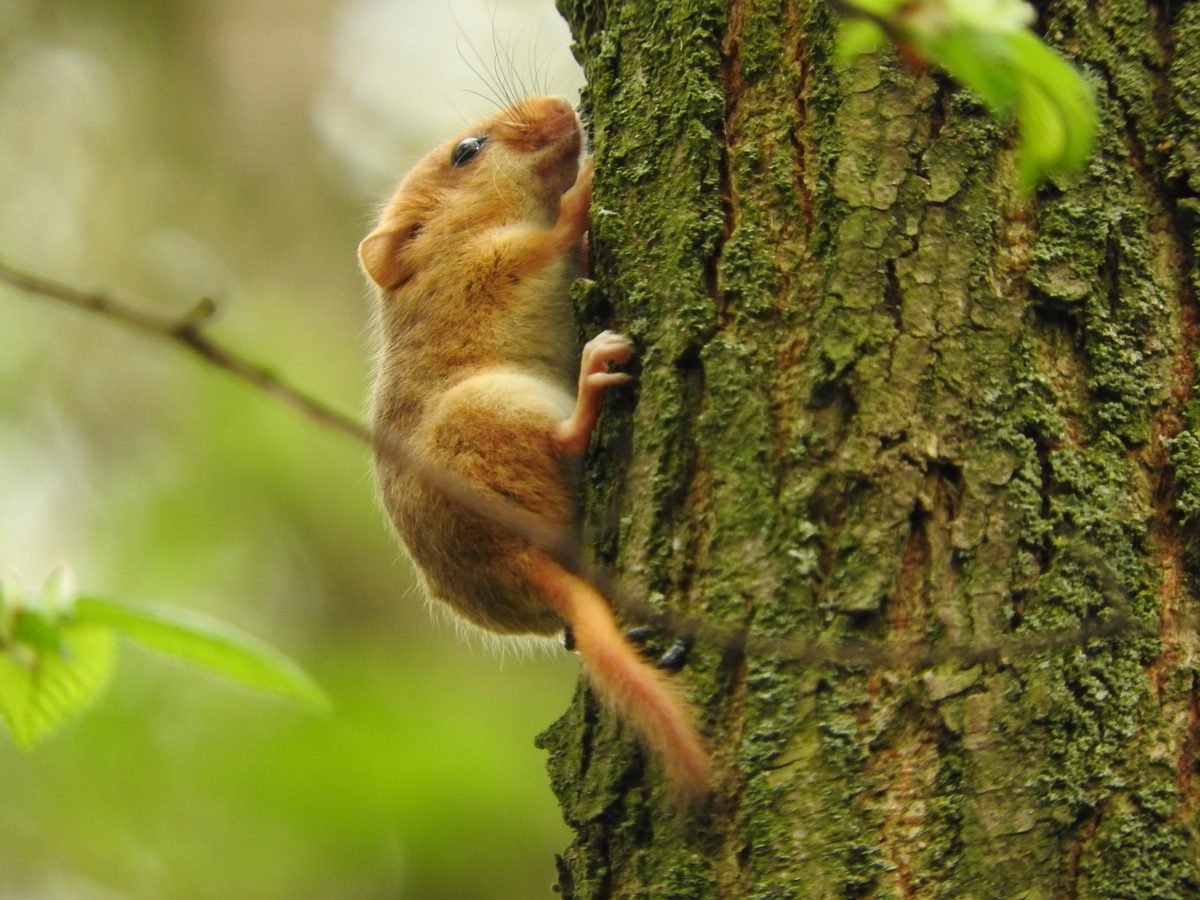
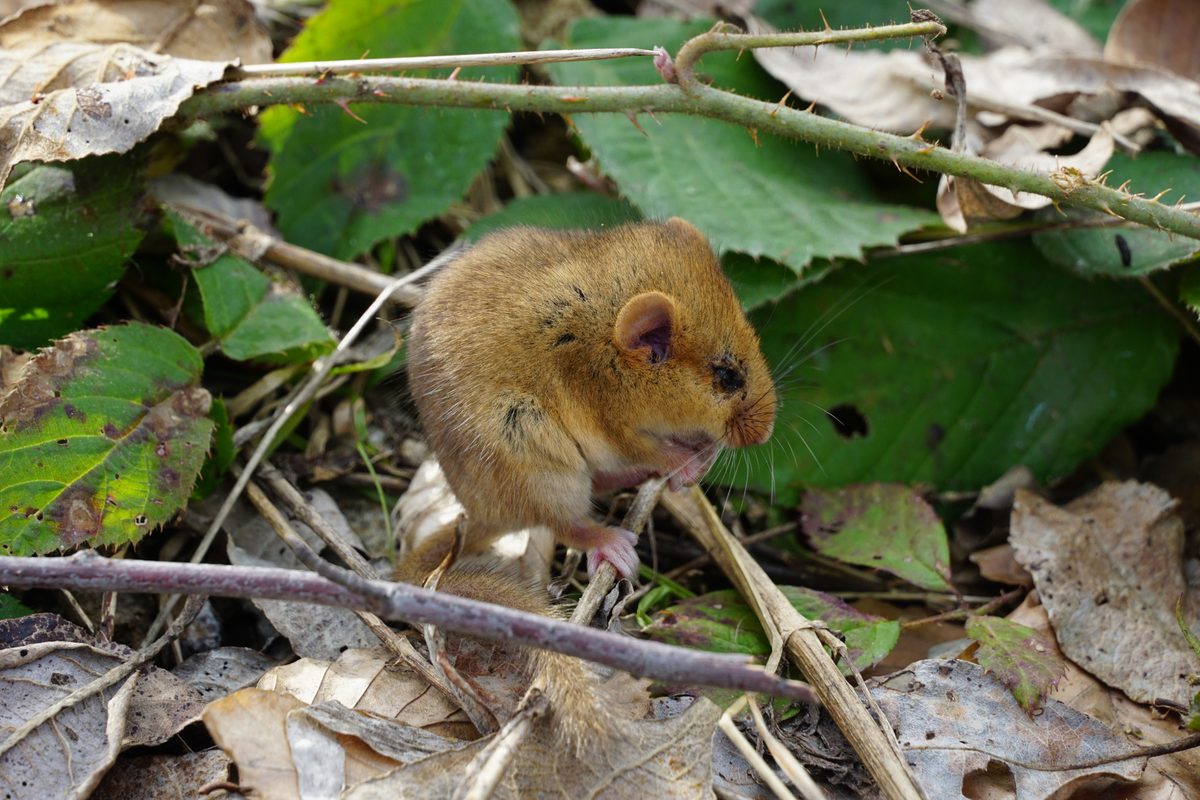
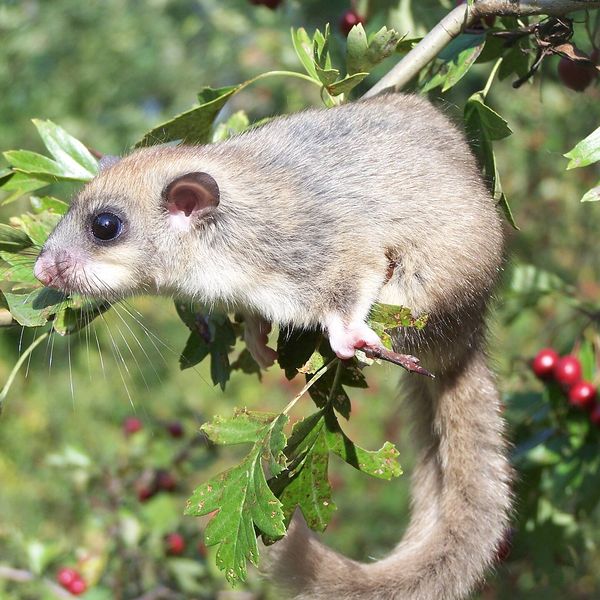
The Hazel dormouse is the smallest and probably the cutest of our dormice. Its body length does not exceed 10 cm, its fluffy tail measures 6–7.5 cm, and it weighs only 15–30 g. Its fur is reddish-brown, the belly is white, the eyes are large and black, and the ears are small and round. This little creature has the most folk names among all mammals in Ukraine: hazel dormouse, hazel mouse, nutcracker, and others.
The Hazel dormouse is widespread in the forest zone of Europe; in the Alps, it has been found up to an altitude of 1920 m. In Ukraine, it is known from most western, central, and northern regions and is most characteristic of deciduous forests, especially those with dense undergrowth and shrubs along the edges. The Hazel dormouse lives alone and leads a strictly nocturnal lifestyle.
During the day, it sleeps in a spherical nest about 15 cm in diameter, woven from grass, bark, and moss, which usually hangs in bushes approximately 2 m above the ground. It eats flowers, insects, berries, and nuts, with hazelnuts being its main food, which it uses to build up fat before winter. Hibernation lasts from October to April; during this time, the Hazel dormouse settles on the ground, under forest litter, in hollow stumps, or abandoned burrows.
The presence of the Hazel dormouse is indicated by nuts with a neat round hole and tooth marks along the edge; squirrels and jays, on the other hand, crack the shell or leave a ragged hole. The Hazel dormouse is not listed in the Red Book of Ukraine, but it is protected in the EU: it is included in Annex IV of the Habitats Directive. The preservation of hazel thickets and undergrowth along the edges is the best protection for it.
Where in the Carpathians

The map shows where naturalists recorded the species (GBIF, CC0 and CC BY records), not every place it lives. The Ukrainian Carpathians are less studied, so a blank area does not mean the species is absent.
- Countries
- Ukraine · Slovakia · Romania · Hungary · Poland
- Mountain ranges
- Low Tatras, Pokuttia-Bukovina Carpathians, Chornohora, Skole Beskids, Bükk, Gorgany, Krasna Polonyna, Slovak Ore Mountains
- Altitude belts
- Foothills (below 600 m) · Beech forests (600–1200 m)
When to see it
| Jan | Feb | Mar | Apr | May | Jun | Jul | Aug | Sep | Oct | Nov | Dec | |
|---|---|---|---|---|---|---|---|---|---|---|---|---|
| Sightings |
From naturalists’ observations in the Carpathians (iNaturalist, research grade): the darker the cell, the more often the species is seen that month.
Protection and rules
Not listed in the Red Book of Ukraine (2021 list); in the EU — Annex IV of the Habitats Directive.
FAQ
How can I tell if a Hazel dormouse lives in the forest?
By hazelnuts with a neat round hole and tooth marks along the edge. Squirrels and jays crack the nut or leave a ragged hole.
Is the Hazel dormouse protected?
It is not listed in the Red Book of Ukraine, but it is protected in the EU as a species in Annex IV of the Habitats Directive.
Recorded nearby
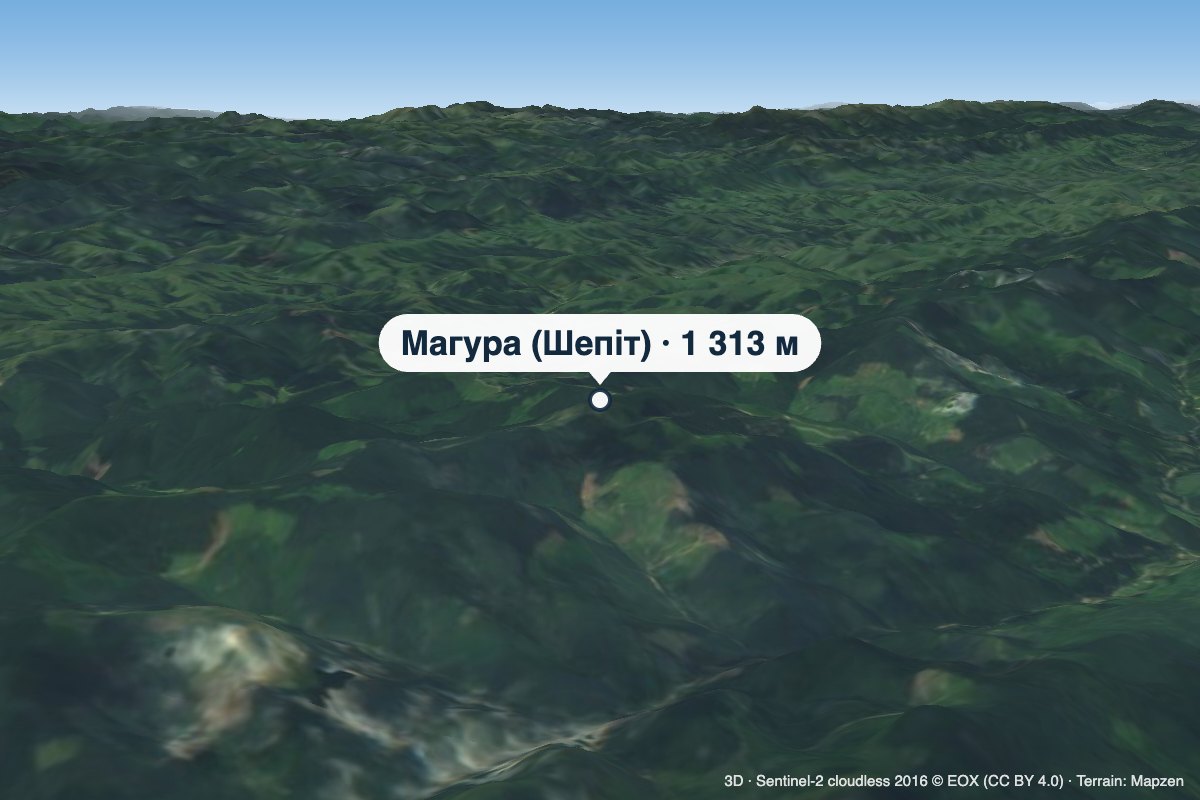 PeakMount Mahura (Shepit)Dolishnii Shepitaltitude 1 313 m · Pokuttia-Bukovyna Carpathians rangeMahura is a 1,313 m mountain in the Pokuttia-Bukovyna Carpathians, on the Dovhyi Hrun ridge.
 HardMulti-dayDubyna village to Tukhlia villagevia Kamianka Waterfall, Mount Lopata +1Elevation profile418–1 233 m38.8 kmascent 1 600 m≈ 13 h walking
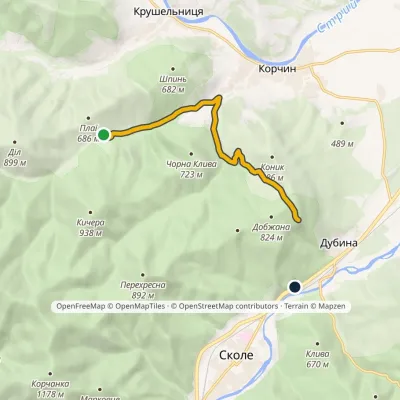 EasyOne-dayMarkedNo. 500 Skole Hurkalo waterfallElevation profile424–816 m7.5 kmascent 428 m≈ 2.5 h walking
 ModerateTwo-dayMarkedSkole loopvia Mount LopataElevation profile437–1 211 m17.3 kmascent 766 m≈ 6 h walking
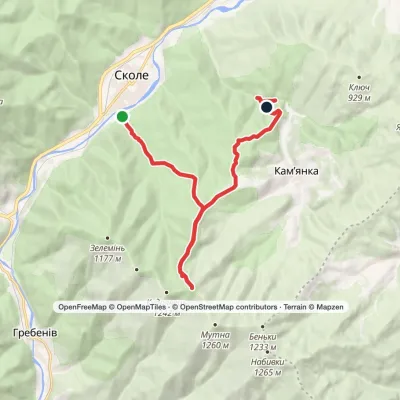 ModerateTwo-daySkole to Kamianka Waterfallvia Mount LopataElevation profile447–1 211 m18 kmascent 823 m≈ 6 h walking
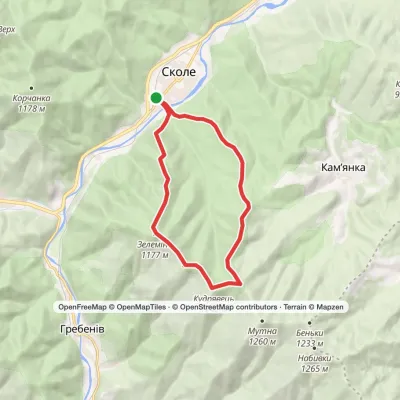 ModerateTwo-daySkole loopvia Mount LopataElevation profile437–1 242 m14.9 kmascent 972 m≈ 5.5 h walking
Trails and peaks near which naturalists recorded the species (GBIF, iNaturalist), matched by altitude and habitat. Sightings are not guaranteed.
Similar species
Sources
- Вікіпедія: Ліскулька
- Wikipedia (en): Hazel dormouse
- Wikipedia (pl): Orzesznica leszczynowa
- Перелік видів тварин, що заносяться до Червоної книги України (наказ Міндовкілля від 19.01.2021 № 29, зареєстровано в Мін'юсті 01.03.2021 за № 260/35882)
- Міндовкілля: текст переліку видів тварин Червоної книги України (PDF)
- GBIF: таксон і категорія МСОП
- Директива Ради 92/43/ЄЕС про збереження природних оселищ (консолідована редакція)
GBIF · iNaturalist · Wikidata · Distribution data: GBIF.org (CC0 and CC BY records), iNaturalist; names and identifiers: Wikidata (CC0). Text: Karpaty.rocks, checked 09.11.2026.
