Knysh
What it is
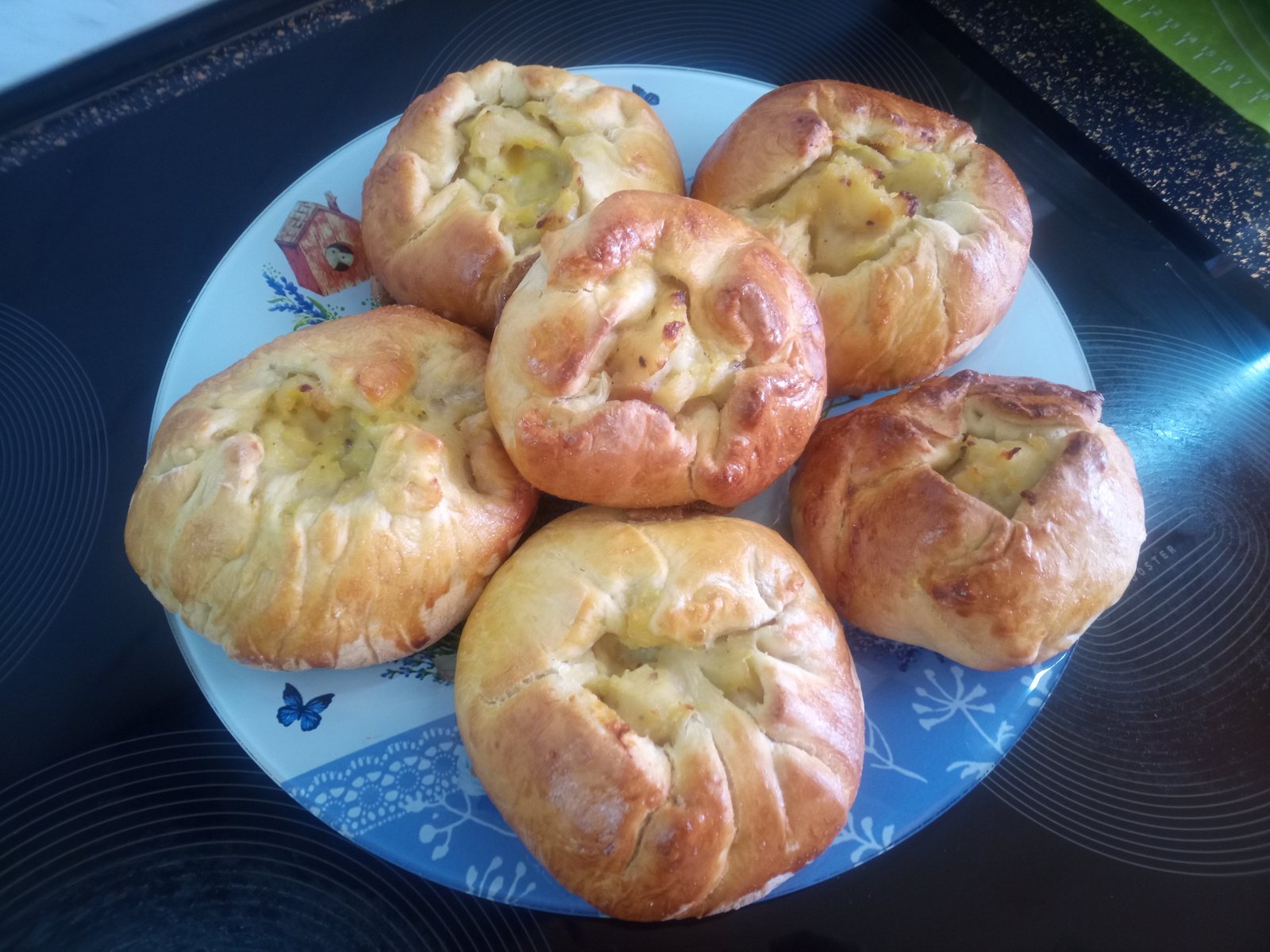
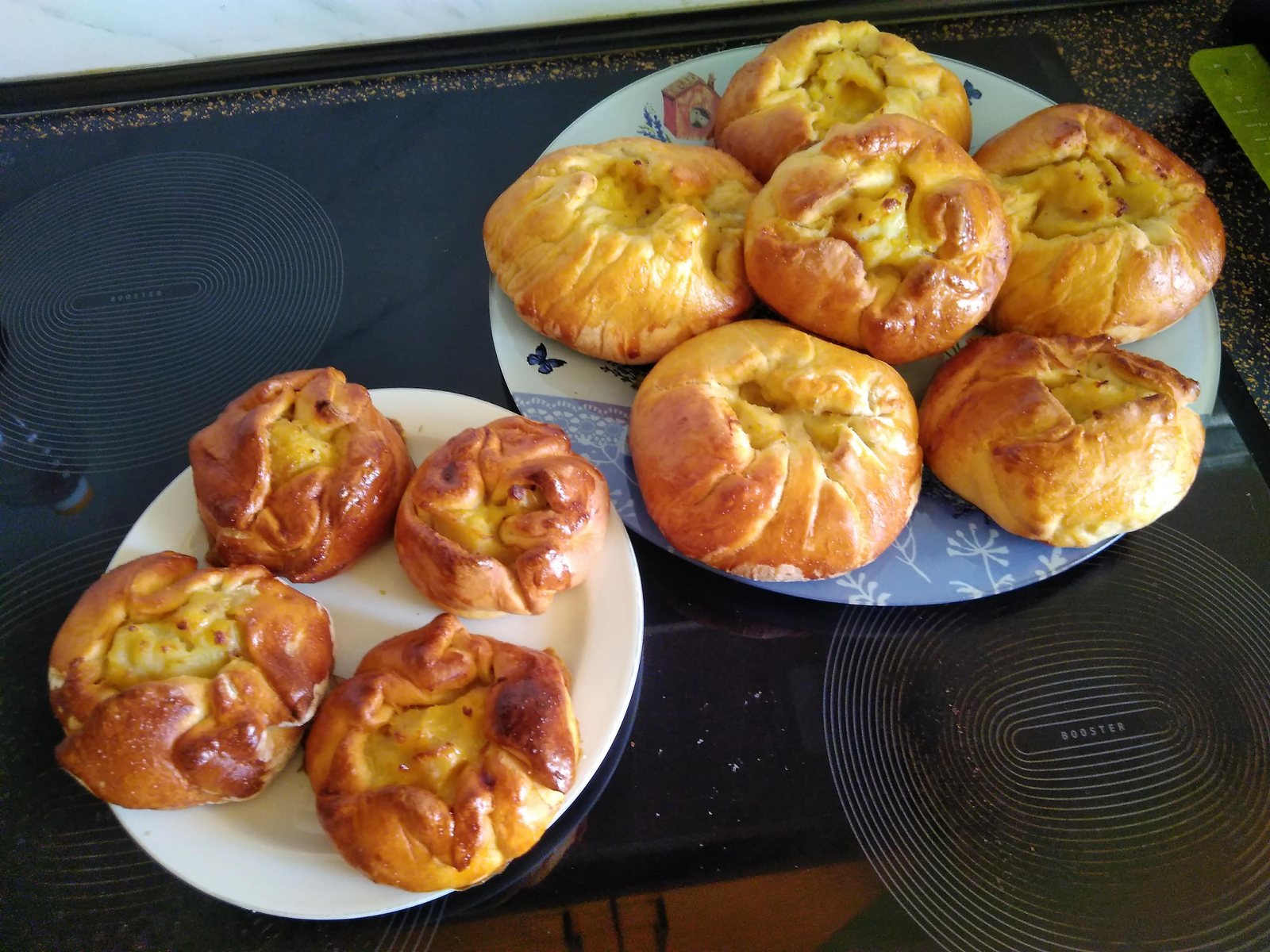
Knysh is a bread product known throughout Ukraine, but it is baked differently everywhere. A common feature, as observed by ethnologist Volodymyr Halaychuk, is that the edges of the dough are folded or rolled towards the center. In the Carpathians, knysh most often has a filling.
In the Boyko region, knysh is filled with boiled mashed potatoes, buckwheat, or cheese, and the edges of the dough are folded upwards. In the book 'Boyko Cuisine', a recipe from the village of Dovhe in Drohobych region is recorded: dough made with sour milk and yeast, filling of potatoes mashed with lard, onions, and garlic, and the edges are rolled 'in the shape of a sunflower'. Small knysh, baked 'the size of a palm', were called knyshyky or knysheniata.
In the Hutsul region, knysh can be both filled and unfilled. In Verkhovyna, lean knysh was taken to confession and communion, while rich knysh with bryndza was baked as an everyday meal. In Kosiv, knysh referred to regular round rye bread — as opposed to corn bread — and it was necessarily baked for the Holy Evening. Petro Lehoida, in his review of Carpathian cuisines, describes Hutsul knysh as buns with boiled potatoes or bryndza.
In Bukovina, as early as 1875, ethnographer Hryhoriy Kupchanko recorded that for the Holy Evening, housewives bake knysh with poppy seeds, cabbage, and peas.
History and name
The origin of the word 'knysh' is not precisely determined: the 'Etymological Dictionary of the Ukrainian Language' presents several versions and does not consider any of them certain. In the reference book 'Ukrainian Past', knysh is described as rye, less often wheat bread, the edges of which were cut with a spoon moistened in oil and folded towards the center 'like petals'. Knysh is also mentioned among the memorial dishes in Ivan Kotliarevskyi's 'Aeneid'.
A cognate name is knish — a baked pastry with potatoes in the cuisine of Eastern European Jews.
Ingredients and allergens
Variant: boyko-style, with potatoes
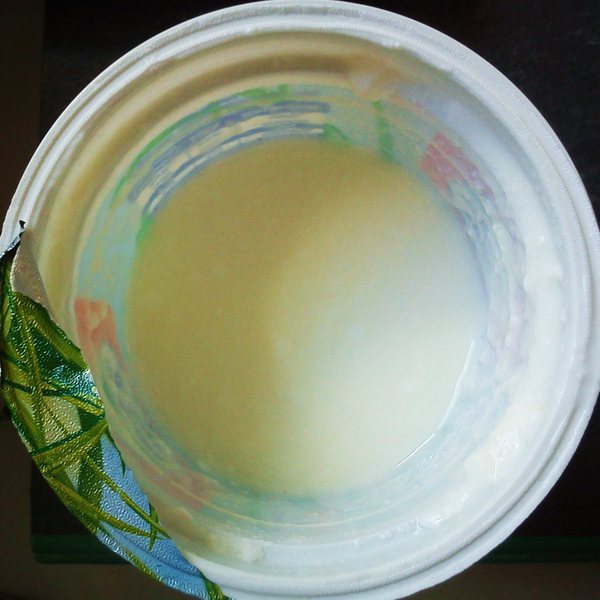
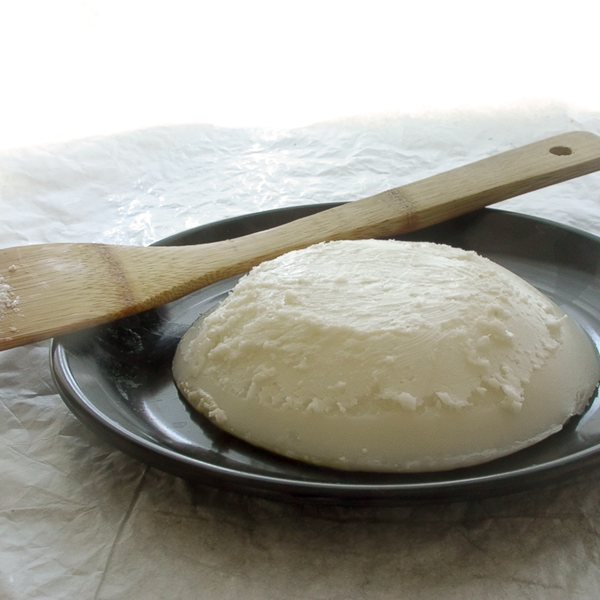
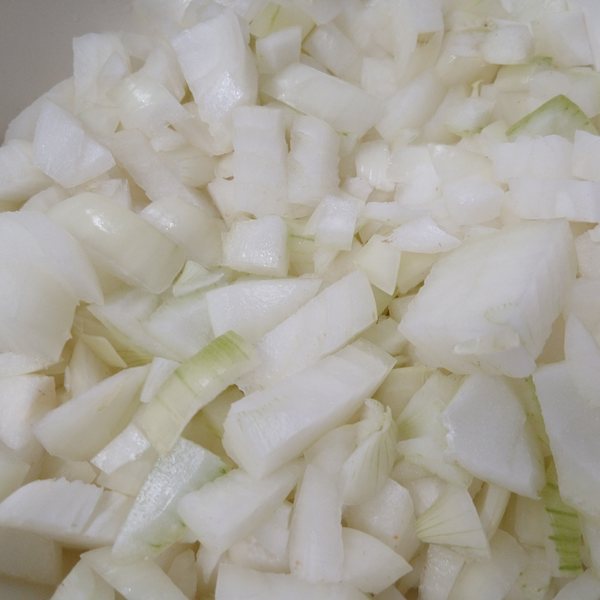
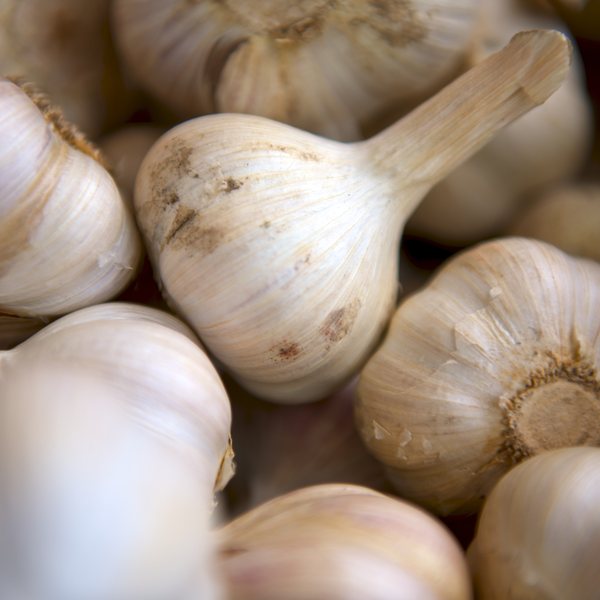
Also: eggs (1 pc., for brushing, to serve), yeast (30 g), sugar (a pinch, for the yeast), salt (a pinch)
Contains allergens: gluten, milk, eggs
Variant: salty, with potatoes and bryndza
wheat flour, eggs, sunflower oil, baking powder, vinegar, salt, potato, bryndza (sheep cheese), onion, dill, caraway, black pepper
Contains allergens: gluten, milk, eggs
Diet: vegetarian
Ingredients of the traditional recipe; every cook and every place may do it differently — please ask when ordering. We cannot guarantee the absence of allergens or traces.
How it is traditionally made
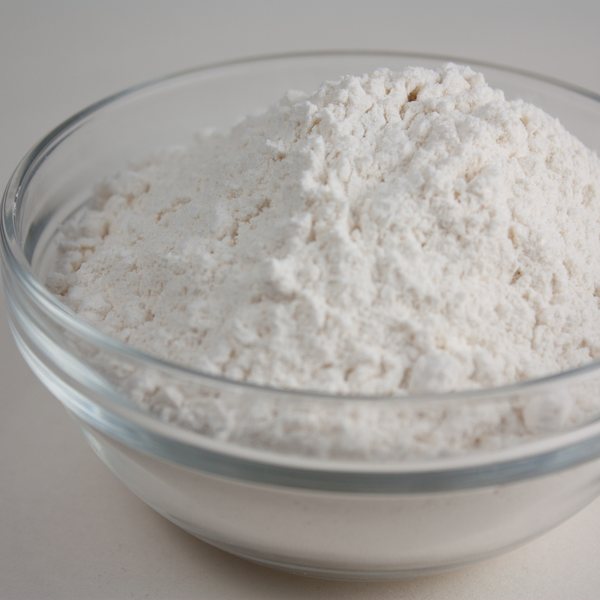
- Wheat flour — as much as the dough needs
- Soured milk — 0.5 l
- Yeast — 30 g
- Sugar — a pinch, for the yeast
- Salt — a pinch
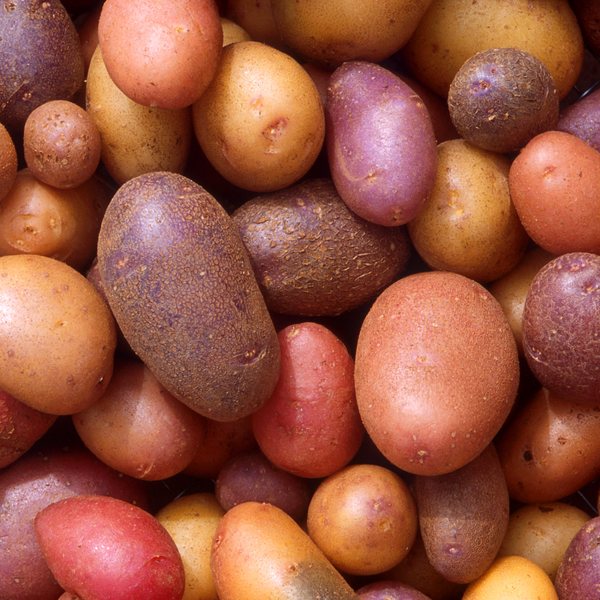
- Potato — 1 kg
- Lard — 1 tbsp
- Onion — 1 pc.
- Garlic — 1 head
- Eggs — 1 pc., for brushing
- Sift the flour, add a pinch of salt and yeast dissolved in sugar. Knead the dough with sour milk like for dumplings and leave it for an hour to rise.
- Boil the potatoes, drain the water, and mash them with lard, sautéed onions, and garlic.
- Form balls from the dough, roll each into a circle, and place the potato filling in the center.
- Fold the edges of the dough towards the center in pleats — 'like a sunflower', leaving the filling exposed.
- Brush the knysh with egg and bake in the oven until golden brown.
- For salty knysh with bryndza, keep the plain dough made with eggs and oil in the cold for an hour, form balls of 100 g each, make a dent in each, fill with potatoes and bryndza, sautéed onions, and dill, brush with egg, sprinkle with caraway seeds, and bake for 25 minutes at 210–220 °C.
How it is served
Warm; meat-eaters enjoyed fresh knysh with fried bacon.
Variants
Boykos filled knysh with buckwheat and cheese, Hutsuls — with bryndza. Lean knysh with poppy seeds, cabbage, or peas were baked for the Holy Evening; in Kosiv, knysh also referred to rye bread without filling.
The traditional method as described by our sources; every family does it its own way. We have not tested this recipe in a professional kitchen.
Where it is eaten

The area is approximate and based on the sources below. The dish is cooked outside it too, and ethnographic borders are blurred.
Boykivshchyna (knysh with potatoes, buckwheat, or cheese), Hutsulshchyna — Verkhovyna and Kosiv, Bukovina (Holy Evening knysh). Knysh is baked throughout Ukraine, so its area is not limited to the mountains.
When it is eaten
| Jan | Feb | Mar | Apr | May | Jun | Jul | Aug | Sep | Oct | Nov | Dec |
|---|---|---|---|---|---|---|---|---|---|---|---|
Occasions: Christmas Eve · Everyday food · Lent
In tradition
In many regions of Ukraine, knysh is the bread of the Holy Evening and remembrance: it was placed on the corner or in the middle of the table, covered kutia, and given to carolers. In Kosiv, knysh was necessarily baked for the Holy Evening, in Bukovina they prepared knysh with lean fillings for it, and in Verkhovyna, lean knysh was taken to confession.
FAQ
What is knysh?
A baked bread product with folded edges. In the Carpathians, it is usually filled with boiled potatoes, bryndza, cheese, or cabbage; in some places, knysh also refers to round rye bread.
What do they bake knysh with in the Carpathians?
Boykos — with potatoes, buckwheat, or cheese, Hutsuls — with potatoes or bryndza. In Bukovina, they baked lean knysh with poppy seeds, cabbage, and peas for the Holy Evening.
When do they bake knysh?
As an everyday dish — anytime, and lean knysh — for the Holy Evening: in Kosiv, knysh was necessarily baked for the Holy Evening, in Bukovina they prepared knysh with poppy seeds, cabbage, and peas for it.
Comments
Travellers’ experience: reports, tips, questions.
No one has written here yet. Be the first — your experience helps others.
Where to try and buy
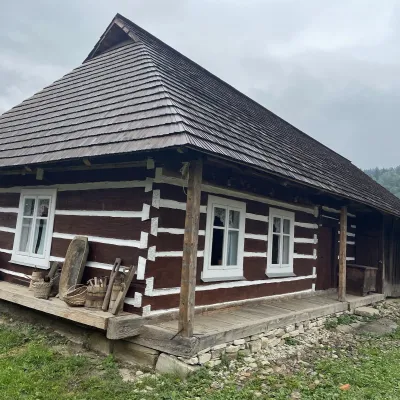 Ethno parks & homesteadsNanashkova Khata Ethno-Sadyba, Lopushanka-KhomynaStrilkyNanashkova Khata ethno-homestead is a restored Boyko house built in 1930 in the village of Lopushanka-Khomyna, Sambir...
 Koliby & Hutsul cuisineBabyna Koliba, KryvorivniaKryvorivniaBabyna Kolyba («Granny's Koliba») serves authentic Hutsul food in Kryvorivnia, a village sometimes called the ...
 Koliby & Hutsul cuisineZRUB Ethno Restaurant, IltsiIltsiZRUB Ethno Restaurant is a new log-built home of Hutsul cooking in the village of Iltsi, on the edge of Verkhovyna,...
Craft places and restaurants whose menu or description mentions this dish. Menus change — please check availability.
Similar dishes and products
Relatives in the Carpathians and nearby
- кніш (knish)
cognate name; a pastry in the cuisine of Eastern European Jews
Sources
- «Бойківська кухня / Kuchnia Bojkowska» (Львів, 2020): книжка рецептів українсько-польського проєкту ГО «Асоціація гірських провідників “Ровінь”» (програма ЄС Польща–Білорусь–Україна)
- В. Галайчук. Що таке книш? Історія одного слова // Локальна історія, 15.08.2023
- П. Легойда. Реґіональні кухні українських Карпат // журнал «Ї», ч. 73 «Галицька кухня» (2013)
- Голос України: Святвечір на Буковині (народний календар Г. Купчанка 1875 року; Довгопілля, Заволока)
- Вікіпедія: Книш (за довідником «Українська минувшина», 1994)
Written by the Karpaty.rocks editors from the sources above. Checked 11.11.2026.
