Peleș Castle: summer residence of Romania's kings in Sinaia
A royal residence in the Prahova Valley
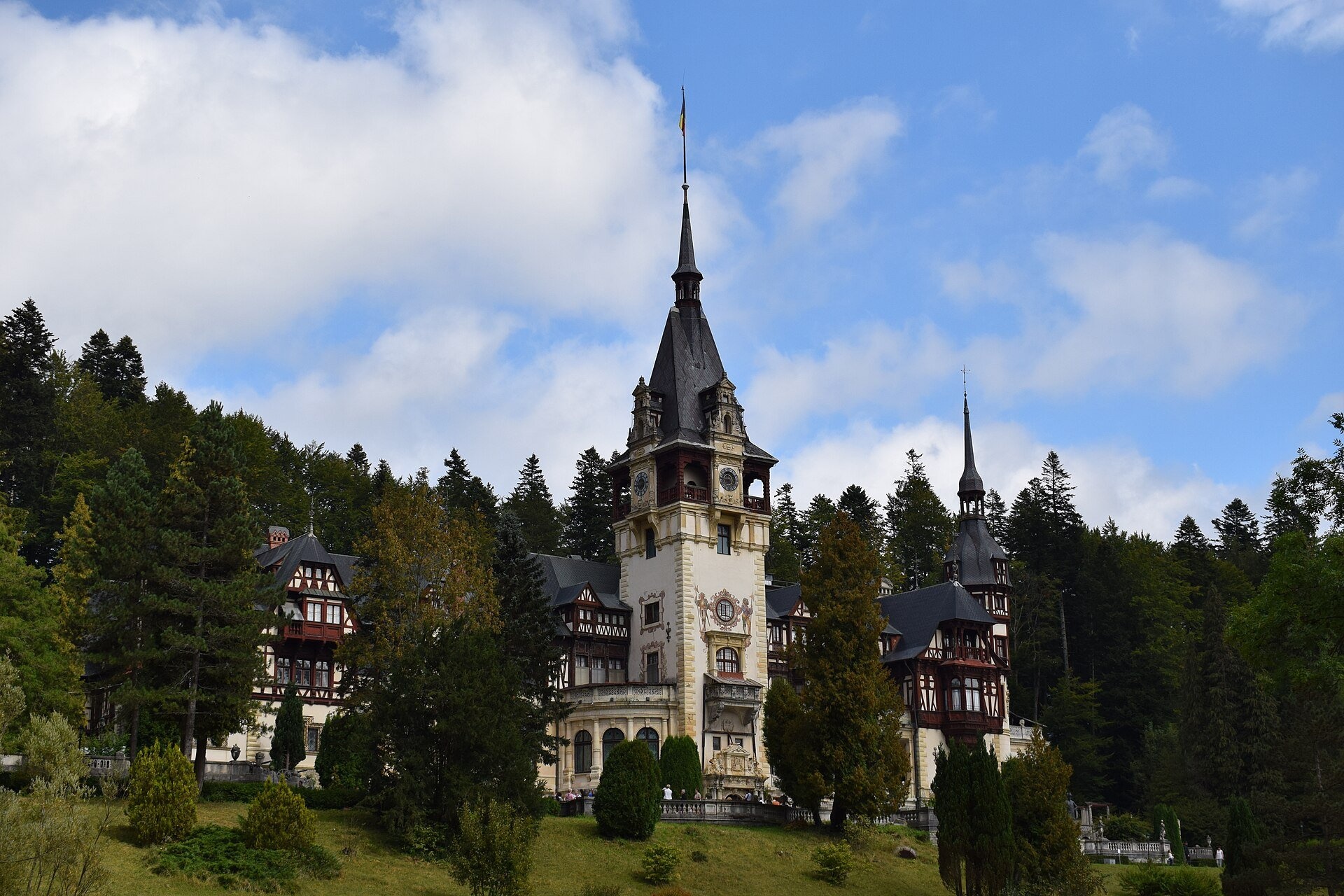
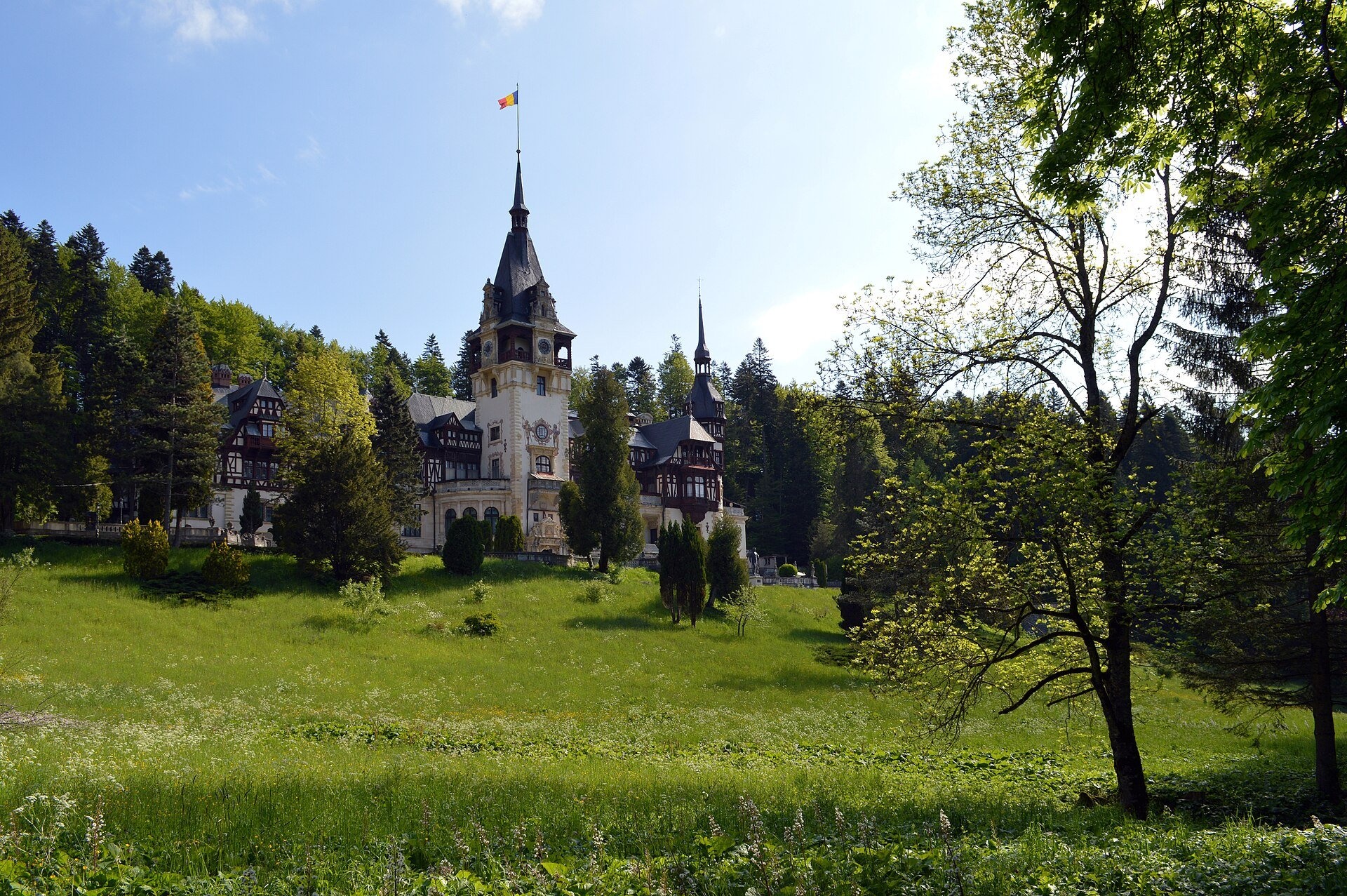
Peleș Castle (Castelul Peleș) stands in the Royal Park above the town of Sinaia in the Prahova Valley, at the foot of the Bucegi Mountains. It was built on the initiative of Romania's first king, Carol I, as a summer residence with political, cultural and symbolic roles. The king bought the Piatra Arsă land, or Sinaia estate, of about 1,000 hectares in 1871; the foundations were laid in 1873–1875, and the cornerstone was ceremonially set on 22 August 1875. Peleș was a royal residence from 1883 to 1947.
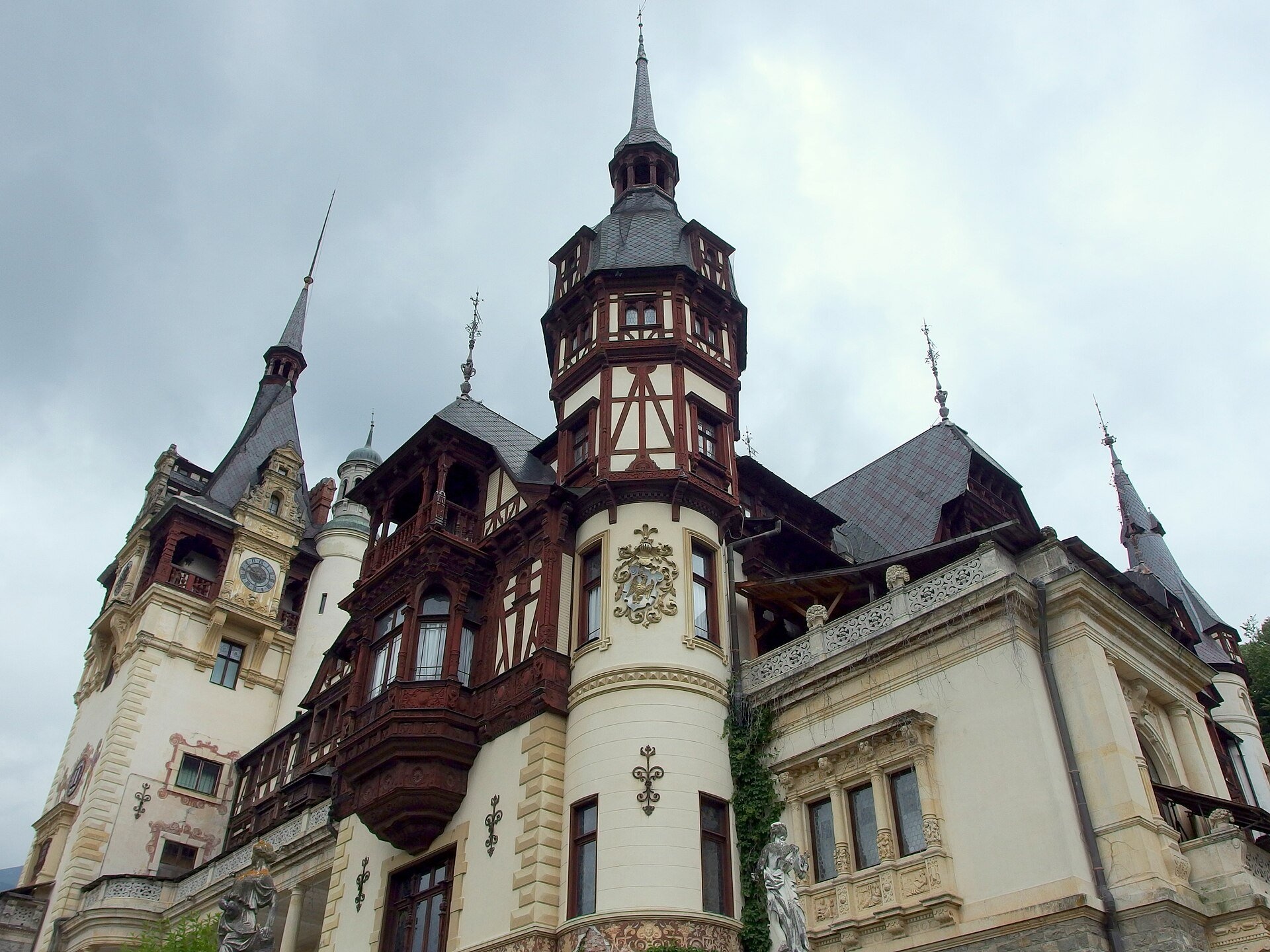
The first designs came from the Viennese professor Wilhelm von Doderer, inspired by the Loire châteaux and the buildings of Vienna's Ringstrasse, but in 1876 the king rejected them and entrusted the work to Johannes Schultz. The building, with German half-timbered decoration outside, kept growing for more than forty years: the Moorish Hall, attributed to the Frenchman Émile André Lecomte du Noüy, appeared in 1890, and from 1894 the Czech architect Karel Liman led the works, adding the Marble Gallery, the Concert Hall, the Small Music Room and the guest apartments. In 1884 the castle received an electrical network with its own generator, and in 1897 its own power plant. Construction ended with the death of Carol I in 1914. In 1948 the communist authorities closed the castle and removed part of the collections, but from 1953 it became a National Museum. After being closed in 1975 and a long restoration, Peleș reopened to visitors in 1990. Since 2007 the castle has belonged to the royal family, while the Romanian state runs the museum.
Why go
Peleș is Romania's most visited historic monument and one of the most lavish late nineteenth-century palace interiors in Romania. Neo-Renaissance, Neo-Gothic and Alpine half-timbering meet here, and inside are weapons, furniture, stained glass, porcelain, clocks and paintings ordered from the best workshops of Vienna, Munich, Paris and Berlin. It is also the key to understanding how Sinaia turned into the "Pearl of the Carpathians" — the royal resort of the Prahova Valley.
What to see
- The Hall of Honour with wooden panelling and an opening glass ceiling, and the grand staircase.
- The Moorish and Turkish halls — oriental interiors with carpets and inlaid weapons.
- The armouries — a large collection of European and oriental armour and edged weapons.
- The Concert Hall, the Marble Gallery and the Royal Library, and stained glass from the Zettler workshop in Munich throughout the castle.
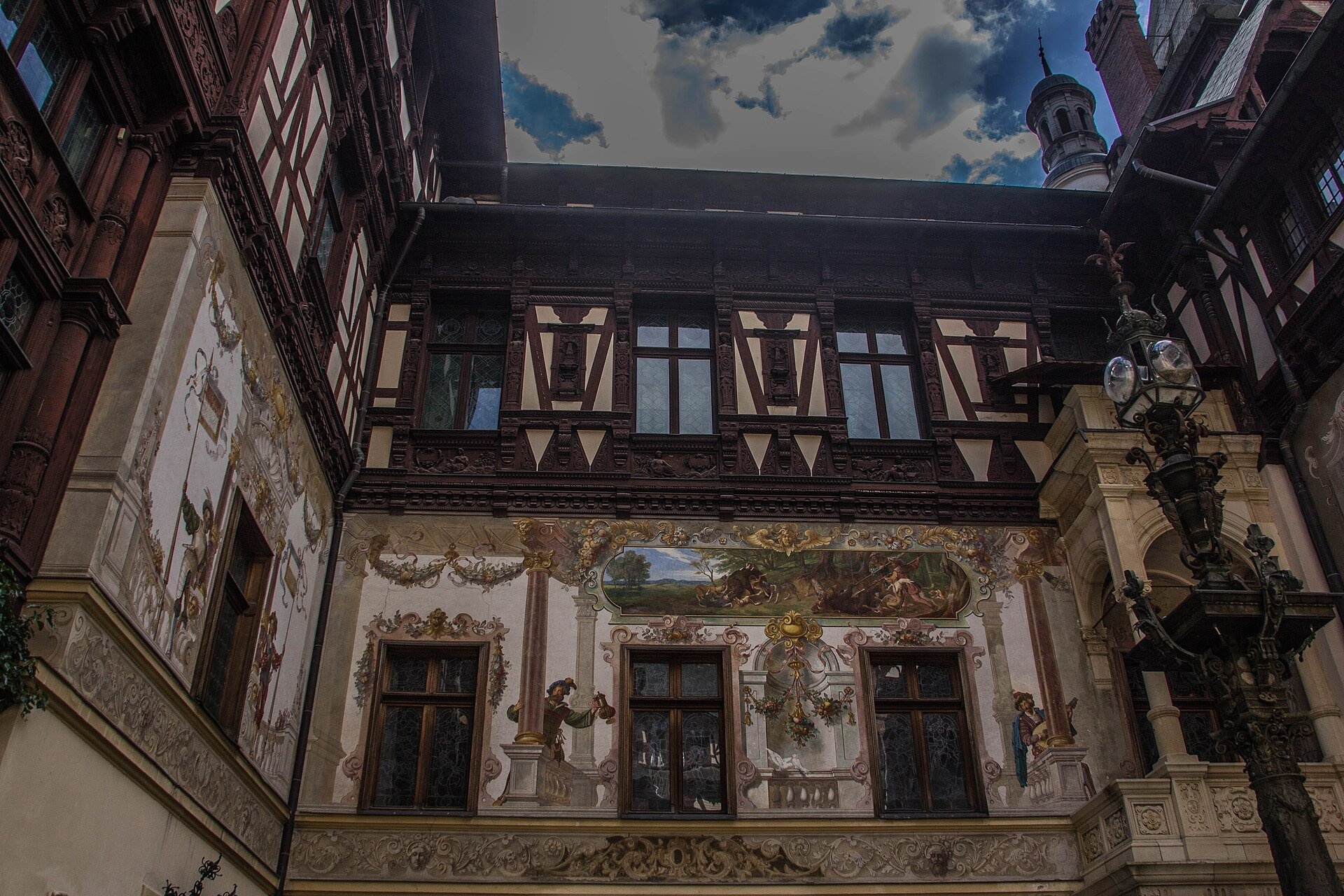
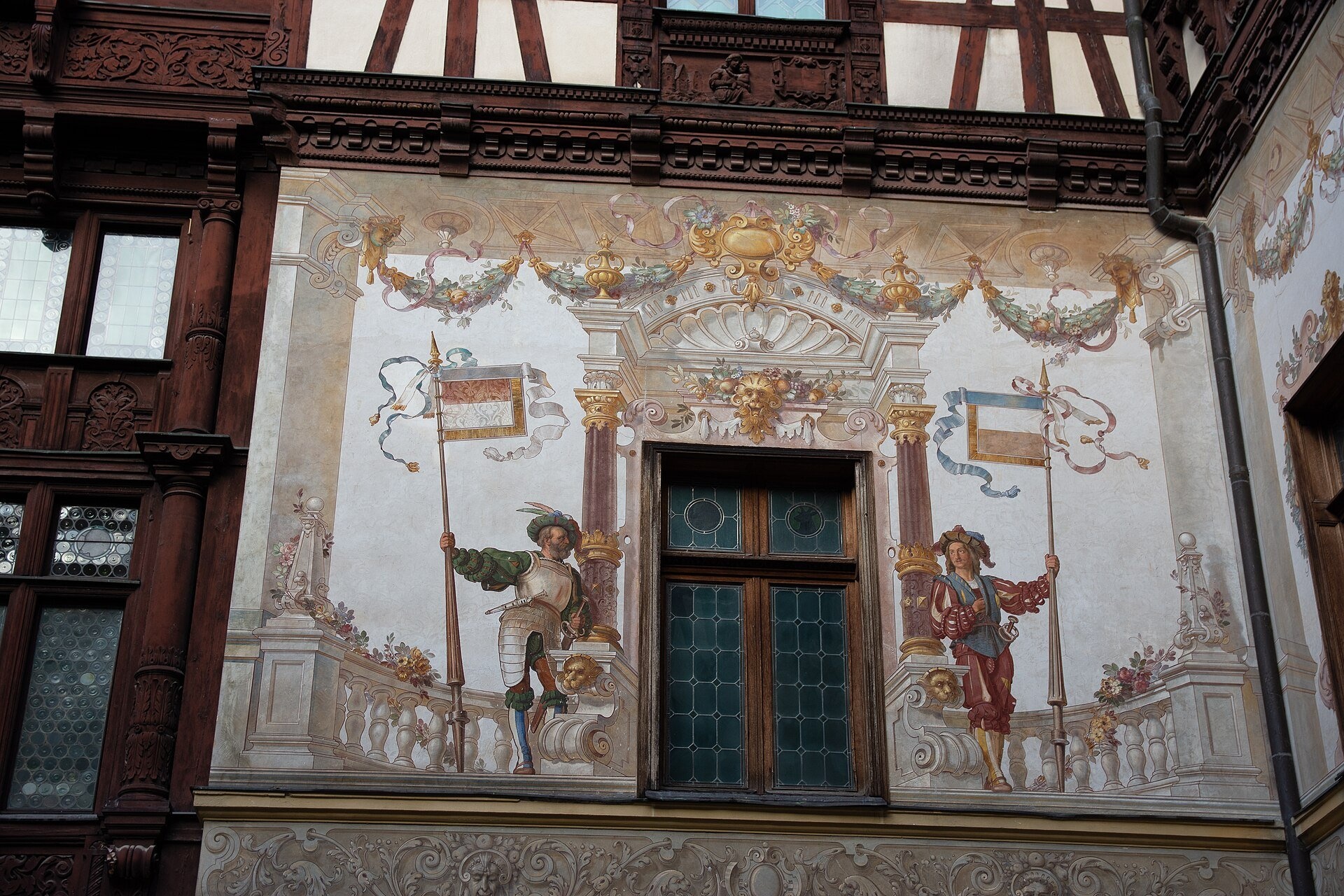
- The inner courtyard with painted façades and the clock tower.
- The terraces and park with statues, fountains and colonnades against the spruce forests of the Bucegi.
Practical information
Address: Aleea Peleșului 2, 106100 Sinaia. Sinaia lies on the DN1 road between Bucharest and Brașov; it is about 50 km from Brașov and about 430 km from the Porubne — Siret border crossing via Brașov. From the railway station or the centre of Sinaia you walk uphill through the Royal Park. The museum has no parking of its own: from the car parks it is about 800 m (10–15 minutes) on foot along a sloping path, so wear comfortable shoes. Visitors with disabilities may drive up to the castle.
Hours: Wednesday 10:00–17:00, Thursday to Sunday 9:15–17:00, closed Monday and Tuesday; last entry at 16:00. Visits are by timed tickets bought only at bilete.peles.ro or from the machines near the castle; the limit is 2,000 visitors a day. From 2 November to 1 December 2026 the castle is closed for general cleaning. Check ticket prices in the museum's ticketing system. Amateur photography is allowed without flash or tripods, but interior photos may not be published online. No pets, no food or drink inside, and decent clothing is expected. The visit takes about an hour; with the park and Pelișor Castle, allow half a day. Information as of November 2026.
Nearby
- Pelișor Castle — Queen Marie's residence a few hundred metres away.
- Sinaia Monastery — the seventeenth-century monastery the town grew from.
- Cantacuzino Castle in Bușteni — 9 km up the valley.
- Bucegi Plateau and Coștila peak — mountain routes above Sinaia.
Official website: peles.ro
Photos: Anto.cast, CC BY 4.0, Wikimedia Commons; DimiTalen, CC0, Wikimedia Commons; Mark Ahsmann, CC BY-SA 4.0, Wikimedia Commons; Mihai Raducanu, CC BY-SA 4.0, Wikimedia Commons; Dorieo, CC BY-SA 4.0, Wikimedia Commons; BogdanClaw, CC BY-SA 3.0 ro, Wikimedia Commons; Daniele Napolitano, CC BY-SA 4.0, Wikimedia Commons.
Getting there from Ukraine
Border crossings
- Porubne – Siret — road and pedestrian, 24/7
- Diakivtsi – Racovăț — road and pedestrian, 24/7 No freight traffic.
- Krasnoilsk – Vicovu de Sus — road and pedestrian, 08:00–20:00 Cars up to 3.5 t and pedestrians only; not 24/7.
- Solotvyno – Sighetu Marmației — road and pedestrian, 24/7 Passenger traffic only: vehicles up to 3.5 t with up to 9 seats, pedestrians.
- Diakove – Halmeu — road, 24/7 No pedestrian crossing.
By car
Chernivtsi – Bușteni ≈426 km, ≈7 h 32 min (via Diakivtsi – Racovăț); Rakhiv – Bușteni ≈454 km, ≈8 h 01 min (via Solotvyno – Sighetu Marmației); Uzhhorod – Bușteni ≈557 km, ≈9 h 15 min (via Diakove – Halmeu). Times without border queues, our road routing (GraphHopper, OSM).
Checked 03.11.2026; border crossing hours and timetables change — check before you travel.
Comments
Travellers’ experience: reports, tips, questions.
No one has written here yet. Be the first — your experience helps others.
Video 2
 Ora Regelui: „Castelul regilor” - povestea Castelului Peleş (@TVR1)TVR

Location on the map
Trails nearby
All trails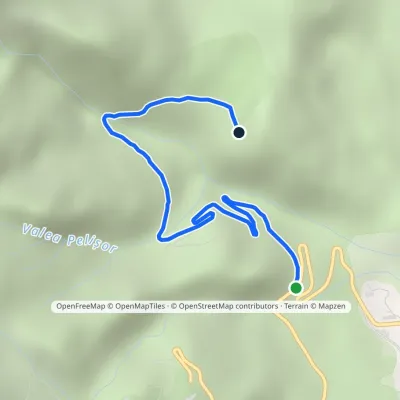 EasyOne-dayMarkedSinaia–Cota 1400 road Poiana StâniiElevation profile1 097–1 312 m3.3 kmascent 215 m≈ 1 h walking1.3 km from Peleș Castle: summer residence of Romania's kings in Sinaia
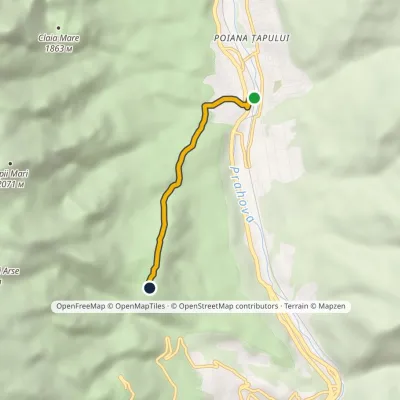 EasyOne-dayMarkedPoiana Țapului Stâna Regală HutElevation profile842–1 274 m3.5 kmascent 432 m≈ 1.5 h walking1.7 km from Peleș Castle: summer residence of Romania's kings in Sinaia
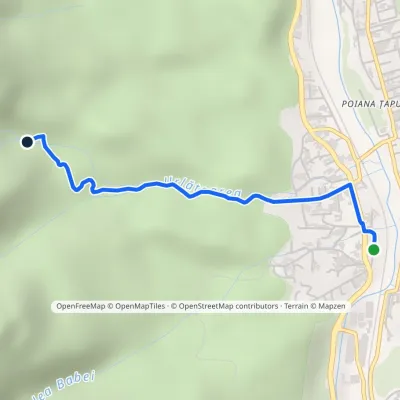 EasyOne-dayMarkedPoiana Țapului Urlătoarea WaterfallElevation profile844–1 128 m2.6 kmascent 284 m≈ 1 h walking3.4 km from Peleș Castle: summer residence of Romania's kings in Sinaia
Nearby attractions
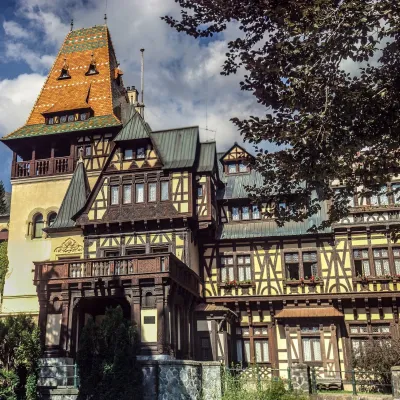 CastlePelișor Castle: Queen Marie's Art Nouveau dream house in SinaiaSinaiaunder 1 km from Peleș Castle: summer residence of Romania's kings in SinaiaPelișor Castle (Castelul Pelișor) — the "little Peleș" — stands a few hundred metres from the main royal castle in Sinaia, on the same estate in the valley of the...
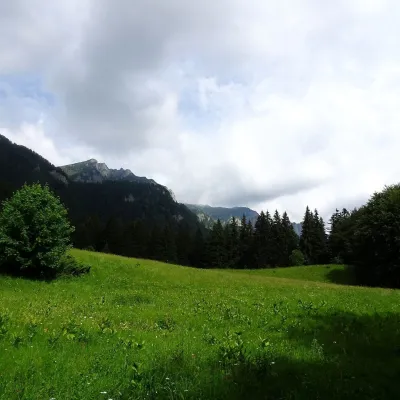 Mountain meadowPoiana StâniiSinaiaaltitude 1 273 m2 km from Peleș Castle: summer residence of Romania's kings in SinaiaPoiana Stânii (in full Poiana Stânii Regale, "the meadow of the royal sheepfold") is a broad mountain meadow at about 1,270 m on the Prahova side of the Bucegi...
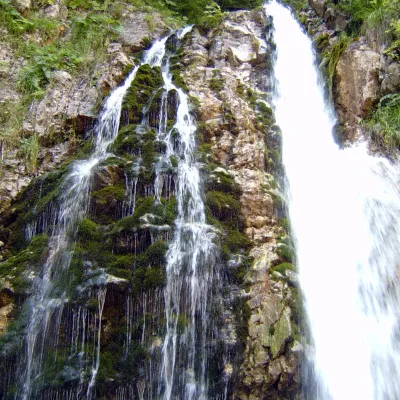 WaterfallUrlătoarea Waterfall (Cascada Urlătoarea)Bușteni · Bucegi Mountains4.5 km from Peleș Castle: summer residence of Romania's kings in Sinaiaheight 15 m1 141 m above sea levelUrlătoarea Waterfall (Cascada Urlătoarea) is one of the best known in Romania. It lies on the eastern slope of the Bucegi Mountains, in the Bucegi Natural Park, very...
Craft nearby
All craft places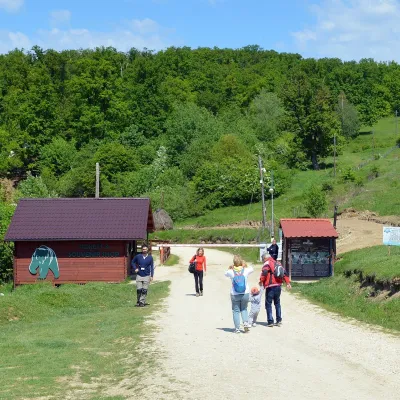 Wildlife parks & animal farmsLibearty Bear Sanctuary in Zărnești: a forest for rescued bearsVulcan28 km from Peleș Castle: summer residence of Romania's kings in SinaiaThe AMP Libearty Bear Sanctuary lies near the town of Zărnești in Brașov County, at the edge of a forest below the Piatra Craiului massif.
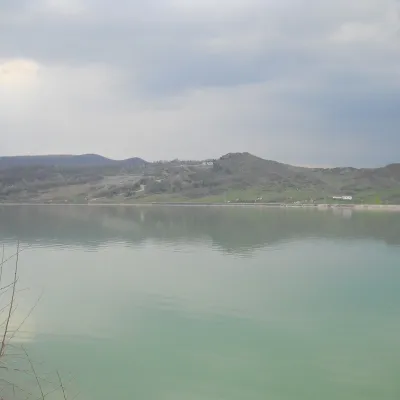 Water parks & thermal poolsPucioasa: sulphur baths and inhalations in the Carpathian foothillsPucioasa33 km from Peleș Castle: summer residence of Romania's kings in SinaiaPucioasa is a small spa town in Dâmbovița County, in the valley of the Ialomița river among the wooded hills of the Carpathian foothills, about 20 km north of the city...
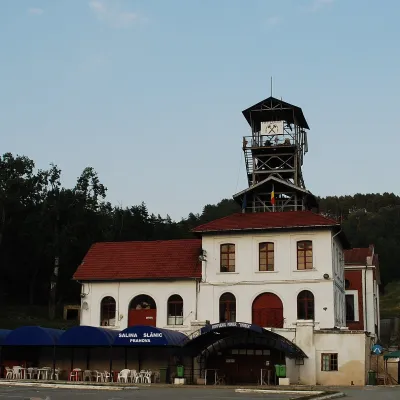 Water parks & thermal poolsSlănic Salt Mine: a 208 m deep microclimate and salt lakesSlănic34 km from Peleș Castle: summer residence of Romania's kings in SinaiaThe Slănic Salt Mine (Salina Slănic), or the Unirea mine (Mina Unirea), is one of Romania's best-known show salt mines.
