Pucioasa: sulphur baths and inhalations in the Carpathian foothills
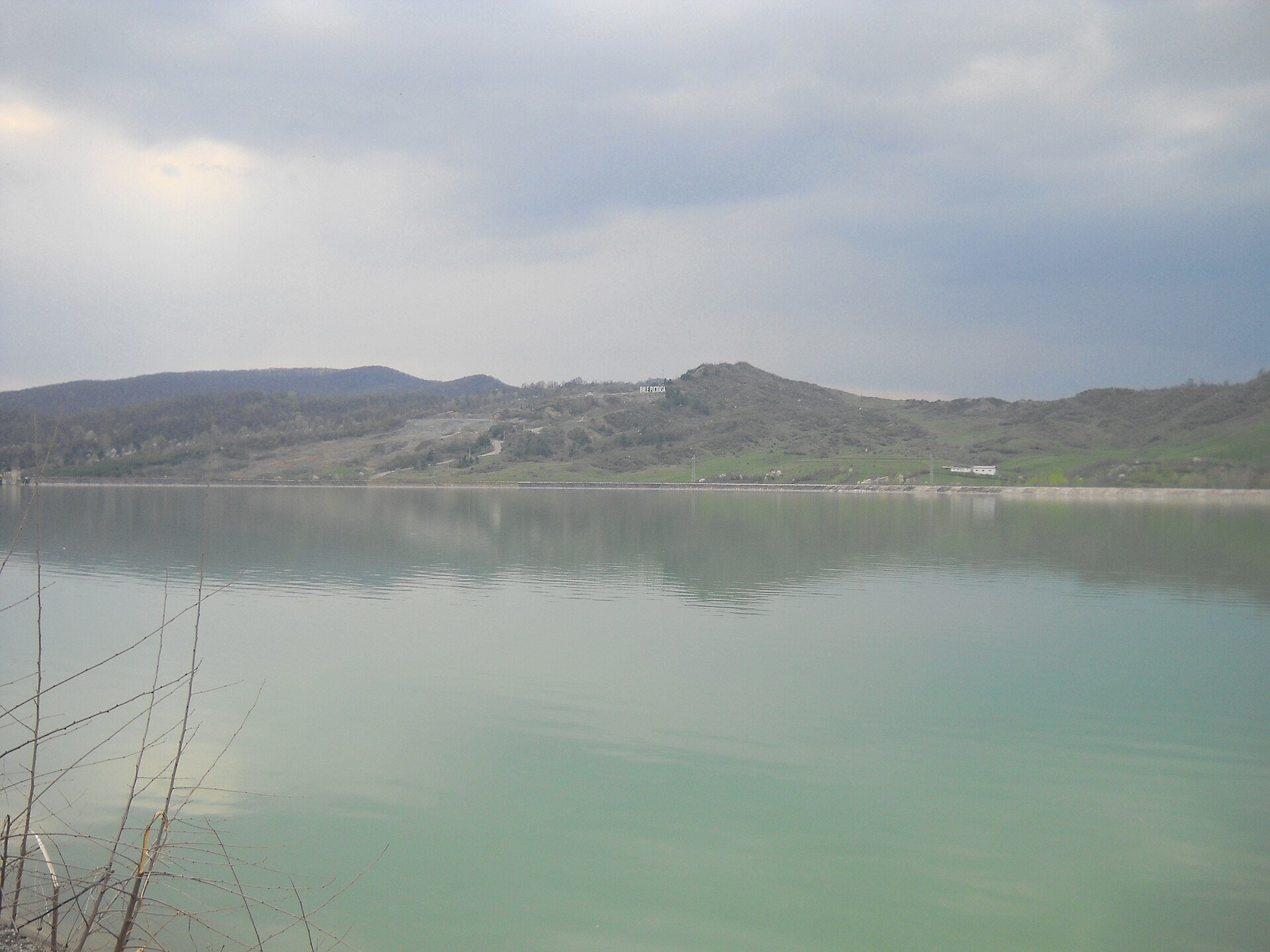
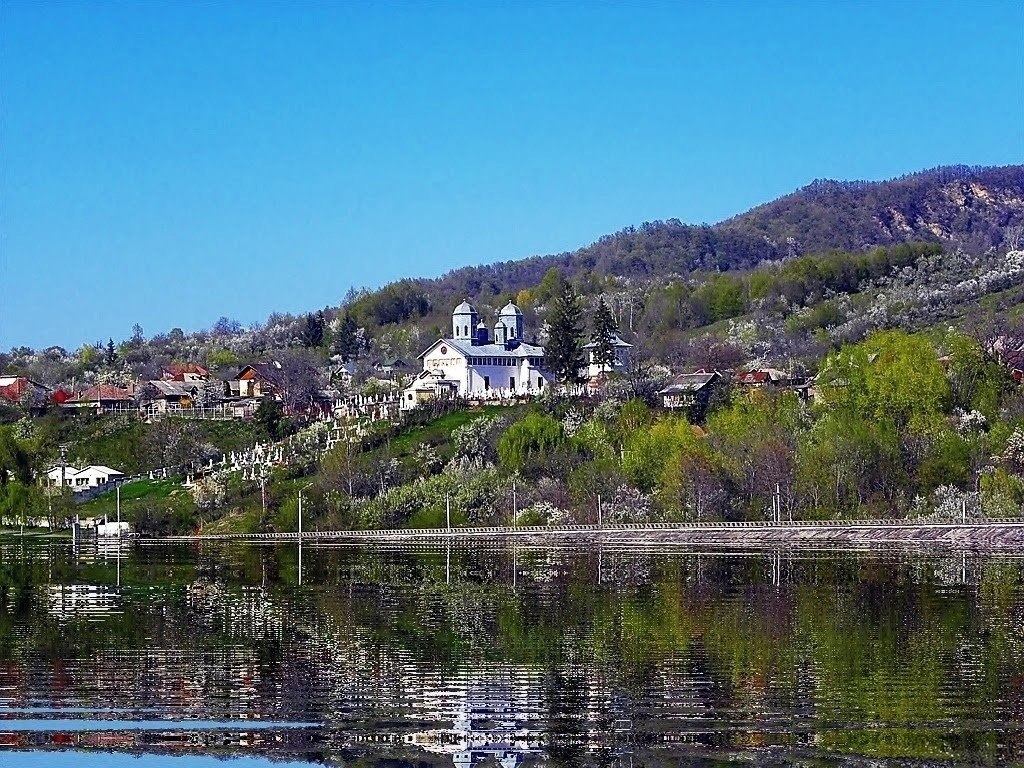
Pucioasa is a small spa town in Dâmbovița County, in the valley of the Ialomița river among the wooded hills of the Carpathian foothills, about 20 km north of the city of Târgoviște. The town's name comes from the Romanian word "pucioasă" – sulphur: the resort is known for its sulphurous mineral waters. According to Romanian Wikipedia, the springs were found after 1828 by a Russian military doctor; in 1873 the water was analysed by Austrian experts at the Vienna World Exhibition, and in 1879 the county council commissioned the bathhouse from the architect Kertsch of Galați. Since 1999 Pucioasa has been a balneoclimatic resort of national interest. Today the main treatment base operates in the Ceres hotel, which belongs to the state company TBRCM.
Natural healing resources
According to the operator, the resort's main natural resources are sulphurous, sulphate, bicarbonate, calcium and sodium chloride mineral waters and a pleasant climate. Romanian Wikipedia states that Pucioasa's sulphurous waters have the highest concentration in the country. Hydrogen sulphide in the water is the only sulphur compound absorbed through the skin, which is why hot sulphur baths form the basis of every treatment scheme. The town lies in a basin at about 350–400 m, sheltered by hills from cold northern winds, with cool summers, mild winters and a stimulating climate.
What is treated
The indications listed by the base's operator are:
- degenerative, inflammatory, post-traumatic and post-operative musculoskeletal conditions and soft-tissue disorders around the joints;
- respiratory and ENT conditions – bronchitis, tracheitis, sinusitis, rhinopharyngitis, laryngitis, tonsillitis, bronchial asthma (for inhalations);
- skin diseases;
- metabolic diseases and some occupational diseases.
Contraindications for sulphur baths, according to the base, are severe cardiovascular disease, tuberculosis, pregnancy, epilepsy and psychiatric disorders; such patients are offered medicinal herb baths instead. This information is for reference only and is not medical advice: a doctor prescribes the course and procedures after a consultation.
Treatments and baths
The Ceres hotel treatment base offers:
- hot sulphurous mineral-water baths in tubs and pools, and herbal baths;
- inhalations and aerosols with sulphur water (ultrasonic nebulisers) or with medication as prescribed;
- paraffin wraps and thermotherapy;
- low, medium and high-frequency electrotherapy, magnetotherapy, galvanic baths and bubble foot baths;
- underwater shower massage, segmental and reflex massage, and kinesiotherapy with spinal and joint traction.
All procedures are given on medical recommendation and under staff supervision. In 2026 the base announced the repair and refitting of its kinesiotherapy room.
Practical information
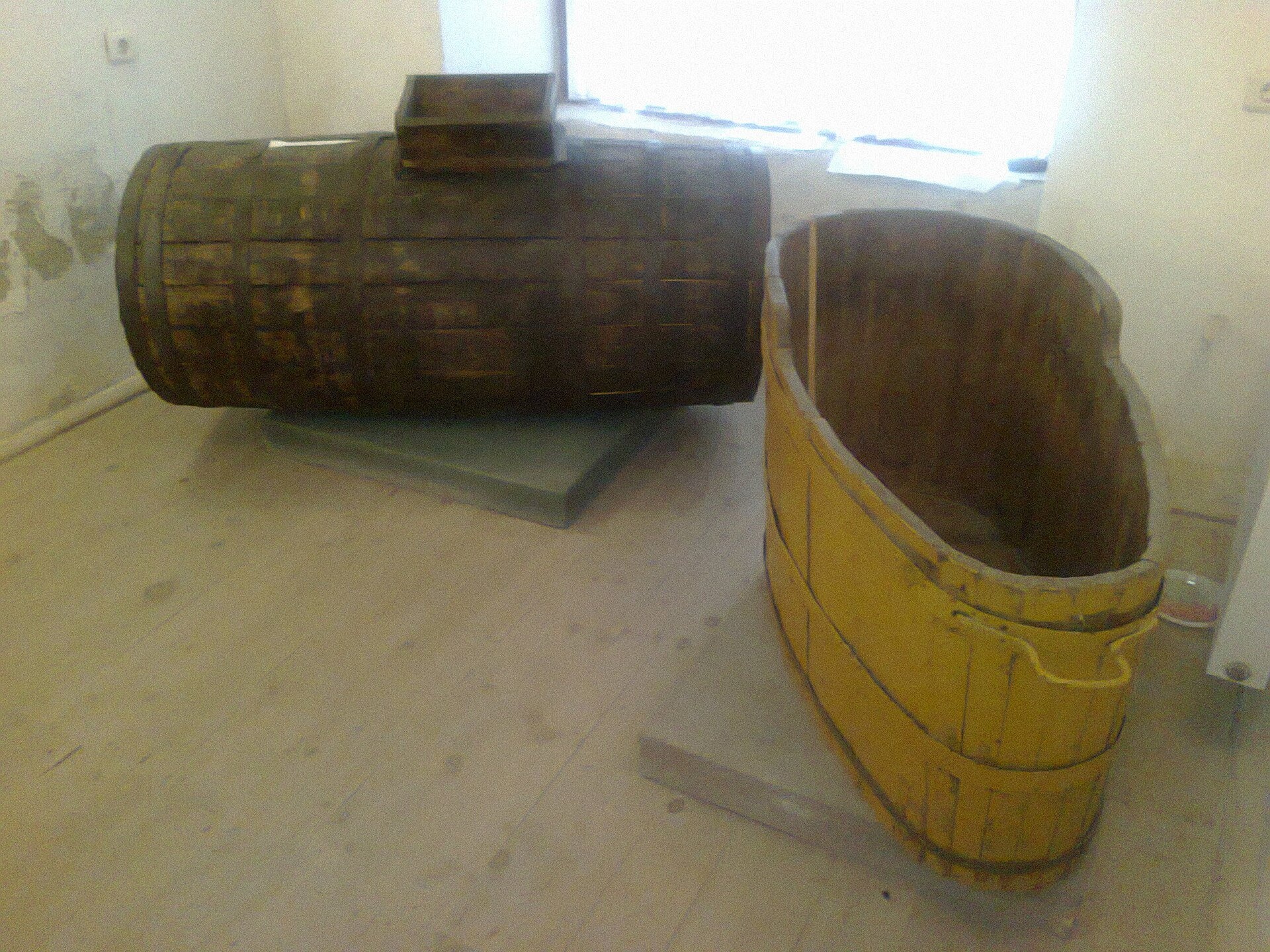
The Ceres hotel and treatment base are at Str. Republicii 1, in the town centre by Independence Park. The base is open all year; Romanian pensioners are also treated here on National Pension House (CNPP) vouchers – in 2026 Pucioasa is on their list. Opening hours and treatment prices for private visitors are not published – ask by phone or via the base's website. The town also has an ethnographic museum in a 19th-century house displaying an old wooden tub for sulphur baths.
Getting there from Ukraine
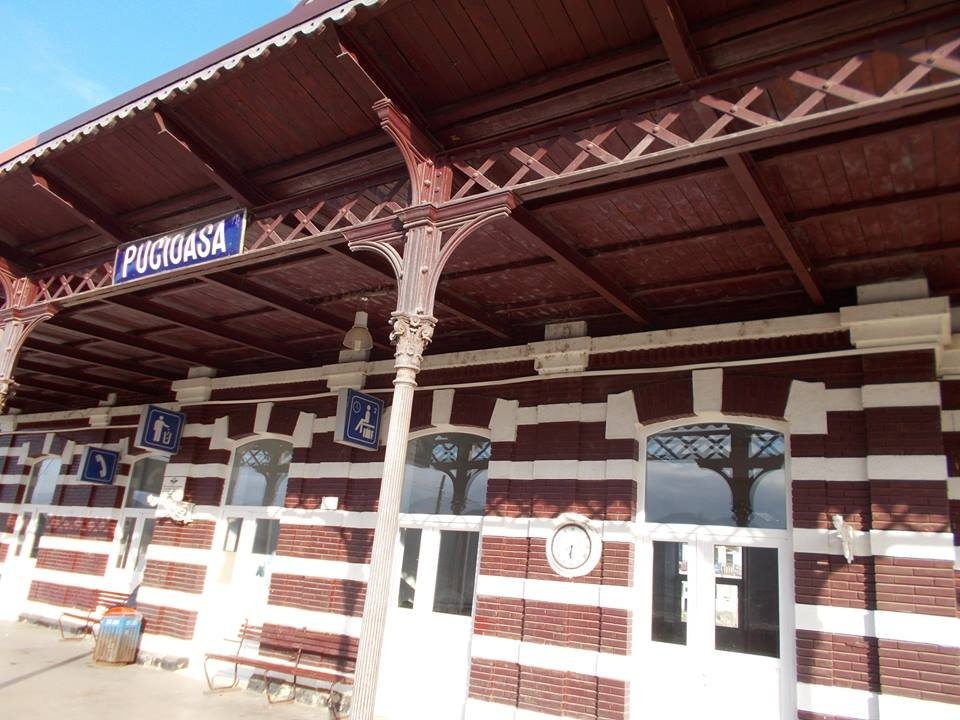
From Chernivtsi via the Porubne – Siret border crossing it is about 477 km to Pucioasa (around 8 h 30 min), from Rakhiv via the Solotvyno – Sighetu Marmației crossing 502 km (around 9 h); times exclude border queues. Romanian roads require the rovinieta e-vignette. The town lies on the DN71 road from Târgoviște to Sinaia and on the Bucharest – Târgoviște – Pietroșița railway, with a station in town; according to the timetable the operator publishes, buses run from here to Brașov.
Nearby
Up the Ialomița valley the DN71 leads to the village of Dobrești and on towards the Bucegi Mountains and the resort of Sinaia; west of the valley rises Leaota peak. Another treatment destination of this series in the Carpathian foothills is the Slănic Salt Mine.
Photos: Zalmoxys32 at ro.wikipedia, Public domain, Wikimedia Commons; Max5813wiki, CC BY-SA 4.0, Wikimedia Commons; Asybaris01, Public domain, Wikimedia Commons; RobertCodescu, CC BY-SA 4.0, Wikimedia Commons.
Getting there from Ukraine
Border crossings
- Porubne – Siret — road and pedestrian, 24/7
- Diakivtsi – Racovăț — road and pedestrian, 24/7 No freight traffic.
- Krasnoilsk – Vicovu de Sus — road and pedestrian, 08:00–20:00 Cars up to 3.5 t and pedestrians only; not 24/7.
- Solotvyno – Sighetu Marmației — road and pedestrian, 24/7 Passenger traffic only: vehicles up to 3.5 t with up to 9 seats, pedestrians.
- Diakove – Halmeu — road, 24/7 No pedestrian crossing.
By car
Chernivtsi – Bușteni ≈426 km, ≈7 h 32 min (via Diakivtsi – Racovăț); Rakhiv – Bușteni ≈454 km, ≈8 h 01 min (via Solotvyno – Sighetu Marmației); Uzhhorod – Bușteni ≈557 km, ≈9 h 15 min (via Diakove – Halmeu). Times without border queues, our road routing (GraphHopper, OSM).
Checked 03.11.2026; border crossing hours and timetables change — check before you travel.
Comments
Travellers’ experience: reports, tips, questions.
No one has written here yet. Be the first — your experience helps others.
Location on the map
Trails nearby
All trails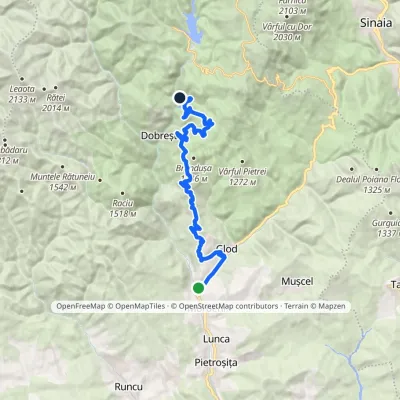 HardOne-dayMarkedMoroeni Scropoasa HutElevation profile592–1 412 m22.8 kmascent 886 m≈ 7 h walking17 km from Pucioasa: sulphur baths and inhalations in the Carpathian foothills
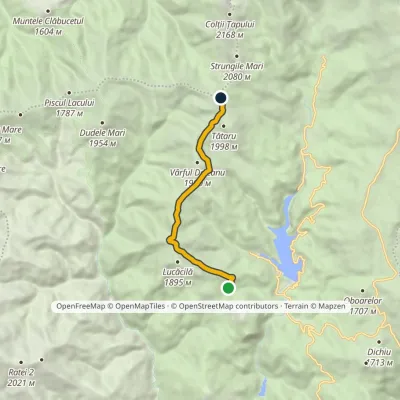 ModerateOne-dayMarkedPodu' cu Florile Hut Strungulița SaddleElevation profile1 582–1 930 m7.7 kmascent 428 m≈ 2.5 h walking29 km from Pucioasa: sulphur baths and inhalations in the Carpathian foothills
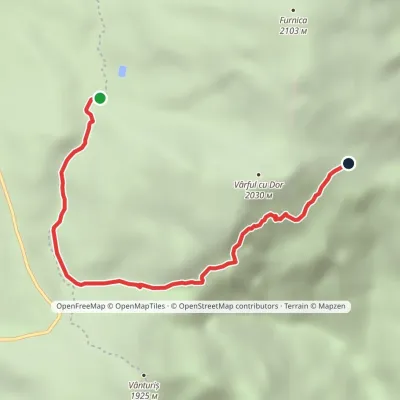 ModerateOne-dayMarkedValea Soarelui chairlift Piatra TurculuiElevation profile1 672–1 822 m4.8 kmascent 139 m≈ 1.5 h walking30 km from Pucioasa: sulphur baths and inhalations in the Carpathian foothills
Nearby attractions
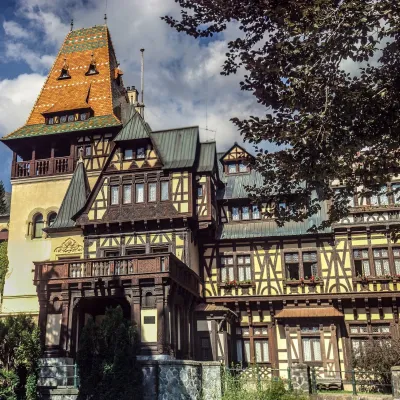 CastlePelișor Castle: Queen Marie's Art Nouveau dream house in SinaiaSinaia33 km from Pucioasa: sulphur baths and inhalations in the Carpathian foothillsPelișor Castle (Castelul Pelișor) — the "little Peleș" — stands a few hundred metres from the main royal castle in Sinaia, on the same estate in the valley of the...
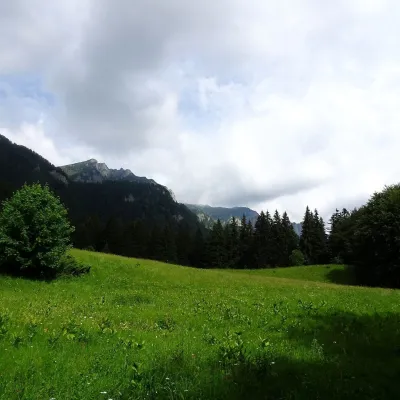 Mountain meadowPoiana StâniiSinaiaaltitude 1 273 m33 km from Pucioasa: sulphur baths and inhalations in the Carpathian foothillsPoiana Stânii (in full Poiana Stânii Regale, "the meadow of the royal sheepfold") is a broad mountain meadow at about 1,270 m on the Prahova side of the Bucegi...
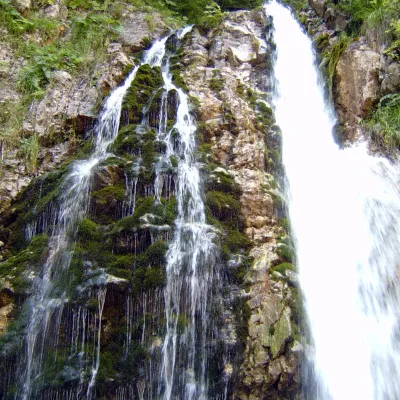 WaterfallUrlătoarea Waterfall (Cascada Urlătoarea)Bușteni · Bucegi Mountains36 km from Pucioasa: sulphur baths and inhalations in the Carpathian foothillsheight 15 m1 141 m above sea levelUrlătoarea Waterfall (Cascada Urlătoarea) is one of the best known in Romania. It lies on the eastern slope of the Bucegi Mountains, in the Bucegi Natural Park, very...
Craft nearby
All craft places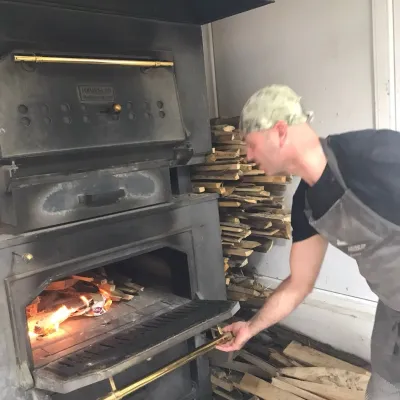 Craft producersDieter’s Bread in Câmpulung: wood-fired artisan breadCâmpulung38 km from Pucioasa: sulphur baths and inhalations in the Carpathian foothillsCâmpulung (also called Câmpulung Muscel) is an old town in Argeș County at the foot of the Iezer-Păpușa Mountains, on the road to the Rucăr–Bran pass.
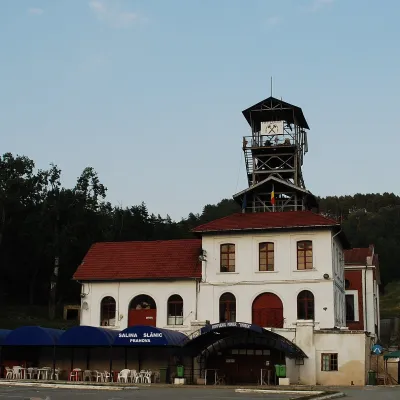 Water parks & thermal poolsSlănic Salt Mine: a 208 m deep microclimate and salt lakesSlănic43 km from Pucioasa: sulphur baths and inhalations in the Carpathian foothillsThe Slănic Salt Mine (Salina Slănic), or the Unirea mine (Mina Unirea), is one of Romania's best-known show salt mines.
