Zadnistrianske
Zadnistrianske is the youngest village in the Halych district of Ivano-Frankivsk region. The local self-government body is the Zadnistrianske village council. The population is 1325 people. In 1955, the hamlet of Vuhleva was renamed into the village of Zadnistrianske. As of January 1, 2001, 1366 people lived in the village, there were 407 yards. Typical surnames of the residents are Antonyk, Hladkyi, Demchyshyn, Kurliak, Tsymbalistyi.
Zadnistrianske is the youngest settlement in the district. It was founded in 1957 on the lands of the village of Bovshiv as a workers' settlement for the local sugar factory workers. The name of the settlement indicates its location in relation to the Dniester River: literally, "a settlement located across the Dniester" (in relation to Halych). The Halych - Rohatyn highway (highway H-09 Mukachevo - Ivano-Frankivsk - Lviv) and its branch, the Zadnistrianske - Bovshiv highway, as well as the Ivano-Frankivsk - Lviv railway with the Bovshiv station, pass through the village.
According to some scholars, on the territory of one of the parts of the village - Vuhleva - there was a chronicle settlement Uholnyky, mentioned in 1230 by M. Hrushevsky, who, referring to the lustration of the Galician starosta in 1565, claimed that at that time (the second half of the 16th century) there was a hayfield of the same name on the site of the ancient Uholnyky, near the tracts of Zalozets, Lipchychi, and Klyntsi. In the 80s of the sixteenth century, a tavern was built here, which was called the Vuhlova. Gradually, a hamlet was formed around it. The lustration of 1629 reports that the Vuhlova Korchma (as this settlement was called) was rented by the Galician city military commandant Jan Stolinskyi. In 1765, 6 Jews lived there. Later, the hamlet was renamed Vuhlova, and under this name it existed until it was incorporated into the newly built village of Zadnistrianske.
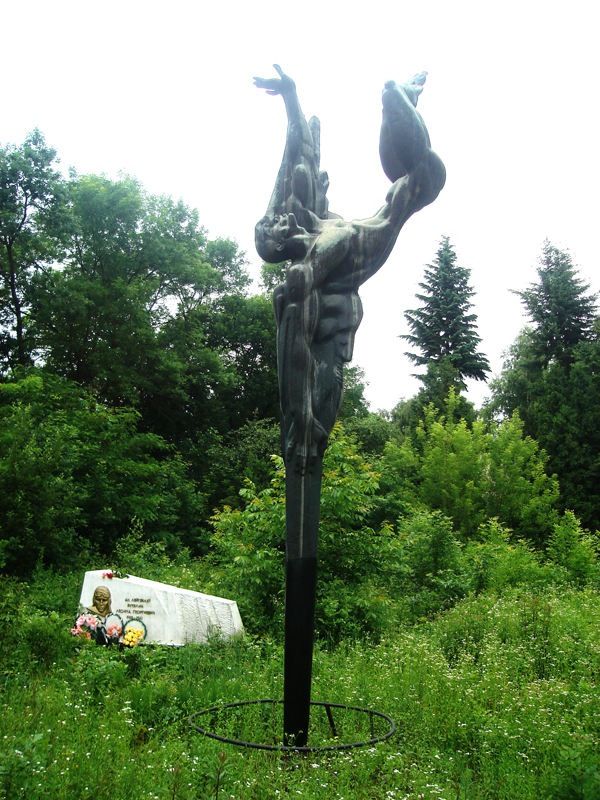
Before the outbreak of World War II, there was a military airfield of the Soviet Union's air force near Vuhlova. At dawn on June 22, 1941, German planes dropped bombs on it. Only a few Soviet fighters managed to take to the skies. One of the first to engage the German bombers was a 22-year-old Belarusian pilot, first lieutenant Leonid Butelin. He shot down one Junkers, and when he ran out of ammunition, he went to ram an enemy plane and was also killed.
In his honor, the sculpture "Falling Icarus" (by sculptor Valentyn Usov and architect Anatolii Konsulov) was erected in the village in 1974 to commemorate the feat of Belarusian pilot Junior Lieutenant Leonid Butelin, who on June 22, 1941, at 5:15 a.m., rammed a German plane over the village of Nimshyn. By the decision of the Ivano-Frankivsk Regional Executive Committee No. 8 of January 4, 1984, the monument was included in the register of cultural monuments of local significance. The monument was maintained by employees of the Bovshiv Sugar Factory and students of the local school. Later, the sugar factory became OJSC Halychtsukor, which later went bankrupt. In the late 2000s, a 500-kilogram monument to a Soviet pilot fell victim to non-ferrous metal hunters. Its fate is unknown.
From the first days of its foundation, the history of Zadnistrianske is closely linked to the Bovshivskyi Sugar Factory, which began operating in 1957. In the 70s and 80s, the plant produced about 40 thousand tons of lean sugar, which was exported to Hungary, Vietnam, Finland, Germany, and Syria. The plant harvested beets from 5 districts of our region: Sniatyn, Kolomyia, Tlumach, Tysmenytsia, and Halychyna.
In the fall of 1987, due to a significant increase in the number of students, the construction of two new school buildings began - one housed a gym and a dining room, and the other had classrooms. In 1994, the construction was successfully completed and today Zadnistrianske secondary school can educate up to 600 students.
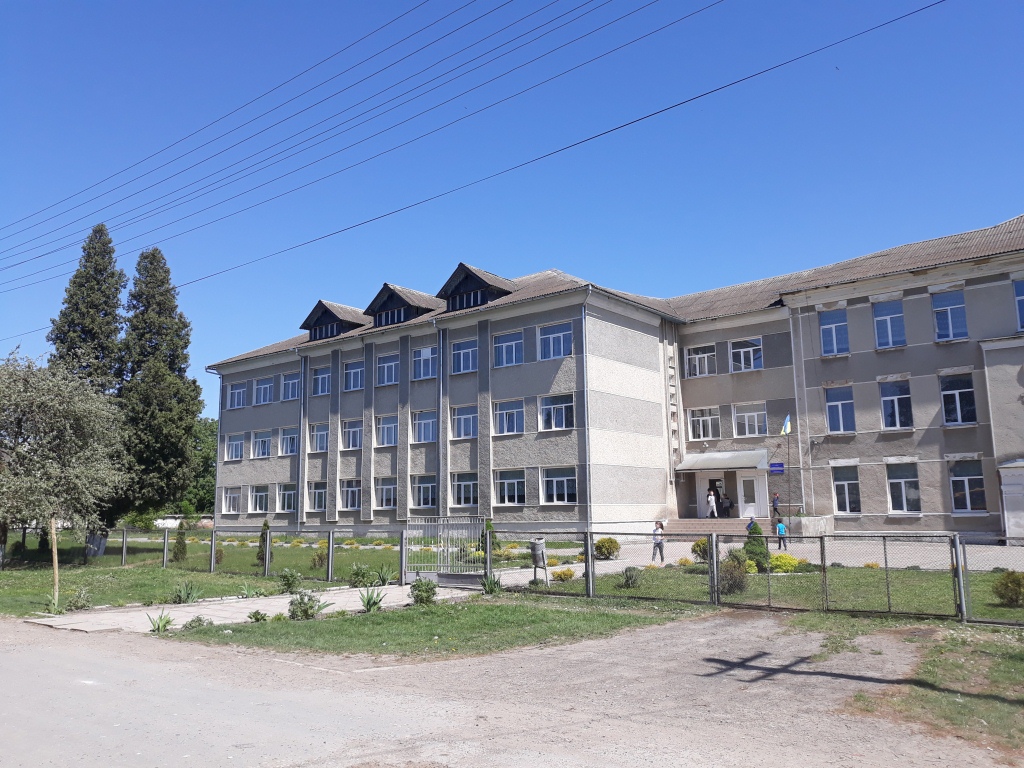
The village of sugar workers was administratively subordinated to the Bovshivka village council. It was only in 1980 that Zadnistrianske established its own self-government body. In the 80s, the developed village had 5 shops, 3 canteens, a tailor shop, a community center, a post office, a medical outpatient clinic, a pharmacy, a cultural center with a 300-seat cinema, and a library. They still operate today.
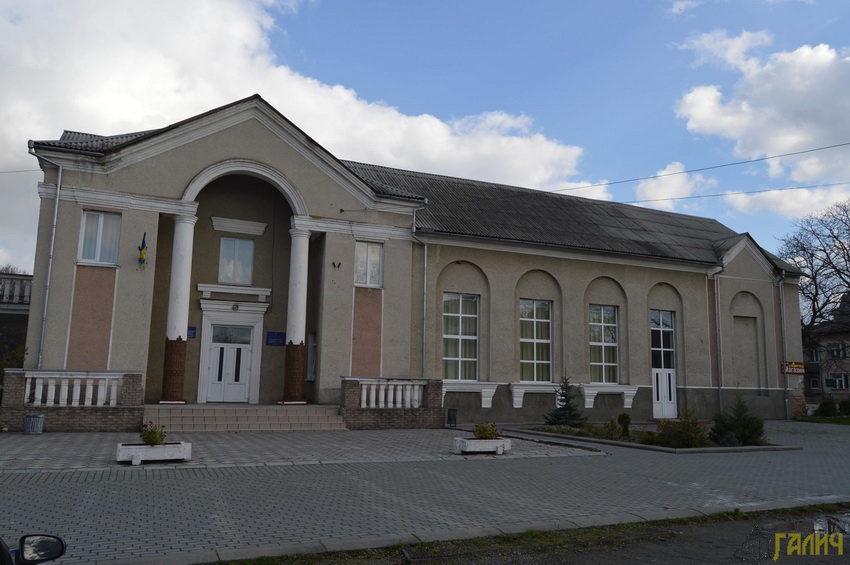
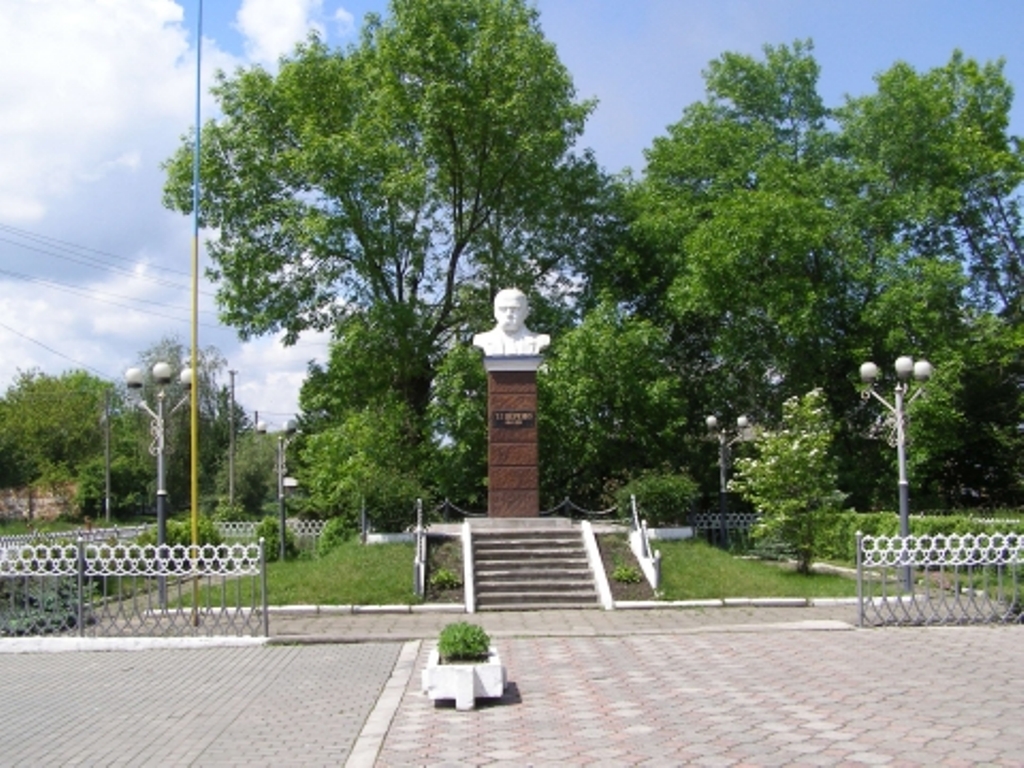
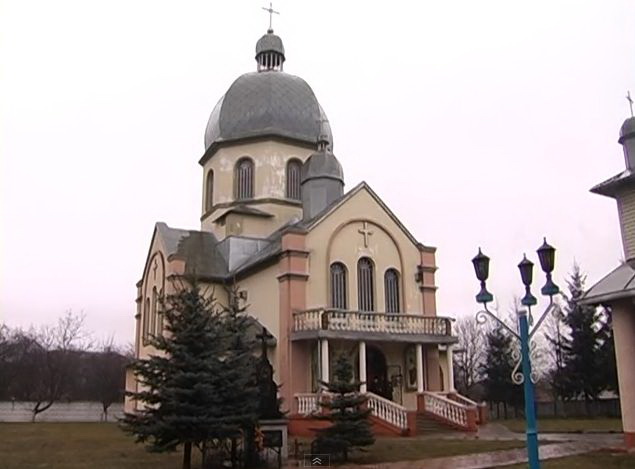
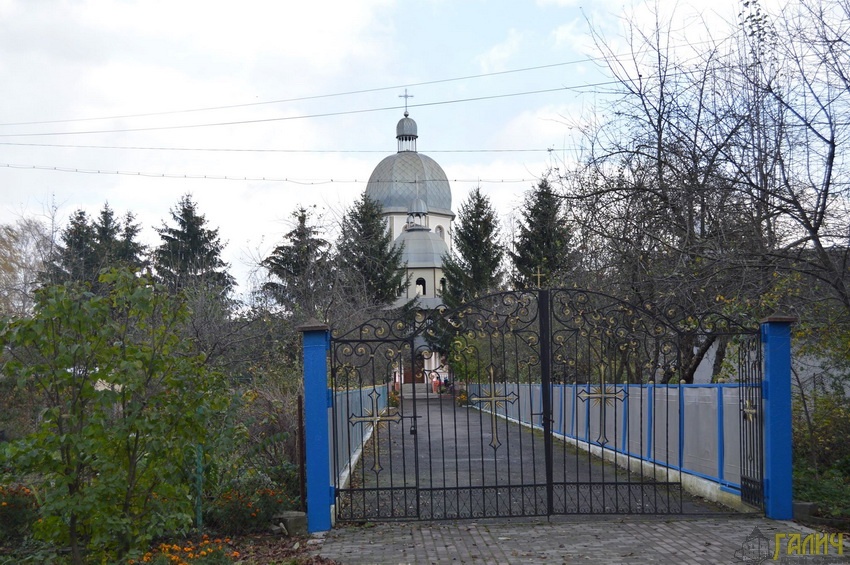
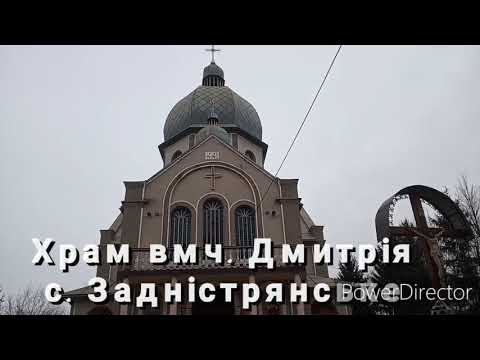
In 1991, a monument to Taras Shevchenko was erected in the park near the People's House in honor of the 130th anniversary of the poet's death. The church in Zadnistriansk began to be built only after independence in 1995 in the center of the village, mostly by the community.


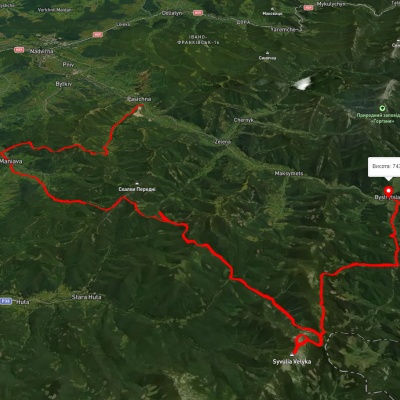
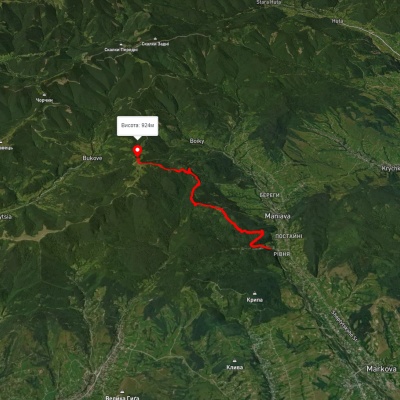
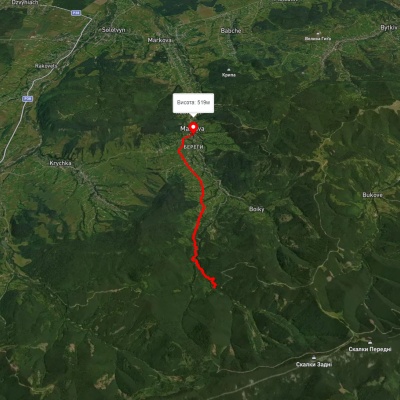
Which hiking trails pass through or near Zadnistrianske?
We suggest these hiking trails through or near Zadnistrianske: Pasichna village, via Maniava village, Maniava Waterfall and Mount Velyka Syvulia to Bystrytsia village, Maniava village - Monastyretska polonyna, Maniava village – Maniava Waterfall, Huta village – Pasichna village, Pasichna village, via Mount Syniachka to Yaremche, Pasichna village – Pereslop Pass