Museum of Karaim History and Culture in Halych
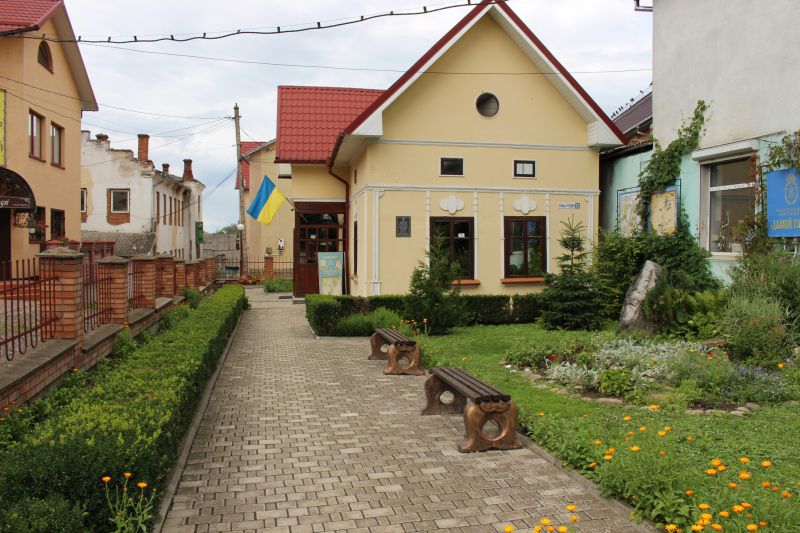
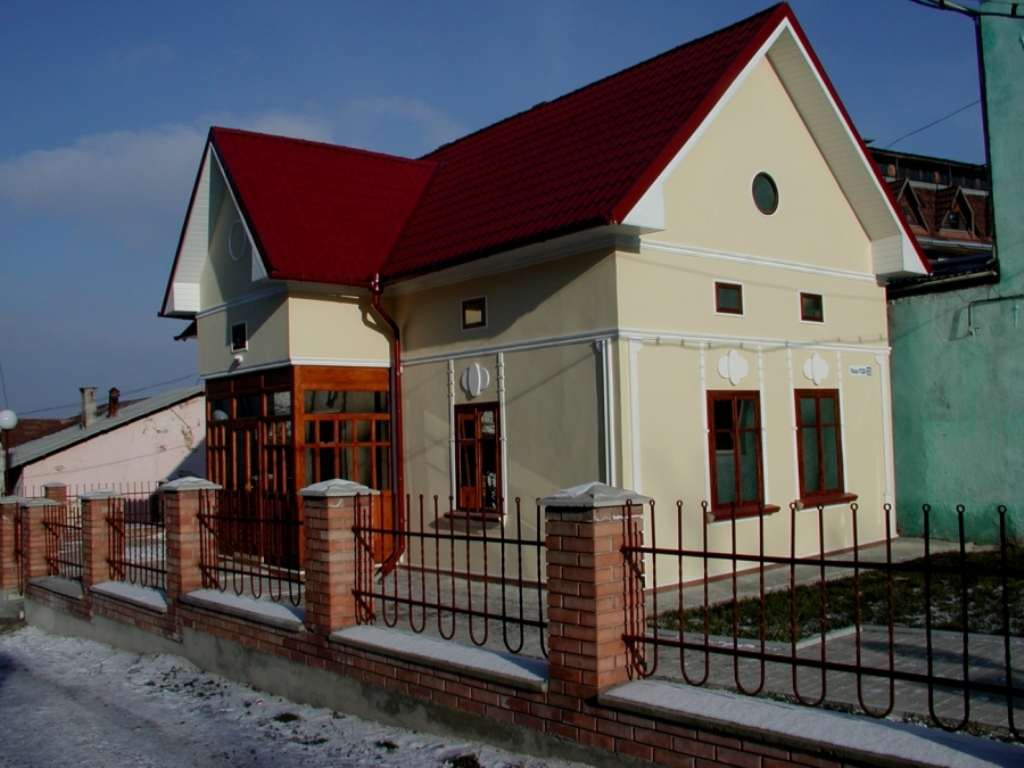
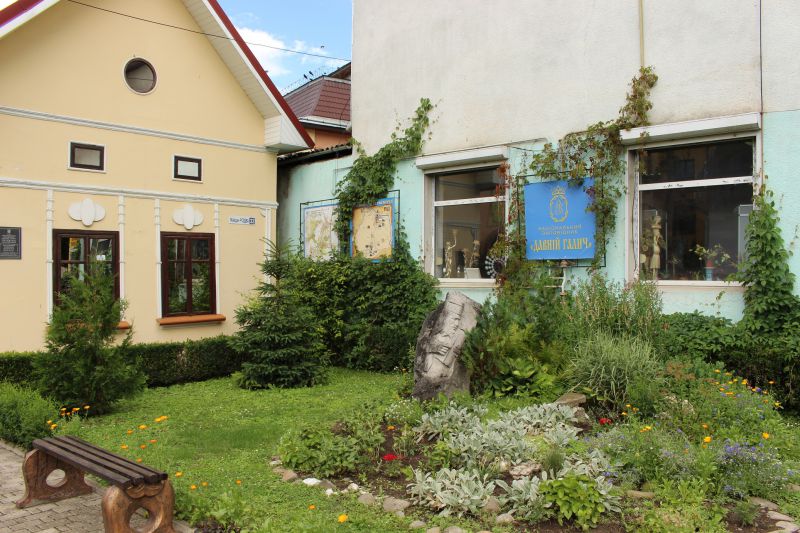
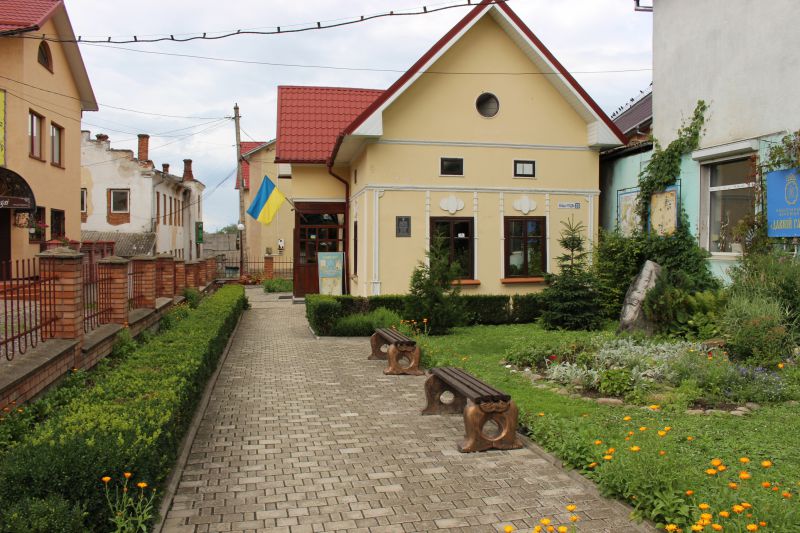
In the center of Halych, in a cozy house on the Christmas Square, is the Museum of Karaim Culture. The Karaites are a small ethnic group whose representatives have long settled in the territory of modern Ukraine, and through the centuries have managed to carry their own religious and cultural traditions. The Museum of Karaim History and Culture has existed for quite some time. Karaites identify themselves with the Turkic population of the Khazar Khaganate and profess Karaimism, as a separate branch of Judaism that emerged in the 8th century. There are only about 2000 Karaites left in the world. In Ukraine, there are only two communities of Karaites - one in Crimea and the other in Halych. The Karaim language belongs to the Turkic group. There are several dialects: northern (Trakai), southern (Halych), and Crimean. Karaites, along with Krymchaks and Crimean Tatars, are recognized as an indigenous people of Crimea.
The Museum of Karaim History and Culture was opened in November 2004. It is a branch of the National Reserve "Ancient Halych". The museum's exhibition introduces visitors to the religious and cultural traditions of the Karaites, as well as the social and everyday life of the Karaim community of Halych.
Karaites have lived in Halych since the mid-13th century. According to one version, they arrived in Halych by agreement between King Daniel of Halych and Khan Batu in 1246. The main occupation of the Karaites, like many representatives of Judaism, is trade. Thus, the first 100 settlers settled along the right bank of the Dniester - closer to the wharf - where ships with goods arrived. Here, Karaim Street was established, with trading and craft rows.
Repressions, emigration, and the remote location of minorities have led to the extinction of ethnic Karaites. According to unofficial data, about 800 remain in Crimea, and in Halych - two eighty-year-old grandmothers - that's all that is left of what was once a numerous people. In Halych, as a memory, there is Karaim Street, a cemetery with nearly 50 monuments, and the Museum of Karaim History, which houses cult items and photo materials highlighting the public life of the Karaim community.
The very idea of creating such an institution arose much earlier - back in the late 1990s. At that time, the Karaim community of Halych consisted of 8 people. As time relentlessly took away the last representatives of the ethnicity one by one, the threat of disappearance of an entire layer of culture of the inhabitants of this corner of Halychyna arose.
Initially, they began to study how many cultural values of this people have survived to our times. Then they purchased a Karaim house for the future museum in the center of Halych, on Christmas Square. After that, they developed a concept and sketches for the restoration of the historical building, as well as analyzed how to best utilize the space for arranging the museum exhibition. Restoration works were carried out.
Throughout this time, work continued on searching for and acquiring future exhibits. Members of the Karaim community, primarily its then-leader Yanina Yeshvovich, actively participated in this. She herself donated a significant part of the items to the museum for free:
- a parchment scroll of the Torah from the late 18th century;
- handwritten prayer books;
- interior details of the Halych kenasa (Karaim temple);
- periodicals of Karaim communities;
- archival materials.
In the Middle Ages, the Talmud became the main legislation of Orthodox (Rabbinic) Judaism, the basis of Jewish education, and was considered the "oral Torah", that is, a book practically equal in authority to the "written Torah", or the Pentateuch. The protest against the dominance of the rabinate and the Talmud itself manifested itself in the form of calls to return to the pure Old Testament teaching. In addition to rejecting the Talmud, the followers of Anan adhered to the principle of literal interpretation of the Holy Scriptures proclaimed by their teacher, and also differed from other Jews ("Talmudists" or, otherwise, "Rabbinists") by a whole range of religious practices and traditions.
Today, the collection of the Karaim fund consists of about three thousand exhibits. Some of them are stored in repositories. The opening of the exhibition was timed to the tenth anniversary of the establishment of the National Reserve "Ancient Halych".
The hall of religious cult of the Karaites introduces the origins, development, and spread of Karaimism and the emergence of the Karaim community in Halych. The household hall focuses on items directly related to rituals and partially illustrates the preparations for the celebration of Passover. The history hall is presented with documentary and photo materials.
In the first hall of the museum, you can see cult and ritual items of the Karaim community of Halych, religious books, inventory of the Karaim temple. Special items in the collection include the robe and prayer shawl of the gazan (Karaim clergyman), his seal and stamp of the kenasa. A memorial book from the kenasa has been preserved, where guests of the Karaim community recorded their impressions. Among the exhibits:
- Torah scrolls in special cases;
- yad - a pointer for reading the Holy Scriptures;
- parochet - a curtain over the hechal-altar;
- festive silver-plated special dishes;
- scissors for trimming candle wicks;
- mezuzah - a prayer-amulet hung at the entrance to the home;
- menorahs that decorated the Halych kenasa;
- religious books (one of them printed in Venice in 1528);
- Karaim calendars.
The second hall is dedicated to the life and activities of the Karaim community of Halych in the 20th century. Here you can familiarize yourself with items and documents that certify the professional activities of community members, as well as birth certificates, marriage certificates, and other personal documents. Karaim periodicals from the first half of the 20th century and items directly related to Karaim rituals are also represented here.
Where the Karaites came to Halych from
The Karaim tradition connects this arrival with the time of the reign of Daniel Romanovich. The circumstances under which this could have happened will be detailed in the museum. And they will certainly remind about other details of their history, in which King of the Polish-Lithuanian Commonwealth Stefan Batory figures. A very captivating and dramatic story about a people that is now on the brink of extinction.
Interesting facts
- The religious teaching of the Karaites rejected the Talmud, and they themselves differed from other followers of Judaism by a whole range of religious practices and traditions.
- The term "Karaim" originated in the 9th century, reflecting the main characteristic of the religious trend - the veneration (literally "reading") of the Holy Scriptures as the only and direct source of religious truth.
- Karaites count their years from the creation of the world. This count begins 3760 years before the birth of Christ. Their year lasts 354 days, 8 hours, and 48 minutes.
- The main holidays celebrated by the Karaites are the New (young) moon, Passover, Pentecost, Feast of Tabernacles, New Year, Day of Atonement, and the Feast of Esther.
- According to the ancient calendar system, a day lasts from sunset to sunset, so each holiday begins and ends in the evening.
- One of the most important holidays is Passover. It lasts for 7 days. The day before, Karaites bake unleavened bread without salt. They eat it instead of bread for the entire week.
- During the Passover holidays, representatives of the ethnicity use a separate set of dishes. The Passover cakes - timbil - are decorated with images of fish, stars, and flowers.
- During the Austro-Hungarian period, Karaites were granted equal rights with Christians. They traded livestock, wax, salt, and engaged in agriculture. Until the 1870s, they were not conscripted for military service, and later they served exclusively in sanitary units.
How to get there
You can get to the Museum of Karaim History and Culture in Halych from Ivano-Frankivsk by bus or train. The institution is located in the central square of Halych - Christmas Square.
Opening hours: from 9:00 to 18:00 (on weekends in the summer period from 10:30 to 19:30).
Accommodation around Museum of Karaim History and Culture in Halych:


Which trails pass by Museum of Karaim History and Culture in Halych?
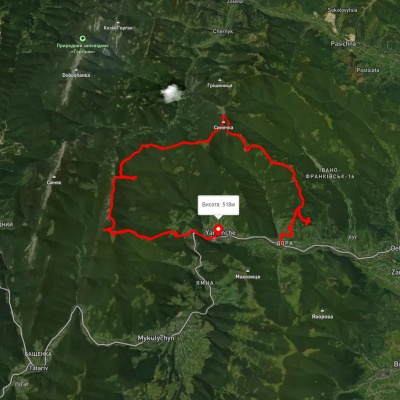
We suggest these hiking trails through or near Museum of Karaim History and Culture in Halych: Pasichna village, via Maniava village, Maniava Waterfall and Mount Velyka Syvulia to Bystrytsia village, Maniava village - Monastyretska polonyna, Maniava village – Maniava Waterfall, Huta village – Pasichna village, Dora village, via Mount Syniachka, Pereslip Pass, Turshuhuvata polonyna and the Yavirnyk ridge to Yaremche, Dora village, via Mount Syniachka and the Chornohorytsia ridge to Yaremche


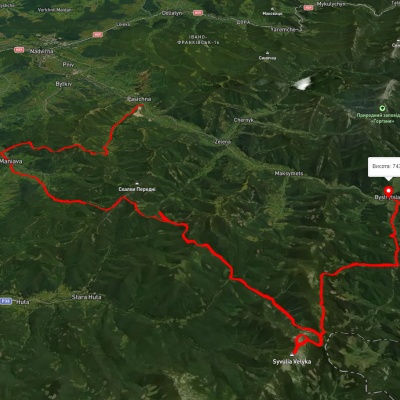
Pasichna village, via Maniava village, Maniava Waterfall and Mount Velyka Syvulia to Bystrytsia village
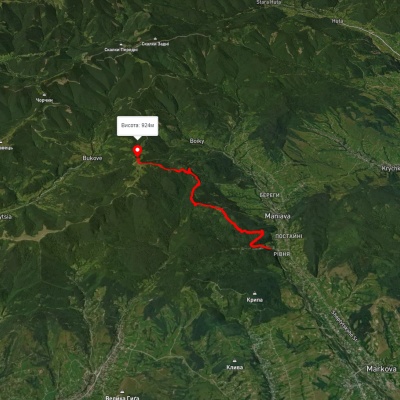
Maniava village - Monastyretska polonyna
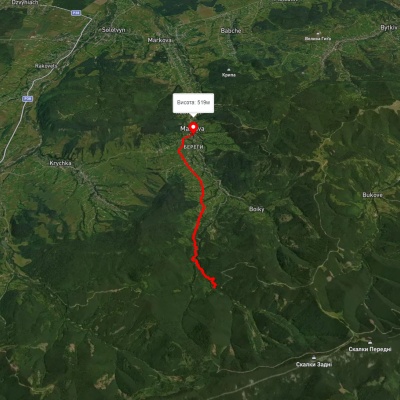
Maniava village – Maniava Waterfall
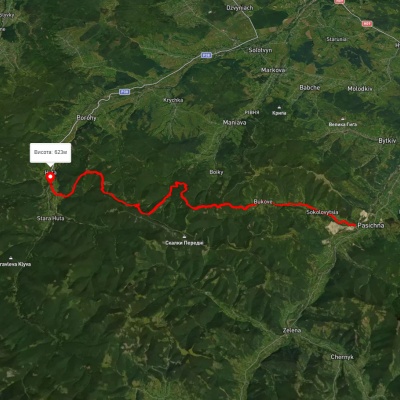
Huta village – Pasichna village