National Reserve "Ancient Halych"
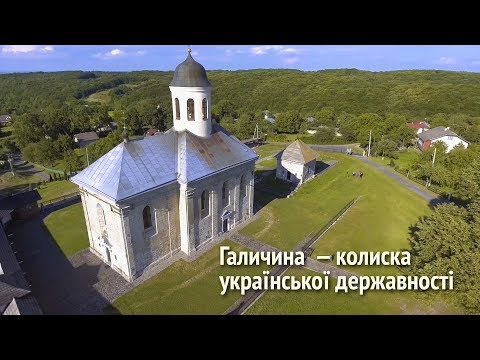
National Reserve "Ancient Halych" is a unique historical and archaeological monument of national significance. It includes monuments that have survived to this day in the territory of the former capital of the Halych principality, and later the Halych-Volyn principality. On the picturesque hills of the Dniester, Limnytsia, Lukva, and Hnyla Lypa rivers, ancient churches and defensive ramparts of the chronicle city are located, and there are over two hundred archaeological sites here. The National Reserve "Ancient Halych" was created to preserve the monuments of history and culture of Halych in protected areas, covering the territory of the city of Halych, as well as the villages of Krylos, Shevchenkove, Bilshivtsi, and has an area of 80 square kilometers.
Under protection are a number of monuments of national and world significance, the foundations of 14 chronicle churches of the 12th-13th centuries, over 200 archaeological monuments, and 18 nature conservation sites, organically linked to monuments of history and architecture. On the territory of the reserve are located: the Museum of the History of Ancient Halych, the Museum of Folk Architecture and Life of Prykarpattia, and the regional nature-landscape park. Ancient Halych – the capital of the Halych principality, and later the Halych-Volyn principality – is a unique historical and archaeological monument of all-Ukrainian significance. In 1994, based on a complex of historical and cultural monuments of the 11th – 17th centuries, a state historical and cultural reserve was created, which, according to the Decree of the President of Ukraine, received national status and an official modern name.
Alongside the churches of St. Panteleimon (12th century), Nativity of Christ (14th-16th centuries), Assumption of the Blessed Virgin Mary (16th century), the church and monastery complex of the Carmelites (17th century), here is the mentioned in the Halych-Volyn Chronicle "Halychyna Mogyla", the legendary Prince's Well, the foundations of the majestic Cathedral of the Assumption (12th century) with the burial place of Prince Yaroslav Osmomysl and the chapel of St. Basil (15th century). In the village of Krylos, which is located on the territory of the reserve, a system of defensive structures with several rows of powerful ramparts has been preserved.
On a picturesque hill above the Dniester rise the walls of the Halych Castle of the 9th-13th-17th centuries. In addition, on the territory of the reserve there are over 200 archaeological monuments that document the stages of the emergence and further development of the historical city. In general, unlike other Ukrainian cities, where the cultural layer of past centuries is mostly very damaged or even completely destroyed by underground communications and modern buildings, princely Halych has still preserved the treasures of ancient culture. The monuments of ancient Halych are carefully preserved and restored.
From 1995 to 2005, the historical center of the ancient city with its monuments, the Church of St. Panteleimon, the Assumption Church, the chapel of St. Basil, and a number of folk architecture monuments were restored.
Let's briefly review the most significant objects.
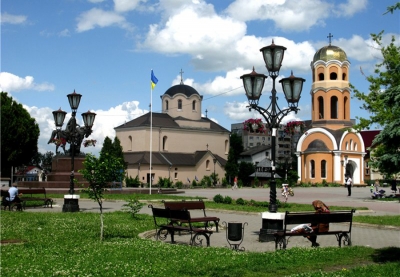
In the city of Halych - Church of the Nativity of Christ
Before the discovery of the foundations of the chronicle Assumption Cathedral in Krylos, it was considered the princely cathedral. The exact time of the construction of the Church of the Nativity of Christ is unknown. Experts date it to the end of the 13th – beginning of the 14th century. It is assumed that a wooden church of the 12th century stood here before. In 1349, during the conquest of Halychyna by the Poles, they burned it down. At one time, the structure was repeatedly destroyed by the Tatars. Next to the Church of the Nativity of Christ, the Franciscans built the Monastery of the Holy Cross. Today, it is an active cathedral of the Ukrainian Greek Catholic Church.
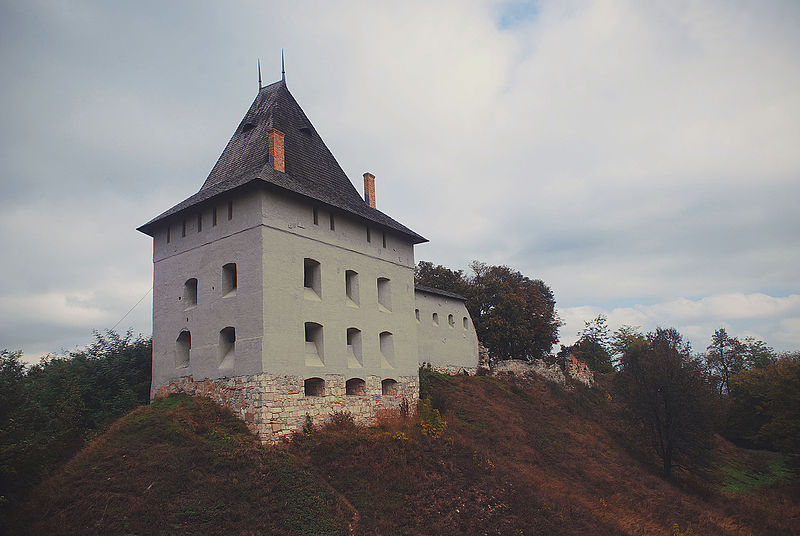
Halych (Starostynskyi) Castle
This is one of the most visited places in Halych. The ruins of the castle of the 14th–17th centuries have been preserved, which once served a fortification function. One of the towers and part of the wall have been restored. The Starostynskyi Castle is located in a picturesque place – on a high hill of Halych Mountain, on the right bank of the Dniester River.
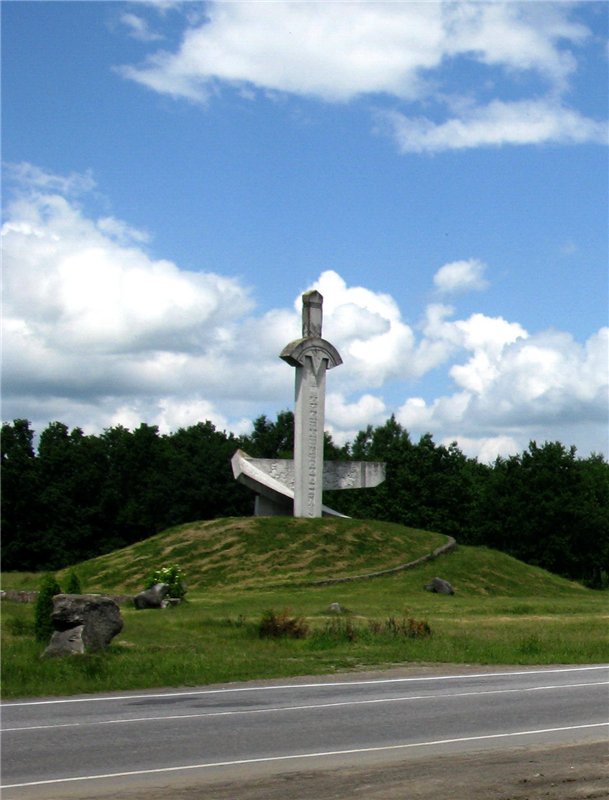
In the village of Krylos - the monument-symbol "Sword and Plow" (1985 – 1987)
The monument rises on Krylos Mountain along the road Ivano-Frankivsk – Halych opposite the Museum of Folk Architecture and Life of Prykarpattia. The monument was erected in the area of Prokaliyiv Sad – a place where the first line of defensive ramparts of the Halych-Volyn state lay during the princely times.
Foundations of the Assumption Cathedral of the 12th century
The temple of the Holy Virgin is first mentioned in the chronicle in connection with the burial of Prince Yaroslav Osmomysl here. The cathedral was also a cathedral in the 14th–16th centuries, but no one knows the exact date of its destruction. Even the location of the Assumption Cathedral was unknown until the 1930s. Where the main shrine of princely Halych stood was searched both in present-day Halych and on the high bank of the Limnytsia River, and in Krylos, at the site of the Assumption Church. The temple was one of the largest in the then Christian world.
Next to the foundations of the Assumption temple stands the chapel of St. Basil. It was built in the southwestern corner of the cathedral in the 15th century. It has been preserved to this day almost in its original form.
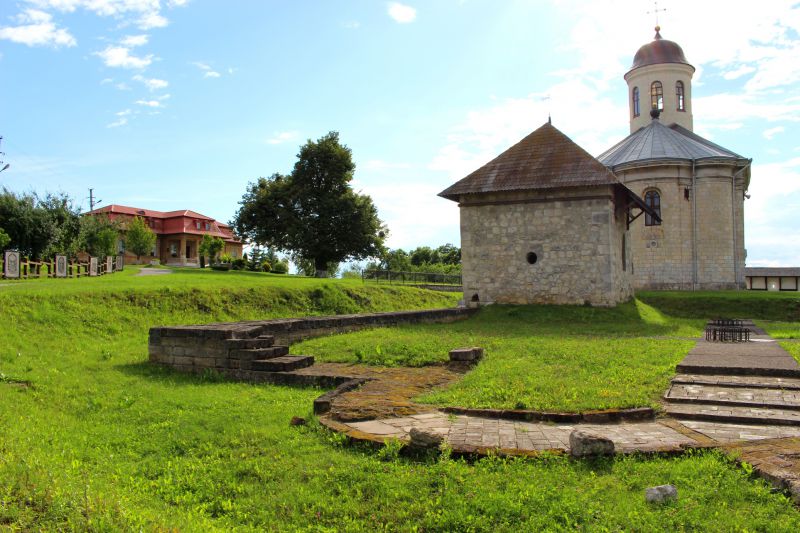
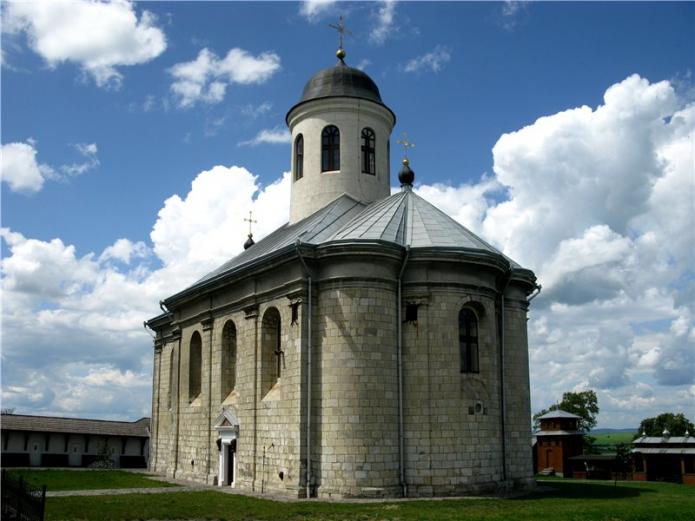
Church of the Assumption of the Blessed Virgin Mary
The Assumption Church appeared in the 16th century next to the former Assumption Cathedral, during its construction, stones from the previous building were partially used. On the white stone blocks from which the walls of the church are built, there are numerous graffiti – inscriptions scratched on the stone. Most of them relate to the 12th–13th centuries. The temple has been beautifully restored. The iconostasis was made by the prominent master of Ukrainian painting of the early 20th century Anton Manastyrskyi. In the Assumption Church, a well-known shrine – the Krylos miraculous icon of the Mother of God – is open for viewing and veneration.
Foundations of the Illyinsky Church
A little distance from the Krylos settlement, on a hill, next to the current road from Halych to Ivano-Frankivsk, there is a site where until the mid-18th century there was a monastery with a white stone temple of the prophet Elijah, built in the 12th century. The architectural details found during excavations at the site of the Illyinsky Church, decorative elements, as well as its shape – a rotunda – indicate that there were close relations between the masters of the then Halych architectural school and representatives of Western European architecture. On the site of the former church of the prophet Elijah stands a symbolic memorial cross. Its foundations have been museumified.
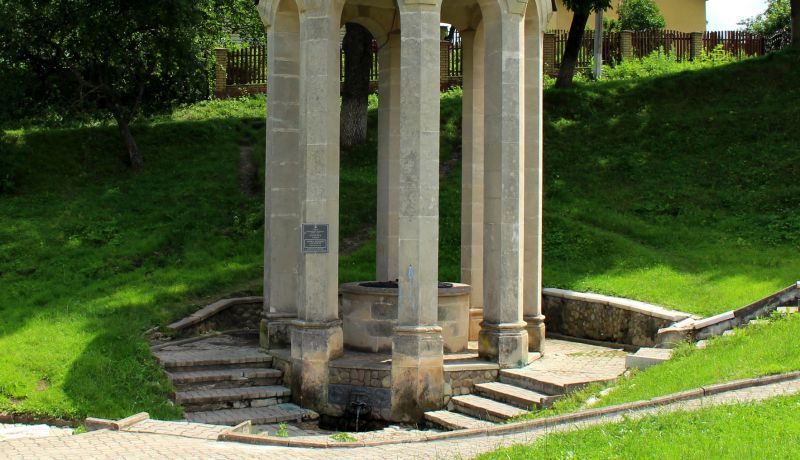
Prince's Well
The Prince's Well is considered the oldest source in Krylos. Even during the times of princely Halych, there was a spring with healing water here. Legends about the appearance of the Prince's Well are still recounted by local residents. On the eve of the 1100th anniversary of ancient Halych, a four-meter rotunda with a gilded cross was erected over the spring. The road to the well is conveniently equipped, and there is an observation platform.
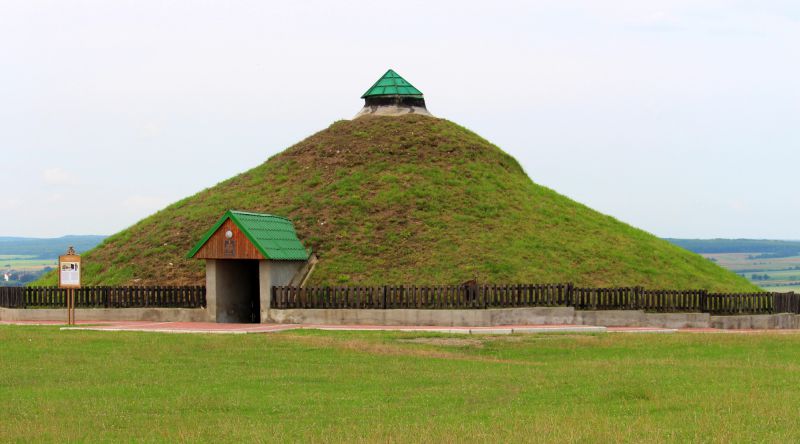
Halychyna Mogyla
This sacred place, which gave its name to the entire region of Ukraine, is shrouded in mysteries. The mound "Halychyna Mogyla" is located on the outskirts of the Krylos settlement, between the inner and outer defensive ramparts of old Halych. Many researchers believe that the founder of the city could have been buried here even in pre-Slavic times. In the 1990s, during excavations in the mound, a symbolic burial with the remains of a burned dugout boat and the equipment of a warrior-nobleman was discovered. Today, the monument has been museumified and is another unique object of Krylos Mountain.
A system of defensive structures with several rows of powerful ramparts
The central defensive rampart of princely Halych was built above the Lukva River, its length reached 624 meters. Scientists have carefully studied how these fortifications were created, how wooden structures were used in them, what functions, besides defensive ones, they performed.
In the village of Shevchenkove - Church of St. Panteleimon
A pearl of the Halych architectural school of the 12th century – the Panteleimon Church – is a unique structure. This monumental cross-domed temple with exquisite white stone carvings and numerous drawings and graffiti on the walls has undergone several reconstructions. However, thanks to the fact that the graffiti have been preserved in good condition over the centuries, scholars have accurately determined the time of construction of the church – 1194. It was located in the center of a well-fortified settlement, possibly a monastery. After the capture of Halychyna by Poland, the church was reconsecrated as a cathedral. Later, it was handed over to the Franciscan monastery in Halych.
After the restoration in 1998, the shrine acquired a modern appearance, close to the original, and has all the elements characteristic of the Halych architectural school of the princely era.
Now the Panteleimon Church is an active Greek Catholic temple.
In the settlement of Bilshivtsi - Church of the Carmelites and Monastery
In the settlement of Bilshivtsi, located a few kilometers north of Halych and Krylos, there is a church and monastery complex of the Carmelites – a notable monument of late Baroque architecture of the 18th century. Already in the next, 19th century, the monastery of the Carmelites in Bilshivtsi was one of the largest in Halychyna. The monks published books, painted icons, cared for the sick and the school, and there was an asylum for the poor at the monastery. Thanks to the cooperation of the General Directorate of the National Reserve "Ancient Halych", the Ministry of Culture of Poland, and the Franciscan monks, the complex has now been restored. The interior of the church has been restored, and partially the frescoes, the western wing of the cells has also been restored, the lost wings and the ceremonial stairs with supporting walls and the eastern wall with the entrance archway have been rebuilt.
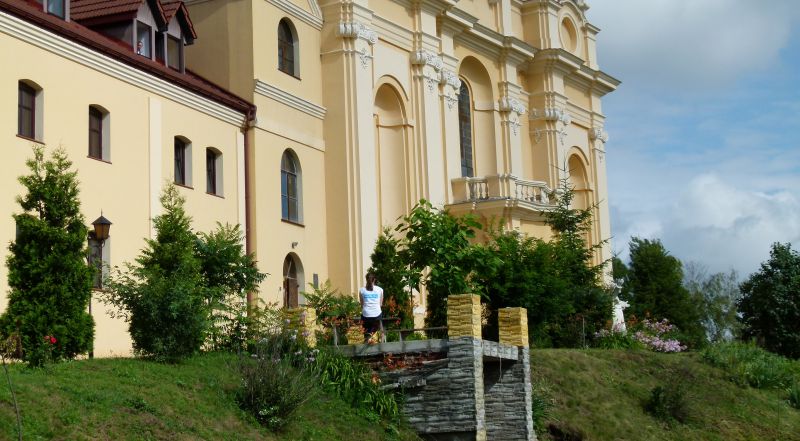
The National Reserve "Ancient Halych" includes three museums:
- Museum of the History of Ancient Halych (Krylos).
- Museum of Folk Architecture of Prykarpattia (Krylos).
- Museum of Karaite History and Culture (Halych).
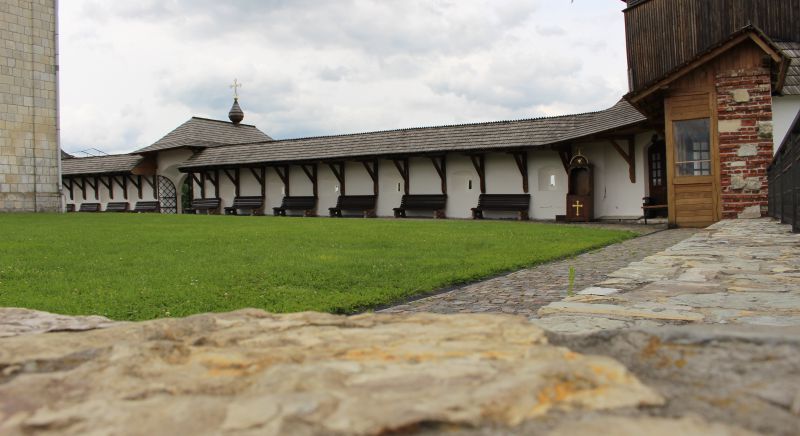
You can reach Halych by car, bus, or train.
The city is located on the national highway N09, which connects Lviv with Ivano-Frankivsk and Mukachevo. The distance from Lviv is 110 km, from Ivano-Frankivsk – 25 km. You can reach here by bus without transfers from Rivne, Ivano-Frankivsk, Lviv, Ternopil, Chernivtsi, Khmelnytskyi, as well as from many cities in Ivano-Frankivsk region. Halych has a railway station where trains stop that are heading from Kyiv, Mykolaiv, Henichesk, Kremenchuk, Vorokhta, Ivano-Frankivsk, Kovel, Chernivtsi, Rakhiv. There are also several suburban electric trains. The office of the National Reserve "Ancient Halych" is located in the center of Halych at Franka Street, 1. This is a hundred meters from the N09 highway (landmarks – OKKO gas station, visitor center). The objects included in the reserve are located in several locations.
Working days: Monday – Sunday. Working hours: from 9:00 to 18:00.
Accommodation around National Reserve "Ancient Halych":


Which trails pass by National Reserve "Ancient Halych"?
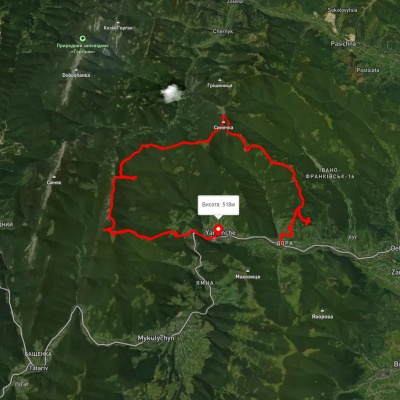
We suggest these hiking trails through or near National Reserve "Ancient Halych": Pasichna village, via Maniava village, Maniava Waterfall and Mount Velyka Syvulia to Bystrytsia village, Maniava village - Monastyretska polonyna, Maniava village – Maniava Waterfall, Huta village – Pasichna village, Dora village, via Mount Syniachka, Pereslip Pass, Turshuhuvata polonyna and the Yavirnyk ridge to Yaremche, Dora village, via Mount Syniachka and the Chornohorytsia ridge to Yaremche

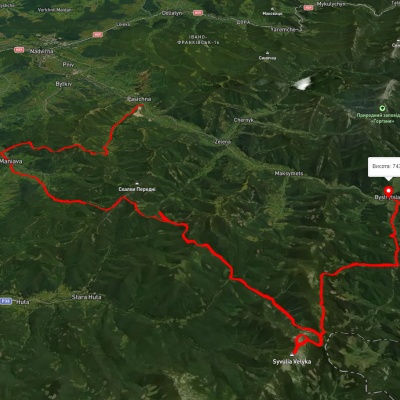
Pasichna village, via Maniava village, Maniava Waterfall and Mount Velyka Syvulia to Bystrytsia village
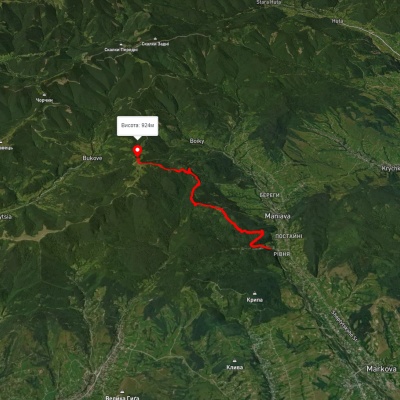
Maniava village - Monastyretska polonyna
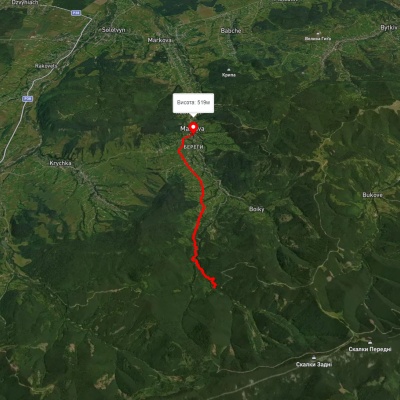
Maniava village – Maniava Waterfall
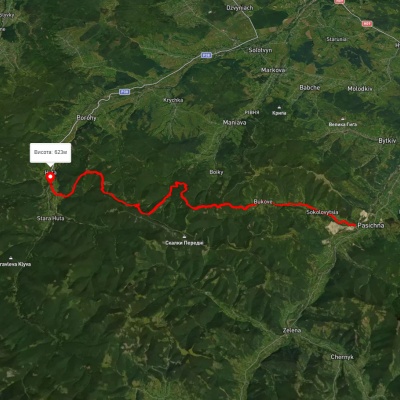
Huta village – Pasichna village