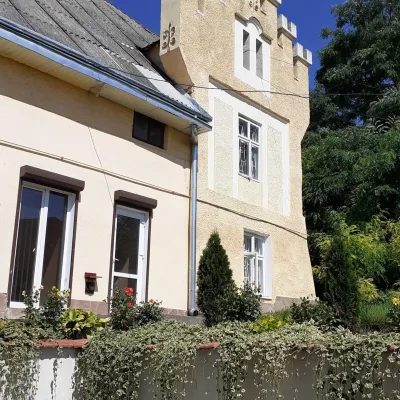
Chortova Hora, Rohatyn
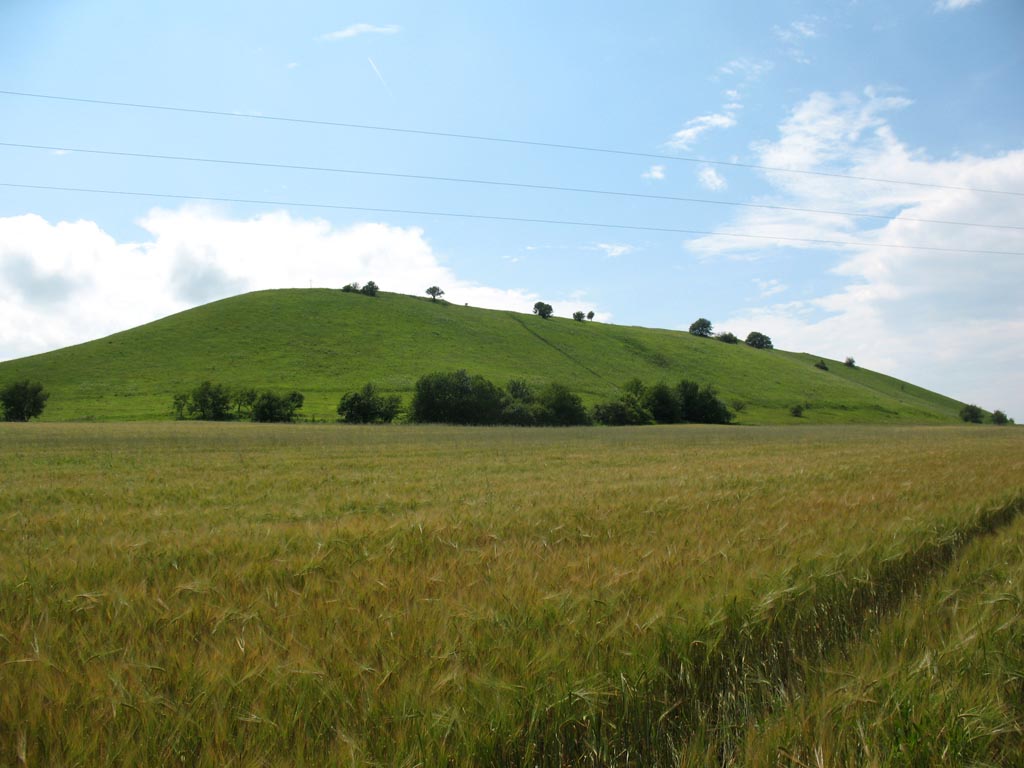
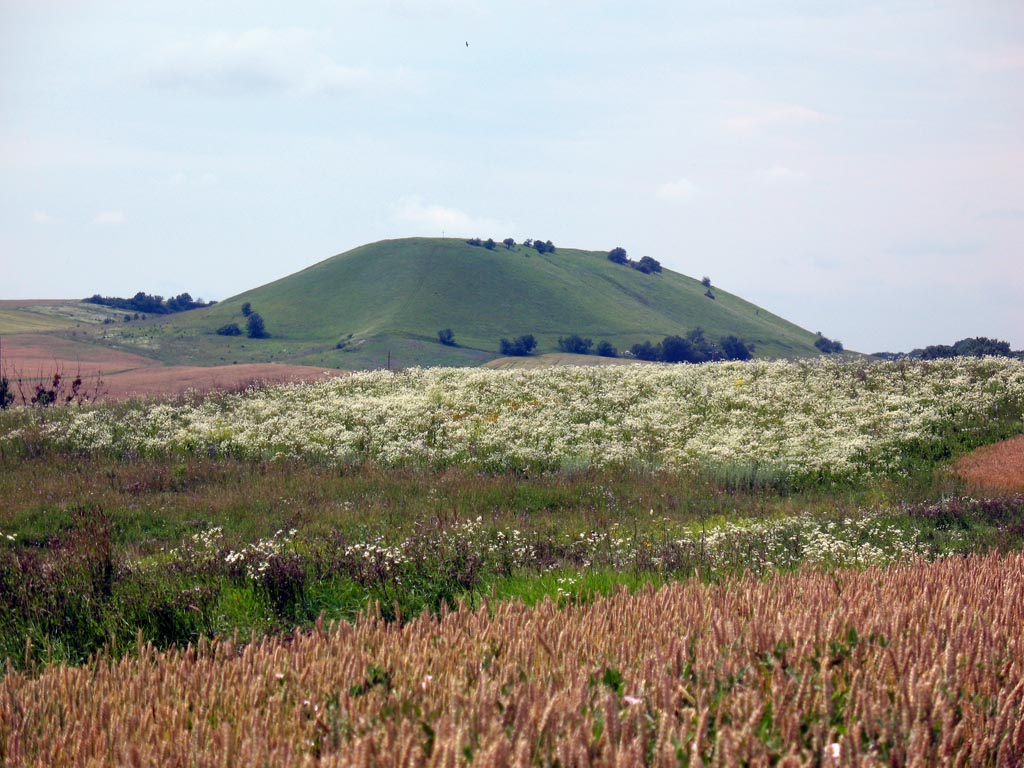
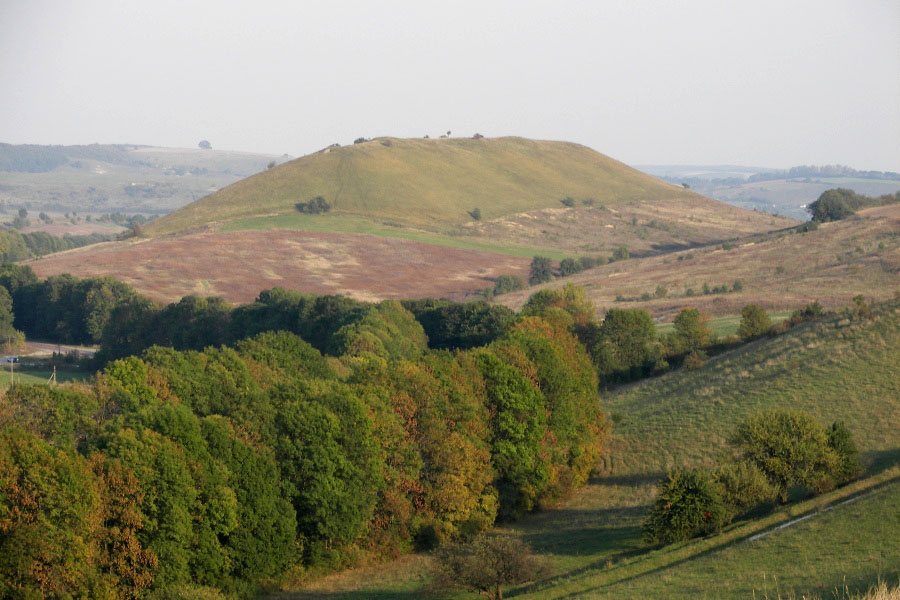
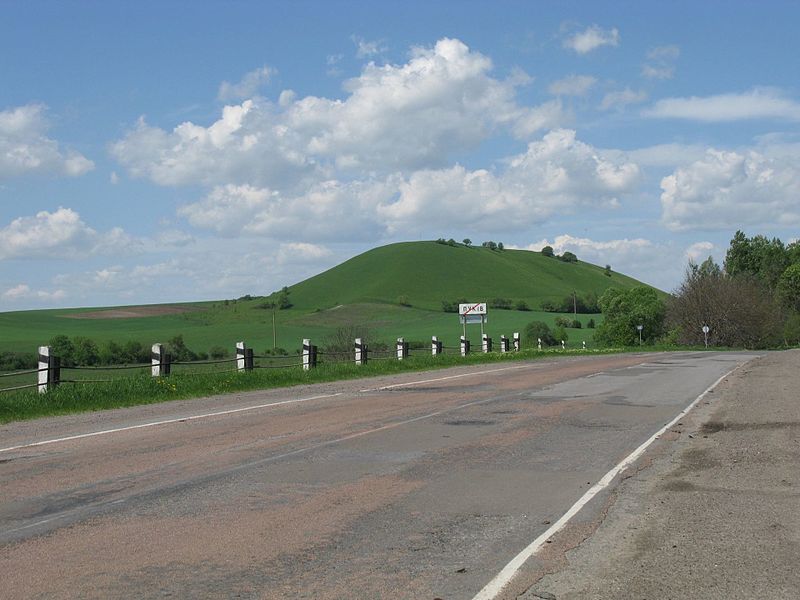
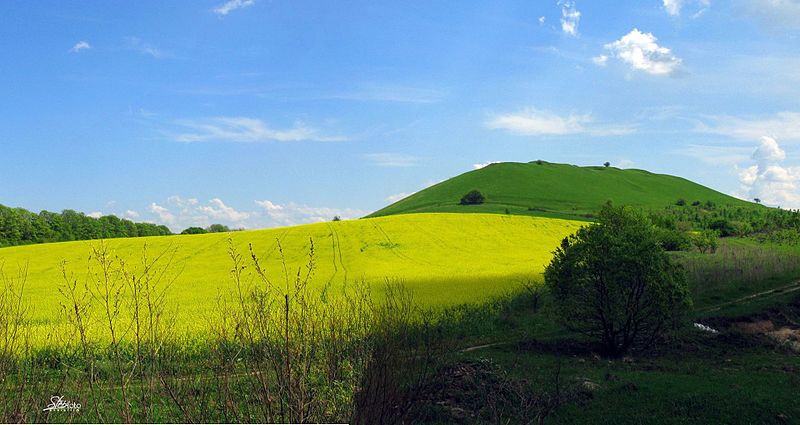
Chortova Hora is a unique botanical monument of nature of national significance in Ukraine, a remnant of the glacial period. Several species of ancient flora grow in the area. It is located near Rohatyn, to the right of the road to Berezhany in Rohatyn district of Ivano-Frankivsk region, east of the city of Rohatyn. The area of the protected territory is 13 hectares. It has been under protection since 1975. It is managed by the Pidvynianska and Pukivska village councils. At the top, remnants of a sacred-type settlement can be seen: a symbolic rampart with an inner moat, a sanctuary, pits, and depressions from structures.
Thanks to the active support of Metropolitan Andrey, the unique area of steppe relic vegetation - the "Chortova Hora" tract near the city of Rohatyn - was designated on church lands as a nature reserve. The local priest, Father Theodosiy Kudryk, discovered the area of steppe relic vegetation in 1935. Subsequently, botanists studying the flora of this site confirmed its uniqueness, and with the consent and support of Metropolitan Andrey, it was designated as the "Chortova Hora" reserve.
On July 7, 1936, the Greek Catholic Metropolitan Ordinariate in Lviv sent a letter to the voivodeship government in Stanislav informing them about the establishment of the "Chortova Hora" reserve on the lands of the Greek Catholic parish in Rohatyn and its transfer "under the care of the NTSh in Lviv for scientific research".
The natural monument covers the slopes and the top of the hill called Chortova Hora (350 m), located within the Rohatyn Opillia, along the M12 highway, between Rohatyn and the village of Pukiv. A unique natural habitat of meadow-steppe vegetation is protected here. The grass cover includes pale fescue, common snake root, meadow sage, common lily of the valley, spring adonis, as well as hairy feather grass and two-leaved lily, which are listed in the Red Book of Ukraine.
There is a legend about the name of this mountain, which says that long ago, devils and other evil spirits decided to harm the inhabitants of the city because they were very pious. So, they decided to throw a mound of earth on the city to destroy everyone. The devils gathered the earth and carried it, but just then the roosters began to crow, and the evil spirits had to hide. And at the place where they were caught by dawn, a large earthen mound remained, which the evil spirits carried to doom the Rohatyn people. This hill is unique - it is home to steppe vegetation that has miraculously survived here. In front of Chortova Hora, there is a mountain with the mystical name Mohyla.
According to another legend, there is a very large stone on Chortova Hora, under which, if lifted, there are gates to hell. But even without the old legends, both "Bald Mountains" without vegetation impress with their mystique. Local residents insist that near Chortova Hora, a person often gets haunted or the evil spirit appears before their eyes.
It is quite possible that the legends even complement each other. Each of them contains deep symbolism: the devils in fairy tales and legends often represent priests of ancient cults; the offense against the city is an attempt to impose a curse or take revenge for apostasy in faith; the entrance to hell is a gate to a world where demons-priests reign in the eyes of monks. It is quite likely that the legends about the mountain originated at a time when Christianity had already taken root in the land, but pagan communities still existed, and there was competition between representatives of different religions.
The name of the mountain does not give peace to some local "activists": In 1994, the community of the village of Pukiv erected a wooden cross at the edge of the mountain's summit, calling the mountain "God's". However, this caused a wave of outrage from the residents of nearby villages (that year, there was no rain for a month, and they blamed the cross placed on the mountain for it - claiming that it was the reason for the lack of rain), so it is still called Chortova. Local residents also believe that the mountain has magical power - it can disperse storm clouds, or conversely - the mountain seems to attract clouds like a magnet. Interestingly, according to ancient custom, brides love to come here on their wedding day, which is already a remnant of ancient pagan rituals (for example, in some regions, the tradition of visiting a sacred tree or stone has survived).
At the foot of Chortova Hora, there is an artificial terrace (or level) that encircles the remnant around. The slopes are quite steep. The vegetation is of steppe-meadow type, as indicated in the encyclopedia. The top can conditionally be divided into three parts. The lowest and narrowest is the northwestern part. The central part is elevated and slightly wider than the previous one. The highest is the southeastern part of the mountain, which forms a kind of plateau. The remnant stretches from west to east with a slope to the south. From above, it resembles the right foot of a person (it is quite possible that this circumstance could add a certain cultic significance to the place).
Based on characteristic features, it can be assumed that there was a settlement-sanctuary of ancient Slavs here:
- all main structures are located on the elevation - the mountain;
- a small rampart around the settlement, which served a symbolic function;
- there are specially arranged sites for rituals, surrounded by ritual ramparts - the sacred boundary of the sanctuary;
- remnants of a sanctuary with nearby sacrificial pits, a pillar pit for a possible idol;
- division of the settlement into sacred and public parts.
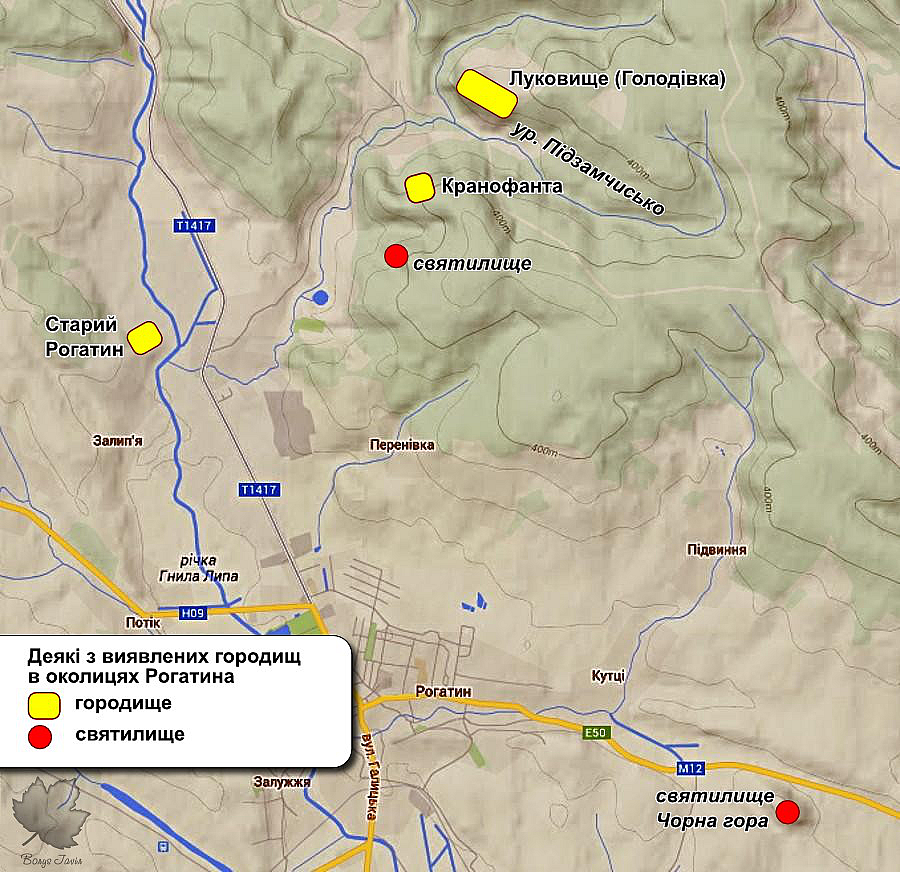
Map-scheme of some discovered settlements near the chronicle Rohatyn – B. Yavir Iskra
It is likely that the sanctuary was part of a complex of settlements and sanctuaries around the hypothetical princely/boyar center (the settlement of Lukovyshche).
Video
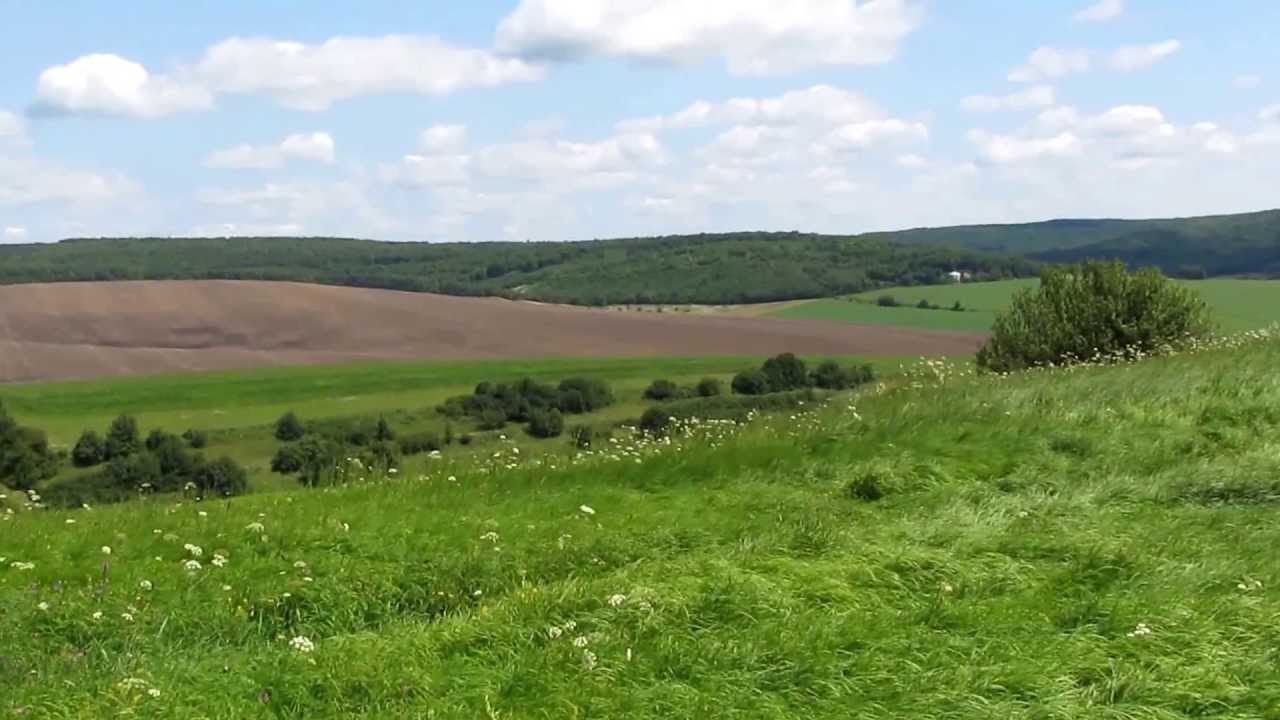 Вид з Чортової гори (Рогатинський р-н, Івано-Фр. обл.)Oleksandr Gudyma
Location on the map
Comments
Nearby attractions
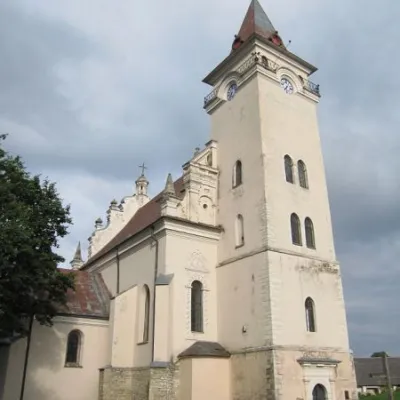 Sight"Church of St. Nicholas" RohatynRohatyn4 km from Chortova Hora, RohatynAnne is a functioning church in the city of Rohatyn, Ivano-Frankivsk region, an ancient spiritual center, an example of Gothic and Renaissance architecture of the XV...
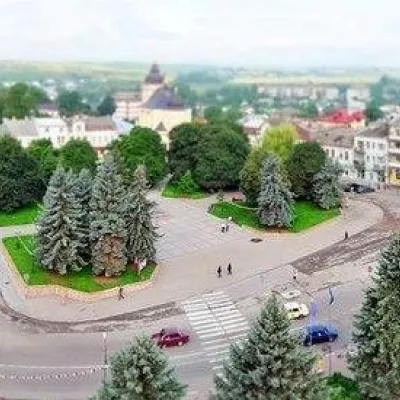 Historic siteRoksolana Square and monument, RohatynRohatyn4.1 km from Chortova Hora, RohatynThe city of Rohatyn was the birthplace of Roksolana, a great woman who was captured as a child by the Tatars but who eventually managed to become a global political...
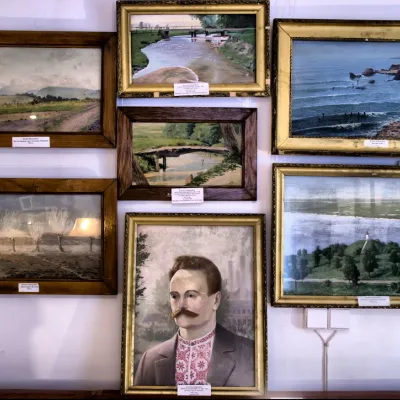 MuseumMuseum-estate of Mykola Uhryn-Bezsrichnyi, RohatynRohatyn4.2 km from Chortova Hora, RohatynThe Museum-Estate of Mykola Uhryn-Bezgryshnyi is a part of the Rohatyn Museum Complex, a branch of the Ivano-Frankivsk Regional Art Museum.