St. Michael's Church, Svalyava
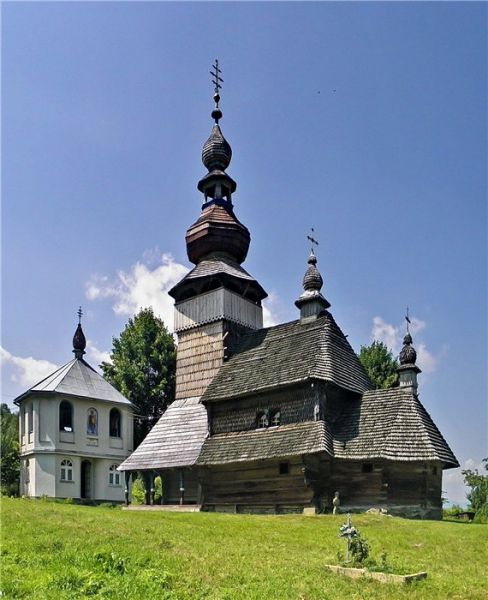
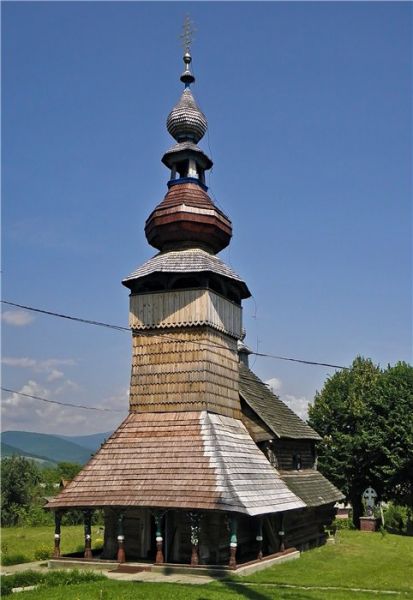
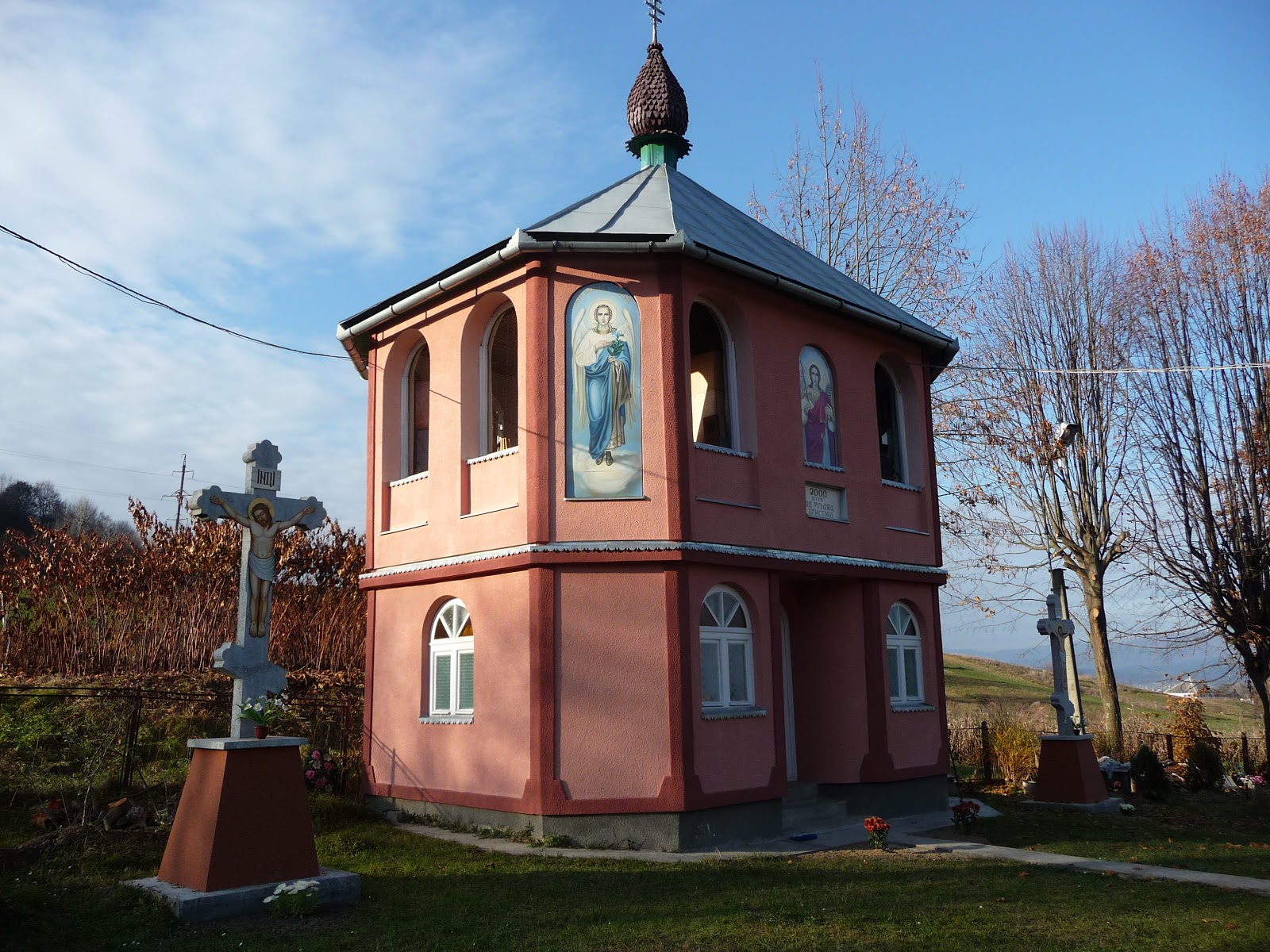
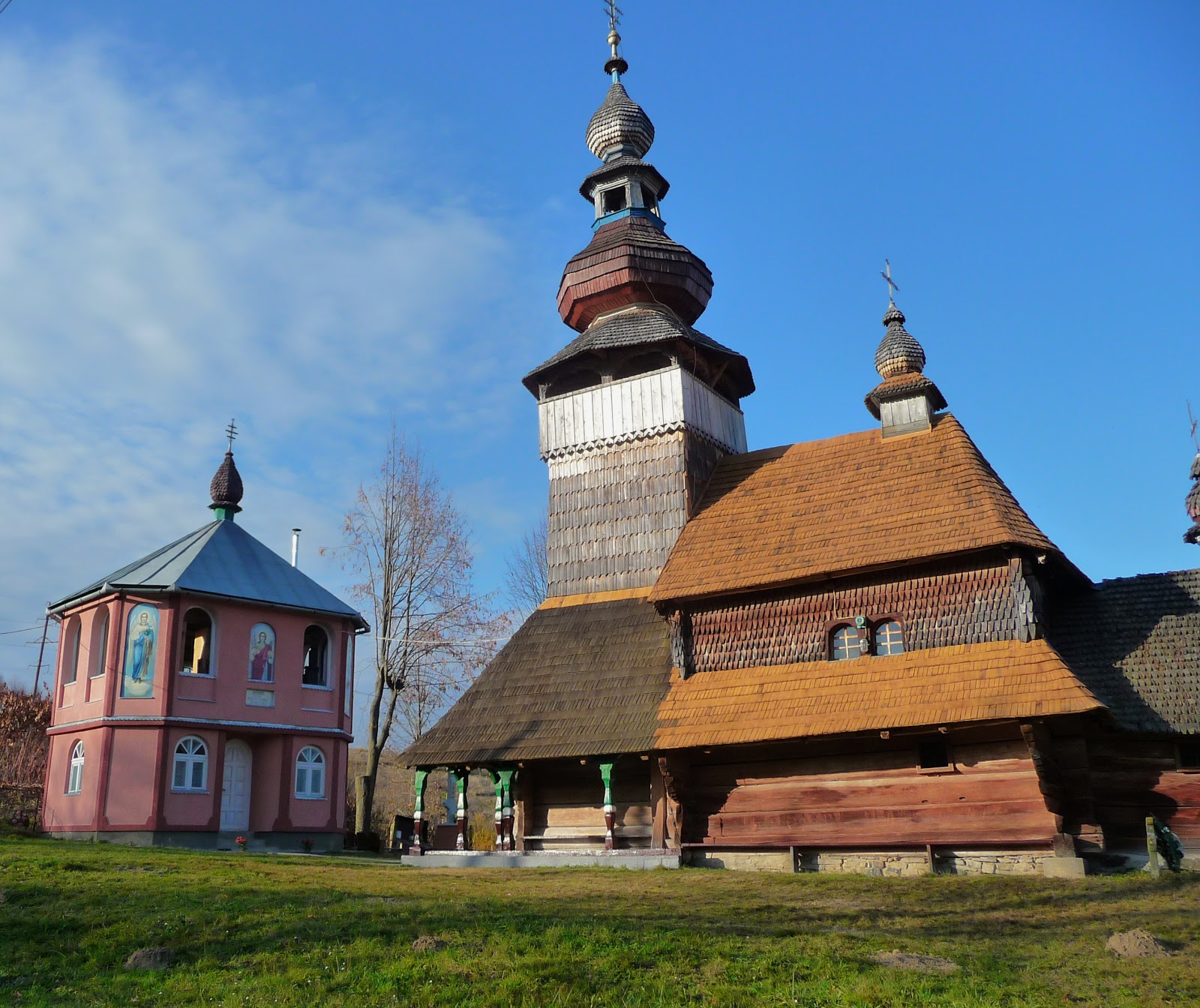
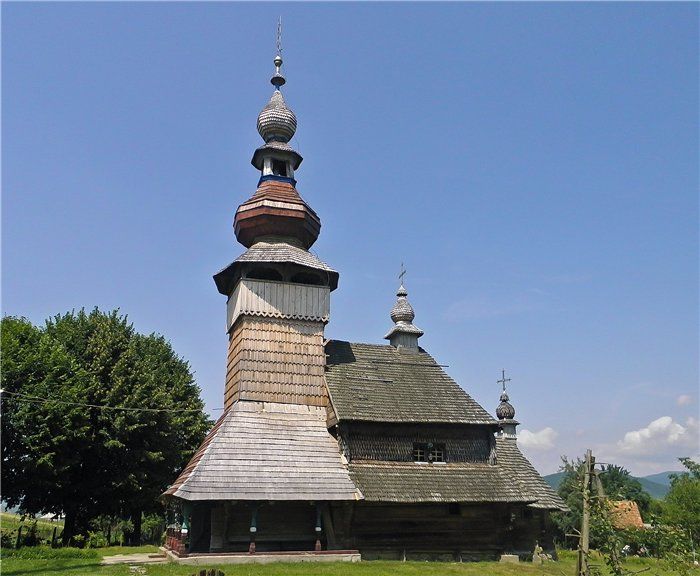
A monument of wooden architecture of Transcarpathia from the 16th-18th centuries – the ancient Lemko St. Michael's Church. A true masterpiece of Cossack baroque architecture in Svalyava, located in the village of Bystry on a hill at the old cemetery.
For more than four centuries, a monument of wooden architecture has stood on one of the streets of Svalyava – a church that amazes our contemporaries with the high craftsmanship of ancient builders. According to legends, built without a single nail, it carries a message from ancient times, serving as an example of skill and remarkable ingenuity of the people who worked at the intersection of ancient ages; the church still nourishes the spirituality of its parishioners, serving as a model of worship to the Almighty, love, and respect for Him.
The relocation of the church is yet another incredible and almost unknown feat of the Lemkos. It was transported by dragging it across a stream along a road made of oak boards. The relocation and reconstruction were completed in 1759. At that time, a one-story bell tower appeared, complementing the architectural ensemble. The consecration of the temple took place on the day of the Archangel Michael. Even 200 years later, services were held in his name. Two dates remain on the walls of the temple: 1972 and 1973. It is assumed that these are the dates of restoration.
Who exactly was the architect of this masterpiece is, of course, unknown. All documents about the church were destroyed during the Austro-Hungarian period. However, local beliefs remain. One of them, confirmed by archival data, is about a strong man named Mykhailo Ivashkovych – the founder of the village. He once lived in Velykyi Bystry and suggested naming the new place Bystry. He also initiated the construction of the temple, as he was a devout person.
Even during Soviet times, the building of this temple was registered as a monument of architecture. Our ancestors found a place for the church on one of the highest hills of the city so that God's house could be seen from afar and the pure sounds of the bells could be heard throughout the surroundings. The builders undoubtedly believed that those who entered the temple would feel the joy of communion with God and relief from prayer and repentance.
Unfortunately, the temple has also experienced many sad pages in its history. Over the years of its existence, due to repressions, it lost three bells. In the 1940s, it was closed. Also, during the Soviet regime, there were plans to dismantle it and move it to a museum. However, the locals defended their monument. In 1972, the Lemko daughter was restored by the famous Lviv architect I. Mohytych. In the 1990s, services resumed in the church. In 2001, a cross was erected and consecrated at the previous site of the temple, on the slope of Mount Berda.
The church is tripartite, with a baroque tower above the narthex. Its plan consists of three log structures arranged along the west-east axis. The church is built of oak wood, with a foundation made of stone on a clay mortar. The monument dates back to 1759. The date carved on the lintel is now covered by the frame of later double-leaf doors. The monument belongs to the Lemko type of churches. On the north-west side of the church stands a small one-tier bell tower of post construction, covered with a four-pitched tent roof.
Now it's time to describe the architecture of this Lemko beauty. It combines features of Cossack baroque and Lemko style. A characteristic of the Lemkos is the high tower with a baroque finish and an open gallery with carved columns around the narthex. Three baroque lace crosses with perpendicular intersections rise above the crescent. This symbolizes the victory of the Cossacks over the Turks, Christianity over Islam. This is the standard appearance of crosses on Orthodox churches during the Cossack era.
It is also worth noting the dynamic movement of forms: from the peak of the altar to the top of the narthex. The roof of the temple is made in a lace style with wooden shingles (roofing material in the form of boards). The entrance to the temple is from the west side, adorned with a porch with a gallery and lace columns and benches. Near the temple, an old cemetery with stone crosses has been preserved, which was active until 1930.
Inside, there is an ancient wooden iconostasis with royal gates from the 18th century. Another shrine is an old icon depicting St. Nicholas. There are also other images, approximately 300 years old. The wall paintings by local painters and carefully embroidered carpets, napkins, and towels by women's hands have been preserved. Ancient church books have also been preserved. The most valuable is the old print "Trivydion" from 1667, produced by the private Lviv printer Mykhailo Slyvka.
St. Michael's Church keeps registration books about the births, baptisms, marriages, and deaths of local residents. As a relic, there are church Slavonic books. All this is the invaluable treasure that gives this miniature corner of Svalyava its color and special aura.
However, modern descendants of the strong Lemkos do not greatly value their heritage. In 2001, the ancient bell tower was dismantled and a huge concrete one was built, which ruins the architectural ensemble. But the bells that call the faithful to prayer are still ancient. In front of the main facade, a reservoir was dug. Next to the church wall, vandals installed a power pole. They cut down the luxurious old linden alley in front of the entrance. And the temple is now surrounded on all sides by buildings. From there, the beautiful views of Transcarpathian beauty are no longer visible as they once were.
This temple could have become our calling card, a mecca for tourists and ethnographers, but only a few people know about it. There is a great risk that the temple will not be wrapped in metal and plastic. And also, due to weather conditions and time, it may suffer significant damage, as it is entirely made of wood.
Video 2
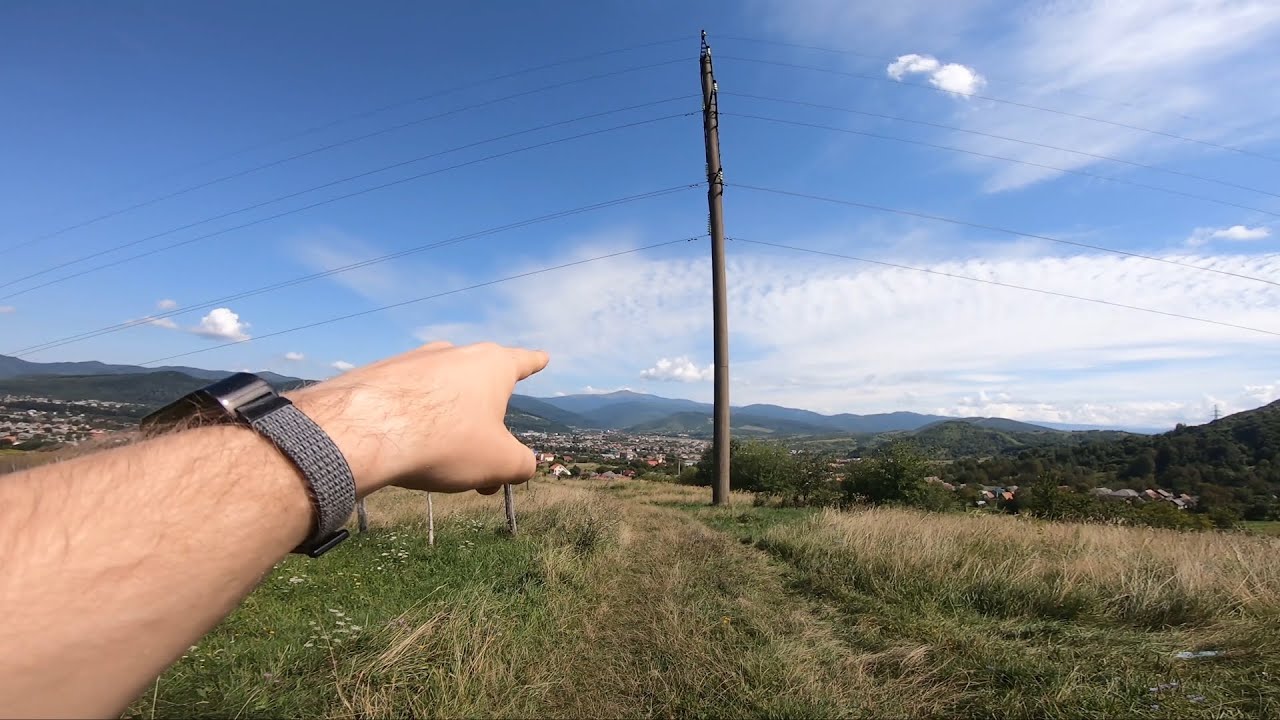 Церква без цвяха? Швидка дорога на Драчинський квас :-)Roman Rusyn
Location on the map
Comments
Places to stay nearby
All stays HotelApartments "Vip-Homestead Svalyava"Svalyavaunder 1 km from St. Michael's Church, SvalyavaPoolParkingWi‑FiNearby: St. Michael's Church 200 mPalace of Counts Schönborn 7.8 km
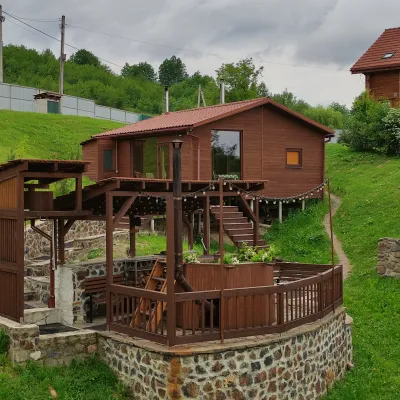 HomesteadEco-house Berdo SvaliavaSvalyavaunder 1 km from St. Michael's Church, SvalyavaWe invite you to relax in our eco-house. Our principle is - we are either the best or we don't exist!Nearby: St. Michael's Church 600 mPalace of Counts Schönborn 8.2 km
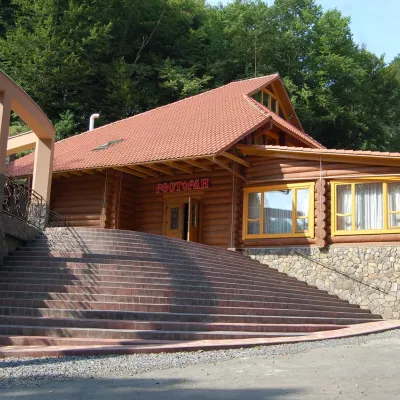 HotelHotel "Zatyshok" NelypinoNelipyno3.7 km from St. Michael's Church, SvalyavaSaunaParkingWi‑FiNearby: St. Michael's Church 3.7 km2 trails
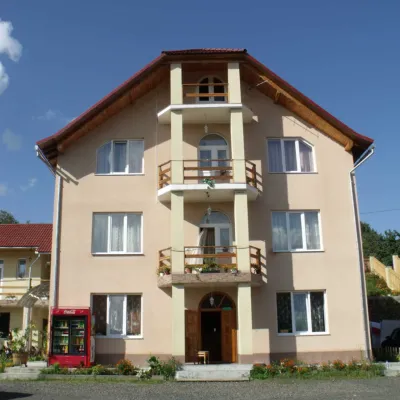 HotelHotel Cafe "U Hazdy" SuskovoSuskovo4.4 km from St. Michael's Church, SvalyavaPoolSaunaParkingNearby: Palace of Counts Schönborn 3.5 kmSt. Michael's Church 4.4 km
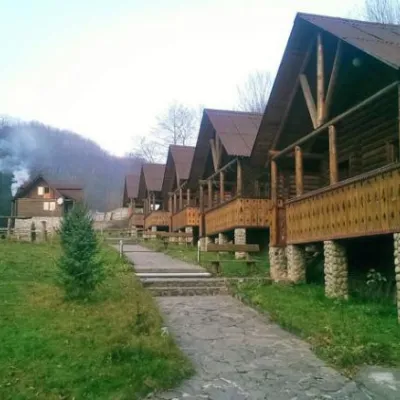 HotelHotel "Podykh Strumka"Suskovo4.9 km from St. Michael's Church, SvalyavaTransferNearby: Palace of Counts Schönborn 3.3 kmSt. Michael's Church 4.9 km
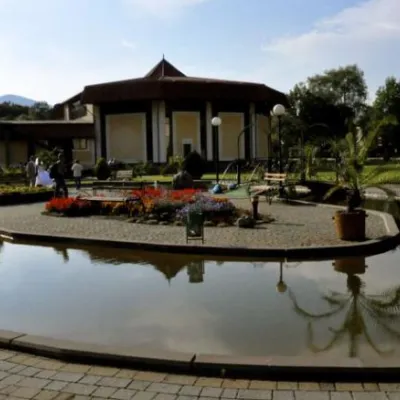 HotelHotel "Kvitka Tsentr"Solochyn6.6 km from St. Michael's Church, SvalyavaPoolSaunaSPANearby: St. Michael's Church 6.6 kmDunavka 7.4 km
Trails nearby
All trails HardMulti-dayLukovo village to Svaliavavia Mount BuzhoraElevation profile162–1 088 m46.8 kmascent 1 879 munder 1 km from St. Michael's Church, Svalyava
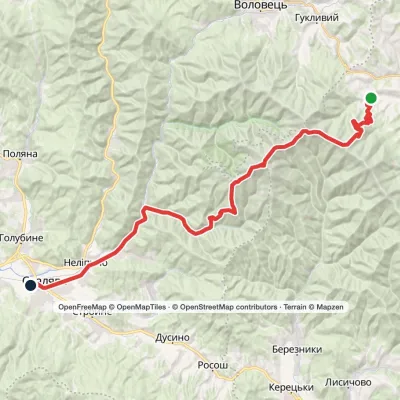 HardMulti-dayPylypets village to Svaliavavia Mount Hemba, Mount Stiy +1Elevation profile198–1 674 m40.2 kmascent 1 207 m≈ 12.5 h walking1.5 km from St. Michael's Church, Svalyava
 HardMulti-daySasivka village to Volovetsvia Mount Ivolove, Mount Stiy +3Elevation profile249–1 673 m51.1 kmascent 2 607 m6.7 km from St. Michael's Church, Svalyava
Nearby attractions
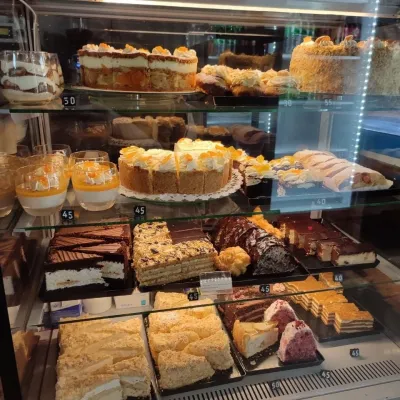 Craft producersMirella confectionery, SvaliavaSvalyava1.5 km from St. Michael's Church, SvalyavaMirella is a café-patisserie in Svaliava founded by pastry chef Myroslava Holonych. It bakes signature cakes and pastries, traditional Transcarpathian baking, crackers...
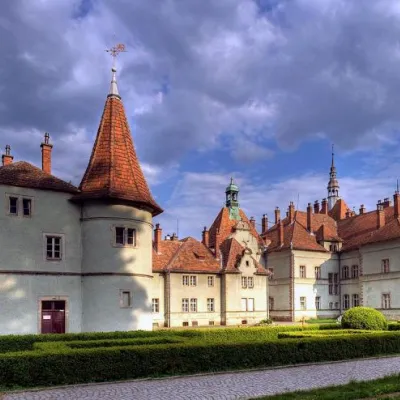 Sight"Palace of Counts Schönborn" CarpathiansKarpaty7.7 km from St. Michael's Church, SvalyavaIn the small village of Karpaty in Zakarpattia, there is a fairy-tale Schönborn Castle. Every year, thousands of tourists come here to the Mukachevo region to see the...
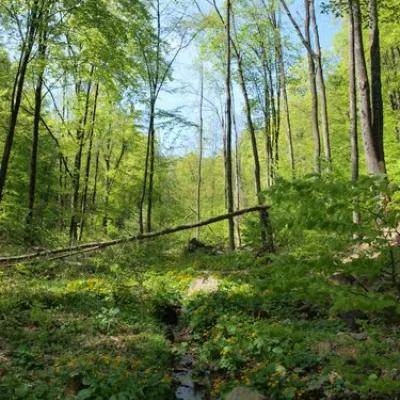 NatureDunavkaSyniak11 km from St. Michael's Church, SvalyavaMount Dunavka is the highest point of the Synyak mountain range of the Vygorlat-Hutin volcanic ridge in the Ukrainian Carpathians.
Craft nearby
All craft places Craft producersAleks mineral waters, SvaliavaSvalyava3.2 km from St. Michael's Church, SvalyavaAleks is a Svaliava mineral-water producer founded in 1995. It was one of the first companies in Ukraine to bottle natural mineral waters in PET bottles, and today it...
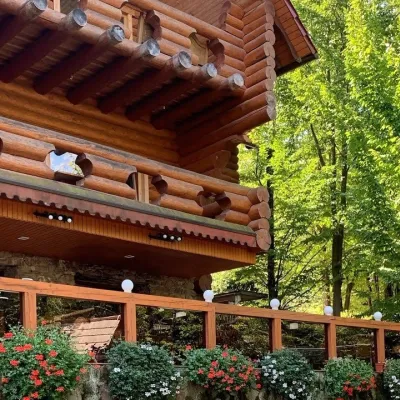 Koliby & Hutsul cuisineKolyba “Nad Potokom”, PolianaPolyana9.6 km from St. Michael's Church, SvalyavaKoliba nad Potokom (“Kolyba above the Stream”) is a wooden kolyba restaurant in the spa village of Poliana near Svaliava in Zakarpattia, on Dyskovetska Street, which...
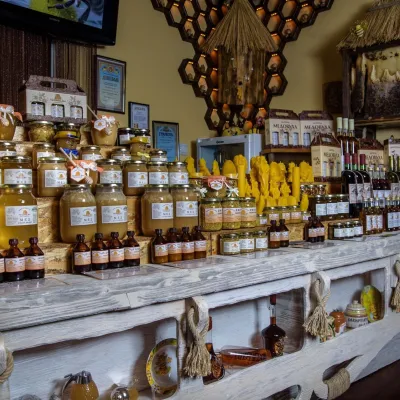 Honey & meaderiesHoney House Tasting Hall, MukachevoMukachevo19 km from St. Michael's Church, SvalyavaThe Honey House (Medovyi Dim) is one of the first honey tasting halls in Zakarpattia. It was opened in Mukachevo in 2010 by beekeepers Liudmyla and Viktor Peresta as...
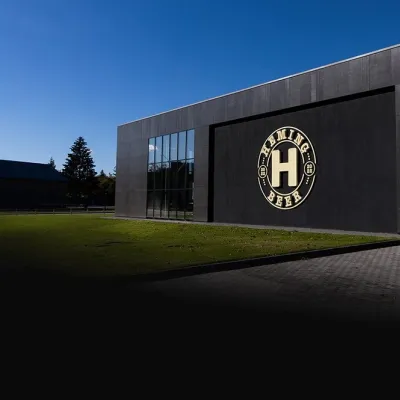 Craft beer & breweriesHeming Brewery, MukachevoMukachevo20 km from St. Michael's Church, SvalyavaHeming is a young craft brewery from Mukachevo that has become a noticeable name on Zakarpattia's beer map in just a few years.
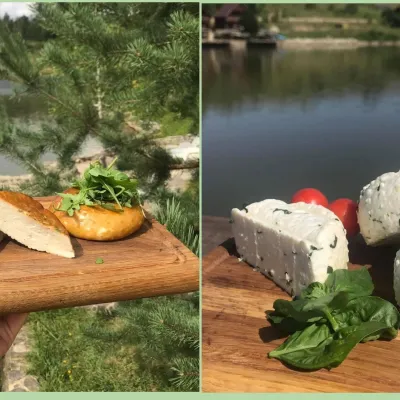 Cheese dairies & pasturesTurianskyi Dvir Estate Cheese Dairy, Turia PolianaTurya Polyana21 km from St. Michael's Church, SvalyavaTurianskyi Dvir is a private country estate on the shore of a mountain lake in the village of Turia Poliana in the Perechyn area, about 50 kilometres from Uzhhorod.
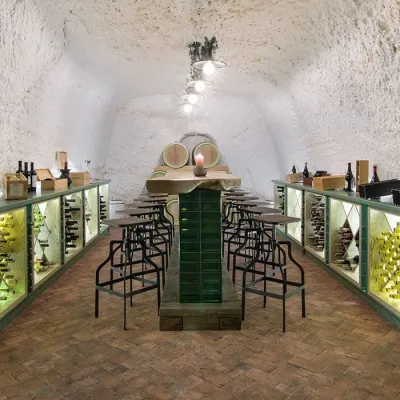 Wine & tastingsTerroir winery in the Chervona Hora caves, MukachevoMukachevo21 km from St. Michael's Church, SvalyavaTerroir is a wine estate in the Chervona Hora ("Red Hill") area on the edge of Mukachevo, where wine is aged in ancient caves dating from the 13th–14th centuries.