Ružomberok
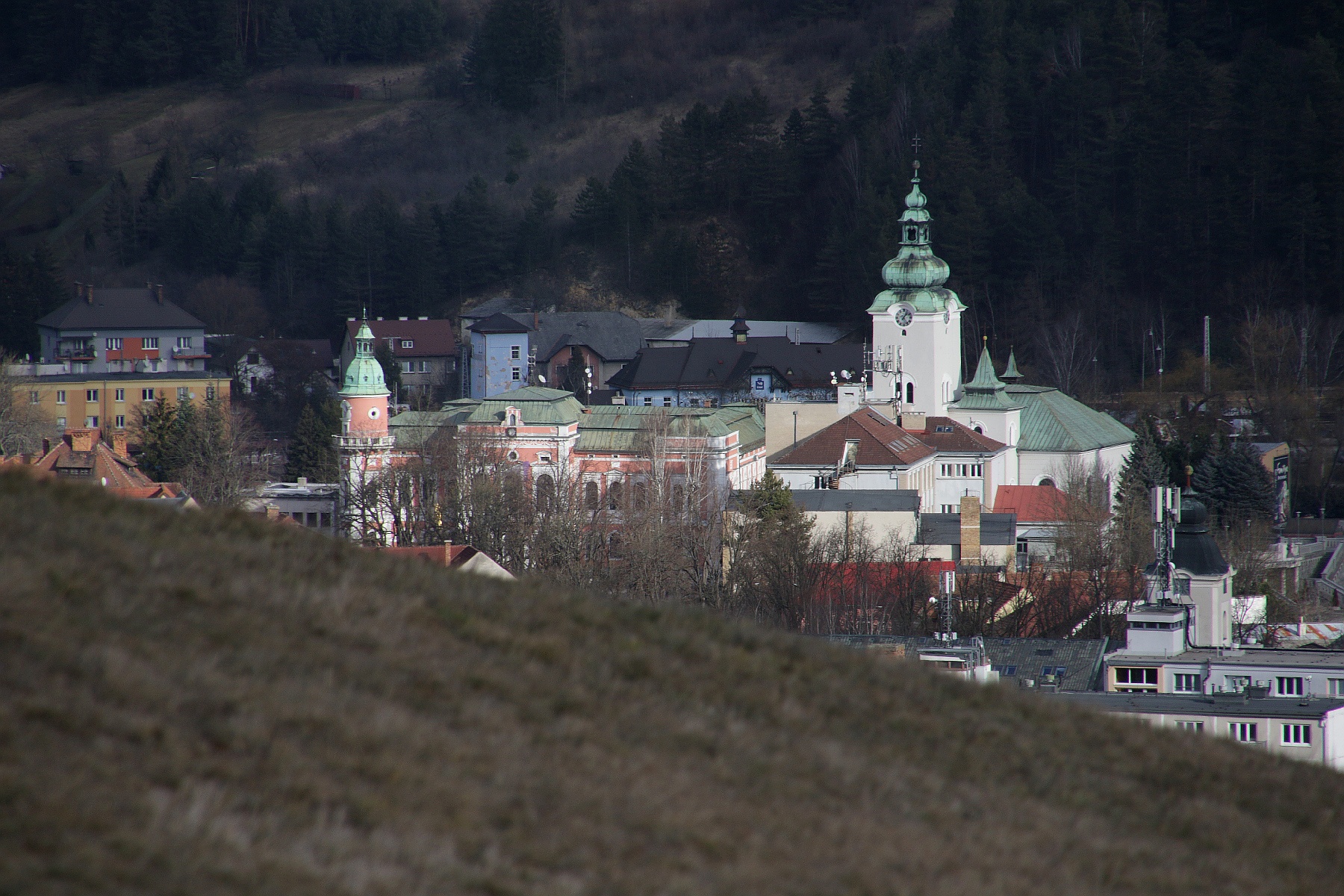
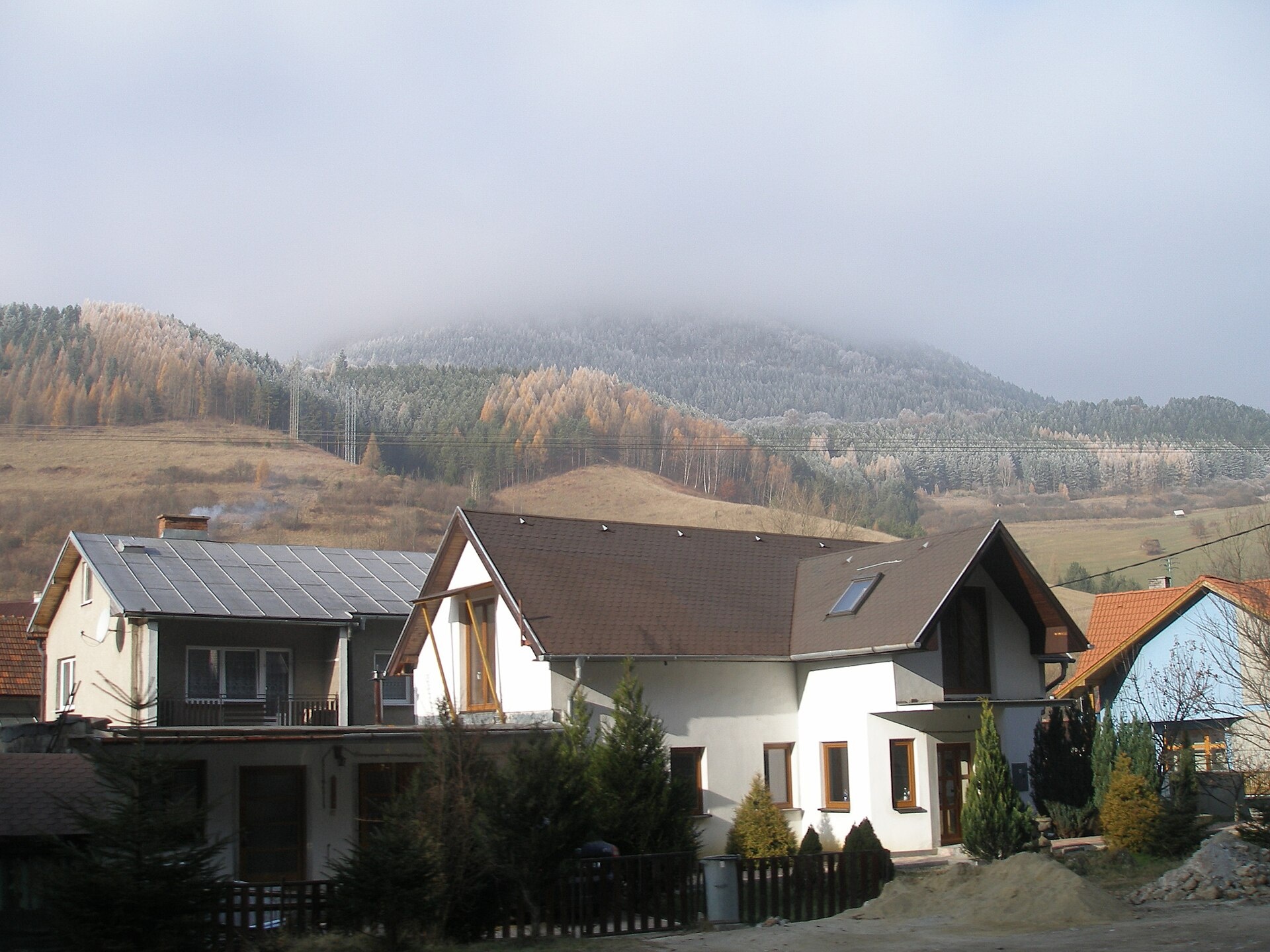
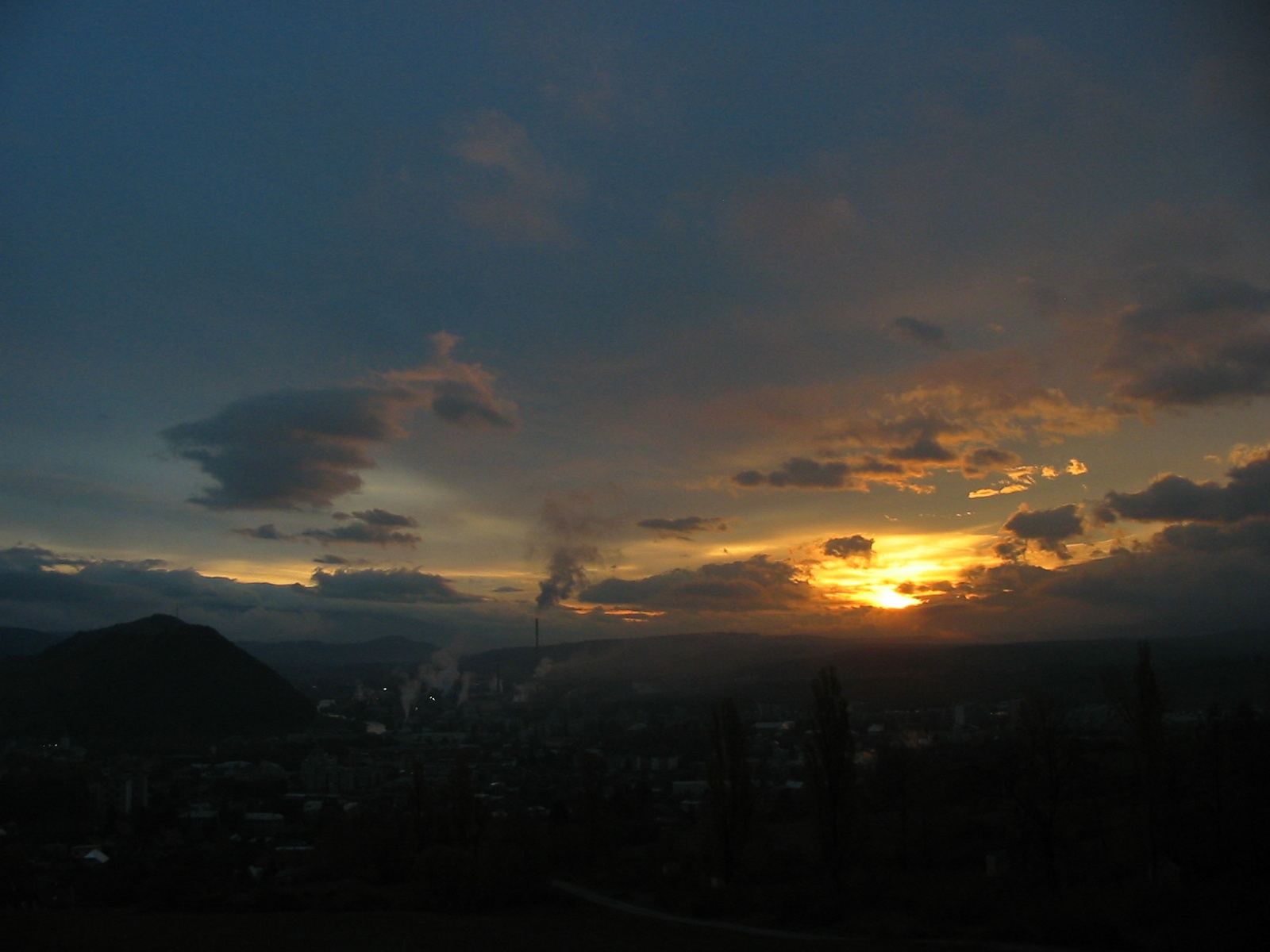
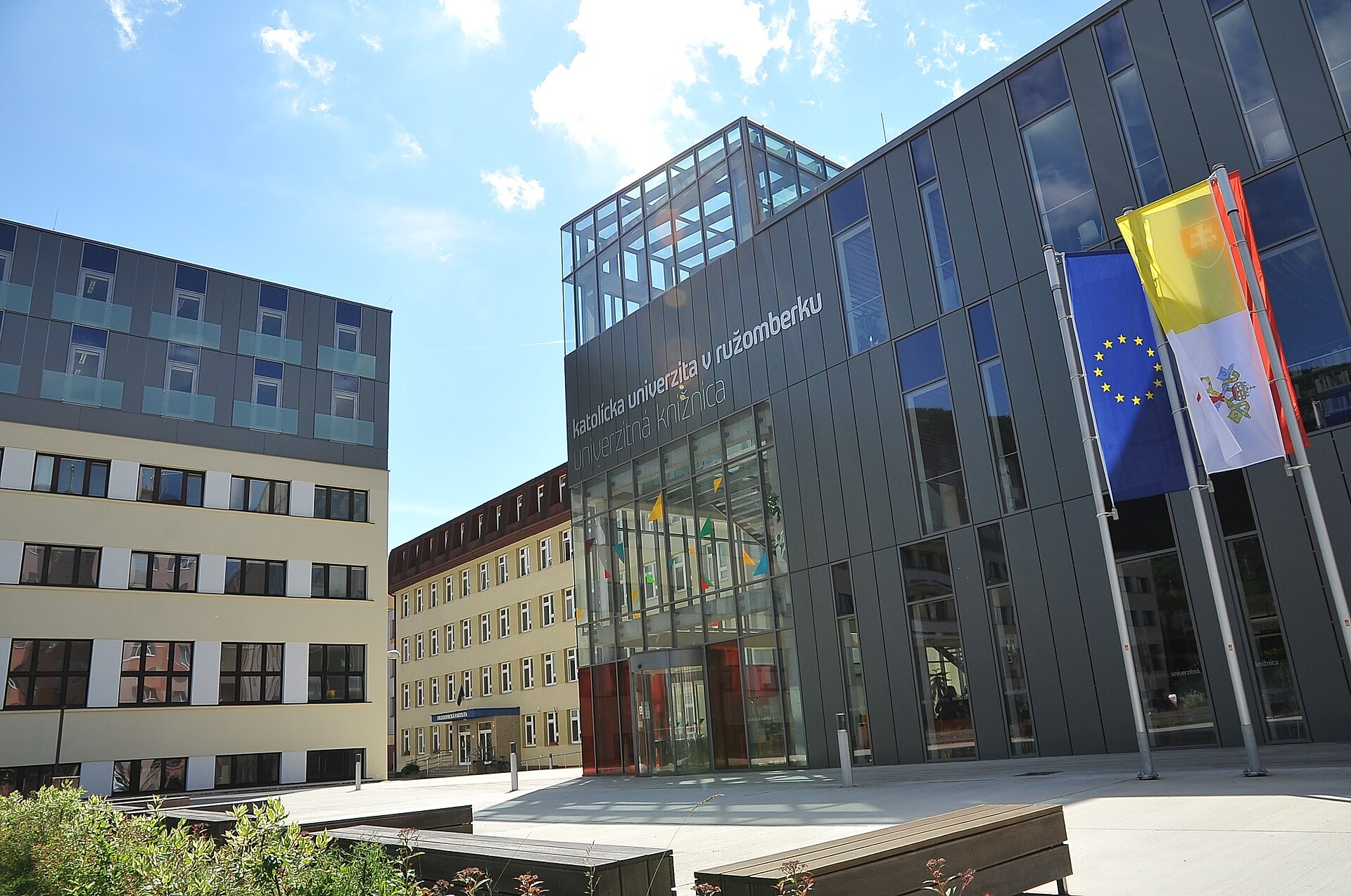
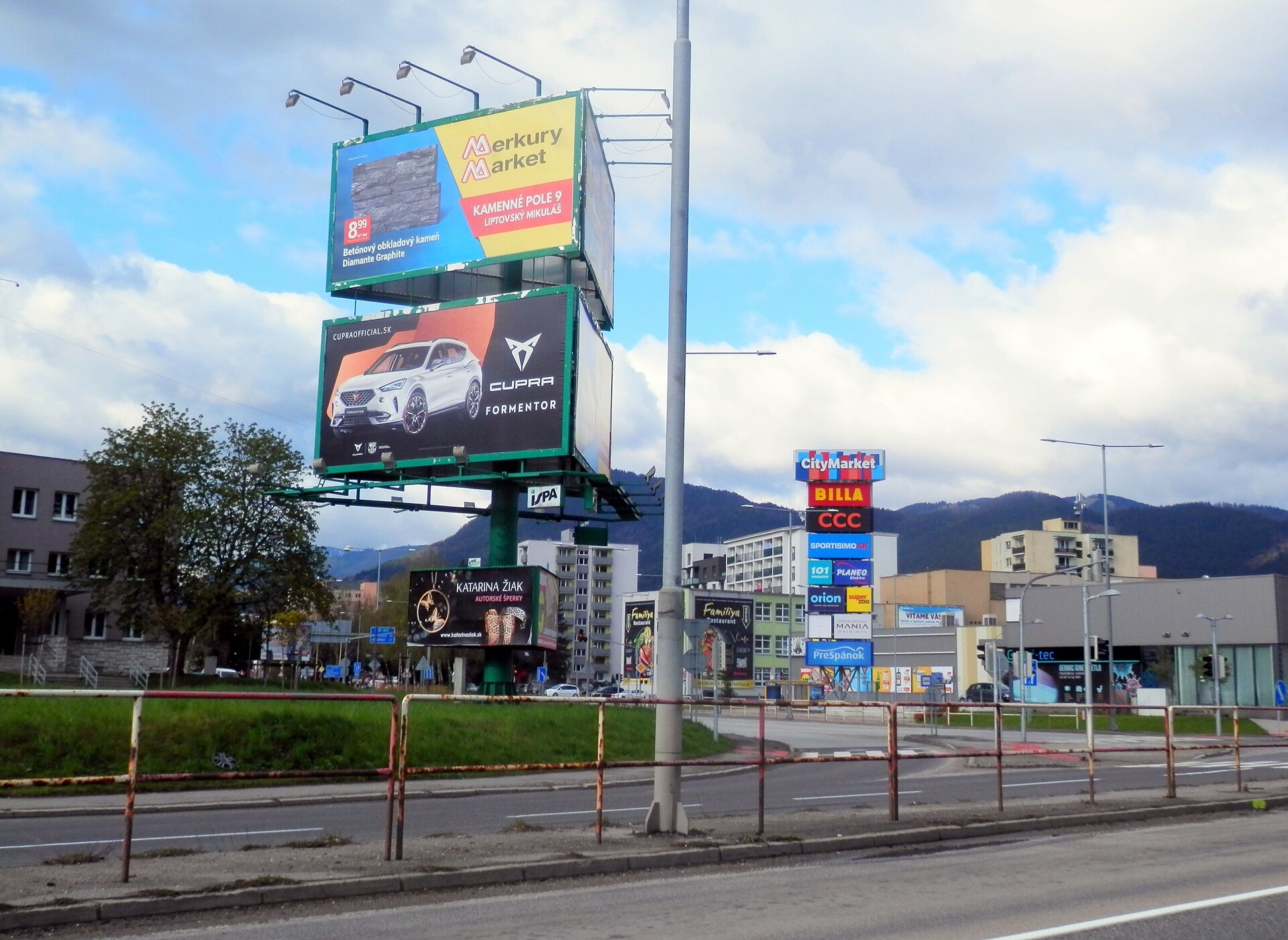
Photos: Mineralysk, CC0 (Wikimedia Commons); Ing.Mgr.Jozef Kotulič, CC BY-SA 3.0 (Wikimedia Commons); Mineralysk, CC BY-SA 4.0 (Wikimedia Commons); Eugen.zelenak, CC BY-SA 4.0 (Wikimedia Commons); Ing.Mgr.Jozef Kotulič, CC BY-SA 4.0 (Wikimedia Commons); Leibniz-Institut für Ost- und Südosteuropaforschung (IOS) GeoPortOst, Public domain (Wikimedia Commons)
Ružomberok is a town in northern Slovakia, serving as the administrative centre of the Ružomberok District in the Žilina region. The town lies at the confluence of the Váh and Revúca rivers, at the foot of the Greater Fatra mountains and near the Low Tatras. It has a humid continental climate, with July averaging 15.6 °C and January –3.9 °C. The elevation is 494 m, and the population is over 26,000 (2025).
The first written mention of Ružomberok dates back to 1233. The town received its municipal rights in 1318. In the 16th century, a renowned Lutheran school was established here, followed by a Catholic school in 1729, attended by many notable Slovaks, including Anton Bernolák. In the 19th century, Ružomberok became an important centre of the workers' and Marxist movement in Czechoslovakia.
Ružomberok is known for its scenic surroundings, with the Greater Fatra and Low Tatras mountains nearby, as well as its cultural heritage. Notable sights include the Gothic-Renaissance ensemble of Andrej Hlinka Square and the Vlkolínec open-air museum. The town is a significant industrial centre in northern Slovakia and a popular destination for active recreation and wellness.
Visitors can explore numerous hiking trails, such as "Ružomberok, station – Valaska Dubova", "Martin Kukučín Trail", and the "Veľkofatranská Magistrála". Mountain enthusiasts can climb the Velký Choč peak. For those interested in traditional crafts, the URSUS brewery in the Čutkovská valley and the Krajinka sheep farm near the town are open. Among the natural and cultural attractions are Vlkolínec and the Lúčanský waterfall. For relaxation and wellness, the Bešeňová water park and the Lúčky spa with AQUA-VITAL Park are available.
Getting there from Ukraine
From Uzhhorod ≈275 km, ≈3 h 35 min without queues: Uzhhorod – Vyšné Nemecké → I/19 to Košice → D1 motorway via Prešov, Poprad and Liptovský Mikuláš to Ružomberok (≈270 km, ≈3 h 25 min from the border). From Lviv it is faster through Poland: M-10 → Krakovets – Korczowa → A4 to Kraków → S7/DK7 to the Chyżne – Trstená border → R3 and I/59 via Dolný Kubín to Ružomberok: ≈482 km, ≈6 h 15 min (via Uzhok and Ubľa ≈500 km, ≈7 h 30 min). The D1 requires an e-vignette (eznamka.sk).
Sources: Wikipedia, Wikidata, OpenStreetMap, Karpaty.rocks data. More on Wikipedia
Trails nearby
All trails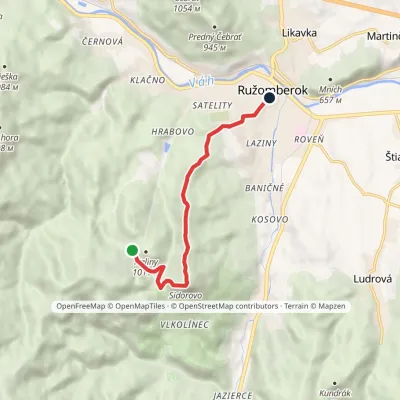 EasyOne-dayMarkedRužomberok, Námestie A Hlinku Malinô BrdoElevation profile498–1 105 m7.1 kmascent 291 m≈ 2.5 h walkingunder 1 km from the centre
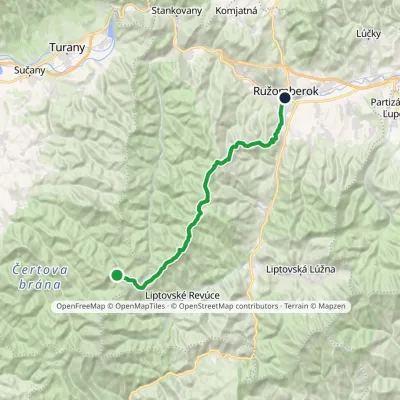 HardTwo-dayMarkedRužomberok, A Hlinka Square Hut under Borišov, junctionElevation profile494–1 567 m30 kmascent 889 m≈ 9.5 h walkingunder 1 km from the centre
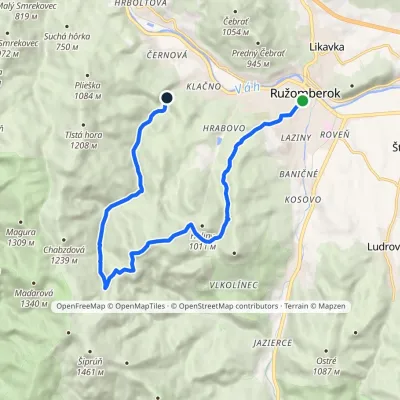 ModerateOne-dayMarkedRužomberok, Námestie A. Hlinku Čutkovská dolinavia Sedlo pod VtáčnikomElevation profile498–1 209 m15.1 kmascent 727 m≈ 5 h walkingunder 1 km from the centre
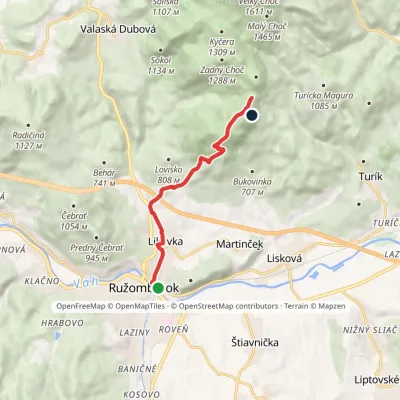 ModerateOne-dayMarkedRužomberok, station Sedlo SpuštiakElevation profile477–1 217 m7.5 kmascent 807 m≈ 3.5 h walkingunder 1 km from the centre
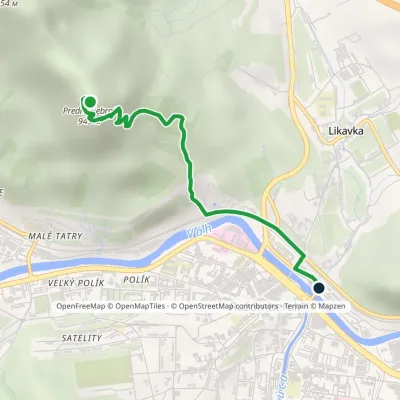 EasyOne-dayMarkedTrail of Zdenko HochmutElevation profile476–945 m3.2 kmascent 2 m≈ 45 min walkingunder 1 km from the centre
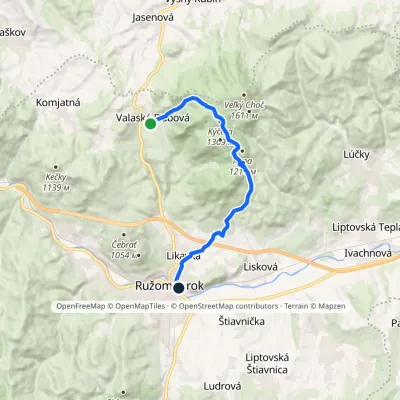 ModerateOne-dayMarkedRužomberok, station Valaská DubováElevation profile477–1 299 m12.9 kmascent 641 m≈ 4.5 h walkingunder 1 km from the centre
Peaks nearby
All peaks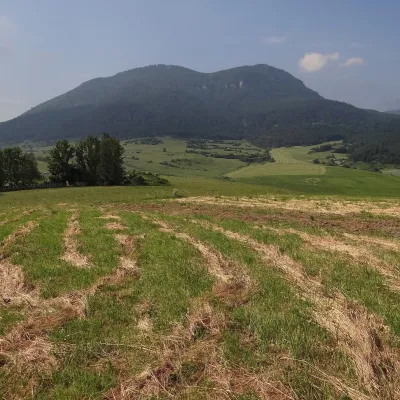 PeakPredný ChočMartinčekaltitude 1 249 m5.2 km from the centrePredný Choč (Polish Przedni Chocz) is a 1,249 m summit in the Choč Mountains of northern Slovakia, part of the Veľký Choč group.
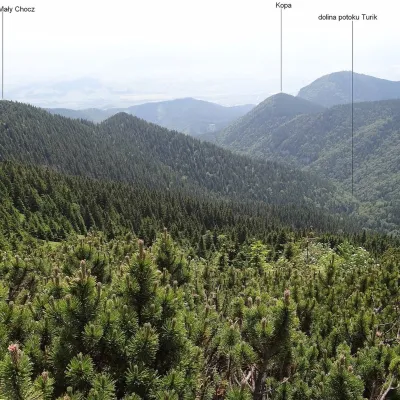 PeakMalý ChočLúčkyaltitude 1 465 m7.7 km from the centreMalý Choč (Polish: Mały Chocz) is a 1,465 m summit in the Choč Mountains of northern Slovakia, a fore-summit of neighbouring Veľký Choč (1,608 m).
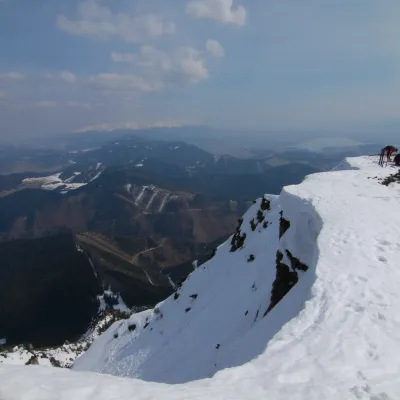 PeakVeľký ChočVyšný Kubínaltitude 1 611 m8.2 km from the centreVeľký Choč (Polish Wielki Chocz) is the highest peak of the Choč Mountains in northern Slovakia at 1,611 m (some sources give 1,608 m).
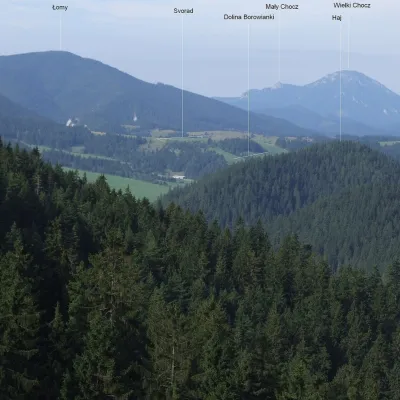 PeakLomnéLiptovská Annaaltitude 1 278 m16 km from the centreLomné (also Lômy; Polish Łomy) is a 1278 m summit in the Slovak Choč Mountains. It rises above the famous Prosiecka dolina gorge, about 13 km north-west of Liptovský...
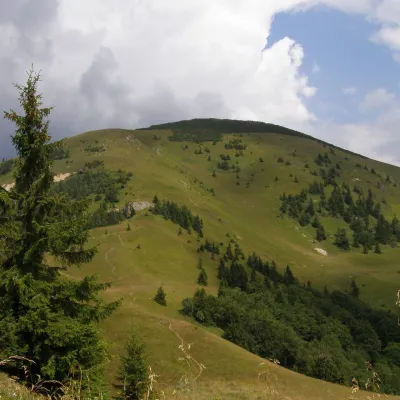 PeakRakytovLiptovské Revúcealtitude 1 567 m16 km from the centreRakytov is a 1,567 m mountain in the Greater Fatra (Veľká Fatra) in Slovakia and the highest summit of the so-called Liptov branch of the main ridge, part of the Hôľna...
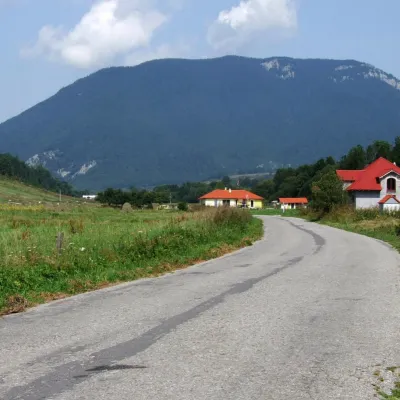 PeakProsečnéVeľké Borovéaltitude 1 372 m18 km from the centreProsečné (local forms Prosečnô, Prosečná; Polish Prosieczne) is a prominent 1372 m peak in the Choč Mountains of northern Slovakia.
What to visit
All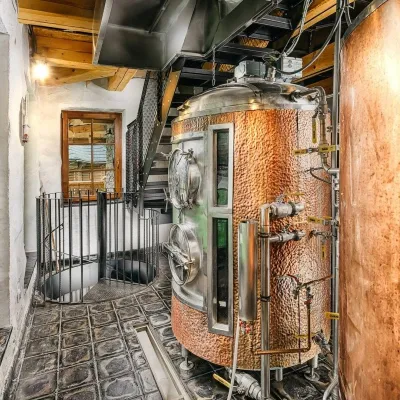 Craft beer & breweriesURSUS craft brewery, Čutkovská valleyRužomberok3.5 km from the centreURSUS craft brewery (Remeselný pivovar URSUS) is the first brewery of the town of Ružomberok, tucked away in the picturesque Čutkovská valley in lower Liptov.
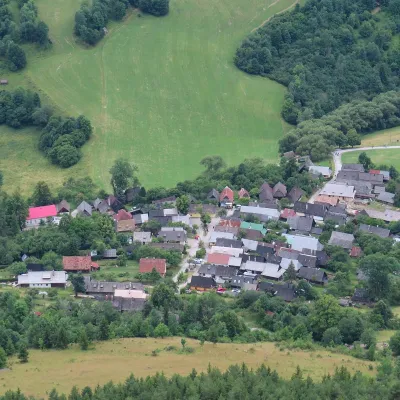 Historic siteVlkolínecRužomberok5 km from the centreVlkolínec is a mountain settlement on the slopes of the Veľká Fatra below Sidorovo hill, formally part of the town of Ružomberok.
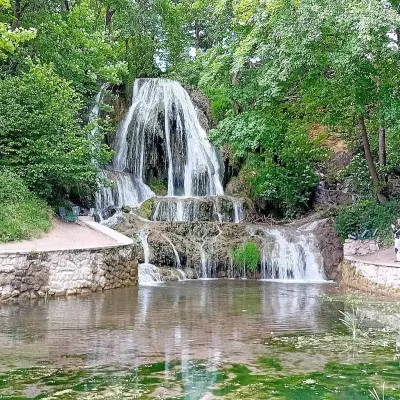 WaterfallLúčanský vodopád (Lúčky Waterfall)Lúčky9 km from the centreLúčanský vodopád is an unusual travertine waterfall right in the centre of the spa village of Lúčky in Lower Liptov, at the foot of the Chočské vrchy hills, 13 km from...
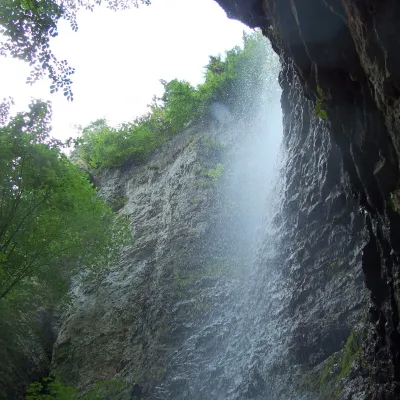 WaterfallBrankovský waterfall — the highest in the Low TatrasLiptovská Osada10 km from the centreThe Brankovský waterfall (Brankovský vodopád) is the highest waterfall in the Low Tatras: the water drops 55 m.
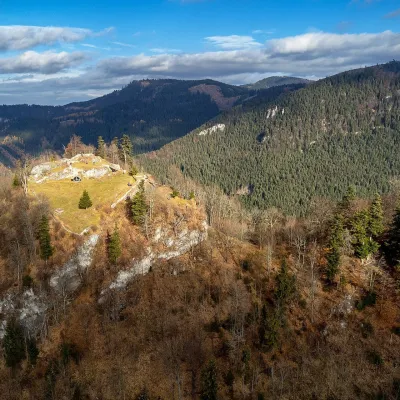 CastleLiptov Castle (ruins)Liptovská Sielnica12 km from the centreLiptov Castle (Liptovský hrad), also known as Liptov Old Castle or Sielnica Castle, is the ruin of a medieval fortress on the summit of Sestrč (999.9 m) in the Choč...
 LakeLiptovská MaraLiptovský Trnovec17 km from the centreLiptovská Mara is a large reservoir on the Váh river in central Liptov, by the town of Liptovský Mikuláš, with views of the Western and Low Tatras.
Craft nearby
All craft places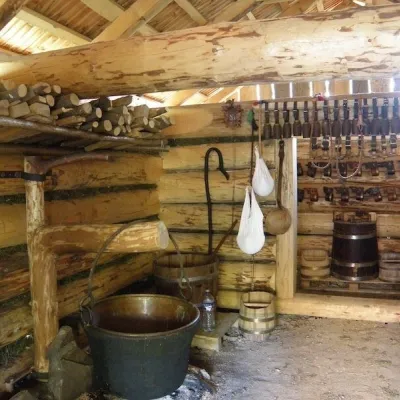 Cheese dairies & pasturesSalaš Krajinka near RužomberokRužomberok6 km from the centreSalaš Krajinka is a genuine sheep farm on the edge of Ružomberok in lower Liptov. It was founded in 1983 to keep a thousand sheep, and the owners have deliberately...
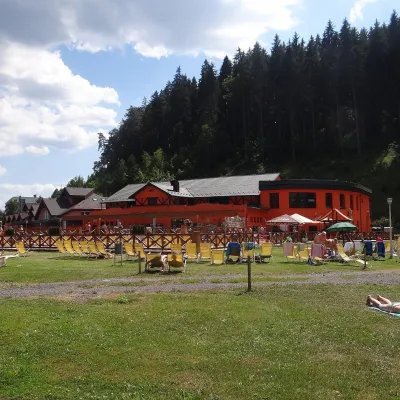 Water parks & thermal poolsLúčky Spa and AQUA-VITAL ParkLúčky9 km from the centreLúčky Spa (Kúpele Lúčky) lies in a quiet valley beneath the Choč Mountains, in the village of Lúčky near Ružomberok.
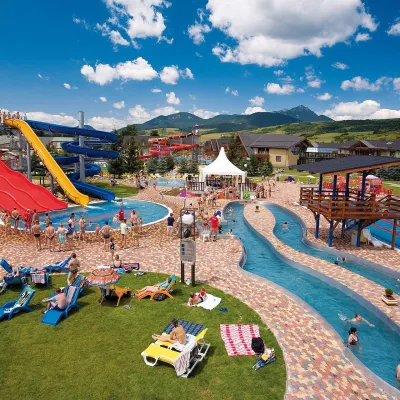 Water parks & thermal poolsBešeňová Water ParkBešeňová11 km from the centreBešeňová — the "thermal heart of Liptov" Bešeňová Water Park (Vodný park Bešeňová) lies on the edge of the village of the same name in the western part of the Liptov...
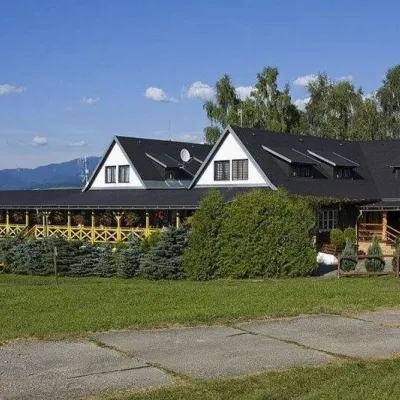 Koliby & Hutsul cuisineSalaš Dechtáre above Liptovská MaraGalovany15 km from the centreSalaš Dechtáre is a wooden koliba above the Liptovská Mara reservoir that is described as one of Slovakia’s first commercial salaš restaurants.
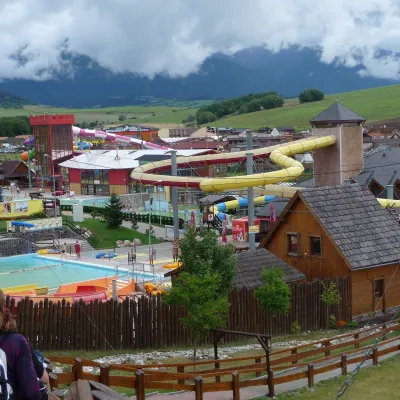 Water parks & thermal poolsAquapark TatralandiaLiptovský Mikuláš20 km from the centreAquapark Tatralandia is a large year-round water leisure complex near Liptovský Mikuláš, on the northern shore of the Liptovská Mara reservoir.
 Craft beer & breweriesLiptovar brewery, Liptovský Mikuláš: craft beer and brewpubLiptovský Mikuláš23 km from the centreLiptovský Mikuláš is the main town of the Liptov region, a short drive from the Low and Western Tatras, the Demänovská Valley and the Liptovská Mara reservoir.
Spas and thermal pools nearby
Water parks & thermal poolsLúčky Spa and AQUA-VITAL ParkLúčky9 km from the centreLúčky Spa (Kúpele Lúčky) lies in a quiet valley beneath the Choč Mountains, in the village of Lúčky near Ružomberok.Water parks & thermal poolsBešeňová Water ParkBešeňová11 km from the centreBešeňová — the "thermal heart of Liptov" Bešeňová Water Park (Vodný park Bešeňová) lies on the edge of the village of the same name in the western part of the Liptov...Water parks & thermal poolsAquapark TatralandiaLiptovský Mikuláš20 km from the centreAquapark Tatralandia is a large year-round water leisure complex near Liptovský Mikuláš, on the northern shore of the Liptovská Mara reservoir.Huts, shelters and springs nearby
Getting there from Ukraine
Border crossings
- Uzhhorod – Vyšné Nemecké — road, 24/7
- Malyi Bereznyi – Ubľa — road, 24/7 For cars and buses; pedestrians not confirmed by the Ukrainian border service, lorries up to 3.5 t.
- Mali Selmentsi – Veľké Slemence (pedestrian) — pedestrian, 09:00–21:00 Kyiv time Pedestrians and cyclists only; inconvenient for the Tatras without onward transport.
- Chop – Čierna nad Tisou (rail) — rail, 24/7
By car
From Uzhhorod ≈275 km, ≈3 h 35 min without queues: Uzhhorod – Vyšné Nemecké → I/19 to Košice → D1 motorway via Prešov, Poprad and Liptovský Mikuláš to Ružomberok (≈270 km, ≈3 h 25 min from the border). From Lviv it is faster through Poland: M-10 → Krakovets – Korczowa → A4 to Kraków → S7/DK7 to the Chyżne – Trstená border → R3 and I/59 via Dolný Kubín to Ružomberok: ≈482 km, ≈6 h 15 min (via Uzhok and Ubľa ≈500 km, ≈7 h 30 min). The D1 requires an e-vignette (eznamka.sk).
Checked 23.10.2026; border crossing hours and timetables change — check before you travel.
