Sadyba, cottage, koliba or hrazhda: where to stay in the Carpathians

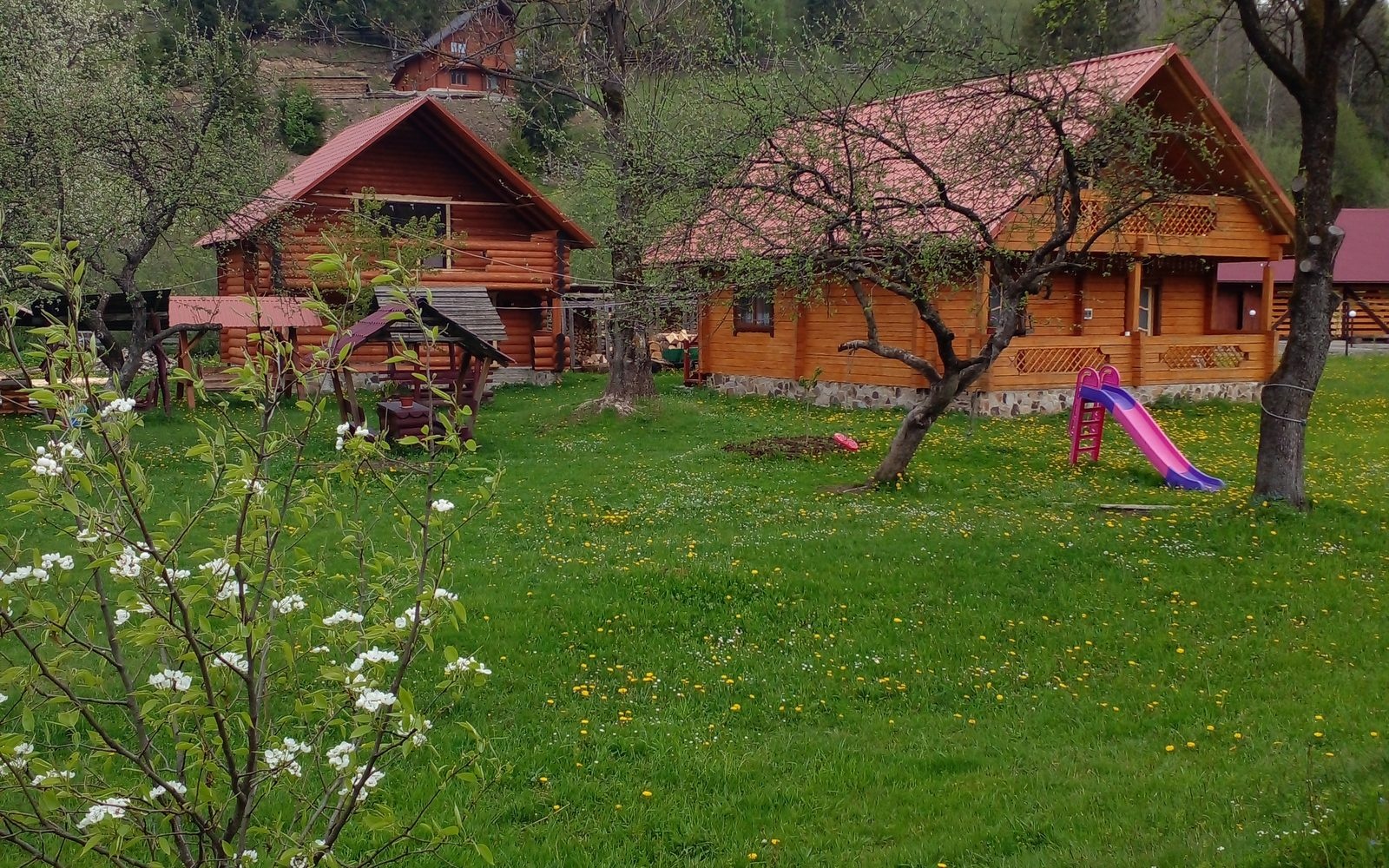
Places to stay in the Carpathians go by dozens of names: sadyba, cottage, villa, chalet, guest house, holiday base. Then there are koliba, hrazhda and staia — old mountain words that today mean something quite different from a hundred years ago. We keep these Carpathian words as they are, the way English keeps "chalet": here is what each of them means and how to choose a place for your trip. The numbers are what our accommodation catalogue shows now (November 2026).
Why the name guarantees nothing
Ukrainian accommodation terms are defined by the national standard DSTU 4527:2006. It covers the hotel, motel, guest house (pansionat), sanatorium, hostel, campsite, tourist base, mountain shelter and the cottage — "an out-of-town lodging of one or more rooms for one or more families". There is no sadyba and no chalet in it: owners choose these words themselves. So a "sadyba" can be rooms in the owners’ house or a whole cottage whose owners live elsewhere. Before you book, read the description: how many rooms, is there a separate kitchen, who lives next door, are meals served.
Sadyba
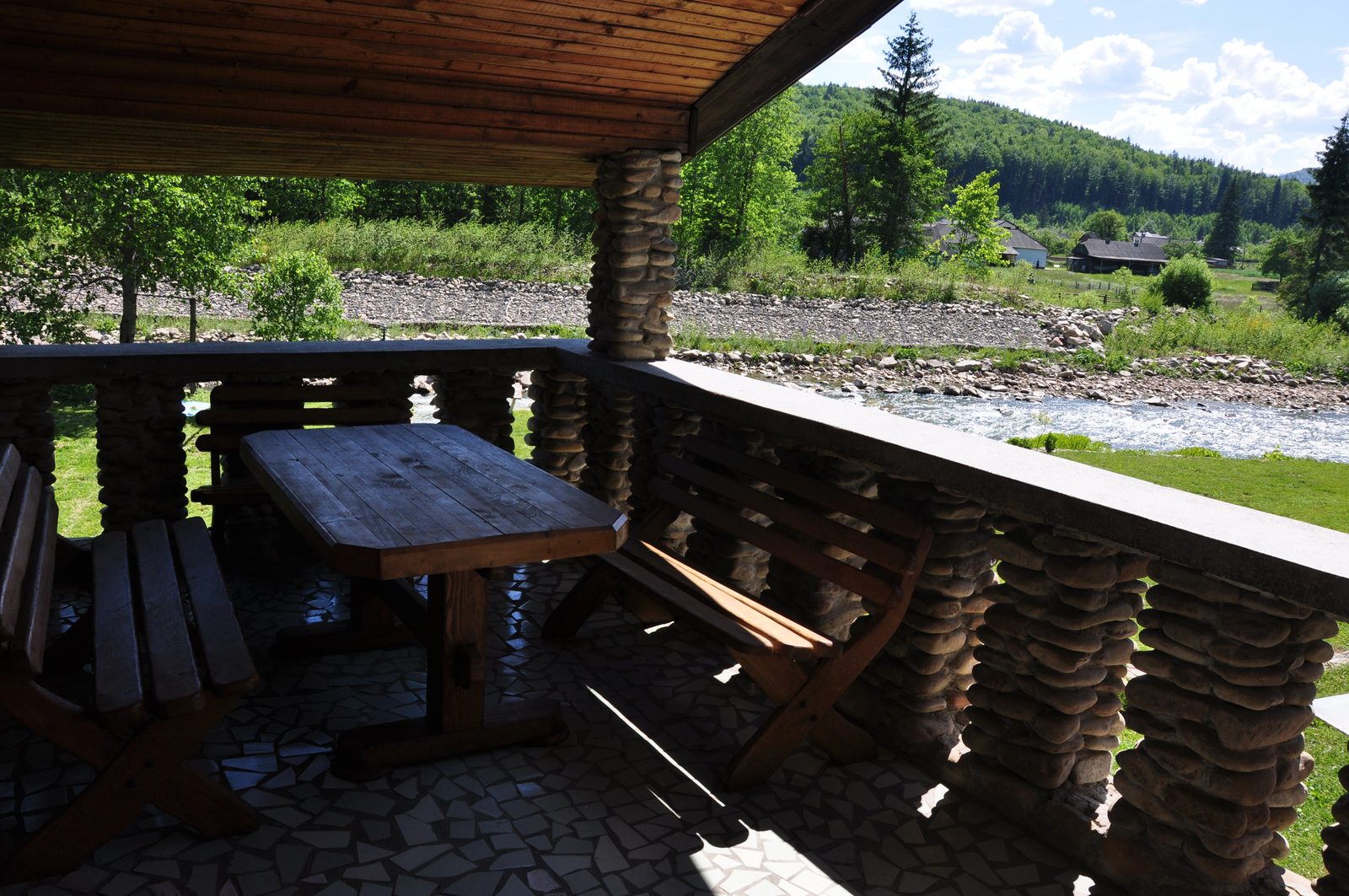
A sadyba (plural sadybas; Ukrainian садиба) is a family-run guesthouse in a village household. The old word is related to "to plant" and "to sit": the place where a family settled, with a house, a yard and a vegetable garden. In the Carpathians a sadyba means a few rooms or a separate small house in a village yard, with the hosts nearby and often home-made food: cheese, honey, berries from their own farm. Sadybas are the backbone of rural ("green") tourism in Ukraine: a 2003 law on private farm households lets villagers host guests without registering a business.
Good for: travellers who want to feel the village, talk to the hosts, eat home cooking and skip hotel service. Ask about: whether the hosts live in the same house, a private entrance and bathroom in every room, breakfast on request.
The catalogue category «Sadyba» currently lists 9 places, but dozens more have "sadyba" in their name — their owners filed them under Hotel or Cottage. So search wider: type "sadyba" into the search in the accommodation section.
Cottage, villa, chalet
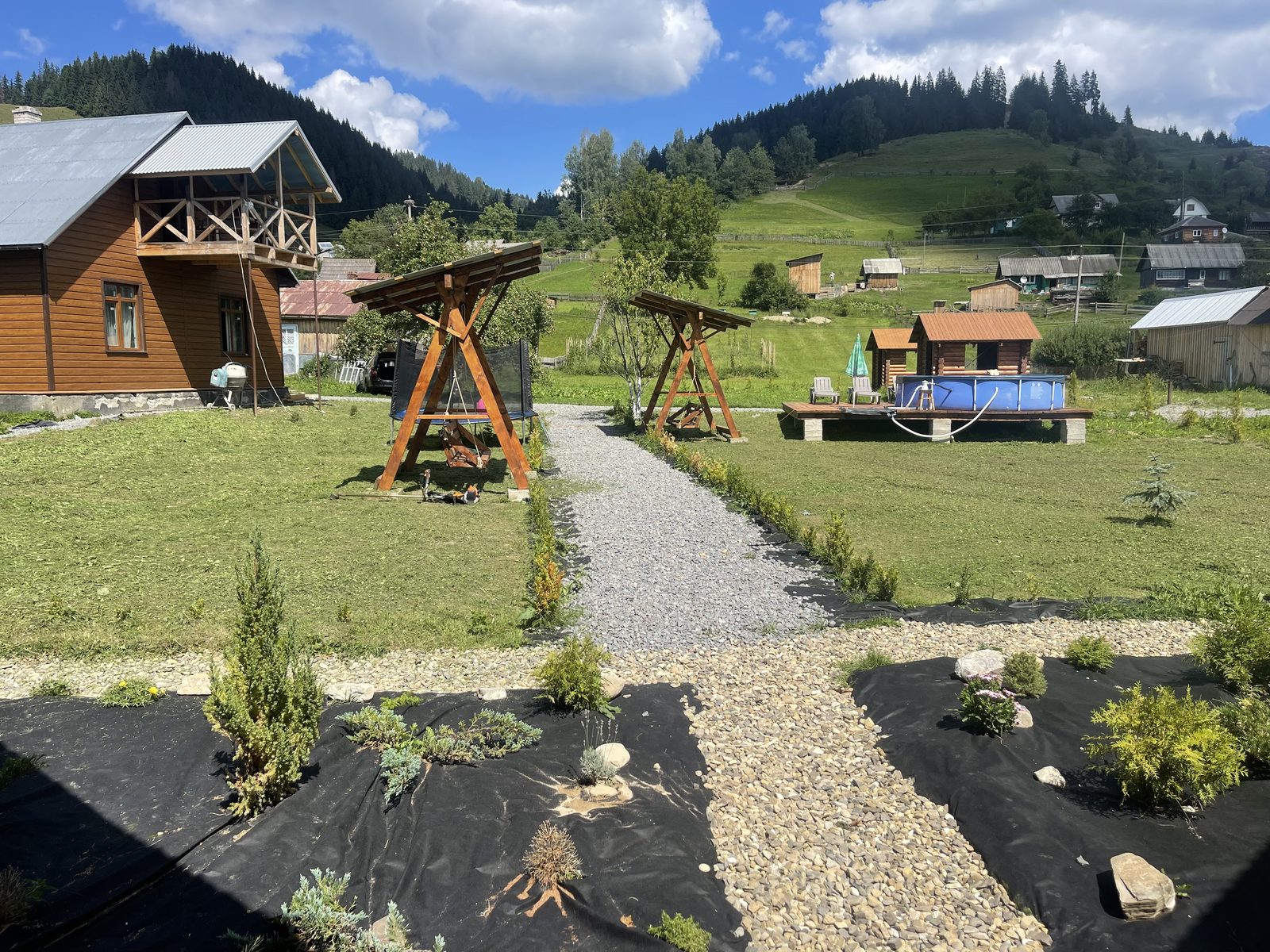
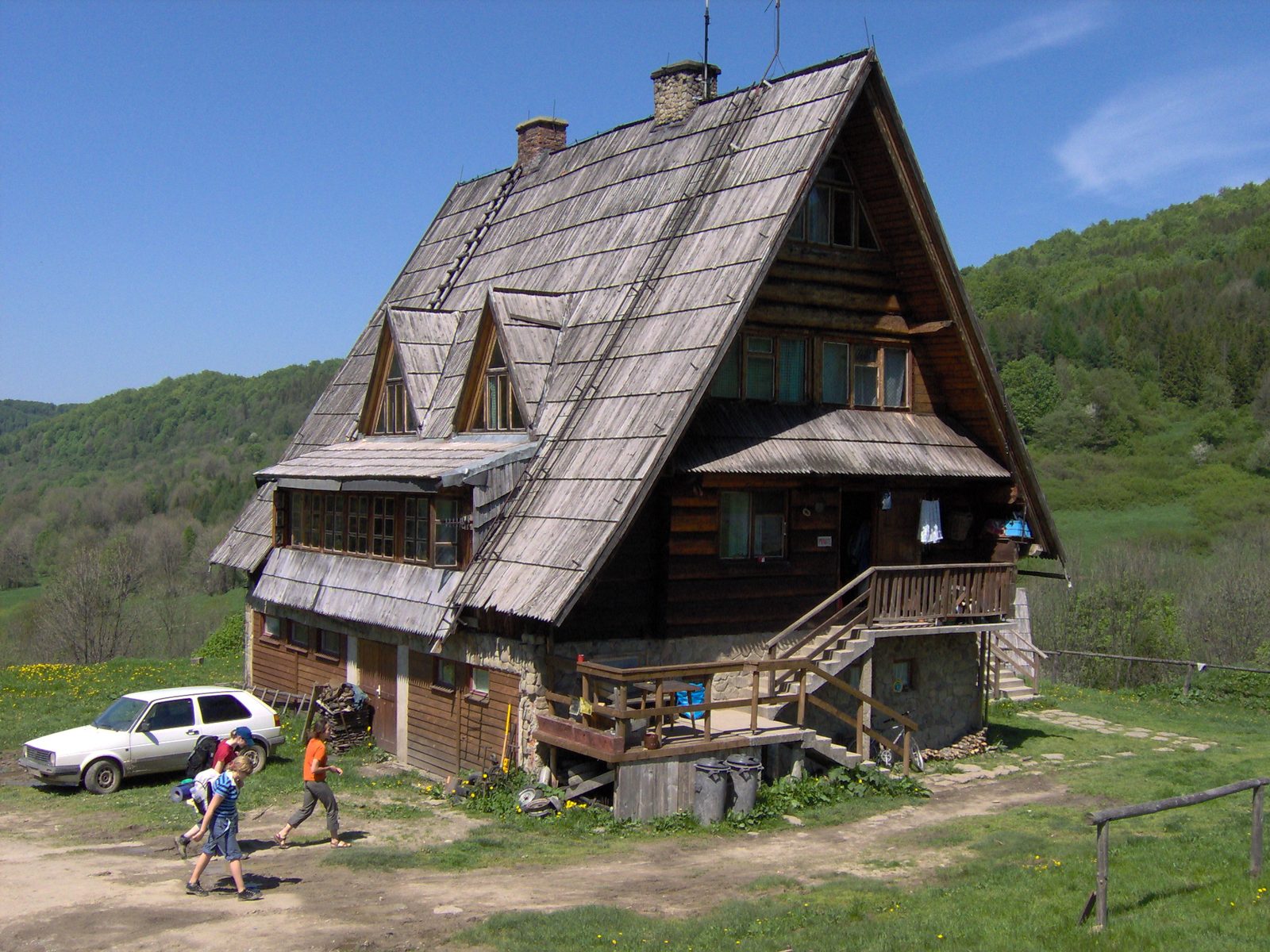
A cottage is a separate house rented as a whole: kitchen, living room, several bedrooms, often a barbecue, a gazebo and a chan — the Hutsul hot tub, a big iron cauldron of water heated by a wood fire in the open air. It is the most popular choice for families and groups: the catalogue has 317 cottages, and more than 370 places have a chan. Villa and chalet are mostly marketing names for the same: a villa is a bigger, pricier house, a chalet a wooden alpine-style house with a steep roof. Only the description and photos tell you what is inside.
Ask about: whether the chan is included in the price or firewood is extra; how many real beds there are, not sofa beds; whether your car can get there in winter.
Hotel, mini-hotel, guest house
The hotel is the biggest category: 1,890 hotels in the catalogue, from large resort complexes in Bukovel to mini-hotels with 6–10 rooms in Yaremche or Skole. Expect a reception, daily cleaning and often a restaurant and spa. A pansionat (guest house, 8 in the catalogue) is by the standard a place for rest and recovery with meals, so it is often a full-board option. Motels stand by the highways and suit a night on the road.
Sanatorium
A sanatorium differs from a hotel by medical treatment: a doctor, procedures and the mineral waters of Truskavets, Morshyn, Skhidnytsia or Transcarpathia. There are 25 sanatoriums in the catalogue; spa towns, pump rooms and thermal waters are covered in Wellness.
Hostel, campsite, mountain shelter
For budget trips and hikes there are 65 hostels (a bed in a shared room, a guest kitchen) and campsites for tents and campervans. A mountain shelter under the standard is a simple lodging in a remote mountain area on a hiking route. The Ukrainian Carpathians have few of them, so on the ridges people mostly sleep in tents; springs and shelters near the trail are on the Nearby page.
Koliba: from a shepherds’ hut to a restaurant
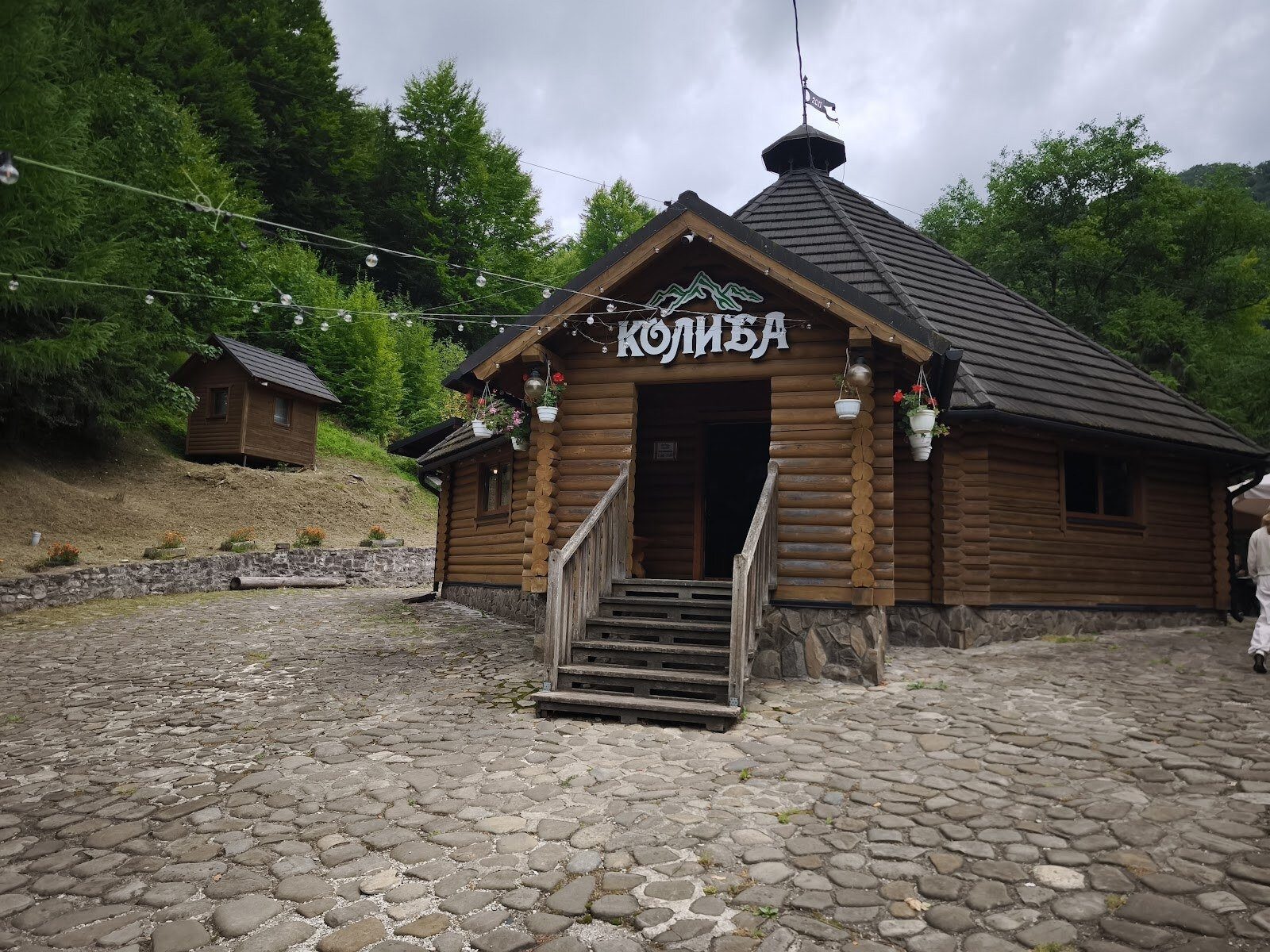
Koliba is a "wandering shepherds’ word" known from the Tatras to the Balkans. It used to mean a hut on a mountain pasture: a log cabin or shelter with a fire in the middle and a hole in the roof for the smoke, where shepherds lived all summer. Today a koliba in the Carpathians is above all a Hutsul-style restaurant: a log house, an open fire, banosh (corn porridge), brynza cheese and grilled meat. You usually cannot sleep in a koliba, though some have rooms or cabins next to them. See Restaurants, kolibas and cafes.
Hrazhda: the Hutsul fortress homestead
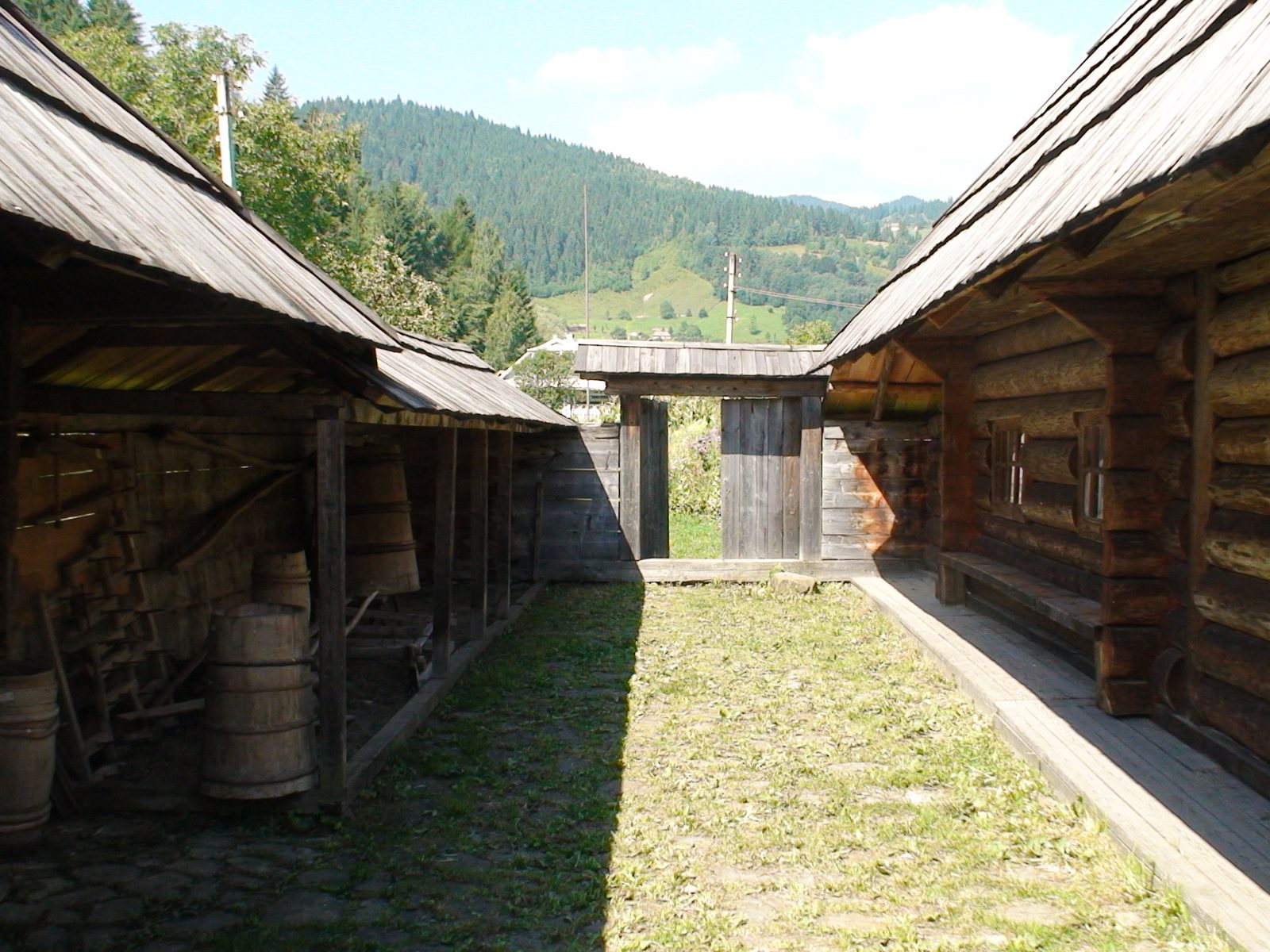
A hrazhda (Ukrainian ґражда) is a traditional Hutsul farmstead of the late 19th and early 20th century: the house and the farm buildings joined by a tall log wall into a closed square, open only to the sky. That is how farmers protected their animals from wolves and unwanted visitors. The word comes from Romanian grajd, "stable". Only a few genuine hrazhdas survive, and nobody stays overnight in them: they are visited as museums, like the Hrazhda museum in Kryvorivnia. For the feel of an old house, try an ethno-sadyba such as Nanashkova Khata in the Boyko region.
Staia: summer life on the pasture
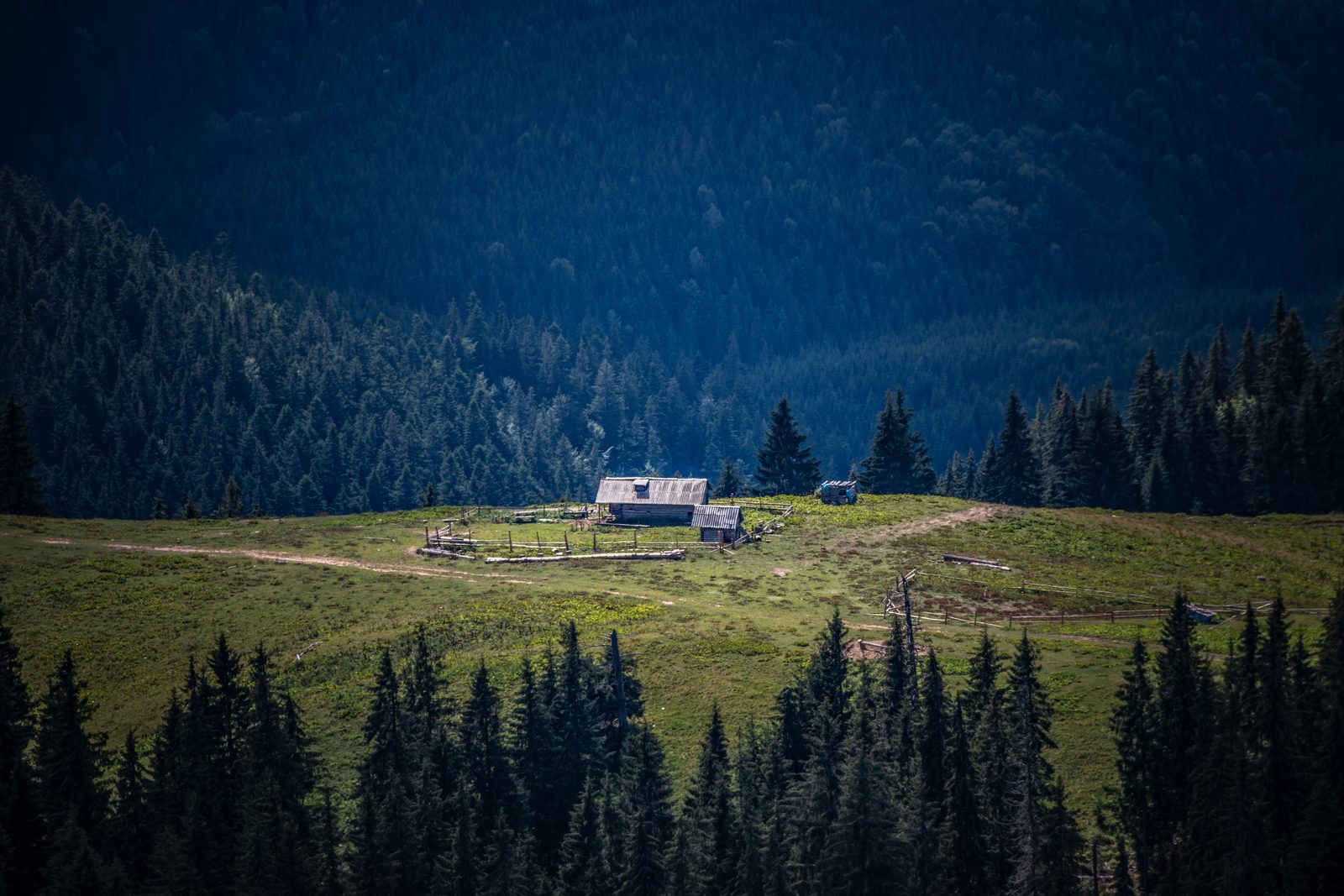
A staia is the shepherds’ summer farm on a mountain pasture: a sheep pen, a koliba and the place where budz and brynza cheese are made. Staias still work in Chornohora, Borzhava and Svydovets from June to September. It is not a place to stay, but hikers are often offered cheese and shown how it is made. Visit with respect: do not approach the flock without the head shepherd — the sheepdogs guard it.
Across the border: schronisko, bacówka, chata
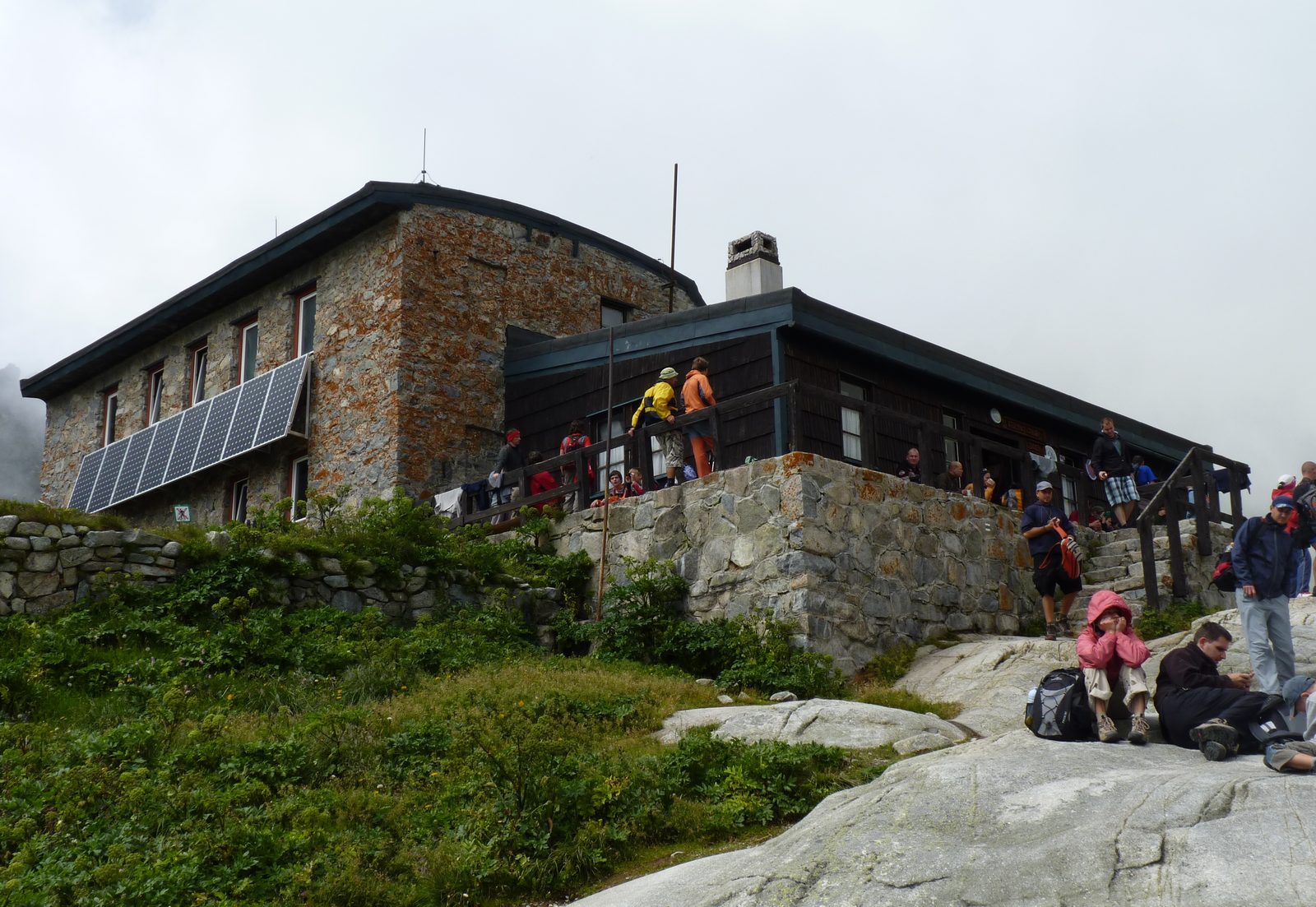
The Polish and Slovak Carpathians have a network of mountain huts. In Poland there is the schronisko (a PTTK hut with a canteen and beds) and the smaller bacówka, named after the shepherds’ hut. In Slovakia there is the chata (a mountain hut with a kitchen, like Téryho chata at 2,015 m) and the basic útulňa. Beds in huts are usually booked in advance, and some close in winter.
How to choose, in short
- With kids or friends — a cottage with a kitchen and a yard, ideally with a chan.
- To feel a Hutsul village — a sadyba with the hosts nearby and home food.
- Comfort and service — a hotel with a restaurant and spa.
- Treatment — a sanatorium with a medical licence, not a "spa hotel".
- Hiking on a budget — a hostel in the village at the trailhead, a tent or a shelter in the mountains.
- Koliba and staia — for food and conversation, not for the night.
Frequently asked questions
What is a sadyba?
A family-run guesthouse in a Carpathian village household: rooms or a small house in the yard, the hosts nearby, often home-made food. There is no official standard for the word, so always read the description.
What is the difference between a sadyba and a cottage?
A cottage is rented as a whole house, usually without the hosts nearby. A sadyba is a family place in a village where you stay next to the hosts.
Can I sleep in a koliba?
Usually not: a modern koliba is a Hutsul-style restaurant. Some have rooms or cabins nearby; this is stated on the venue page.
What is a chan?
A large iron cauldron in which water is heated over a wood fire in the open air — the Hutsul hot tub. Hundreds of sadybas, cottages and hotels have one; ask whether it is included in the price.
How do I find a free place for my dates?
In the accommodation section, choose your dates and the number of guests in the search form above the list. We show available places with prices where they are connected to online booking; the rest you can book directly by phone, with no commission.
Do you run a sadyba, cottage or koliba? Add it to the catalogue for free. Updated: 2 November 2026.
Comments
Places from the article
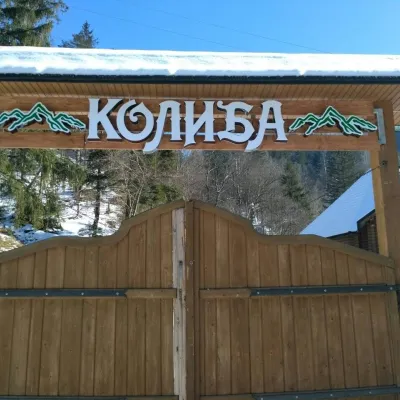 Koliby & Hutsul cuisineKoliba Restaurant, SokolivkaSokolivkaKolyba Restaurant in Sokolivka is a genuine Hutsul koliba by the main Kosiv–Verkhovyna road, above the mountain river...
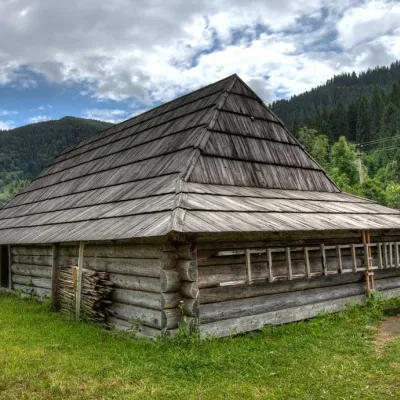 MuseumMuseum "Hut-Grazhda" of a Hutsul housewifeKryvorivniaThe Hutsul Household Museum is a historical and ethnographic museum created in the house of the Haruk family ...
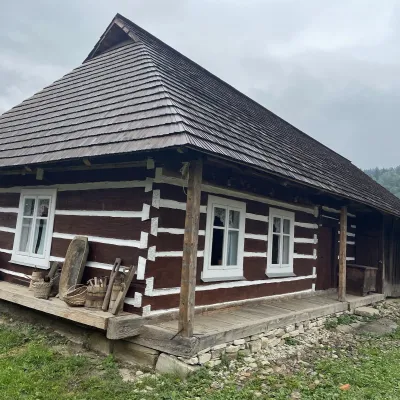 Ethno parks & homesteadsNanashkova Khata Ethno-Sadyba, Lopushanka-KhomynaStrilkyNanashkova Khata ethno-homestead is a restored Boyko house built in 1930 in the village of Lopushanka-Khomyna, Sambir...
Where to stay nearby
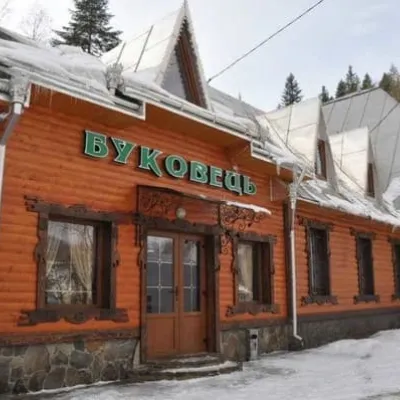 HotelBukovetsKosivHot tubPoolSaunafrom 3 600 UAH per night
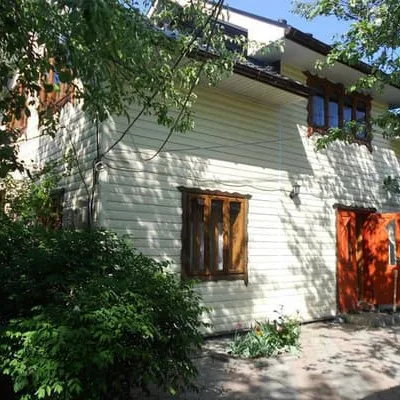 HotelU BohdanaVerkhovynaBBQParkingWi‑Fifrom 1 380 UAH per night
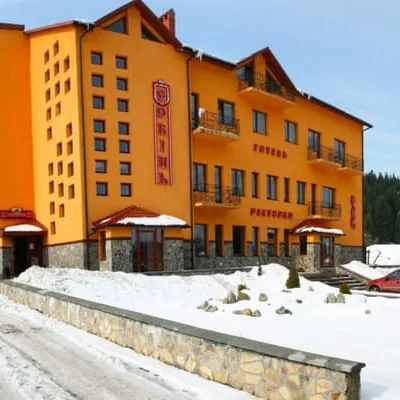 HotelSobin'TurkaSaunaBBQParkingfrom 1 200 UAH per night
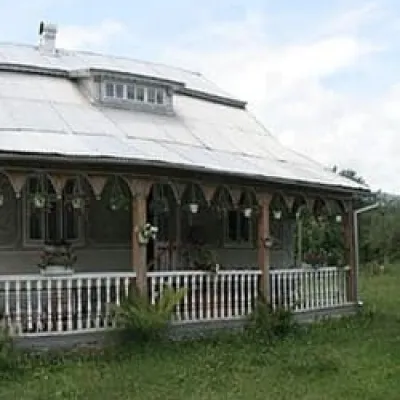 HotelZatyshokSheshorySaunaBBQParkingfrom 1 680 UAH per night
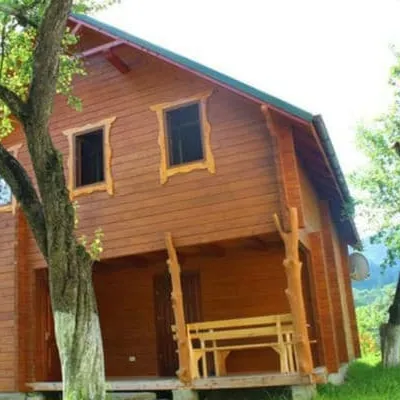 CottageBilakivVerkhovynaHot tubSaunaParkingfrom 5 310 UAH per night
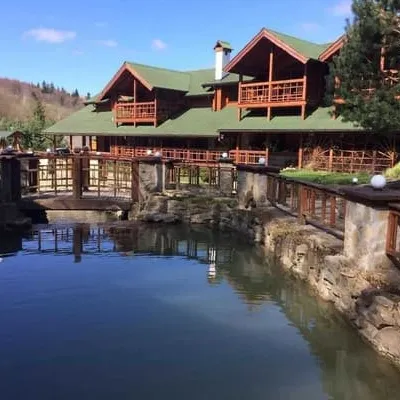 HotelKaskadSambirHot tubSaunaBBQfrom 1 900 UAH per night
Trails nearby
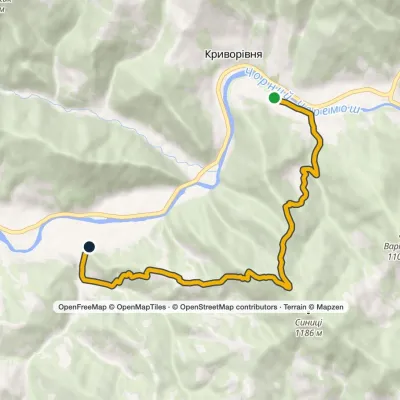 EasyOne-dayMarkedTo Dovbush ChambersElevation profile559–1 148 m7.9 kmascent 583 m≈ 3 h walking
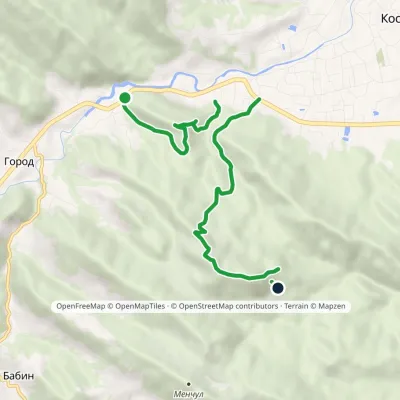 EasyOne-dayMarkedMount Mykhalkiv loop trailElevation profile385–817 m6.4 kmascent 605 m≈ 3 h walking
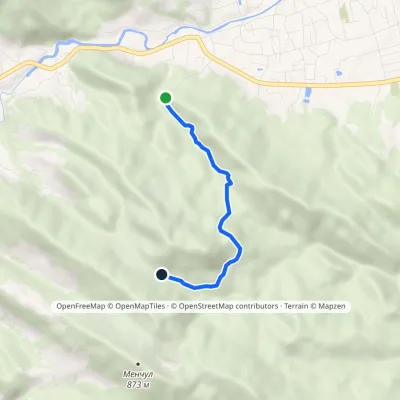 EasyOne-dayMarkedMount Ostryi Mount Mykhalkiv (blue trail)Elevation profile477–700 m3.4 kmascent 274 m≈ 1.5 h walking
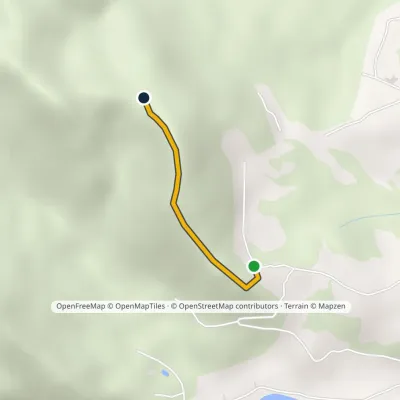 EasyOne-dayMarkedKarpatski Zori shelter sulphur springElevation profile504–665 m1 kmascent 161 m≈ 30 min walking
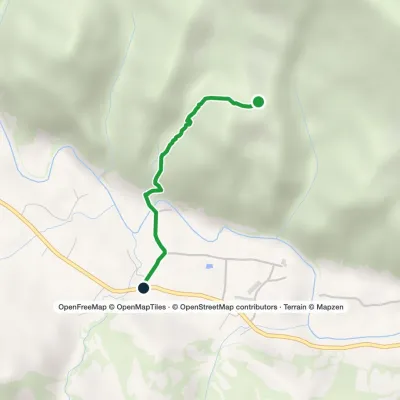 EasyOne-dayMarkedSheshory RosokhataElevation profile466–685 m1.6 kmascent 19 m≈ 30 min walking
 ModerateTwo-dayBukovets village loopvia Pysanyi KaminElevation profile807–1 221 m12.4 kmascent 484 m≈ 4 h walking
You may also be interested in
All articles Carpathians on Telegram: the Karpaty.Rocks channel, a pocket map and severe-weather alertsWhat our Telegram channel posts, how to open a Carpathian map right inside the messenger, get severe-weather alerts for your summit and a...
 Carpathian trip planner: how to plan your route, overnights and a PDF planA trip to the mountains usually starts with a dozen browser tabs: the trail on one site, the place to stay on another, the drive in a...
 Fishing in Western Ukraine: 7 Water Bodies Worth VisitingWestern Ukraine offers everything for anglers at once: icy Carpathian streams with trout, the vast Dniester "sea" with catfish and...
