Stinging nettle
For information only, not medical advice. Do not self-medicate — consult a doctor. Many Carpathian medicinal plants are protected and must not be collected.
About
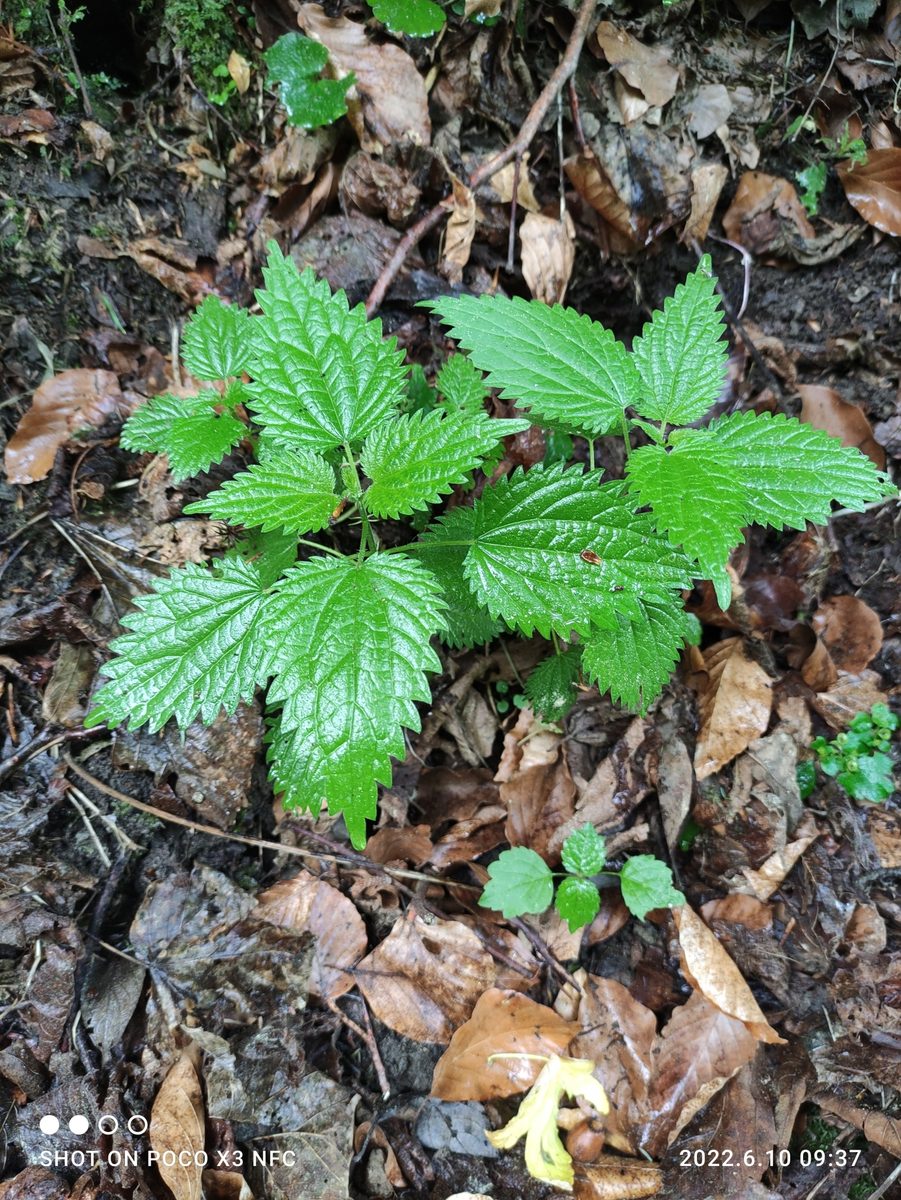
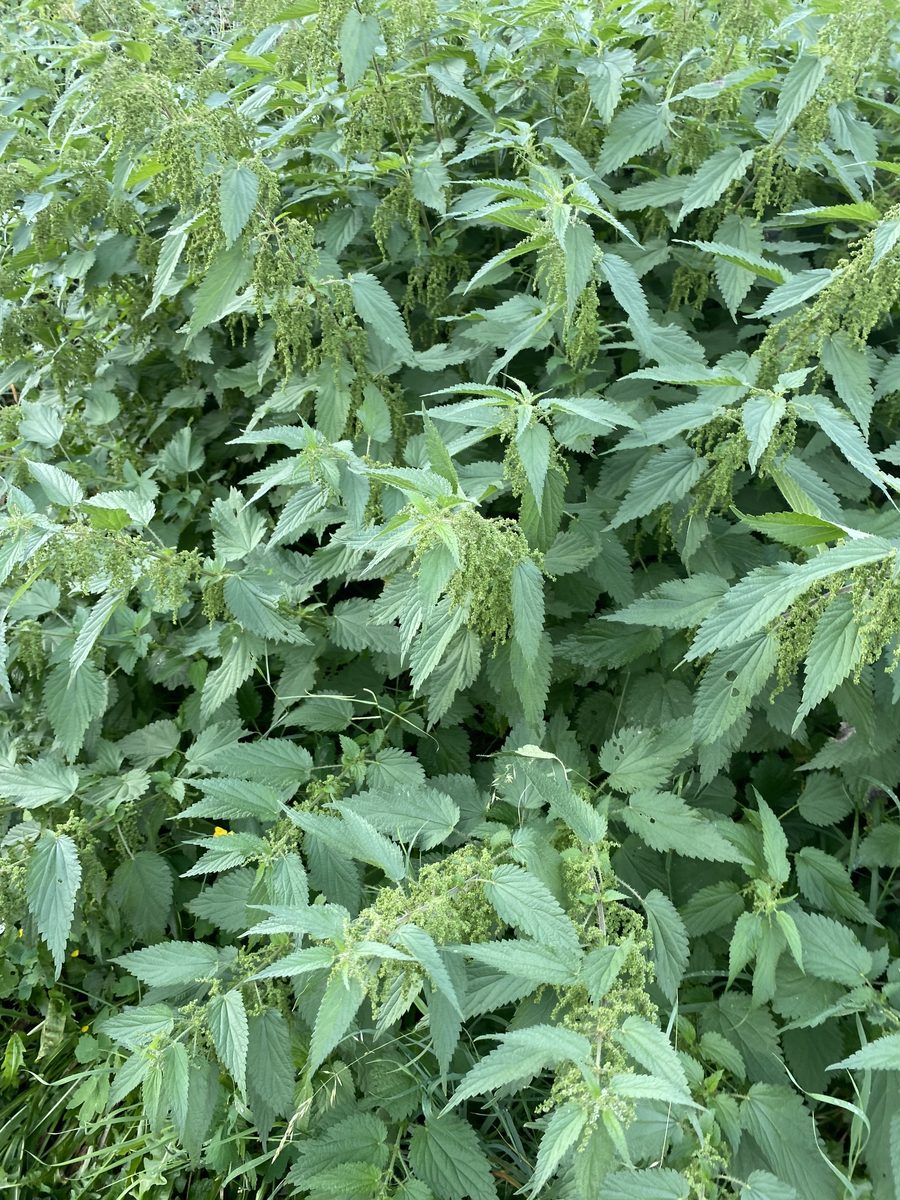
Stinging nettle is a plant that can be recognized even with closed eyes. It grows throughout Ukraine: in willow thickets, deciduous and mixed forests, in weedy places, near homes and livestock. It prefers disturbed soils rich in nitrogen and phosphorus, so in the mountains, dense thickets of nettles often grow near homes, kolibas, and places where livestock is kept. The plant is shade-tolerant and quickly spreads through creeping rhizomes.
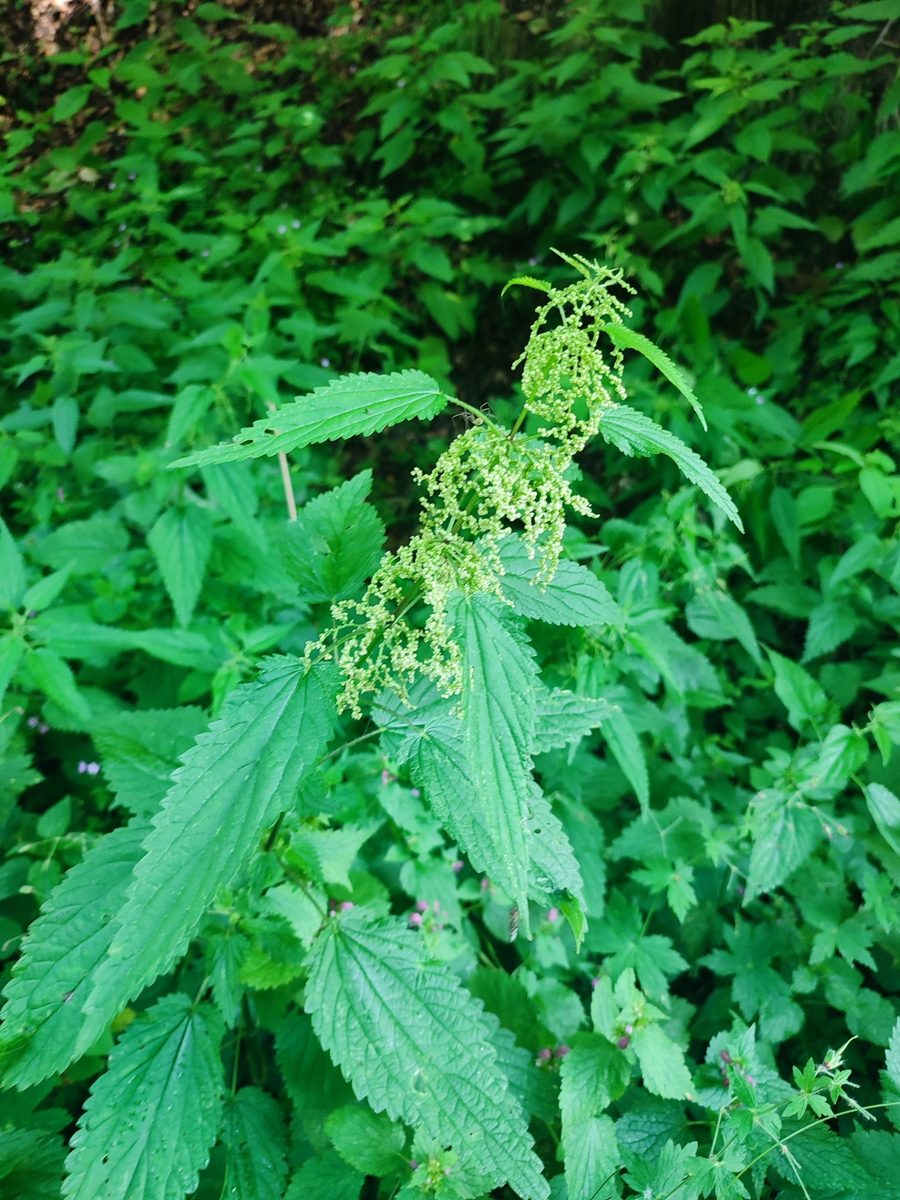
The stem is upright, 50–200 cm tall, with opposite, ovate-lanceolate leaves that have large teeth along the edges. The entire plant is covered with both ordinary and stinging hairs. Stinging nettle: some plants have only male inflorescences that stick up, while others have female ones that droop after flowering. The flowers are small and greenish. It blooms from June to September. In spring, it is one of the first to regrow, just two to three weeks after the snow melts.
The stinging hair is a tiny "needle" with a brittle tip. Upon contact, the tip breaks off, and the hair injects histamine and other irritating substances into the skin. This causes burning, itching, redness, and swelling, which usually resolve on their own within a few hours or days.
In villages, young spring nettle leaves have long been added to green borscht, soups, and fillings, and are also dried for herbal teas. During cooking, the stinging hairs lose their potency. On the trail, it is better to wear long pants, and when resting near a koliba, be careful where you sit.
Where in the Carpathians

The map shows where naturalists recorded the species (GBIF, CC0 and CC BY records), not every place it lives. The Ukrainian Carpathians are less studied, so a blank area does not mean the species is absent.
- Countries
- Slovakia · Czechia · Poland · Ukraine · Romania · Hungary · Austria · Serbia
- Mountain ranges
- Slovak Ore Mountains, Strážov Mountains, Moravian-Silesian Beskids, Greater Fatra, Low Tatras, Lesser Fatra, Slovak Central Mountains, Volovec Mountains, Štiavnica Mountains, Kysuce Beskids
- Altitude belts
- Foothills (below 600 m) · Beech forests (600–1200 m)
When to see it
| Jan | Feb | Mar | Apr | May | Jun | Jul | Aug | Sep | Oct | Nov | Dec | |
|---|---|---|---|---|---|---|---|---|---|---|---|---|
| Flowering | ||||||||||||
| Fruit |
From naturalists’ observations in the Carpathians (iNaturalist, research grade): the darker the cell, the more often the species is seen that month.
Safety
Stinging hairs cause burning, itching, and redness of the skin — usually resolves on its own. If a large area of the body is burned or signs of an allergy appear, consult a doctor.
In folk tradition
Young spring leaves are traditionally added to green borscht, soups, and fillings, and dried for herbal teas.
Protection and rules
Not protected. Collecting plants is prohibited in nature reserves and protected areas of national parks.
FAQ
Why does nettle sting?
Its stinging hairs have brittle tips. Upon contact, the tip breaks off, and the hair injects histamine and other irritating substances into the skin.
When to collect nettle for borscht?
Traditionally in spring, when the leaves are young: nettle regrows just two to three weeks after the snow melts. During cooking, it stops stinging.
Similar species
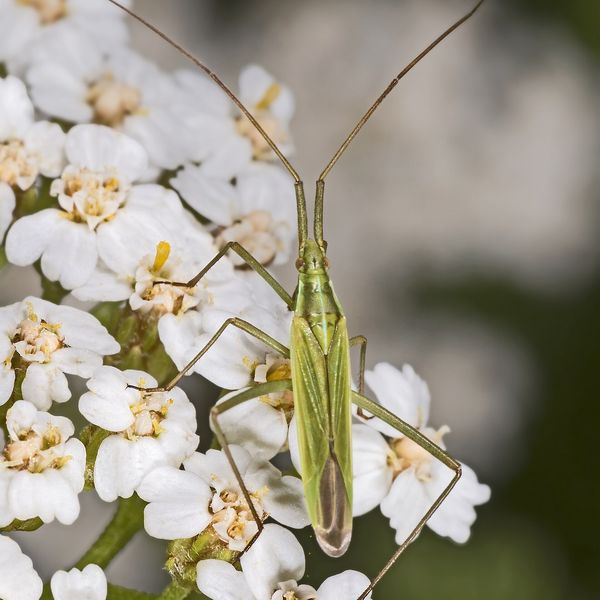
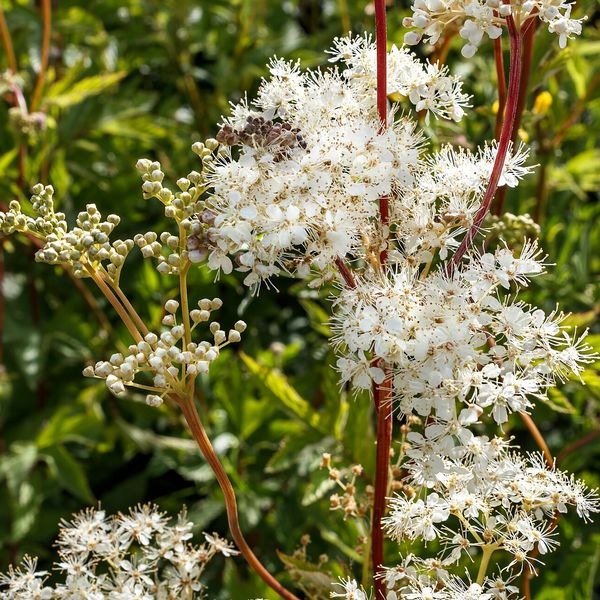
Where to meet it
Peaks and meadows
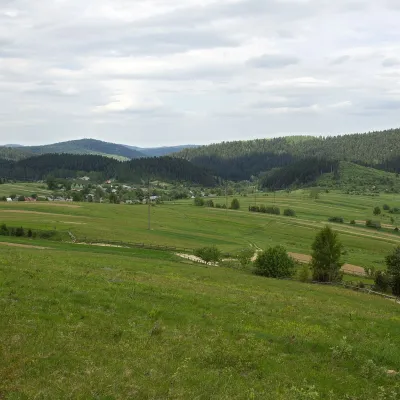 PeakMount RozluchRozluchaltitude 933 m1 trail to the topRozluch is a 933 m mountain in the Upper Dniester Beskids, the highest point of the Rozluch ridge.
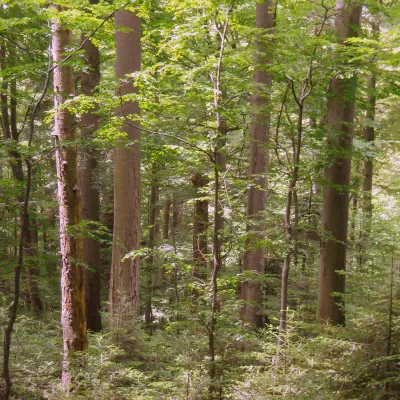 PeakMount KalnytsiaStuzhytsiaaltitude 1 004 mKalnytsia (Slovak: Kalnica) is a 1,004 m mountain on the state border between Ukraine and Slovakia, in the Bukovské...
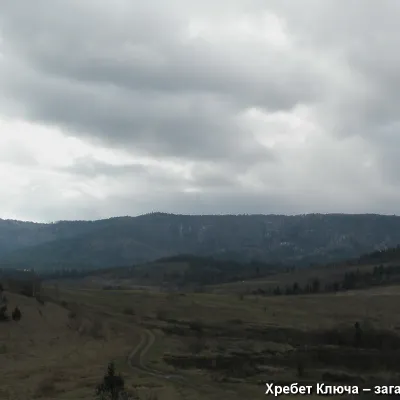 PeakMount YavorinkaTrukhanivaltitude 940 m3 trails to the topThe top of Mount Yavorinka is 940 meters above sea level. Mount Yavorinka is the highest peak of the Klyucha ridge,...
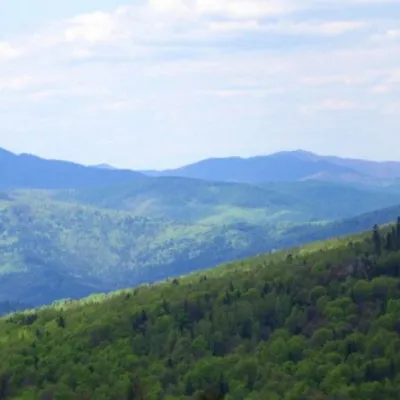 PeakMount KlyuchKamiankaaltitude 927 m · Skole Beskids range2 trails to the topMount Klyuch is one of the peaks of the ridge in the Skole Beskydy, which starts from the Sukel River (Bukivets...
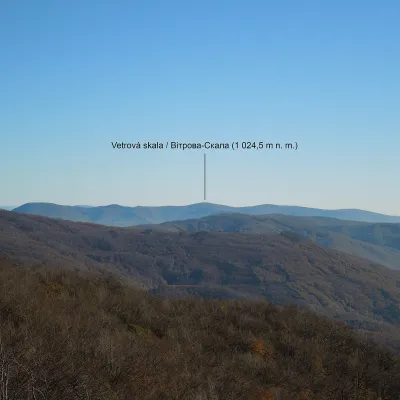 PeakMount Vitrova-SkalaMyrchaaltitude 1 025 m · Volcanic Carpathians rangeVitrova-Skala (Slovak: Vetrová skala) is a 1,025 m (more precisely 1,024.5 m) mountain in the volcanic Vihorlat massif.
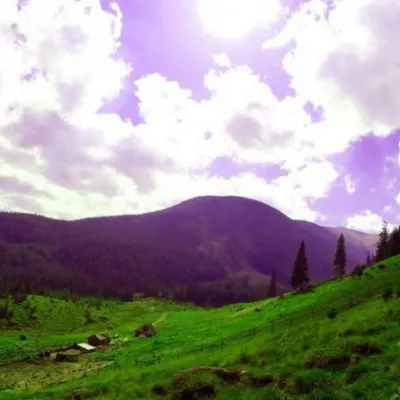 Mountain meadowPolonyna GadzhinaBystretsIt seemed that the Chornohora massif was literally crowded with people, but sometimes you can come across places that...
Waters and waterfalls
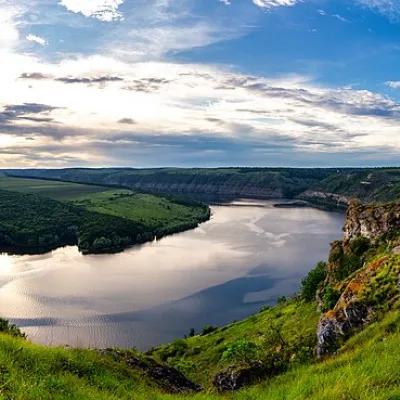 RiverDniesterVovcheThe Dniester is one of the most famous and largest rivers in Ukraine. The Dniester has been used as an important...
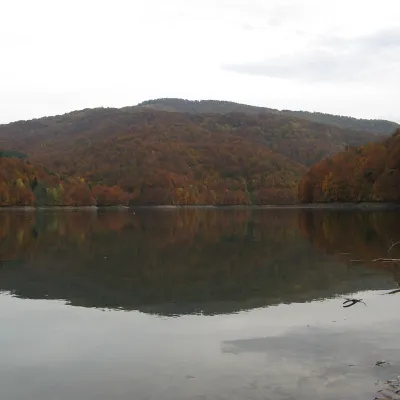 LakeVilshany ReservoirVilshanyThe Vilshany Reservoir, also called the Tereblia-Rika Reservoir, is a narrow mountain lake in the Tereblia valley...
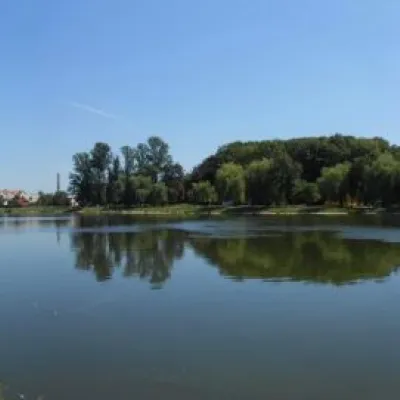 LakeCity lake in KolomyiaKolomyiaAfter touring the city, it's a good idea to relax and unwind by the water.
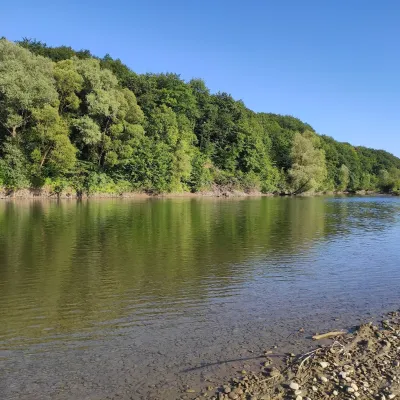 RiverBystrytsia Solotvynska RiverSolotvynThe Bystrytsia Solotvynska rises at about 1,390 m at the foot of Mala Syvulia and Bystryk, near the Peklo cliffs in...
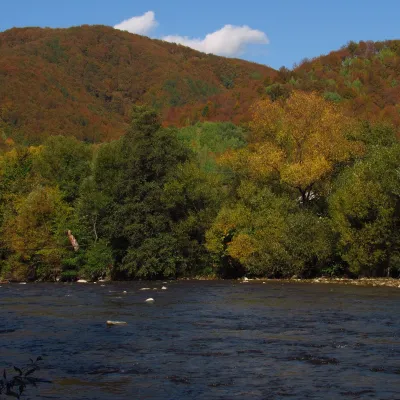 RiverUzh RiverVelykyi BereznyiAbove the Uzh near Kamianytsia stand the ruins of Nevytsky Castle, and in Uzhhorod the Masaryk Bridge offers a good...
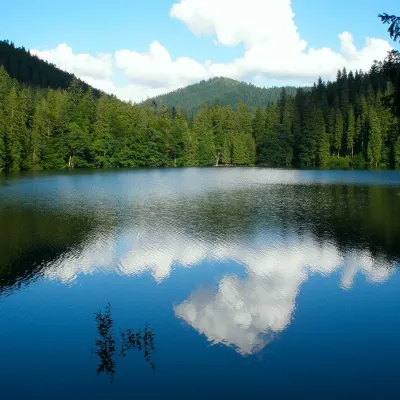 LakeSynevyr Lake Synevyrska PolyanaSynevyrska PolyanaLake Synevyr, located on the territory of the National Nature Park of the same name in Mizhhirya district of...
Mountain ranges: In other countries: 🇸🇰 Slovak Ore Mountains, 🇸🇰 Strážov Mountains, 🇨🇿 Moravian-Silesian Beskids, 🇸🇰 Greater Fatra, 🇸🇰 Low Tatras, 🇸🇰 Lesser Fatra, 🇸🇰 Slovak Central Mountains, 🇸🇰 Volovec Mountains, 🇸🇰 Štiavnica Mountains, 🇸🇰 Kysuce Beskids, 🇨🇿 White Carpathians, 🇸🇰 Javorníky, 🇸🇰 Považský Inovec, 🇸🇰 Levoča Mountains
Trails and peaks near which naturalists recorded the species (GBIF, iNaturalist), matched by altitude and habitat. Sightings are not guaranteed.
Sources
- Вікіпедія: Кропива дводомна
- Wikipedia (en): Urtica dioica
- iNaturalist: Urtica dioica (спостереження в Карпатах)
GBIF · iNaturalist · Wikidata · Distribution data: GBIF.org (CC0 and CC BY records), iNaturalist; names and identifiers: Wikidata (CC0). Text: Karpaty.rocks, checked 09.11.2026.
