Porcelain fungus
Never identify a mushroom from a photo alone. If in doubt, leave it. In case of poisoning call 112 (103 in Ukraine) at once.
About
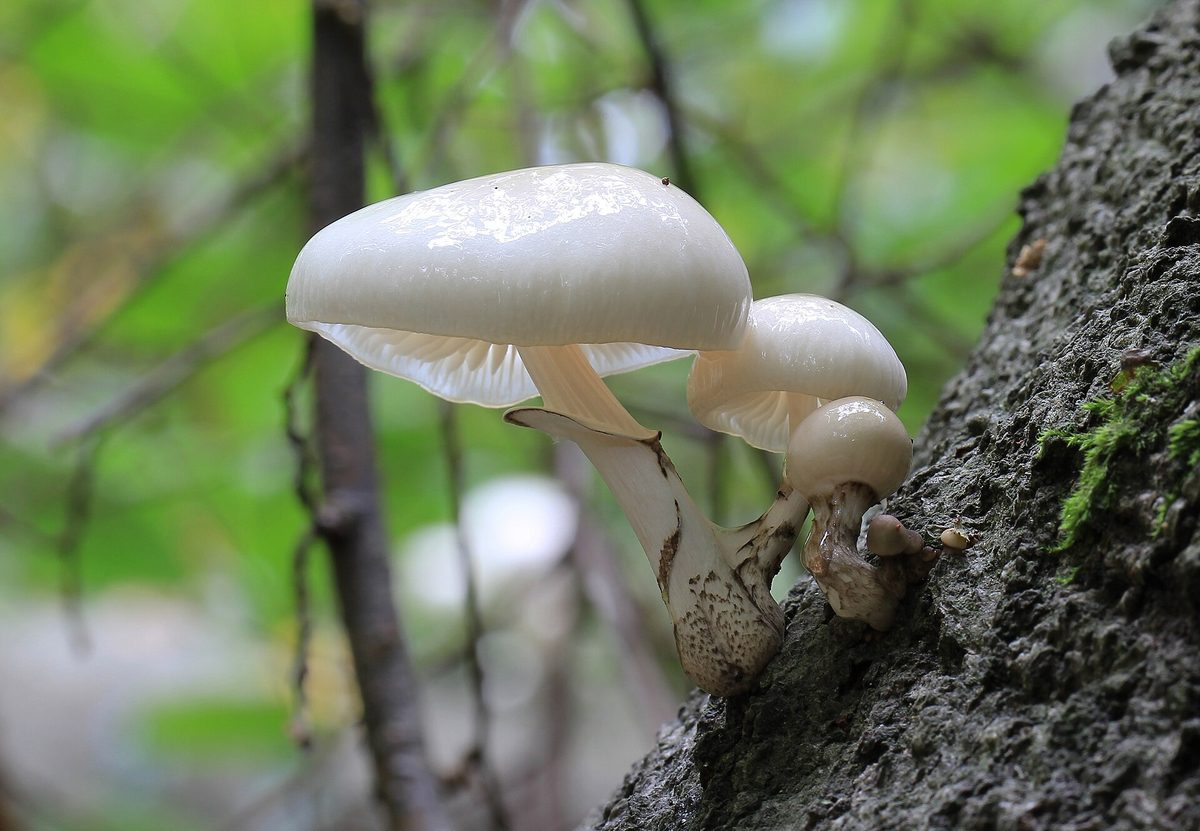
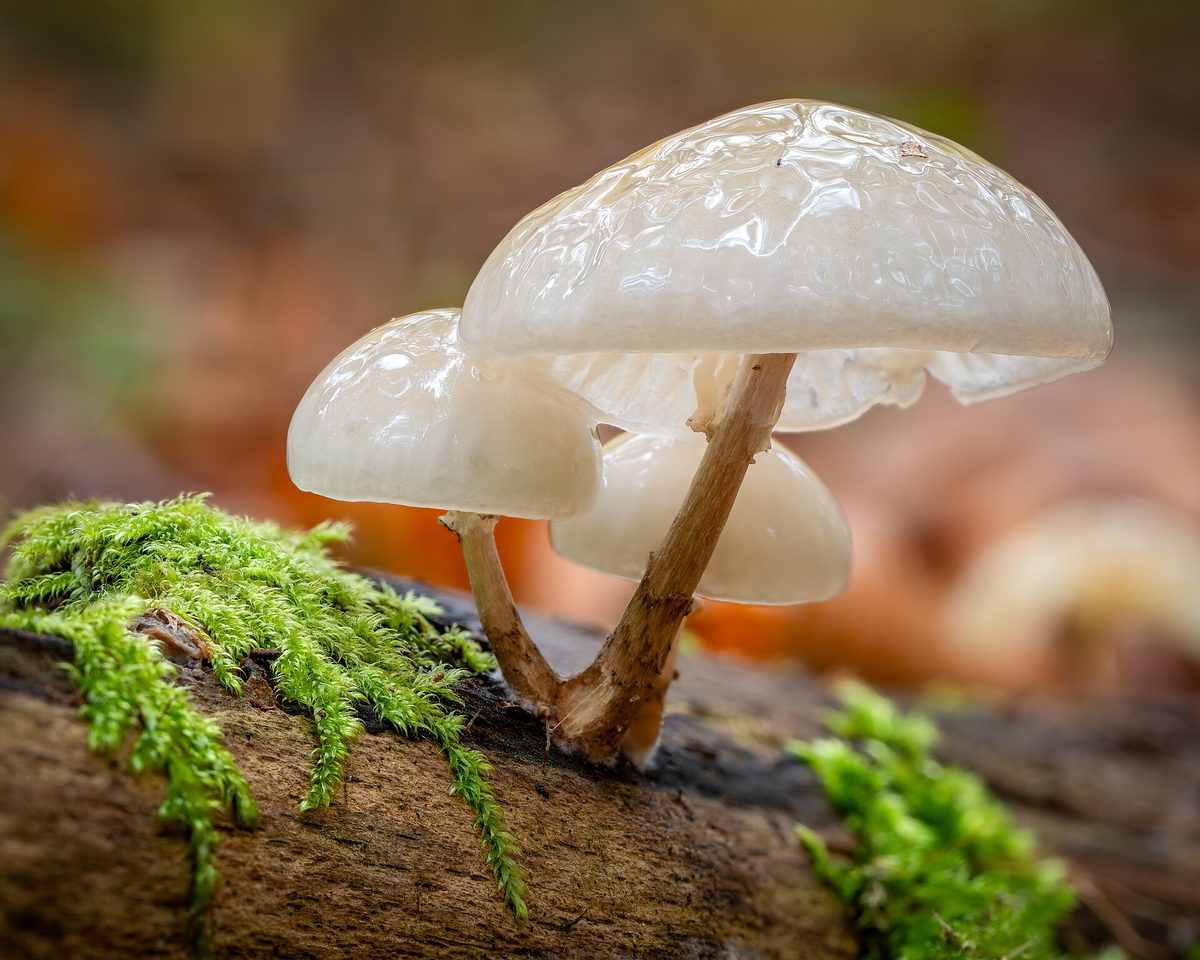
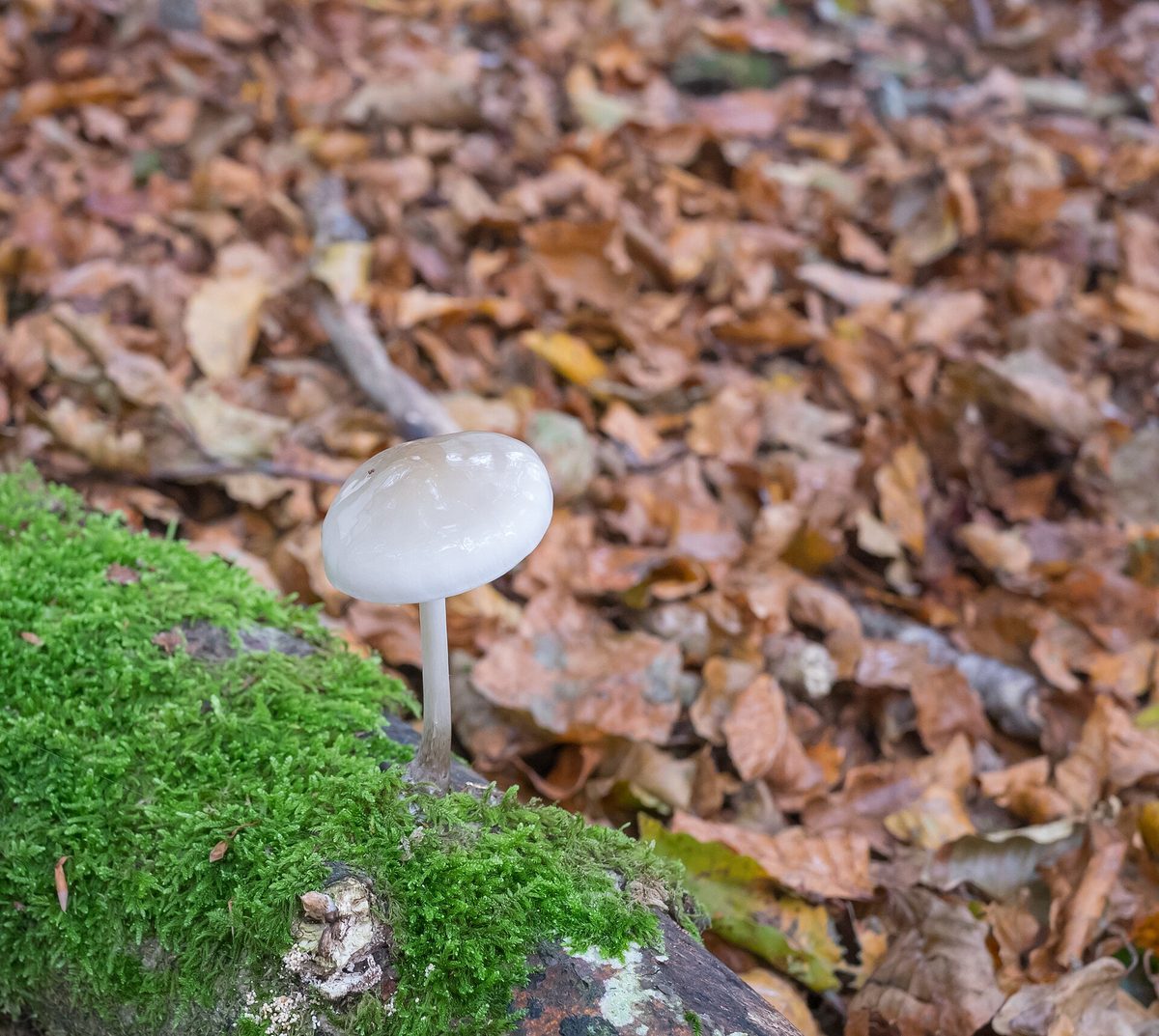
Oudemansiella mucida is called the Porcelain fungus — and for good reason. The cap is 2–8 cm in diameter, white or ivory-colored, thin and semi-transparent, covered with a thick layer of clear slime. It glows against the light, resembling porcelain. The gills are white, broad, and sparse. The stem is thin, rigid, with a narrow ring, brownish at the base.
This fungus grows almost exclusively on beech: in groups and clusters on the trunks and thick branches of dead and weakened trees, often high above the ground. Fruiting bodies appear from August to November, with the most in September and October.
In the Carpathians, where beech is the main forest species, Oudemansiella mucida is common in beech and beech-fir forests from the foothills to the upper limit of beech. It is especially abundant in old forests and primeval forests, where dead wood remains. In autumn, the white clusters on gray trunks create one of the most striking images of the beech forest.
The fungus secretes a substance that suppresses other fungi competing for the same wood. Based on this discovery, a whole group of plant protection agents has been developed.
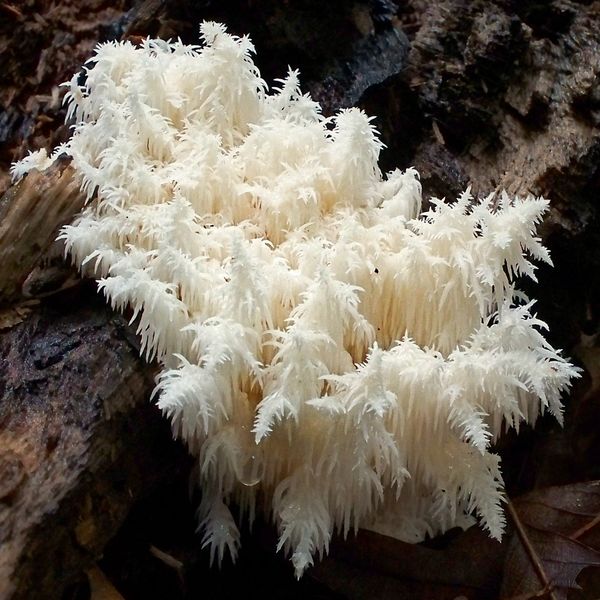
Guides mention Oudemansiella mucida as edible after removing the slime, but it has almost no taste or food value. We do not recommend collecting it: better to take a photo. It is difficult to confuse with poisonous fungi on beeches, but white mushrooms on the ground are a completely different matter: among them are deadly poisonous fly agarics.
Where in the Carpathians

Teal — roughly where the species can occur, by elevation and habitat; orange — where naturalists recorded it (GBIF, CC0/CC BY).
Range: elevation belt and forests — our model (AWS Terrain Tiles; © OpenStreetMap)
- Countries
- Ukraine · Slovakia · Romania · Poland · Czechia · Hungary
- Mountain ranges
- nearly all Carpathian ranges, in the forest belt
- Altitude belts
- Foothills (below 600 m) · Beech forests (600–1200 m)
When to see it
| Jan | Feb | Mar | Apr | May | Jun | Jul | Aug | Sep | Oct | Nov | Dec | |
|---|---|---|---|---|---|---|---|---|---|---|---|---|
| Sightings |
From naturalists’ observations in the Carpathians (iNaturalist, research grade): the darker the cell, the more often the species is seen that month.
Safety
It has almost no food value; we do not recommend collecting it. White mushrooms growing on the ground may be deadly poisonous fly agarics. Never identify a mushroom based solely on a photo. In case of suspected poisoning, call 103 (or 112).
Protection and rules
Not listed in the Red Book of Ukraine.
FAQ
What are the white slimy mushrooms growing on beeches in autumn?
These are Oudemansiella mucida, or Porcelain fungus. They grow in clusters on the trunks and branches of beeches from August to November.
Is Oudemansiella mucida edible?
Guides consider it edible after removing the slime, but it has almost no taste or food value, so it is not worth collecting.
Comments
Travellers’ experience: reports, tips, questions.
No one has written here yet. Be the first — your experience helps others.
Similar species
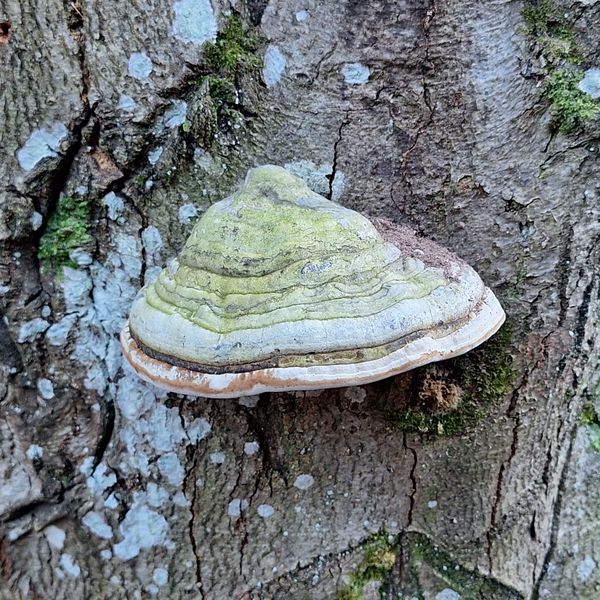
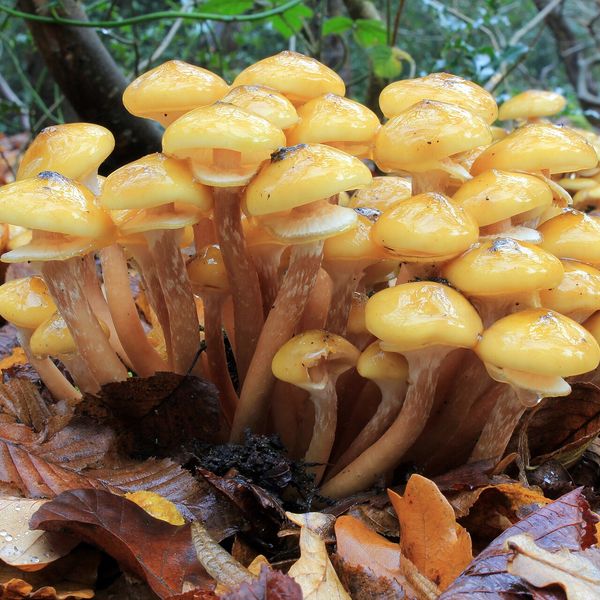
Where to meet it
Trails
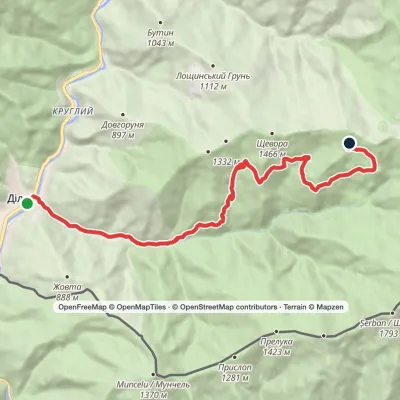 ModerateOne-dayDilove village to Shchavora polonynavia Yalynskyi WaterfallElevation profile346–1 338 m16.3 kmascent 1 042 m≈ 6 h walking
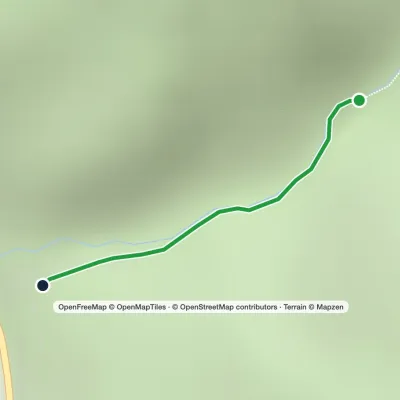 EasyOne-dayMarkedTo Sokolyne BerdoElevation profile331–674 m2.6 kmascent 344 m≈ 1 h walking
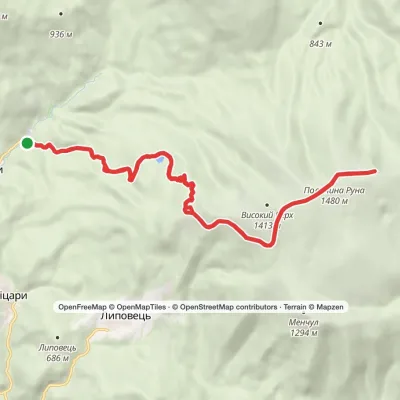 HardOne-dayMarkedLumshory village loopvia Runa polonynaElevation profile484–1 480 m22 kmascent 1 035 m≈ 7 h walking
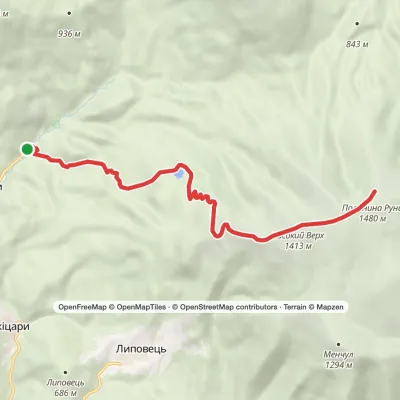 ModerateOne-dayLumshory village Runa polonynaElevation profile484–1 480 m18.3 kmascent 1 040 m≈ 6.5 h walking
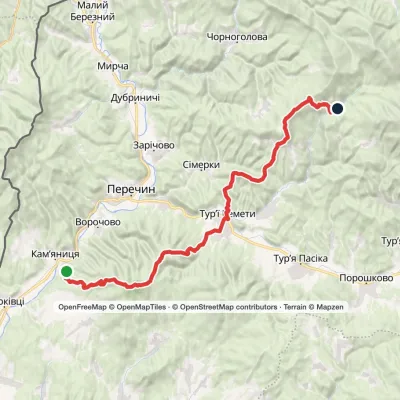 Hard1–2 daysMarkedLumshory Nevytske CastleElevation profile178–960 m40.9 kmascent 1 594 m≈ 13 h walking
 ModerateOne-dayLumshory village Mount Liutianska HolytsiaElevation profile446–1 375 m8.8 kmascent 929 m≈ 3.5 h walking
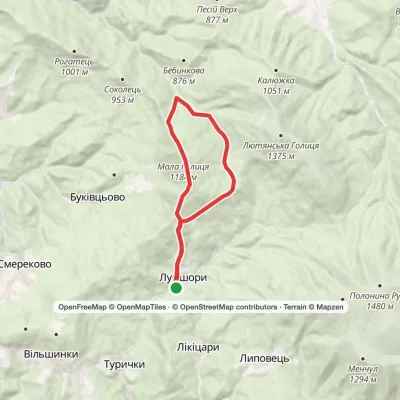 ModerateOne-dayLumshory village loopvia Mount Mala HolytsiaElevation profile445–1 184 m15.9 kmascent 1 122 m≈ 6 h walking
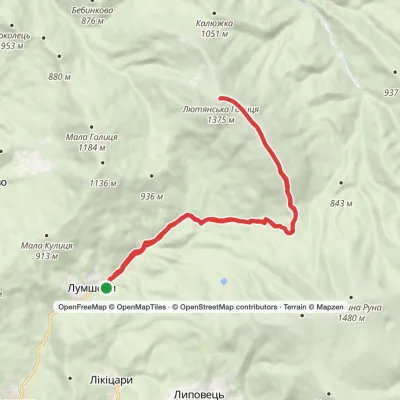 HardOne-dayMarkedLumshory village loopvia Mount Liutianska HolytsiaElevation profile458–1 375 m22.5 kmascent 915 m≈ 7 h walking
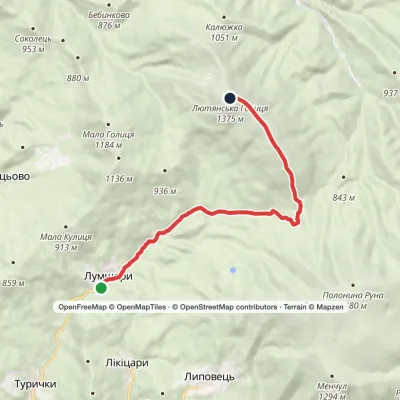 ModerateOne-dayMarkedLumshory village Mount Liutianska HolytsiaElevation profile443–1 375 m11.3 kmascent 932 m≈ 4.5 h walking
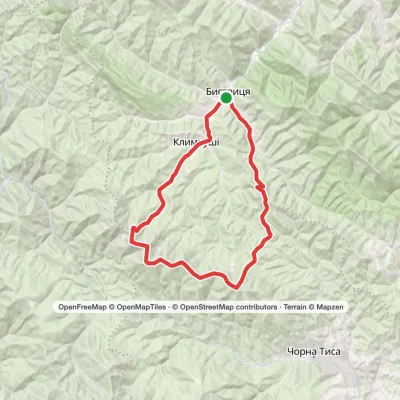 Hard1–2 daysBystrytsia village loopvia Klympushi village, Mount Hropa +3Elevation profile736–1 788 m38.1 kmascent 1 798 m≈ 12.5 h walking
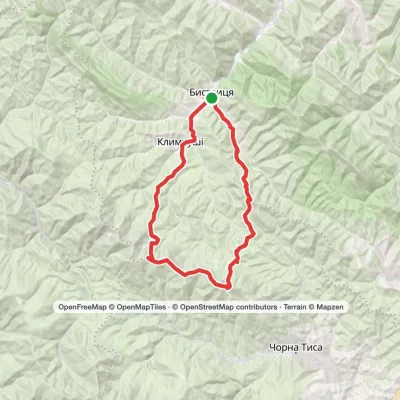 HardTwo-dayBystrytsia village loopvia Klympushi village, Mount Ruska +1Elevation profile737–1 719 m42.5 kmascent 1 786 m≈ 13.5 h walking
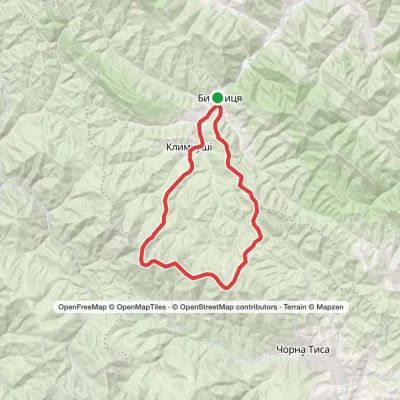 Hard1–2 daysBystrytsia village loopvia Mount Chorna Kleva, Mount Ruska +1Elevation profile734–1 788 m36.8 kmascent 1 971 m≈ 12.5 h walking
Mountain ranges: Gorgany, Bieszczady, Polonynian Ridge. In other countries: 🇸🇰 Low Tatras, 🇸🇰 Kremnica Mountains, 🇵🇱 Low Beskids, 🇵🇱 Silesian Beskids
Trails and peaks near which naturalists recorded the species (GBIF, iNaturalist), matched by altitude and habitat. Sightings are not guaranteed.
Sources
- Вікіпедія: Удемансіелла слизиста
- Wikipedia (en): Oudemansiella mucida
- iNaturalist: Oudemansiella mucida (спостереження в Карпатах)
GBIF · iNaturalist · Wikidata · Distribution data: GBIF.org (CC0 and CC BY records), iNaturalist; names and identifiers: Wikidata (CC0). Text: Karpaty.rocks, checked 11.11.2026.
