Heuffel's crocus
About
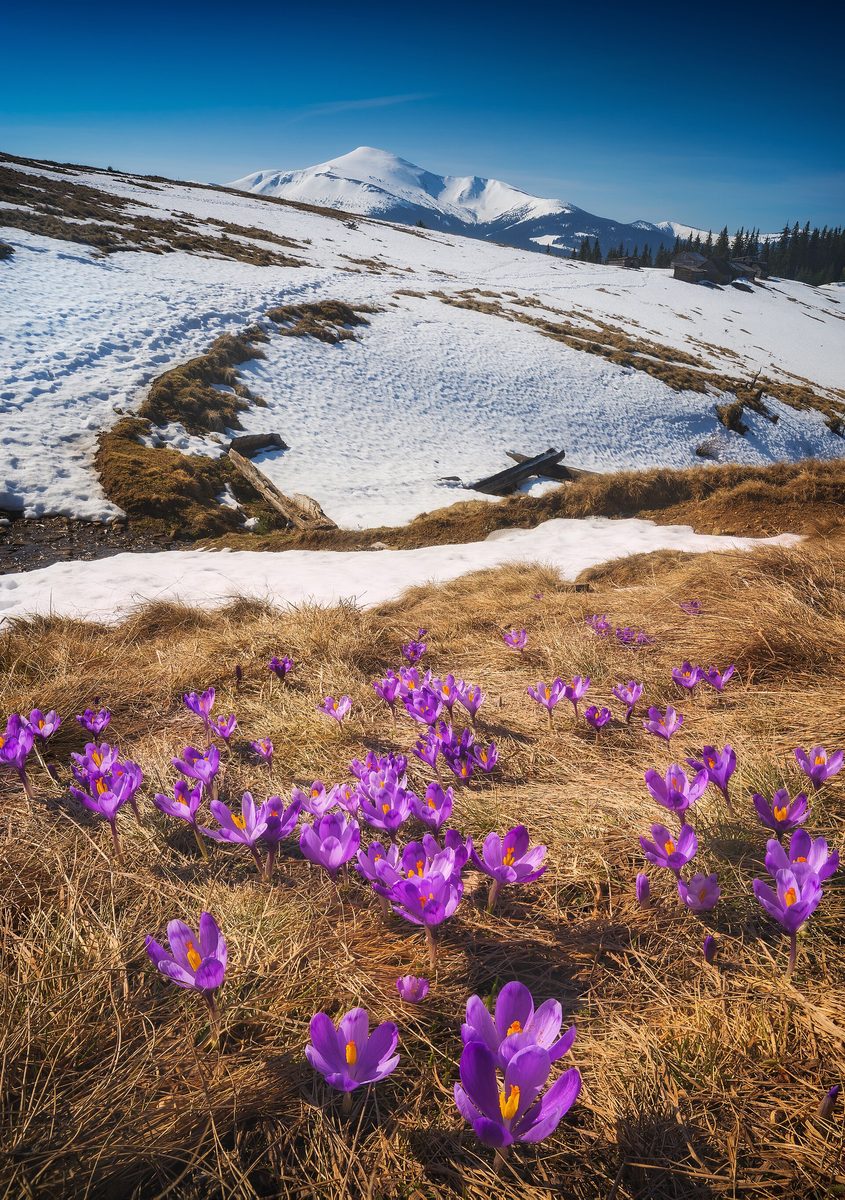
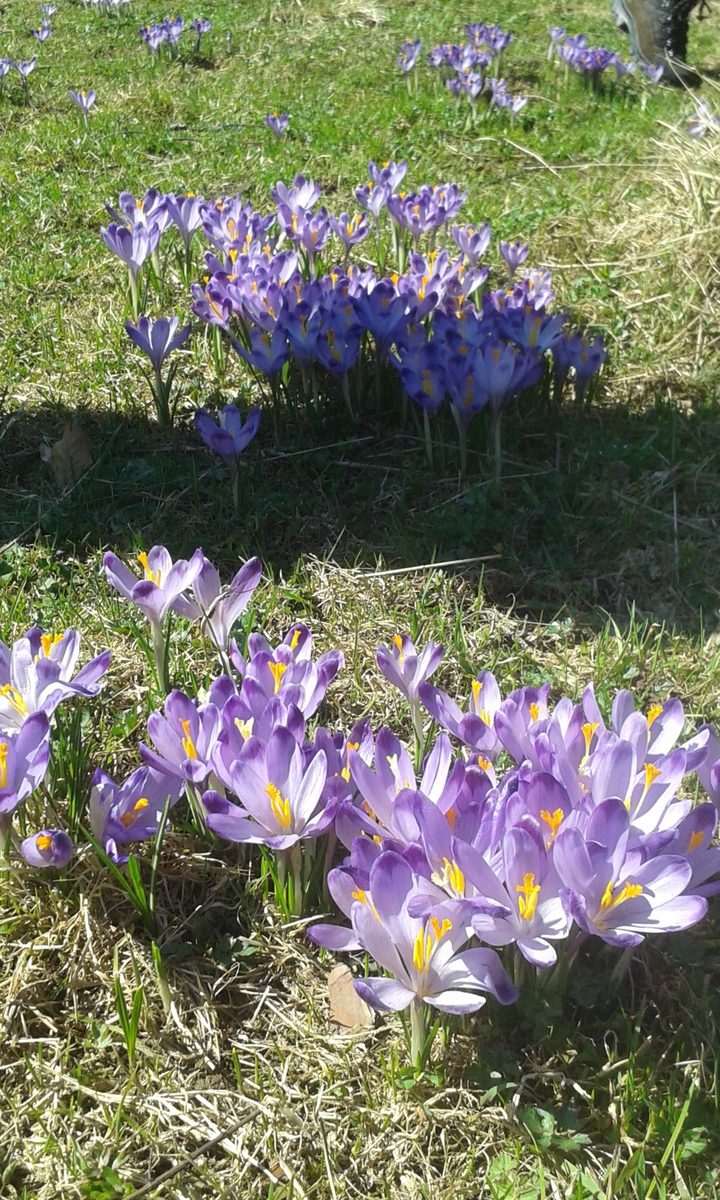
Heuffel's crocus, or Carpathian crocus, is the brightest sign of spring in the Carpathians. As soon as the snow melts, mountain meadows, hayfields, and forest edges are covered with solid purple carpets, where there can be 20–100 flowers per square meter. In folk tradition, they are called brandushkas, bryndushas, or maslyankas — for their shiny petals that seem oiled.
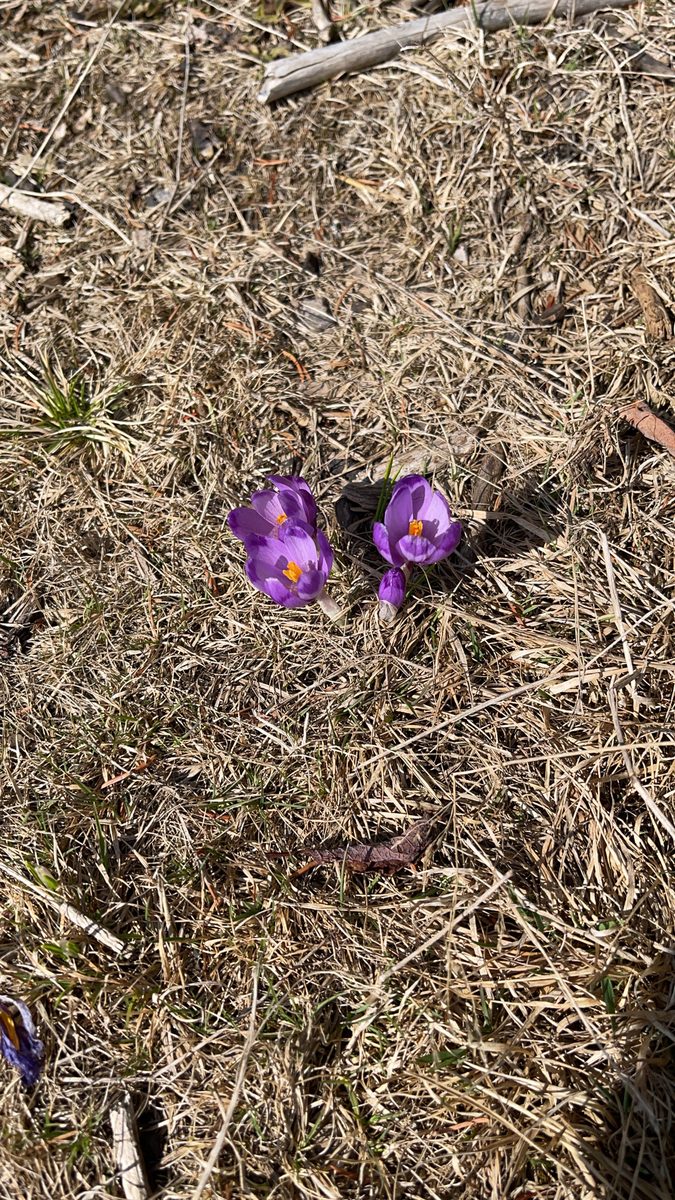
This spring ephemeral grows 10–19 cm tall from a small bulb. The leaves are narrow, linear, with a silvery stripe in the middle, and are short during flowering. The flower is solitary, with six purple, rarely white petals with a darker V-shaped spot near the tip; the stigma is yellow-orange, and there are three stamens.
The crocus blooms in March — April in the foothills, and higher in the mountains — in May and even June, following the snow line. The species' range includes the Eastern and Southern Carpathians and the Balkans. In Ukraine, the largest populations are found in the mountains, although the crocus also occurs in Prykarpattia.
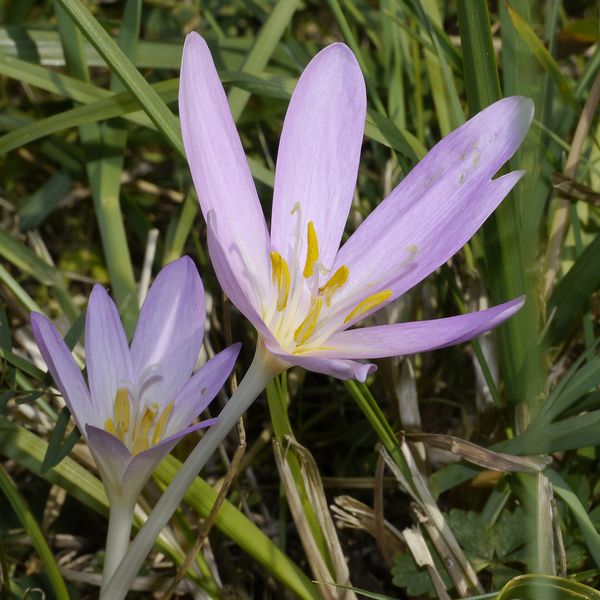
Heuffel's crocus is listed in the Red Book of Ukraine with the status of 'not evaluated'. Therefore, picking bouquets and digging up bulbs is prohibited, even though the flowers seem abundant. It is also important to remember the poisonous lookalike: Colchicum autumnale resembles the crocus but blooms in autumn and has six stamens.
Where in the Carpathians

The map shows where naturalists recorded the species (GBIF, CC0 and CC BY records), not every place it lives. The Ukrainian Carpathians are less studied, so a blank area does not mean the species is absent.
- Countries
- Slovakia · Ukraine · Romania · Poland · Czechia
- Mountain ranges
- Greater Fatra, Low Tatras, Slovak Paradise, Slovak Ore Mountains, Lesser Fatra, Chornohora, Maramureș Mountains, Western Tatras, Gorgany, Krasna Polonyna
- Altitude belts
- Foothills (below 600 m) · Beech forests (600–1200 m) · Conifer forests (1200–1600 m)
When to see it
| Jan | Feb | Mar | Apr | May | Jun | Jul | Aug | Sep | Oct | Nov | Dec | |
|---|---|---|---|---|---|---|---|---|---|---|---|---|
| Flowering | ||||||||||||
| Fruit |
From naturalists’ observations in the Carpathians (iNaturalist, research grade): the darker the cell, the more often the species is seen that month.
Safety
Do not confuse with Colchicum autumnale — a deadly poisonous plant.
Look-alikes — how to tell them apart
Blooms in autumn, not spring; has six stamens (crocus has three); in spring, it only produces broad leaves and a capsule without flowers.
Protection and rules
Listed in the Red Book of Ukraine. Enjoying, picking, digging up, and selling is prohibited.
Admire, don’t pick: plants listed in the Red Data Book of Ukraine — and any plants in nature reserves and strictly protected zones of national parks — must not be collected.
FAQ
When do crocuses bloom in the Carpathians?
In March — April in the foothills, in May higher in the mountains, and near snowfields in the high mountains — even in June.
Is it allowed to pick Carpathian crocus?
No. Heuffel's crocus is listed in the Red Book of Ukraine, so picking and digging it up is prohibited.
How does crocus differ from autumn crocus?
Crocus blooms in spring and has three stamens. Autumn crocus blooms in autumn, has six stamens, and is deadly poisonous.
Recorded nearby
 PeakMount RotiloVolovaaltitude 1 483 m · Pokuttia-Bukovyna Carpathians range6 trails to the topRotylo is a peak in the Ukrainian Carpathians, the highest mountain of the Pokutsko-Bukovyna mountain range.
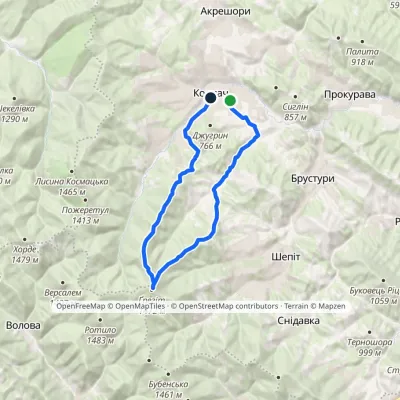 HardTwo-dayMarkedKosmach village loopvia Mount HrehitElevation profile584–1 470 m22 kmascent 936 m≈ 7.5 h walking
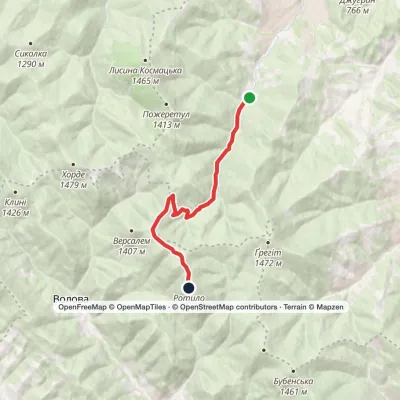 ModerateOne-dayKosmach village Mount RotyloElevation profile787–1 483 m9.6 kmascent 750 m≈ 4 h walking
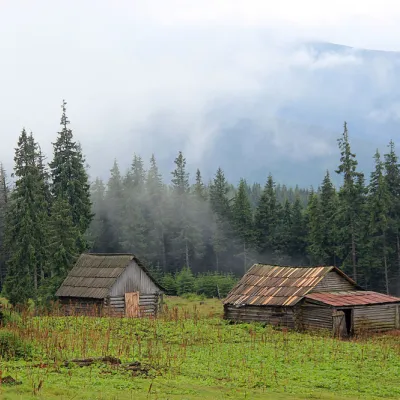 Mountain meadow1 440 mPolonyna Kukul (Kukul), VoronenkoVoronenkoPolonyna Kukul is a mountain meadow in the Ukrainian Carpathians, within the Kukul ridge (Kukul mountain - 1539 m),...
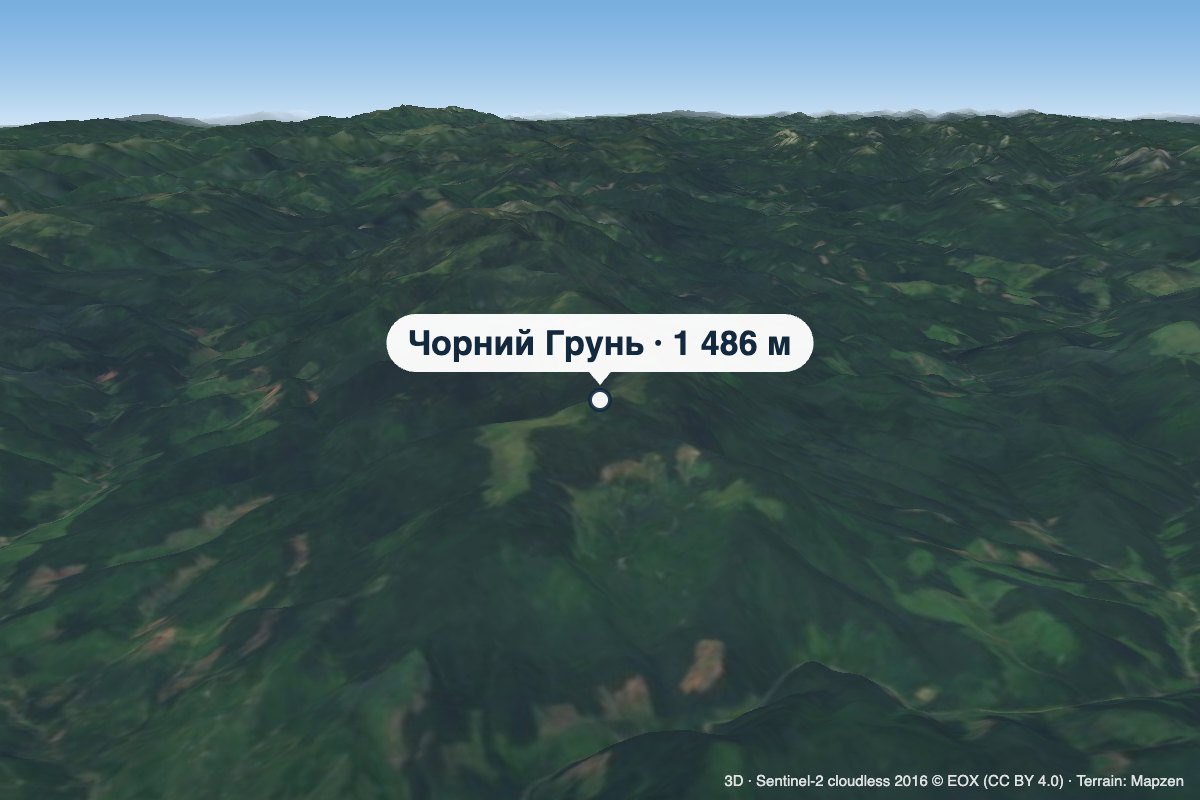 PeakMount Chornyi HrunChorna Tysaaltitude 1 486 m · Gorgany rangeChornyi Hrun is a 1,486 m mountain in the Gorgany, at the south-eastern end of the Bratkivskyi Ridge.
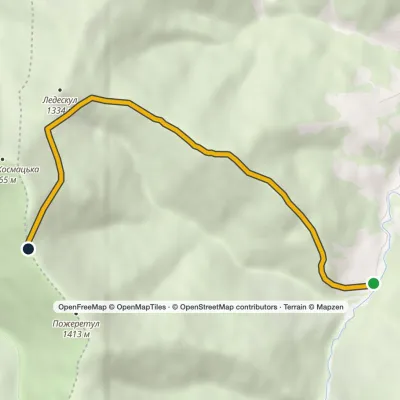 EasyOne-dayMarkedTo Mount PozheratulElevation profile788–1 447 m6.2 kmascent 720 m≈ 3 h walking
Trails and peaks near which naturalists recorded the species (GBIF, iNaturalist), matched by altitude and habitat. Sightings are not guaranteed.
Similar species
Sources
- Вікіпедія: Шафран карпатський
- Наказ Міндовкілля від 15.02.2021 № 111: Перелік видів рослин та грибів, що заносяться до Червоної книги України
- GBIF: список рослин і грибів Червоної книги України за наказом № 111 (з категоріями)
- Вікіпедія: Пізньоцвіт осінній
GBIF · iNaturalist · Wikidata · Distribution data: GBIF.org (CC0 and CC BY records), iNaturalist; names and identifiers: Wikidata (CC0). Text: Karpaty.rocks, checked 09.11.2026.
