Devil's fingers
Never identify a mushroom from a photo alone. If in doubt, leave it. In case of poisoning call 112 (103 in Ukraine) at once.
About
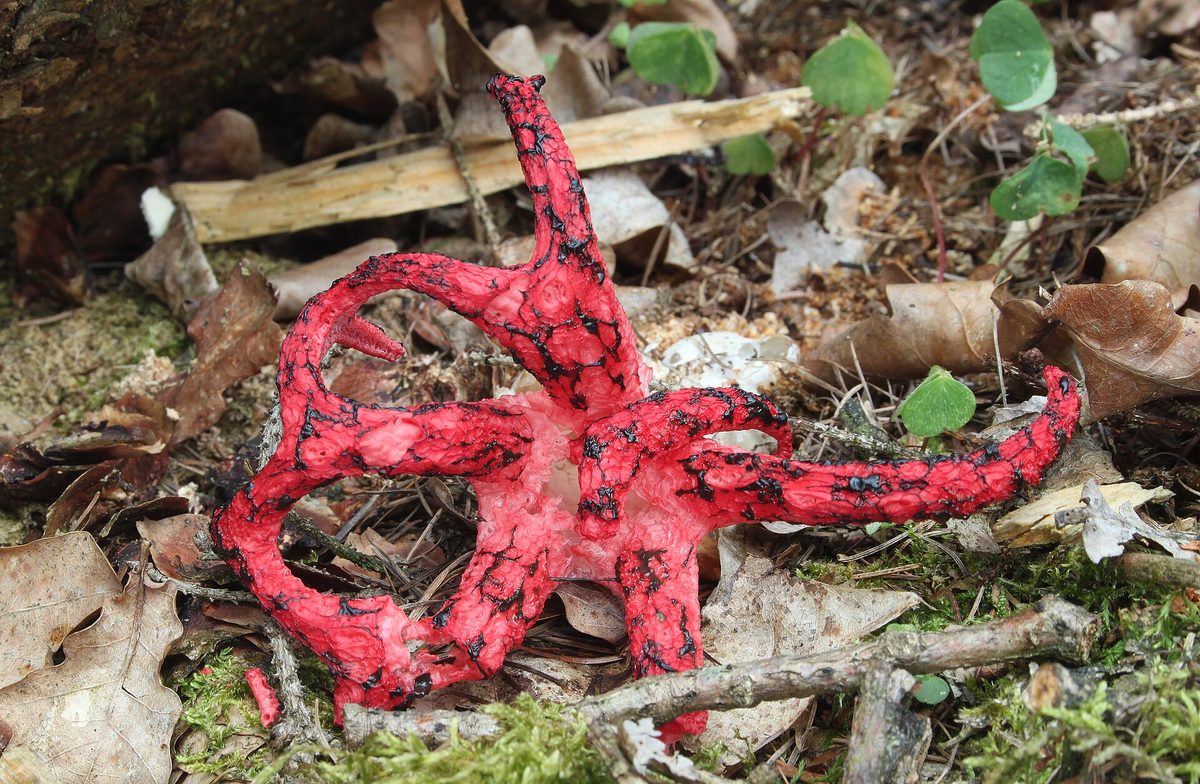
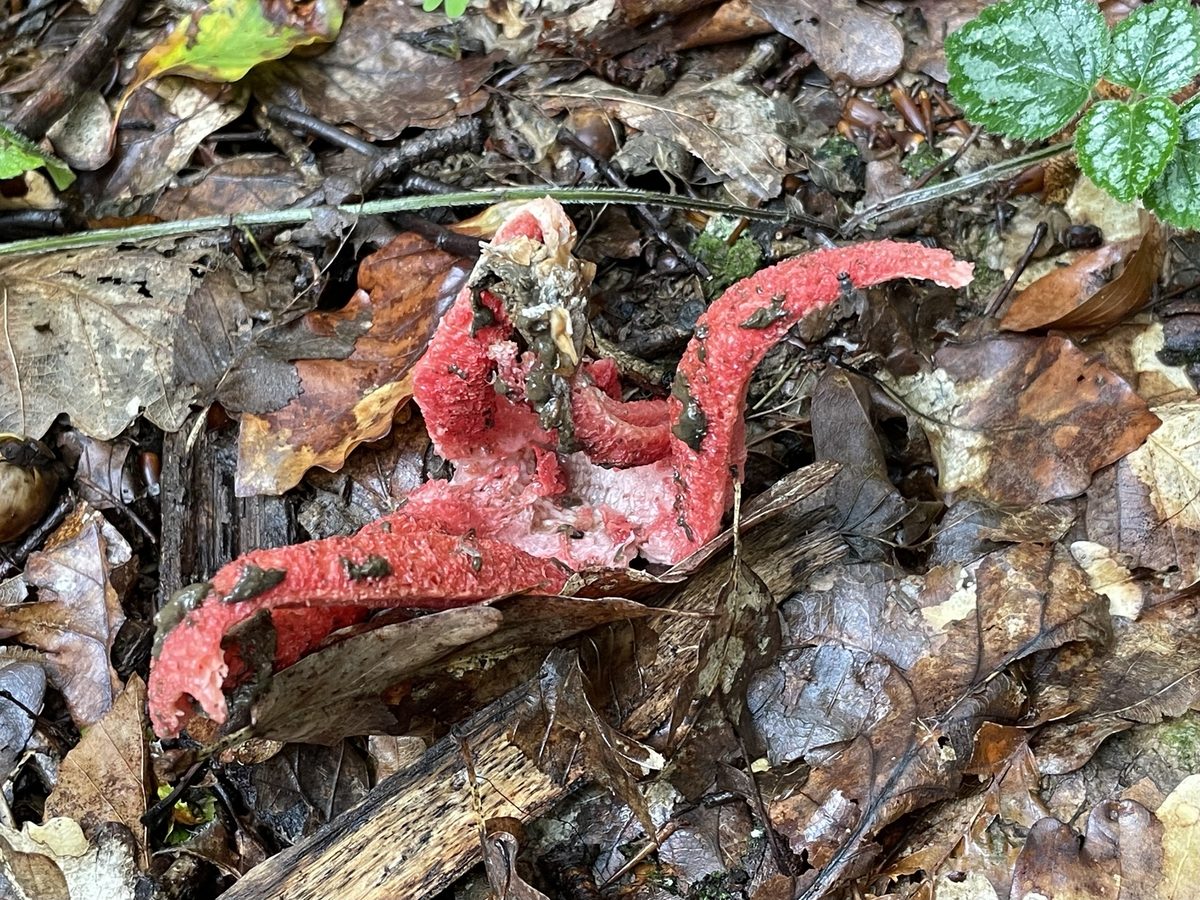
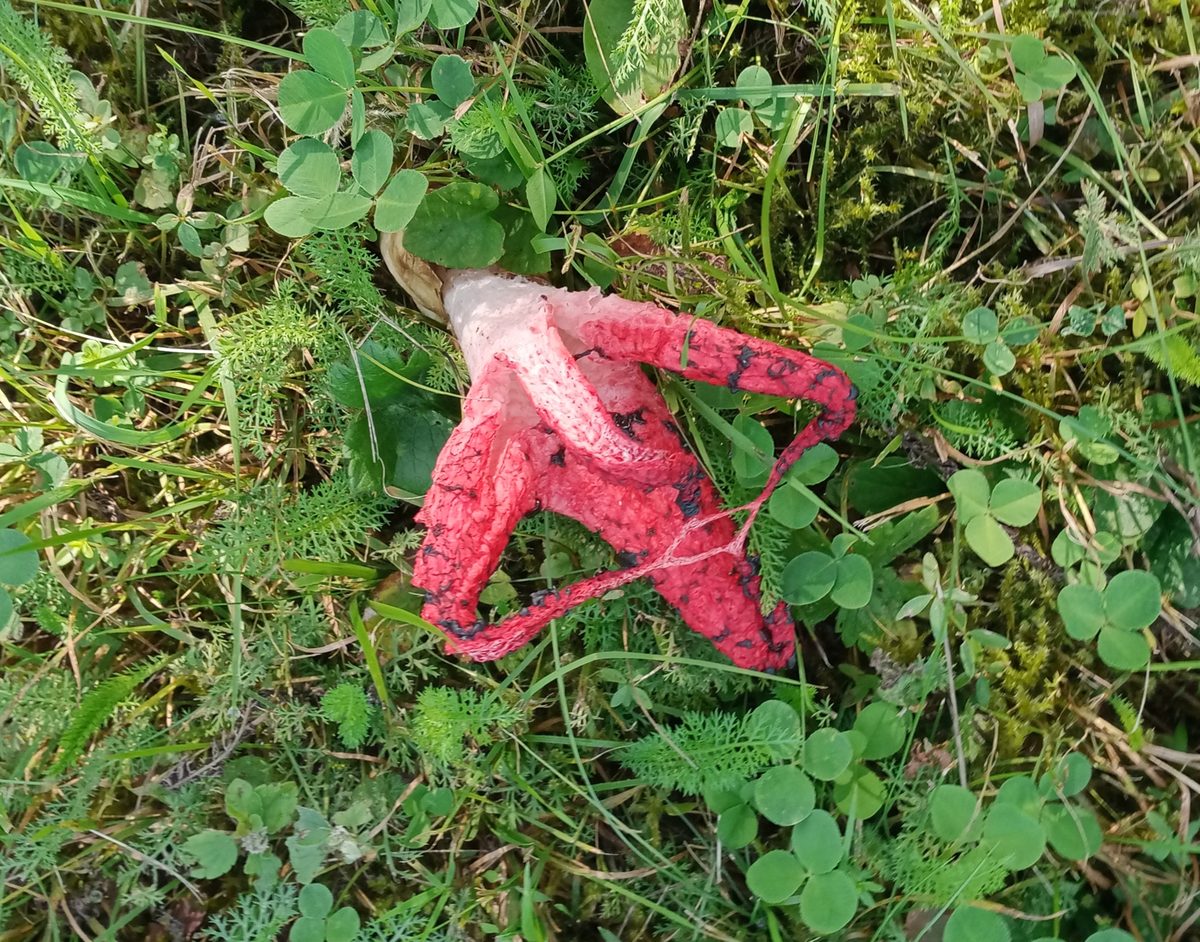
Clathrus archeri is the most bizarre mushroom of the Carpathian forests. Initially, it resembles a whitish or pinkish 'egg' 3–5 cm in size, half-buried in the ground. Then the shell splits, and within a few hours, four to eight red arms up to 10 cm long unfold. At first, they are connected at the tips, then spread out like a star and bend back, resembling the tentacles of an octopus.
The inner side of the arms is covered with dark olive slime containing spores, which has a strong smell of carrion. The odor attracts flies: they land on the mushroom, consume the slime, and disperse the spores. Within a day or two, the fruiting body wilts.
The species is native to Australia and New Zealand. It arrived in Europe in the early 20th century, likely with wool or soil, and has since spread across the continent. In Ukraine, it was first found in Transcarpathia in the 1970s. Currently, it is common in the Ukrainian Carpathians: naturalists record it in forest clearings, edges, pastures, meadows, and parks, most often from July to October.
Previously, Clathrus archeri was listed in the Red Book of Ukraine, but in 2021 it was removed: it is an alien species that successfully spreads on its own.
The mushroom is inedible. It is safe to touch, although the smell lingers on the hands. If you find an 'egg', do not dig it up — it is better to return the next day and see how it has opened.
Where in the Carpathians

Orange — where naturalists recorded the species (GBIF, CC0/CC BY). It occurs only locally, so we draw no approximate range; a blank area does not mean it is absent.
- Countries
- Ukraine · Poland · Czechia · Romania · Slovakia
- Mountain ranges
- Pokuttia-Bukovina Carpathians, Rivna Polonyna, Skole Beskids, Vihorlat-Gutin Volcanic Ridge, Maramureș Mountains
- Altitude belts
- Foothills (below 600 m) · Beech forests (600–1200 m)
When to see it
| Jan | Feb | Mar | Apr | May | Jun | Jul | Aug | Sep | Oct | Nov | Dec | |
|---|---|---|---|---|---|---|---|---|---|---|---|---|
| Sightings |
From naturalists’ observations in the Carpathians (iNaturalist, research grade): the darker the cell, the more often the species is seen that month.
Safety
Inedible. Safe to touch, but the slime has a persistent unpleasant odor.
Protection and rules
Not listed in the Red Book of Ukraine: in 2021, the species was removed from the list as an alien.
FAQ
What is the red mushroom that looks like an octopus growing in the Carpathians?
This is Clathrus archeri — a mushroom of Australian origin with red arms and a smell of carrion.
Is Clathrus archeri listed in the Red Book?
No, it was in the Red Book of Ukraine, but it was removed from the list in 2021.
Is Clathrus archeri dangerous?
No, it is safe to touch. The mushroom is inedible and has an unpleasant smell.
Comments
Travellers’ experience: reports, tips, questions.
No one has written here yet. Be the first — your experience helps others.
Similar species
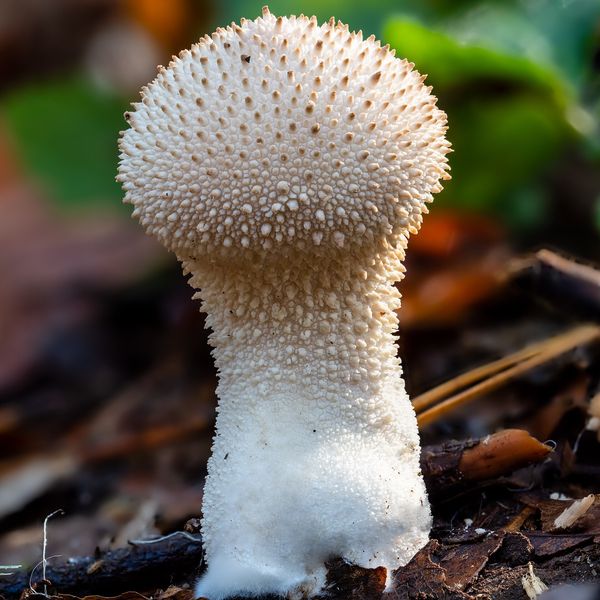
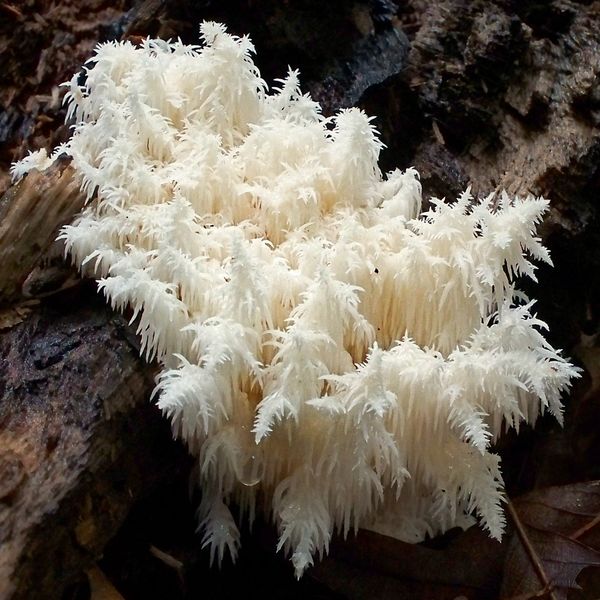
Where to meet it
Trails
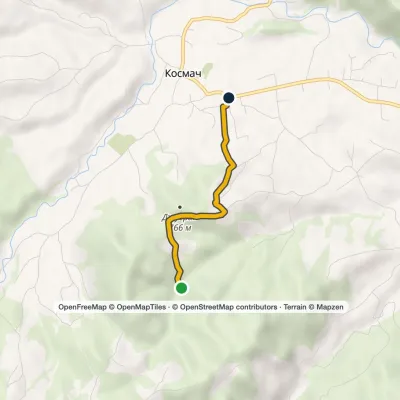 EasyOne-dayMarkedOpryshky RoadElevation profile628–754 m2.5 kmascent 63 m≈ 45 min walking
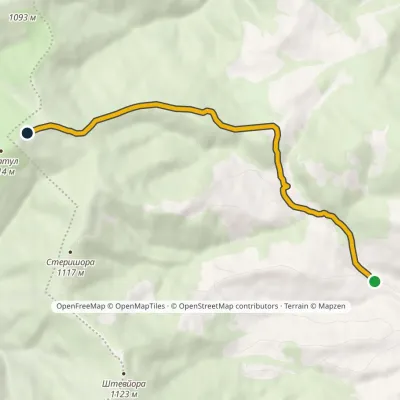 EasyOne-dayMarkedMedvezhyi tract Mount KuratulElevation profile647–1 123 m5.6 kmascent 476 m≈ 2 h walking
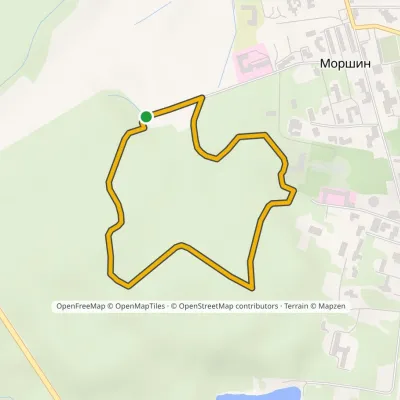 EasyOne-dayMarkedNo. 5007 Morshyn: Nordic walkingElevation profile347–381 m3.2 kmascent 31 m≈ 45 min walking
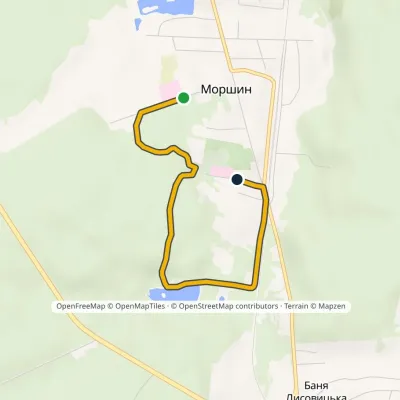 EasyOne-dayMarkedNo. 5008 Morshyn: Nordic walkingElevation profile333–372 m3.6 kmascent 23 m≈ 60 min walking
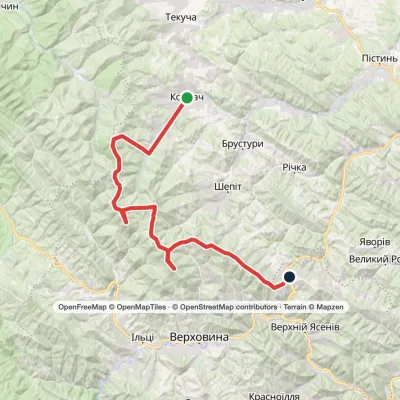 HardTwo-dayKosmach village to Bukovets villagevia Mount Rotylo, Mount Hrehit +1Elevation profile615–1 474 m40.2 kmascent 2 290 m≈ 14 h walking
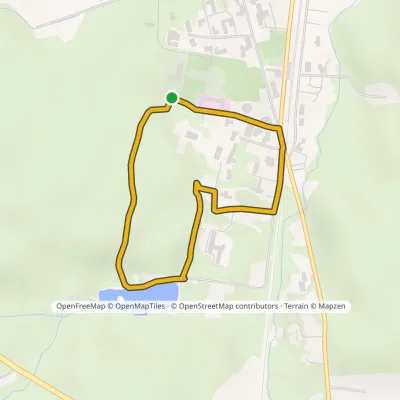 EasyOne-dayMarkedNo. 5006 Morshyn: Nordic walkingElevation profile333–370 m3.1 kmascent 43 m≈ 45 min walking
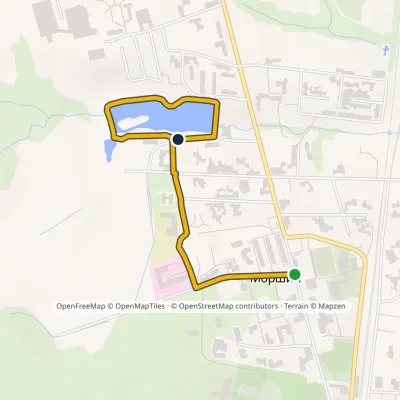 EasyOne-dayMarkedNo. 5005 Morshyn: Nordic walkingElevation profile337–357 m2.1 kmascent 14 m≈ 30 min walking
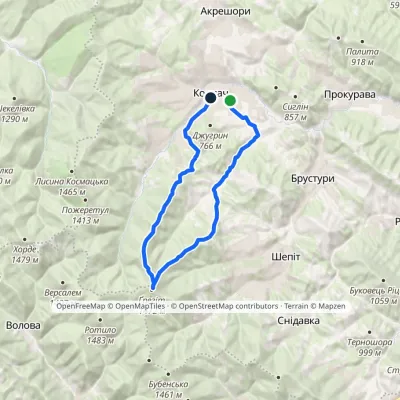 HardOne-dayMarkedKosmach village loopvia Mount HrehitElevation profile584–1 470 m22 kmascent 936 m≈ 7 h walking
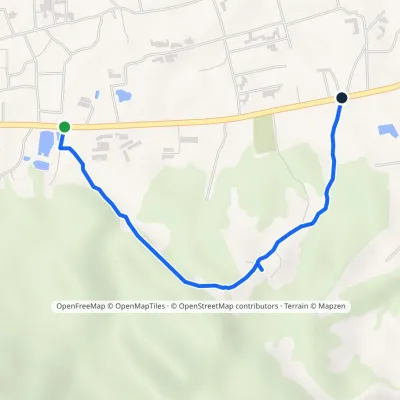 EasyOne-dayMarkedSpring KosivElevation profile369–474 m2.3 kmascent 96 m≈ 45 min walking
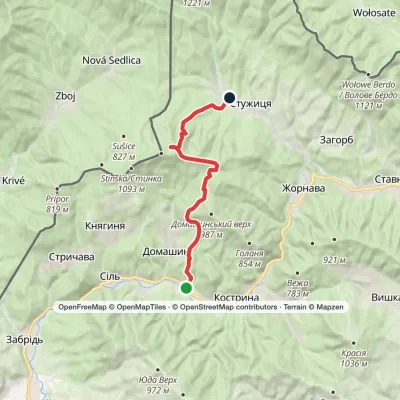 ModerateOne-dayMarkedDubovyi Hai base to Stuzhytsia villagevia Chorni Mlaky tractElevation profile275–975 m15.1 kmascent 794 m≈ 5 h walking
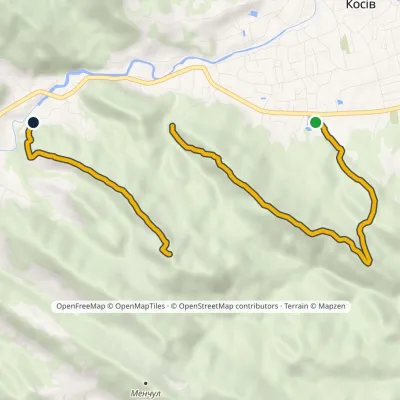 ModerateOne-dayMarkedMount Ostryi Mount Mykhalkiv (yellow trail)Elevation profile382–812 m7.7 kmascent 652 m≈ 3 h walking
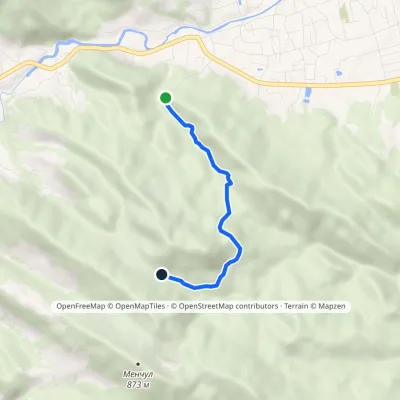 EasyOne-dayMarkedMount Ostryi Mount Mykhalkiv (blue trail)Elevation profile477–700 m3.4 kmascent 274 m≈ 1.5 h walking
Mountain ranges: Pokuttia-Bukovina Carpathians, Rivna Polonyna, Skole Beskids, Vihorlat-Gutin Volcanic Ridge, Maramureș Mountains
Trails and peaks near which naturalists recorded the species (GBIF, iNaturalist), matched by altitude and habitat. Sightings are not guaranteed.
Sources
- Вікіпедія: Квітохвісник Арчера
- Wikipedia (en): Clathrus archeri
- Наказ № 111, додаток 2: Перелік видів рослин та грибів, що виключені з Червоної книги України (зареєстровано в Мін'юсті за № 371/35993)
- Наказ Міндовкілля від 15.02.2021 № 111: Перелік видів рослин та грибів, що заносяться до Червоної книги України
- iNaturalist: Clathrus archeri (спостереження в Карпатах)
GBIF · iNaturalist · Wikidata · Distribution data: GBIF.org (CC0 and CC BY records), iNaturalist; names and identifiers: Wikidata (CC0). Text: Karpaty.rocks, checked 11.11.2026.
