Blusher
Never identify a mushroom from a photo alone. If in doubt, leave it. In case of poisoning call 112 (103 in Ukraine) at once.
About
Blusher is a common mushroom in deciduous and coniferous forests throughout Ukraine, including the Carpathians. Fruiting bodies appear from July to October. Ukrainian guides classify it as conditionally edible, but this mushroom requires special caution from foragers.
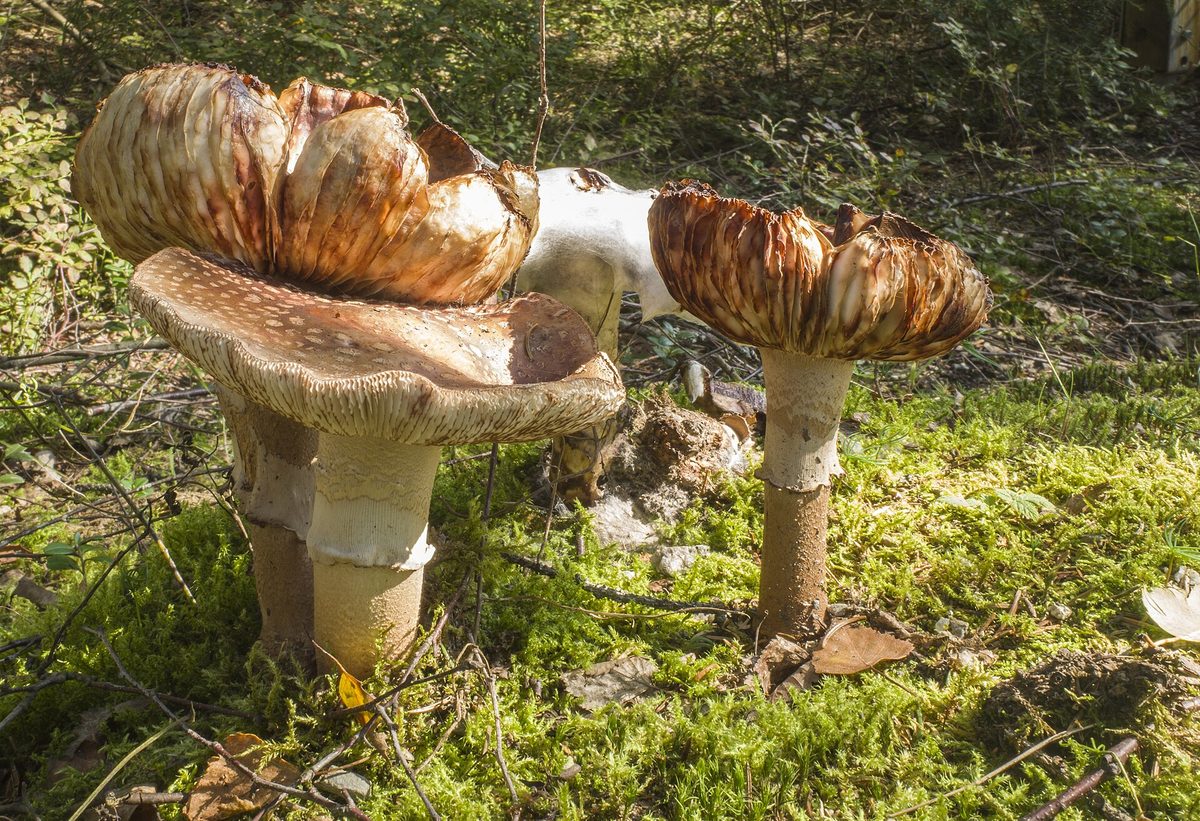
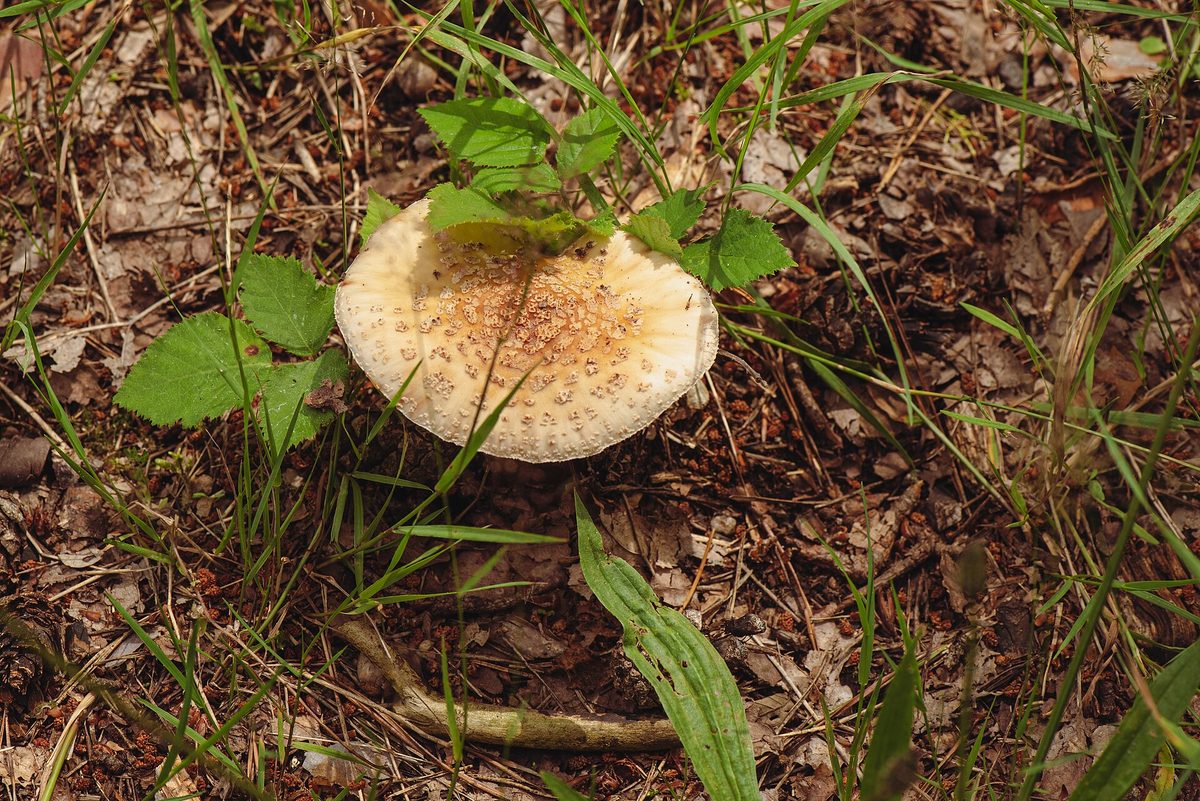
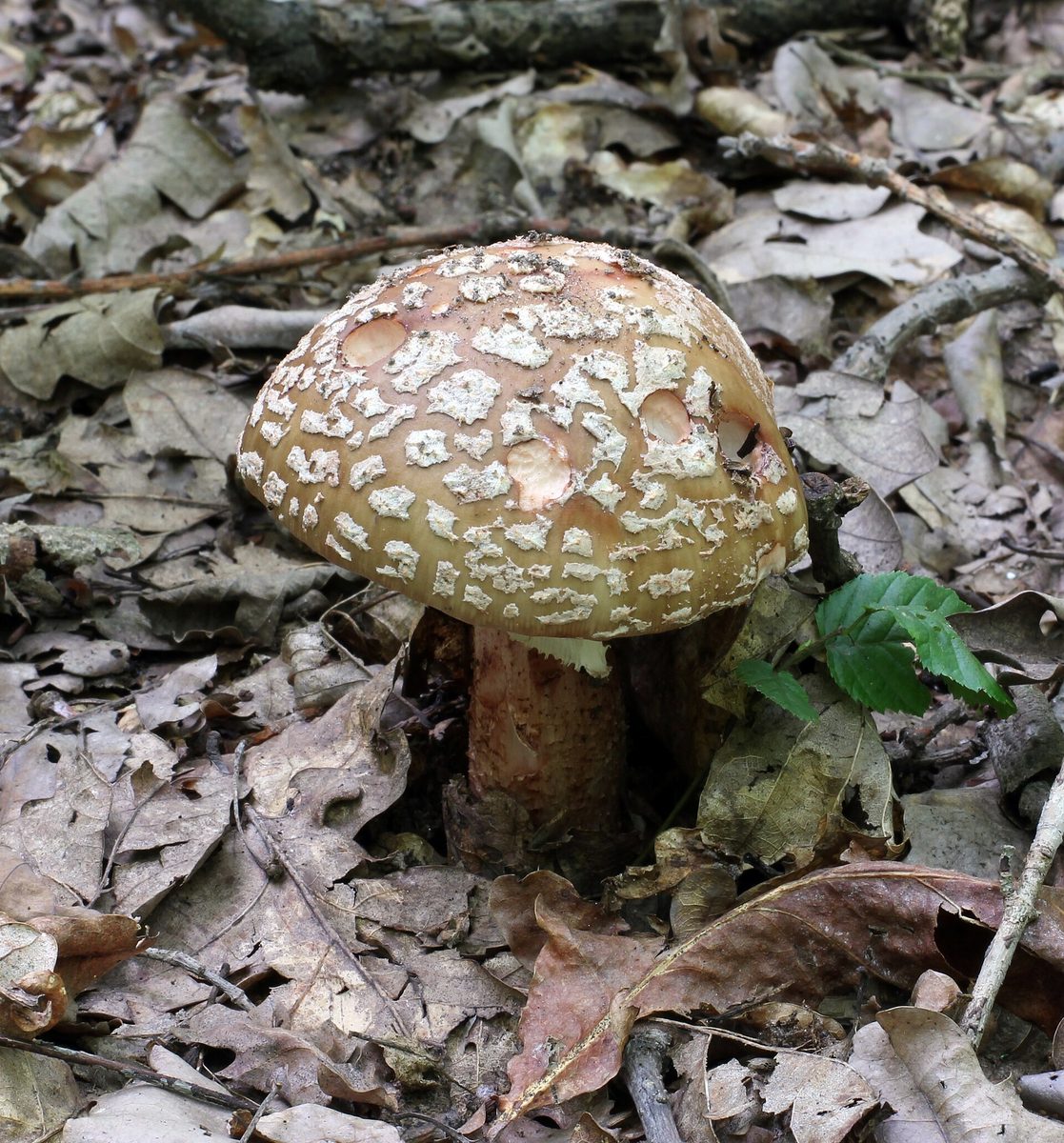
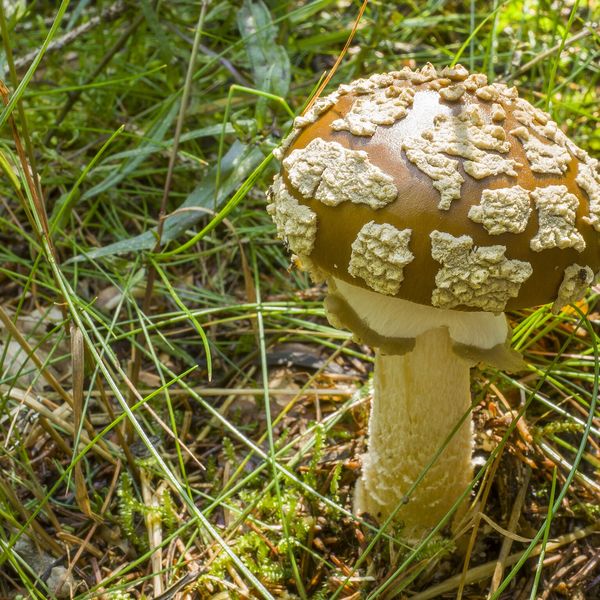
The cap is 5–15 cm, grayish or reddish-brown, sometimes with a purplish tint, covered with small whitish or dirty-pink warts. The gills are white, with reddish spots in damaged areas. The stem is the color of the cap or lighter, with a broad hanging ring, on the upper side of which fine striations are visible, and at the base, it has a swollen bulb. The main feature is the flesh, which reddens and turns pink slowly when broken and under the skin and in the larval tunnels.
The raw mushroom is poisonous: it contains a protein that destroys red blood cells. During thorough boiling, it breaks down, which is why guides consider this mushroom edible only after heat treatment. Some authors still classify it as poisonous.
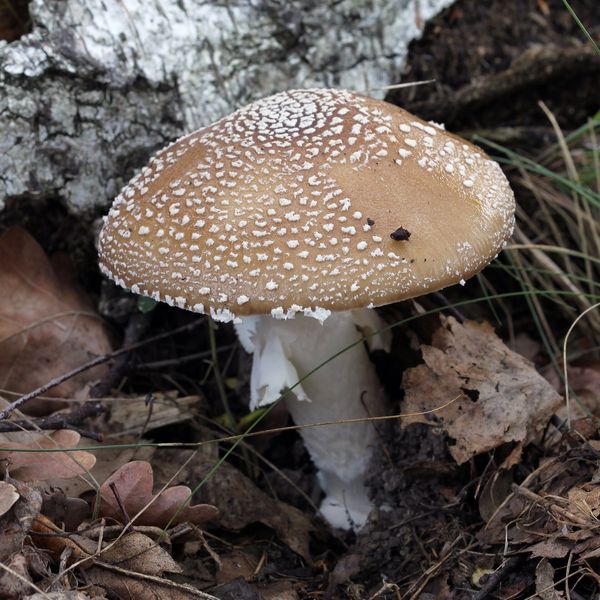
Danger in the lookalike. The Panther Cap is a poisonous mushroom with a brown cap and white scales that never reddens, its ring is smooth, without striations, and the bulb has a distinct bordered edge. Only experienced foragers can confidently distinguish them. We advise beginners not to collect Blusher at all, but to photograph and observe it in the forest for learning.
Where in the Carpathians

The map shows where naturalists recorded the species (GBIF, CC0 and CC BY records), not every place it lives. The Ukrainian Carpathians are less studied, so a blank area does not mean the species is absent.
- Countries
- Ukraine · Slovakia · Romania · Poland · Hungary · Austria · Czechia · Serbia
- Mountain ranges
- Gorgany, Low Tatras, Skole Beskids, Piatra Craiului, Mátra, Krasna Polonyna, Poiana Ruscă Mountains, Harghita and Gurghiu Mountains, Bihor-Vlădeasa Mountains, Maramureș Mountains
- Altitude belts
- Foothills (below 600 m) · Beech forests (600–1200 m)
When to see it
| Jan | Feb | Mar | Apr | May | Jun | Jul | Aug | Sep | Oct | Nov | Dec | |
|---|---|---|---|---|---|---|---|---|---|---|---|---|
| Sightings |
From naturalists’ observations in the Carpathians (iNaturalist, research grade): the darker the cell, the more often the species is seen that month.
Safety
Raw is poisonous; conditionally edible only after thorough boiling. Due to its similarity to the Panther Cap, we do not recommend beginners to collect it. Mushroom dishes should not be given to children under 12 years old. In case of suspected poisoning, call 103 (or 112).
Look-alikes — how to tell them apart
Flesh is white and does not redden when broken; the ring is smooth, without striations; the bulb has a distinct bordered edge; cap is brown with pure white scales.
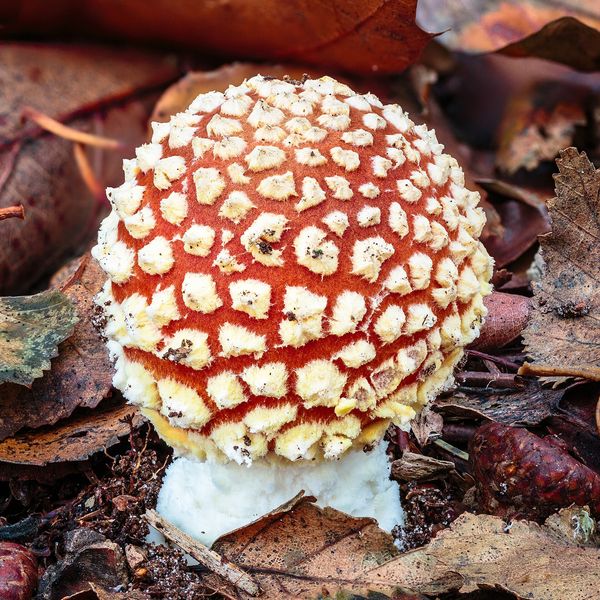
Scales on the cap are yellowish, flesh under the skin is yellowish and does not redden; grows mainly under spruces.
Protection and rules
Not protected.
FAQ
Is Blusher edible?
Conditionally: only after thorough boiling, as it is poisonous when raw. Some guides classify it as poisonous. It is better for beginners not to collect it due to its similarity to the Panther Cap.
How to distinguish Blusher from Panther Cap?
Break or cut the mushroom and wait: in Blusher, the flesh gradually reddens, and the ring has striations on top. In Panther Cap, the flesh remains white, the ring is smooth, and the bulb has a distinct bordered edge.
Similar species
Where to meet it
Trails
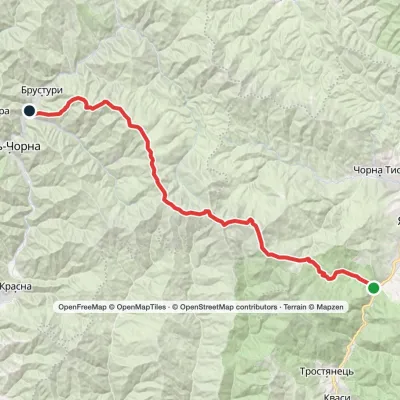 HardMulti-dayYasinia to Lopukhiv villagevia Mount Stih, Mount Troiaska +1Elevation profile577–1 762 m40.3 kmascent 1 923 m≈ 14 h walking
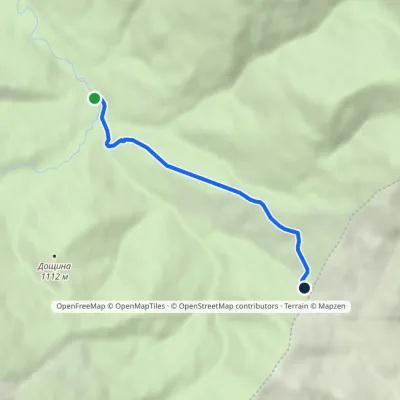 EasyOne-dayMarkedMezhyriky Vivchyna polonynaElevation profile854–1 048 m3.3 kmascent 193 m≈ 1 h walking
 HardMulti-dayYaremche to Zelena villagevia Divochi Slozy Waterfall, Pereslip PassElevation profile523–996 m28 kmascent 538 m≈ 8 h walking
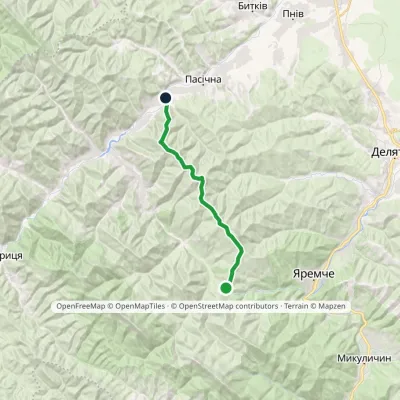 ModerateTwo-dayMarkedPasichna village Pereslop PassElevation profile548–1 324 m17.3 kmascent 1 085 m≈ 6.5 h walking
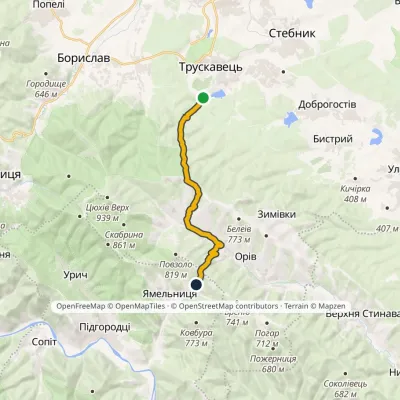 ModerateOne-dayMarkedTruskavets Gotar campsite (Yamelnytsia)Elevation profile377–776 m14.5 kmascent 675 m≈ 5 h walking
 HardTwo-dayKolochava village loopvia Mount Darvaika, Mount NehrovetsElevation profile565–1 687 m21.9 kmascent 1 554 m≈ 8.5 h walking
 HardMulti-dayMarkedPasichna village to Yaremchevia Mount SyniachkaElevation profile516–1 400 m26.7 kmascent 1 156 m≈ 9 h walking
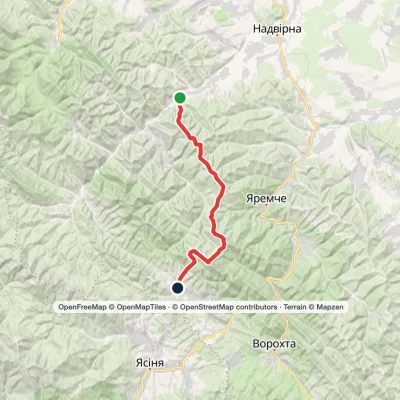 HardMulti-dayPasichna village to Polianytsia villagevia Mount Syniak, Mount Malyi HorhanElevation profile556–1 665 m33.8 kmascent 2 099 m≈ 12.5 h walking
 HardMulti-dayOsmoloda to Stara Huta villagevia Mount Vysoka, Mount Ihrovets +1Elevation profile662–1 836 m33.4 kmascent 1 987 m≈ 12.5 h walking
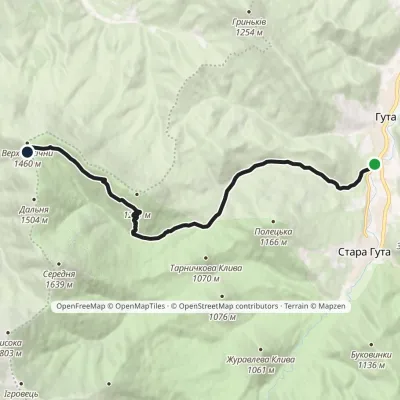 ModerateOne-dayMarkedHuta village Mount PasichnaElevation profile635–1 477 m11.4 kmascent 841 m≈ 4.5 h walking
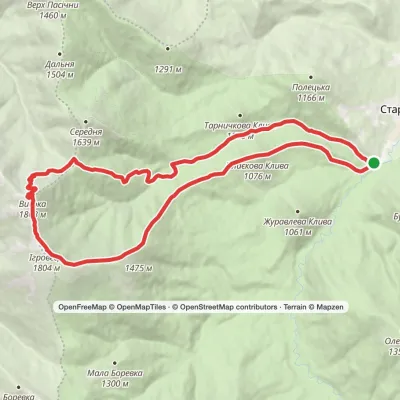 HardTwo-dayStara Huta village loopvia Mount Vysoka, Mount IhrovetsElevation profile703–1 804 m21.2 kmascent 1 269 m≈ 8 h walking
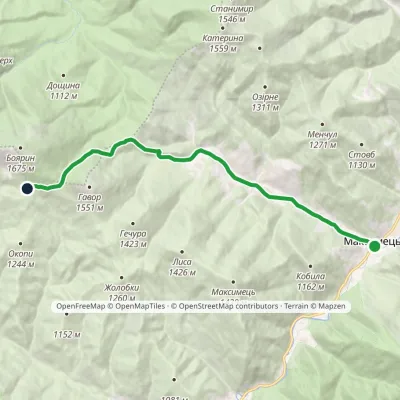 ModerateOne-dayMarkedMaksymets village Stremena polonynaElevation profile669–1 353 m10.8 kmascent 684 m≈ 4 h walking
Mountain ranges: Gorgany, Skole Beskids, Krasna Polonyna, Maramureș Mountains, Polonynian Ridge. In other countries: 🇸🇰 Low Tatras, 🇷🇴 Piatra Craiului, 🇭🇺 Mátra, 🇷🇴 Poiana Ruscă Mountains, 🇷🇴 Harghita and Gurghiu Mountains, 🇷🇴 Bihor-Vlădeasa Mountains, 🇷🇸 Kučaj Mountains and Beljanica, 🇸🇰 Little Carpathians, 🇵🇱 Silesian Beskids
Trails and peaks near which naturalists recorded the species (GBIF, iNaturalist), matched by altitude and habitat. Sightings are not guaranteed.
Sources
- Вікіпедія: Мухомор червоніючий
- Wikipedia (en): Amanita rubescens
- Wikipedia (en): Amanita pantherina
- МОЗ України: отруєння грибами — профілактика та перша допомога
- iNaturalist: Amanita rubescens (спостереження в Карпатах)
GBIF · iNaturalist · Wikidata · Distribution data: GBIF.org (CC0 and CC BY records), iNaturalist; names and identifiers: Wikidata (CC0). Text: Karpaty.rocks, checked 09.11.2026.
