Strudel
What it is
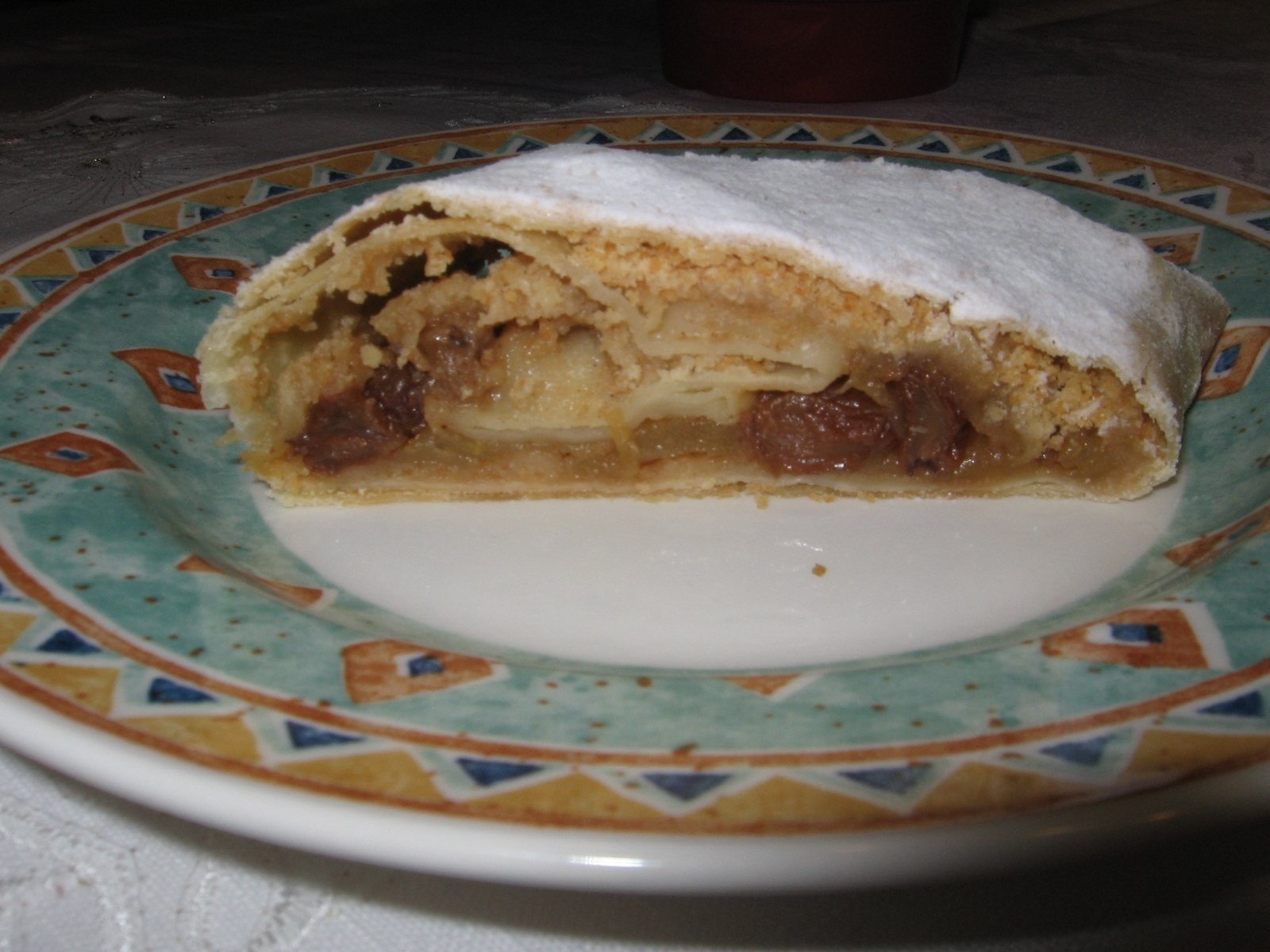
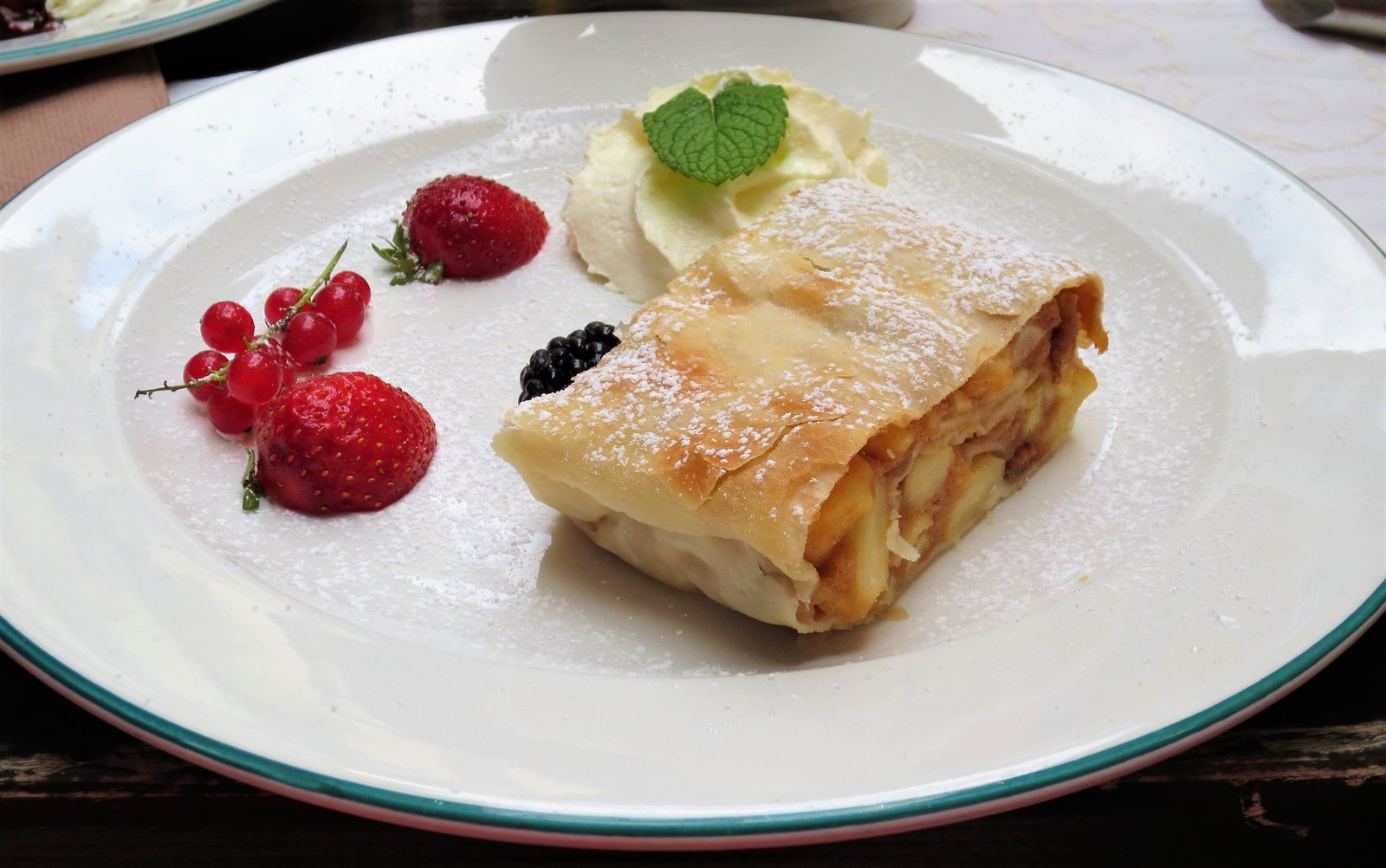
Strudel, or штрудель, is a roll made from unleavened dough with a filling. The dough is kneaded from flour, water, a pinch of salt, and oil, beaten for a long time, allowed to rest, and then stretched by hand on a floured tablecloth so thin that a pattern can be seen through it.
The dough is brushed with melted butter, sprinkled with toasted breadcrumbs, filled with a mixture—most often sour apples with sugar, cinnamon, and raisins, as well as poppy seeds, cheese, or cherries—and rolled into a long roll using the tablecloth. It is baked until golden brown, brushed with butter several times to prevent the dough from drying out.
It is served warm, sprinkled with powdered sugar, alongside coffee.
The most common is apple strudel, but in Galicia, it is also baked with poppy seeds, cheese, or cherries. The taste of Lviv's strudels, sachertorte, and pishingers is said by the authors of the magazine 'Ї' to be something that tourists remember better than historical dates.
History and name
Strudel is a signature pastry of Viennese cuisine. Little is known about its origins: the unleavened dough is associated with Balkan, Turkish, or even Byzantine layered products, and it received its German name (Strudel—'whirlpool') in the 18th century. Throughout the former Austro-Hungarian Empire, strudel became a staple: for Hungarians, it is rétes, and for Slovaks, štrúdľa.
Strudel came to Galicia with Austrian urban culture and, along with sachertorte and pishinger, became part of Lviv's cuisine. This is an Austrian heritage of the city, not a mountain dish; in Transcarpathia, the same pastry from Hungarian tradition is called rítés.
Ingredients and allergens
Variant: with apples
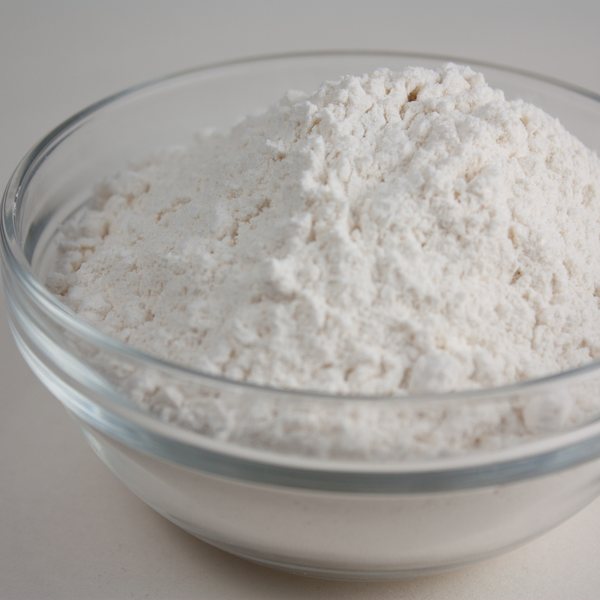
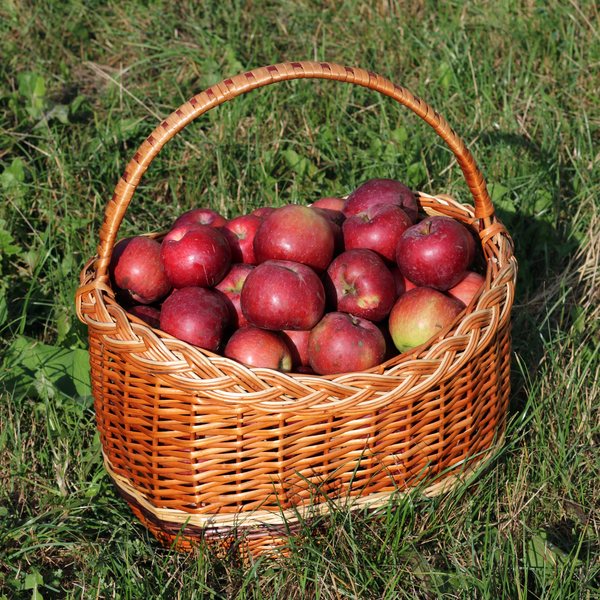
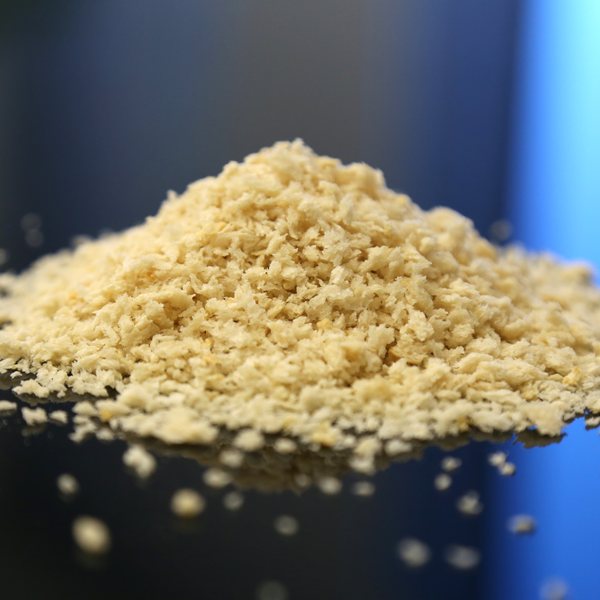
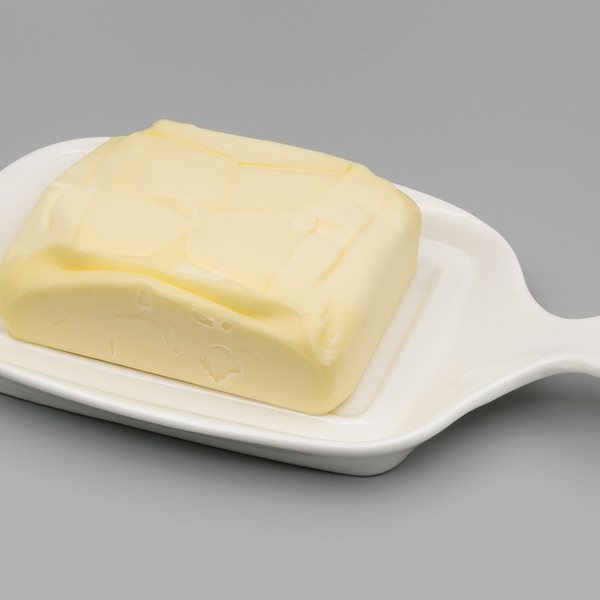
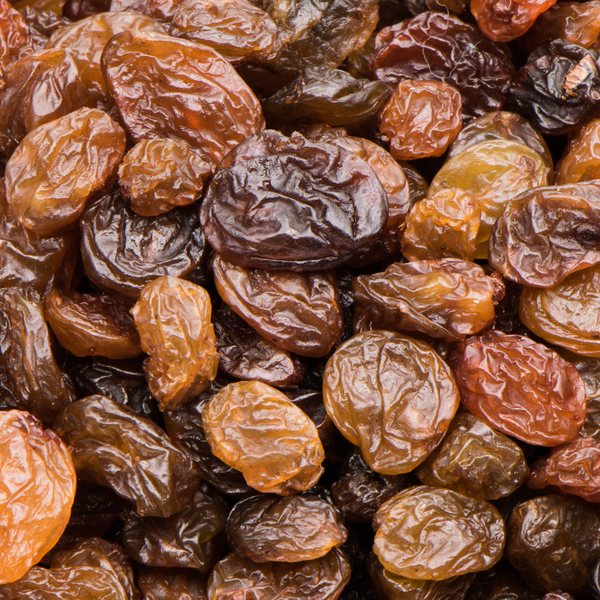
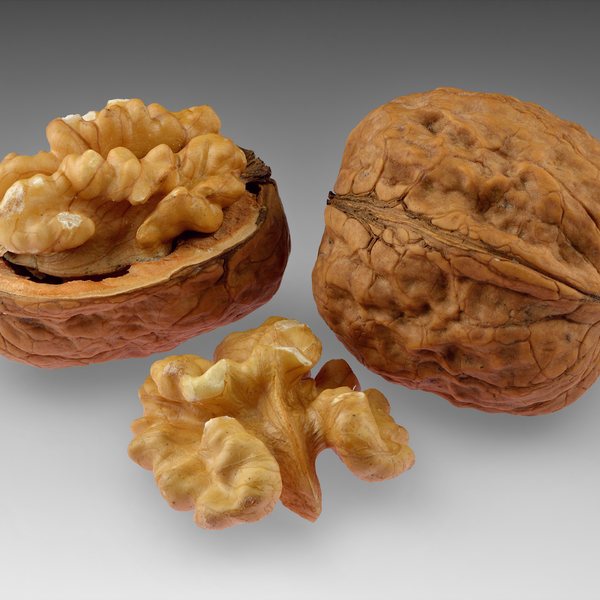
Also: water (120–150 ml, warm), sunflower oil (2–3 tbsp), salt (a pinch), sugar (80–150 g), cinnamon (1 tsp), powdered sugar (for sprinkling, to serve)
Contains allergens: gluten, milk
Depending on how it is served, may contain: tree nuts
Diet: vegetarian
Variant: with poppy seeds
wheat flour, water, sunflower oil, poppy seeds, sugar, honey, raisins, butter
Contains allergens: gluten, milk
Diet: vegetarian
Variant: with cheese
wheat flour, water, sunflower oil, curd cheese (tvaroh), eggs, sugar, lemon (zest and juice), raisins, butter
Contains allergens: gluten, milk, eggs
Diet: vegetarian
Ingredients of the traditional recipe; every cook and every place may do it differently — please ask when ordering. We cannot guarantee the absence of allergens or traces.
How it is made
The unleavened dough is made without yeast and almost without sugar: flour is kneaded with warm water, a pinch of salt, and oil, beaten on the table until it becomes smooth and elastic, and allowed to rest under a warm bowl. Then it is first rolled out, and then carefully stretched by hand from underneath on a large tablecloth sprinkled with flour until the dough becomes almost transparent; thick edges are trimmed.
The dough is sprayed with melted butter, sprinkled with toasted breadcrumbs, and filled with the mixture. By lifting the tablecloth, a long roll is formed, placed seam-side down on a baking sheet, brushed with butter, and baked in a hot oven until golden brown, brushing it several more times.
Video
 ВИШНЕВИЙ ШТРУДЕЛЬ: покроковий рецепт~~Штрудель з вишнями відео ~~Тісто для штруделя~~| Смаколик.юаСмаколик.юа Марія Михальченко
Where it is eaten

The area is approximate and based on the sources below. The dish is cooked outside it too, and ethnographic borders are blurred.
Lviv and the Galician towns and villages of Lviv region; urban tradition, not mountain. Austrian heritage.
When it is eaten
| Jan | Feb | Mar | Apr | May | Jun | Jul | Aug | Sep | Oct | Nov | Dec |
|---|---|---|---|---|---|---|---|---|---|---|---|
Occasions: Everyday food
FAQ
What is the difference between strudel and rítés?
They are the same pastry made from unleavened dough. Rítés is the Hungarian name used in Transcarpathia; strudel is the Austrian name, common in Lviv and Galicia.
Where did strudel come from in Lviv?
It came with Austrian urban culture when Galicia was part of the Austro-Hungarian Empire, and along with sachertorte and pishinger, it became part of Lviv's urban cuisine.
How to stretch the dough for strudel?
The dough should be beaten for a long time and allowed to rest in warmth. Then it is stretched with the back of the hands on a tablecloth sprinkled with flour until it becomes almost transparent.
Where to try and buy
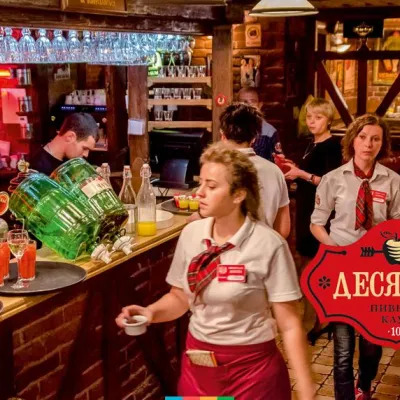 Koliby & Hutsul cuisineПивний клуб та Бістро "Десятка"Ivano-Frankivsk«Десятка» — це два заклади під одним дахом: пивний клуб і бістро в сецесійному будинку початку ХХ століття на розі...
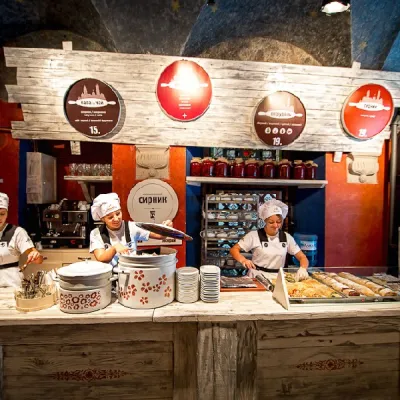 CafeКафе-пекарня "Львівські пляцки"LvivМісце, куди заходять за запахом, а полишають із найсмачнішими спогадами — перша міська пекарня сирників і штруделів ...
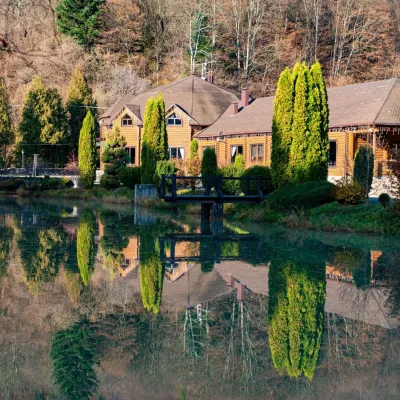 Koliby & Hutsul cuisineZolota Forel restaurant, KorostivKorostivZolota Forel (“Golden Trout”) is a restaurant and hotel complex in the village of Korostiv near Skole, right beside...
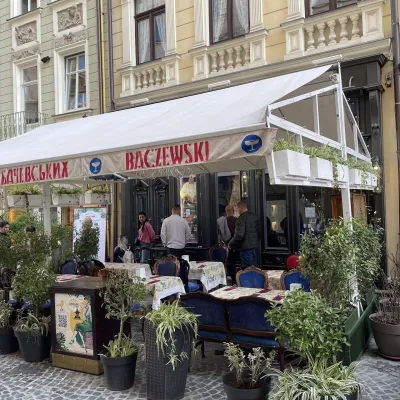 Koliby & Hutsul cuisineBaczewski Restaurant, LvivLvivBaczewski Restaurant is one of Lviv’s best-known places for Galician cuisine, on Shevska Street 8, a few steps from...
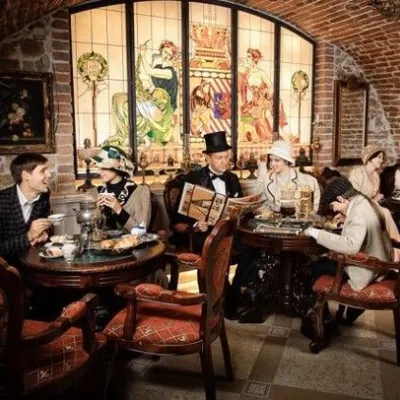 CafeКав’ярня-музей "Гранд Кафе"ChernivtsiАтмосфера старої-доброї Австро-Угорщини, ніби й наче й не в Україні зовсім — кажуть про кав’ярню-музей «Гранд Кафе», ...
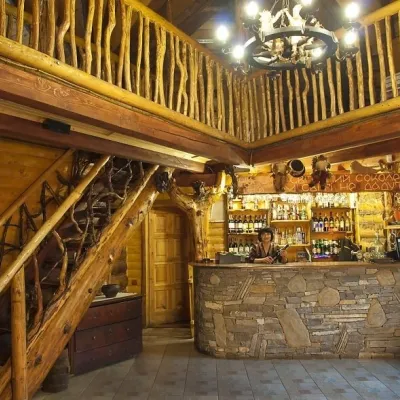 Koliby & Hutsul cuisineNa Penkakh Koliba, YaremcheYaremcheNa Penkakh koliba in Yaremche (“On the Stumps”) sits on quiet Svobody Street, right at the forest edge and near the...
Craft places and restaurants whose menu or description mentions this dish. Menus change — please check availability.
Similar dishes and products
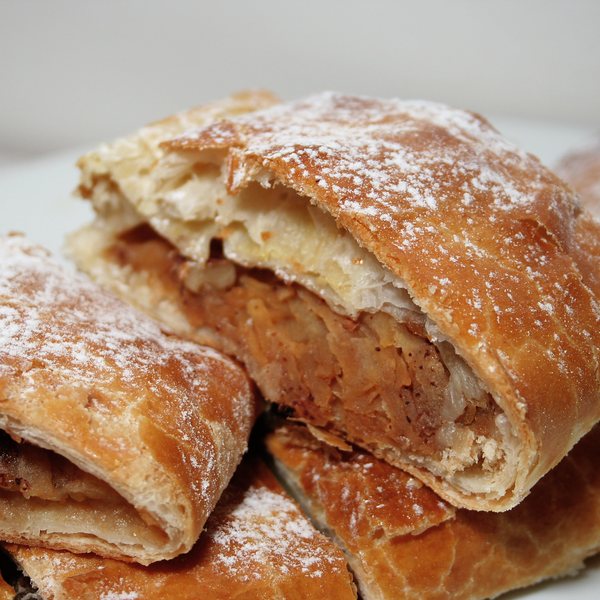
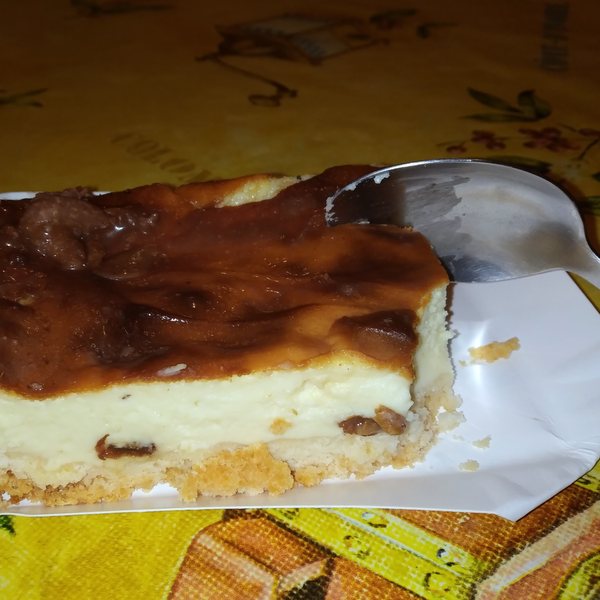
Relatives in the Carpathians and nearby
- Apfelstrudel
close tradition: Viennese apple strudel - rétes · Hungary
family name; in Transcarpathia—rítés
Sources
- Вікіпедія: Струдель
- Формування австрійської кухні // журнал «Ї», ч. 73 «Галицька кухня» (2013)
- Слава Галичині! Колумбу слава! або Кулінарія як спосіб вивчення історії Галичини // журнал «Ї», ч. 73 (2013)
Written by the Karpaty.rocks editors from the sources above. Checked 10.11.2026.
