Ritesh (rétes, strudel)
What it is
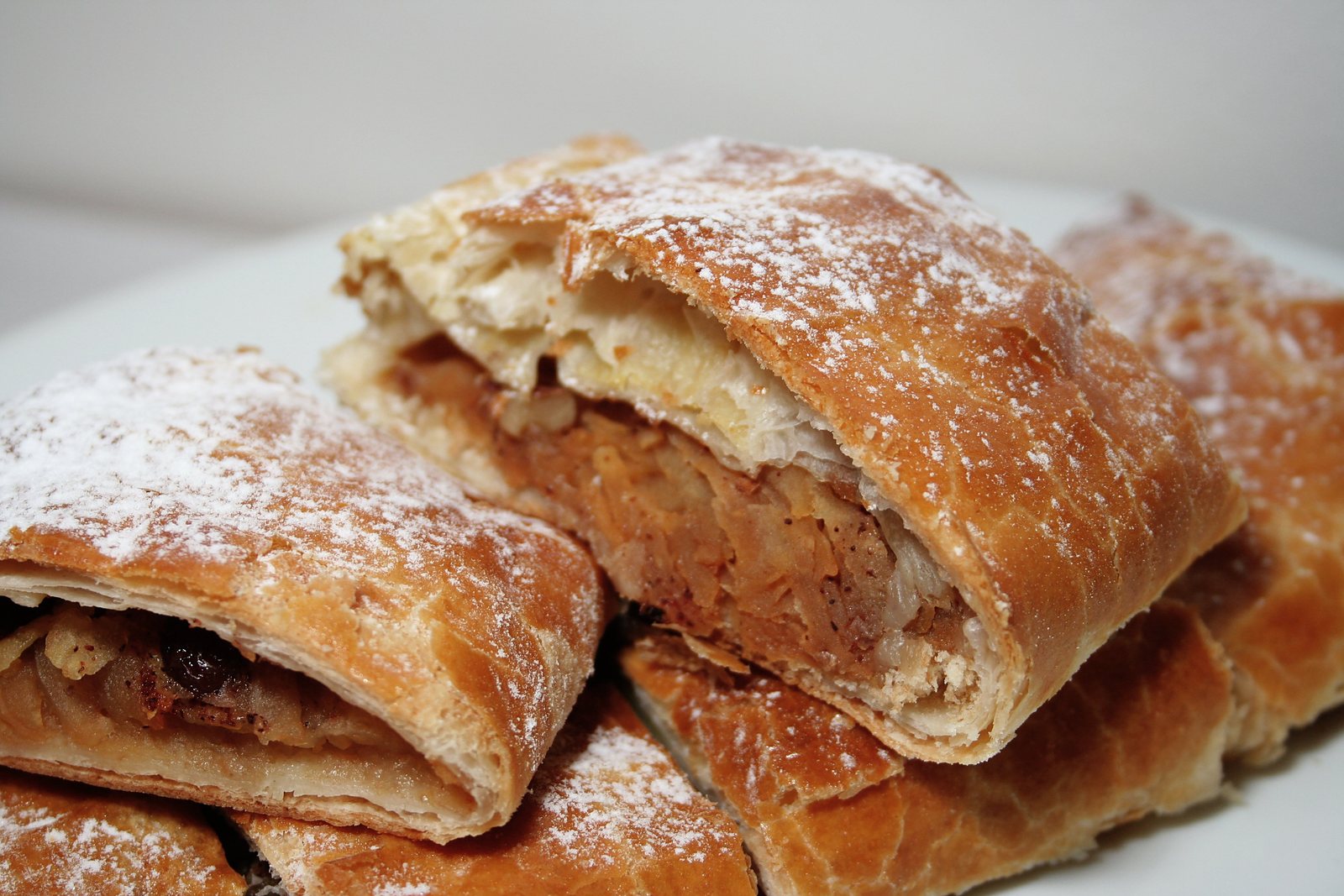
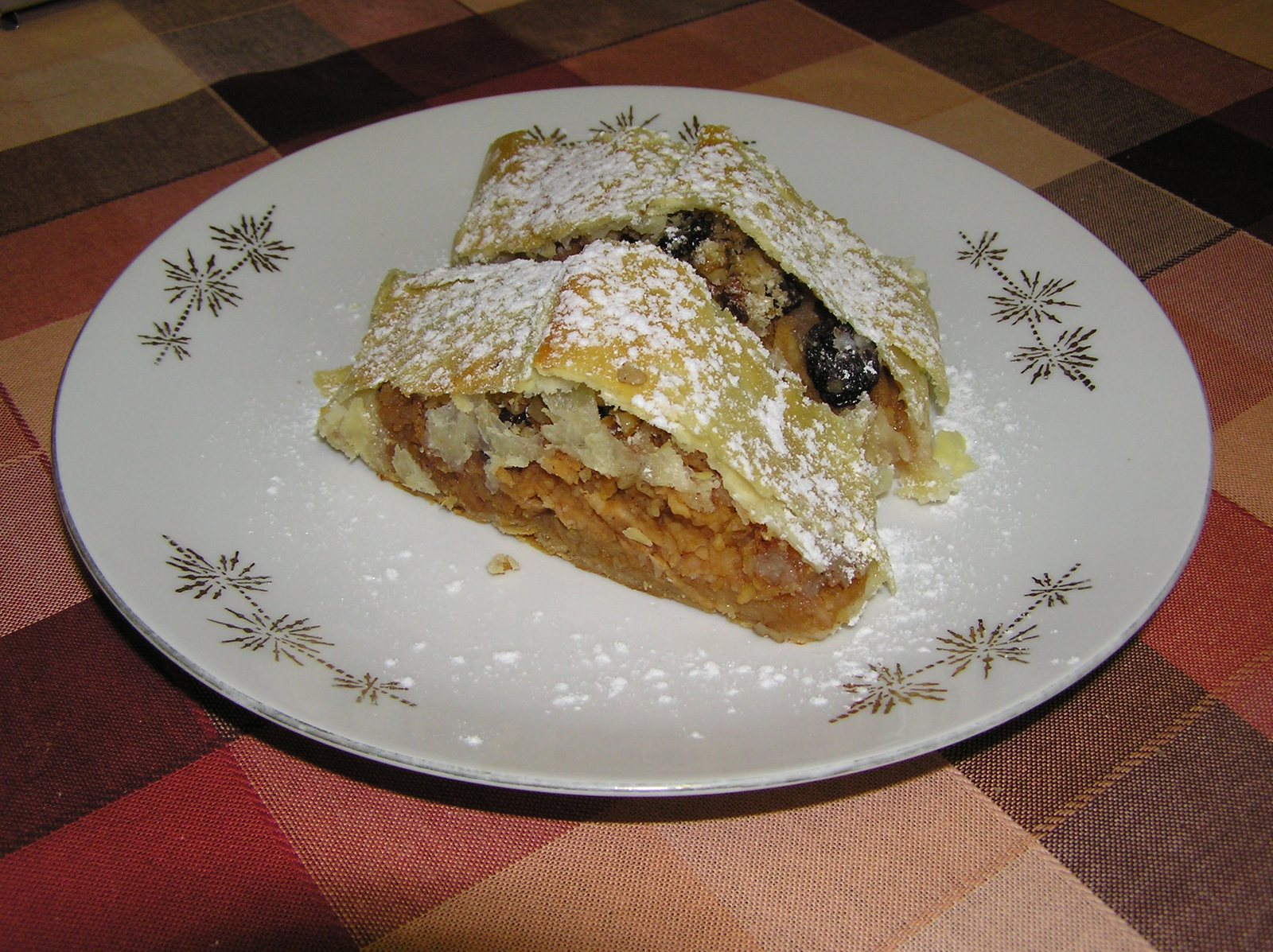
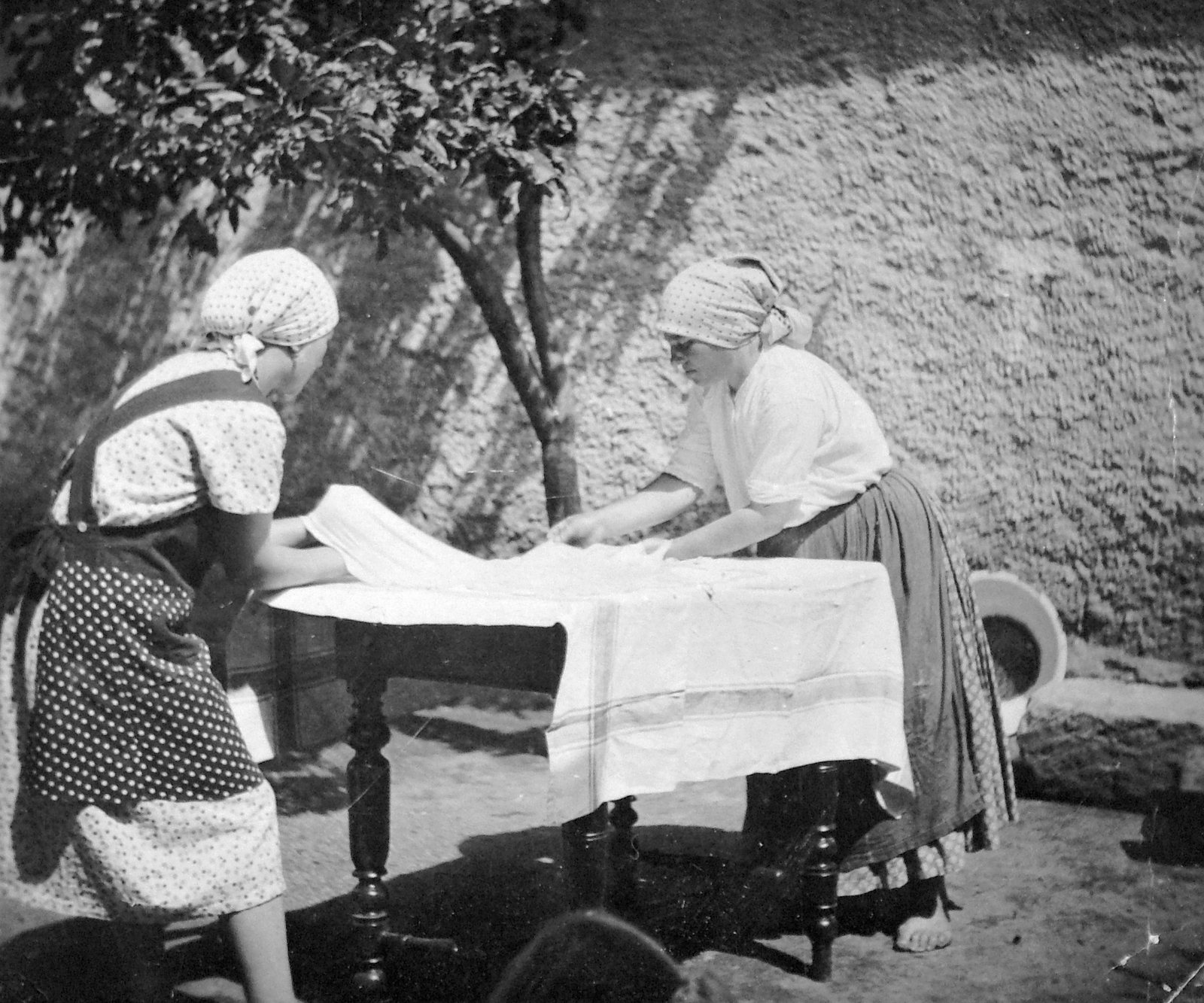
Ritesh, or riytesh (Hungarian: rétes), is the Transcarpathian name for Hungarian strudel. It is made from very soft, well-beaten dough that is stretched by hand on a tablecloth so thin that it becomes almost transparent. The dough is sprinkled with melted fat, filled with the filling, rolled into a long roll using the tablecloth, and baked until it has a crispy golden crust.
Fillings can be sweet or savory: stewed apples with cinnamon, cottage cheese, poppy seeds, walnuts, cherries, pumpkin, and in ancient Hungarian records, even cabbage or rice. The finished ritesh is cut into diagonal pieces and sprinkled with powdered sugar.
In Transcarpathia, ritesh is a hallmark of Hungarian housewives and confectioners: it is baked for holidays and guests, and the tourist route 'Sweet Transcarpathia' lists ritesh among the most popular Hungarian sweets in the region.
History and name
Hungarian researchers believe that the stretched dough entered Hungarian cuisine in the 16th century under Turkish influence — its predecessors were Eastern dishes made from thin dough, such as baklava. Already in a handwritten cookbook from 1795–1799, recorded by a Piarist monk in the town of Banská Štiavnica, there is a recipe for ritesh with sour cream, cheese, rice, poppy seeds, apples, and cabbage.
A Transcarpathian Hungarian researcher connects the love for sweet pastries in the region with German settlers who arrived in Transcarpathia from the 13th–14th centuries, citing ritesh as an example of a dessert that is still very popular in the region.
Ingredients and allergens
Variant: with apples
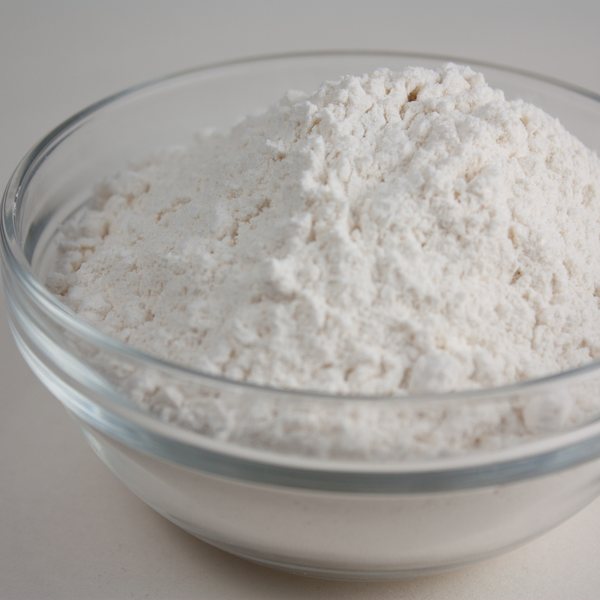
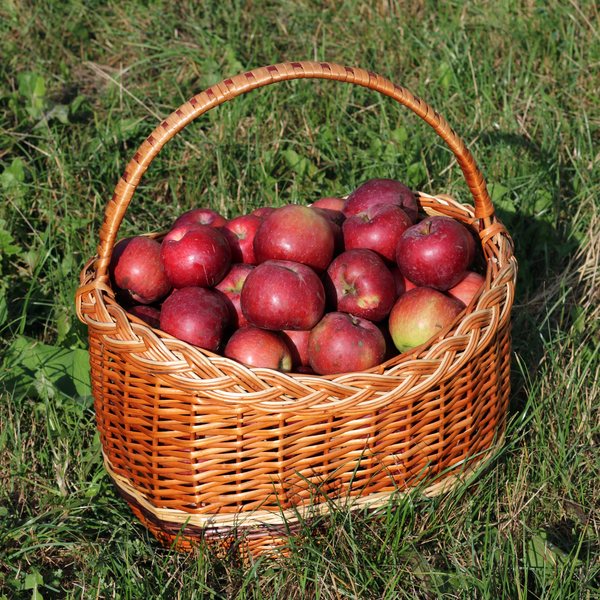
Also: lard (or oil, for the dough and greasing), walnuts (to taste, optional), sugar (to taste)
Contains allergens: gluten, eggs
Depending on how it is served, may contain: tree nuts
Variant: with cheese
wheat flour, eggs, butter, curd cheese (tvaroh), sour cream, sugar
Contains allergens: gluten, milk, eggs
Diet: vegetarian
Variant: with poppy seeds
wheat flour, eggs, butter, poppy seeds, sugar
Contains allergens: gluten, milk, eggs
Diet: vegetarian
Ingredients of the traditional recipe; every cook and every place may do it differently — please ask when ordering. We cannot guarantee the absence of allergens or traces.
How it is made
The dough for ritesh is made from flour, eggs, a pinch of salt, warm water, and a bit of fat, beaten for a long time against the table until it becomes very elastic, and then allowed to rest under a warm bowl. It is then rolled out on a floured tablecloth and carefully stretched with the back of the hands in all directions until the dough becomes transparent. The thick edges are trimmed.
The thin layer is sprinkled with melted lard or butter, allowed to dry slightly, filled with the filling, and rolled up by lifting the tablecloth. It is placed on a greased baking sheet, brushed with fat again, and baked in a hot oven until golden.
Where it is eaten

The area is approximate and based on the sources below. The dish is cooked outside it too, and ethnographic borders are blurred.
Hungarian communities in Transcarpathia are mainly in the lowland and foothill areas of the region; ritesh is also baked in urban bakeries and confectioneries. Specific villages are not mentioned in the sources.
When it is eaten
| Jan | Feb | Mar | Apr | May | Jun | Jul | Aug | Sep | Oct | Nov | Dec |
|---|---|---|---|---|---|---|---|---|---|---|---|
Occasions: Christmas · Easter · Everyday food
In tradition
Ritesh is a festive and hospitable pastry of Hungarian families in Transcarpathia, baked for major holidays and guests; local confectioners also offer it to tourists.
FAQ
What is the difference between ritesh and strudel?
Essentially, it is the same type of pastry made from stretched dough. 'Ritesh' (rétes) is the Hungarian name, while 'strudel' is the German and Austrian term; both are used in Transcarpathia.
How is the dough for ritesh stretched?
The elastic dough is placed on a tablecloth and stretched with the back of the hands from the center to the edges until it becomes transparent. It is then sprinkled with fat and rolled up with the filling using the tablecloth.
Similar dishes and products
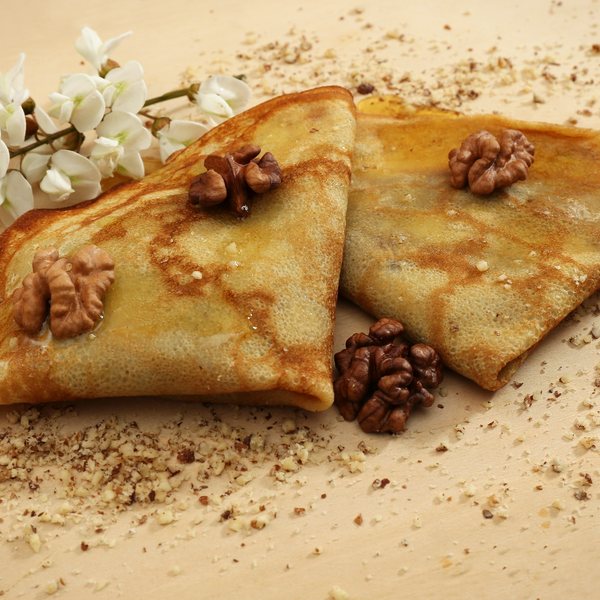
Relatives in the Carpathians and nearby
- rétes · Hungary
family name; Hungarian original - Apfelstrudel
close tradition of Viennese cuisine - štrúdľa · Slovakia
family name
Sources
- Gál M. A beregszászi járás gasztronómiájának kutatása (ЗУІ ім. Ф. Ракоці II, 2022)
- Радіо Свобода: Новий туристичний маршрут «Солодке Закарпаття» (рийтеш)
- Wikipédia: Rétes
- Вікіпедія: Штрудель
Written by the Karpaty.rocks editors from the sources above. Checked 10.11.2026.
