Pidkamin
Ivano-Frankivsk district · Ivano-Frankivsk region


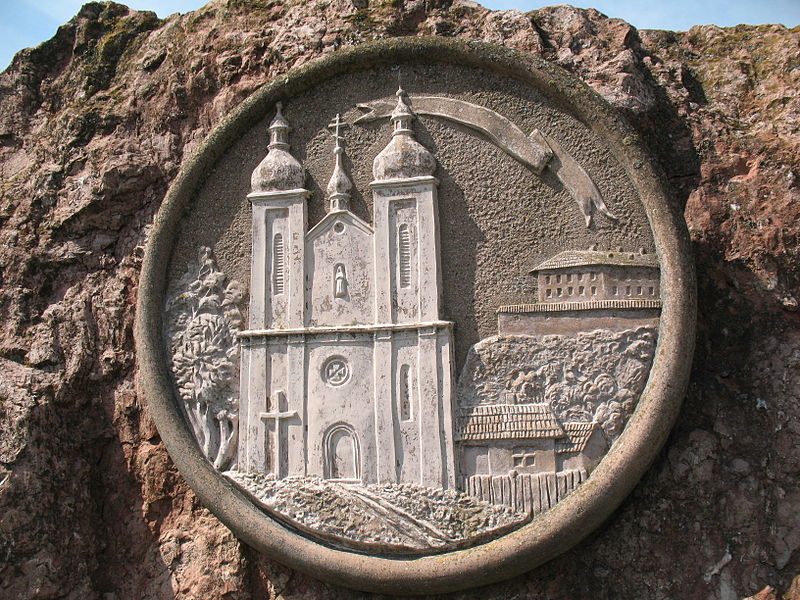
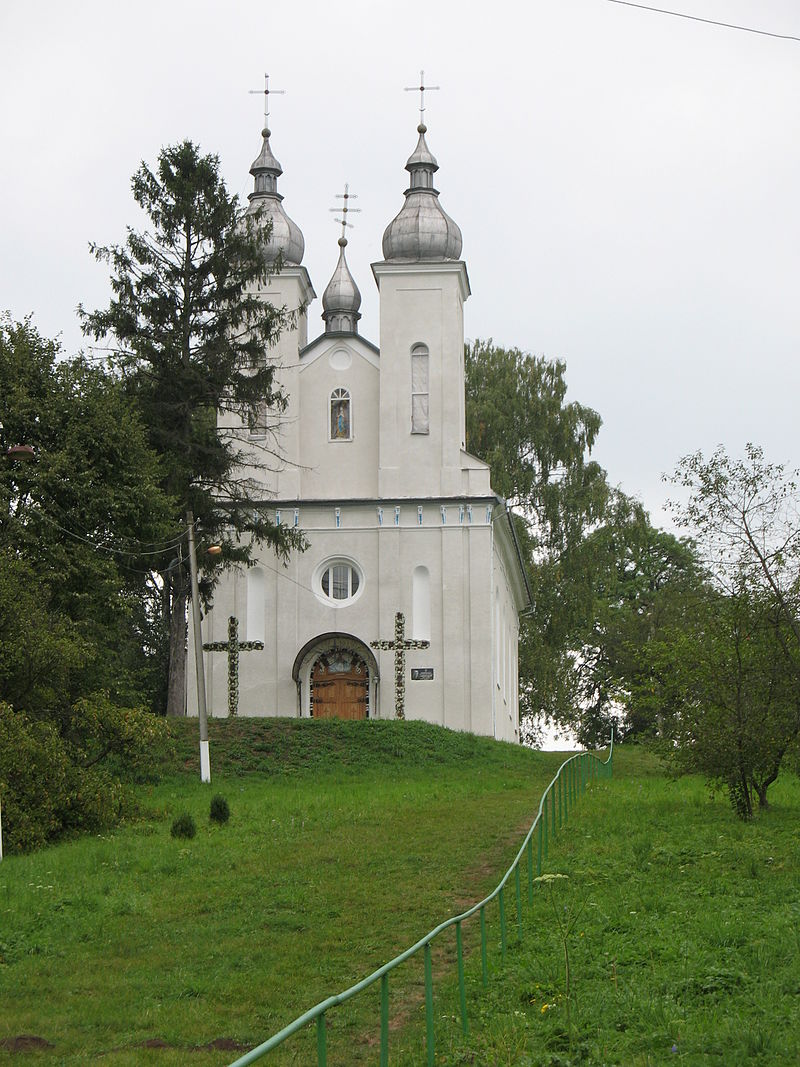
Pidkamin, a village in the Rohatyn district of Ivano-Frankivsk region, stretches along a stream that stretches from east to west and flows into the Svirzh river. The highway H09 Lviv - Rohatyn - Halych - Ivano-Frankivsk runs through Pidkamin. The village of Pidkamin was first mentioned in written sources on May 30, 1440. There is information that the first mention of Pidkamin was in 1140. The owner of the village was Prince Mykhailo Holshanskyi, who received this gift from his wife Maria. From the south, the village is approached by high stone cliffs, from under which clean and cold water of beautiful springs flows. The ancestors of the Slavs settled here long ago and named their settlement Pidkamin. This name has not changed for a millennium and has survived to this day.
This ancient village was for many years the property of the Polish counts of Skarzyński. Many ceramic tools were found under the stone cliffs, where the first settlement of Pidkaminets was probably located: flint sickles, axes, and knives from the Neolithic period. This indicates that already 2-3 thousand years before Christ, the inhabitants of Pidkamin were engaged in farming, raising cattle, and fishing in the rivers.
In the Middle Ages, Pidkamin had the status of a city and was located somewhat north of its current location (now Lysa Hora). Since the village was located on the main trade route that went from east to west to Lviv, artisans settled here. They probably founded their settlement to the north, not far from the village, and surrounded it with a stone wall. To this day, stones are still being plowed at this site. There are also remains of craftsmen's products here. Many clay spindle tips and pottery were found, and especially beautiful are clay pipes decorated with ornaments.
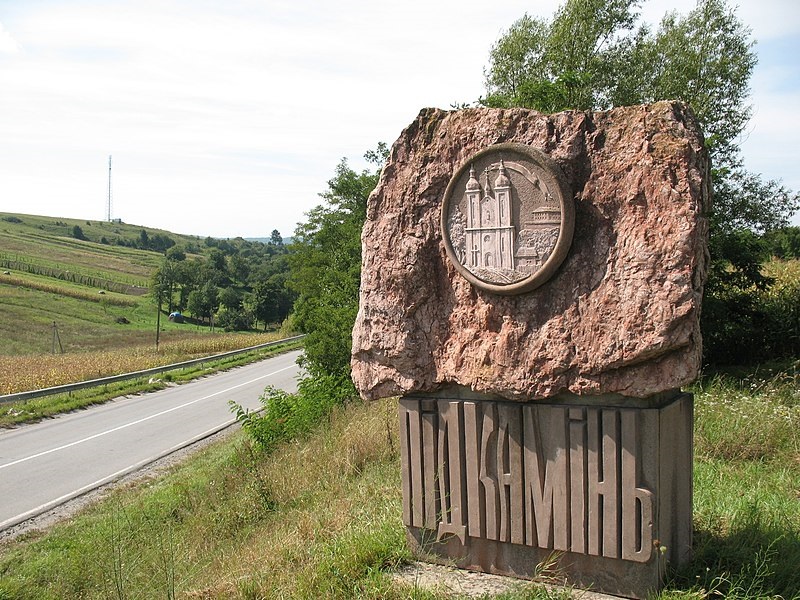
In 1515, Pidkamin was granted Magdeburg rights by the Herbert family: Sigismund issued a foundation act (privilege), which allowed Frederick Herbert "to lay a town with his castle, called Pidkaminetskyi, freshly built of stone and brick, which should be called the same name." Thus, by this time the town already had a castle, and in accordance with the privileges granted, Thursday fairs were established, as well as fairs on Green Feasts and the Exaltation of the Holy Cross. Fairs were held in the village until almost the middle of the twentieth century, and the central part of the village is still called the town.
It is not known why, when and by whom this town was completely destroyed. In the middle of the XIV century, the village was conquered, like the entire territory of Ivano-Frankivsk region, by Count Potocki. Starting approximately from the end of the sixteenth and beginning of the seventeenth centuries, the village was owned by the Starzhynski counts. They lived in the castle, which was built on the site of Danylo Halytskyi's fortifications sometime in the sixteenth century. According to the village's old-timers, captured Tatars took part in its construction. By the seventeenth century, it had become a feudal castle. A stone slab from the castle was found with a date engraved on it. Two roads led to the castle, and it was surrounded by high walls. The remains of the eastern gate have also been preserved. There was an underground passage from the castle through the yak to the forest. According to the legend of the village's old-timers, in 1912 the Starzyński counts celebrated the 300th anniversary of their family.
In the nineteenth century, the community of Pidkamin used its own seal with the following symbols: a sheaf of bread with a crossed chain and scythe stuck into it (a copy of this seal is preserved in the collection of the famous nineteenth-century Lviv local historian Antonii Schneider).
The grandfathers of the village were the Yablonovskis, so the village was called Pidkamin Yablonovskyi or Pidkamin Yablonovskyi (not to be confused with Pidkamin Tsetnerowski).
There is also an interesting fact from the history of the village that from 1808 to 1809 the son of the world-famous composer Mozart, Franz Xaver Mozart, lived in the village. Franz Mozart was born on July 26, 1791 in Vienna. Here he mastered piano and violin theory. At the age of 17, in order to earn money, he moved to Lviv, where he received a lucrative offer to give music lectures to the two daughters of Count Bavorowski in Pidkamin. Although the payment was quite high, the musician wanted to live in the city, so a year later he accepted the offer of the imperial chamberlain (representative of the Austrian emperor in the city) von Janiszewski to teach his children music in Burshtyn.
In the early twentieth century, Duchess Hrabyna lived in the castle. She is the most famous inhabitant of the castle, as she was buried in the local cemetery and her grave is still preserved. The castle building was destroyed during the Second World War, and the remaining ruins were used for the construction of collective farms, which are now also gone. The castle site is now a forest, and only a few barberry bushes remind us of the former manor park.
In 1939, the village had 1620 inhabitants (700 Ukrainians, 80 Poles, 120 Polish colonists in the Zahumenko colony, 640 Latins, and 80 Jews). Many Poles who peacefully coexisted with the Ukrainian population had to leave the village during the strife of the 1940s, and some residents were forced to take up arms and fight in the ranks of both the Red Army and the UPA. In particular, individual graves of UPA riflemen have been preserved in the local cemetery.
In the postwar years, the vast majority of villagers worked on the collective farm and built their own homes. By the way, the village's land originally belonged to the Red October state farm, the center of which was the village of Dychky. In the late 80s, as a result of the reorganization of the state farm, a collective farm named after Lesia Ukrainka was formed in the village (it existed until the early 2000s, the last official name was "Lesia Ukrainka Agricultural Production Cooperative").
On July 24, 2015, an artistic postal envelope with a stamp is put into circulation: "500 years since the granting of Magdeburg rights to the village of Pidkamin".
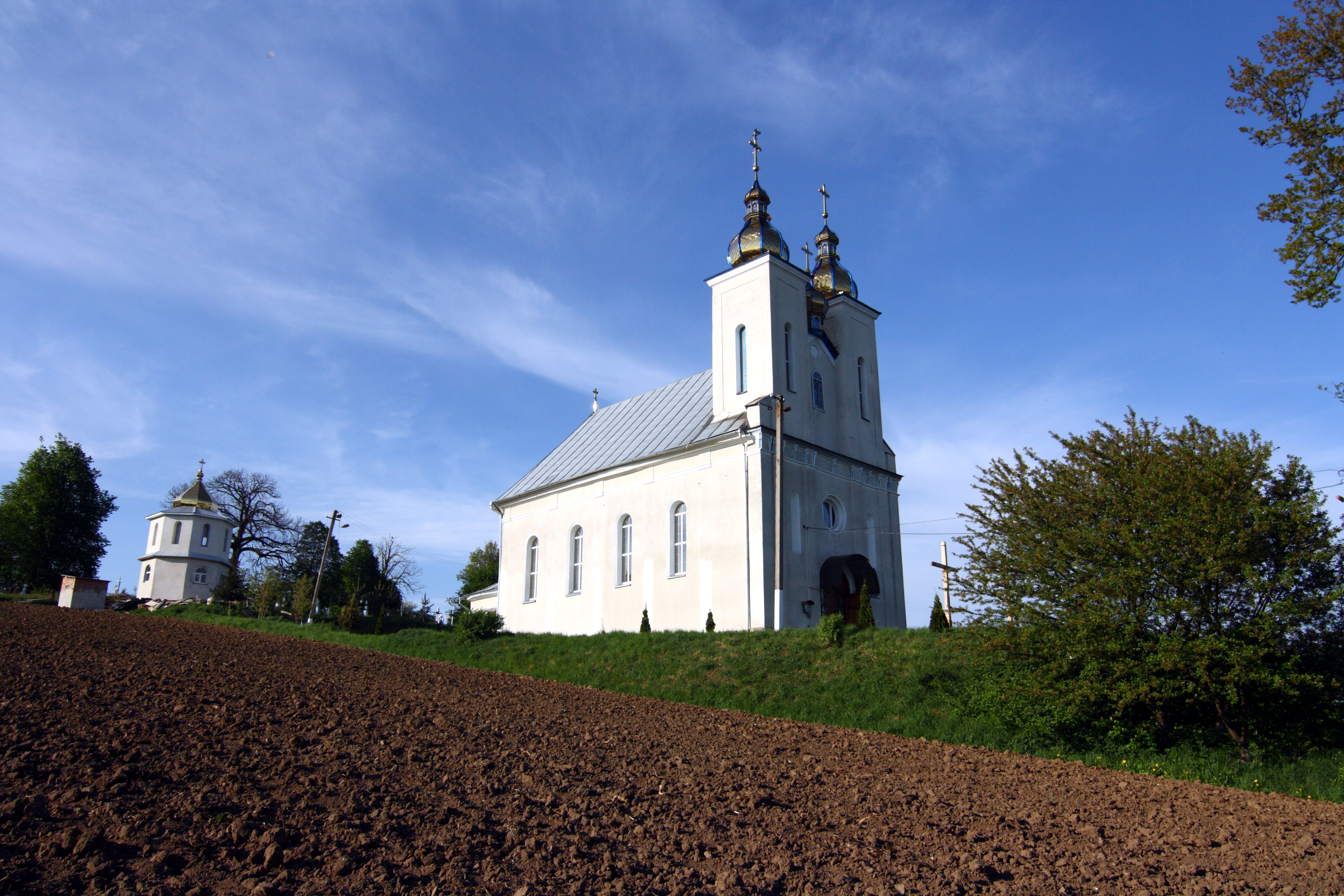
Monuments:the Cathedral of the Blessed Virgin Mary built in the Gothic style in the early XX century, two chapels (one is located near the church and the other at the exit from the village on the western side), the Catholic church building was used as a collective farm warehouse in Soviet times (today the object is closed and only outlines resemble the former religious building).
Monuments: to the great Ukrainian poetess Lesia Ukrainka, erected in 1971 near the village club, to the soldiers of the Ukrainian Armed Forces who died during the liberation of the village from the Nazis; the composition includes a sculpture of a "mother defender" with a child in her arms, a huge torch for the "eternal flame" and a pedestal; a memorial plaque to Father Mykhailo Petriv is installed on the facade of the Church of the Cathedral of the Blessed Virgin Mary.
What's nearby
What to visit
Landmarks, museums and places of interest near Pidkamin.
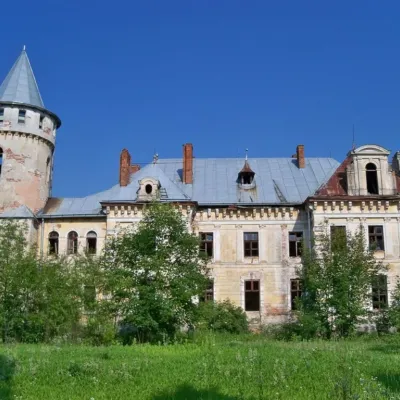 ArchitectureCount Ray's estate of the eighteenth and nineteenth centuries in PryozerneRohatyn district3.7 km from the centreFew people know that in the village of Pryozerne, Rohatyn district, Ivano-Frankivsk region, there is a palace of the eighteenth and nineteenth centuries that is...
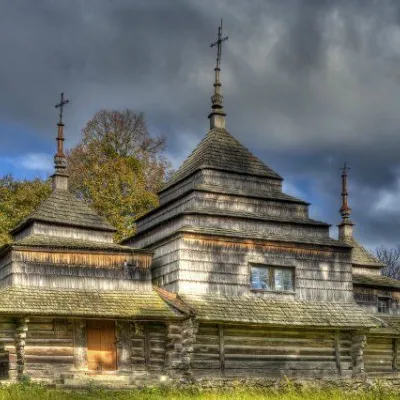 ChurchChurch of St. Basil the Great, ChercheCherche5.8 km from the centreBasil the Great is a church in the village of Cherche, Rohatyn district, Ivano-Frankivsk region, Ukraine, an architectural monument of national importance.
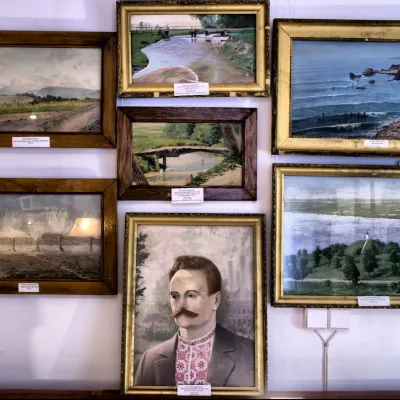 MuseumMuseum-estate of Mykola Uhryn-Bezsrichnyi, RohatynRohatyn10 km from the centreThe Museum-Estate of Mykola Uhryn-Bezgryshnyi is a part of the Rohatyn Museum Complex, a branch of the Ivano-Frankivsk Regional Art Museum.
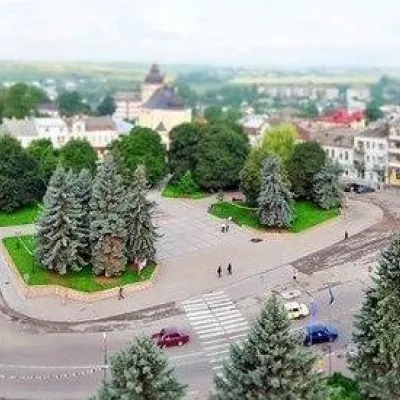 Historic siteRoksolana Square and monument, RohatynRohatyn10 km from the centreThe city of Rohatyn was the birthplace of Roksolana, a great woman who was captured as a child by the Tatars but who eventually managed to become a global political...
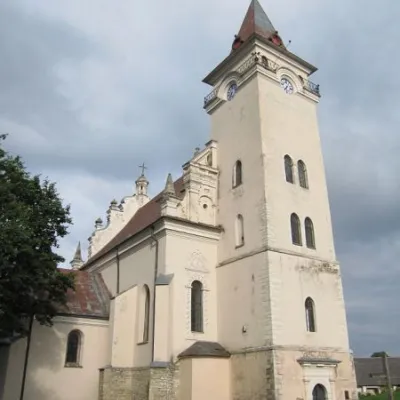 Sight"Church of St. Nicholas" RohatynRohatyn10 km from the centreAnne is a functioning church in the city of Rohatyn, Ivano-Frankivsk region, an ancient spiritual center, an example of Gothic and Renaissance architecture of the XV...
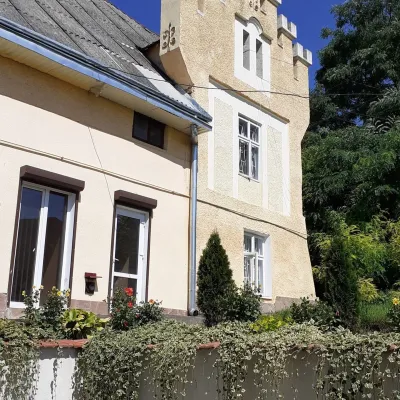 Crafts & workshopsOpillia Pottery Workshop, RohatynRohatyn10 km from the centreThe Opillia Pottery Workshop (Opilska Honcharnia) is a creative space in Rohatyn where you can sit at a potter’s wheel and shape your own clay pot, bowl or mug.
Craft nearby
All craft places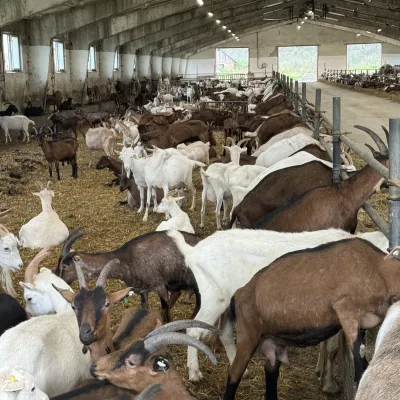
Where to stay
Hotels, sadybas and cottages in and around Pidkamin.
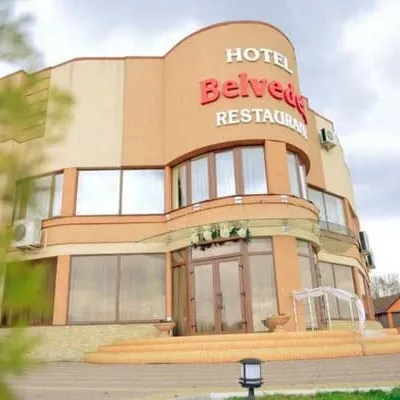 HotelBelvedeRRohatyn7.7 km from the centreBreakfastParkingWi‑FiNearby: Church of St. Basil the Great 1.9 kmRoksolana Square and monument 2.6 kmfrom 1 300 UAH per night
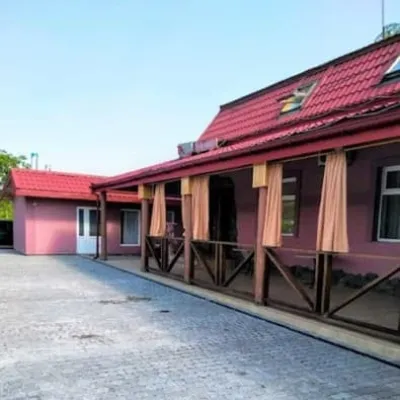 HotelTransitRohatyn11 km from the centreParkingWi‑FiNearby: Roksolana Square and monument 1.0 kmChortova Hora 3.1 kmfrom 750 UAH per night
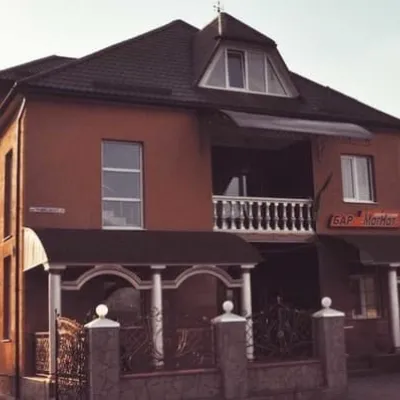 HotelMagnatStryi13 km from the centreParkingWi‑FiPetsfrom 650 UAH per night
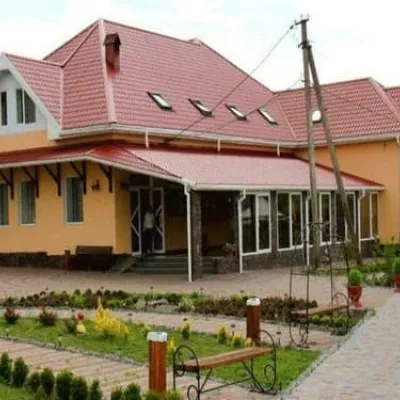 HotelSadyba mriyRohatyn15 km from the centreSaunaBBQParkingNearby: Roksolana Square and monument 8.2 kmChortova Hora 8.7 kmfrom 800 UAH per night
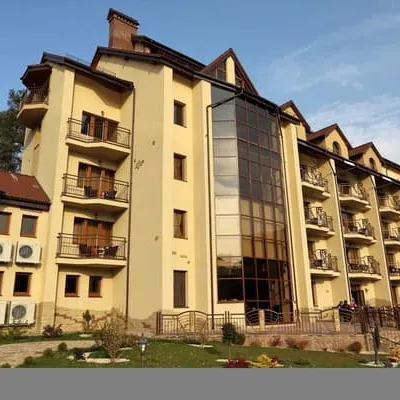 HotelBukhta VikinhivLviv33 km from the centreHot tubPoolSaunafrom 2 000 UAH per night
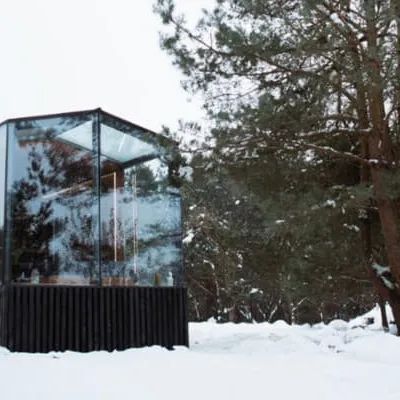 CottageWoodland_escapeLviv39 km from the centreBBQParkingWi‑Fifrom 4 000 UAH per night
Peaks nearby
All peaks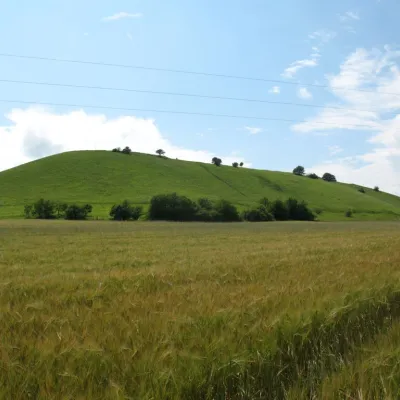 PeakChortova Hora, RohatynPukivaltitude 350 m14 km from the centreChortova Hora is a unique botanical monument of nature of national significance in Ukraine, a remnant of the glacial period.
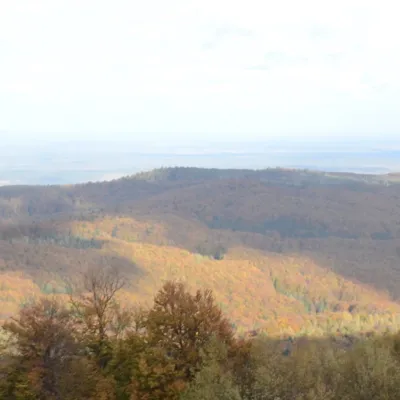 PeakMount BobovyshcheOrivaltitude 817 m77 km from the centre4 trails to the topBobovyshche (also called Popivska) is an 817 m mountain in the Upper Dniester Beskids, Lviv Oblast. It is the highest summit of the Oriv ridge and one of the highest...
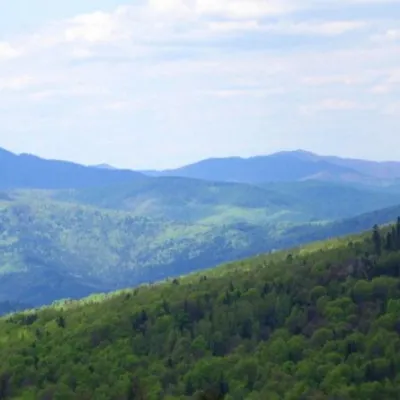 PeakMount KlyuchKamiankaaltitude 927 m · Skole Beskids range77 km from the centre1 trail to the topMount Klyuch is one of the peaks of the ridge in the Skole Beskydy, which starts from the Sukel River (Bukivets village of Bolekhiv City Council) and closes the valley...
