Manyavskyi Skit
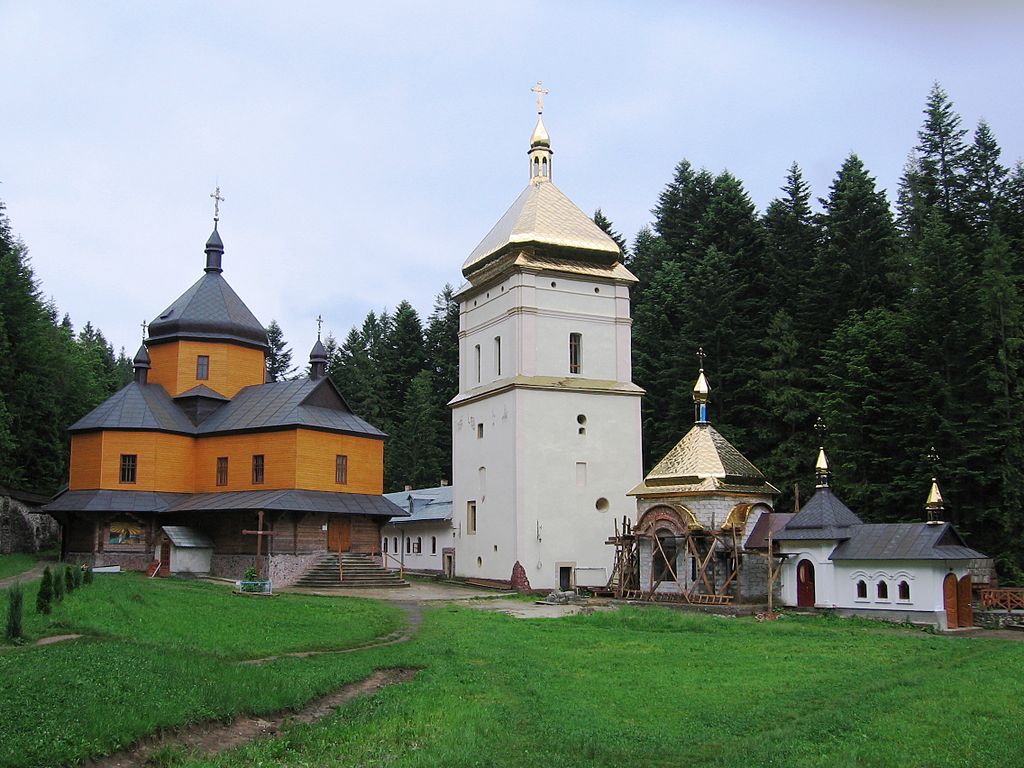
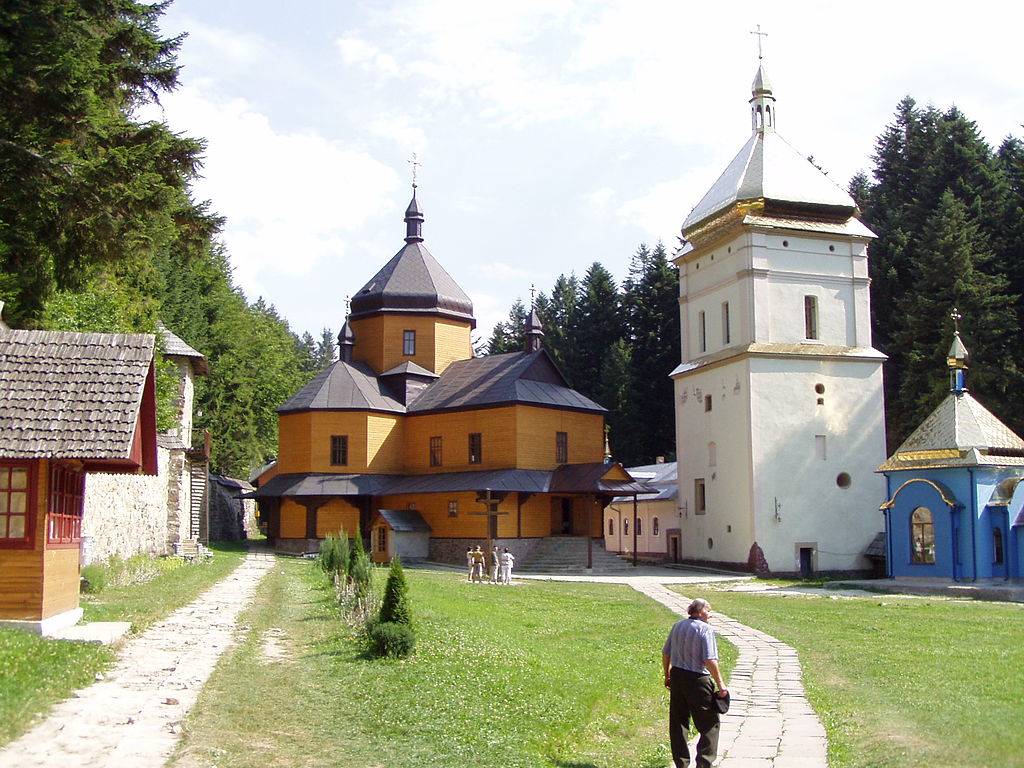
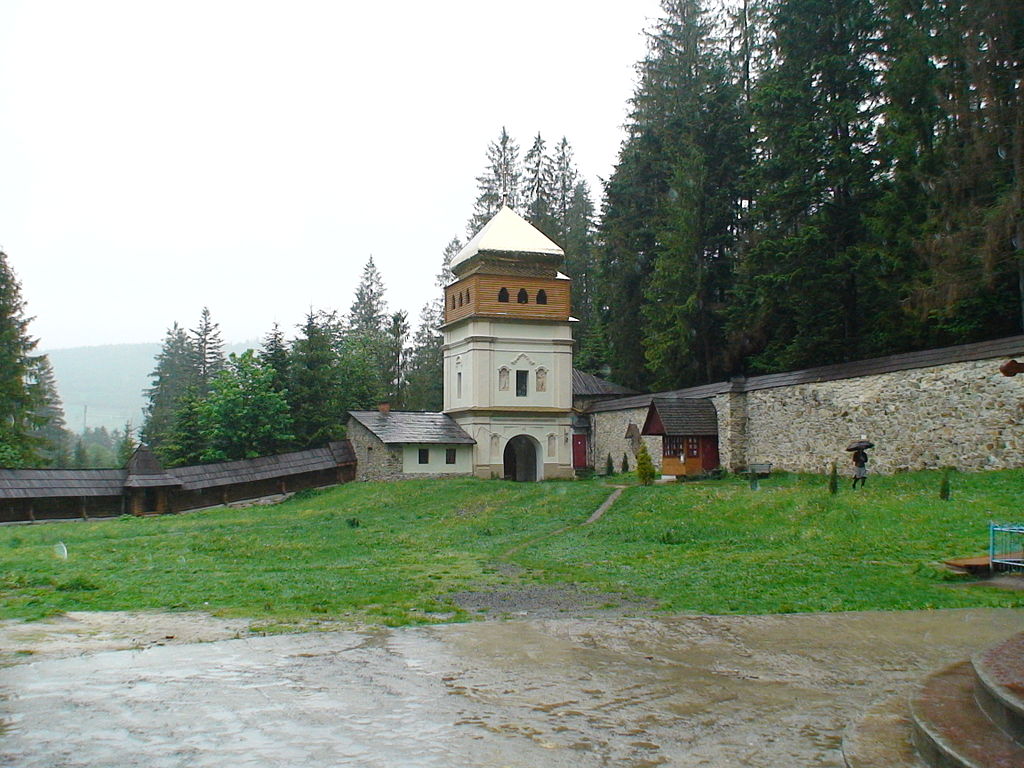
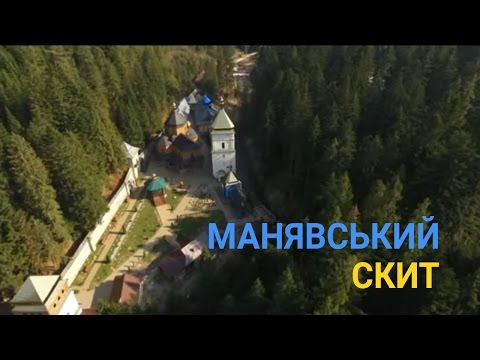
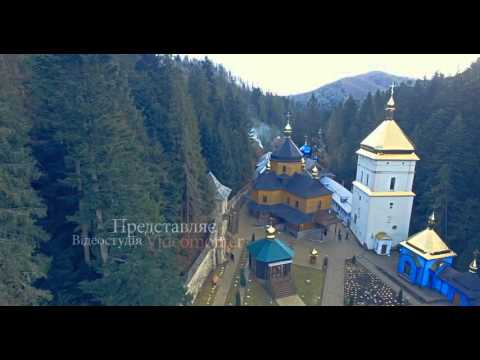
The oldest Orthodox monastery in the Carpathians, Manyavskyi Skit, is located just behind the village and has earned the nickname of the Ukrainian Athos among the people. This comparison is not accidental, as Manyavskyi Skit was founded by monk-novices from this Holy Mountain. For centuries, the skit has been not only an important religious center but also a cultural, educational, and even industrial hub. The holy place with healing spring water, according to beliefs, is situated in a picturesque Carpathian intermountain area with a healing microclimate and pristine wild nature near the village of Manyava of the Bohorodchanskyi District in Ivano-Frankivsk region (the distance from the regional center is 45 km). It has long become one of the most frequently visited corners of Prykarpattia. Pilgrims and tourists come to Manyava. It is always crowded here; some extraordinary force attracts people, as if by a magnet.
One of the most famous historical landmarks in Prykarpattia is the Manyavskyi Skit, which is nearly four hundred years old, located in a picturesque Carpathian intermountain area. This ancient monastery was founded in 1608 but traces its origins back to 1240. This was the time when the Kyiv-Pechersk Lavra was destroyed, and two of its monks (Ionikiy and Pakhomiy), taking holy water with them, went in search of an equally powerful spring. They found such a spring here – in Manyava – at the Blessed Stone. This is located approximately 830 meters from the monastery, and it is there that the healing water drips. The current Manyavskyi Skit, which stands at the foot of the mountain on the outskirts of the village, has existed only since the early 17th century. The original monks' settlement, the cave skit, is a bit further and higher. Behind the former monastery pond, in a narrow mountain gorge, stands a giant rock with a cave niche - the Blessed Stone. According to legend, seven hundred years ago, two traveling monks from Kyiv settled here. The famous Manyavskyi Skit - the Blessed Stone, is considered by believers to be a place of prayer and purification from sin; it is the first dwelling - the skit, where the "first apostles of the Carpathian foothills" settled (I. Franko. Works in 20 volumes. - Kyiv, 1951, vol. IV, p. 36), according to I. Vahylevych in 1281. The "Blessed Stone" is a remarkable natural creation, a boulder measuring 10x3 meters with a grotto. The natural niche in the rock is about 4 meters wide, 1.5 meters high, and 2 meters deep into the mountain. According to folk legends and statements by some historians, it is from this place that the Manyavskyi Skit began its God-pleasing history. Water has flowed from this stone for centuries.
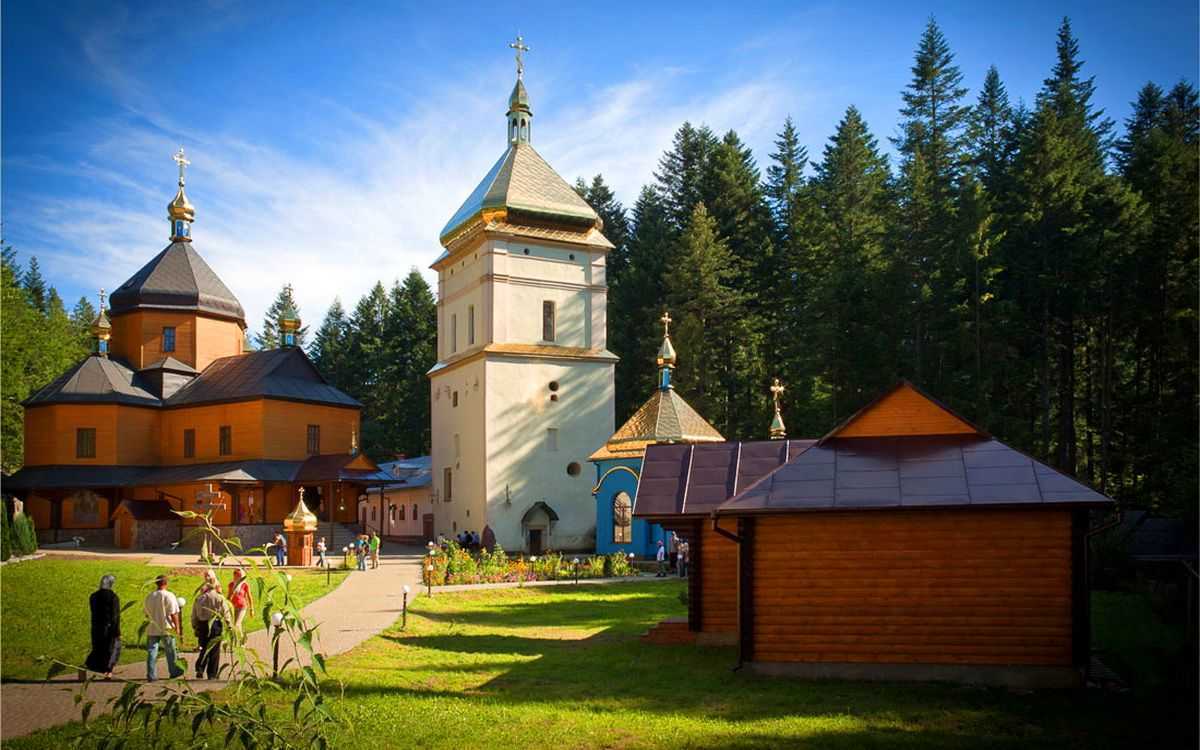
At the site of the "Blessed Stone", the Cross-Exaltation Monastery was founded in 1281. Written evidence of the monastery's founding as a monastic community should be taken from 1608. The founders were Galicians Ivan Vyshenskyi and Yov Knyahynetskyi, both students of Athos (Aton), which means Holy Mountain in Greek. The Cross-Exaltation Manyavskyi Male Monastery originates from the Manyavskyi Skit. It was during this time that monks came to the Manyavski Mountains as preachers of the Christian faith and founders of the skit-monastery. This monastery was founded to the northeast of the modern one, at a distance of approximately 820 meters, in the holy place of the Ukrainian Carpathians near the "Blessed Stone".
Legends
The Manyavskyi Skit has long been shrouded in legends and tales. One of them tells that in the 13th century, monks came to these places, escaping from the raids of the Crimean Tatars. Stopping by a large stone, they drank water from the spring. Its taste reminded the travelers of the sacred waters of Athos, so they decided to stay here. Later, the stone from which the spring flowed received the name "Blessed". It is located not far from the skit, about a kilometer to the northeast of the Cross-Exaltation Monastery.
Another legend tells that the remains of the Ukrainian hetman Ivan Vyhovskyi lie on the territory of the Manyavskyi Skit, who was buried here with his wife Olha, but their graves have not yet been found.
What to see
The decoration and true pearl of the Manyavskyi Skit was the Bohorodchanskyi iconostasis, created by artist Yov Kondzelevych at the end of the 17th century. Today, this work of iconographic art is preserved in the National Museum of Lviv. Instead, you can see many other historical objects:
- The icon of the Mother of God "Igumenya Manyavska" and the miraculous icon of the Mother of God Odigitria from the 18th century.
- The tombstone from the graves of the first igumens of the Skit, - Yov and Theodosius.
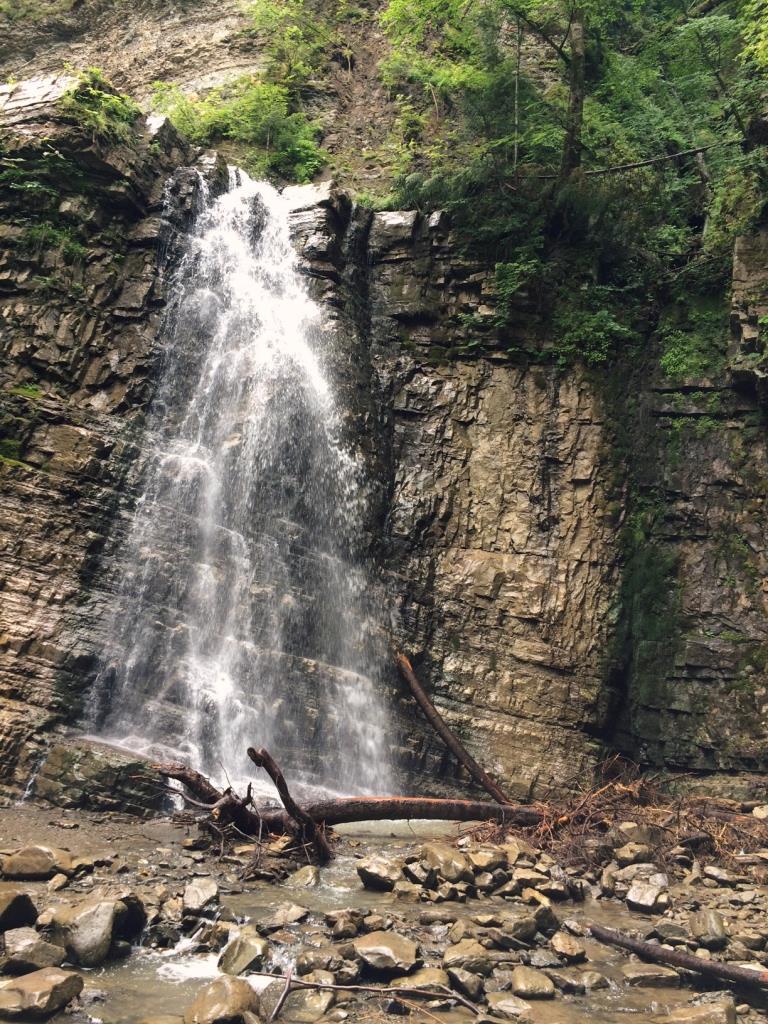
- Manyavskyi Waterfall – one of the most beautiful Carpathian waterfalls, with a height of 20 meters.
History of Manyavskyi Skit
The history of Manyavskyi Skit began at the dawn of the 17th century when a humble man, Yov Knyahynetskyi, arrived in this cozy and picturesque place. His path to Manyava led from the neighboring Tysmenytsia through distant Athos. After serving as a monk on the Holy Mountain for 12 years, he was forced to return due to the unfortunate state of Orthodoxy in Galicia. After spending a long time in the Uniev, Uhornytsia, and Derman Monasteries, the monk decided to leave the brotherhood, his disciples, and sought a place for prayer. He eventually found it where the Baters River (now Skytets) flows into Manyavka and remained there to lead an ascetic lifestyle.
Soon, he was found by the "orphaned" Uhornytsia disciples, to whom gradually joined other followers and supporters of monastic life. Some stayed with Knyahynetskyi in the forest, making cells for themselves nearby, while others he sent back to Uhornytsia. The numerous brotherhood periodically invited a priest to perform the Liturgy. Eventually, a church in honor of St. John the Baptist appeared in this place.
The year 1611, when the first cell of the Velikoskit Monastery was built, is considered the time of the monastery's founding. A year later, a new church appeared here, which was consecrated on the day of the Exaltation of the Holy Cross. Soon, seeing the strength of the brotherhood, Yov handed over the igumenate to his closest friend Theodosius and secluded himself. Theodosius built a small cell for him in the forest wilderness, called Skytik. There, Yov Knyahynetskyi lived the last few years of his life. The founder of the monastery died in 1621.
Over time, the Skit gained a large flock, benefactors, and supporters who contributed to its development, endowed it with land, and protected it. The monastery was indeed powerful. But in 1676, a terrible disaster occurred. While heading towards the Polish king near Zhuravno, the Turkish army destroyed everything in its path. Only ruins remained of the Manyavskyi Skit, and only a handful of monks were saved. They, having somewhat recovered, set about restoring the damaged monastery.
From 1700, a difficult period began in the life of the Skit. It remained the only Orthodox monastery in Western Ukraine. Although it did not experience open persecution for its faith, it lost a number of privileges and subordinate monasteries. The number of inhabitants decreased to 30. In 1772, the first partition of Poland occurred, as a result of which the Skit, along with Galicia, came under the rule of Austria-Hungary. It existed for another thirteen years, and in 1785, by the order of Emperor Franz Joseph, it was closed.
After the restoration in the 1980s-1990s, a historical and architectural museum was organized here, which is listed in the directory of museums of the world and registered with the International Council of Museums.
In 1998, prayer sounded again in Manyava – new monks came here. Thanks to their efforts and the work of many people, the monastery is active again.
The village of Manyava is located 27 kilometers from the railway station "Nadvirna". From here, minibuses go to the village. You can also order a taxi.
Which trails pass by Manyavskyi Skit?
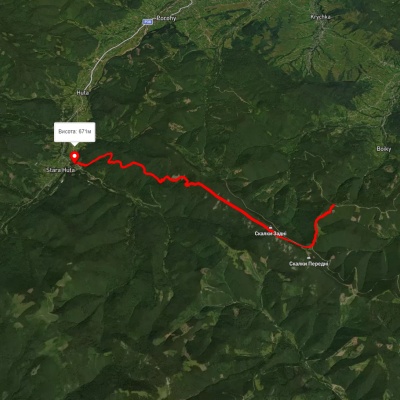
We suggest these hiking trails through or near Manyavskyi Skit: Maniava village – Maniava Waterfall, Pasichna village, via Maniava village, Maniava Waterfall and Mount Velyka Syvulia to Bystrytsia village, Maniava village - Monastyretska polonyna, Huta village – Pasichna village, Huta – Poharchyna, Pasichna village, via Mount Syniachka to Yaremche

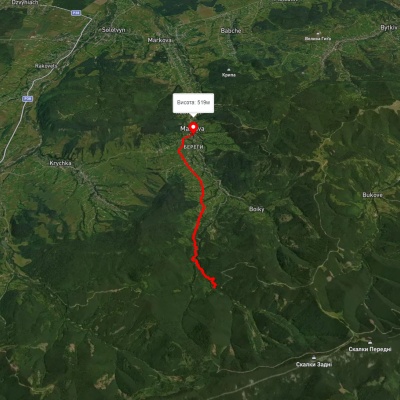
Maniava village – Maniava Waterfall
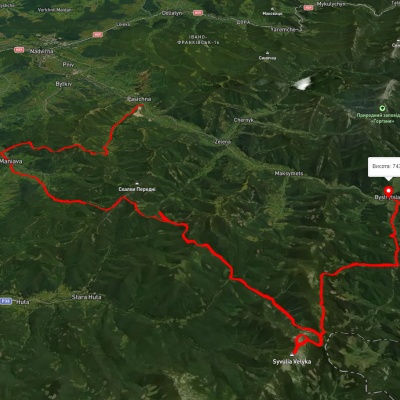
Pasichna village, via Maniava village, Maniava Waterfall and Mount Velyka Syvulia to Bystrytsia village
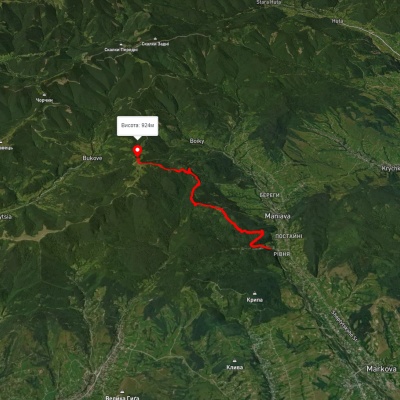
Maniava village - Monastyretska polonyna
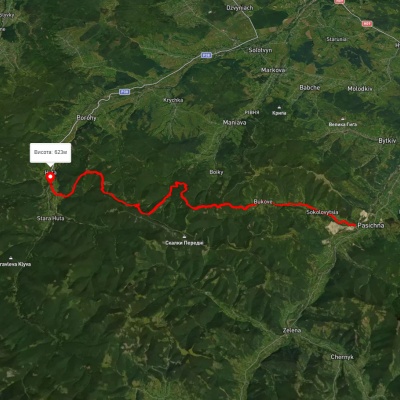
Huta village – Pasichna village