Galician district
It is located in the north of Ivano-Frankivsk region on the border of two physical and geographical regions - the Ukrainian Carpathians and the southwestern part of the Eastern European Plain. About 8% of the district's territory is covered by rivers (including one of the largest in Europe, the Dniester), lakes, ponds, and the Burshtyn Reservoir.
The district center is the ancient city of Halych. The first mention of it is in chronicles (899), although archaeologists suggest that the city emerged in the mid-tenth century. The former center of chronicle Halych is located 6 km from the modern city in the village of Krylos on the mountain of the same name. It is located between the following industrial centers: Ivano-Frankivsk, Lviv, Ternopil, Stryi, and Kalush, with which it is connected by a dense network of connections. It borders Rohatyn district to the north, Kalush district to the east, Tysmenytsia district to the south, and Pidhaitsi and Monastyrysk districts of Ternopil region to the west.
Halych flourished as a city and administrative center during the reign of Yaroslav Osmomysl (1153-1187), mentioned in the Tale of Igor's Campaign. In 1241, the city was destroyed by the Mongol invasion, after which King Danylo Halytskyi moved the capital to the city of Kholm. The old city remained the residence of the bishop, and later a new city grew under the mountain at the mouth of the Dniester.
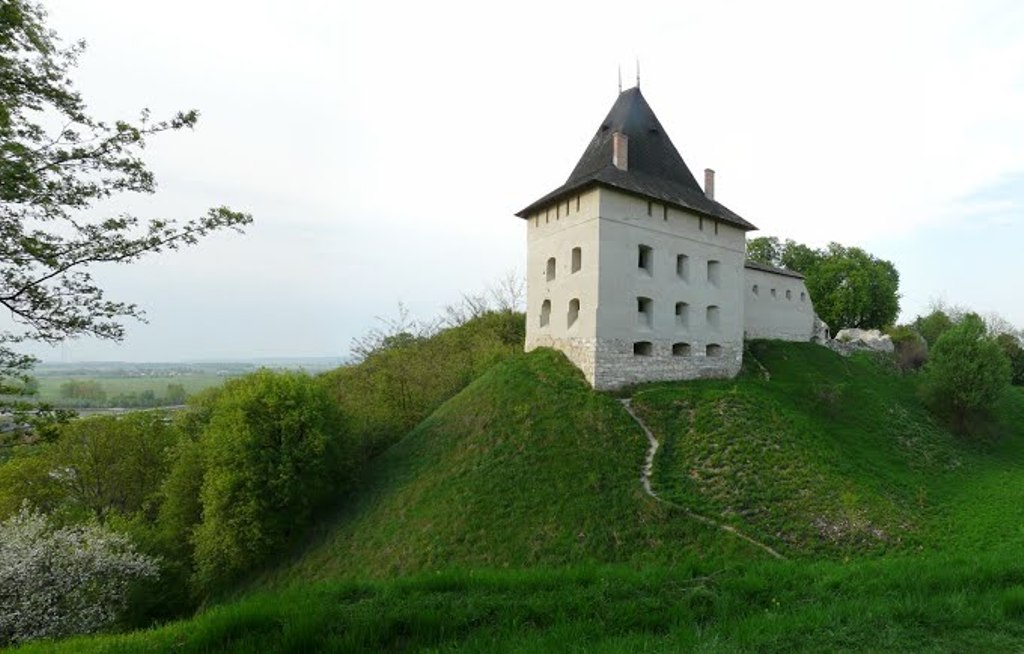
In 1367 Halych received the Magdeburg Law. The same year a wooden castle was built, and in the 16th century a stone castle was built, the ruins of which can still be seen today. The Ancient Halych National Reserve has recently been established on the site of old Halych and its surroundings. The oldest settlements of the district also include the village of Bovshiv (1153), the village of Dytiatyn (1424), and the village of Medynia (1441). The district has preserved many churches of the XVIII-XIX centuries. One of them, the Church of St. Nicholas (Viktoriv village), was used to shoot scenes for the movie Viy.
The most famous industrial facility in the district is the Burshtyn Thermal Power Plant, near which the largest reservoir in the region is located, popularly called the Burshtyn Sea. The water in it does not freeze even in the most severe frosts, and you can always see many fishermen on the shores. Many interesting species of birds come here from the north to spend the winter, and you can watch them in the company of specialists from the Galician National Nature Park.
There are mineral springs in the village of Bilshivtsi: "Chyste Dzherelo", "Zacharovana Khrystyna", "Nasha Voda", "Mirelli", "Knyazha Krynytsia". Due to their natural mineralization, the waters are classified as table water and are recommended for use by the Ukrainian Research Institute of Medical Rehabilitation and Balneology for both drinking and cooking. The low mineralization level of the water makes it possible to consume it in unlimited quantities.
Galician district is connected by a dense network of highways to neighboring districts and regions. The easiest way to get here from Lviv or Ivano-Frankivsk is by the highway H-09 Lviv-Mukachevo or by rail.
- Historical and Ethnographic Museum "Berehynia", Burshtyn;
- The Museum of the Liberation Movement of the Halych District in the Burshtyn Palace of Culture "Prometheus";
- As part of the Ancient Halych National Reserve;
- Museum of the History of Ancient Halych, once the summer residence of Greek Catholic Metropolitan Andrey Sheptytsky in Krylos;
- Museum of Folk Architecture and Life of Prykarpattia in Krylos;
- Museum "Nature of the Land of Hal ych" in Halych;
- Museum of Karaite History and Culture and Karaite cemetery in Halych;
- Church of the Assumption of the Blessed Virgin Mary (XVI century), built from the ruins of the cathedral and the foundation of the Assumption Cathedral of 1157 (where the burial of Yaroslav Osmomysl was found), Krylos village;
- Chapel of St. Basil the Great on the foundation of the ancient Assumption Cathedral in Krylos;
- TheChurch ofSt. Panteleimon in the village of Shevchenkove;
-
The Church-Chapel of the Intercession of the Blessed Virgin Mary of the Ukrainian Orthodox Church of the Kyiv Patriarchate;
-
The Church of St. Prince Volodymyr of the Orthodox Church of Ukraine;
- Galicia Grave Mound (a mound with a pre-Christian burial, possibly of the city's founder), Krylos village;
- TheSword and Shield monument between Krylos and Halych;
- Theprincely well (a spring that supplied Halych with water), Krylos village;
- Late medieval settlement and rock monastery, Mezhyhirtsi village;
Religious buildings and monuments
- Church of the Nativity of Christ of the XIII-XV centuries, Halych;
- Blahovyshchyna Carmelite Church (XVII c.) with the monastery complex, Bilshivtsi village, 7 I. Franka str;
- Church (1732), Kukilnyky village.
- Karaite cemeteries in Halych, Zamkova street and Zalukva village
- TheChurch of the Exaltation of the Holy Cross (18th century) in the old part of Burshtyn on Shevchenka Street;
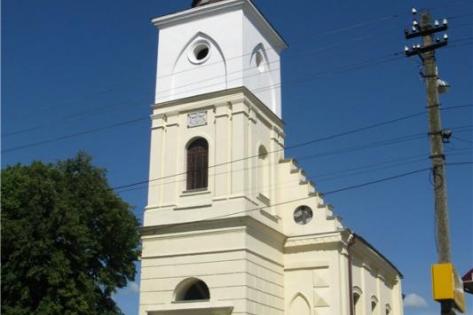
- Roman Catholic Church of the Holy Trinity of the XVIII-XIX centuries, Burshtyn.
- the main square of Halych - Christmas Square;
- Monument to King Danylo Halytskyi;
- Halych National Nature Park and the Wildlife Rehabilitation Center.
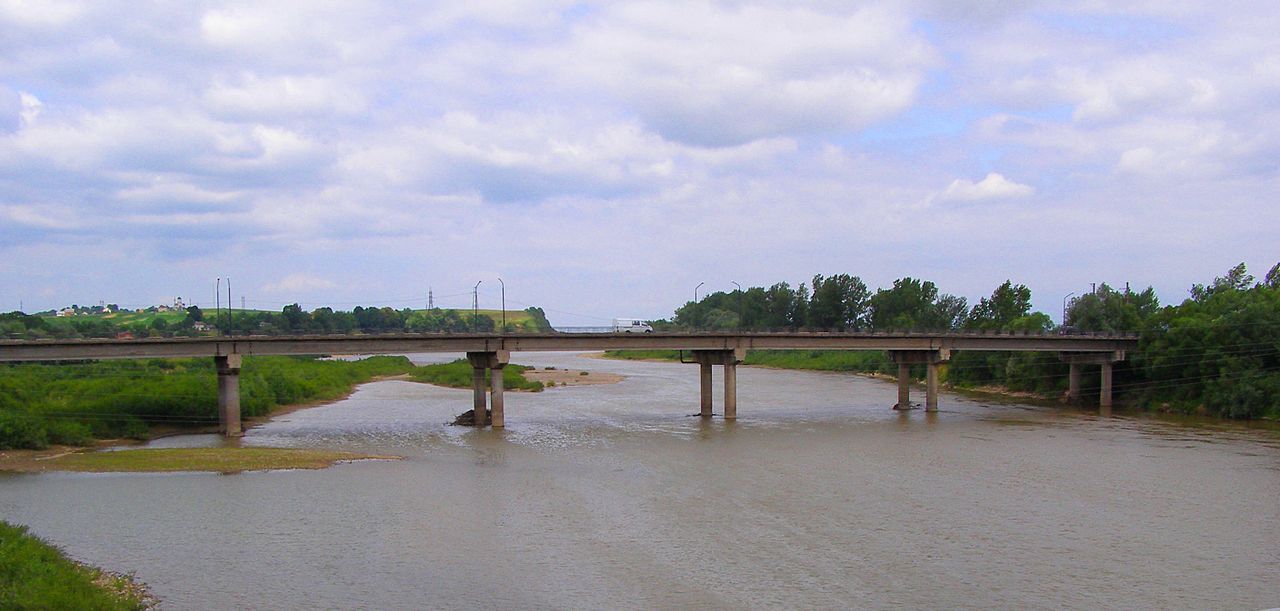
- In order to preserve the historical memory of navigation on the Dniester, as well as its founders in the nineteenth and twentieth centuries, the General Directorate of the Ancient Halych National Reserve decided to install a memorial sign on the banks of the Dniester River. The unveiling ceremony was one of the events to mark the 24th anniversary of Ukraine's independence (2015). The memorial sign of navigation on the Dniester was unveiled near one of Halych's most interesting landmarks - an old metal bridge (built in 1910) on the right bank of the Dniester. The memorial sign was blessed by the Dean of Halych (UGCC), Fr.
Architectural monuments
- Krzeszunowicz Town Hall and Palace (XVIII century), Bilshivtsi village;
- Ruins of the Jablonski Castle (XVIII century), Mariampil;
- Halych(Starostynskyi) Castle (1367-1658, ruins), Halych.
Galician Tourism Center. Halych, 39 Lvivska St., +38 (03431) 2-29-87, (050) 373-98-88.
Tourist Information Center. Halych, Christmas Square, +38 (03431) 2-31-08.
To book excursions: +38 (03431) 2-16-63, 2-30-09.


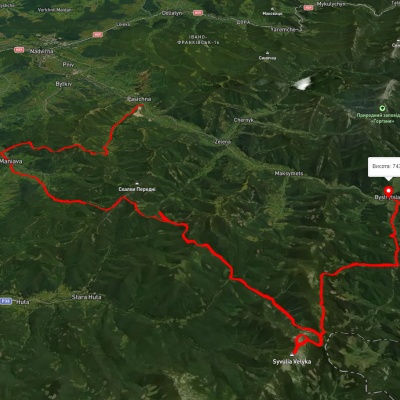
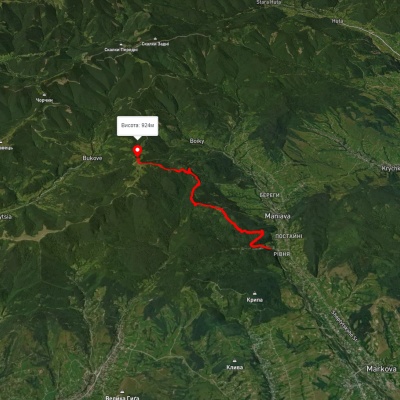
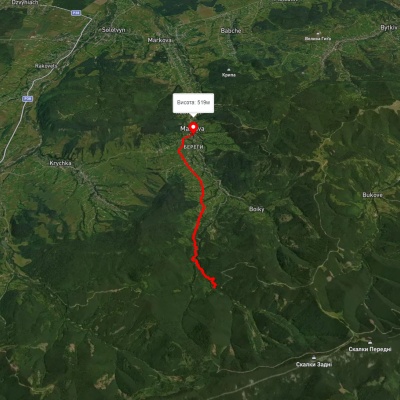
Which hiking trails pass through or near Galician district?
We suggest these hiking trails through or near Galician district: Pasichna village, via Maniava village, Maniava Waterfall and Mount Velyka Syvulia to Bystrytsia village, Maniava village - Monastyretska polonyna, Maniava village – Maniava Waterfall, Huta village – Pasichna village, Dora village, via Mount Syniachka, Pereslip Pass, Turshuhuvata polonyna and the Yavirnyk ridge to Yaremche, Dora village, via Mount Syniachka and Pereslip Pass to Yaremche