Kurgan Halychyna Mohyla, Krylos
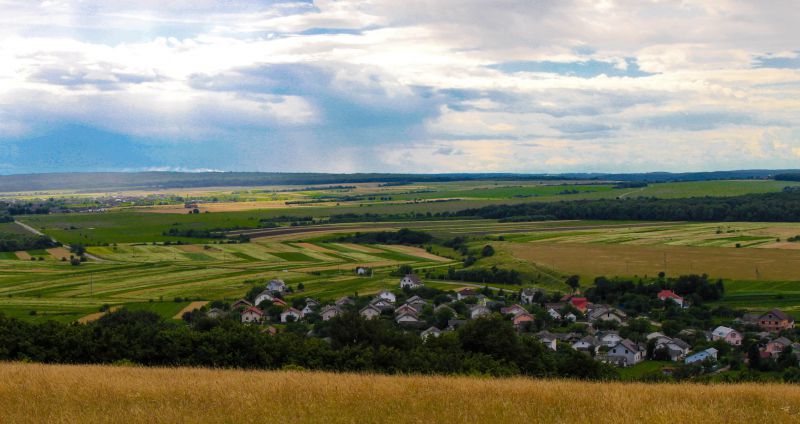
The kurgan "Halychyna Mohyla" is not among the most famous places in Krylos and the National Reserve "Ancient Halych". Moreover, it does not quite fit into the overall picture of historical past represented by the monuments preserved nearby. The kurgan "Halychyna Mohyla" has an even older history, and we can only guess how many undisclosed secrets it hides within. It was here, at the highest point of the Krylos settlement (316 meters), that the chronicler notes, local nobles brought one of the contenders for the Halych throne – the Peresopnytsia prince Mstyslav Yaroslavych in 1206. They say to him, smirking slyly: we brought you here, you have already sat on Halychyna Mohyla, so you ruled in Halych! They mocked him, and the unfortunate one returned to Peresopnytsia.
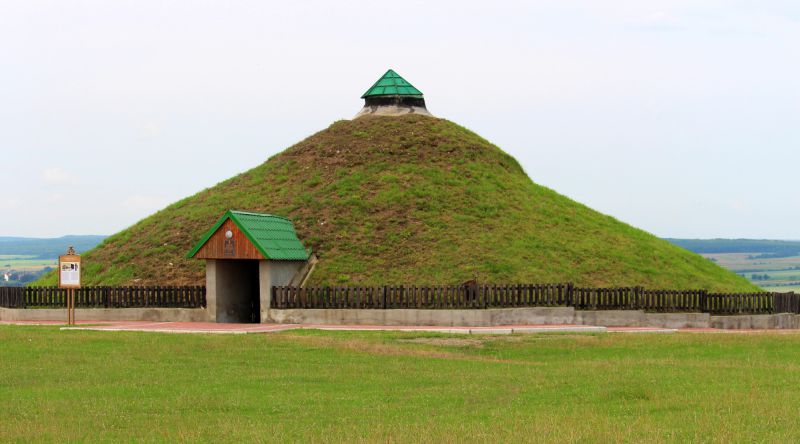
"Halychyna Mohyla" seems to have appeared long before the Slavs. After all, the territory where the village of Krylos is now located was settled much earlier. During excavations near the Assumption Cathedral (which is about two to three hundred meters to the northeast), archaeologists discovered pottery from the early Iron Age, dating back to the 10th–6th centuries BC. These unremarkable shards testified that the Assumption Cathedral was built on the site of a much older settlement that existed here one and a half to two thousand years earlier.
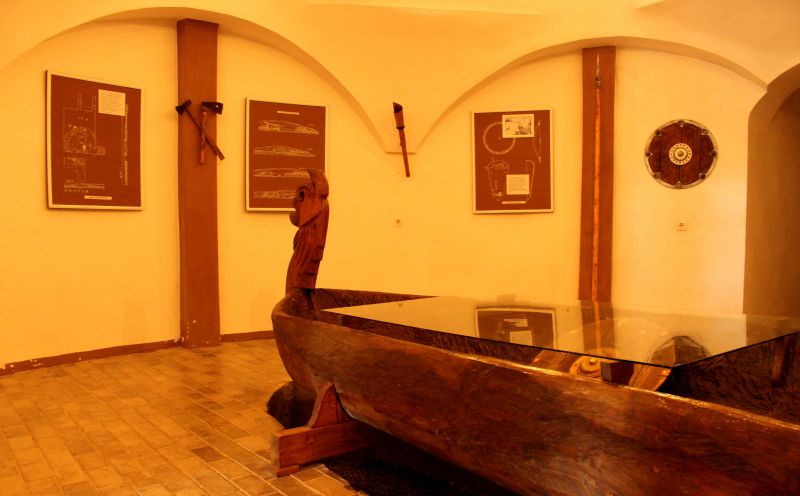
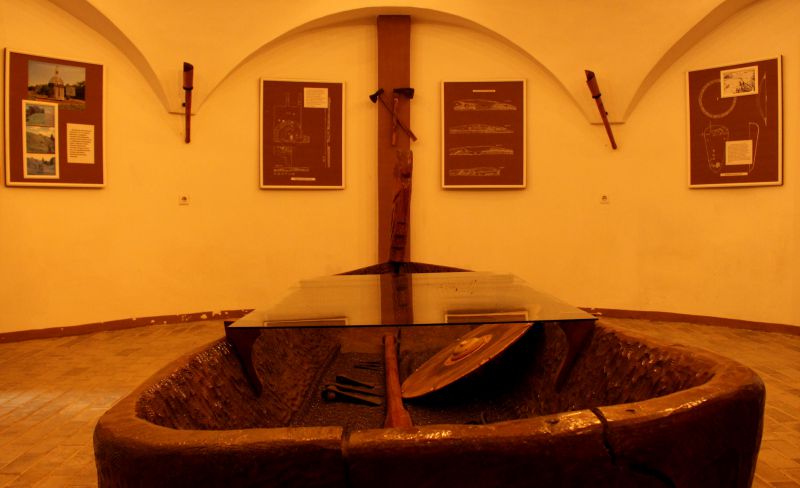
And what about the kurgan? A huge surprise awaited the scholars within it. After numerous attempts in the early 1990s, specialists managed to find the remains of a burned dugout boat, a warrior's equipment – a dagger, spear and arrowheads, three axes, traces of gilding from a shield, and more. There were no human remains in the boat, so it was assumed that this was a cenotaph – a symbolic burial aimed at sacralizing the place. Moreover, the chronicle indicates that "Halychyna Mohyla" was used during the enthronement ceremony of Halych princes, accompanied by nobility, the prince would ascend to its summit. The found military armor, as it turned out, was made in the 10th century, so it turns out that the cenotaph was arranged by our direct ancestors.
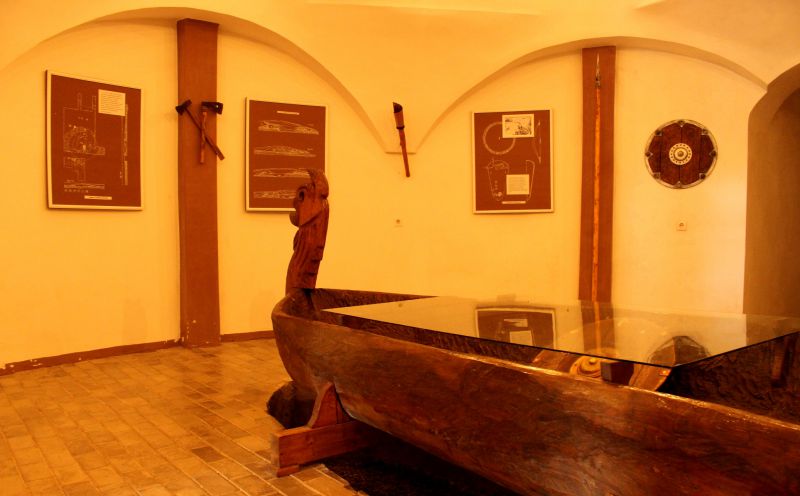
Some scholars suggest that the burial could have been real, not symbolic. Mykhailo Hrushevskyi, in particular, expressed the hypothesis that the founder of Halych, the legendary Hal (or Halytsia), was once buried in the kurgan. So where are his remains? The thing is, the kurgan has been excavated more than once by amateurs, and during World War I, when the front line passed through these lands, a trench for Austrian soldiers was set up on "Halychyna Mohyla". The burial urn with ashes could have been discarded during the construction of the defensive structure. This means that "Halychyna Mohyla" is quite capable of surprising us or our descendants more than once.
In 1998, during the solemn celebration of the 1100th anniversary of Halych, a small museum was established inside the kurgan "Halychyna Mohyla". The basis of the exhibition is a luxurious, reconstructed dugout boat, military equipment from ancient times, and illustrative materials. You can enter only with someone from the museum staff.
You can reach the kurgan "Halychyna Mohyla" from Ivano-Frankivsk or Halych, traveling along the N09 highway. Upon entering Krylos, turn right (if you are coming from Halych), then follow the local village road to the National Reserve "Ancient Halych" about 1.5 kilometers). There are signposts on the territory of the reserve.
Working hours: 9:00 AM – 6:00 PM daily.
Accommodation around Kurgan Halychyna Mohyla, Krylos:


Nearby hiking trails near Kurgan Halychyna Mohyla, Krylos:
Which trails pass by Kurgan Halychyna Mohyla, Krylos?
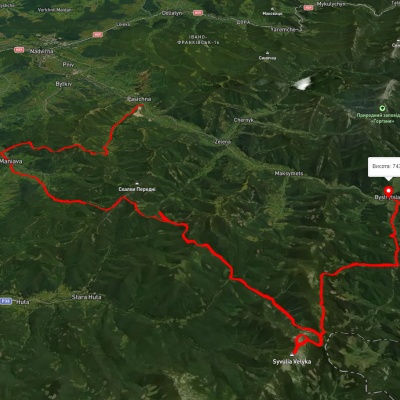
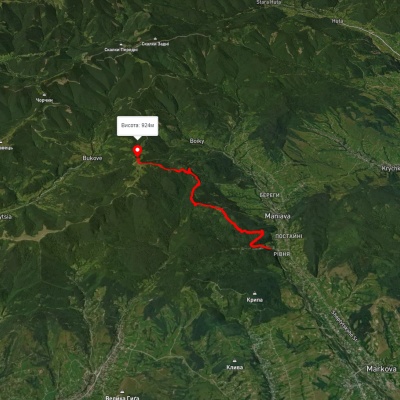
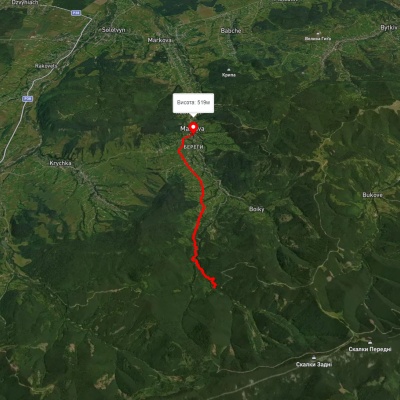
We suggest these hiking trails through or near Kurgan Halychyna Mohyla, Krylos: Pasichna village, via Maniava village, Maniava Waterfall and Mount Velyka Syvulia to Bystrytsia village, Maniava village - Monastyretska polonyna, Maniava village – Maniava Waterfall, Huta village – Pasichna village, Pasichna village, via Mount Syniachka to Yaremche, Dora village, via Mount Syniachka, Pereslip Pass, Turshuhuvata polonyna and the Yavirnyk ridge to Yaremche