Shaggy ink cap
Never identify a mushroom from a photo alone. If in doubt, leave it. In case of poisoning call 112 (103 in Ukraine) at once.
About
The Shaggy ink cap is most often found not in deep forests, but near humans: in manured meadows and pastures, lawns, along roadsides, in plantations, and on clearings. It grows in groups from July to November throughout Ukraine, including in the Carpathian valleys.
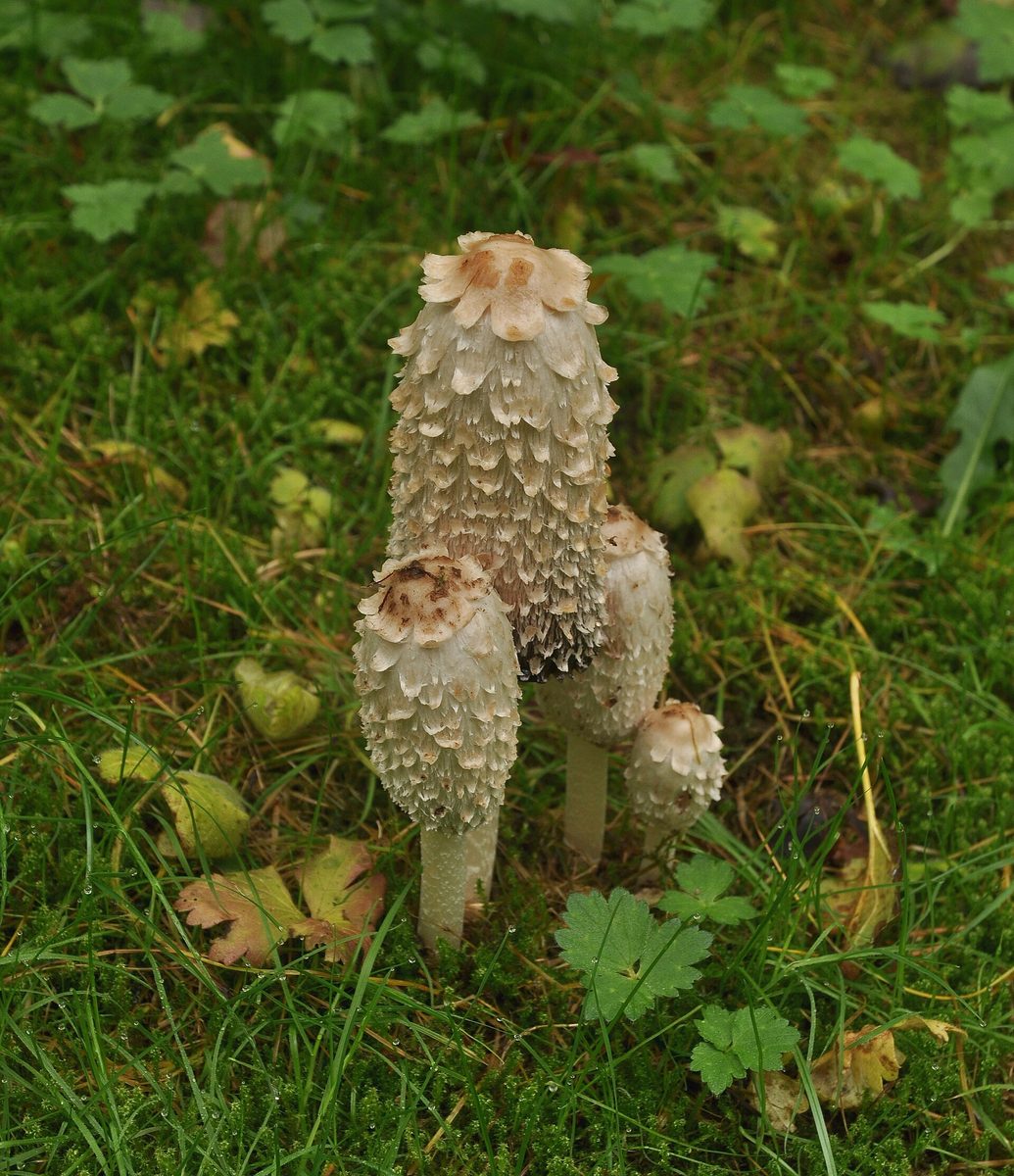
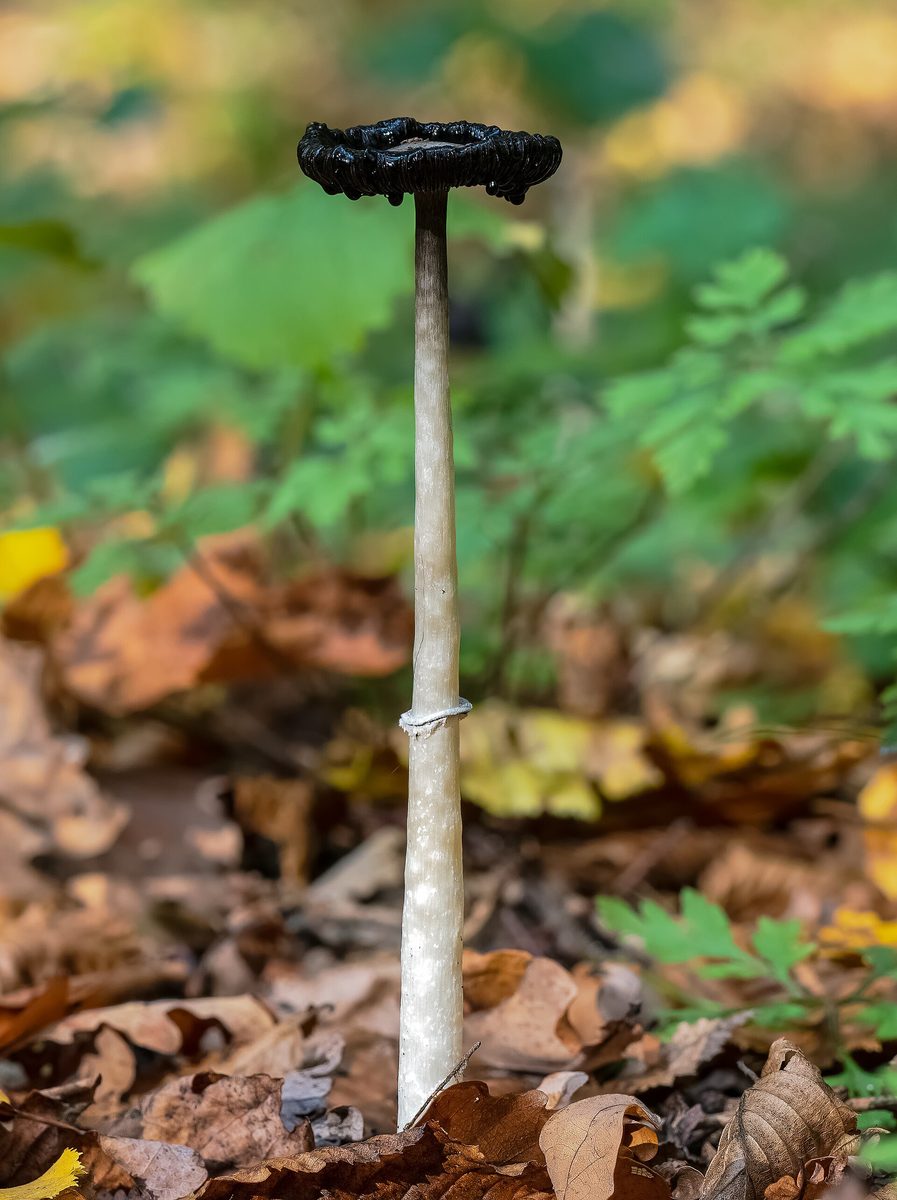
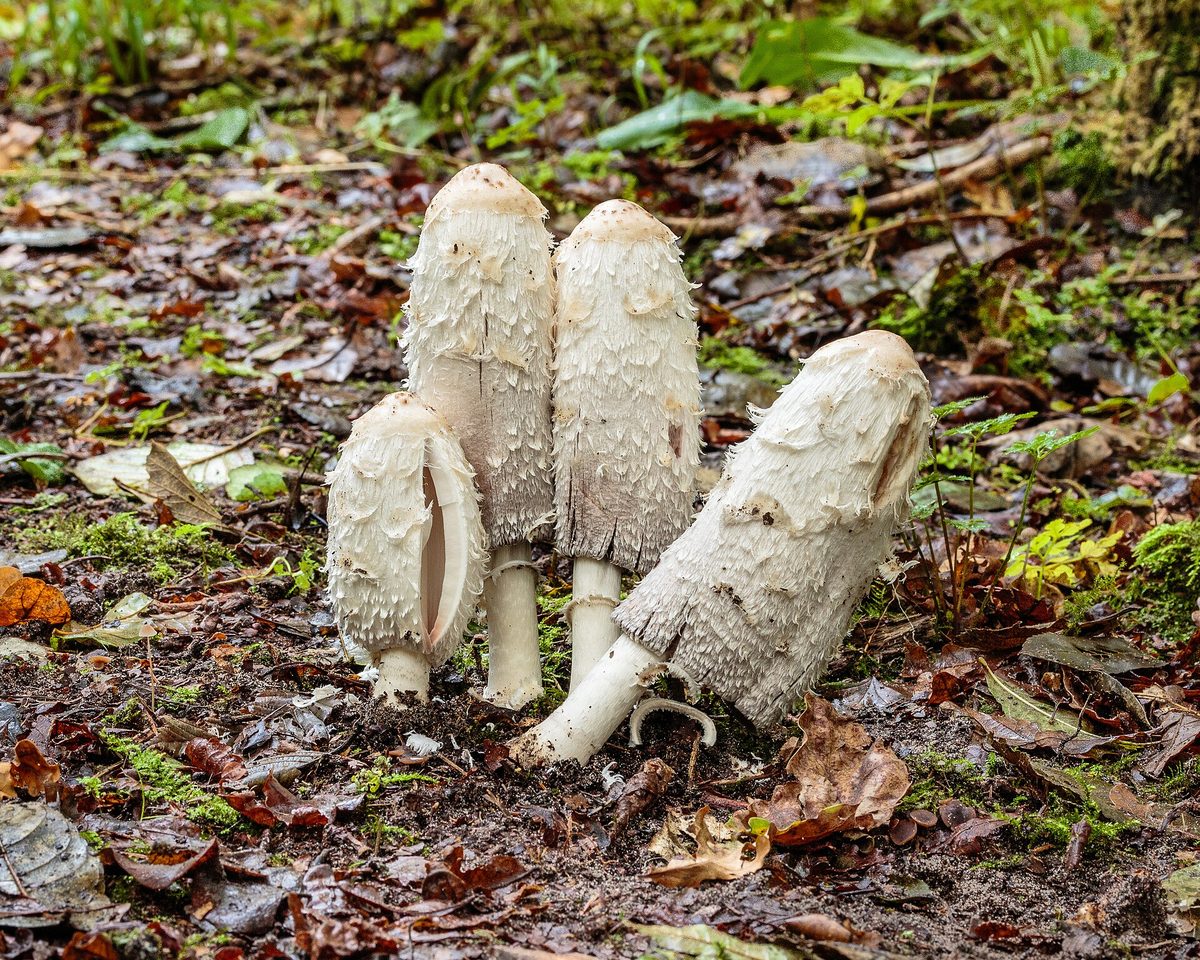
The young mushroom resembles an elongated white egg or cap, 5–12 cm tall. The surface of the cap is covered with whitish or brownish scales that are loose. The gills are dense, initially white, then turn pink and black. With age, the cap opens bell-shaped, and its edge and gills 'melt', turning into a black inky liquid filled with spores. The stem is white, hollow, with a narrow movable ring that quickly disappears.
Young Shaggy ink caps with white gills are considered a good edible mushroom, and in Poland, this species is on the list of mushrooms allowed for sale. However, it spoils very quickly: even in a basket, it can start to blacken within a few hours, so it should be prepared on the day of collection. Mushrooms with pink or black gills are no longer suitable.
It is important not to confuse the Shaggy ink cap with the Coprinopsis atramentaria. The latter has a grayish cap without scales and contains coprine: when combined with alcohol, it causes poisoning similar to the effects of alcohol addiction medications. The Shaggy ink cap does not contain coprine, but mushrooms that you cannot confidently identify are better left unpicked.
Where in the Carpathians

The map shows where naturalists recorded the species (GBIF, CC0 and CC BY records), not every place it lives. The Ukrainian Carpathians are less studied, so a blank area does not mean the species is absent.
- Countries
- Hungary · Slovakia · Romania · Poland · Austria · Czechia · Ukraine
- Mountain ranges
- Poiana Ruscă Mountains
- Altitude belts
- Foothills (below 600 m) · Beech forests (600–1200 m)
When to see it
| Jan | Feb | Mar | Apr | May | Jun | Jul | Aug | Sep | Oct | Nov | Dec | |
|---|---|---|---|---|---|---|---|---|---|---|---|---|
| Sightings |
From naturalists’ observations in the Carpathians (iNaturalist, research grade): the darker the cell, the more often the species is seen that month.
Safety
Only young mushrooms with white gills, prepared on the day of collection, are edible. Do not collect near roads and dumps. Do not confuse with Coprinopsis atramentaria, which is poisonous when combined with alcohol. Mushroom dishes should not be given to children under 12 years old.
Look-alikes — how to tell them apart
The cap is gray or gray-brown, smooth or finely scaly, without large white scales; grows in dense clusters near stumps and on soil with buried wood. Poisonous when combined with alcohol.
Protection and rules
Not protected.
FAQ
Can you eat the Shaggy ink cap?
Yes, but only young mushrooms with white gills, prepared the same day. Mushrooms that have started to turn pink or black are not suitable.
Why does the Shaggy ink cap blacken and dissolve?
This is how it spreads its spores: the gills and edge of the cap gradually dissolve into a black liquid filled with spores.
Similar species
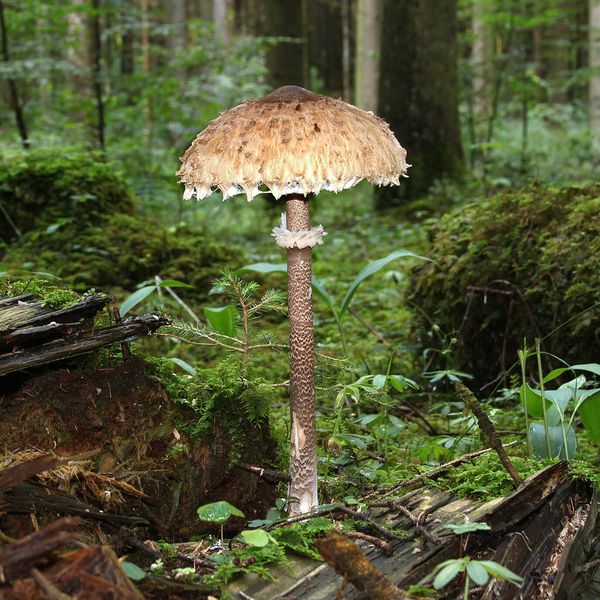
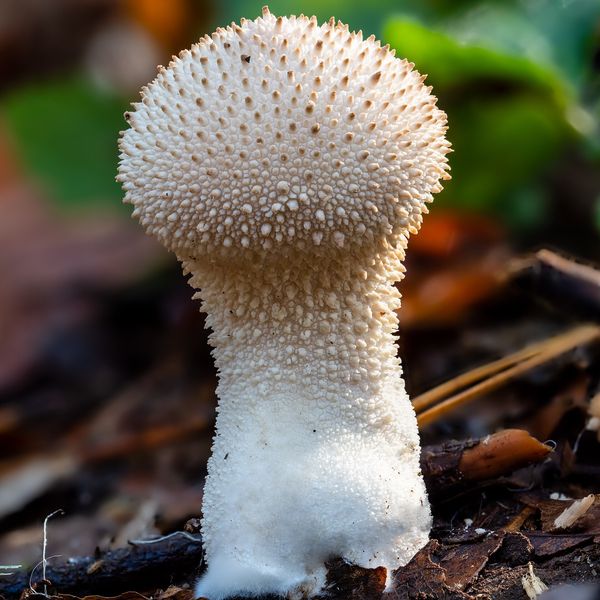
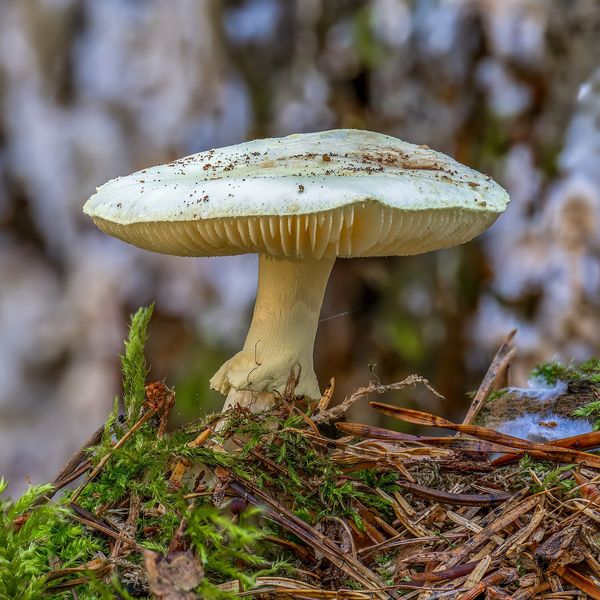
Where to meet it
Trails
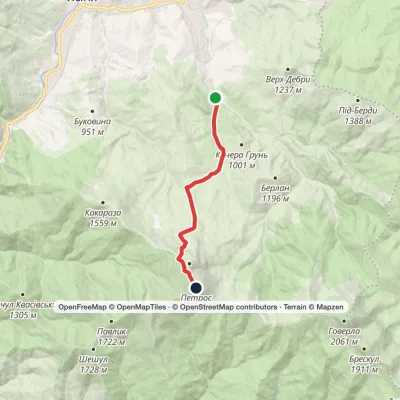 ModerateOne-dayKozmeshchyk Mount PetrosElevation profile755–2 020 m9.5 kmascent 1 264 m≈ 5 h walking
 HardMulti-daySianky village to Mount Pikuivia Mount Starostyna, Mount Velykyi VerkhElevation profile833–1 408 m31.9 kmascent 1 558 m≈ 11 h walking
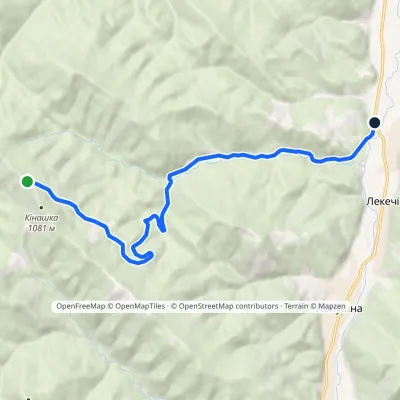 EasyOne-dayMarkedMount Kinashka Lekechi villageElevation profile521–1 043 m9.5 kmascent 4 m≈ 2.5 h walking
Mountain ranges: In other countries: 🇷🇴 Poiana Ruscă Mountains
Trails and peaks near which naturalists recorded the species (GBIF, iNaturalist), matched by altitude and habitat. Sightings are not guaranteed.
Sources
- Вікіпедія: Гнойовик білий
- Wikipedia (en): Coprinus comatus
- Wikipedia (en): Coprinopsis atramentaria
- Rozporządzenie Ministra Zdrowia z 17.05.2011, t.j. Dz.U. 2023 poz. 2237: wykaz grzybów dopuszczonych do obrotu (Польща)
- iNaturalist: Coprinus comatus (спостереження в Карпатах)
GBIF · iNaturalist · Wikidata · Distribution data: GBIF.org (CC0 and CC BY records), iNaturalist; names and identifiers: Wikidata (CC0). Text: Karpaty.rocks, checked 09.11.2026.
