Pedunculate oak
About
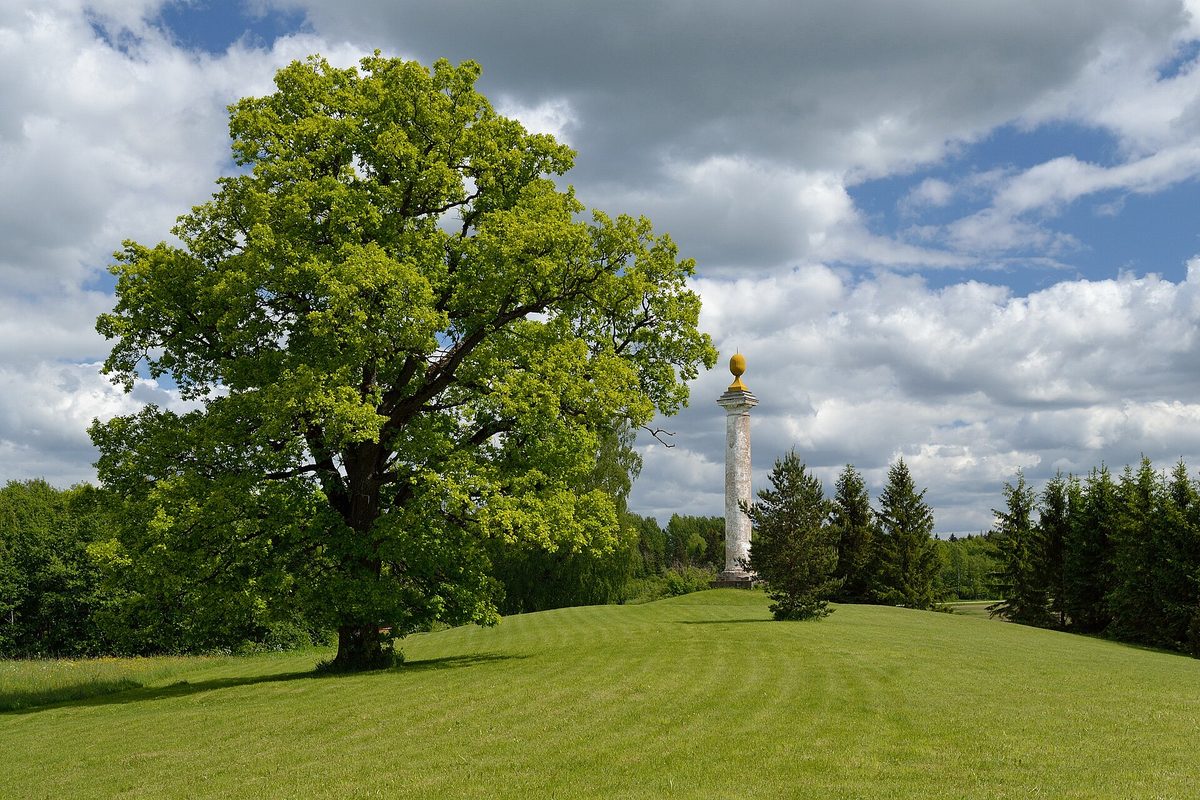
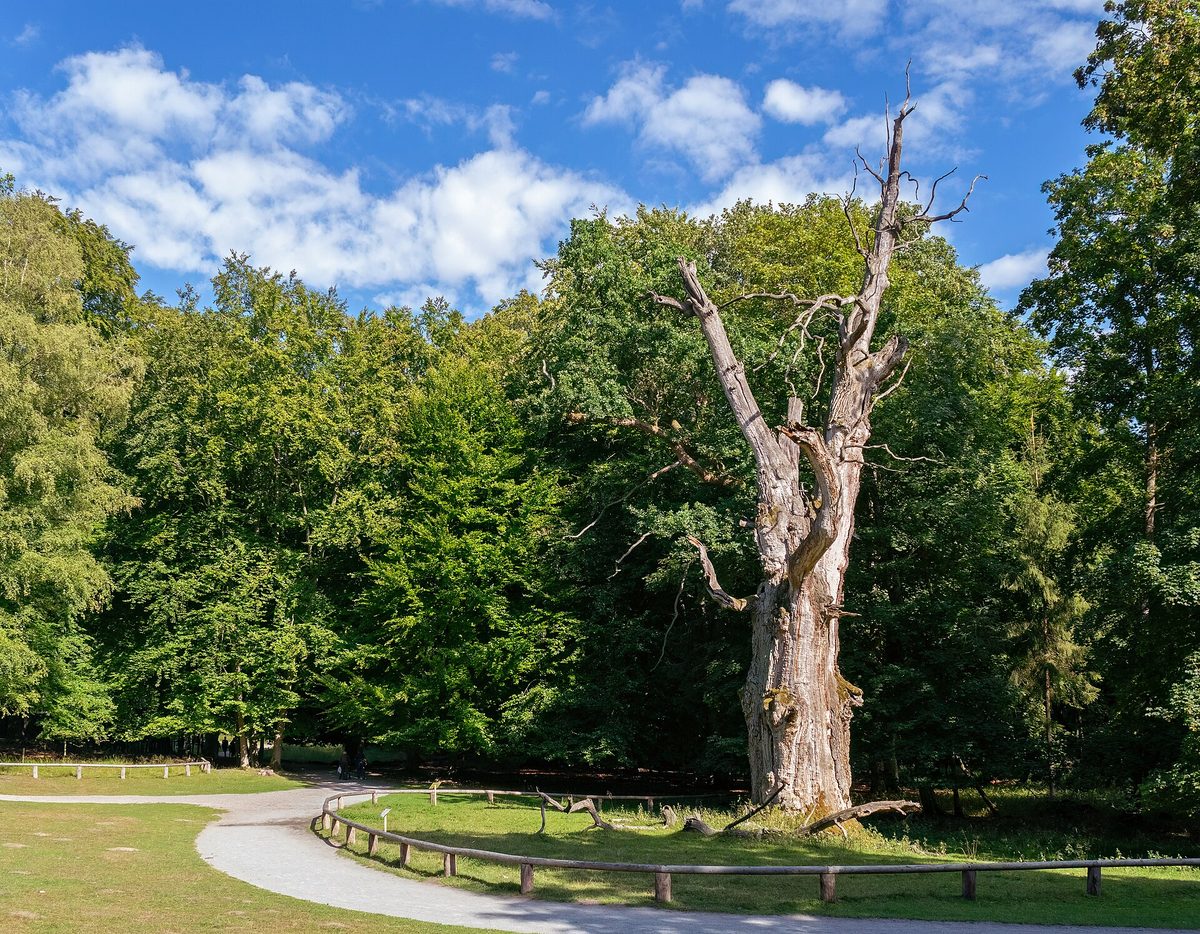
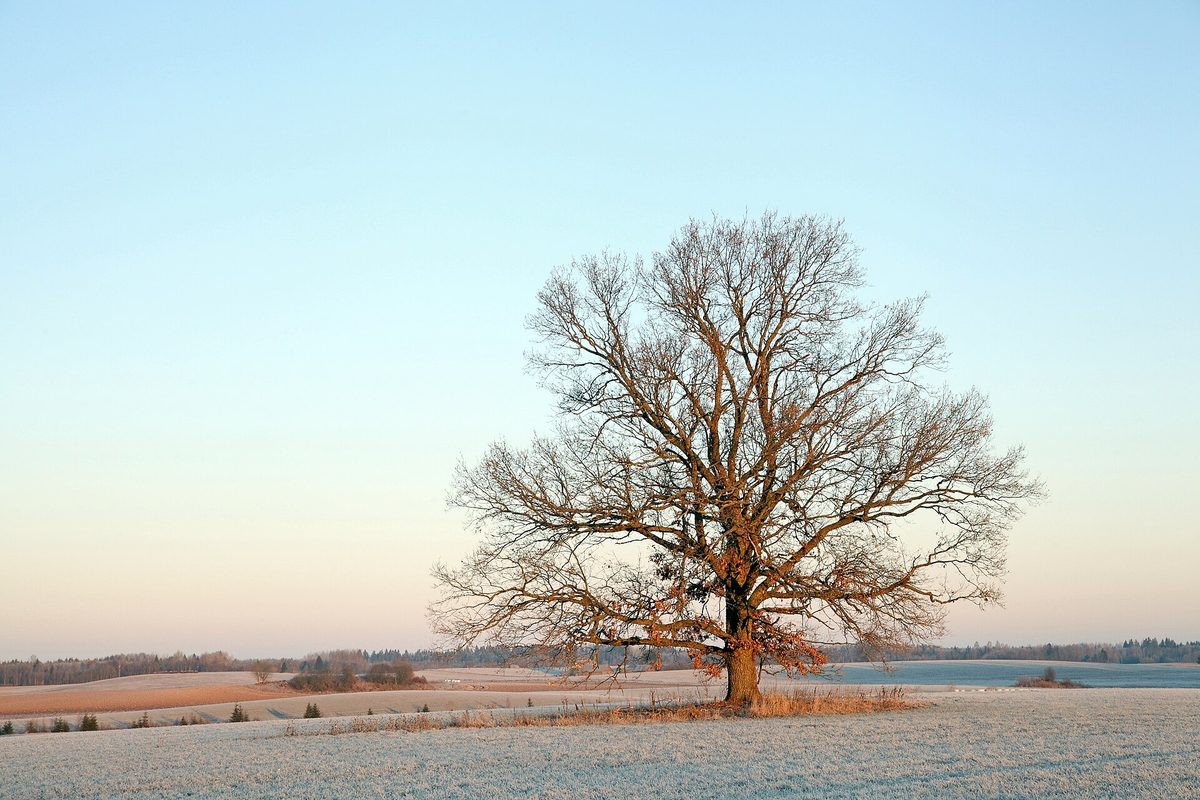
The Pedunculate oak is one of the largest and longest-living deciduous trees in Europe. It grows up to 30–40 m and lives for several centuries, with some trees exceeding a thousand years. The crown is wide and spreading, and the bark of old trees is thick, dark, and deeply fissured.
The leaves are elongated, with rounded lobes, having small "ears" at the base and sitting on very short petioles. Acorns, on the other hand, hang one to three on a long stalk. This is why the species is also called pedunculate. The oak flowers in May, simultaneously with the unfolding of the leaves, and the acorns ripen in September to October.
In the Carpathians, the Pedunculate oak is a tree of the foothills. It grows in Prykarpattia, the Transcarpathian lowland, and in the lower part of the slopes, approximately up to 500–600 m above sea level, in mixed forests with hornbeam, linden, and maples. Above it, beech takes over. On the warm southern slopes of Transcarpathia, the sessile oak also grows: it has leaves on a long petiole, and the acorns sit on the branch almost without a stalk.
The oak feeds and shelters hundreds of species. Wild boars, deer, wolves, and jays eat the acorns. The jay buries them in the ground for later and forgets some — this is how the oak spreads. Old hollow trees are home to owls and bats, and larvae of the stag beetle develop in the decayed wood.
Old oaks in the villages and parks of the Carpathian region often have the status of botanical monuments of nature.
Where in the Carpathians

Teal — the species' natural range within its elevation belt; orange — where naturalists recorded it (GBIF, CC0/CC BY).
Range: Caudullo, Welk & San-Miguel-Ayanz 2017, CC BY 4.0; elevation belt and the countries where it is known — our model (AWS Terrain Tiles)
- Countries
- Ukraine · Slovakia · Czechia · Poland · Romania · Hungary · Austria · Serbia
- Mountain ranges
- nearly all Carpathian ranges, within its elevation belt
- Altitude belts
- Foothills (below 600 m)
When to see it
| Jan | Feb | Mar | Apr | May | Jun | Jul | Aug | Sep | Oct | Nov | Dec | |
|---|---|---|---|---|---|---|---|---|---|---|---|---|
| Fruit |
From naturalists’ observations in the Carpathians (iNaturalist, research grade): the darker the cell, the more often the species is seen that month.
Protection and rules
Not listed in the Red Book of Ukraine. Some ancient trees are protected as nature monuments.
FAQ
Does the oak grow in the Carpathians?
Yes, in the foothills and lowlands — approximately up to 500–600 m above sea level. Above in the mountains, beech, fir, and spruce prevail.
How to distinguish the Pedunculate oak from the sessile oak?
The Pedunculate oak has acorns on a long stalk, and the leaves are almost without petioles, with "ears" at the base. In the sessile oak, on the contrary: the acorns are stalkless, and the leaves have a noticeable petiole.
Comments
Travellers’ experience: reports, tips, questions.
No one has written here yet. Be the first — your experience helps others.
Similar species
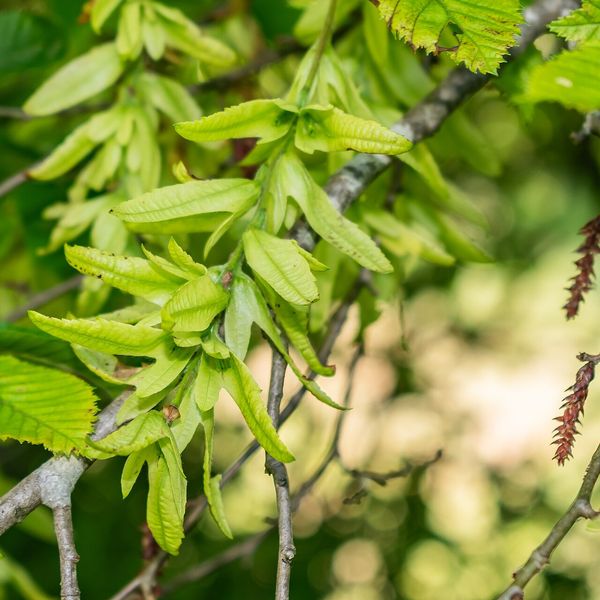
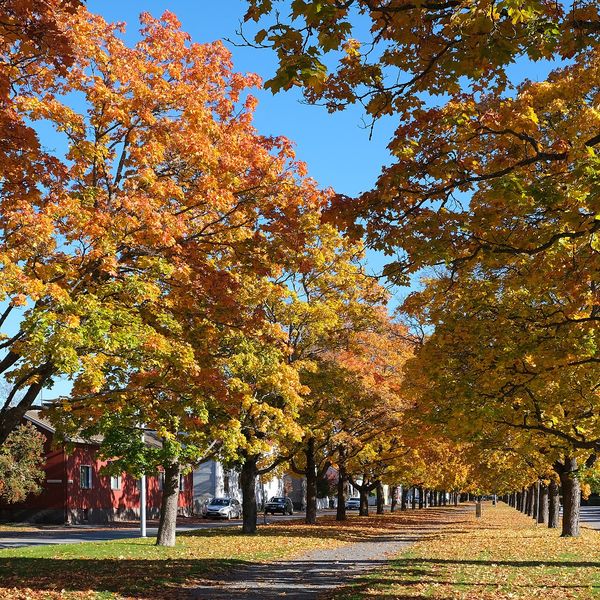
Where to meet it
Trails
 ModerateOne-dayMarkedZhornava village to Stavne villagevia Zahorb village, Mount Cheremkha +1Elevation profile342–1 133 m17.3 kmascent 763 m≈ 5.5 h walking
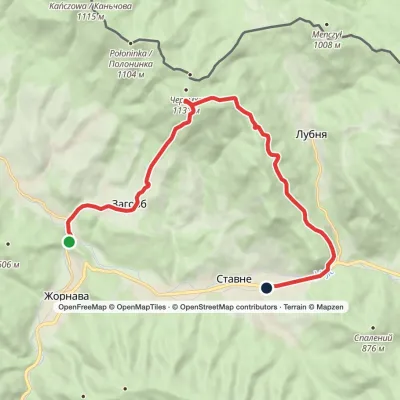 ModerateOne-dayZahorb village to Stavne villagevia Mount CheremkhaElevation profile342–1 132 m14.7 kmascent 798 m≈ 5 h walking
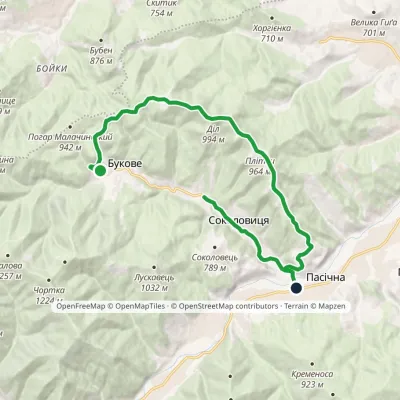 ModerateOne-dayMarkedBukove Bukhtivets-Bystrytsia waterfallElevation profile520–994 m15.5 kmascent 369 m≈ 4.5 h walking
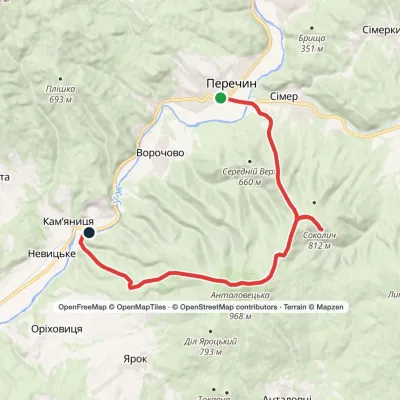 ModerateOne-dayPerechyn village to Kamianytsia villagevia Antalovetska PolianaElevation profile145–968 m20.6 kmascent 905 m≈ 6.5 h walking
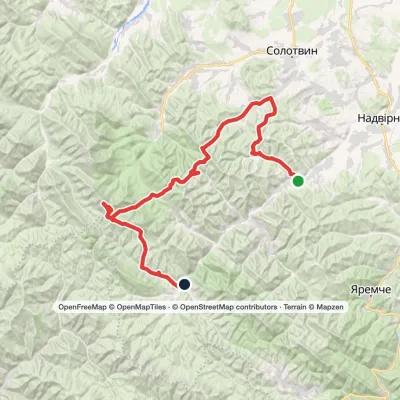 HardMulti-dayPasichna village to Bystrytsia villagevia Maniava village, Maniava Waterfall +1Elevation profile495–1 836 m69.7 kmascent 2 898 m
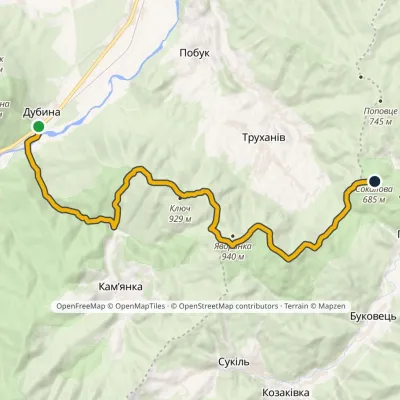 ModerateOne-dayMarkedNo. 500 Dubyna Dovbush Rocksvia Mount KliuchElevation profile418–929 m18.7 kmascent 778 m≈ 6 h walking
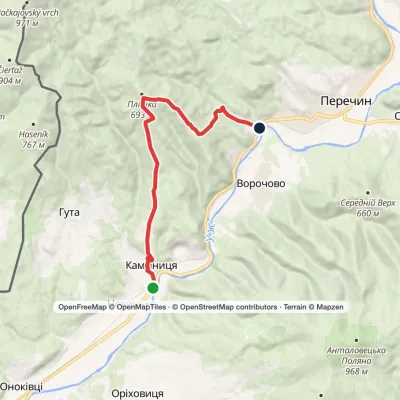 ModerateOne-dayKamianytsia village to Perechyn villagevia Mount PlishkaElevation profile137–694 m12.2 kmascent 571 m≈ 4 h walking
 ModerateOne-dayMarkedYasinia Mount PetrosElevation profile627–2 020 m12.5 kmascent 1 408 m≈ 5.5 h walking
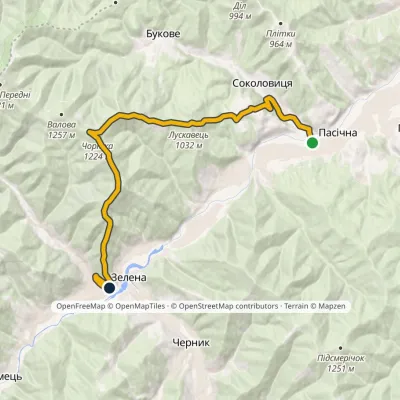 ModerateOne-dayMarkedPasichna village Zelena villagevia Mount ChortkaElevation profile520–1 224 m15.8 kmascent 759 m≈ 5 h walking
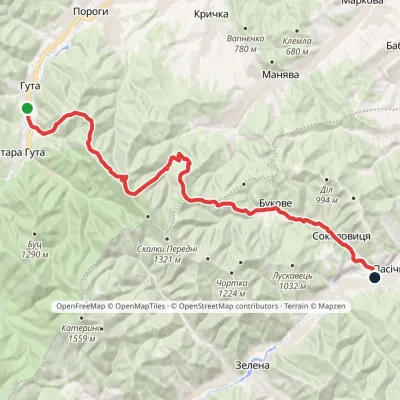 HardOne-dayMarkedHuta village Pasichna villageElevation profile524–1 207 m26.4 kmascent 993 m≈ 8.5 h walking
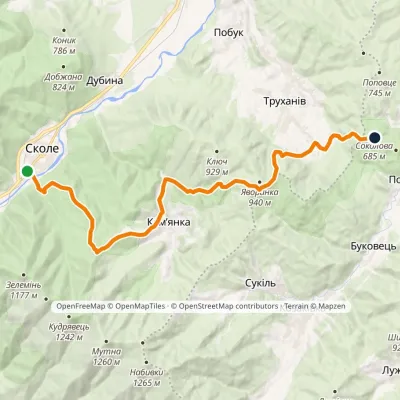 HardOne-dayMarkedNo. 501 Skole Dovbush RocksElevation profile437–921 m20.4 kmascent 987 m≈ 6.5 h walking
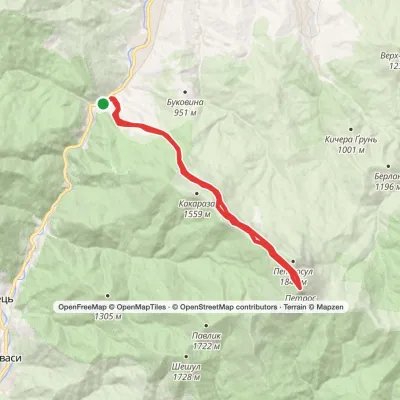 HardOne-dayYasinia loopvia Mount HoverlaElevation profile630–2 020 m21.7 kmascent 1 458 m≈ 8 h walking
Waters and waterfalls
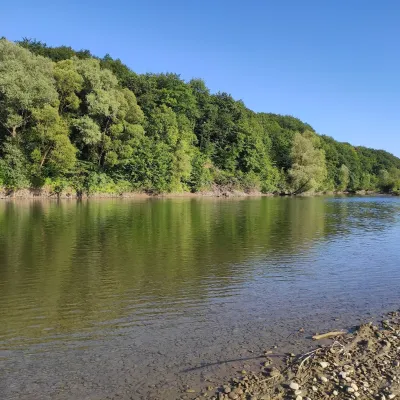 RiverBystrytsia Solotvynska RiverSolotvynThe Bystrytsia Solotvynska rises at about 1,390 m at the foot of Mala Syvulia and Bystryk, near the Peklo cliffs in...
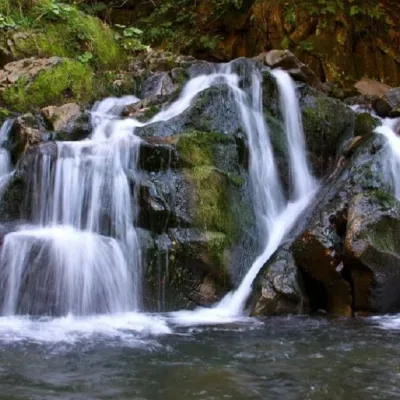 WaterfallKamianka waterfallDubyna"Kamianka Waterfall or Kamianka Waterfall is the most famous waterfall located on the mountain river of the same name...
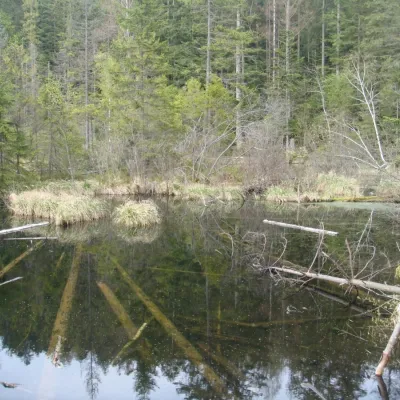 LakeLake Zhuravlyne (Dead Lake)KamiankaThere is one mysterious place in the Skole Beskydy National Nature Park - Zhuravlyne Lake, also called Dead Lake.
Mountain ranges: Skole Beskids, Bieszczady. In other countries: 🇸🇰 Slovak Ore Mountains, 🇨🇿 White Carpathians, 🇨🇿 Moravian-Silesian Beskids, 🇭🇺 Zemplén Mountains, 🇸🇰 Strážov Mountains, 🇸🇰 Štiavnica Mountains, 🇸🇰 Low Tatras, 🇸🇰 Slovak Central Mountains, 🇸🇰 Lesser Fatra, 🇸🇰 Volovec Mountains, 🇸🇰 Greater Fatra, 🇵🇱 Low Beskids
Trails and peaks near which naturalists recorded the species (GBIF, iNaturalist), matched by altitude and habitat. Sightings are not guaranteed.
Sources
- Вікіпедія: Дуб звичайний
- Wikipedia (en): Quercus robur
- iNaturalist: Quercus robur (спостереження в Карпатах)
GBIF · iNaturalist · Wikidata · Distribution data: GBIF.org (CC0 and CC BY records), iNaturalist; names and identifiers: Wikidata (CC0). Text: Karpaty.rocks, checked 11.11.2026.
