Herb Robert
About
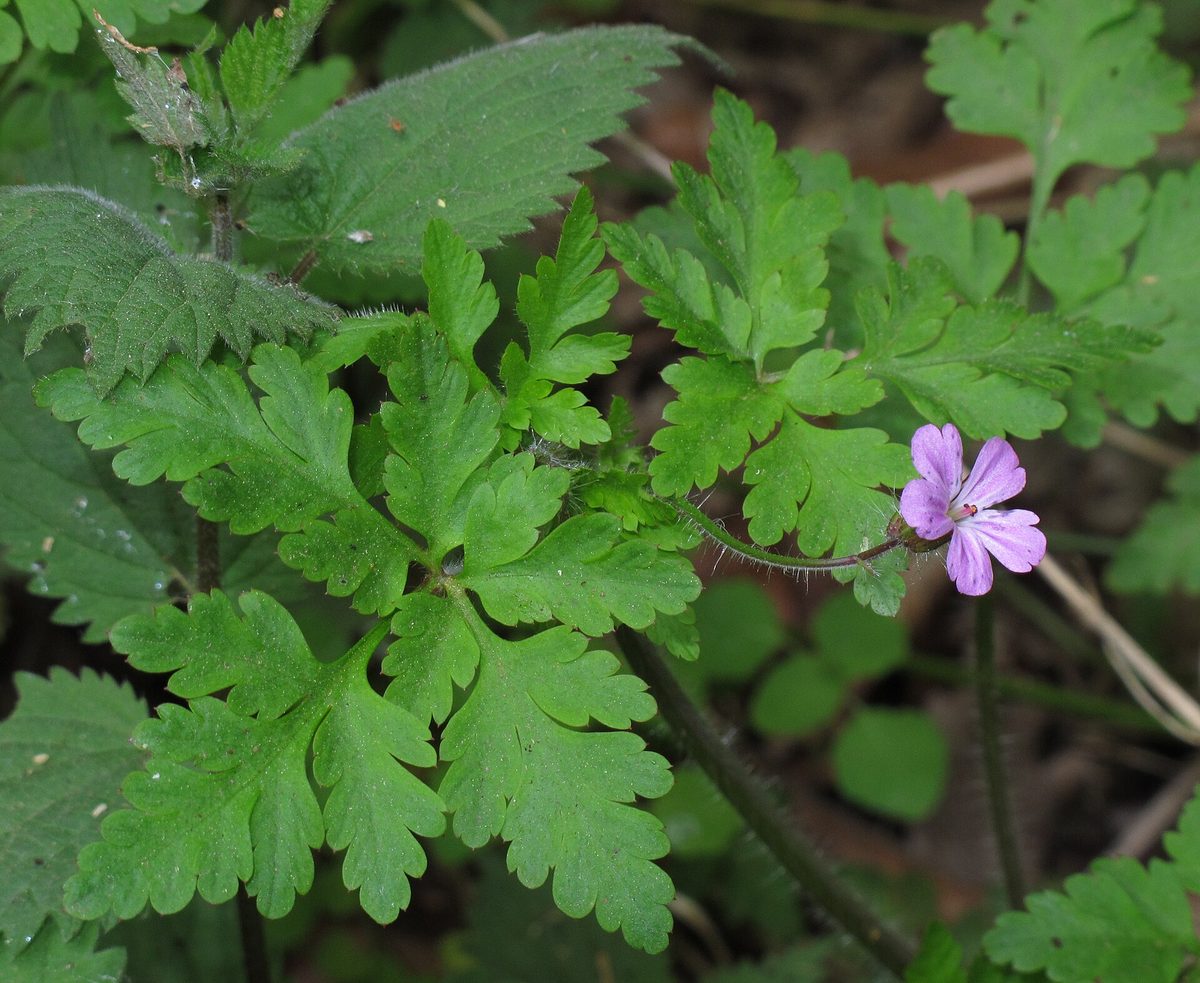
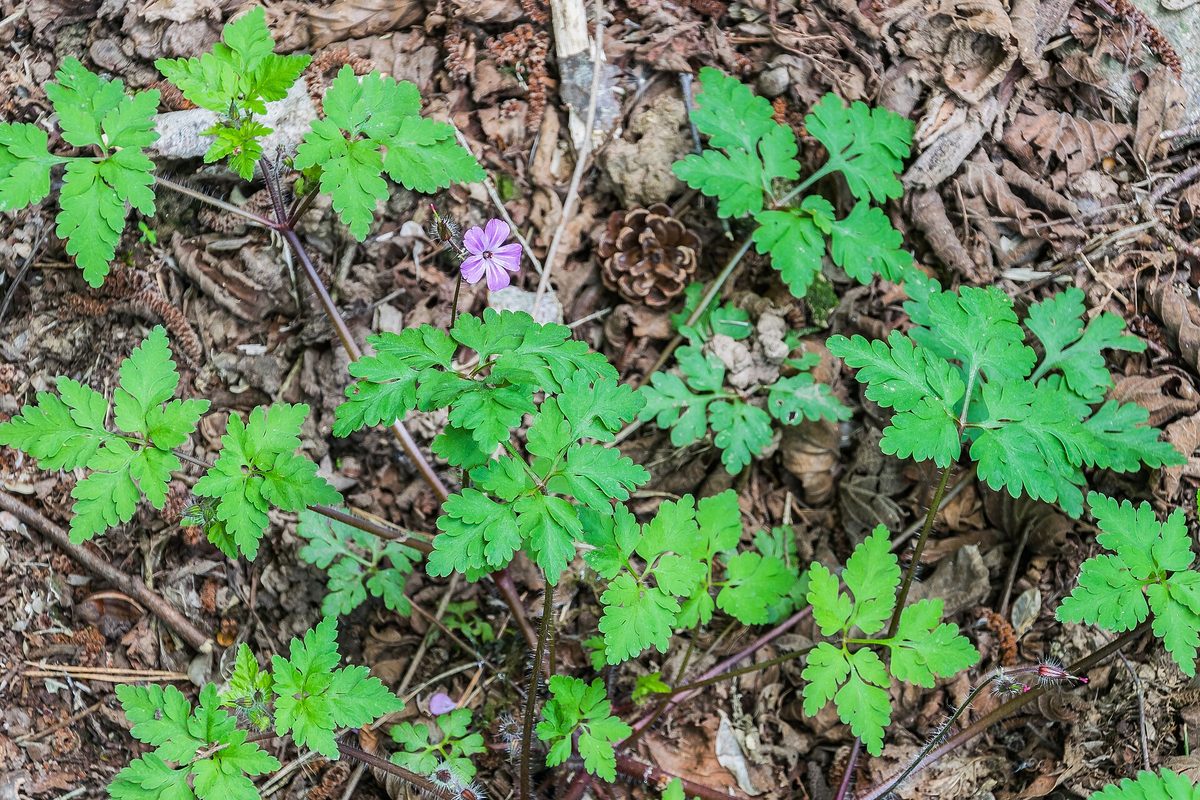
Herb Robert is an annual or biennial plant 20–50 cm tall. The stems are branched, fragile, hairy, and often reddish. The leaves are divided into three to five lobes, each of which is further finely dissected, giving the foliage a lace-like appearance. When crushed, the plant has a sharp unpleasant smell, which is how it got its name.
The flowers are small, 1–1.5 cm in diameter, pink, with five rounded petals that have three lighter stripes visible on them. They grow in pairs on a common stalk. Herb Robert blooms for a long time, from May to October. The fruit has a long 'beak', like all geraniums; when ripe, it splits open and ejects seeds several meters away.
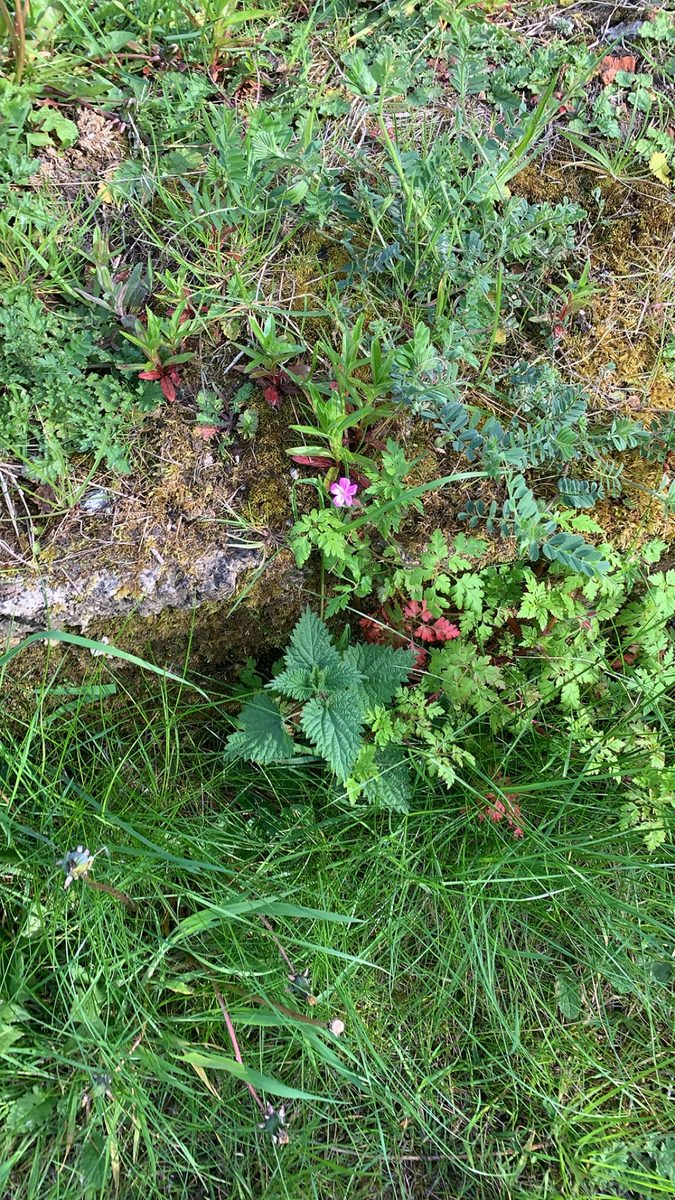
In the Carpathians, Herb Robert grows in shady beech and mixed forests, in ravines, on mossy rocks, stone screes, old walls, and along forest roads—from the foothills to the upper forest limit. It readily settles in places with few competitors: in crevices, on stumps, among stones.
In open sunny places and in autumn, the entire plant turns bright red—this is how it protects itself from excess light.
Several other geraniums grow in the forests and meadows of the Carpathians. The forest geranium and the dark geranium are significantly larger, with purple or dark purple flowers and less dissected leaves.
Where in the Carpathians

Teal — roughly where the species can occur, by elevation and habitat; orange — where naturalists recorded it (GBIF, CC0/CC BY).
Range: elevation belt and the countries where it is known — our model (AWS Terrain Tiles)
- Countries
- Ukraine · Slovakia · Czechia · Poland · Romania · Hungary · Austria · Serbia
- Mountain ranges
- nearly all Carpathian ranges, within its elevation belt
- Altitude belts
- Foothills (below 600 m) · Beech forests (600–1200 m)
When to see it
| Jan | Feb | Mar | Apr | May | Jun | Jul | Aug | Sep | Oct | Nov | Dec | |
|---|---|---|---|---|---|---|---|---|---|---|---|---|
| Flowering | ||||||||||||
| Fruit |
From naturalists’ observations in the Carpathians (iNaturalist, research grade): the darker the cell, the more often the species is seen that month.
Protection and rules
Not listed in the Red Data Book of Ukraine.
FAQ
Why is Herb Robert called 'stinky'?
Crushed leaves and stems have a sharp unpleasant smell.
Why does the leaves of Herb Robert turn red?
In bright sunlight and in autumn, the plant accumulates red pigments that protect it from excess light.
Comments
Travellers’ experience: reports, tips, questions.
No one has written here yet. Be the first — your experience helps others.
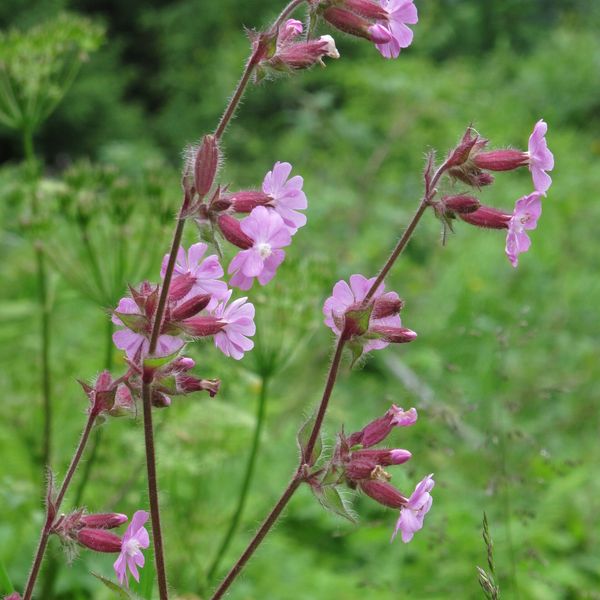
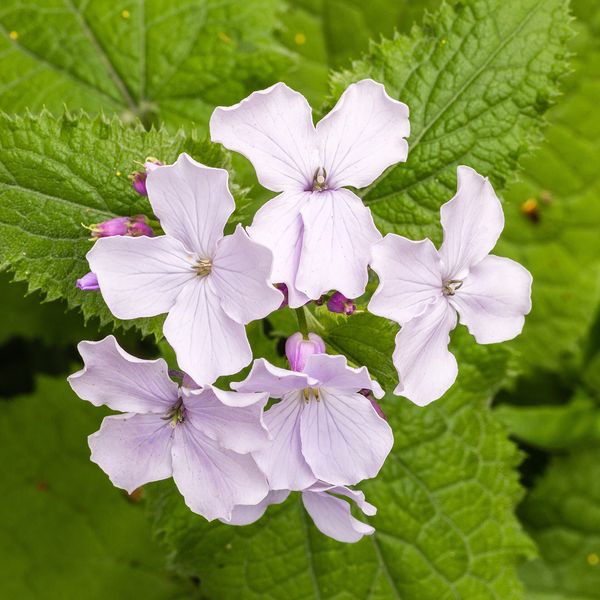
Similar species
Where to meet it
Trails
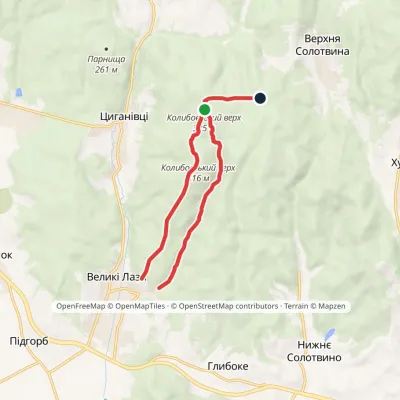 EasyOne-dayMarkedKolybovskyi Verkh loop trailElevation profile136–343 m10.4 kmascent 206 m≈ 3 h walking
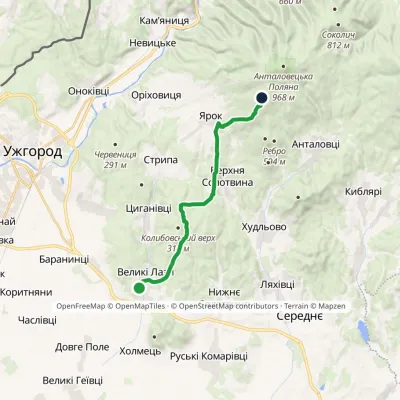 ModerateOne-dayMarkedPlotenia Trail: Velyki Lazy village Mount Dil YarotskyiElevation profile120–796 m16.3 kmascent 748 m≈ 5.5 h walking
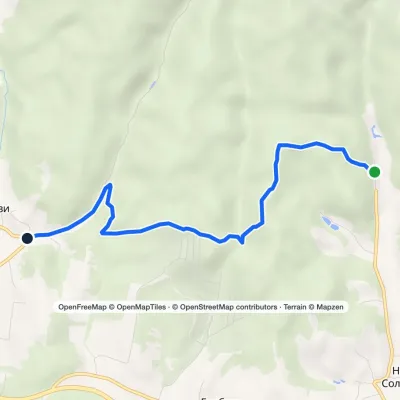 EasyOne-dayMarkedCarpathian Metro hiking routeElevation profile124–248 m5.4 kmascent 173 m≈ 1.5 h walking
Peaks and meadows
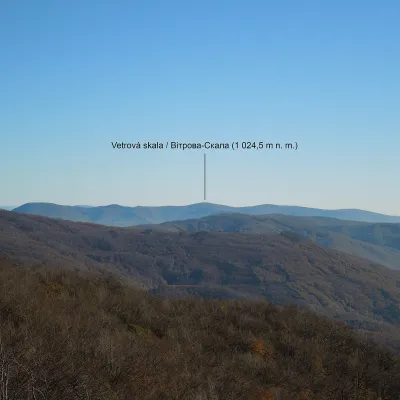 PeakMount Vitrova-SkalaMyrchaaltitude 1 025 m · Volcanic Carpathians rangeVitrova-Skala (Slovak: Vetrová skala) is a 1,025 m (more precisely 1,024.5 m) mountain in the volcanic Vihorlat massif.
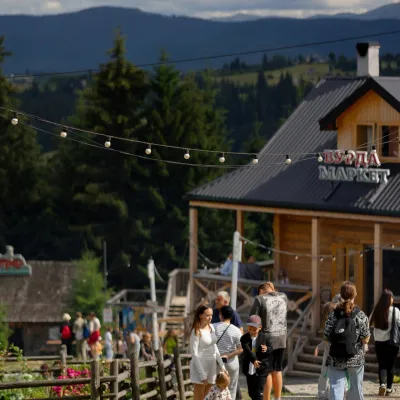 Mountain meadow940 mPolonyna Pertsi Ethno Park, YablunytsiaYablunytsiaPolonyna Pertsi (“Pepper Meadow”) is an ethno park of Hutsul traditions in Yablunytsia, close to the Yablunytsia Pass.
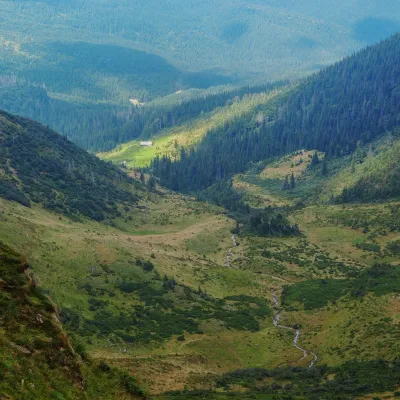 Mountain meadow1 200 mPolonyna ApshynetsChorna TysaApshynets polonyna (Apshyniaska) is a pasture in the upper reaches of the Apshynets stream on the northern slopes of...
Waters and waterfalls
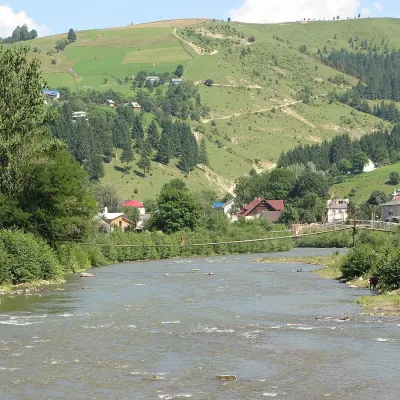 RiverWhite CheremoshUsterikyThe White Cheremosh is one of the most beautiful and important rivers in the Ukrainian Carpathians.
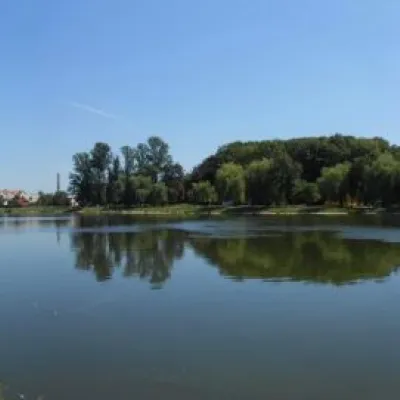 LakeCity lake in KolomyiaKolomyiaAfter touring the city, it's a good idea to relax and unwind by the water.
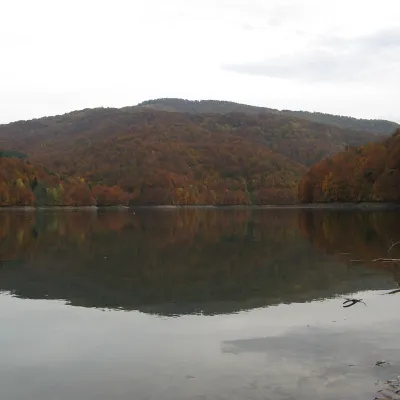 LakeVilshany ReservoirVilshanyThe Vilshany Reservoir, also called the Tereblia-Rika Reservoir, is a narrow mountain lake in the Tereblia valley...
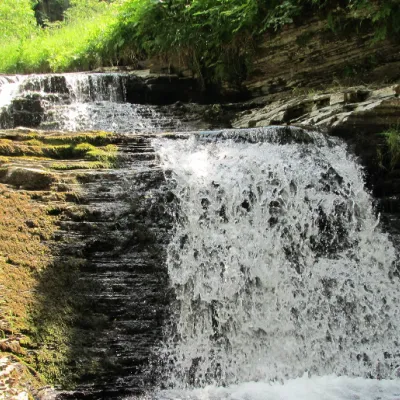 WaterfallSukil WaterfallsSukilNear the village of Sukil in the Bohorodchany urban hromada, the Sukil Waterfalls are truly a paradise for tourists...
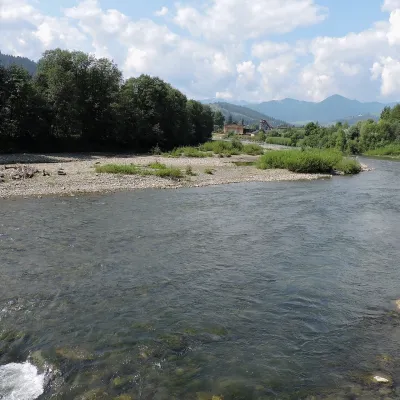 RiverChornyi Cheremosh RiverVerkhovynaThe Chornyi Cheremosh rises south-east of Burkut on the slopes of the Chyvchyn Mountains, the most remote corner of...
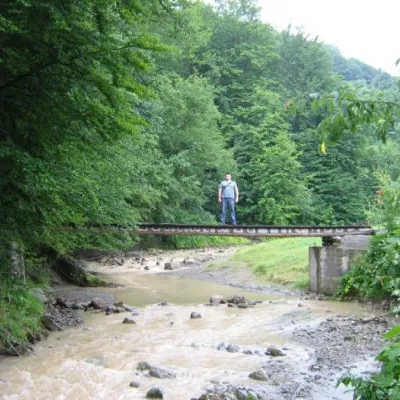 WaterfallMikva waterfallVyzhenkaThe Mykva Waterfall is a small but very picturesque waterfall located in the village of Vyzhenka, Chernivtsi region.
Mountain ranges: In other countries: 🇸🇰 Slovak Ore Mountains, 🇸🇰 Strážov Mountains, 🇸🇰 Greater Fatra, 🇨🇿 Moravian-Silesian Beskids, 🇸🇰 Lesser Fatra, 🇨🇿 White Carpathians, 🇸🇰 Low Tatras, 🇸🇰 Little Carpathians, 🇸🇰 Kysuce Beskids, 🇸🇰 Volovec Mountains, 🇸🇰 Slovak Central Mountains, 🇸🇰 Štiavnica Mountains, 🇵🇱 Pieniny, 🇸🇰 Považský Inovec
Trails and peaks near which naturalists recorded the species (GBIF, iNaturalist), matched by altitude and habitat. Sightings are not guaranteed.
Sources
- Вікіпедія: Журавець смердючий
- Wikipedia (en): Geranium robertianum
- iNaturalist: Geranium robertianum (спостереження в Карпатах)
GBIF · iNaturalist · Wikidata · Distribution data: GBIF.org (CC0 and CC BY records), iNaturalist; names and identifiers: Wikidata (CC0). Text: Karpaty.rocks, checked 11.11.2026.
