Betony
For information only, not medical advice. Do not self-medicate — consult a doctor. Many Carpathian medicinal plants are protected and must not be collected.
About
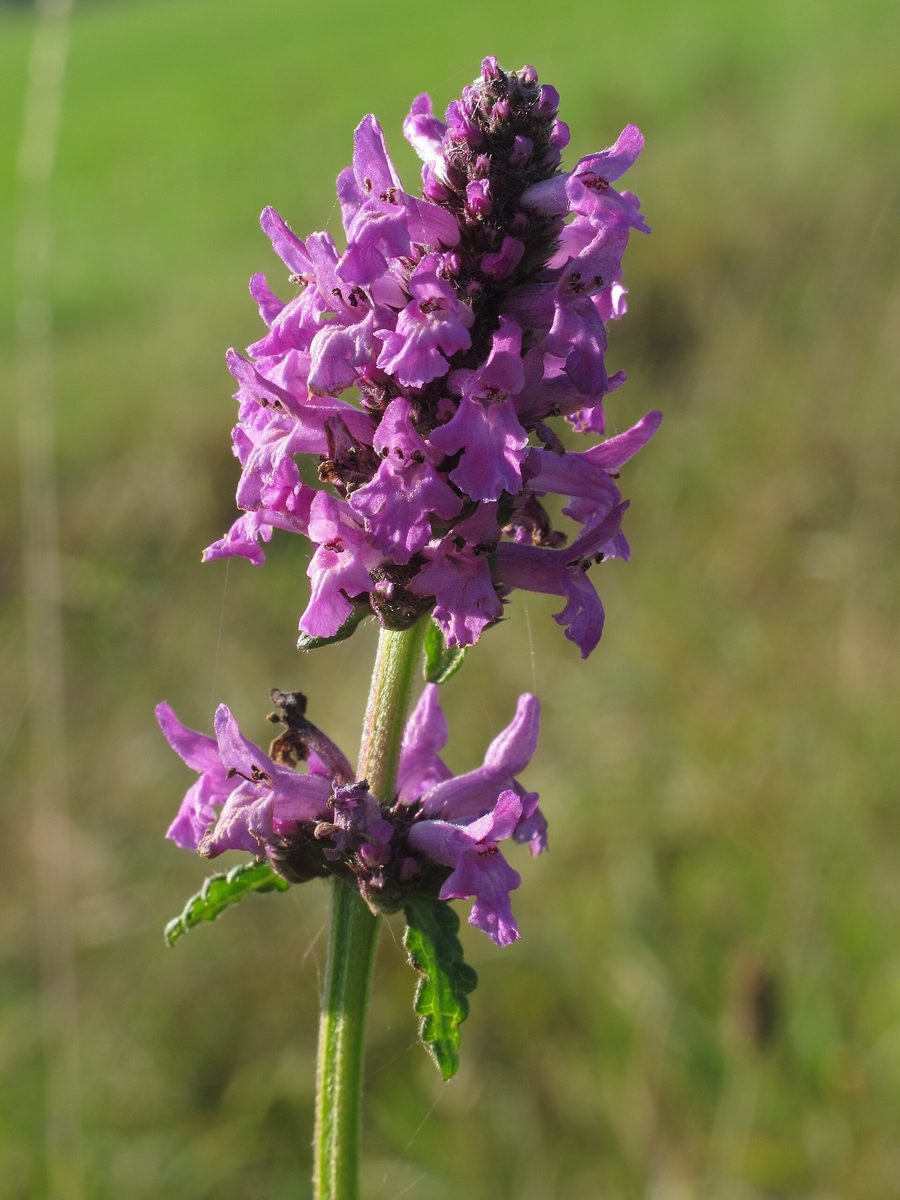
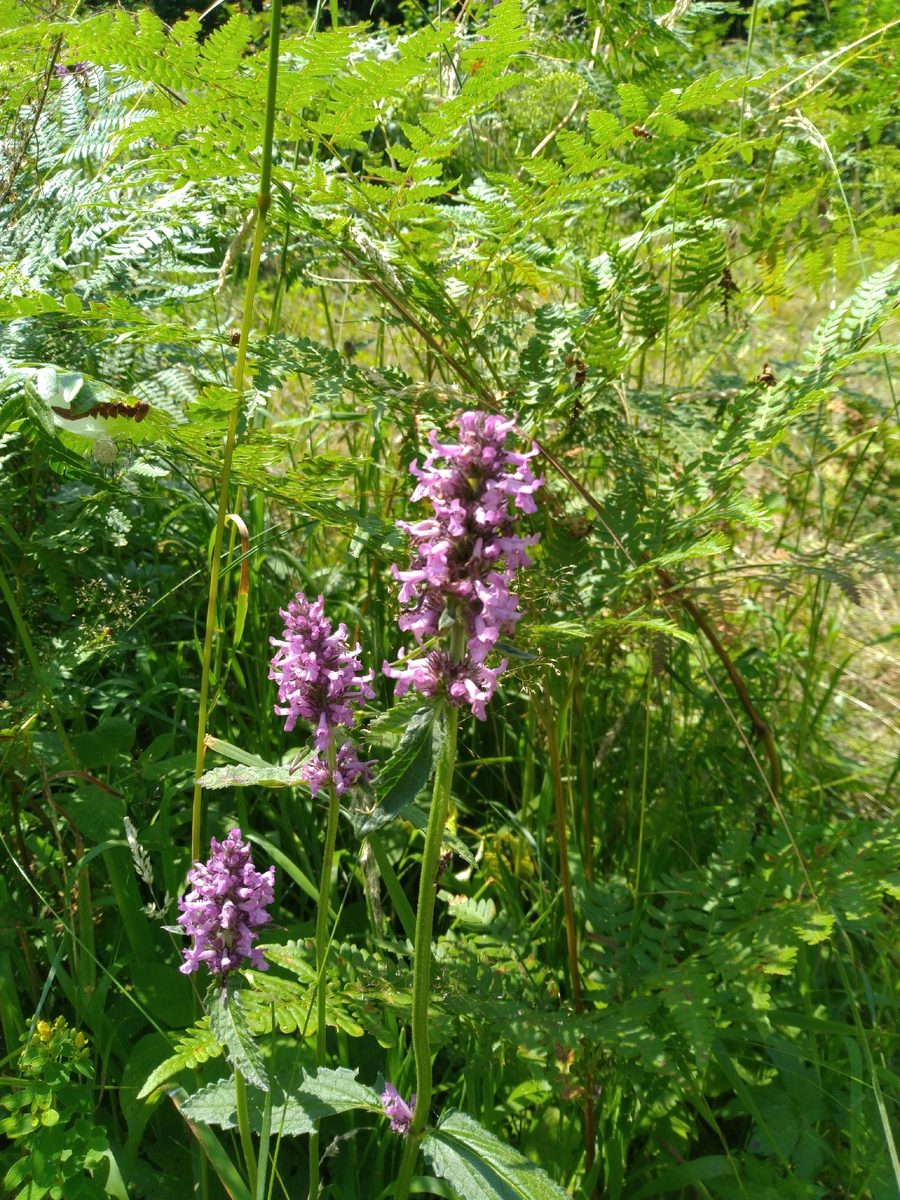
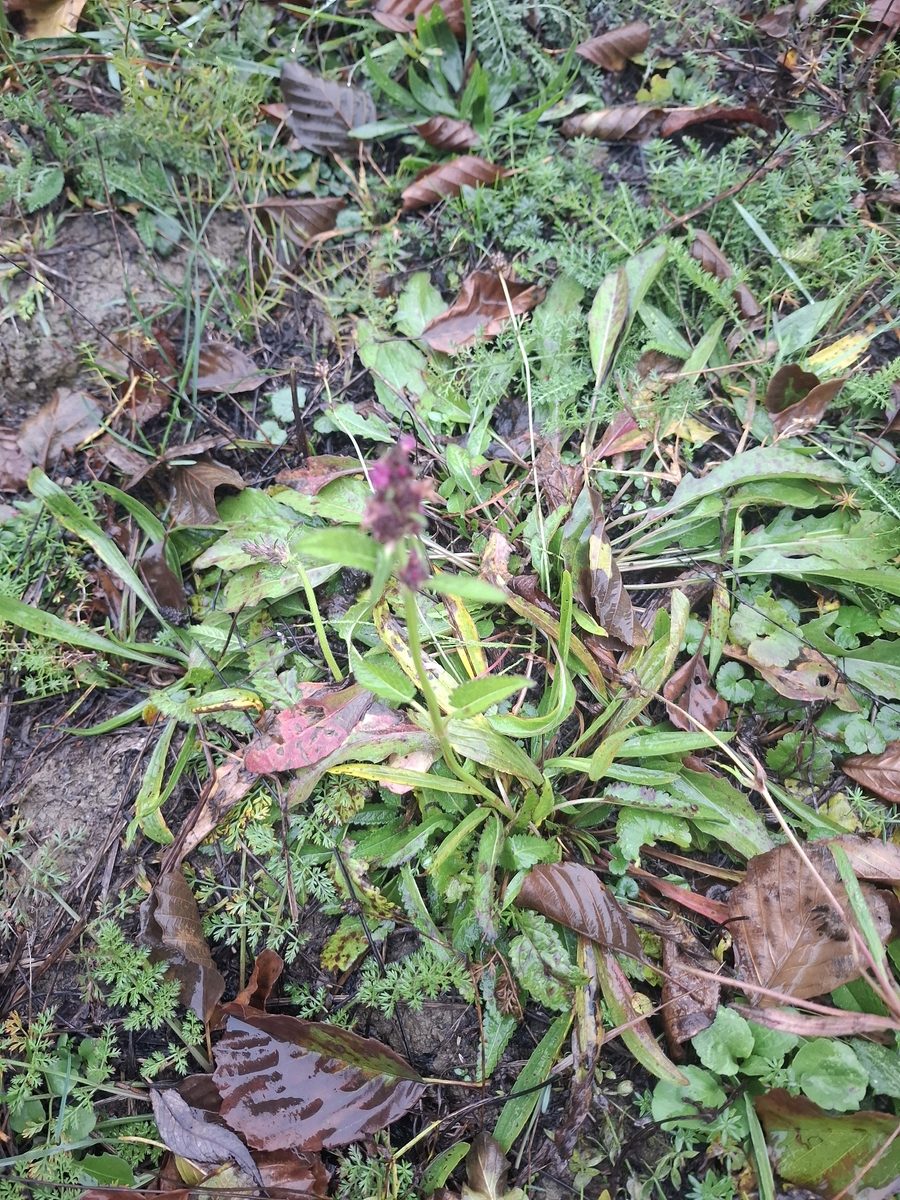
Betony is a perennial herb 30–80 cm tall. Most leaves are gathered in a basal rosette: they are elongated, with a heart-shaped base and rounded teeth along the edge, sitting on long petioles. The stem is four-angled, rough, and almost leafless — it has only two or three pairs of smaller leaves, spaced far apart.
Betony blooms from June to August, and sometimes even in September. At the top of the stem, a dense spike of purple-pink bilabiate flowers develops; the lower ring of flowers is often slightly displaced downward. The flowers are rich in nectar, so bumblebees, bees, and butterflies — such as fritillaries, eye spots, and blues — constantly feed on them.
In the Carpathians, Betony is common in meadows, pastures, forest clearings, and edges, in light oak and mixed forests — from the foothills to mountain meadows. It prefers poor soils that are not plowed or fertilized, so its abundant flowering is a sign of an ancient, well-preserved meadow. In the Ukrainian Carpathians, naturalists record it very frequently.
Betony has long been considered a medicinal herb: even in ancient times, it was attributed with the power against dozens of ailments, and in Europe, it was grown in monastery gardens. Modern medicine has not confirmed these properties, and the plant is not considered a medicinal remedy.
Betony can be confused with Stachys and orchids, but in orchids, the leaves are entire, with arcuate veins, and the stem is round.
Where in the Carpathians

Orange — where naturalists recorded the species (GBIF, CC0/CC BY); a blank area does not mean it is absent.
- Countries
- Ukraine · Slovakia · Czechia · Romania · Poland · Hungary · Austria
- Mountain ranges
- Bieszczady. In other countries: 🇸🇰 Strážov Mountains, 🇨🇿 White Carpathians, 🇸🇰 Slovak Ore Mountains, 🇸🇰 Slovak Central Mountains, 🇵🇱 Low Beskids, 🇸🇰 Lesser Fatra, 🇸🇰 Low Tatras, 🇸🇰 Greater Fatra, 🇸🇰 Kysuce Beskids, 🇸🇰 Volovec Mountains, 🇸🇰 Kremnica Mountains, 🇸🇰 Štiavnica Mountains, 🇸🇰 Považský Inovec
- Altitude belts
- Foothills (below 600 m) · Beech forests (600–1200 m)
When to see it
| Jan | Feb | Mar | Apr | May | Jun | Jul | Aug | Sep | Oct | Nov | Dec | |
|---|---|---|---|---|---|---|---|---|---|---|---|---|
| Flowering | ||||||||||||
| Fruit |
From naturalists’ observations in the Carpathians (iNaturalist, research grade): the darker the cell, the more often the species is seen that month.
In folk tradition
The herb is traditionally dried and brewed as an herbal tea.
Protection and rules
Not listed in the Red Book of Ukraine.
FAQ
When does Betony bloom?
From June to August, in mountain meadows — also in September.
Where does Betony grow in the Carpathians?
In meadows, pastures, clearings, and edges from the foothills to mountain meadows, most often in non-fertilized meadows.
Comments
Travellers’ experience: reports, tips, questions.
No one has written here yet. Be the first — your experience helps others.
Similar species
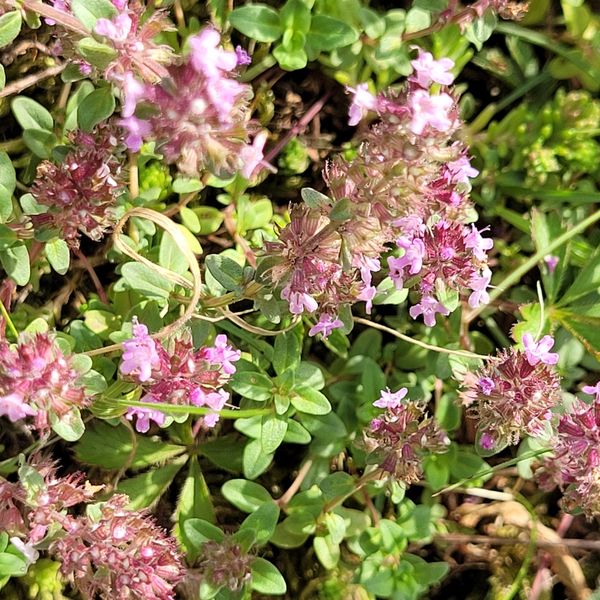
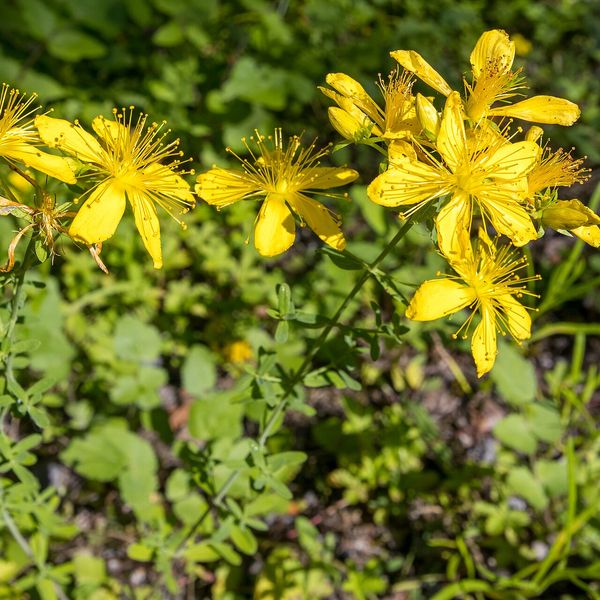
Where to meet it
Trails
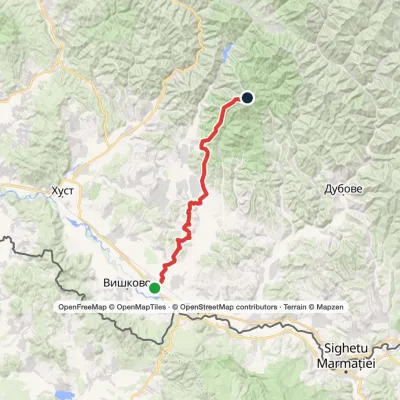 HardTwo-dayBushtyno to Mount Manchulvia Zanivka tractElevation profile208–1 501 m45.5 kmascent 2 029 m
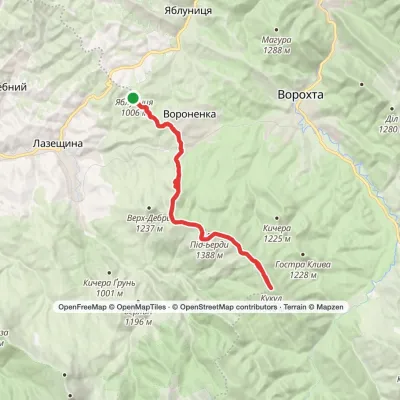 HardOne-dayVoronenko village loopvia Mount KukulElevation profile880–1 539 m29.5 kmascent 959 m≈ 9 h walking
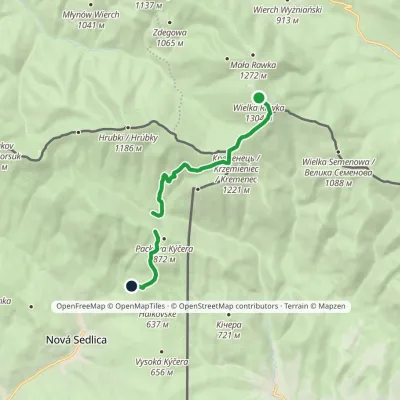 EasyOne-dayMarkedCross-border trail «Brown Bear»: Mount Velyka Ravka Nova SedlytsiaElevation profile586–1 303 m7.9 kmascent 226 m≈ 2.5 h walking
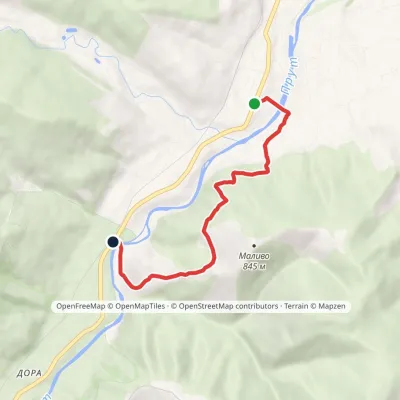 EasyOne-dayMarkedBaron's Trail: Deliatyn Dora villageElevation profile421–701 m5.3 kmascent 277 m≈ 2 h walking
 ModerateOne-dayMarkedBystrytsia village loopvia Mount HropaElevation profile867–1 759 m14.9 kmascent 892 m≈ 5 h walking
 HardOne-dayNyzhnii Yalovets village to Shypit villagevia Mount YarovytsiaElevation profile863–1 574 m24.7 kmascent 993 m≈ 8 h walking
Waters and waterfalls
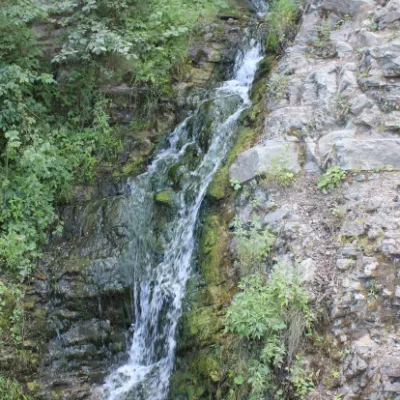 WaterfallSykavka waterfallVelykyi RozhynSykavka Waterfall is a waterfall located near the Sokilsky Rocks, also between the villages of Tyudiv and Velykyi...
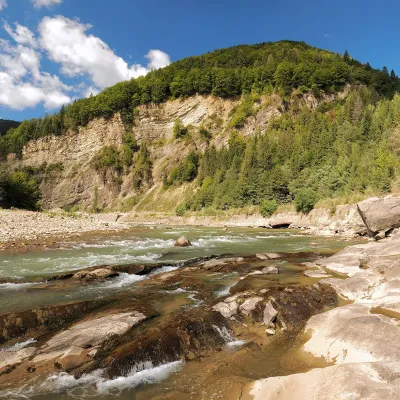 RiverCheremosh RiverVyzhnytsiaThe Cheremosh is born near Usteriky, where the Chornyi Cheremosh and the Bilyi Cheremosh meet.
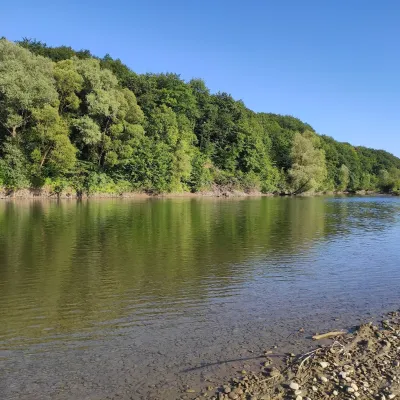 RiverBystrytsia Solotvynska RiverSolotvynThe Bystrytsia Solotvynska rises at about 1,390 m at the foot of Mala Syvulia and Bystryk, near the Peklo cliffs in...
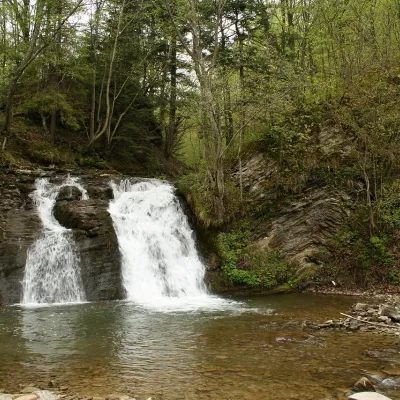 WaterfallGurkalo waterfallKorchynGurkal, located on the Velyka Richka River, has a very eloquent name! You can't argue with it, especially when the...
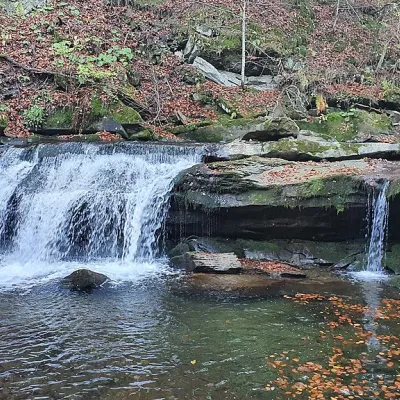 WaterfallKrushelnytskyi waterfallKrushelnytsiaThe real decoration of the mighty Carpathian Mountains is its numerous picturesque waterfalls.
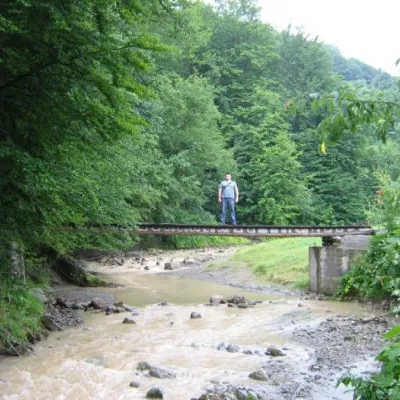 WaterfallMikva waterfallVyzhenkaThe Mykva Waterfall is a small but very picturesque waterfall located in the village of Vyzhenka, Chernivtsi region.
Mountain ranges: Bieszczady. In other countries: 🇸🇰 Strážov Mountains, 🇨🇿 White Carpathians, 🇸🇰 Slovak Ore Mountains, 🇸🇰 Slovak Central Mountains, 🇵🇱 Low Beskids, 🇸🇰 Lesser Fatra, 🇸🇰 Low Tatras, 🇸🇰 Greater Fatra, 🇸🇰 Kysuce Beskids, 🇸🇰 Volovec Mountains, 🇸🇰 Kremnica Mountains, 🇸🇰 Štiavnica Mountains, 🇸🇰 Považský Inovec
Trails and peaks near which naturalists recorded the species (GBIF, iNaturalist), matched by altitude and habitat. Sightings are not guaranteed.
Sources
- Вікіпедія: Буквиця лікарська
- Wikipedia (en): Betonica officinalis
- iNaturalist: Betonica officinalis (спостереження в Карпатах)
GBIF · iNaturalist · Wikidata · Distribution data: GBIF.org (CC0 and CC BY records), iNaturalist; names and identifiers: Wikidata (CC0). Text: Karpaty.rocks, checked 11.11.2026.
