Музей "Писанка" (офіційна назва – Музей писанкового розпису), що розташований у м. Коломия Івано-Франківської області, є єдиною у всьому світі культурною установою, створеною з однією ціллю – збереження та експонування писанок.
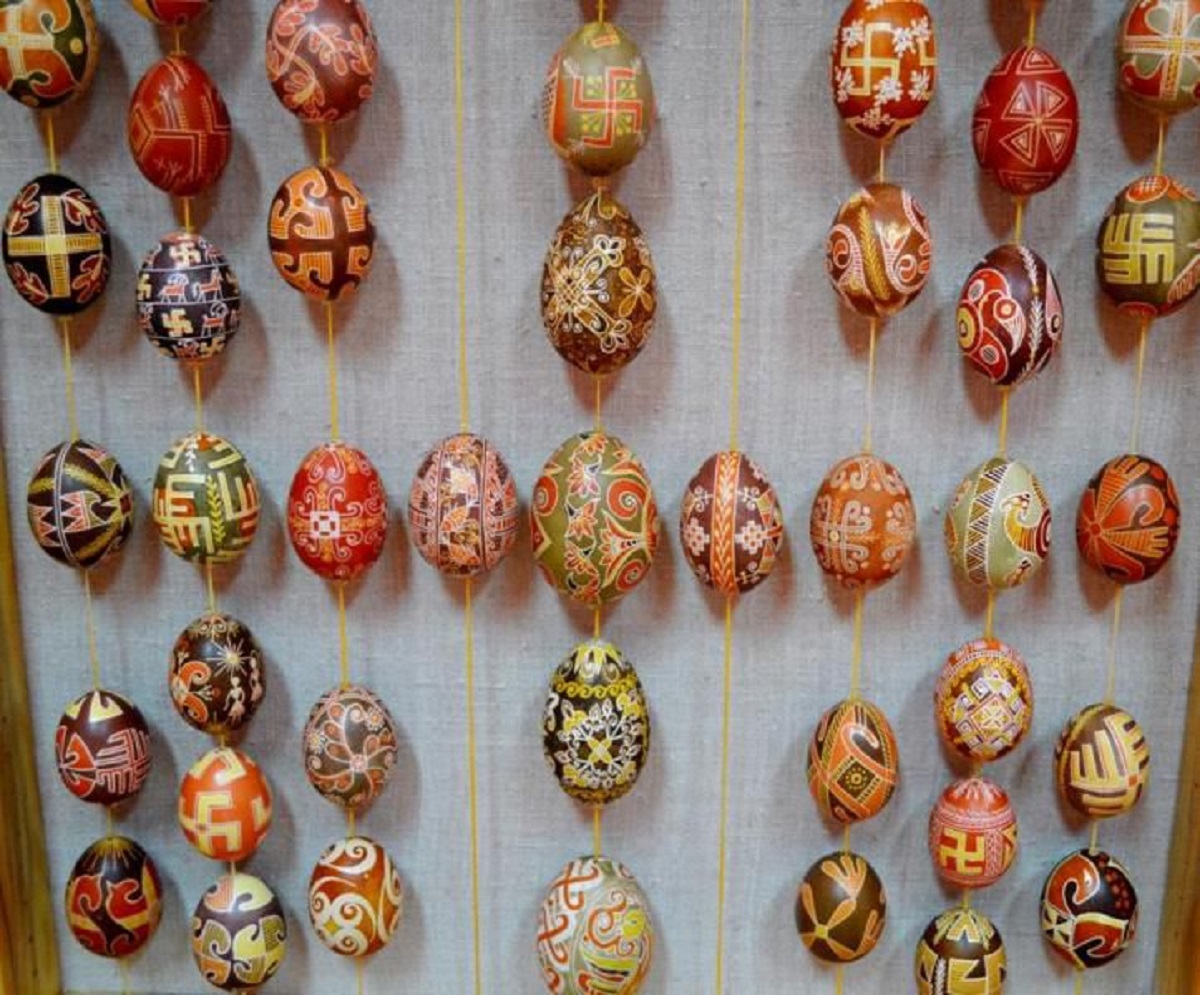
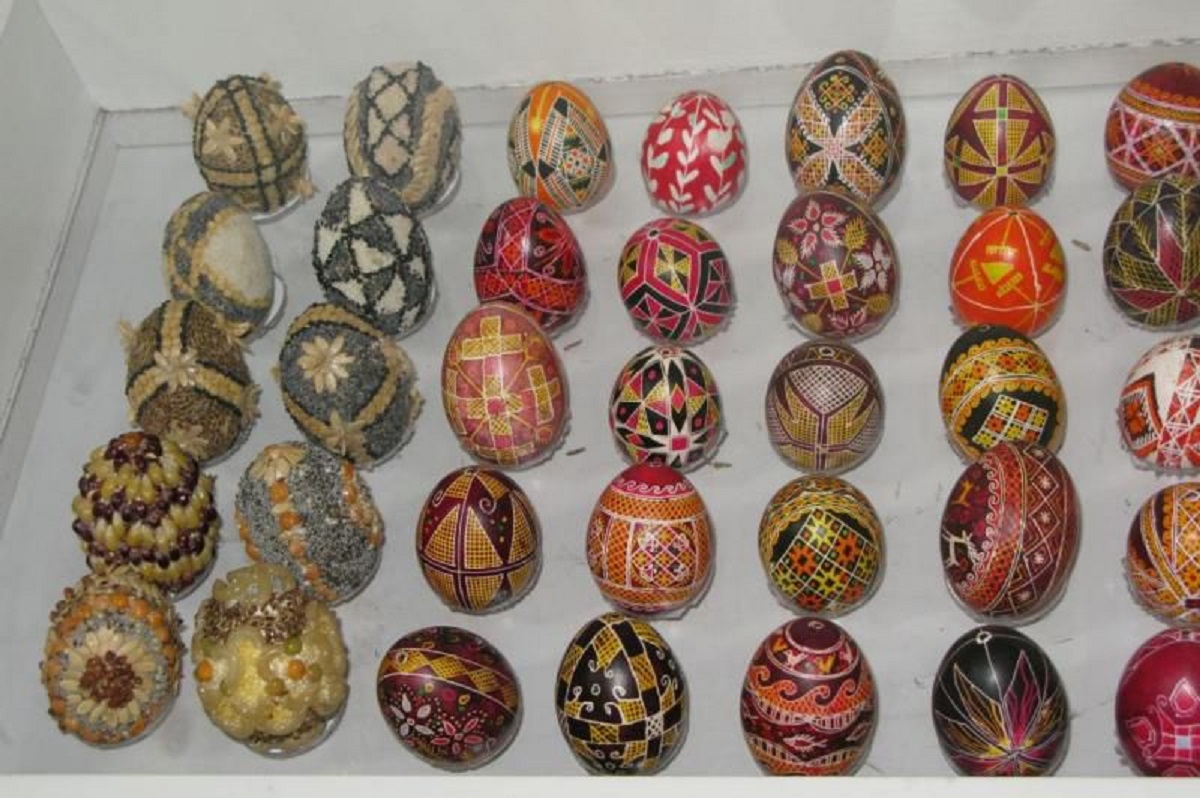
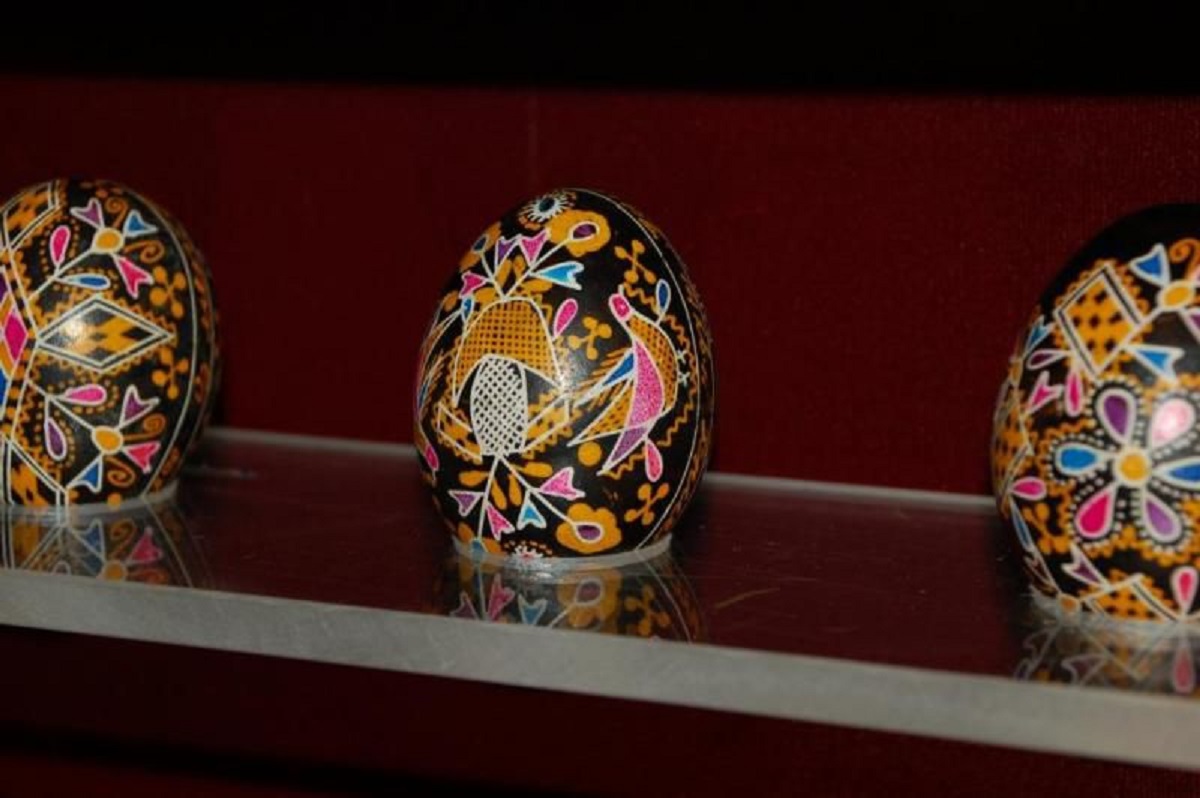
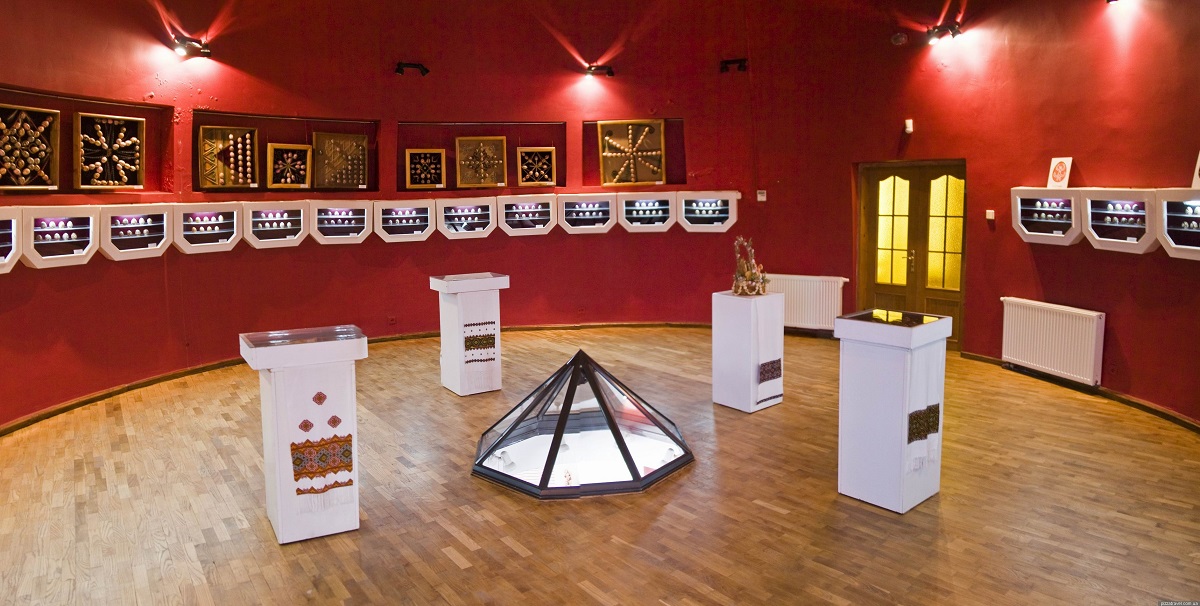
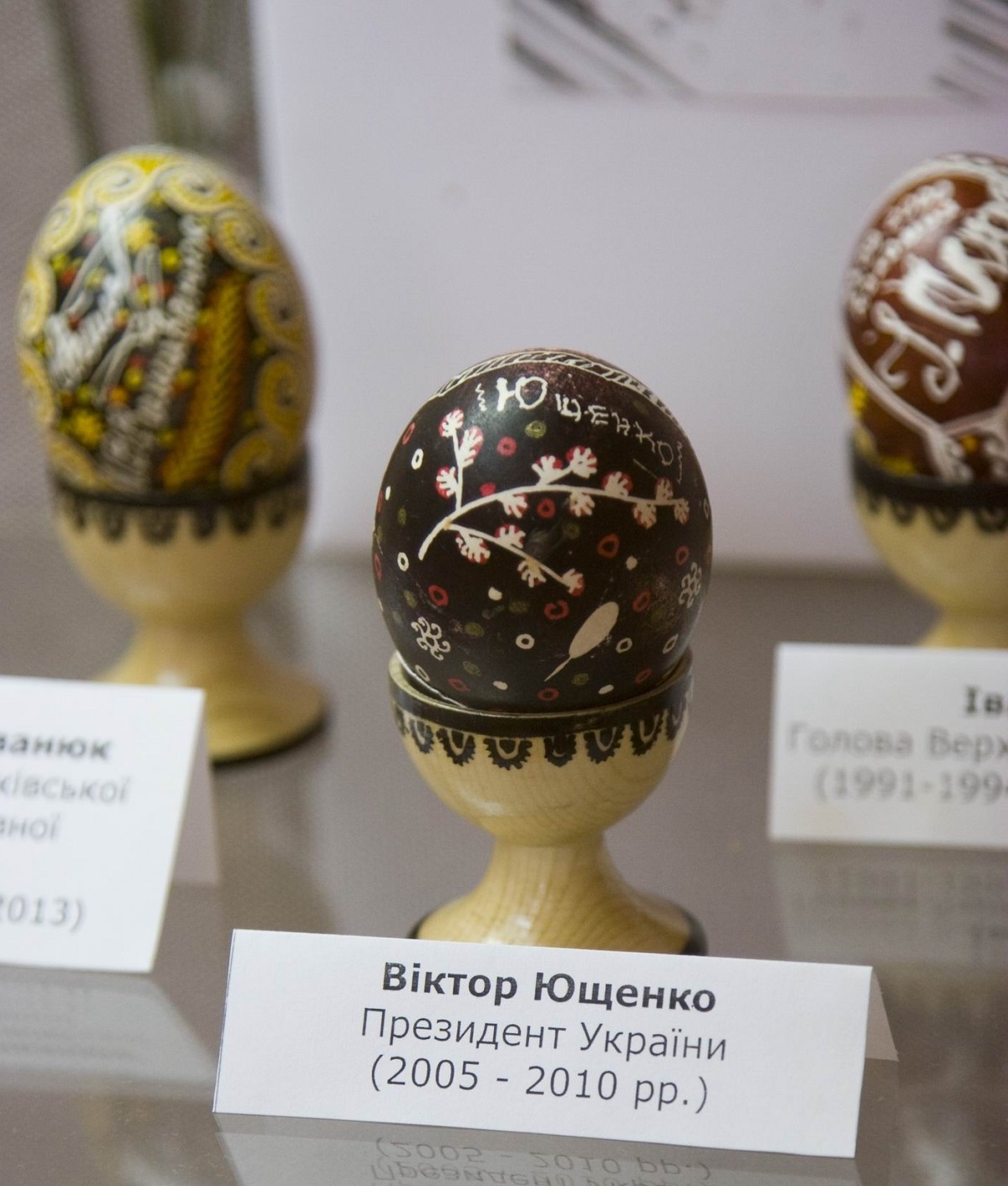
Today, the museum's collection holds over 12,000 (!) pysanky, not only from Ukraine but also from other countries around the world. Among the museum exhibits, there are also works of pysanka painting with autographs from famous Ukrainian political and cultural figures. However, let's not get ahead of ourselves; everything in due time.
The background of the modern Museum of Pysanka Painting
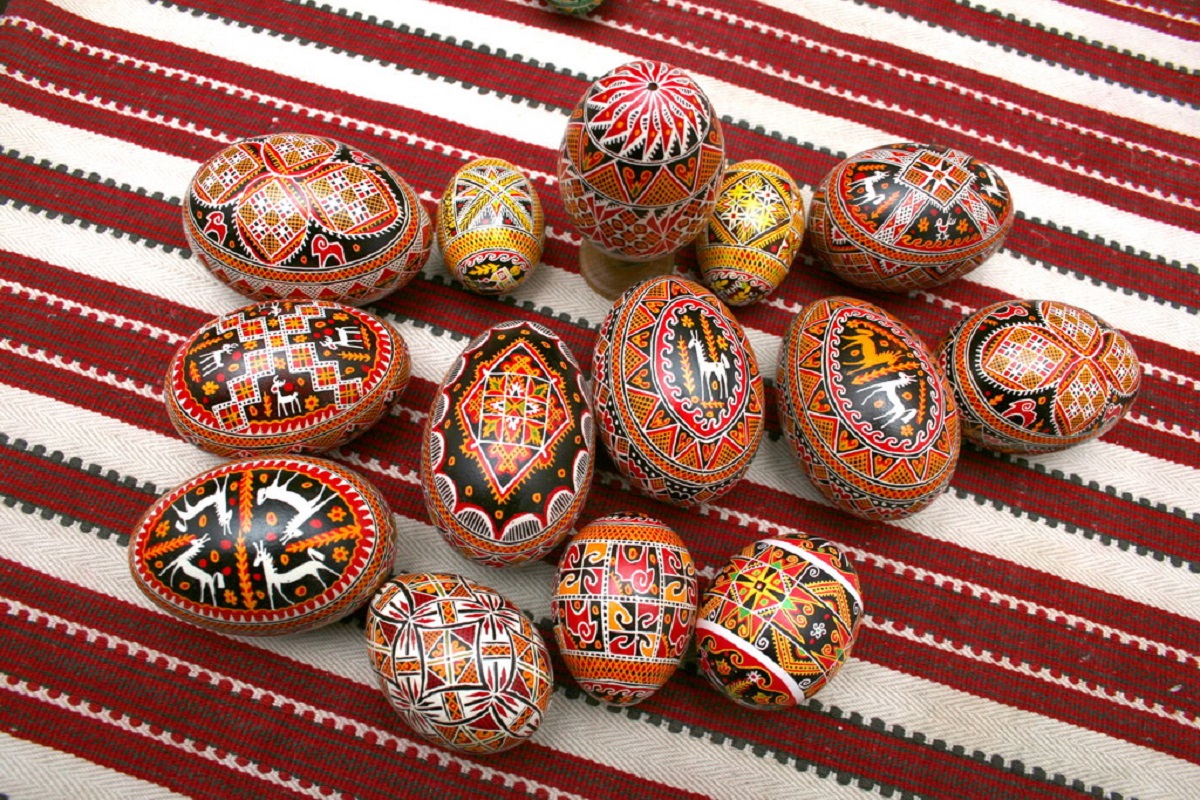
Pysanky are eggs (chicken, duck, goose, etc.) that are decorated using a special wax technique and dyed with aniline or natural dyes. The tradition of such decoration in Pokuttya and Hutsulshchyna dates back to ancient times. Therefore, it is not surprising that in this region, the art of pysankarstvo has reached an extraordinarily high level.
The first collection of pysanky from Hutsulshchyna and Pokuttya was gathered at the Museum of Folk Art named after Y. Kobrynskyi, which took several decades to complete. As the collection grew, the museum's management decided to create a separate museum department dedicated solely to the works of pysanka painting.
Initially, the new structural unit of the museum was planned to be located in one of the Polish churches in the villages of Delyatyn or Stopchativ, then it was planned to place the exhibition in a Hutsul house in the City Park of Ivano-Frankivsk. Eventually, they settled on the premises of the Kolomyia Church of the Annunciation.
The history of the museum
The "Pysanka" Museum was opened in October 1987 in the building of the Church of the Annunciation, and the basis of the exhibition was a huge collection of pysanky from the Museum of Folk Art named after Y. Kobrynskyi. Thanks to the church's location at the crossroads of highways with a huge flow of vehicles, the museum always had many visitors.
However, three years later, in 1990, the Church of the Annunciation was handed over to the parishioners. Thus, the museum was left without a permanent premises. Only in 1992 did the institution reopen its doors to visitors in an unsuitable building at 78 Roman Shukhevych Street, where it remained until 2000, until it received new premises.
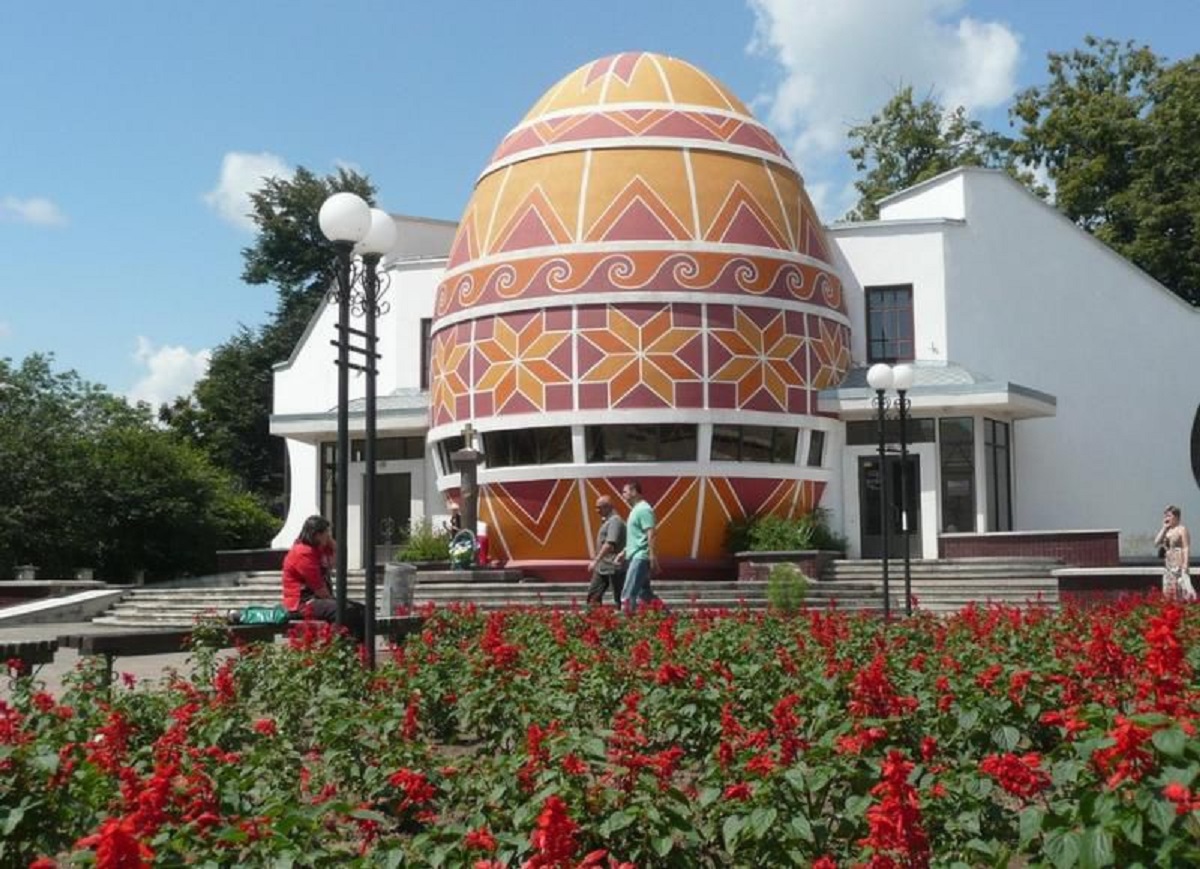
Since 2000, the "Pysanka" Museum has been located in a specialized building, part of which is the Monument to the Pysanka (designed by I.Ye. Shumyn, total height – 13.5 m, diameter – 10 m). Due to its size, the sculpture has become the largest pysanka monument in the world.
The "Pysanka" Museum today
The modern museum building is made of colorful glass. The total area of the stained glass is about 600 m². The museum's collection comprehensively reflects the compositional, coloristic, and ornamental richness of folk polychrome graphics.
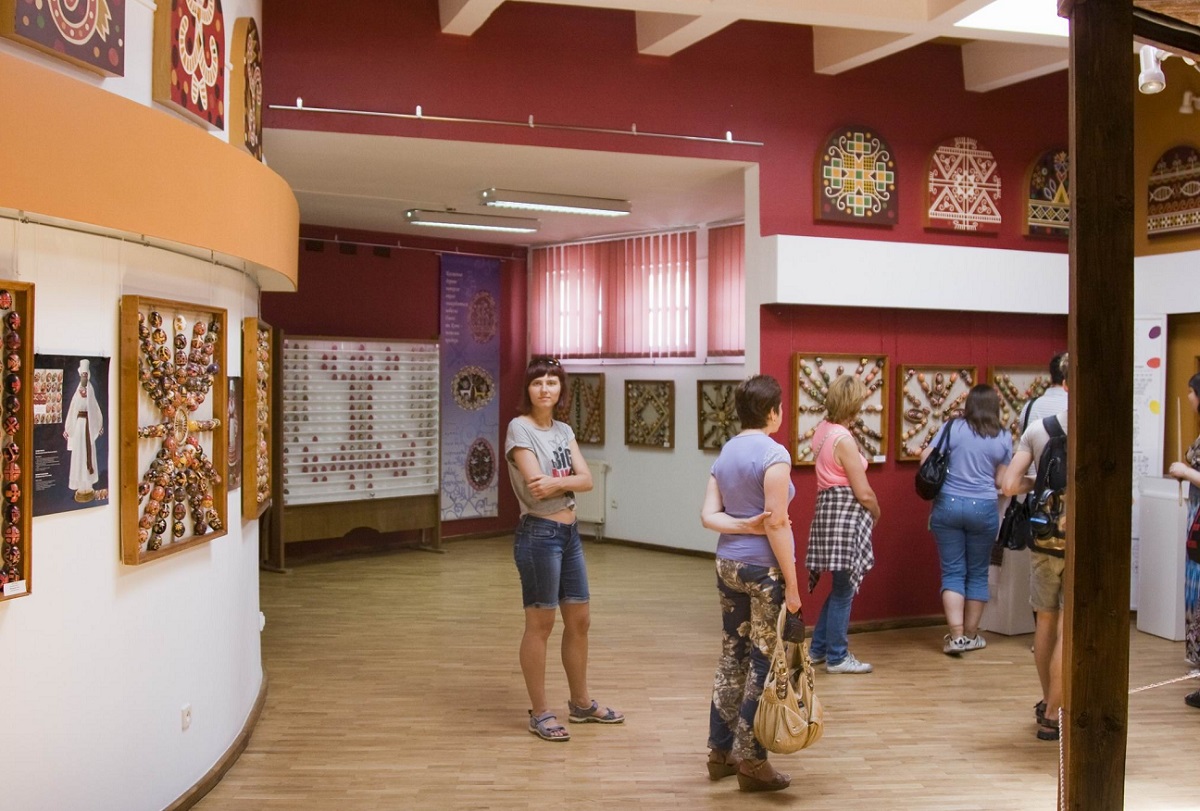
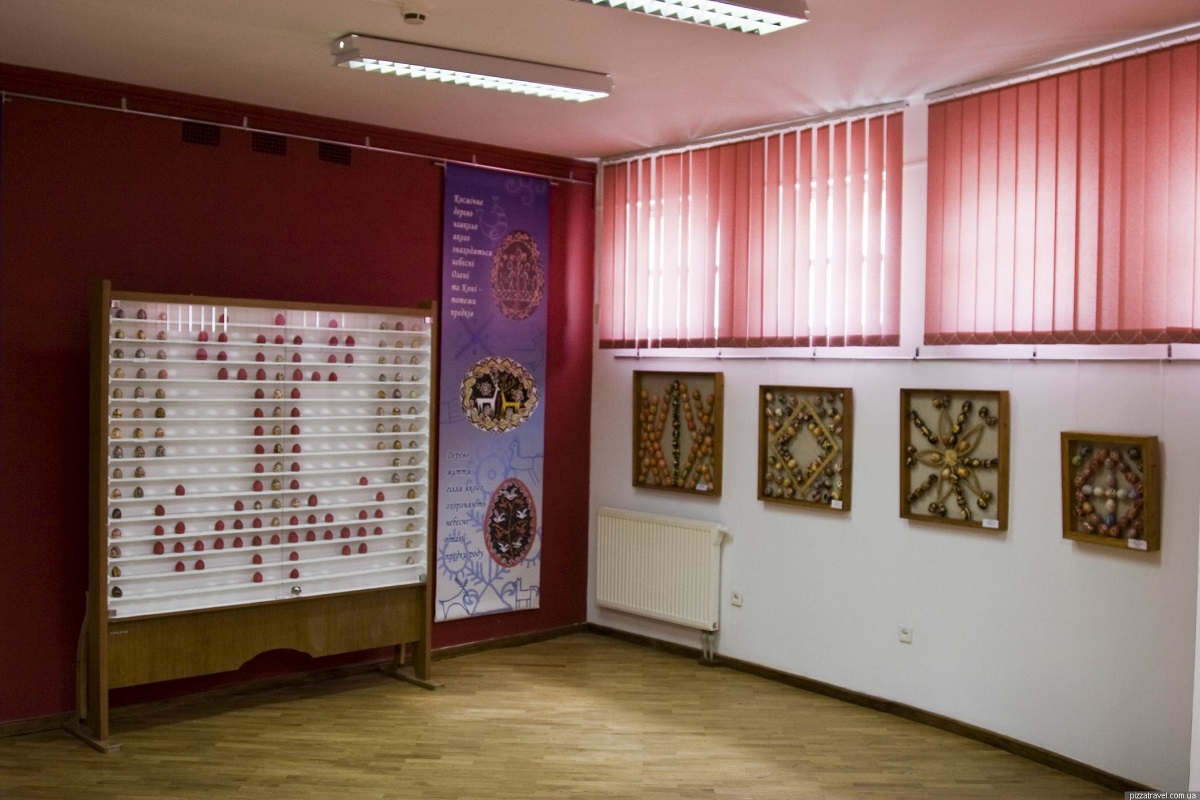
As mentioned earlier, the museum's collection contains about 12,000 pysanky. Although the majority are Ukrainian specimens, there are also items from Pakistan, Sri Lanka, India, etc. The collection also includes festive Easter pysanky from Belarus, the Czech Republic, Poland, Sweden, and France.
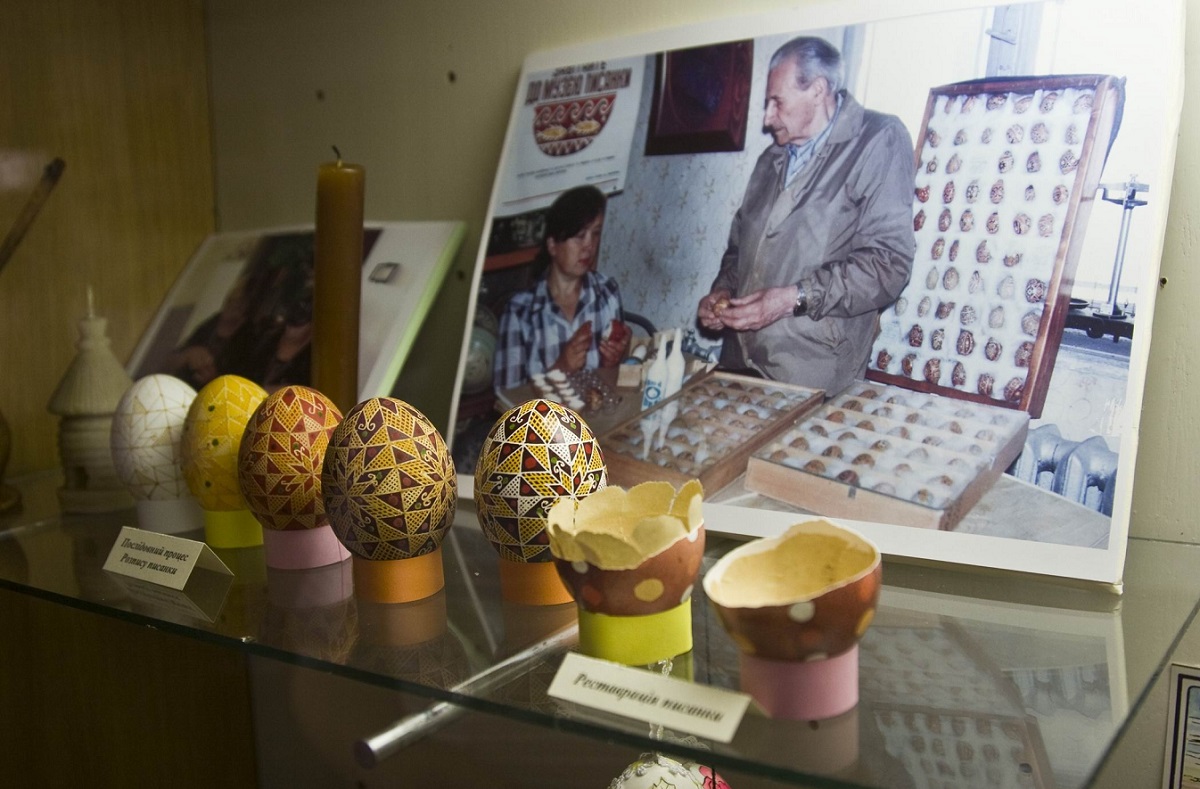
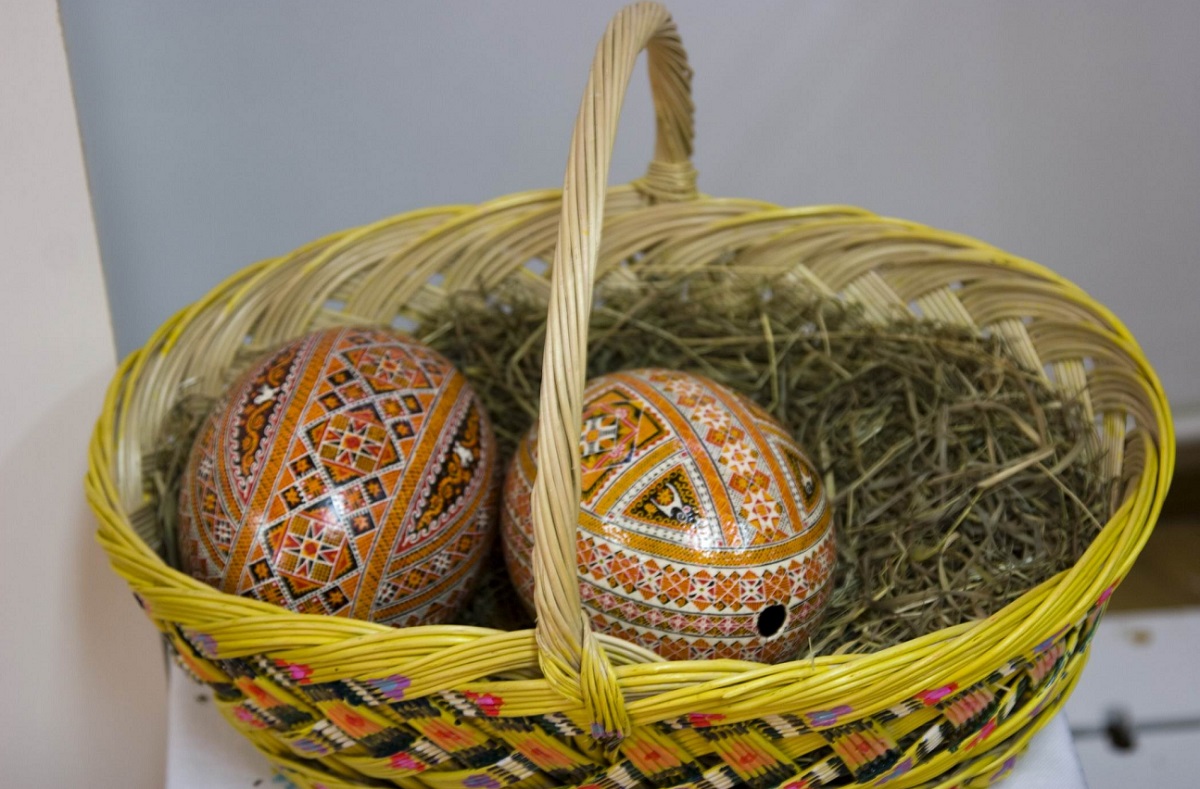
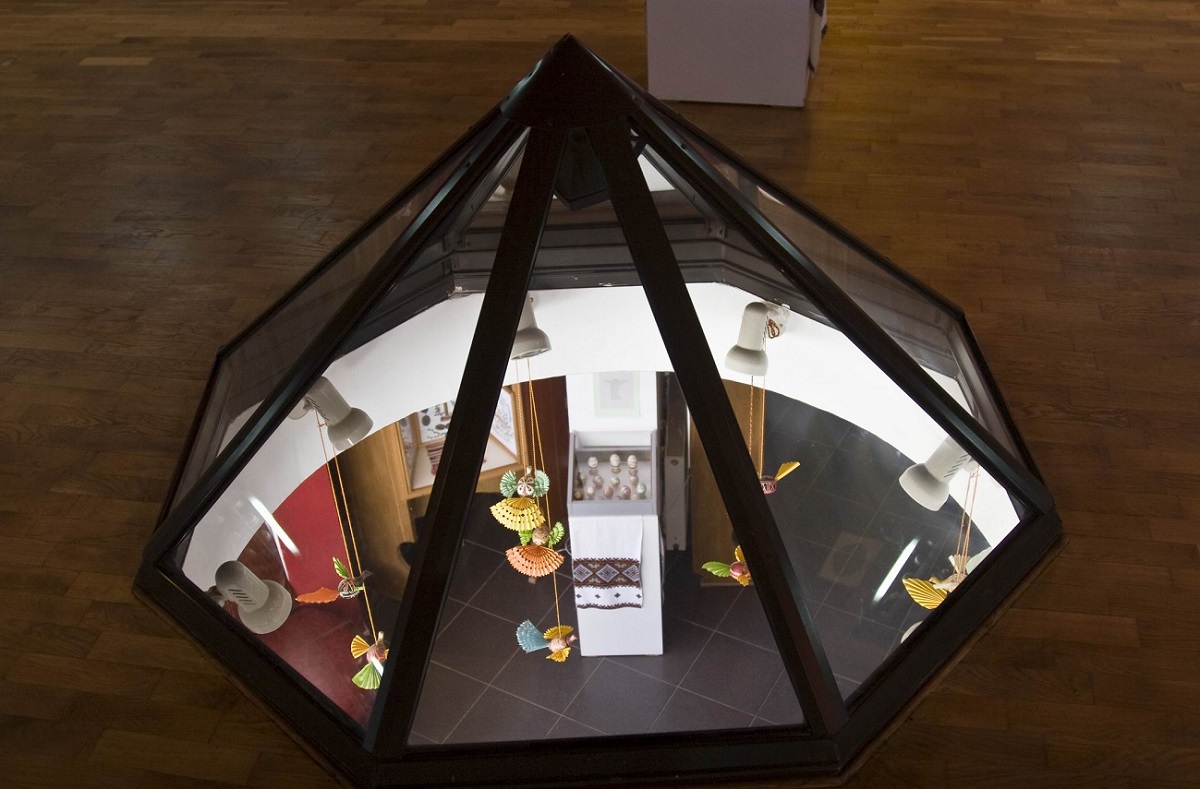
In addition to the vast collection of pysanky, the museum has another special exhibit – a sculpture of a mother and newborn child placed in an eggshell. The author of the composition named his work "The Birth of Life", and this is not accidental, as the architects' idea is that the entire cultural institution embodies motherhood.
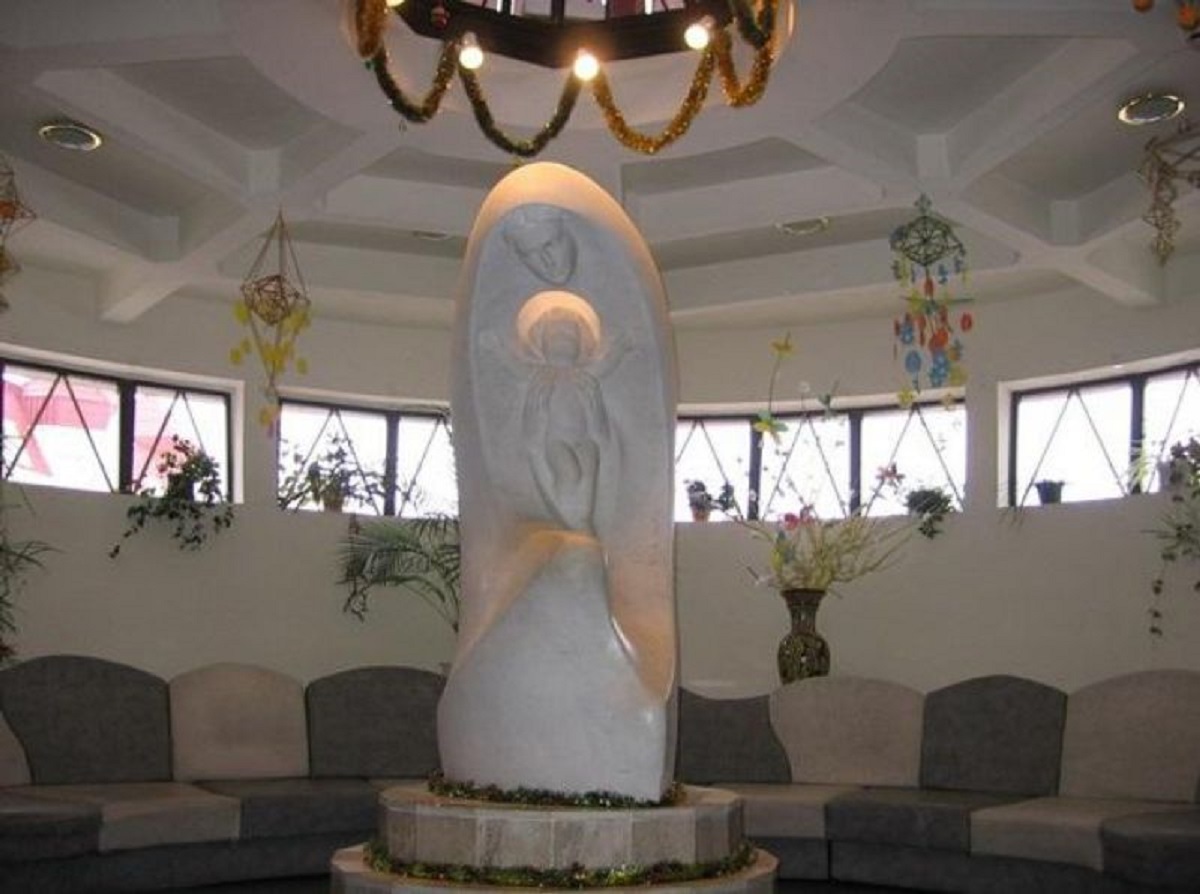
So if you ever find yourself in Kolomyia, don't hesitate to spare an hour or two of your time and visit the unique Museum of Pysanka Painting, as we can confidently say that you will definitely enjoy the institution and its collection of pysanky!
An interesting tradition
There is an interesting tradition in the museum, which is as follows: when a high-ranking official visits the institution, a professional pysankar presents them with a white chicken egg, a stylus, and melted wax and offers them to sign the surface. Then, they themselves decorate it as a pysanka. To date, the museum has already gathered a considerable collection of pysanky with signatures from the country's top officials.
The address and contact phone number can be found on the main website of the portal.