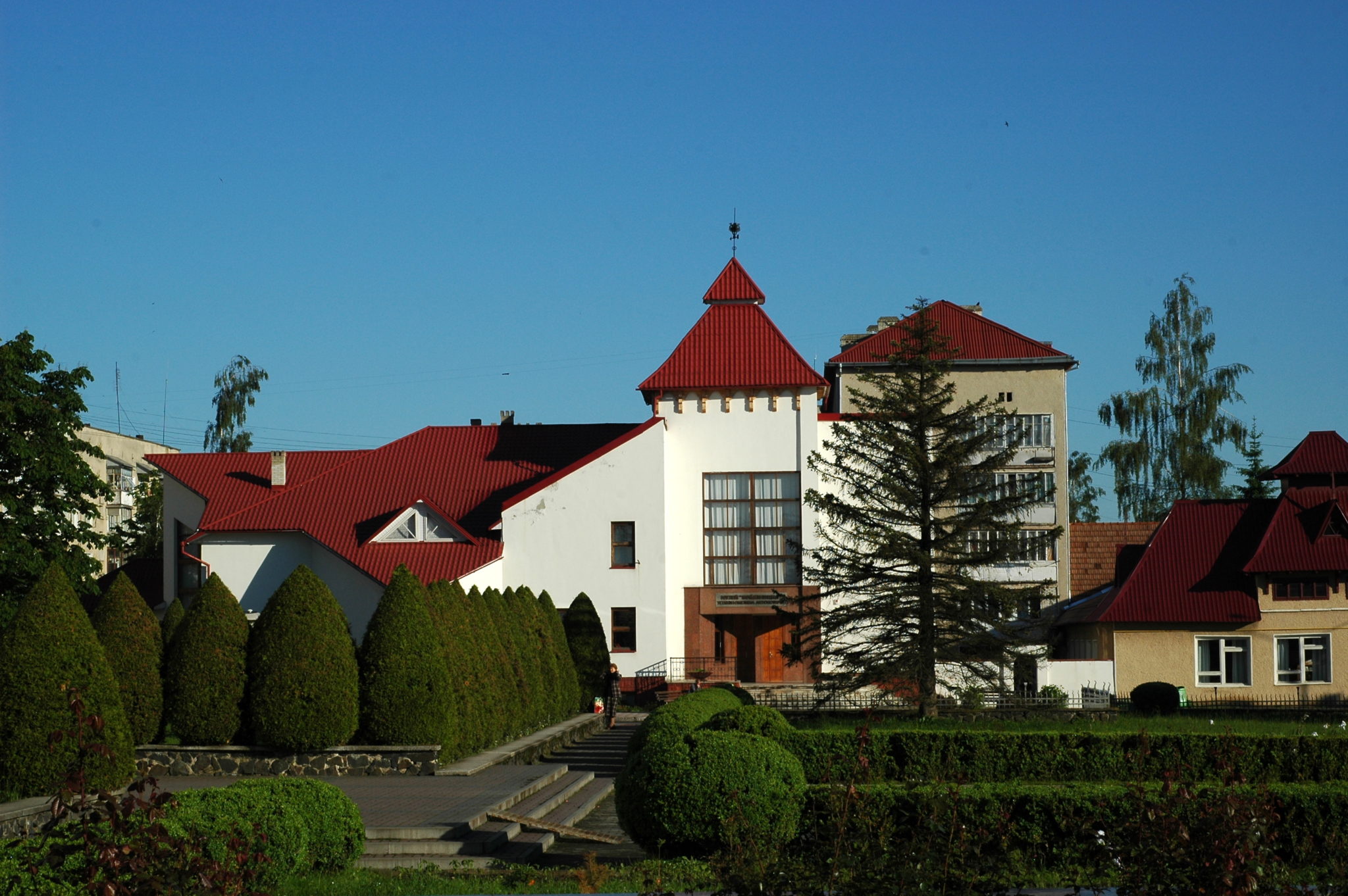
Local History Museum of Tetiana and Omelyan Antonovych "Boykivshchyna", Dolyna
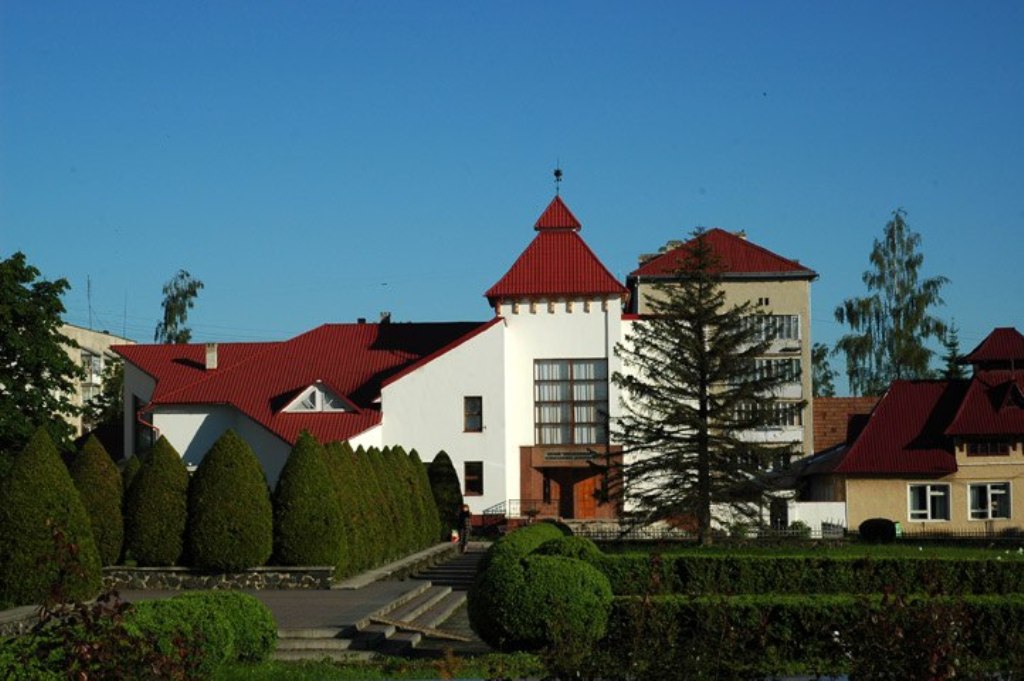
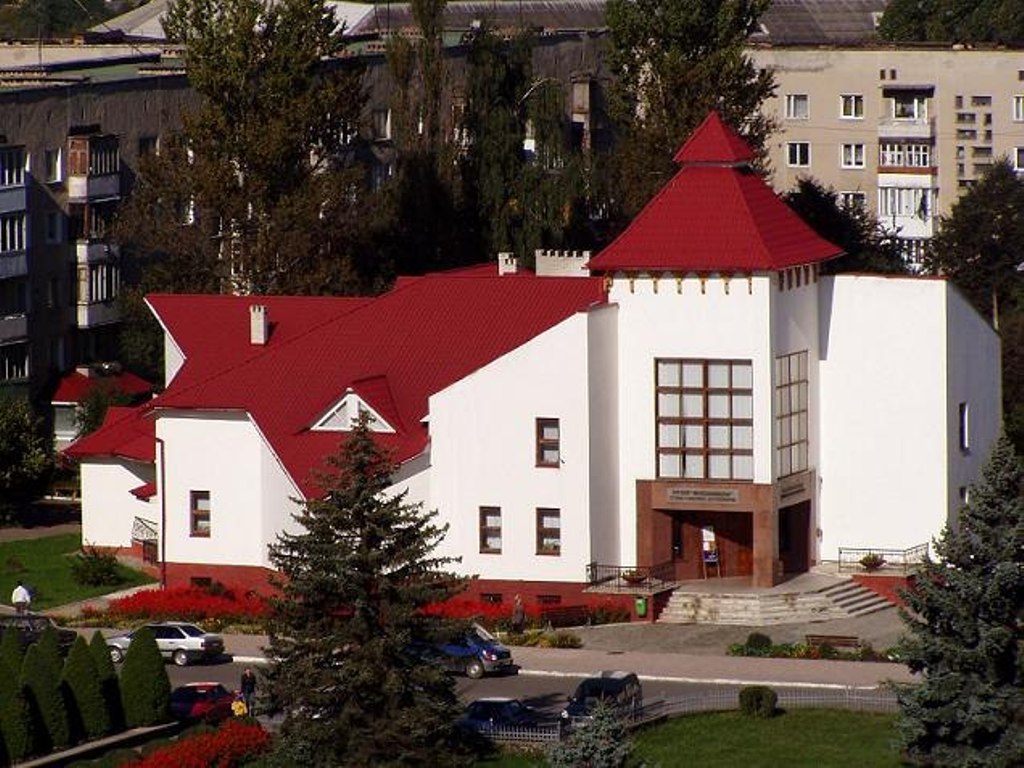
The museum "Boykivshchyna" in the city of Dolyna collects, preserves, studies, and exhibits ethnographic collections that introduce contemporaries to the culture of the Boykos. The Local History Museum "Boykivshchyna" of Tetiana and Omelyan Antonovych is one of the youngest museums in the Carpathian region, founded on September 5, 2003.
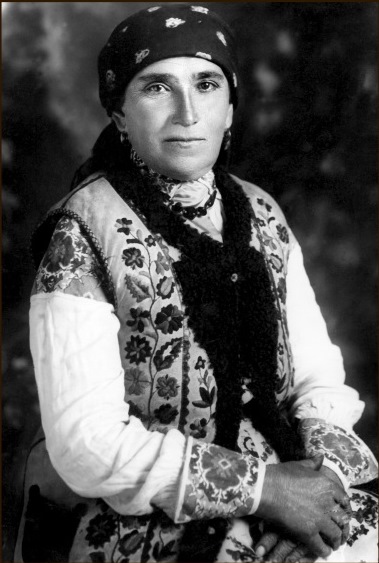
The Boykos, as an ethnographic group, differ from their neighbors in dialect, housing construction, customs, traditions, lifestyle, and clothing. Men wore shirts that were released over their trousers. The older men had longer shirts, while the younger ones had shorter ones. The Sunday men's shirt was decorated with embroidery, while the everyday one was plain and white. Trousers were sewn from the same fabric as the shirt. There were everyday trousers made of coarse fabric and festive ones made of fine fabric. Every Boyko wore a belt. Over their shirts, Boykos wore vests – a short garment worn year-round. Women wore embroidered shirts, skirts, and aprons. The wedding apron of Boyko women was a protective charm. It was used to wipe the face from evil eyes. Women also wore embroidered vests. The footwear of the Boykos was called khodaky. Traditional color combinations were black and red or red and blue.
Boyko Culture and Traditions
The queen of Boyko music is undoubtedly the violin. Here, flutes, drums, and trembita were played. Boykos also play the drymba, considered one of the oldest mouth instruments in the world. In the highland villages, people believed that playing the drymba could heal a person. The Boyko wedding ceremony has preserved many archaic features. One of them is the farewell of the bride to her family. In Eastern Boykivshchyna, the bride was placed on a yoke held by the groom on his knees, and only then was the headpiece put on her. The Boyko wedding was accompanied by ladkanky. This is a ritual song in honor of the goddess Lada, the rhythm of which dates back to pre-Christian times.
The trembita served as an informant about various events in the village: carolers, weddings, funerals. Today, the sound of the trembita is often used in orchestras.
Boyko Festivals
To preserve and revive the unique traditions and rituals of the Boyko region, to develop and promote folk Boyko art, authentic folklore, and to discover talents, the festival - Boyko Vatra is held in Dolyna. Treasures of our region - under this name, Christmas festivities or competitions of nativity plays are held annually, aimed at reviving and preserving the traditions and rituals of the Christmas and New Year cycle. Authentic carols and shchedrivky are performed here, celebrating the newborn Jesus Christ.
In Dolyna, the regional holiday of lyrical Franko poetry is traditionally held. The renewed Lolyn hosts an increasing number of people who honor Ivan Franko, his relevant words that serve as a guide for current and future generations. This year, for the first time, a holiday - Carpathian Summer was held in the village of Vyshkiv to promote Boyko culture, customs, and rituals, to revive traditional folk crafts of the mountain people, and to promote the products of craftsmen and folk artisans of decorative and applied arts. Every year in the last week of August, the Day of the City is celebrated. This festival begins with a parade of participants from eight twin cities, and the museum organizes a Crafts Festival.
Boyko House
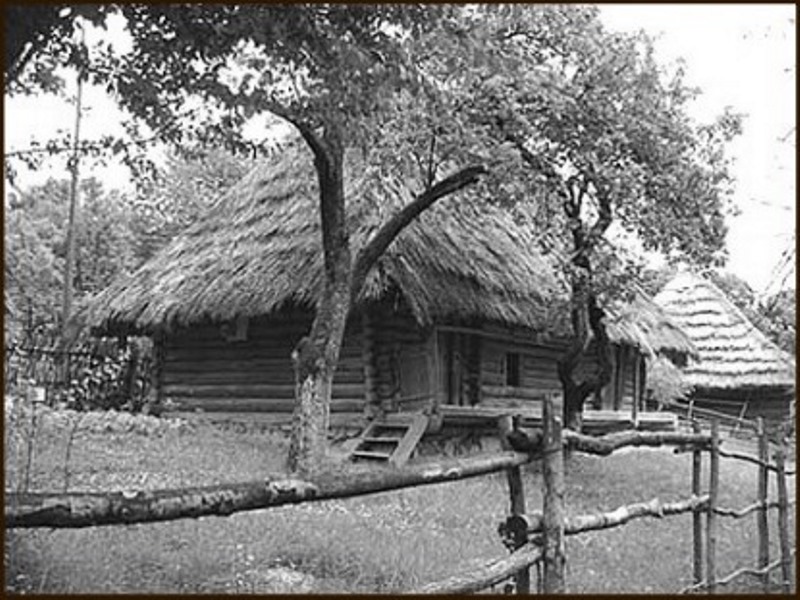
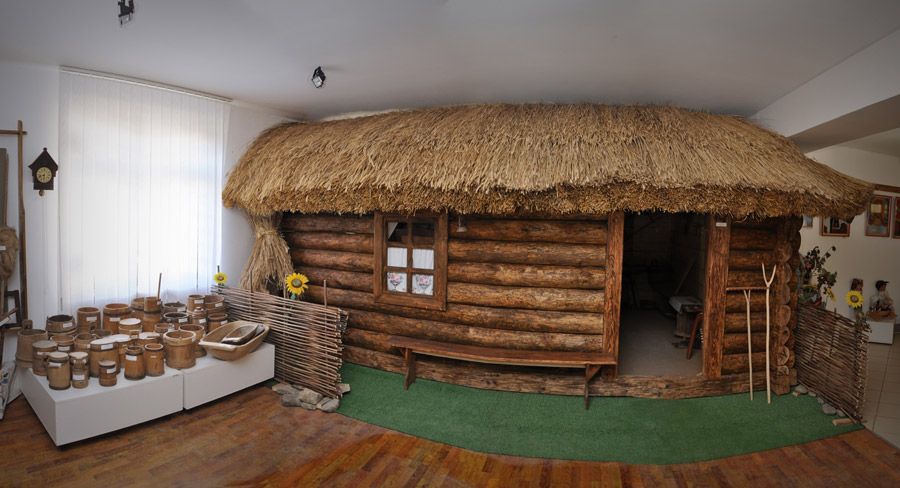
The Boyko house is a wooden elongated building, under one roof of which the living and economic premises were combined. In ancient times, it consisted of three main parts: the middle part - the entrance hall (corridor), which separated the large living room (light room) where the family lived. It was located on the left. On the right side was the stable with a separate entrance. The entrance to the house was through the entrance hall, which also served as a pantry for storing food, vegetables, and household tools. There, rye was threshed, and flax was ground. The stable housed large cattle and other domestic animals. Later, they began to add economic premises to the one-row dwelling, dividing the living room into two; one of them could also be a pantry. A shed (shelter) was added on the side of the stable for storing firewood, which also served as a workshop, and a pantry on the side of the living room. They had separate entrances. Houses began to be built with two living rooms, which were called "house with two halves" or "house through the entrance hall," while the stable and granary were built as separate economic premises.
The museum's exhibition consists of 6 main departments:
- the room "Antonovych Family," which exhibits photographs from the lives of famous patrons, personal belongings, and a collection of souvenirs and matchboxes from different countries;
- the hall "Nature," which reflects all the grandeur and beauty of the flora and fauna of the Carpathians;
- "History";
- "Everyday Life and Ethnography";
- "Boyko House";
- the department of "Sacred Monuments."
The life of the people of Dolyna is closely connected with Christianity. As early as 1112, there was a monastery on Mount Znesinnya in Dolyna. In the 1550s, three churches operated here, and a significant icon-painting school developed. A collection of ancient icons from Dolynshchyna (more than 120 pieces) is preserved in the National Museum named after Andrey Sheptytsky in Lviv. Copies of many icons are kept in the department of sacred monuments of the Dolyn Local History Museum Boykivshchyna.
Experienced guides of the museum "Boykivshchyna" will help you organize excursion tours around Dolynshchyna if you want to see the Museum of the Insurgent Hideout in Dolyna, the old saltworks, the bunker where Ukrainian nationalists hid, the Carpathian tram in Vyhoda, the Dovbush Rocks in Bubnyshche, the Shirkovets Swamp and the Mizun Waterfalls near Novyi Mizun, the Mountain Polyanytske Lake (Dead) or the Hoshiv Monastery, the Ivan Franko Museum in the village of Lolyn.
Rental of the museum's conference hall for 50 people
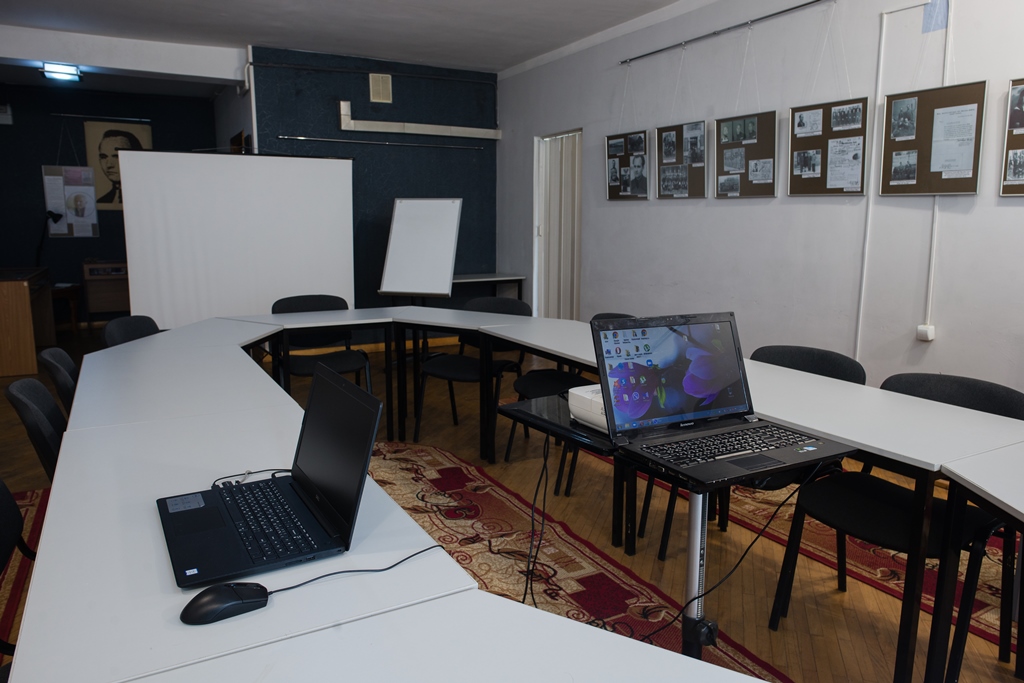
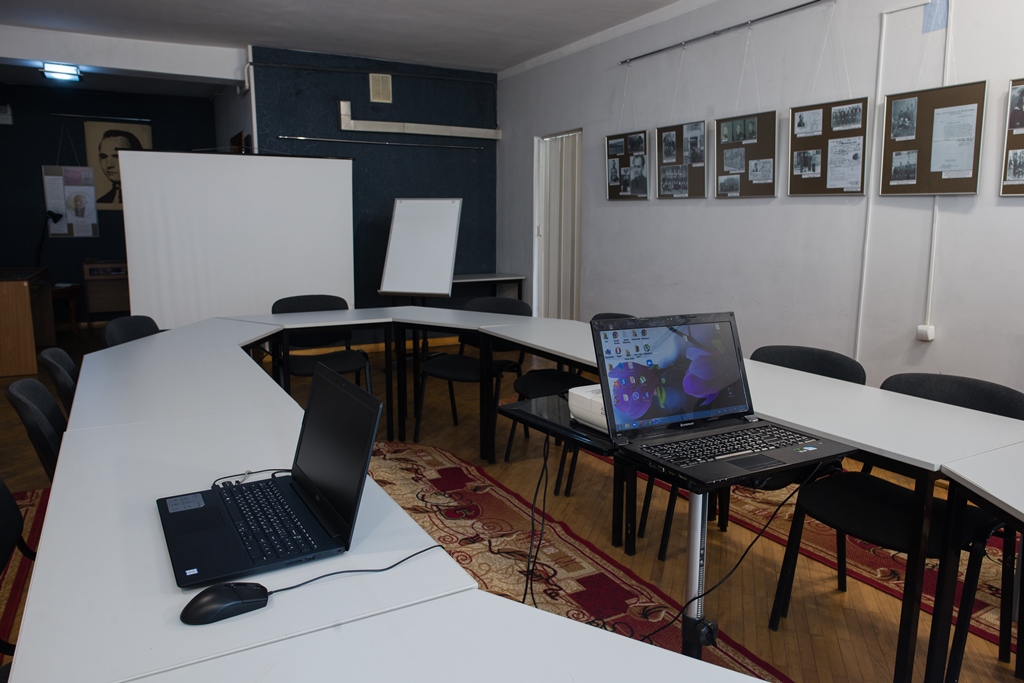
Conferences, seminars, training sessions, meetings, creative events, and more can be held in our conference hall at the address: Dolyna, Chornovola, 2a (museum "Boykivshchyna"). Rental for 1 hour – 100 UAH. The price includes the use of multimedia equipment (screen, projector, flipchart). Additionally, for a separate fee, you can order dishes for coffee breaks.
Accommodation around Local History Museum of Tetiana and Omelyan Antonovych "Boykivshchyna", Dolyna:


Which trails pass by Local History Museum of Tetiana and Omelyan Antonovych "Boykivshchyna", Dolyna?
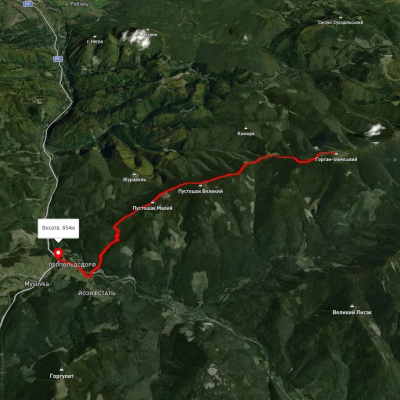
We suggest these hiking trails through or near Local History Museum of Tetiana and Omelyan Antonovych "Boykivshchyna", Dolyna: Route to Mount Shchavna, Myslivka village, via Mount Yayko-Ilemske and Mount Horhan-Ilemskyi to Myslivka village, Myslivka village, via Mount Velykyi Pustushak, Nimetska polonyna and Mount Horhan Ilemskyi to Osmoloda village, Myslivka village – Mount Horhan-Ilemskyi – Myslivka village, To Mount Horhan Ilemskyi, Myslivka village, via the Arshytsia ridge, Mount Moloda and Mount Yayko-Ilemske to Myslivka village


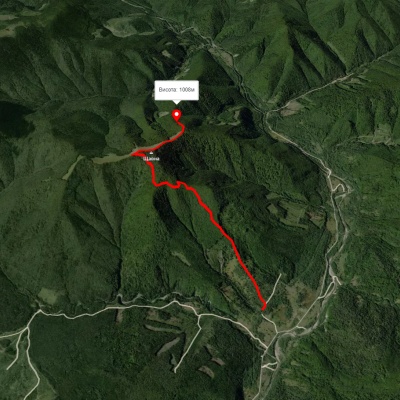
Route to Mount Shchavna
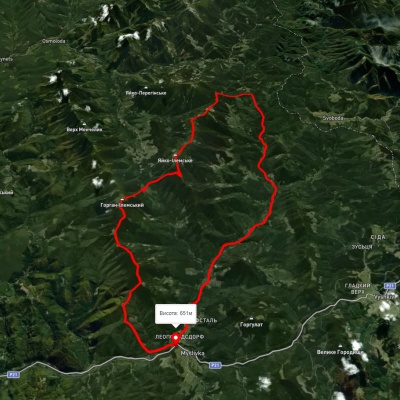
Myslivka village, via Mount Yayko-Ilemske and Mount Horhan-Ilemskyi to Myslivka village
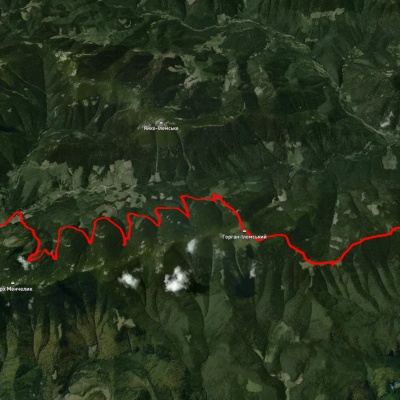
Myslivka village, via Mount Velykyi Pustushak, Nimetska polonyna and Mount Horhan Ilemskyi to Osmoloda village
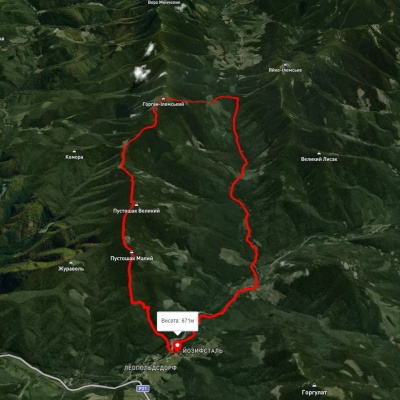
Myslivka village – Mount Horhan-Ilemskyi – Myslivka village