Swiss stone pine
About
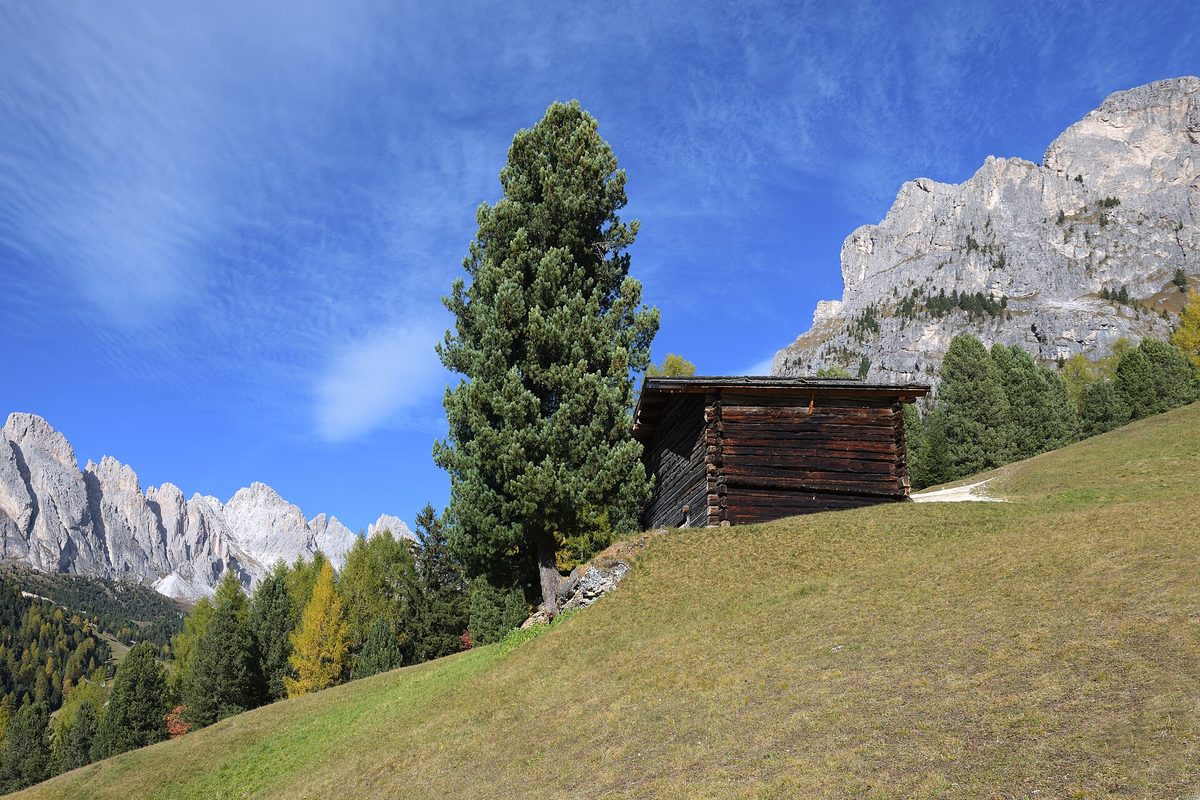
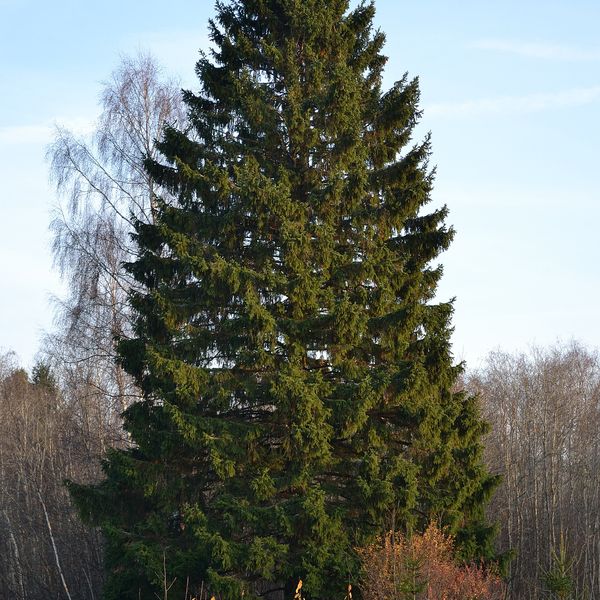
The Swiss stone pine, which is referred to as cedar in the Carpathians, is a relict tree of the high mountains. Its main range lies in the Alps, with a smaller secondary range in the Tatras and Carpathians. The Ukrainian Carpathians represent the eastern limit of the species' distribution. Here, the cedar can be found in the Gorgany, on the Świdowiec, and in the Chornohora, near the upper tree line, among spruces and junipers.
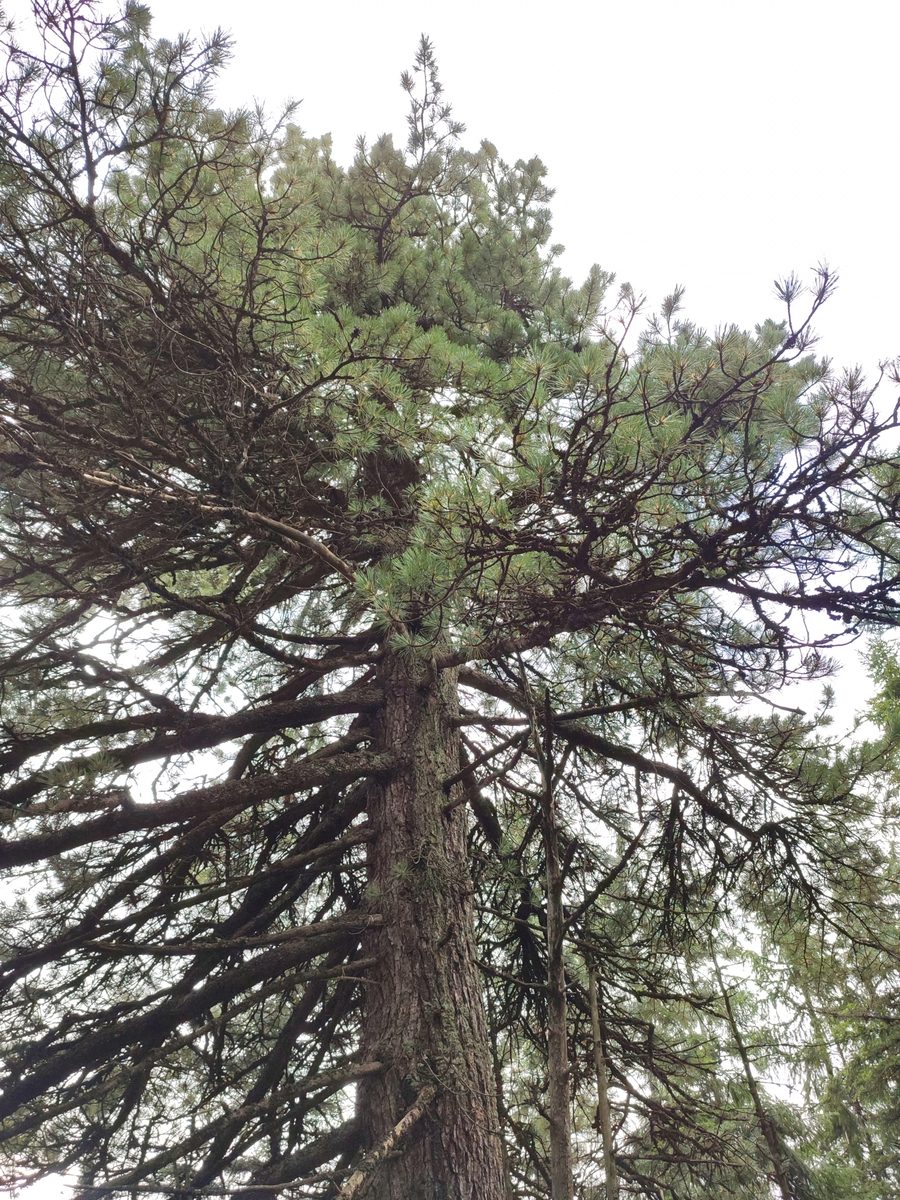
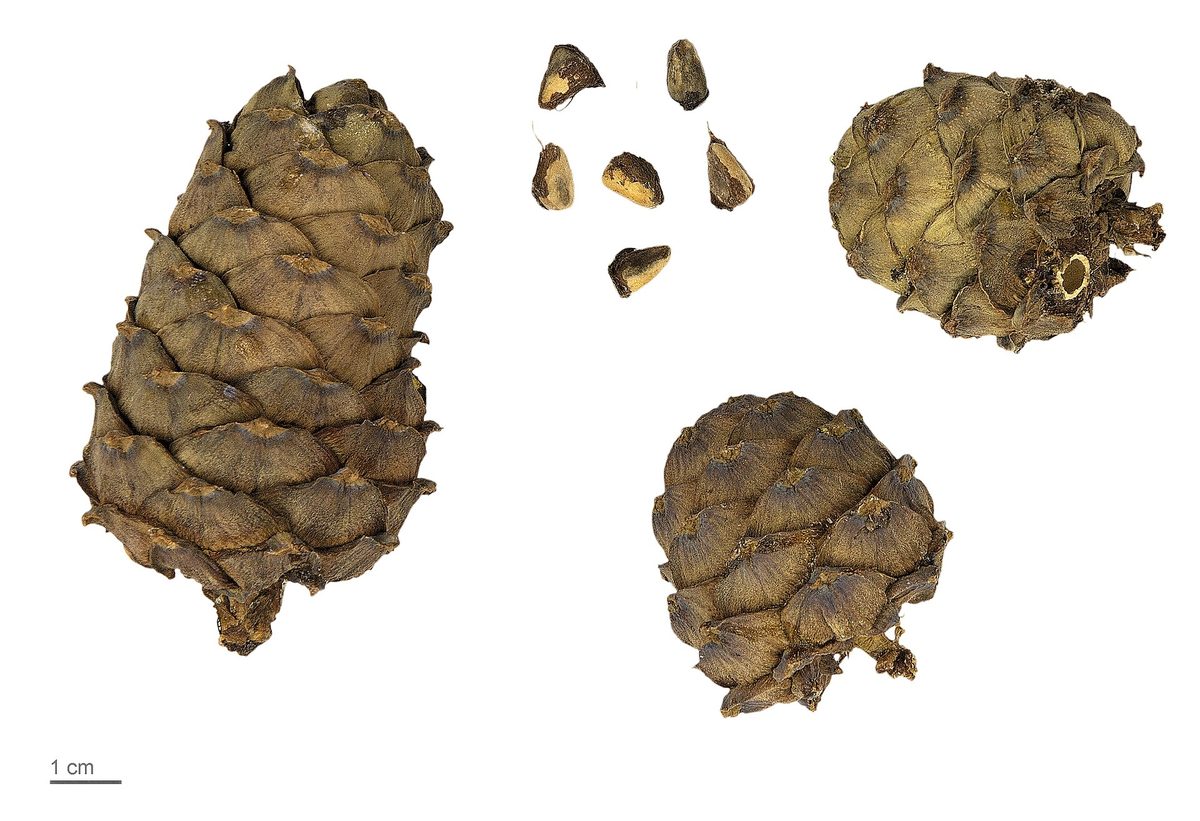
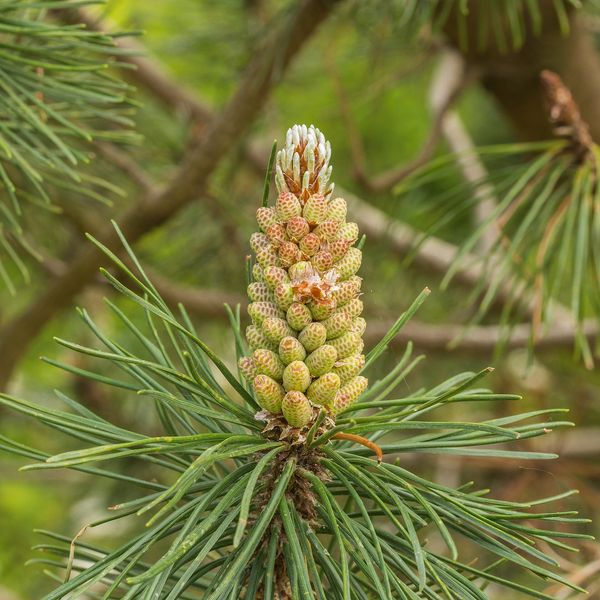
The tree reaches up to 25 m in height, although the largest Carpathian cedars in the Gorgany reserve exceed 30 m. The crown is dense, often irregular and sprawling in old trees. The needles are soft, bluish-green, 5–12 cm long, and it is the five needles in a bundle that distinguish the cedar from common pines and junipers, which have two. The cones are egg-shaped, purple-brown, do not open, and the seeds are wingless nuts. The cedar lives very long, up to a thousand years, and grows slowly.
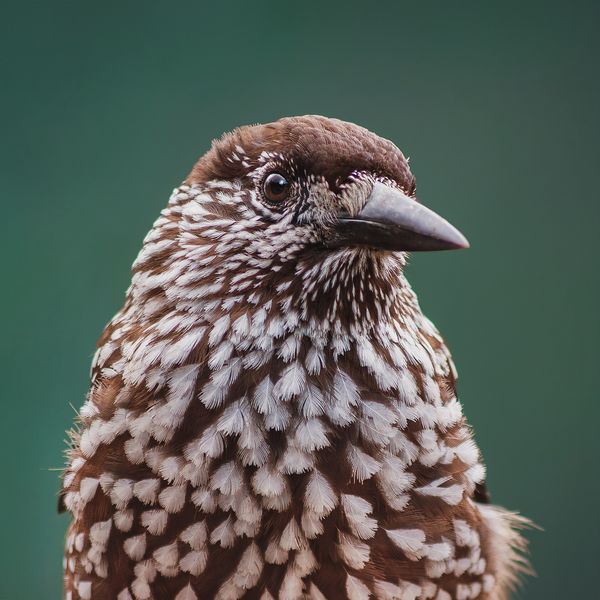
The seeds of the cedar are dispersed by the nutcracker, a bird of the crow family. It breaks open the cones and hides the nuts in the ground and moss, and those that remain unfound germinate. Without the nutcracker, the regeneration of cedar forests would be significantly more difficult.
The Swiss stone pine is listed in the Red Book of Ukraine with the status of 'vulnerable'. Collecting cones and nuts, breaking branches, and digging up young trees is prohibited. The cedar is protected in the Carpathian Biosphere Reserve, the Gorgany Nature Reserve, and in the protected areas 'Kedryn' and 'Yaykivskyi'; the latter contains the largest area of natural cedar forests. Enjoy the cedars from marked trails.
Where in the Carpathians

The map shows where naturalists recorded the species (GBIF, CC0 and CC BY records), not every place it lives. The Ukrainian Carpathians are less studied, so a blank area does not mean the species is absent. For rare and vulnerable species the map is deliberately coarse (hexagons of ~250 km² or more) so that it never points to dens, nests or growing sites.
- Countries
- Slovakia · Ukraine · Poland · Romania
- Mountain ranges
- High Tatras, Gorgany, Western Tatras, Belianske Tatras, Low Tatras, Pokuttia-Bukovina Carpathians, Retezat Mountains, Chornohora, Slovak Ore Mountains, Slovak Central Mountains
- Altitude belts
- Conifer forests (1200–1600 m) · Subalpine belt (1600–1900 m)
When to see it
| Jan | Feb | Mar | Apr | May | Jun | Jul | Aug | Sep | Oct | Nov | Dec | |
|---|---|---|---|---|---|---|---|---|---|---|---|---|
| Sightings |
From naturalists’ observations in the Carpathians (iNaturalist, research grade): the darker the cell, the more often the species is seen that month.
Protection and rules
Listed in the Red Book of Ukraine (vulnerable). Collecting cones, breaking branches, and digging up trees is prohibited.
Admire, don’t pick: plants listed in the Red Data Book of Ukraine — and any plants in nature reserves and strictly protected zones of national parks — must not be collected.
FAQ
Do cedars grow in the Carpathians?
Yes, the Swiss stone pine grows in the Carpathians — in the Gorgany, on the Świdowiec, and in the Chornohora, near the upper tree line.
Is it allowed to collect cedar nuts in the Gorgany?
No. The Swiss stone pine is listed in the Red Book of Ukraine, so collecting cones is prohibited. Moreover, the nuts are a food source for the nutcracker, which disperses the cedar seeds.
Similar species
Where to meet it
Ranges where it occurs: Gorgany, Pokuttia-Bukovina Carpathians, Chornohora. In other countries: 🇸🇰 High Tatras, 🇸🇰 Western Tatras, 🇸🇰 Belianske Tatras, 🇸🇰 Low Tatras, 🇷🇴 Retezat Mountains, 🇸🇰 Slovak Ore Mountains, 🇸🇰 Slovak Central Mountains, 🇸🇰 Strážov Mountains
Trails and peaks near which naturalists recorded the species (GBIF, iNaturalist), matched by altitude and habitat. Sightings are not guaranteed.
Sources
- Вікіпедія: Сосна кедрова європейська
- Wikipedia (en): Pinus cembra
- Наказ Міндовкілля від 15.02.2021 № 111: Перелік видів рослин та грибів, що заносяться до Червоної книги України
- GBIF: список рослин і грибів Червоної книги України за наказом № 111 (з категоріями)
- Wikipedia (en): Spotted nutcracker
- Категорія IUCN (через GBIF Species API)
GBIF · iNaturalist · Wikidata · Distribution data: GBIF.org (CC0 and CC BY records), iNaturalist; names and identifiers: Wikidata (CC0). Text: Karpaty.rocks, checked 09.11.2026.
