Silver birch
About
Betula pendula is widely distributed in Ukraine: in Polissia, Roztochia, the northern Forest-Steppe, as well as in the Carpathians, Precarpathia, and Transcarpathia. In the mountains, it is the first to appear where the forest has disappeared: in clearings, burnt areas, windfalls, and abandoned fields and meadows. The lightweight seeds with two wings are carried by the wind, allowing the birch to quickly occupy open spaces, later yielding to beech, fir, or spruce.
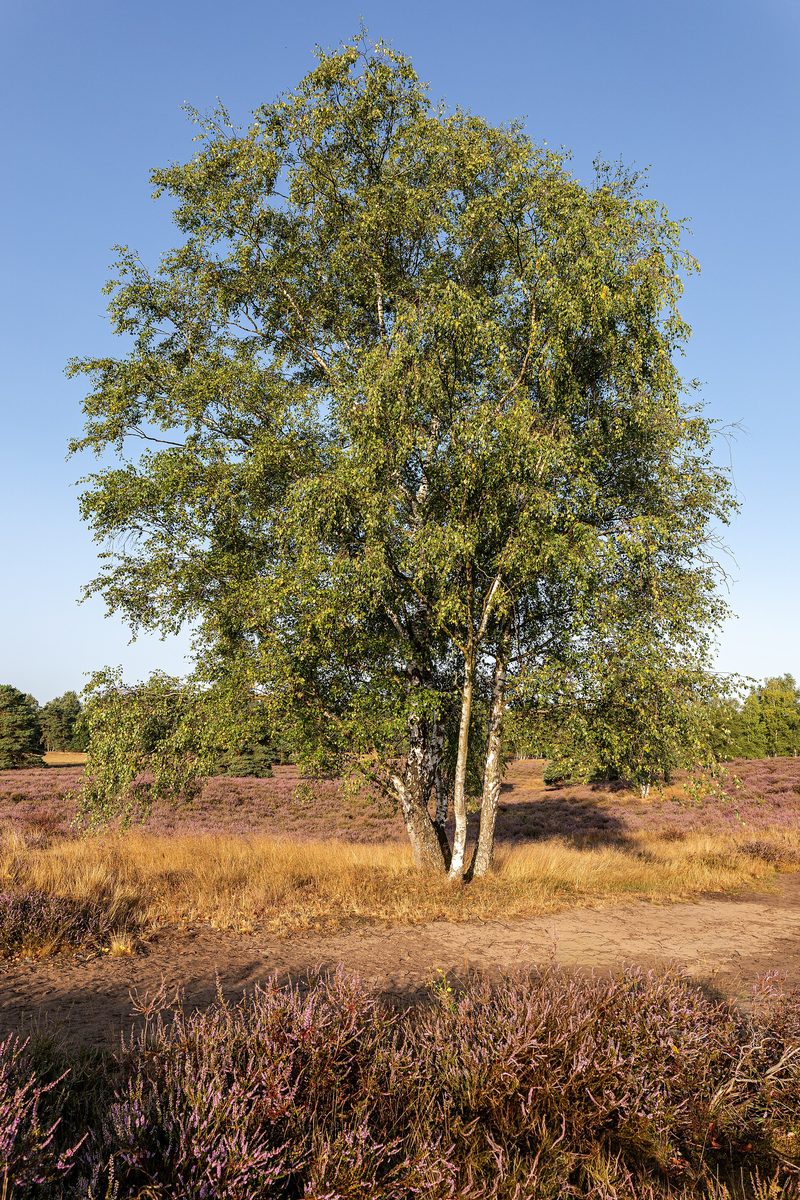
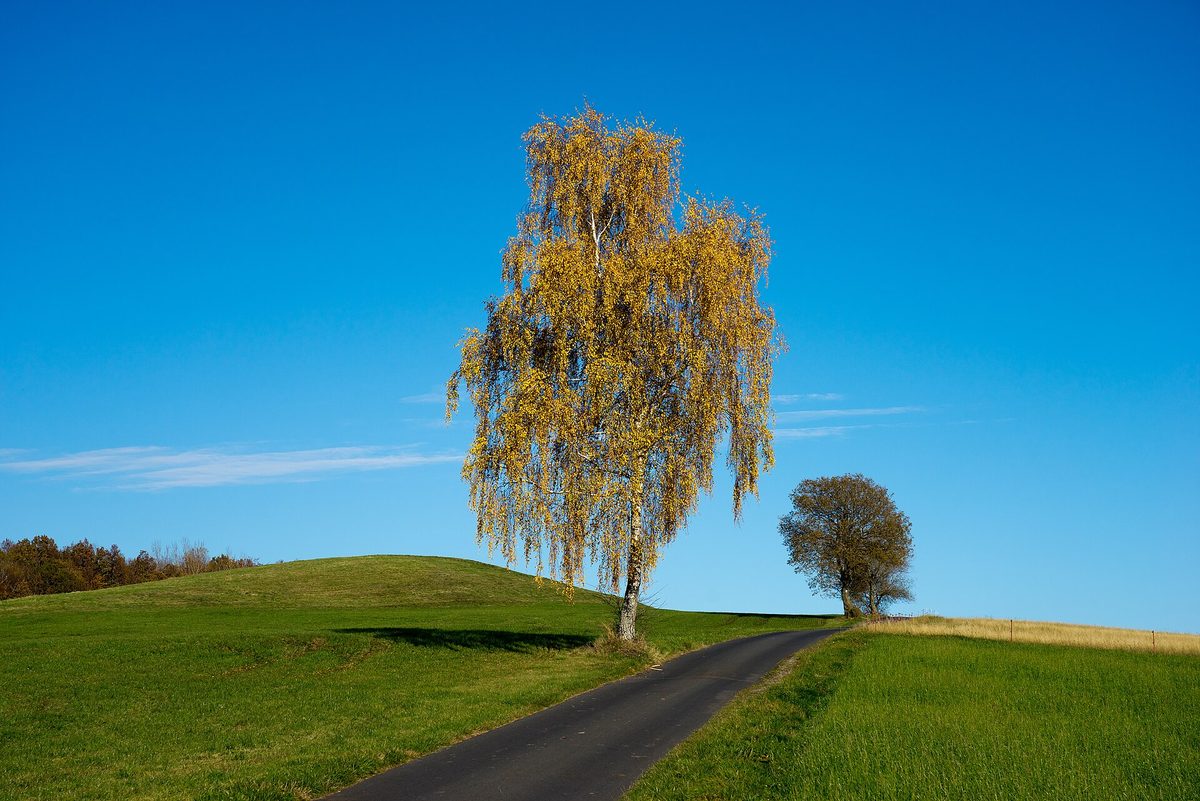
The tree reaches a height of 15–30 m, but is usually below 25 m, with a trunk mostly thinner than 40 cm, and a slender, delicate crown. The bark is smooth and white, but at the base of old trunks, it becomes blackish-gray and deeply cracked. The thin branches droop downwards, and the young shoots are reddish-brown and covered with resinous warts — hence the second name, warted. The leaves are diamond-shaped to triangular, 3.5–7 cm long, with a sharply serrated edge, smooth on both sides. Foresters use birch as a pioneer species that first covers bare ground.
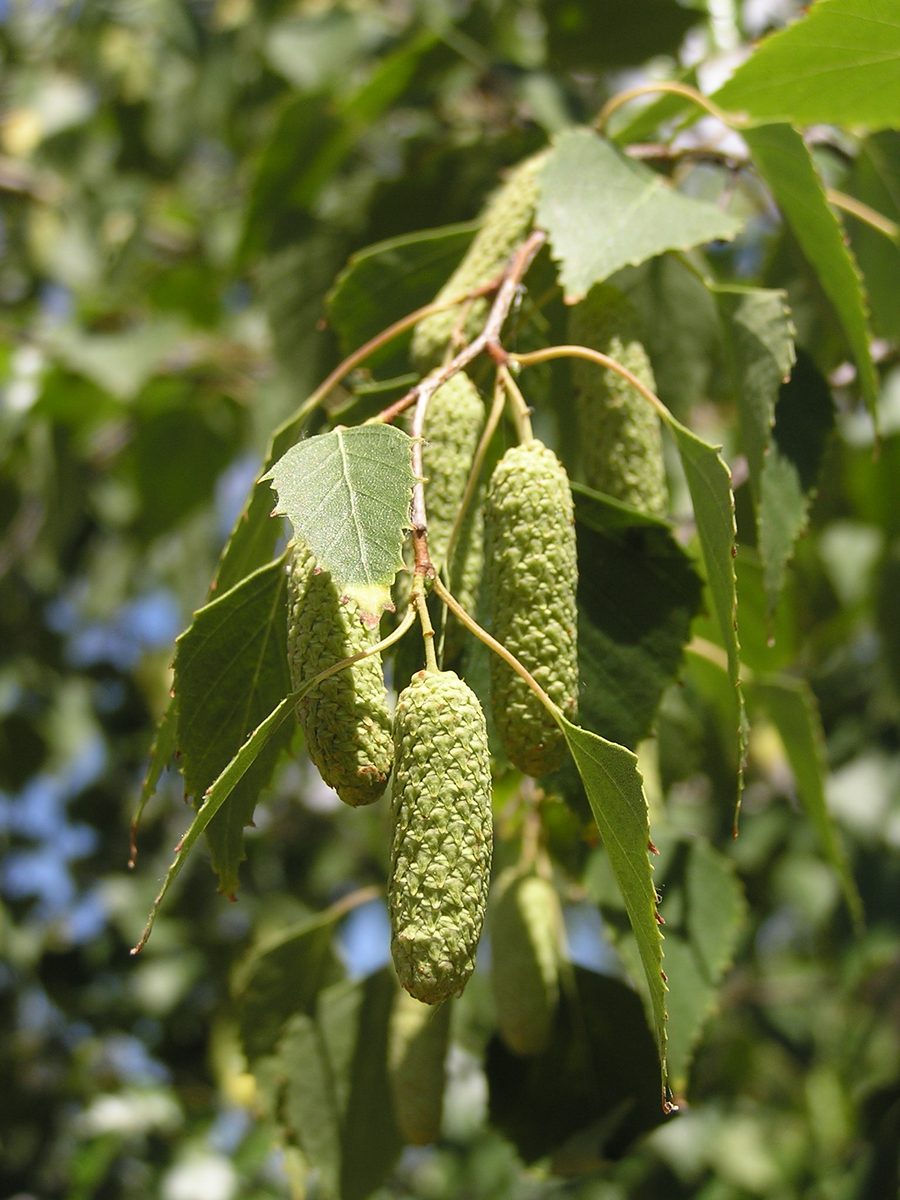
In spring, yellow male catkins hang from the branches, while the female catkins are smaller, 2–3 cm long, and stand upright; the tree is monoecious. There is also a form with dark, almost black bark. The birch grows quickly but lives relatively short, which is why it is called a pioneer tree: it prepares the soil and shade for more long-lived species.
Betula pendula is not listed in the Red Book of Ukraine.
Where in the Carpathians

The map shows where naturalists recorded the species (GBIF, CC0 and CC BY records), not every place it lives. The Ukrainian Carpathians are less studied, so a blank area does not mean the species is absent.
- Countries
- Slovakia · Czechia · Ukraine · Poland · Hungary · Romania · Austria
- Mountain ranges
- Slovak Ore Mountains, Volovec Mountains, Strážov Mountains, Low Tatras, Moravian-Silesian Beskids, Low Beskids, White Carpathians, Lesser Fatra, Slovak Central Mountains, Kysuce Beskids
- Altitude belts
- Foothills (below 600 m) · Beech forests (600–1200 m)
When to see it
| Jan | Feb | Mar | Apr | May | Jun | Jul | Aug | Sep | Oct | Nov | Dec | |
|---|---|---|---|---|---|---|---|---|---|---|---|---|
| Sightings |
From naturalists’ observations in the Carpathians (iNaturalist, research grade): the darker the cell, the more often the species is seen that month.
Protection and rules
Not listed in the Red Book of Ukraine.
FAQ
Why do birches grow in clearings in the Carpathians?
Birch is a pioneer tree: its lightweight winged seeds are carried by the wind, allowing it to quickly colonize open spaces, later yielding to beech, fir, and spruce.
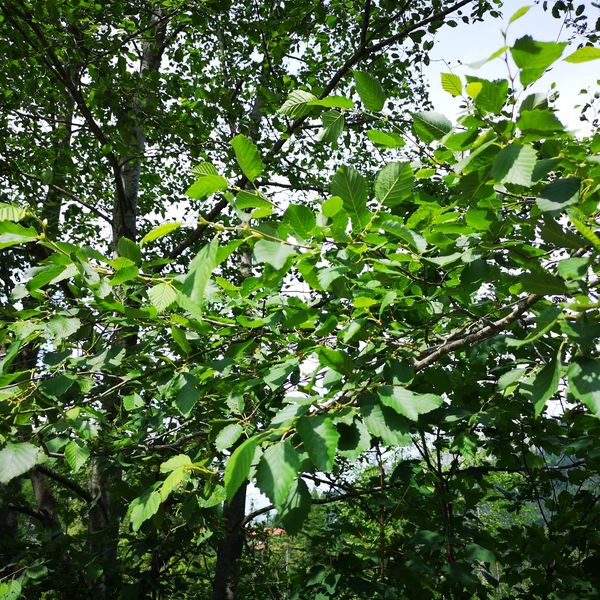
How does Betula pendula differ from fuzzy birch?
In Betula pendula, the branches droop, the young shoots are covered with resinous warts, and the leaves are diamond-shaped with sharp teeth.
Similar species
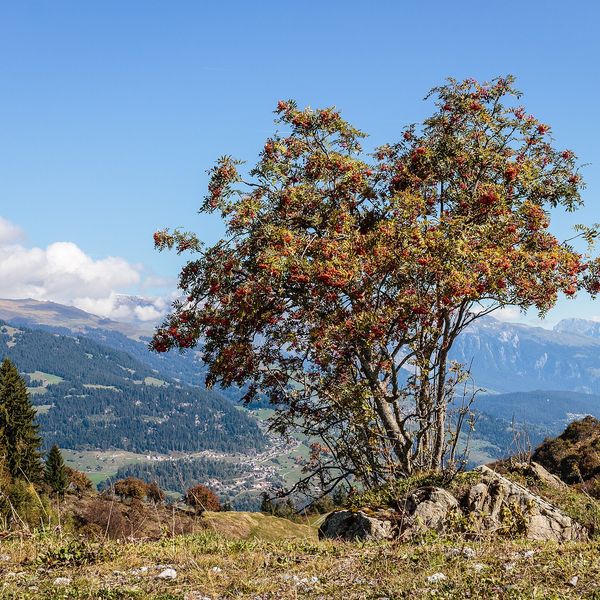
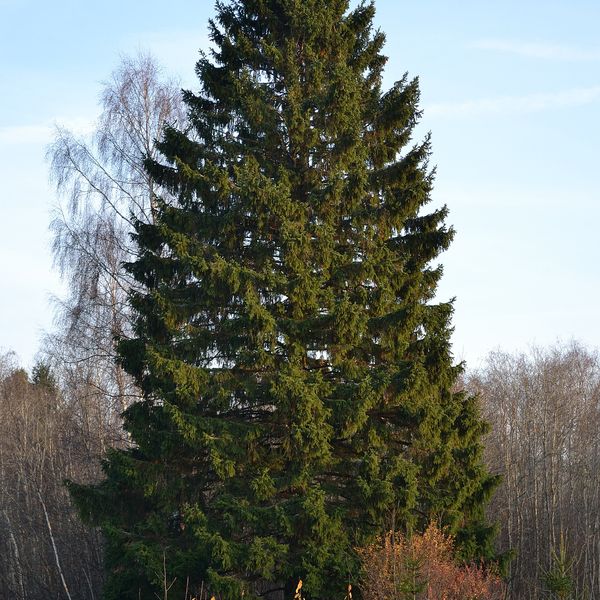
Where to meet it
Trails
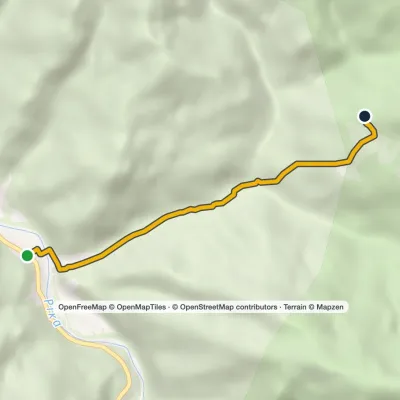 EasyOne-dayMarkedCarpathian Tourist TrailElevation profile342–823 m4.2 kmascent 480 m≈ 2 h walking
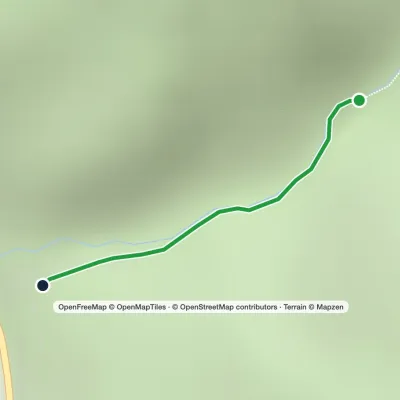 EasyOne-dayMarkedTo Sokolyne BerdoElevation profile331–674 m2.6 kmascent 344 m≈ 1.5 h walking
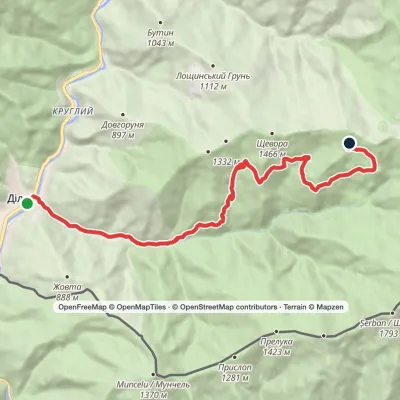 ModerateTwo-dayDilove village to Shchavora polonynavia Yalynskyi WaterfallElevation profile346–1 338 m16.3 kmascent 1 042 m≈ 6 h walking
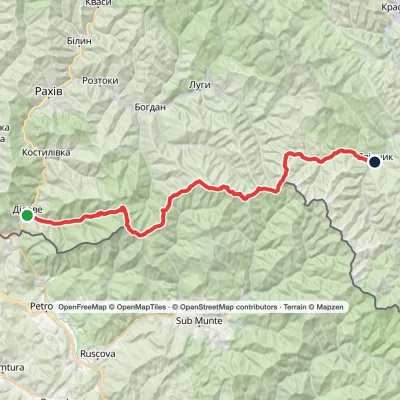 HardMulti-dayMarkedDilove village to Shybene villagevia Mount Pip Ivan Marmaroskyi, Mount Mika-Mare +1Elevation profile346–1 936 m66 kmascent 2 611 m
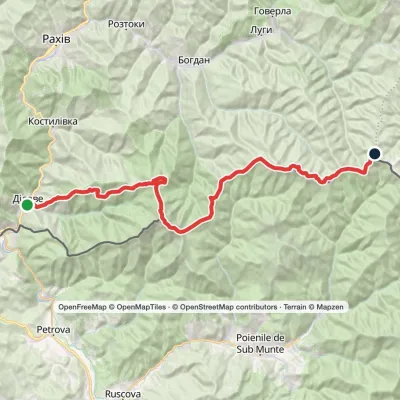 HardMulti-dayDilove village to Mount Stihvia Mount Pip Ivan Marmaroskyi, Mount Mika-Mare +1Elevation profile346–1 936 m45.1 kmascent 3 322 m
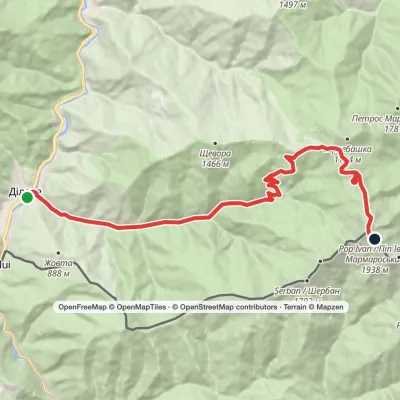 HardTwo-dayMarkedDilove village to Mount Pip Ivan Marmaroskyivia Lysycha polonynaElevation profile346–1 936 m19.4 kmascent 1 663 m≈ 8 h walking
 HardMulti-dayMarkedDilove village loopvia Mount Pip Ivan Marmaroskyi, Mount ZherbanElevation profile346–1 936 m50.5 kmascent 1 783 m
 HardMulti-dayDilove village to Kostylivka villagevia Mount Pip Ivan MarmaroskyiElevation profile346–1 521 m37.9 kmascent 1 570 m≈ 12.5 h walking
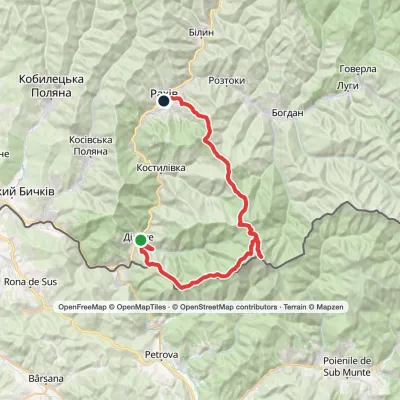 HardMulti-dayDilove village to Rakhivvia Mount Zherban, Mount Pip Ivan MarmaroskyiElevation profile346–1 936 m44.9 kmascent 1 990 m
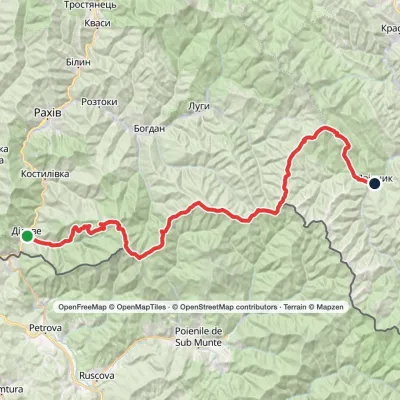 HardMulti-dayMarkedDilove village to Shybene villagevia Mount Pip Ivan Marmaroskyi, Mount Mika-Mare +2Elevation profile346–2 028 m74.9 kmascent 3 634 m
 HardMulti-dayMarkedDilove village to Dzembronia villagevia Mount Pip Ivan Marmaroskyi, Mount Pip Ivan ChornohirskyiElevation profile346–2 028 m85.6 kmascent 3 816 m
 HardMulti-dayMarkedDilove village to Dzembronia villagevia Mount Pip Ivan Marmaroskyi, Mount Pip Ivan ChornohirskyiElevation profile346–2 028 m71.7 kmascent 3 707 m
Peaks and meadows
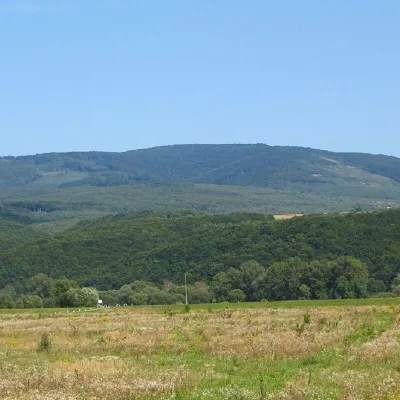 PeakMount Antalovetska PolyanaKamianytsiaaltitude 968 m8 trails to the topMount Antalovetska Polyana is a 968-meter high peak of the Ukrainian Carpathians, located in the western part of the...
 PeakMount MakovytsiaTurya Pasikaaltitude 978 m · Volcanic Carpathians rangeMount Makovytsia is a gem of the western lands, with amazing landscapes, fairy-tale views, nature, air, and...
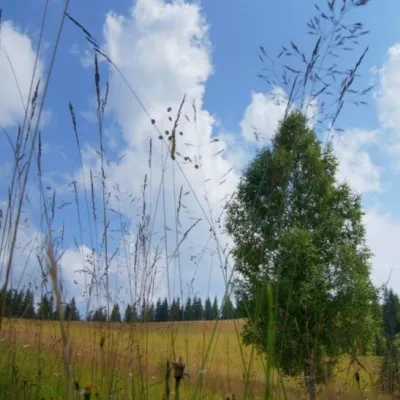 Mountain meadow1 184 mPolonyna ShuvarenkoNadvirna districtShuvarenko Polonyna is a high mountain meadow in the Ukrainian Carpathians, located in Ivano-Frankivsk region near...
Mountain ranges: Bieszczady. In other countries: 🇸🇰 Slovak Ore Mountains, 🇸🇰 Volovec Mountains, 🇸🇰 Strážov Mountains, 🇸🇰 Low Tatras, 🇨🇿 Moravian-Silesian Beskids, 🇵🇱 Low Beskids, 🇨🇿 White Carpathians, 🇸🇰 Lesser Fatra, 🇸🇰 Slovak Central Mountains, 🇸🇰 Kysuce Beskids, 🇸🇰 High Tatras, 🇸🇰 Levoča Mountains, 🇵🇱 Żywiec Beskids
Trails and peaks near which naturalists recorded the species (GBIF, iNaturalist), matched by altitude and habitat. Sightings are not guaranteed.
Sources
- Вікіпедія: Береза повисла
- Wikipedia (en): Betula pendula
- Перелік видів рослин та грибів, що заносяться до Червоної книги України (наказ Міндовкілля від 15.02.2021 № 111, z0370-21)
- GBIF: Червона книга України — рослини й гриби (набір даних)
- GBIF: таксон і категорія МСОП
GBIF · iNaturalist · Wikidata · Distribution data: GBIF.org (CC0 and CC BY records), iNaturalist; names and identifiers: Wikidata (CC0). Text: Karpaty.rocks, checked 09.11.2026.
