Lingonberry
Never eat berries you are not sure about and never give unknown berries to children. In case of poisoning call 112 (103 in Ukraine).
About
Lingonberry is a neighbor of the blueberry in the Carpathian spruce forests and on polonynas, but it is found less frequently and prefers brighter, drier places: rocky slopes, forest edges near the upper tree line, and thickets of juniper and dwarf pine. It is most abundant in high massifs, near the upper tree line. The name 'Lingonberry' is also used for certain Carpathian localities and settlements.
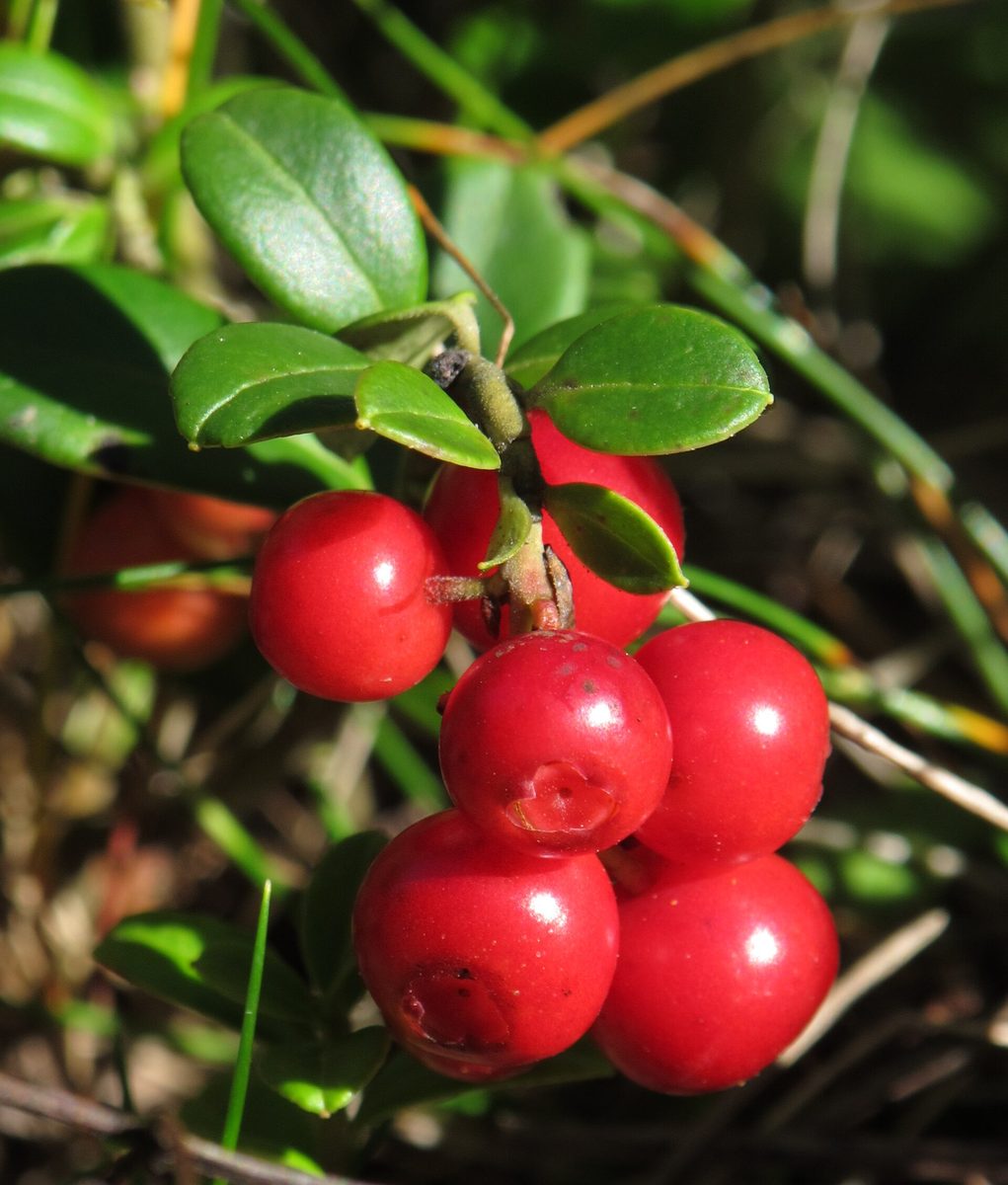
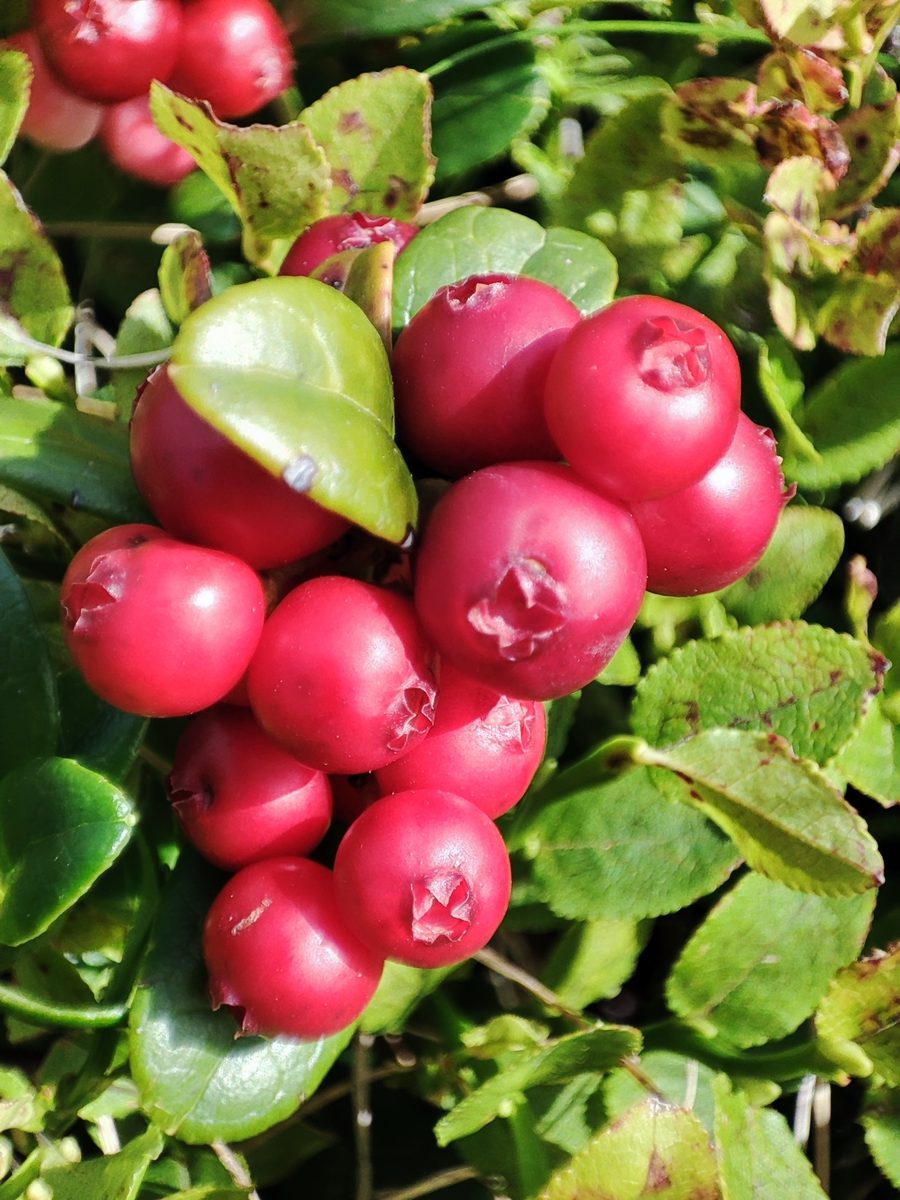
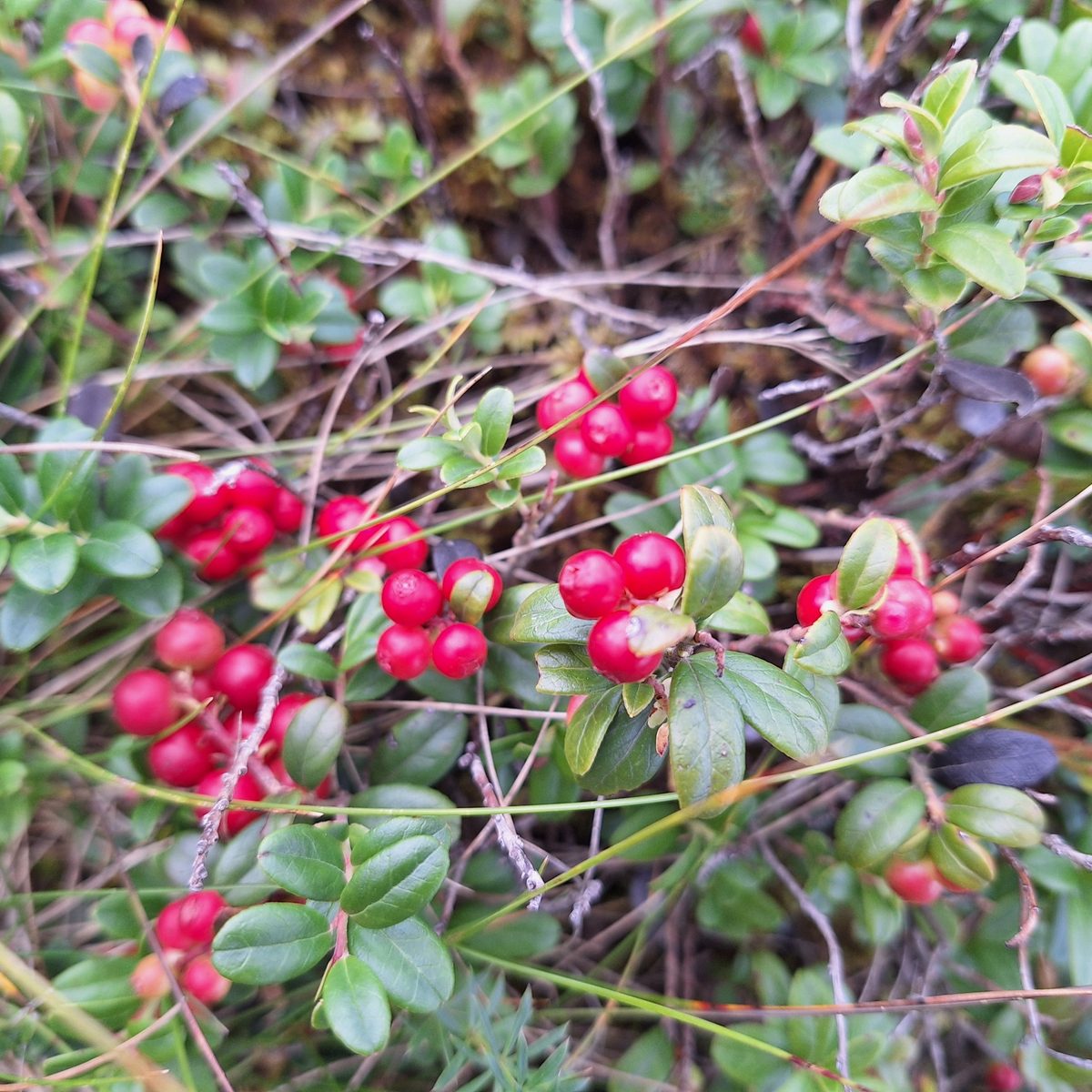
This evergreen shrub is 10–25 cm tall. The leaves are leathery, glossy, dark green, with slightly rolled edges; underneath they are lighter and dotted with small dark glands. The flowers are bell-shaped, white or pale pink, gathered in short drooping racemes at the ends of the branches, appearing in May–June.
The berries are round, 6–10 mm, initially white, then bright red, shiny, with a tart-bitter taste. They ripen in late summer and autumn, mainly in August and September. They store well due to natural preservatives, so lingonberries have been harvested for winter for a long time.
Lingonberry can be confused with bearberry, which has leaves without spots underneath, with a distinct network of veins, and its berries are mealy and tasteless. There are almost no poisonous lookalikes that resemble lingonberry in the Carpathians, but the red berries of wolf berries and lily of the valley can also be found in the forest: both of these plants have completely different leaves and berries, so check the shrub thoroughly.
Where in the Carpathians

The map shows where naturalists recorded the species (GBIF, CC0 and CC BY records), not every place it lives. The Ukrainian Carpathians are less studied, so a blank area does not mean the species is absent.
- Countries
- Slovakia · Ukraine · Poland · Romania · Czechia
- Mountain ranges
- Western Tatras, High Tatras, Low Tatras, Lesser Fatra, Greater Fatra, Żywiec Beskids, Slovak Paradise, Belianske Tatras, Volovec Mountains, Slovak Ore Mountains
- Altitude belts
- Beech forests (600–1200 m) · Conifer forests (1200–1600 m) · Subalpine belt (1600–1900 m)
When to see it
| Jan | Feb | Mar | Apr | May | Jun | Jul | Aug | Sep | Oct | Nov | Dec | |
|---|---|---|---|---|---|---|---|---|---|---|---|---|
| Flowering | ||||||||||||
| Fruit |
From naturalists’ observations in the Carpathians (iNaturalist, research grade): the darker the cell, the more often the species is seen that month.
Safety
Collect only berries from the evergreen shrub with leathery leaves that have dark spots underneath. Do not give unfamiliar berries to children and teach them not to taste anything in the forest without adults.
Look-alikes — how to tell them apart
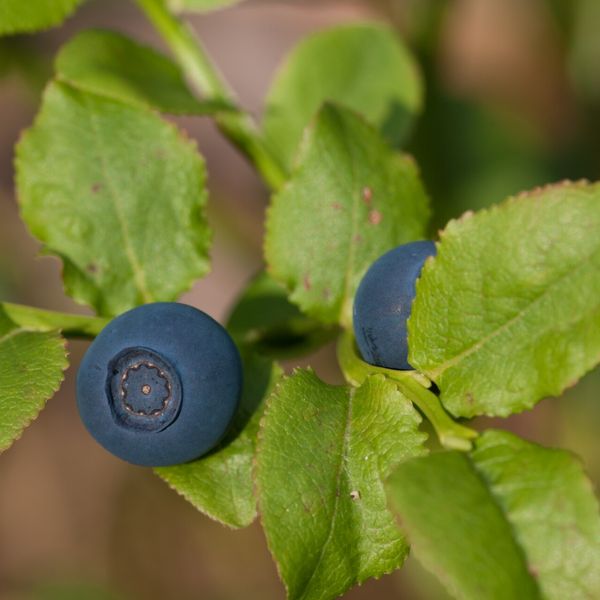
Leaves underneath without dark spots, with a distinct network of veins; berries are mealy and tasteless.
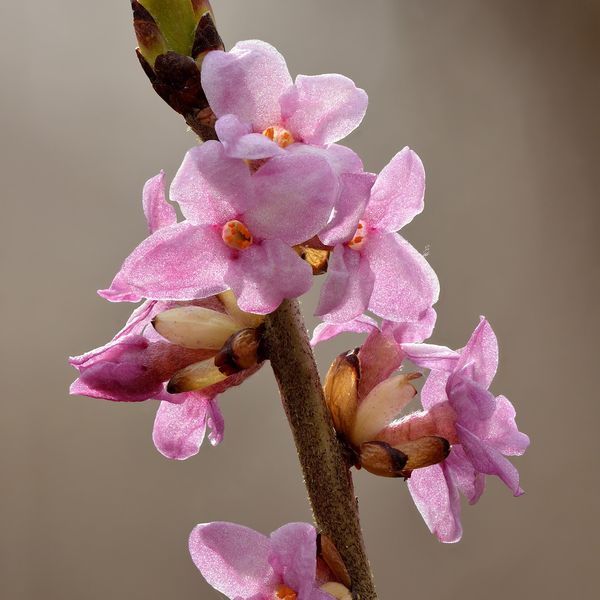
Shrub up to 1 m with elongated thin leaves that fall in winter; red berries sit directly on the stem, without stems.
In folk tradition
The berries are traditionally soaked, made into jams and sauces; the leaves are brewed like tea.
Protection and rules
Not protected. It can be collected for personal use in state and communal forests; prohibited in reserves and protected areas of national parks.
FAQ
When to collect lingonberries in the Carpathians?
In late summer and autumn, mainly in August and September, when the berries turn bright red.
How does lingonberry differ from cranberry?
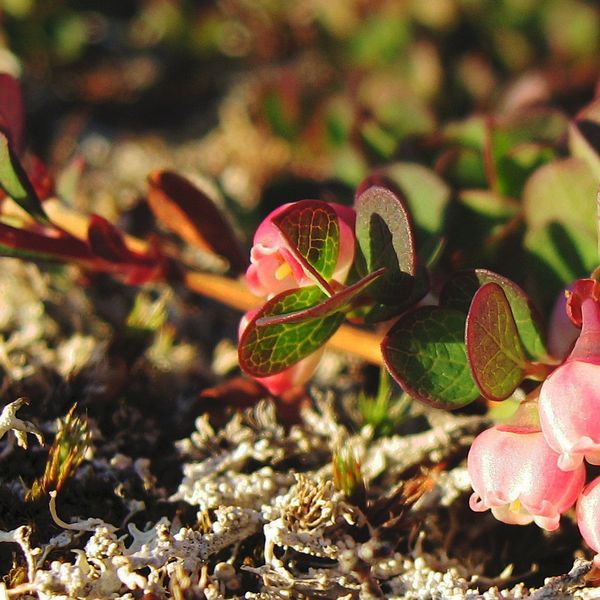
Lingonberry grows in drier places, has upright shrubs with leathery leaves and white bell-shaped flowers. Cranberry is a thin creeping plant of wetlands with pink flowers and reflexed petals.
Recorded nearby
 PeakMount RadulKhutir Burkutaltitude 1 598 m · Marmarosh rangeRadul is a 1,598 m summit in the Marmarosh Massif, where the Hutsul Alps meet the Chyvchyn Mountains.
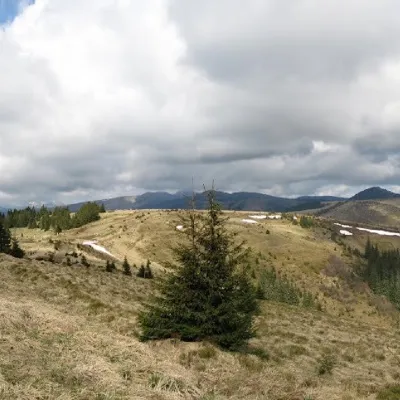 PeakMount KopylashZelenealtitude 1 599 m · Chyvchyny range2 trails to the topMount Kopylash is a 1599-meter cone-shaped peak in the Ukrainian Carpathians, which is located within the main ridge...
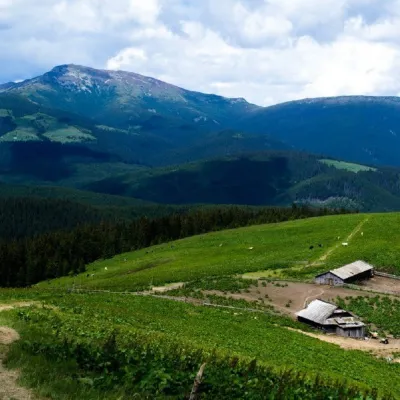 PeakMount Mika-MareBohdanaltitude 1 815 m · Marmarosh range30 trails to the topMount Mika Mare (Neneska, Neniska - translated from the Hutsul dialect as "aunt") is one of the peaks of the...
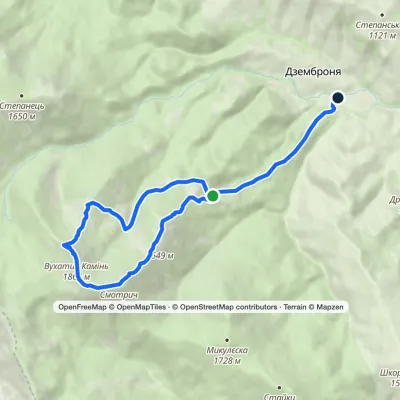 ModerateOne-dayMarkedDzembronia village loopvia Smotrych polonyna, Mount Smotrych +2Elevation profile817–1 898 m10.4 kmascent 696 m≈ 4 h walking
 EasyOne-dayMarkedZhynets tract road to Bukovelvia Khomiakiv polonynaElevation profile779–1 352 m7.7 kmascent 572 m≈ 3 h walking
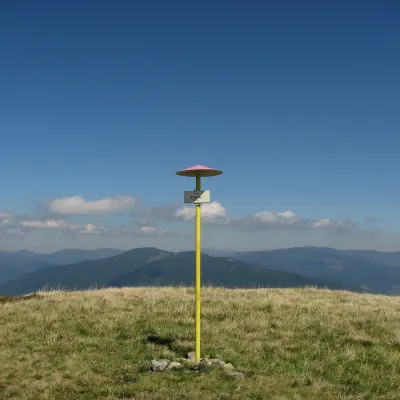 PeakMount KlymovaKolochavaaltitude 1 492 mKlymova is a 1,492 m summit of the Polonyna Krasna range. It lies in the Tiachiv district of Zakarpattia Oblast,...
Trails and peaks near which naturalists recorded the species (GBIF, iNaturalist), matched by altitude and habitat. Sightings are not guaranteed.
Similar species
Sources
- Вікіпедія: Брусниця
- Wikipedia (en): Vaccinium vitis-idaea
- Wikipedia (pl): Borówka brusznica
- Лісовий кодекс України, ст. 69: загальне використання лісових ресурсів (збирання грибів і ягід для власних потреб)
GBIF · iNaturalist · Wikidata · Distribution data: GBIF.org (CC0 and CC BY records), iNaturalist; names and identifiers: Wikidata (CC0). Text: Karpaty.rocks, checked 09.11.2026.
