European larch
About
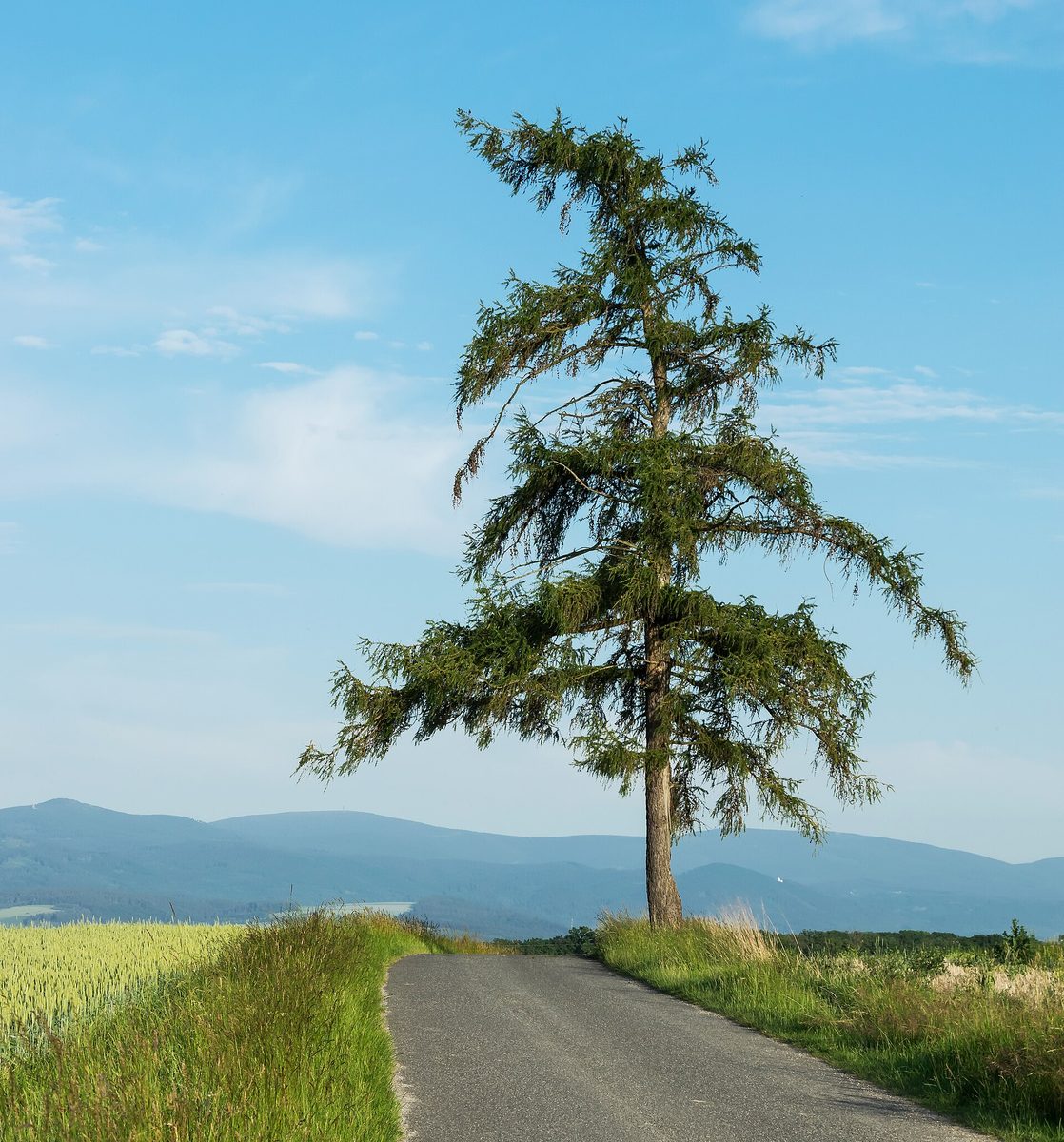
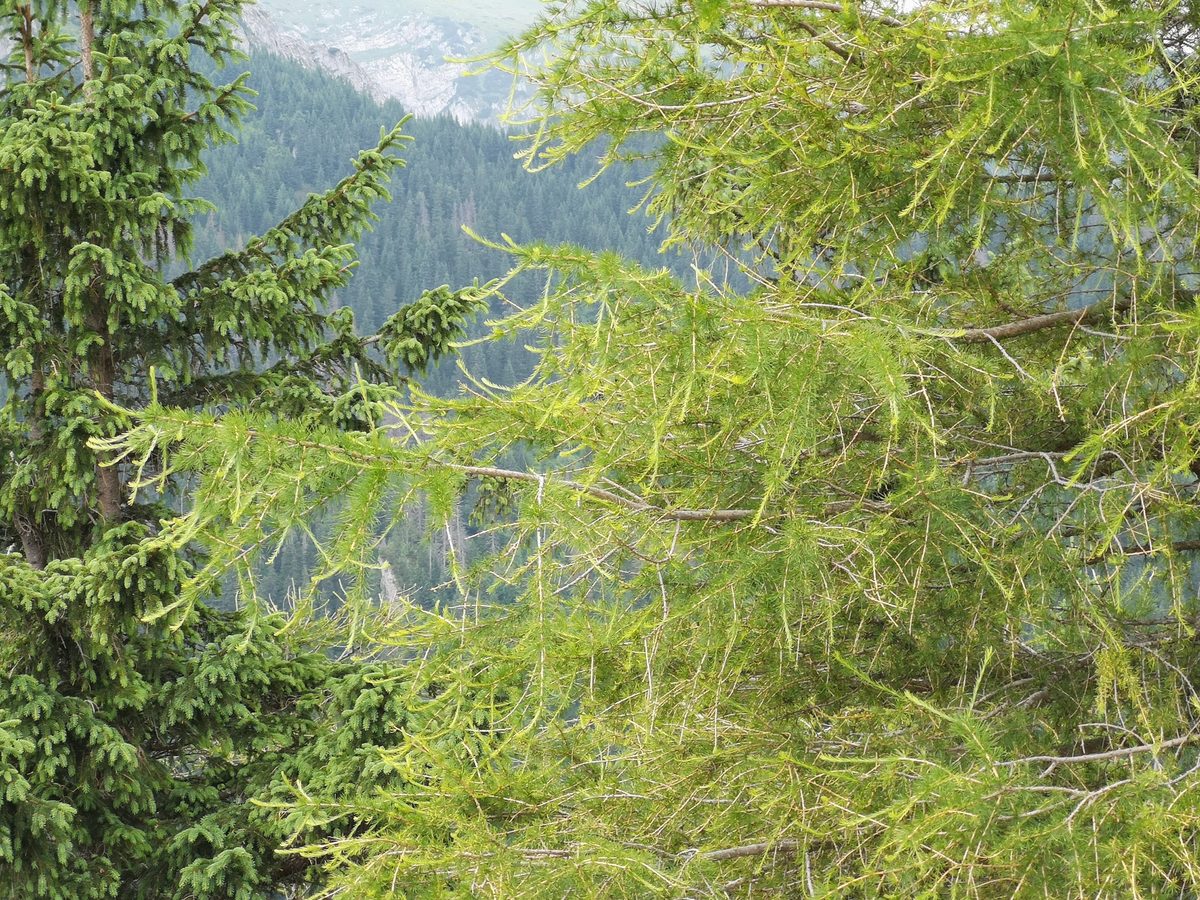
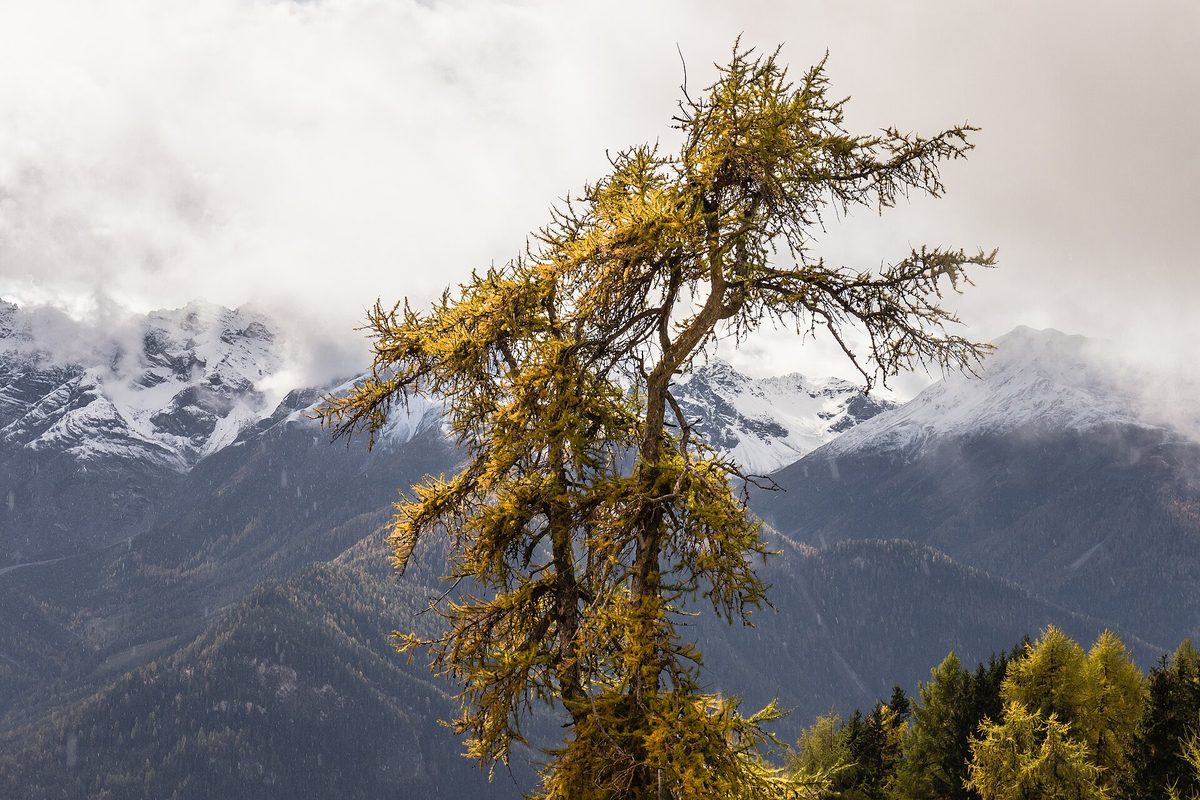
European larch is the only coniferous tree in Ukraine that sheds its needles for winter. In autumn, larch plantations turn golden-yellow and stand out among the dark spruces, making them easy to spot from any peak. The tree reaches a height of 20–40 m, with a conical crown; the soft needles on short lateral shoots are gathered in bundles of 20–50 needles.
The natural range of larch is the mountains of Central Europe, primarily the Alps and the Carpathians, where it mostly grows at altitudes of 1000–2500 m and reaches the upper forest limit. In Poland, natural larches have only survived in the Tatra Mountains. In the Ukrainian Carpathians, larch has been widely planted by foresters, so most of the larch areas seen by tourists are of artificial origin.
For a long time, it was believed that a separate species, Polish larch, grows in the Ukrainian Carpathians, and it is listed in the Red Book of Ukraine. However, a study in 2023 published in the 'Ukrainian Botanical Journal' showed that none of the eight studied populations can be classified as Polish larch: mostly, they are the Carpathian form of European larch. The authors recognized only two populations near the upper forest limit, at altitudes of 1100–1300 m, as natural, while the rest, mostly around 700 m, are artificial. Due to the small number of natural larches, scientists proposed to include European larch in the Red Book of Ukraine in a broad sense.
The wood of larch is resinous and strong; it has long been valued in construction, particularly for hydraulic structures, piles, and foundations of buildings.
Where in the Carpathians

The map shows where naturalists recorded the species (GBIF, CC0 and CC BY records), not every place it lives. The Ukrainian Carpathians are less studied, so a blank area does not mean the species is absent.
- Countries
- Slovakia · Czechia · Poland · Romania · Ukraine · Hungary · Serbia
- Mountain ranges
- Strážov Mountains, Slovak Ore Mountains, Low Tatras, High Tatras, Greater Fatra, Western Tatras, Volovec Mountains, Slovak Paradise, Belianske Tatras, Lesser Fatra
- Altitude belts
- Foothills (below 600 m) · Beech forests (600–1200 m) · Conifer forests (1200–1600 m)
When to see it
| Jan | Feb | Mar | Apr | May | Jun | Jul | Aug | Sep | Oct | Nov | Dec | |
|---|---|---|---|---|---|---|---|---|---|---|---|---|
| Sightings |
From naturalists’ observations in the Carpathians (iNaturalist, research grade): the darker the cell, the more often the species is seen that month.
Protection and rules
European larch as a species is not listed in the Red Book of Ukraine, but Polish larch (Larix polonica) is — a taxon that was previously attributed to the Carpathian larches. Natural populations are few, and they should be preserved.
FAQ
Why does larch turn yellow in autumn?
Larch is the only coniferous species in Ukraine that sheds its needles for winter. In autumn, the needles turn golden and fall off, and new ones grow in spring.
Does larch grow naturally in the Carpathians?
Yes, but very rarely: according to the 2023 study, only two populations near the upper forest limit are natural. Most larches in the Ukrainian Carpathians are planted.
Similar species
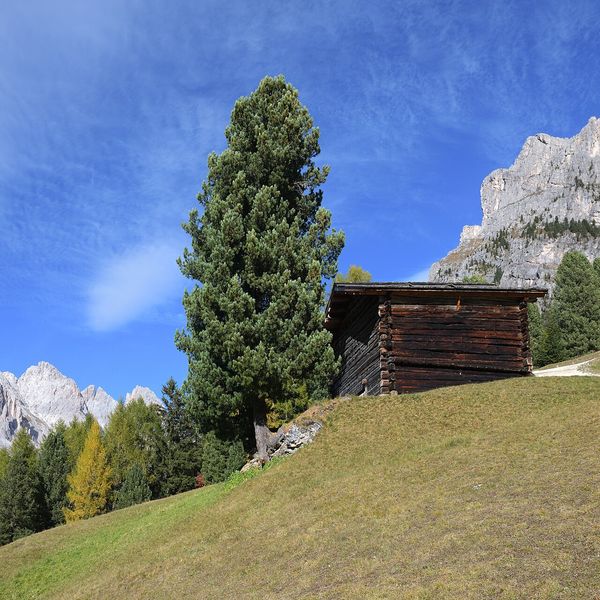
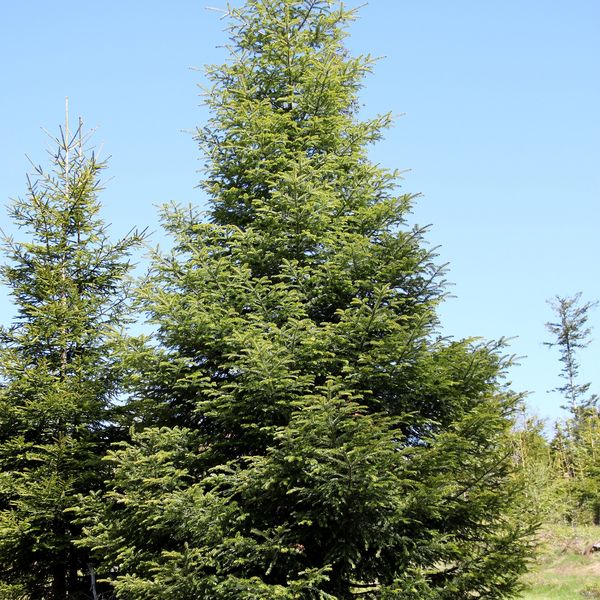
Where to meet it
Mountain ranges: In other countries: 🇸🇰 Strážov Mountains, 🇸🇰 Slovak Ore Mountains, 🇸🇰 Low Tatras, 🇸🇰 High Tatras, 🇸🇰 Greater Fatra, 🇸🇰 Western Tatras, 🇸🇰 Volovec Mountains, 🇸🇰 Slovak Paradise, 🇸🇰 Belianske Tatras, 🇸🇰 Lesser Fatra, 🇸🇰 Levoča Mountains, 🇸🇰 Považský Inovec, 🇨🇿 White Carpathians, 🇸🇰 Spiš Magura
Trails and peaks near which naturalists recorded the species (GBIF, iNaturalist), matched by altitude and habitat. Sightings are not guaranteed.
Sources
- Вікіпедія: Модрина європейська
- Вікіпедія: Модрина польська
- Wikipedia (en): Larix decidua
- Wikipedia (pl): Modrzew europejski
- Дідух Я. П. та ін. Чи росте Larix polonica в Україні? Український ботанічний журнал, 2023, 80(4): 343–363
- Перелік видів рослин та грибів, що заносяться до Червоної книги України (наказ Міндовкілля від 15.02.2021 № 111, z0370-21)
- GBIF: Червона книга України — рослини й гриби (набір даних)
- GBIF: таксон і категорія МСОП
GBIF · iNaturalist · Wikidata · Distribution data: GBIF.org (CC0 and CC BY records), iNaturalist; names and identifiers: Wikidata (CC0). Text: Karpaty.rocks, checked 09.11.2026.
