European hornet
About
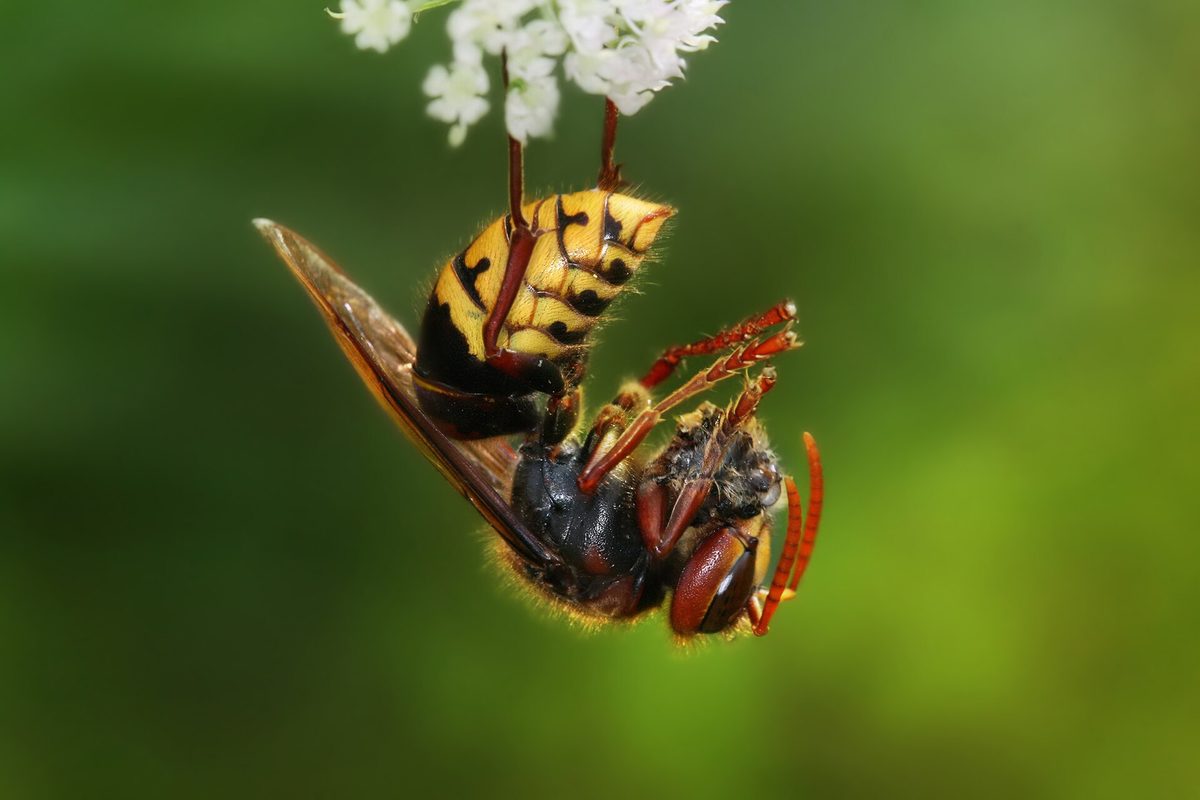
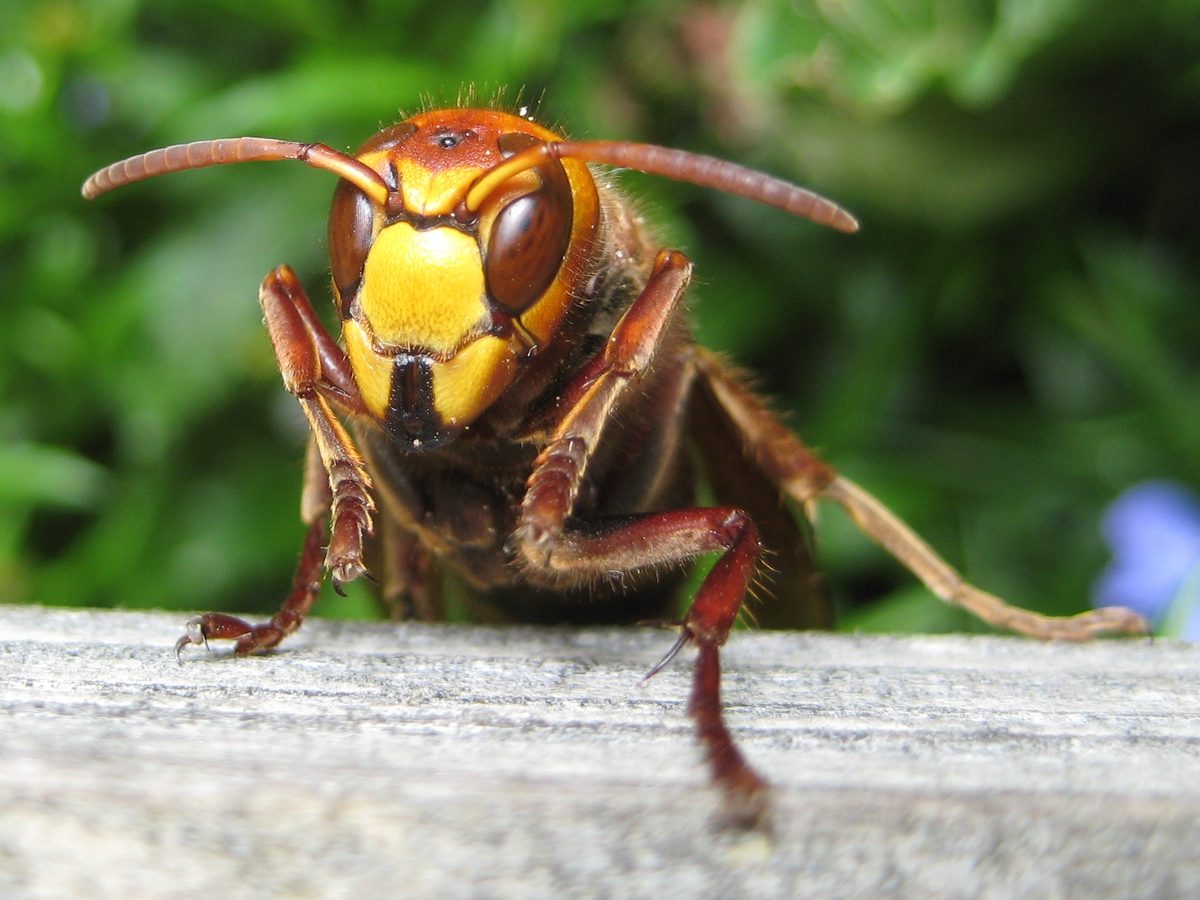
The European hornet is the largest of our social wasps. Workers are 18–25 mm long, queens up to 35 mm. The head and thorax are reddish-brown, the abdomen is yellow with brown bands and spots. The hornet is distinguished from common wasps by its size, reddish rather than black thorax, and low loud buzzing in flight.
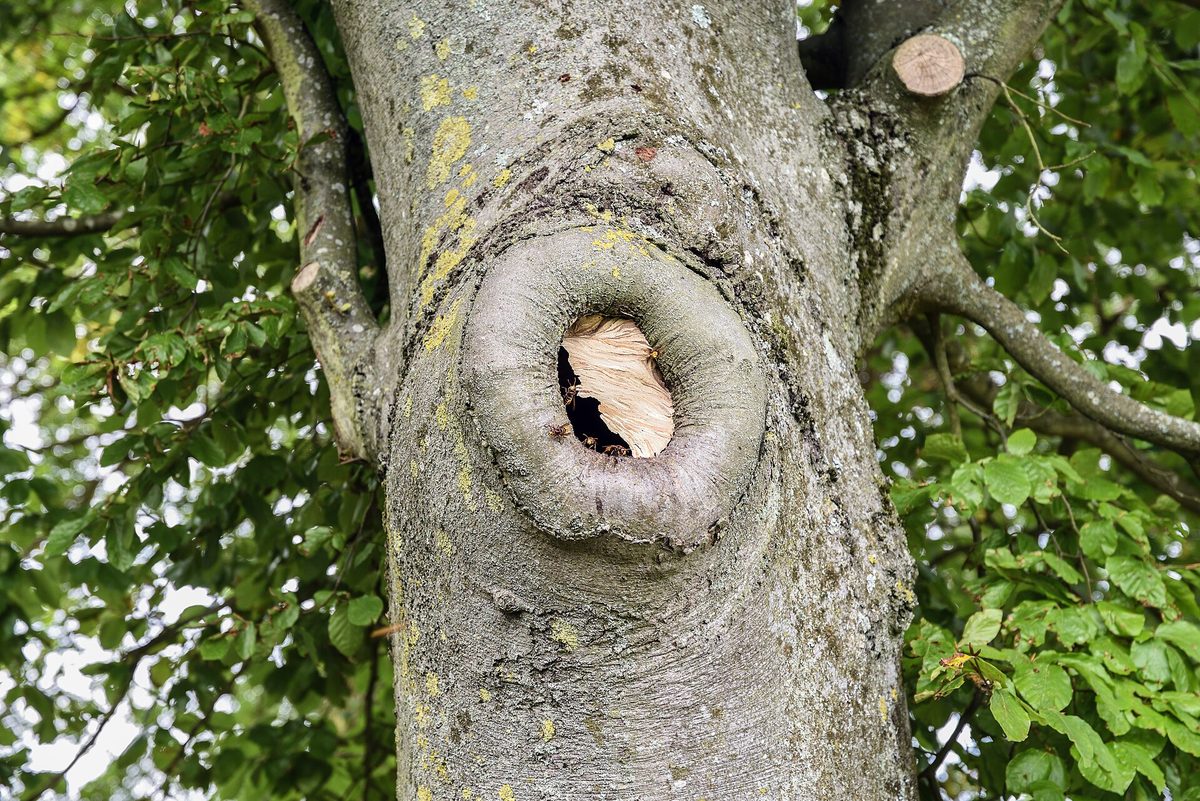
In the Carpathians, hornets live in deciduous and mixed forests, gardens, and villages of the valleys and foothills. They build their nests from 'paper' — chewed wood — in tree hollows, birdhouses, attics, walls of barns, and under roofs. The colony lives for one summer: in spring, it is founded by a queen that has survived the winter, by late summer there can be several hundred individuals in the nest, and in autumn, all except for the young fertilized queens die.
The hornet is a predator. It feeds its larvae with flies, wasps, caterpillars, and bees, while adults drink tree sap and ripe fruits. Hornets also fly at dusk and at night, sometimes attracted to light.
Far from the nest, the hornet does not attack: if it hovers nearby, do not wave your hands and calmly walk away. The colony defends the nest as a group. If you notice it in a hollow or under the roof of a Koliba, do not approach closer than a few meters, do not knock, and do not block the entrance.
Where in the Carpathians

The map shows where naturalists recorded the species (GBIF, CC0 and CC BY records), not every place it lives. The Ukrainian Carpathians are less studied, so a blank area does not mean the species is absent.
- Countries
- Hungary · Slovakia · Romania · Ukraine · Austria · Czechia · Poland
- Mountain ranges
- Börzsöny and Cserhát, Zemplén Mountains, Maramureș Mountains, Bükk, Mátra, Bihor-Vlădeasa Mountains, Low Tatras, Polonynian Ridge, Vihorlat-Gutin Volcanic Ridge, Almăj and Locva Mountains
- Altitude belts
- Foothills (below 600 m)
When to see it
| Jan | Feb | Mar | Apr | May | Jun | Jul | Aug | Sep | Oct | Nov | Dec | |
|---|---|---|---|---|---|---|---|---|---|---|---|---|
| Sightings |
From naturalists’ observations in the Carpathians (iNaturalist, research grade): the darker the cell, the more often the species is seen that month.
Safety
Do not approach the nest and do not wave your hands near the hornet. After a sting, cool the area. If a rash appears on the body, swelling of the face or throat, difficulty breathing, dizziness, or if there are many stings or a sting in the mouth — call 103 (or 112) immediately.
Protection and rules
Not listed in the Red Data Book of Ukraine.
FAQ
Is the hornet dangerous to humans?
A single sting is painful, but for a healthy person, it usually passes without consequences. Dangerous are allergic reactions, multiple stings, and stings in the mouth or throat — then call 103 immediately.
What to do if there is a hornet's nest near the path?
Calmly walk around it at a distance of a few meters, do not knock on the wood and do not block the entrance. Hornets only defend the nest.
How to distinguish a hornet from a wasp?
The hornet is twice as large, its thorax and head are reddish-brown, and its buzzing is low and loud.
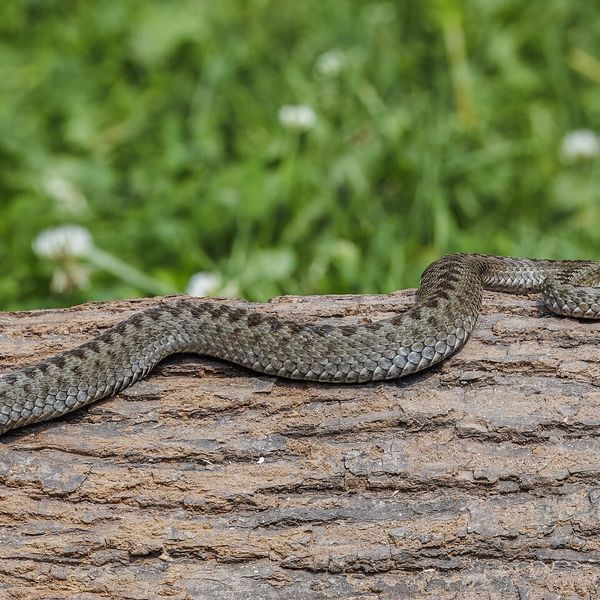
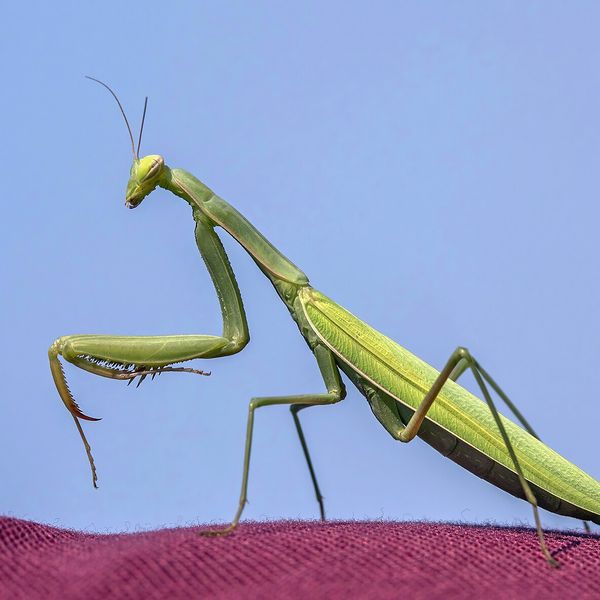
Similar species
Where to meet it
Trails
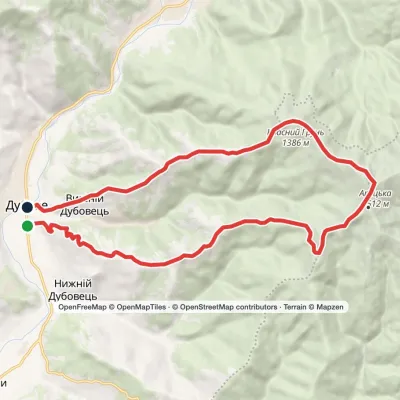 HardOne-dayDubove village loopvia Mount ApetskaElevation profile386–1 512 m21.2 kmascent 1 213 m≈ 7.5 h walking
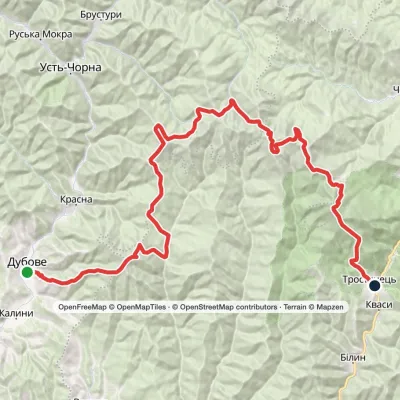 HardMulti-dayDubove village to Kvasy villagevia Mount Apetska, Mount Dohiaska +2Elevation profile387–1 883 m69.1 kmascent 4 794 m
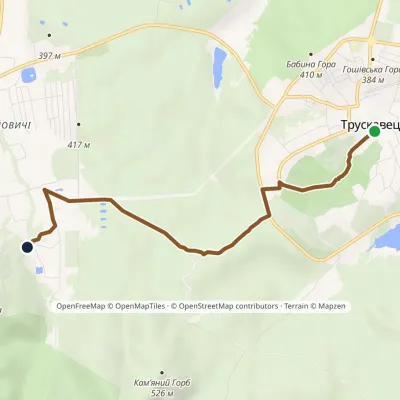 EasyOne-dayMarkedSalt Road: Truskavets Bukovytsia resortElevation profile351–438 m5.4 kmascent 101 m≈ 1.5 h walking
Mountain ranges: Maramureș Mountains, Polonynian Ridge, Vihorlat-Gutin Volcanic Ridge. In other countries: 🇭🇺 Börzsöny and Cserhát, 🇭🇺 Zemplén Mountains, 🇭🇺 Bükk, 🇭🇺 Mátra, 🇷🇴 Bihor-Vlădeasa Mountains, 🇸🇰 Low Tatras, 🇷🇴 Almăj and Locva Mountains
Trails and peaks near which naturalists recorded the species (GBIF, iNaturalist), matched by altitude and habitat. Sightings are not guaranteed.
Sources
- Вікіпедія: Шершень звичайний
- Wikipedia (en): European hornet
- iNaturalist: Vespa crabro (спостереження в Карпатах)
GBIF · iNaturalist · Wikidata · Distribution data: GBIF.org (CC0 and CC BY records), iNaturalist; names and identifiers: Wikidata (CC0). Text: Karpaty.rocks, checked 11.11.2026.
