Aspen
About
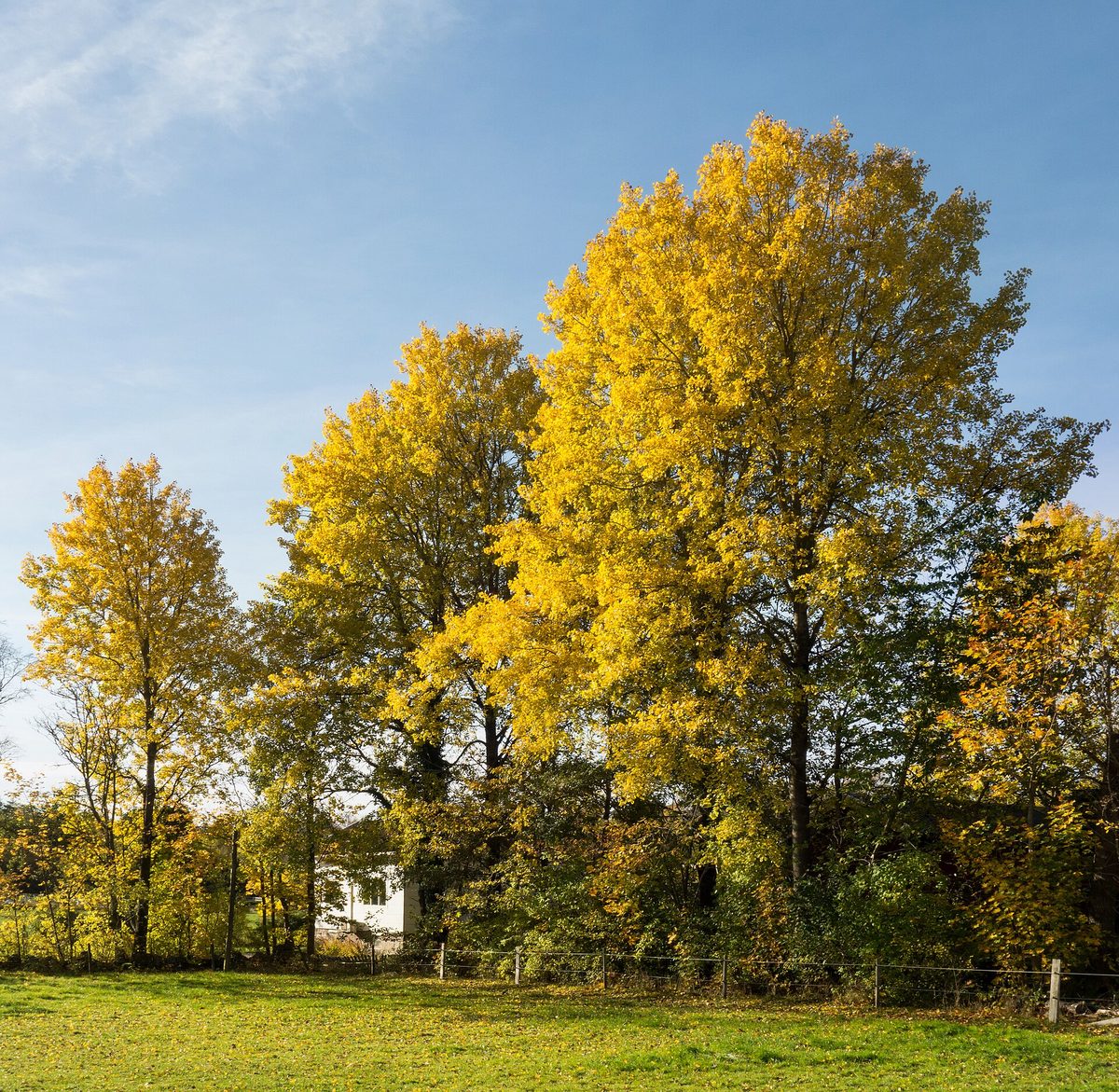
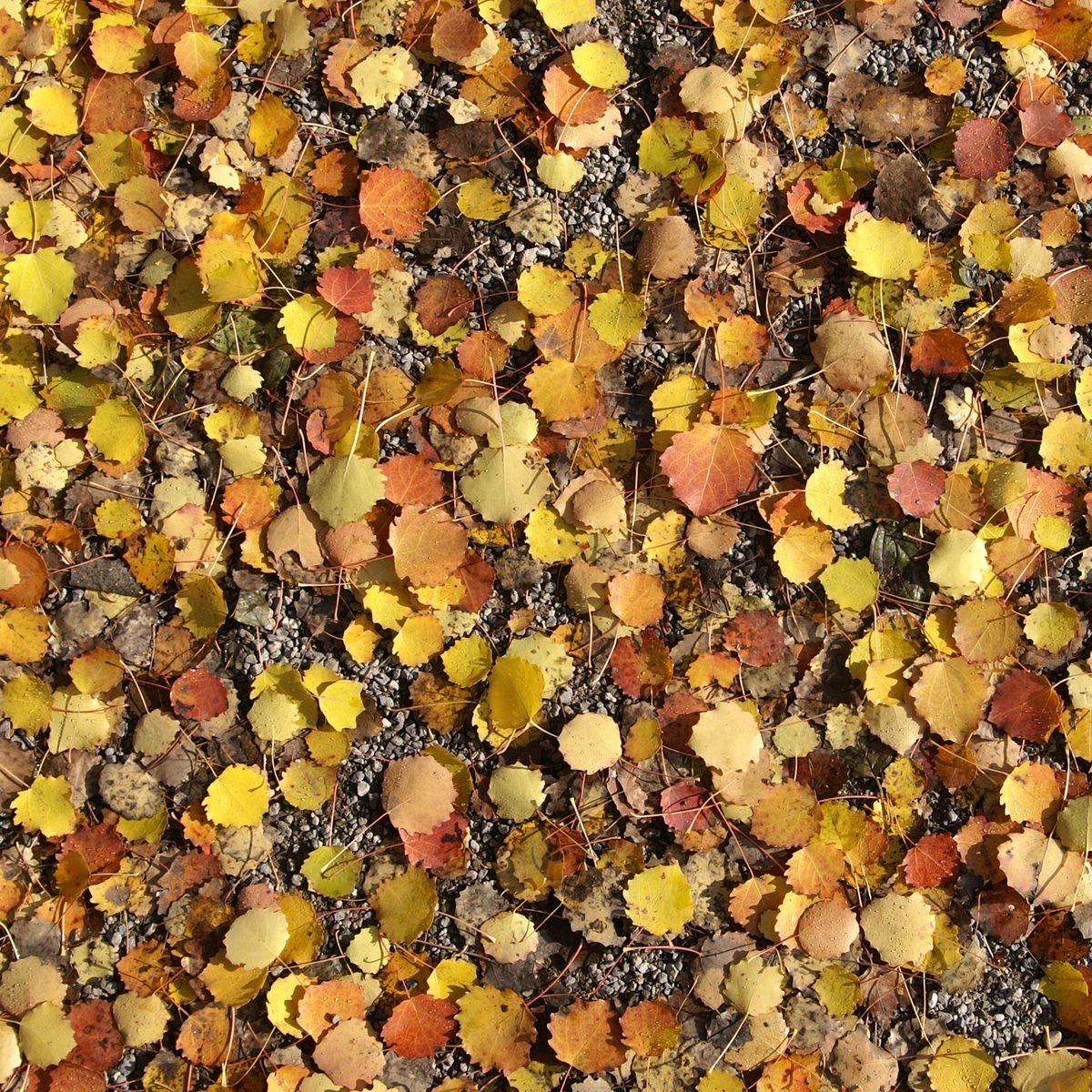
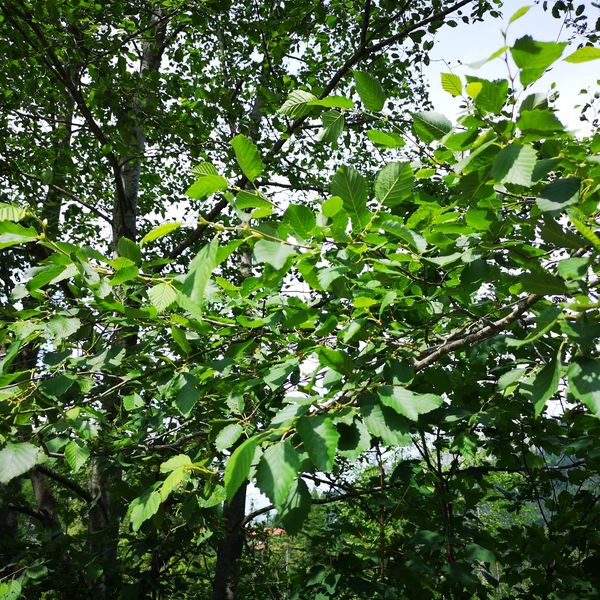
Aspen is a slender tree up to 20–30 m tall with smooth greenish-gray bark, which darkens and cracks only at the base of old trunks. The leaves are nearly round, with uneven blunt teeth along the edge. The petiole is long and flattened on the sides, causing the leaves to sway and rustle even when there is hardly any wind. Hence the saying 'trembles like aspen leaves.'
Aspen blooms early, in March – April, before the leaves appear: fluffy catkins hang from the branches. Male and female catkins develop on different trees. By the end of May, small seeds with fluff mature, which the wind disperses far.
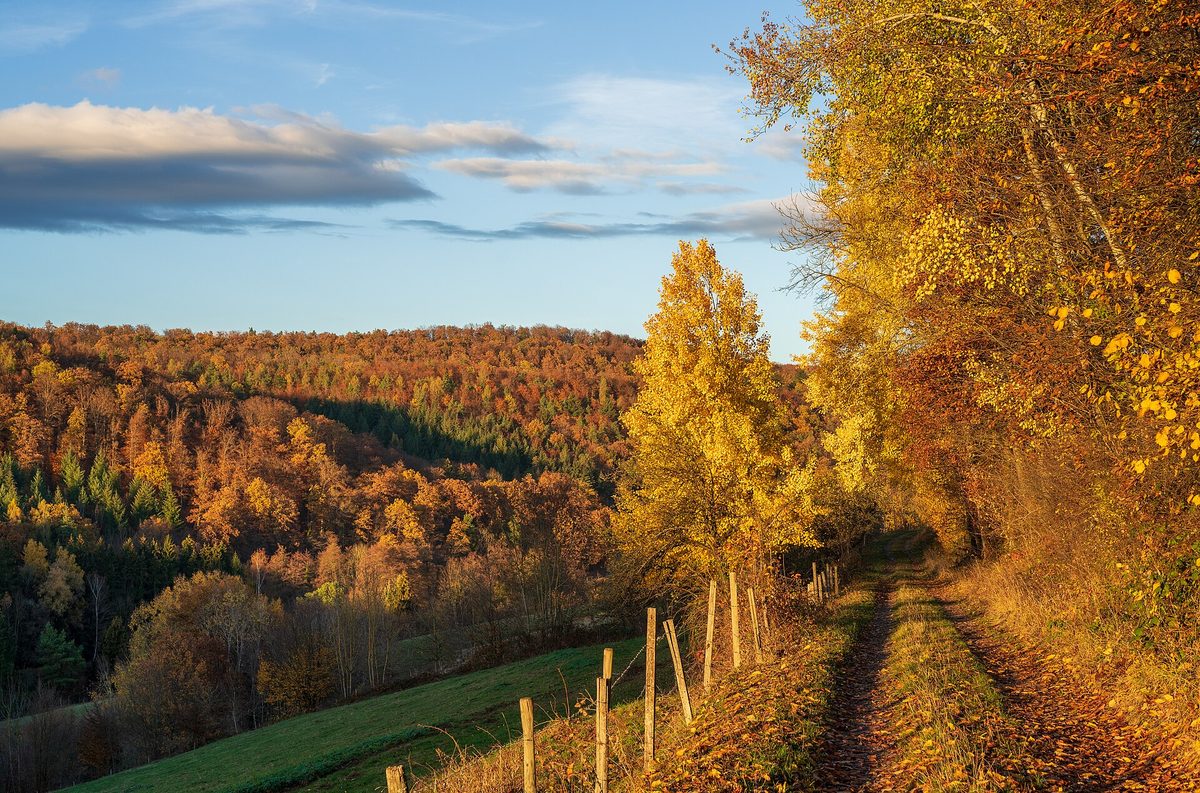
In the Carpathians, aspen grows from the foothills to the middle mountain belt — in forest edges, clearings, burnt areas, abandoned meadows, along roads. This pioneer tree is light-loving and fast-growing; it is the first to occupy open spaces and spreads through root suckers, forming entire groves. Under its canopy, beech, fir, and spruce later grow. Aspen lives for a short time, usually up to 80–100 years, and often has a rotten core.
In autumn, aspen groves are visible from afar: the leaves turn bright yellow, orange, and red.
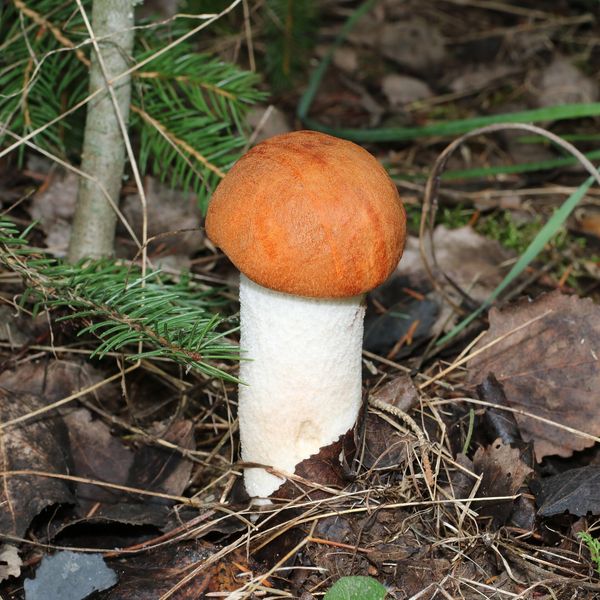
Beavers, hares, and deer eat the bark and branches of aspen, while woodpeckers and tits nest in its hollows. The mushroom Leccinum aurantiacum grows under aspen.
Where in the Carpathians

Teal — the species' natural range within its elevation belt; orange — where naturalists recorded it (GBIF, CC0/CC BY).
Range: Caudullo, Welk & San-Miguel-Ayanz 2017, CC BY 4.0; elevation belt and the countries where it is known — our model (AWS Terrain Tiles)
- Countries
- Ukraine · Slovakia · Czechia · Poland · Romania · Hungary · Serbia · Austria
- Mountain ranges
- nearly all Carpathian ranges, within its elevation belt
- Altitude belts
- Foothills (below 600 m) · Beech forests (600–1200 m)
When to see it
| Jan | Feb | Mar | Apr | May | Jun | Jul | Aug | Sep | Oct | Nov | Dec | |
|---|---|---|---|---|---|---|---|---|---|---|---|---|
| Sightings |
From naturalists’ observations in the Carpathians (iNaturalist, research grade): the darker the cell, the more often the species is seen that month.
Protection and rules
Not listed in the Red Book of Ukraine.
FAQ
Why do aspen leaves tremble?
The petiole of the leaf is long and flattened on the sides, allowing the blade to sway easily at the slightest movement of air.
What mushrooms grow under aspen?
The most well-known is Leccinum aurantiacum, which forms mycorrhiza with aspen. Mushrooms should not be identified solely by their growing location.
Comments
Travellers’ experience: reports, tips, questions.
No one has written here yet. Be the first — your experience helps others.
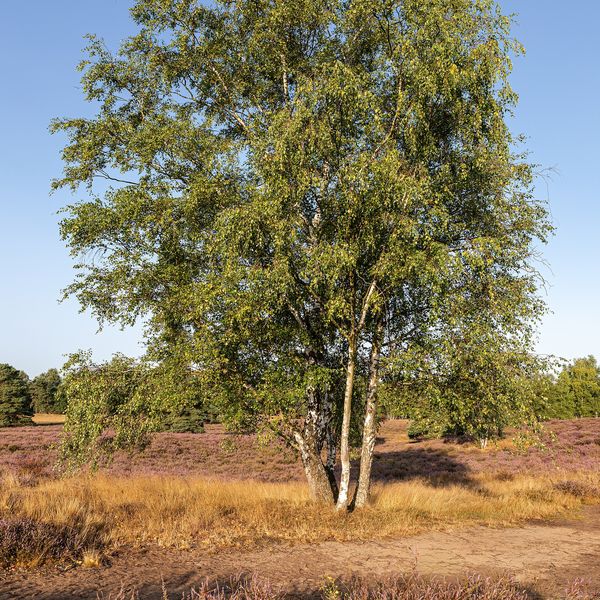
Similar species
Where to meet it
Mountain ranges: In other countries: 🇸🇰 Slovak Ore Mountains, 🇸🇰 Strážov Mountains, 🇸🇰 Low Tatras, 🇸🇰 Volovec Mountains, 🇨🇿 White Carpathians, 🇸🇰 Slovak Central Mountains, 🇸🇰 Lesser Fatra, 🇸🇰 Greater Fatra, 🇵🇱 Żywiec Beskids, 🇨🇿 Moravian-Silesian Beskids, 🇸🇰 Štiavnica Mountains, 🇸🇰 Levoča Mountains, 🇵🇱 Low Beskids, 🇸🇰 Vtáčnik Mountains
Trails and peaks near which naturalists recorded the species (GBIF, iNaturalist), matched by altitude and habitat. Sightings are not guaranteed.
Sources
- Вікіпедія: Осика
- Wikipedia (en): Populus tremula
- iNaturalist: Populus tremula (спостереження в Карпатах)
GBIF · iNaturalist · Wikidata · Distribution data: GBIF.org (CC0 and CC BY records), iNaturalist; names and identifiers: Wikidata (CC0). Text: Karpaty.rocks, checked 11.11.2026.
