Ethnographic and Shepherding Museum, Liptovský Hrádok
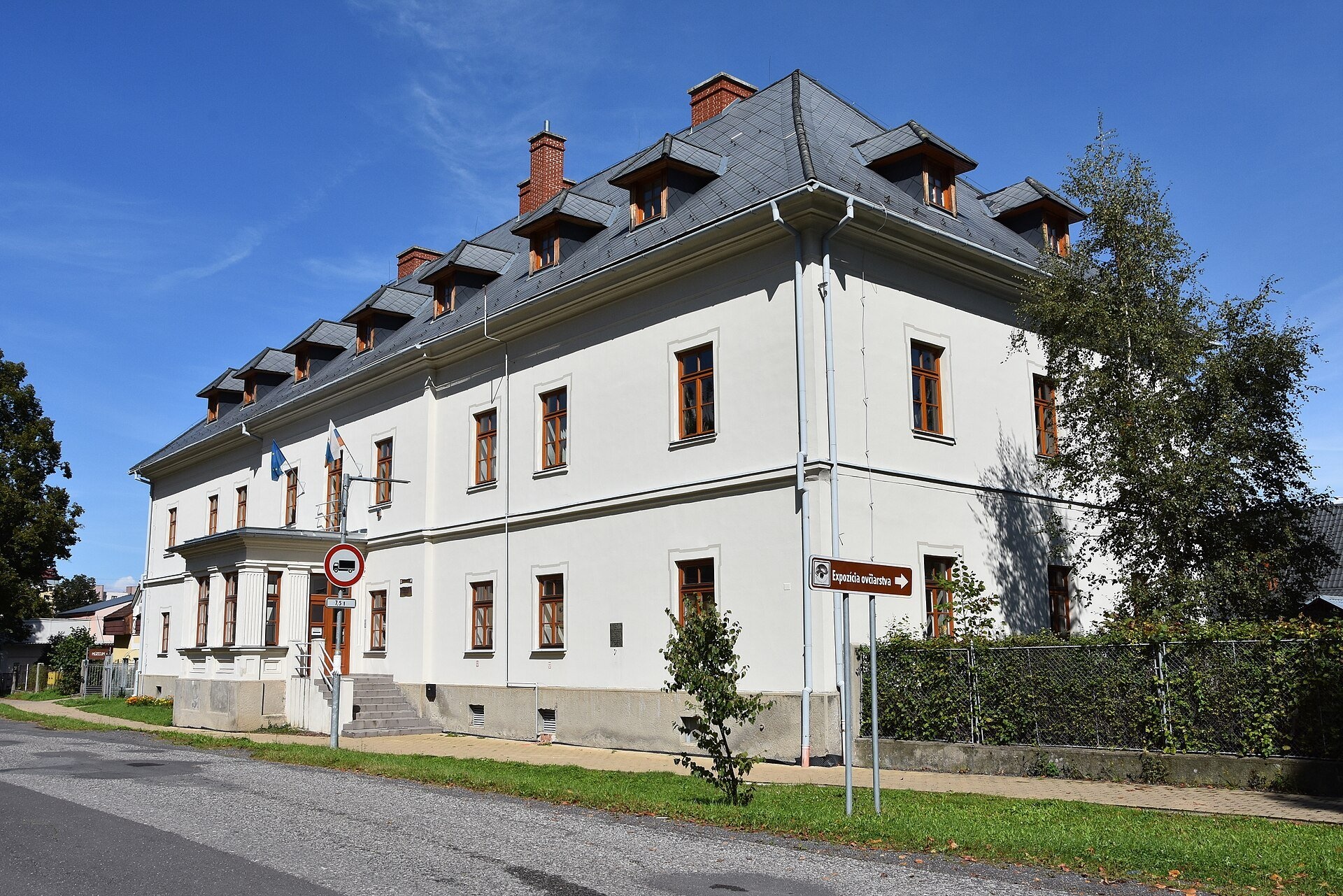
The Ethnographic and Shepherding Museum in Liptovský Hrádok (Národopisné a ovčiarske múzeum Liptovský Hrádok) is a branch of the Liptov Museum in Ružomberok devoted to the folk culture of Liptov and to Slovakia's shepherding traditions. It is housed in the historic 18th-century building of the former Salt Office at the entrance to the small town, which lies in the Liptov basin between the High and Low Tatras. It makes a convenient stop on the way to the mountains or on a rainy day.
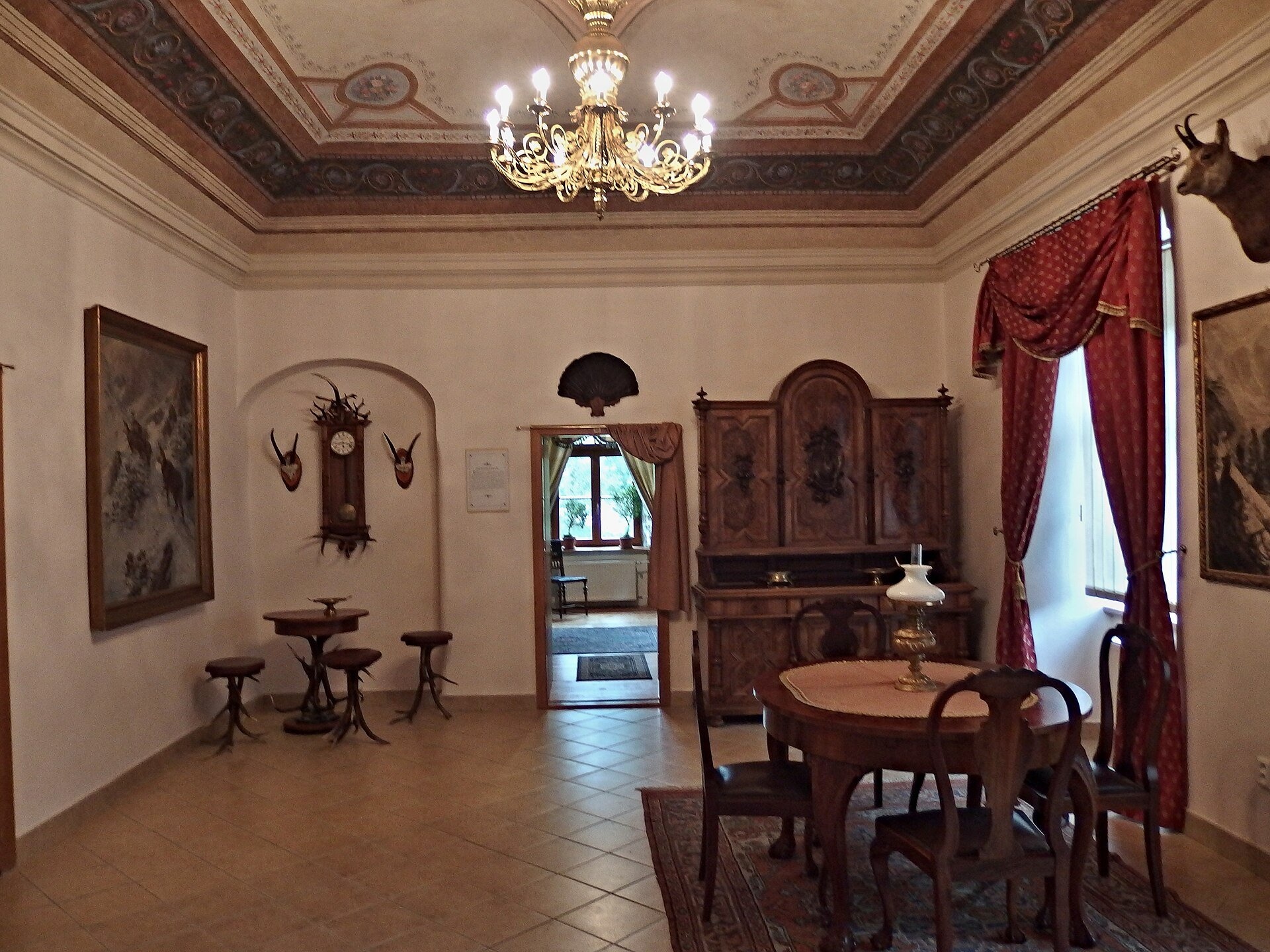
The museum was founded on 15 June 1955 as the district museum of the Upper Liptov people, and in 1960 it was renamed the Ethnographic Museum of Liptov and its scope extended to the whole region. Since 1974 it has belonged to the Liptov Museum. Until 1988 its exhibitions were in the Renaissance manor house next to the local castle, and in the 1970s and 1980s it was one of the most visited museums in Slovakia. When the castle and manor were sold to private owners, the museum was left without exhibition rooms for 17 years. Since 2004 its new home has been the Salt Office building, bought for the museum by the Žilina Self-Governing Region. Officials of the royal salt store once worked here, later the copper office, and at the turn of the 18th and 19th centuries it was the seat of the prefect of the Likava–Hrádok chamber estate. During restoration in 2003–2004, stucco work and coloured illusionistic ceiling paintings with plant and geometric ornaments were uncovered under the plaster.
What to see
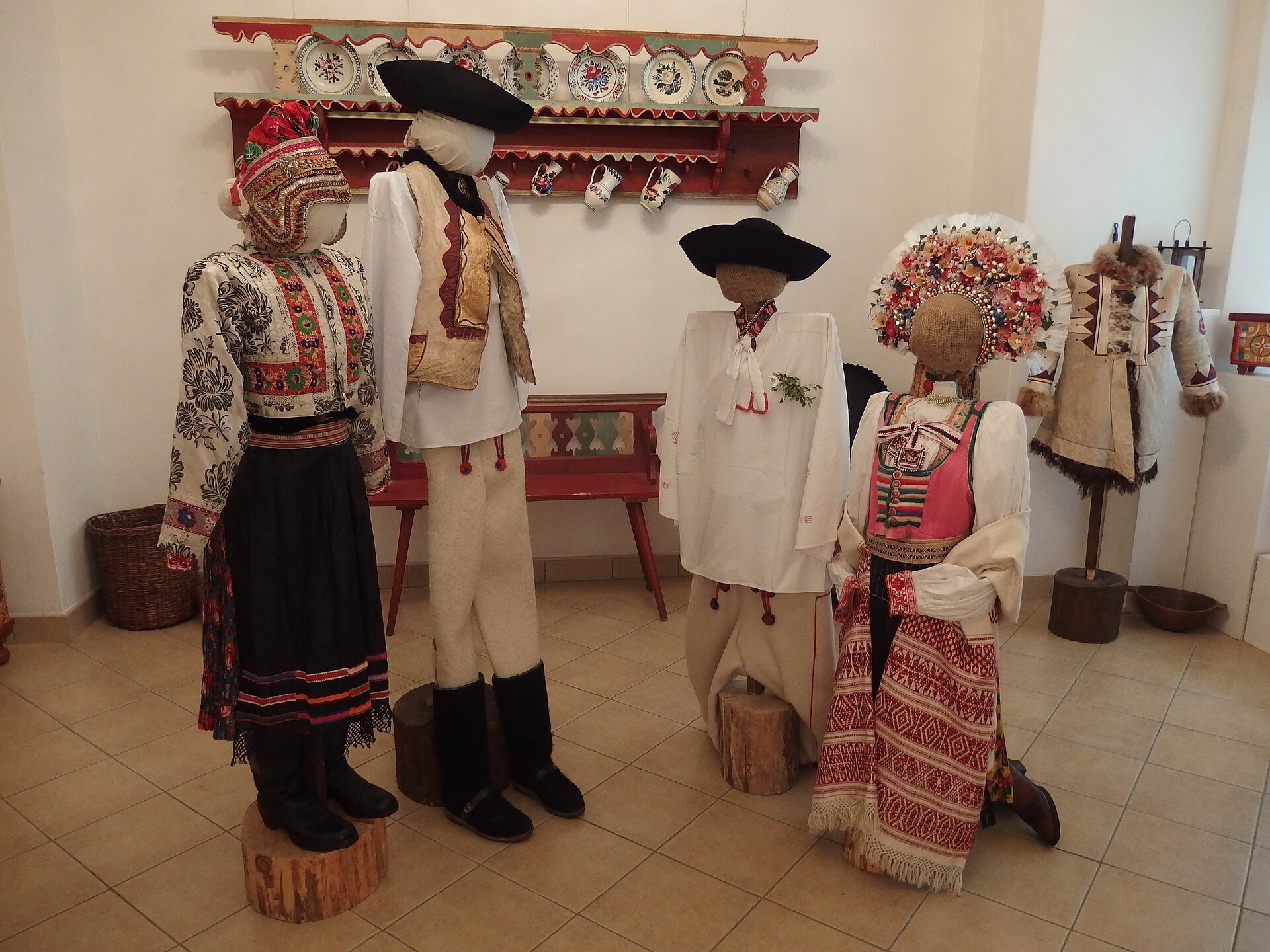
- "From the Liptov Village" — an ethnographic exhibition on the two sub-regions of Liptov, their typical dress and occupations, and the close bond between people and nature.
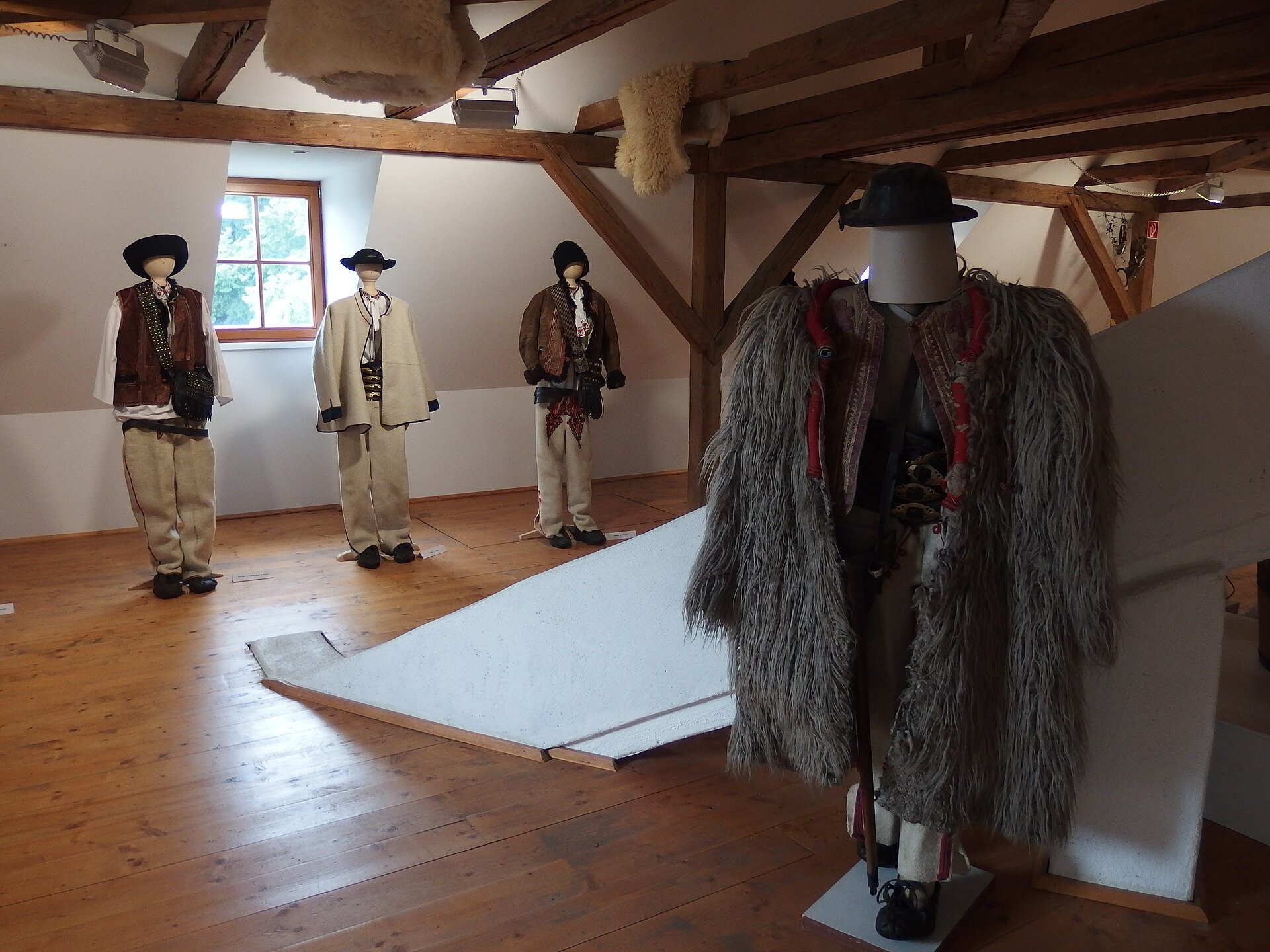
- The shepherding exhibition (2005) in the attic — a timber shepherds' hut with its equipment, a portable shepherd's shelter (komárnik), utensils for processing sheep's milk, shepherds' clothing and accessories from various regions of Slovakia, and a demonstration of how wool becomes finished goods, from shearing onwards. The second part is a gallery of folk art with carvers' tools and musical instruments.
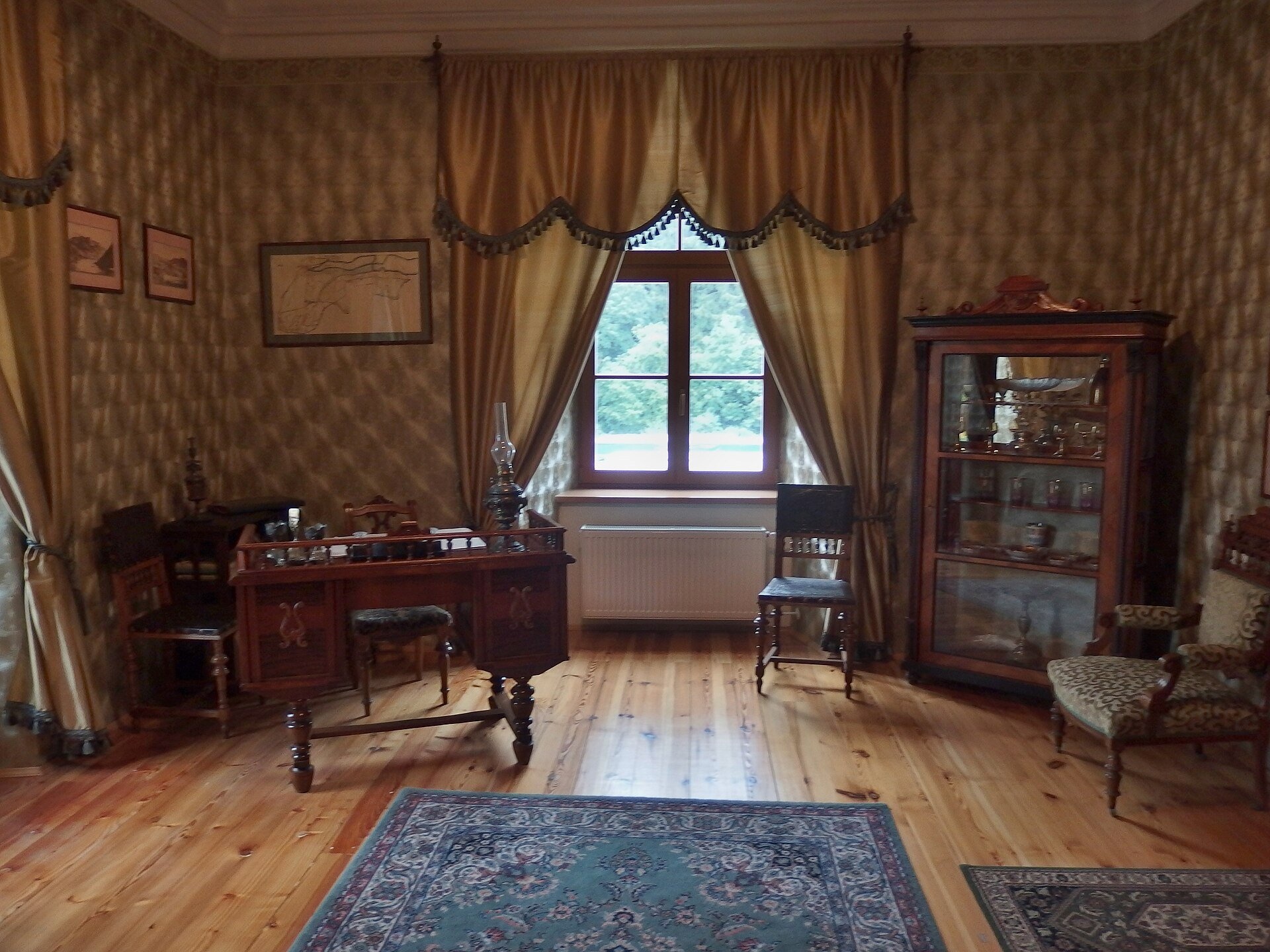
- The Chamber Office of the Likava–Hrádok estate — a ceremonial hall, two salons and the study of prefect František Wisner with restored paintings, period furniture, works of art and hunting trophies, plus objects from the life of foresters and hunters.
- Blueprint (modrotlač) — the development of resist-dye printing in Liptov, printing blocks, clothing and household textiles, and a reconstruction of the workshop of master Daniel Žiška from the village of Hybe.
- The bobbin-lace gallery — Liptov bonnets with lace and the longest bobbin lace, almost 52 m long, from the "Lace Route" project.
- The gallery of folk carver Jozef Smutniak — wooden sculptures with an unusual rendering of hands and eyes.
Practical information
The museum stands on Partizánska street, close to the centre of Liptovský Hrádok. It is open Monday to Friday and, in July and August, also on Sunday afternoons; other Sundays and holidays it is closed. A ticket for all exhibitions costs €5 for adults and €2.50 for children, students and seniors; there is a ticket for large families. Details are in the "At a glance" box. Private photography costs an extra €1.
Allow 1–1.5 hours for all the rooms. The shepherding exhibition is on the second floor under the roof. For schools and groups the museum offers guided tours and creative workshops.
Nearby: trails and peaks
The Liptovský Ján, hotel Ďumbier – Liptovský Hrádok trail passes the museum and leads to Liptovský Ján, the gateway to the Jánska valley in the Low Tatras. The Liptov Museum has two more open-air sites nearby: about 10 km to the north-east, the Museum of the Liptov Village (Pribylina open-air museum), and above Liptovská Mara the Havránok Archaeological Open-Air Museum, Liptovská Mara.
Official website: liptovskemuzeum.sk
Photos: Patrik Kunec, CC BY-SA 4.0, Wikimedia Commons; Palickap, CC BY-SA 4.0, Wikimedia Commons; Adriana Mlynská, Public domain, Wikimedia Commons.
Getting there from Ukraine
Border crossings
- Uzhhorod – Vyšné Nemecké — road, 24/7
- Malyi Bereznyi – Ubľa — road, 24/7 For cars and buses; pedestrians not confirmed by the Ukrainian border service, lorries up to 3.5 t.
- Mali Selmentsi – Veľké Slemence (pedestrian) — pedestrian, 09:00–21:00 Kyiv time Pedestrians and cyclists only; inconvenient for the Tatras without onward transport.
- Chop – Čierna nad Tisou (rail) — rail, 24/7
By car
From Uzhhorod to Brezno ≈274 km, ≈3 h 50 min without queues: Uzhhorod – Vyšné Nemecké → I/19 to Košice → D1 via Prešov and Poprad to the exit near Liptovský Hrádok → I/18 and I/72 over the Čertovica Pass to Brezno. To Banská Bystrica ≈322 km, ≈4 h 30 min: D1 to Ružomberok, then I/59 via Donovaly. From Lviv: to Brezno via Uzhok and Ubľa ≈498 km (≈7 h 45 min) or through Poland ≈554 km (≈7 h 05 min); to Banská Bystrica through Poland (Kraków – Chyżne – Trstená – Dolný Kubín – Ružomberok) ≈535 km, ≈7 h 15 min. The D1 requires an e-vignette (eznamka.sk).
Checked 23.10.2026; border crossing hours and timetables change — check before you travel.
Location on the map
Comments
Trails nearby
All trails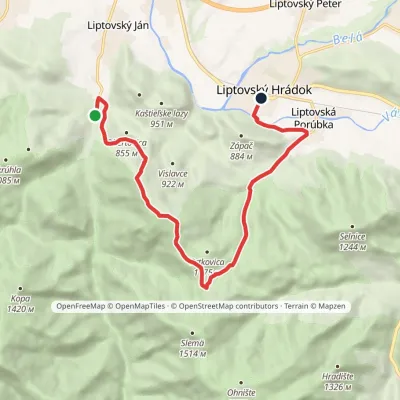 ModerateOne-dayMarkedLiptovský Ján, hotel Ďumbier Liptovský HrádokElevation profile633–1 298 m11.9 kmascent 642 m≈ 4.5 h walkingunder 1 km from Ethnographic and Shepherding Museum, Liptovský Hrádok
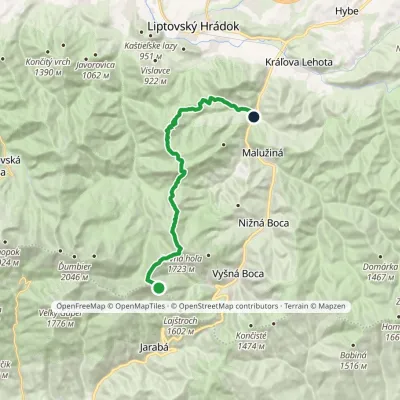 ModerateTwo-dayMarkedMichalovo Kumštové SaddleElevation profile696–1 723 m18.3 kmascent 672 m≈ 6 h walking3.1 km from Ethnographic and Shepherding Museum, Liptovský Hrádok
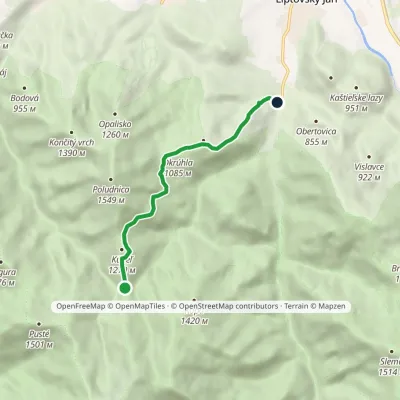 EasyOne-dayMarkedLiptovský Ján, Hotel Ďumbier Sedlo pod KúpeľomElevation profile663–1 236 m5.8 kmascent 127 m≈ 1.5 h walking3.3 km from Ethnographic and Shepherding Museum, Liptovský Hrádok
Nearby attractions
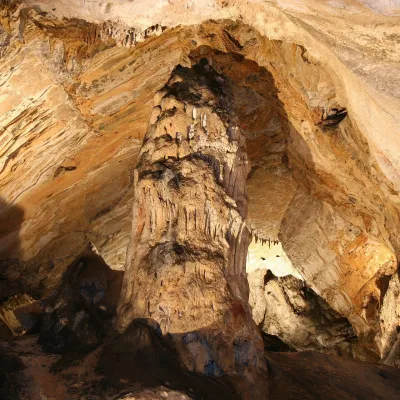 NatureDemänovská Ice Cave10 km from Ethnographic and Shepherding Museum, Liptovský HrádokThe ‘dragon’ cave of the Demänová valley The Demänovská Ice Cave (Demänovská ľadová jaskyňa) is the northern part of the famous Demänová cave system in the Low Tatras,...
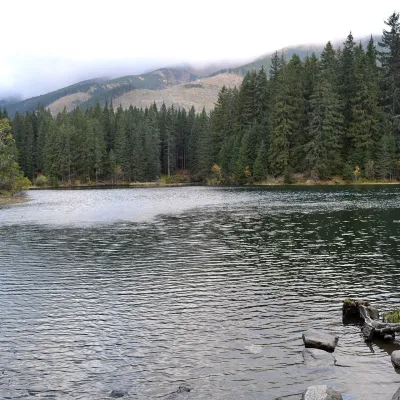 LakeVrbické pleso in the Demänovská valley13 km from Ethnographic and Shepherding Museum, Liptovský HrádokVrbické pleso is the largest natural lake in the Low Tatras. It lies at 1,113 m in the upper western part of the Demänovská dolina, on the right-hand slope of the side...
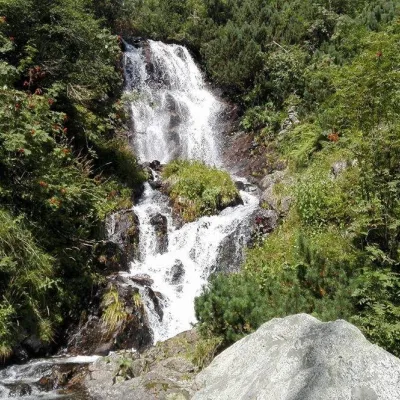 WaterfallVajskovský vodopád (Vajskovský Waterfall)17 km from Ethnographic and Shepherding Museum, Liptovský HrádokVajskovský vodopád is a cascading waterfall in the upper part of the Vajskovská dolina on the southern side of the Low Tatras, within the Low Tatras National Park ...
Craft nearby
All craft places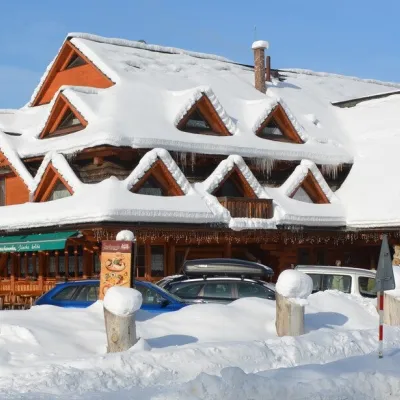 Koliby & Hutsul cuisineKoliba Strachanovka, Jánska valley3.2 km from Ethnographic and Shepherding Museum, Liptovský HrádokKoliba Strachanovka (Jánska koliba) is a large wooden koliba at the entrance to the Jánska valley in the village of Liptovský Ján, which locals consider one of the...
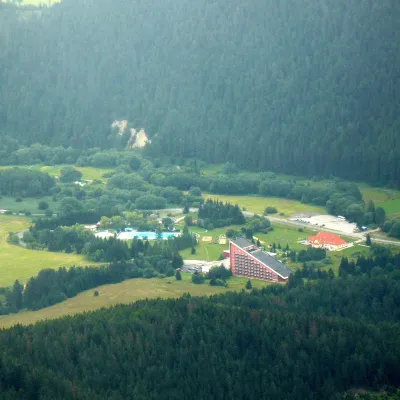 Water parks & thermal poolsTERMAL raj thermal bath, Liptovský Ján3.3 km from Ethnographic and Shepherding Museum, Liptovský HrádokLiptovský Ján: thermal water at the entrance to Jánska dolina Liptovský Ján is an old village in southern Liptov, about 10 km from Liptovský Mikuláš, at the entrance...
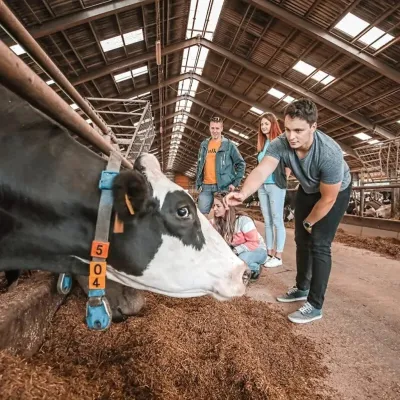 Eco farmsFarma Východná — organic farm below the Tatras13 km from Ethnographic and Shepherding Museum, Liptovský HrádokFarma Východná is the highest-lying organic farm in Liptov, at 930 m in the village of Východná right below the Tatras.
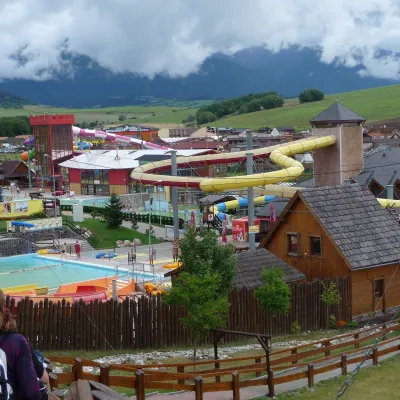 Water parks & thermal poolsAquapark Tatralandia13 km from Ethnographic and Shepherding Museum, Liptovský HrádokAquapark Tatralandia is a large year-round water leisure complex near Liptovský Mikuláš, on the northern shore of the Liptovská Mara reservoir.
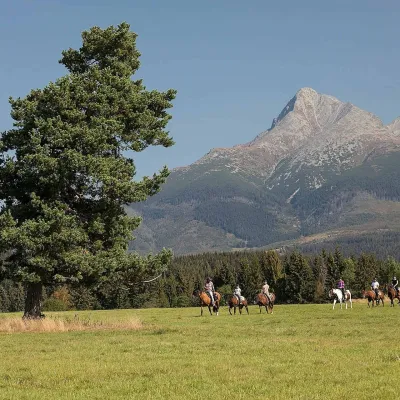 Horse ridingKone vo Východnej: horse rides below the Tatras16 km from Ethnographic and Shepherding Museum, Liptovský HrádokKone vo Východnej (“Horses in Východná”) is a small family horse farm on the meadows above the village of Východná in upper Liptov, with a sweeping view of the High...
 Koliby & Hutsul cuisineSalaš Dechtáre above Liptovská Mara16 km from Ethnographic and Shepherding Museum, Liptovský HrádokSalaš Dechtáre is a wooden koliba above the Liptovská Mara reservoir that is described as one of Slovakia’s first commercial salaš restaurants.
