Redykołka
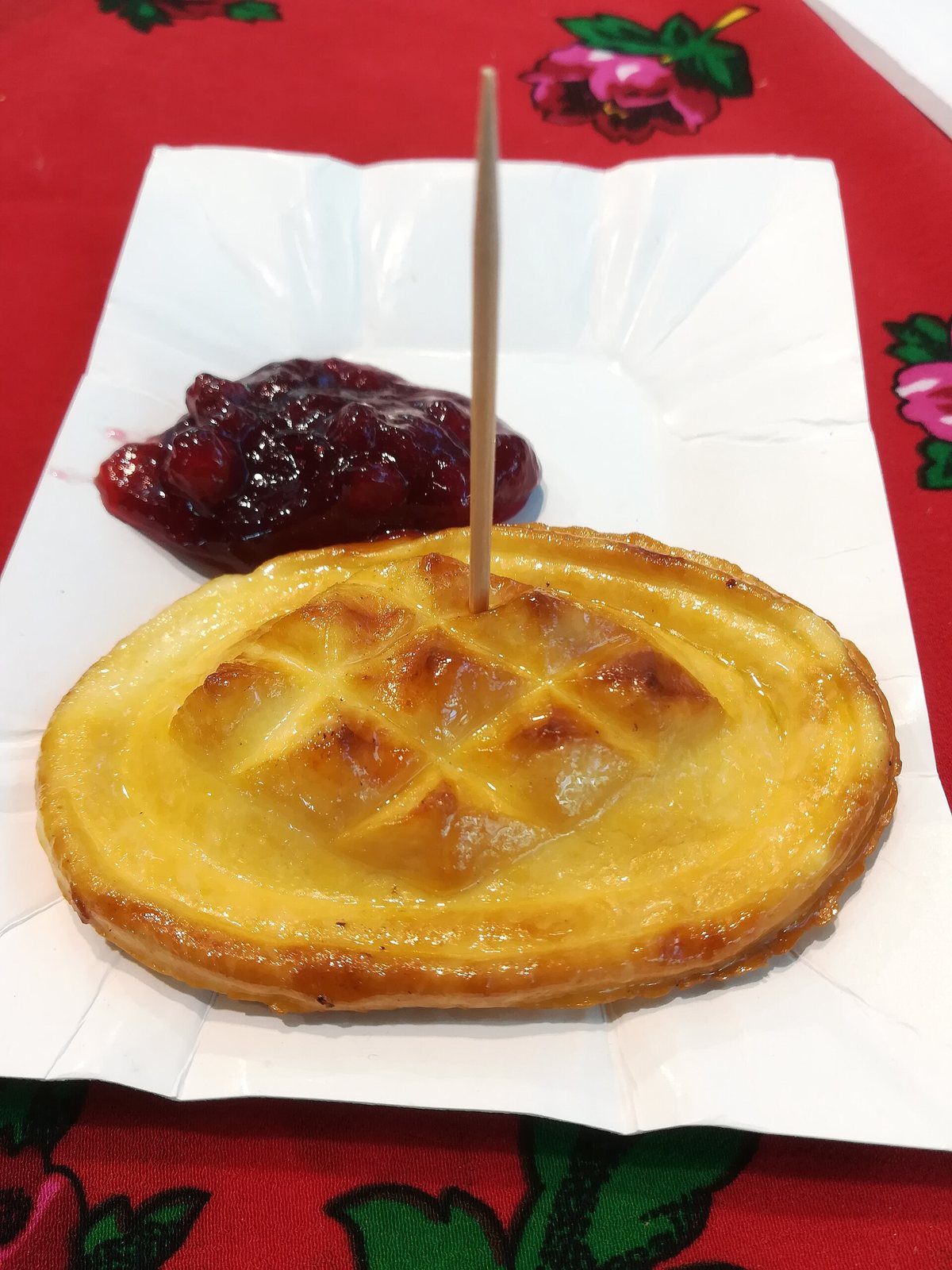
What it is
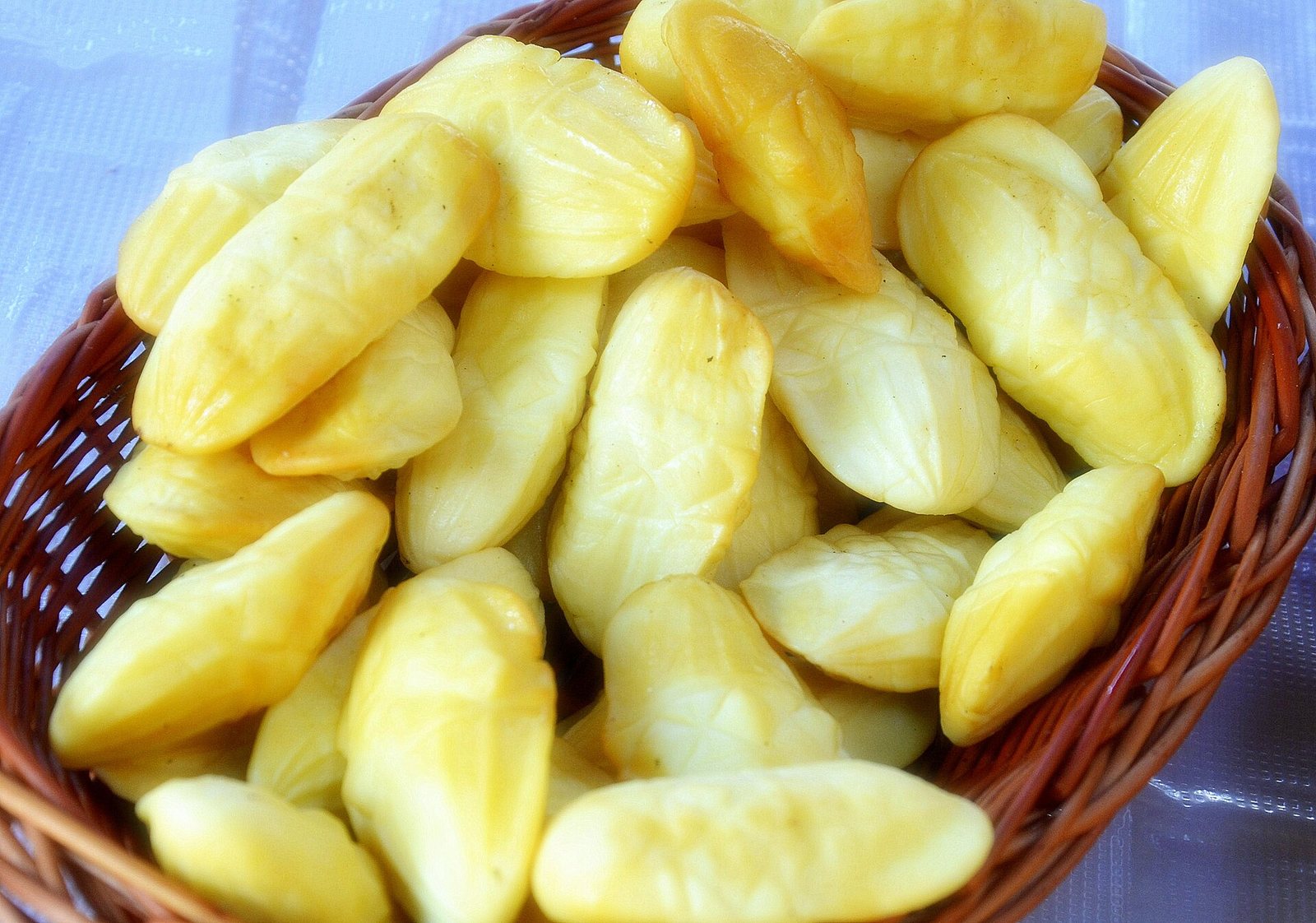
Redykołka is the smaller sister of oscypek. It is made from the same cheese mass, often from leftovers that were not enough for a large cheese. The cheeses are small, fitting in the palm of your hand, and are shaped like animals — sheep, horses, deer, roosters — as well as hearts and small spindles.
In taste, redykołka is the same as oscypek: slightly salty, firm, with a distinct smoky aroma. Due to their similarity, they are often confused, and the small spindles at stalls are frequently called 'small oscypeks.'
The season is from May to September; genuine redykołkas are available until the end of October.
For travelers, redykołka is convenient as a gift: smoked cheese travels well, and a pair of cheese sheep or hearts says more about Podhale than a magnet. Buy it in season at bacówkas and fairs, and look for the protected designation of origin label on the packaging.
History and name
The name comes from redyk — the movement of flocks to the mountains in spring and their return in autumn. During the autumn 'redyk', the bača distributed cheeses to children, neighbors, and sheep owners. They were always given in pairs. Once, redykołka referred to any cheese gift.
In 2005, redykołka was included in the Polish List of Traditional Products (Lesser Poland Voivodeship), in 2008 again for the Silesian Voivodeship, and in 2009 the name was registered by the European Union.
In the EU register: protected designation of origin (PDO), registered name «Redykołka», registered in 2009. Sources
Ingredients and allergens
Also: salt (brine)
Contains allergens: milk
Diet: gluten-free · no cooking
Ingredients of the traditional recipe; every cook and every place may do it differently — please ask when ordering. We cannot guarantee the absence of allergens or traces.
How it is made
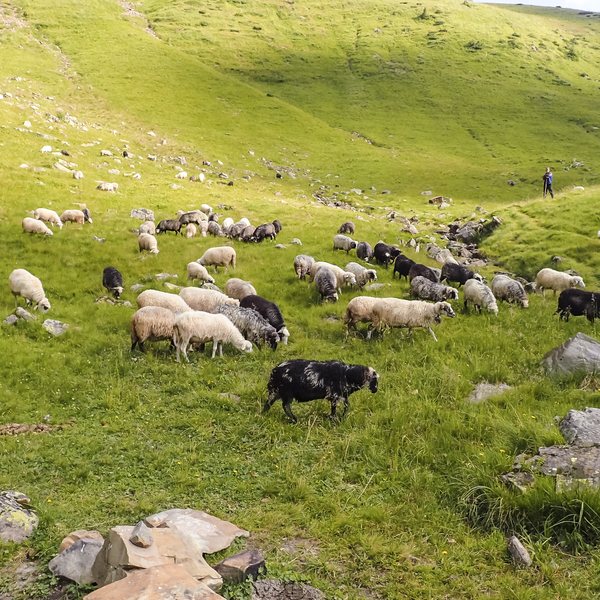
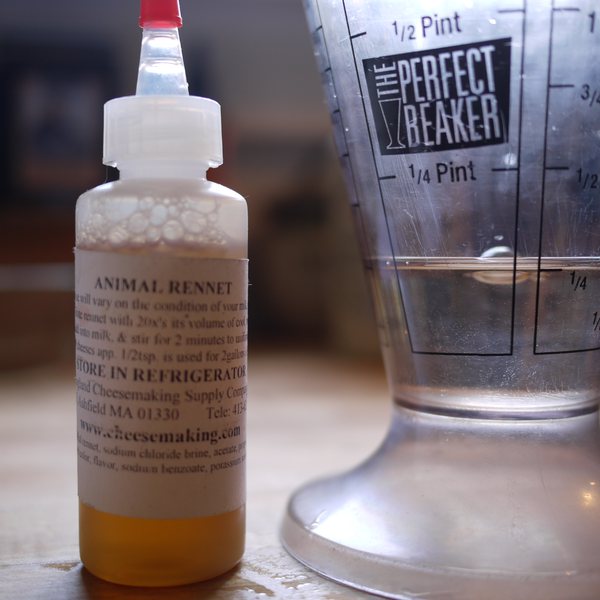
The cheese mass is prepared the same way as for oscypek: the curd from sheep's milk is pressed and kneaded in hot water until it becomes pliable. Then it is pressed into wooden two-part molds with cut-out figures.
The cheeses are soaked in brine for a day, dried, and smoked in the smoke under the roof of the bacówka.
Where it is eaten

The area is approximate and based on the sources below. The dish is cooked outside it too, and ethnographic borders are blurred.
The Tatra and Nowy Targ counties entirely, as well as certain municipalities of Żywiec (Miłków, Węgierska Górka, Rajcza, Ujsoły, Jeleśnia, Koszarawa), Suski (Zawoja, Bystra-Sidzina), Limanowa, Nowy Sącz (Północny-Zdrój, Muszyna, Krynica-Zdrój), and Cieszyn (Istebna) counties. The counties are shown in full on the map, so the area is approximate.
When it is eaten
| Jan | Feb | Mar | Apr | May | Jun | Jul | Aug | Sep | Oct | Nov | Dec |
|---|---|---|---|---|---|---|---|---|---|---|---|
Occasions: Polonyna (May — September) · Festivals
In tradition
Redykołka is a cheese gift. A pair of cheese birds or hearts was a sign of friendship, and during the autumn redyk, it was a thank you for the summer.
Safety
Traditionally, cheese is made from raw, unpasteurized milk. Pregnant women, small children, and people with weak immune systems should choose cheese made from pasteurized milk or eat it in hot dishes.
FAQ
Is redykołka the same as oscypek?
No. The cheese mass is the same, but redykołka is small and shaped like an animal, heart, or spindle. Oscypek is a large spindle weighing 600–800 g.
Where does the name come from?
From redyk — the movement of flocks to pastures and back. The cheeses were distributed when the sheep returned from the mountains in autumn.
Comments
Travellers’ experience: reports, tips, questions.
No one has written here yet. Be the first — your experience helps others.
Similar dishes and products


Relatives in the Carpathians and nearby
- Hutsul cheese horses · Ukraine
a close tradition of figurative cheese; in Hutsul region, horses are shaped by hand, not pressed into molds
Sources
- Реєстр географічних зазначень ЄС (eAmbrosia): Redykołka, PDO-PL-0588
- Міністерство сільського господарства Польщі: Redykołka (Список традиційних продуктів)
- Вікіпедія (пол.): Redykołka
Written by the Karpaty.rocks editors from the sources above. Checked 11.11.2026.
