Bundz
What it is
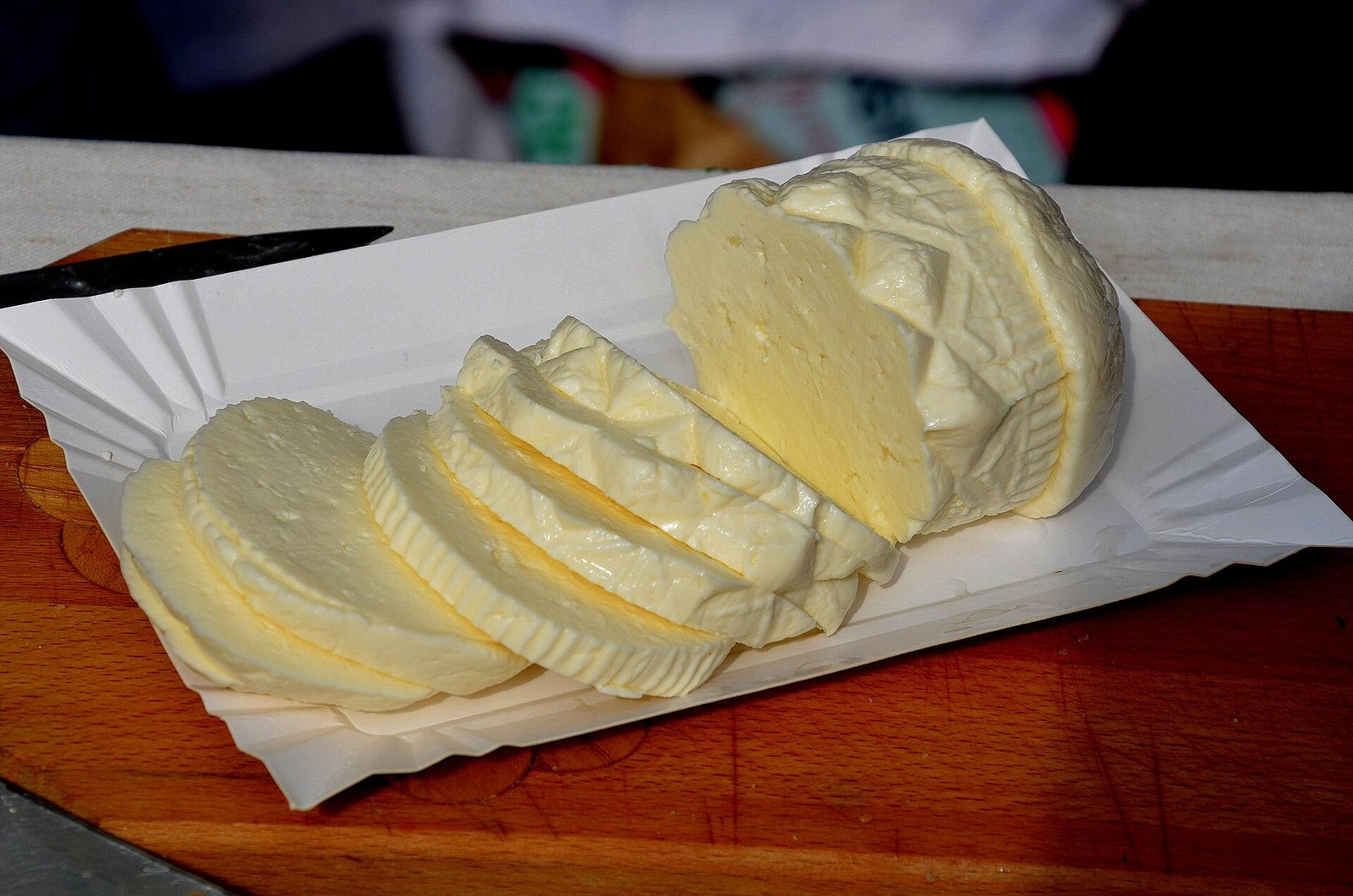
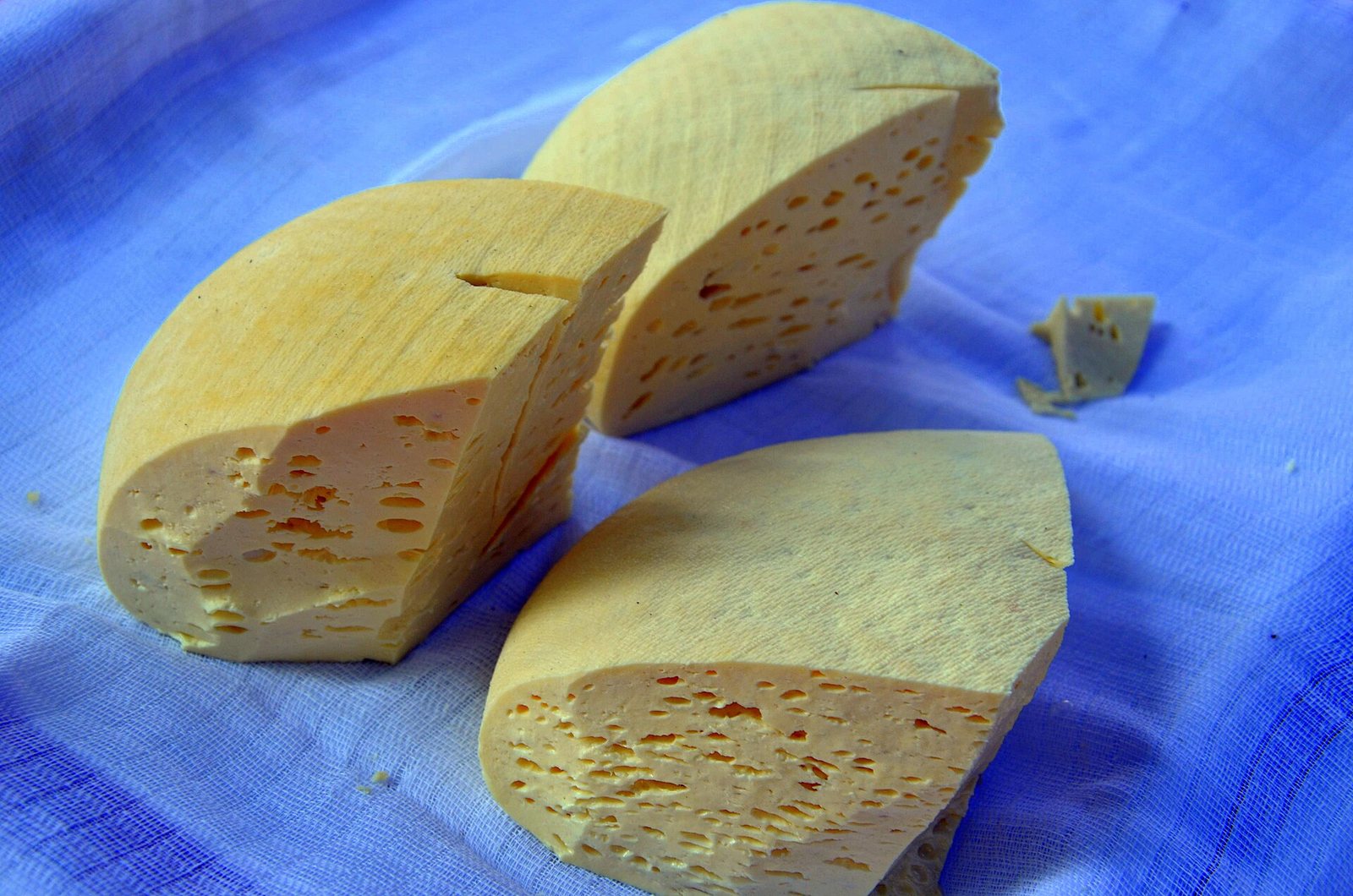
Bundz (Hutsuls say 'bunc') is a fresh rennet cheese made from sheep's milk: a white soft lump with a gentle milky taste, slightly sweet. It is neither smoked nor salted, so the flavor depends solely on the milk.
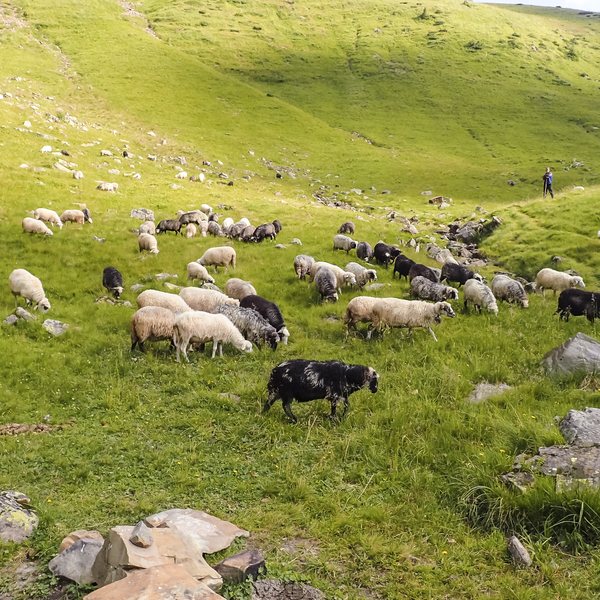
The most prized is the bundz from spring pastures, until the night of Ivan Kupala — it is called May bundz. The grass is young then, and the cheese turns out particularly tender.
Bundz is eaten fresh — with bread, honey, or herbs. If allowed to mature for a few days, it becomes the base for bryndza. Bundz is made in Podhale, in the Gorce, Sądecki, Żywiec, and Silesian Beskids.
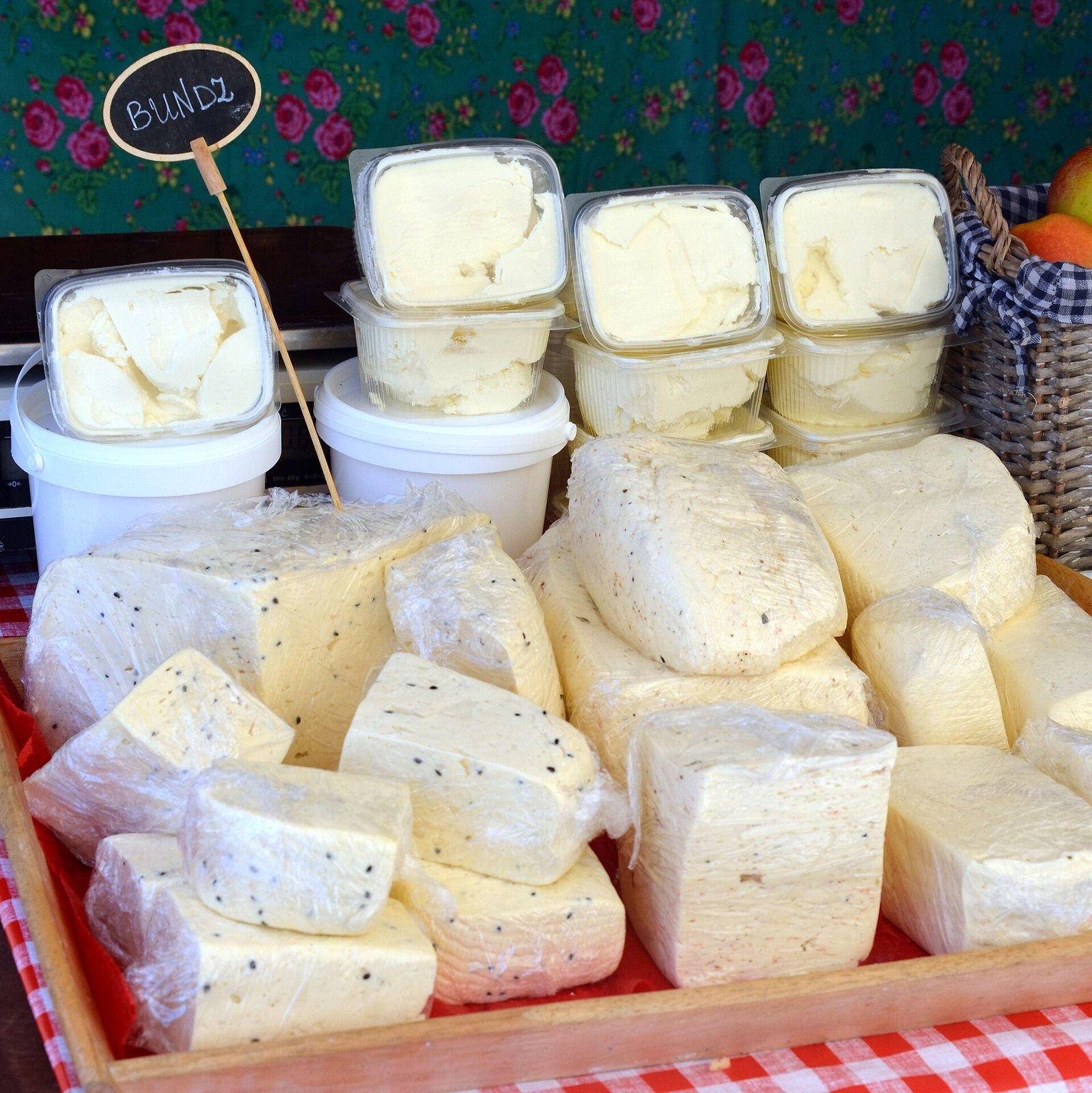
Fresh bundz is sold in bacówkas — they are marked with a sign by the road or path. The cheese is cut from a large lump by weight. It is unsalted, so Hutsuls eat it both with salt and herbs, and with honey or jam.
History and name
The name is common across all the Carpathians: Ukrainian budz, Polish bundz, and Romanian bulz derive from the same Wallachian word meaning lump.
In 1876, priest W. A. Sutor described in detail how a bača in the Gorce region prepares milk with rennet and churns the cheese by hand into one 'bondz'. In October 2005, bundz was included in the Polish List of Traditional Products of the Lesser Poland Voivodeship. It does not have a protected name in the EU.
Ingredients and allergens
Contains allergens: milk
Diet: gluten-free · no cooking
Ingredients of the traditional recipe; every cook and every place may do it differently — please ask when ordering. We cannot guarantee the absence of allergens or traces.
How it is made
The first steps are the same as for oscypek: milk is poured into a pućer and prepared with rennet. The curd is heated for a few minutes at approximately 70 °C, then drained on cloth in large lumps and allowed to drain.
The remaining whey — żentyca — is consumed fresh or fermented.
Where it is eaten

The area is approximate and based on the sources below. The dish is cooked outside it too, and ethnographic borders are blurred.
Podhale, Gorce, Sądecki, Żywiec, and Silesian Beskids. The area is approximate, based on counties.
When it is eaten
| Jan | Feb | Mar | Apr | May | Jun | Jul | Aug | Sep | Oct | Nov | Dec |
|---|---|---|---|---|---|---|---|---|---|---|---|
Occasions: Polonyna (May — September) · Everyday food
Safety
Traditionally, cheese is made from raw, unpasteurized milk. Pregnant women, small children, and people with weakened immune systems should choose cheese made from pasteurized milk or eat it in hot dishes.
FAQ
What is the difference between bundz and oscypek?
Bundz is fresh, soft, and unsmoked. Oscypek is made from the same curd but is pressed in hot water, salted in brine, and smoked.
What is May bundz?
Cheese made from milk of spring pastures — from the time the sheep go out to graze until Ivan Kupala. It is considered the tastiest.
Comments
Travellers’ experience: reports, tips, questions.
No one has written here yet. Be the first — your experience helps others.
Similar dishes and products


Relatives in the Carpathians and nearby
- budz · Ukraine
the same polonyna tradition and name - caș · Romania
similar tradition
Sources
- Міністерство сільського господарства Польщі: Bundz / bunc (Список традиційних продуктів)
- Вікіпедія (пол.): Bundz
- Вікіпедія: Будз
Written by the Karpaty.rocks editors from the sources above. Checked 11.11.2026.
