Bryndza Podhalańska
What it is
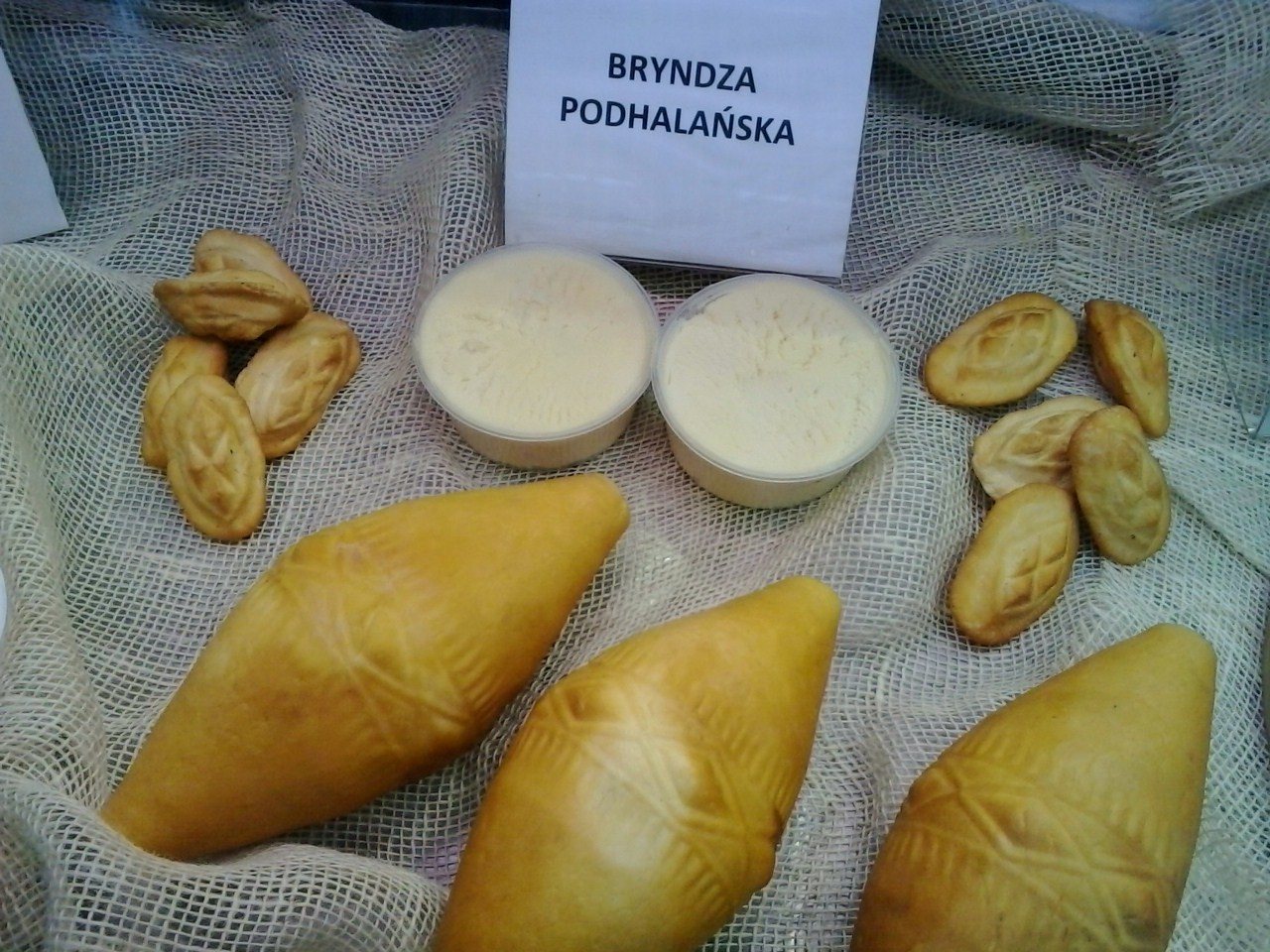
Podhalańska bryndza is a soft cheese of white or cream color, resembling a thick paste, sometimes grainy. Its taste is sharp, salty, and slightly sour — the longer the cheese matures, the more pronounced the flavor.
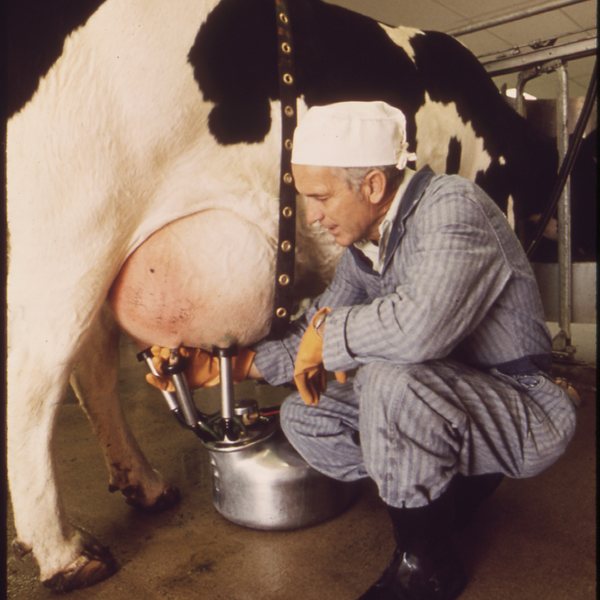
Bryndza is made from bundz — fresh sheep cheese. Bundz matures for several days, then it is ground, salted, and well mixed. As in oscypek, the base here is milk from Polish mountain sheep, to which up to 40% of milk from Polish red cattle is allowed to be added.
The season is the same as for all Podhale sheep cheeses: from May to September. Bryndza is spread on bread and moskole, used in pies, dumplings, and on baked potatoes.
Authentic Podhalańska bryndza is sold in season at bacówkas and markets in Nowy Targ and Zakopane; the packaging must bear the sign of the protected designation of origin of the EU.
History and name
The word 'bryndza' came to the Tatras from Wallachian shepherds; in Romanian, brânză simply means 'cheese'. For the Hutsuls, bryndza was a way to preserve summer milk for winter: tightly packed in wooden barrels, it could last for months.
In 2007, Podhalańska bryndza became the first Polish product whose name was registered in the EU.
In the EU register: protected designation of origin (PDO), registered name «Bryndza Podhalańska», registered in 2007. Sources
Ingredients and allergens

Also: salt
Contains allergens: milk
Diet: gluten-free · no cooking
Ingredients of the traditional recipe; every cook and every place may do it differently — please ask when ordering. We cannot guarantee the absence of allergens or traces.
How it is made
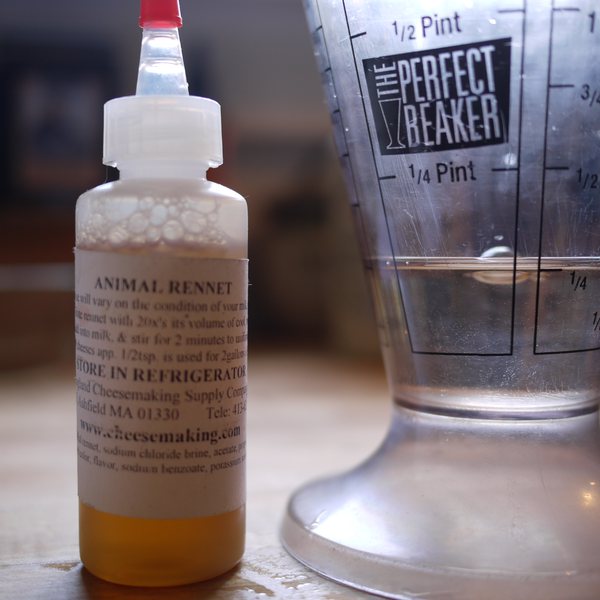
First, bundz is made from sheep's milk: the milk is set with rennet, the curd is collected in cloth and allowed to drain. The pieces of bundz are left to mature for several days in warmth until the cheese becomes slightly sour.
The matured cheese is broken up, ground or mashed, salted, and mixed until homogeneous. The finished bryndza is tightly packed, without air, into containers — this way it lasts longer.
Where it is eaten

The area is approximate and based on the sources below. The dish is cooked outside it too, and ethnographic borders are blurred.
The Tatra and Nowy Targ counties entirely and six municipalities of the Żywiec county: Milówka, Węgierska Górka, Rajcza, Ujsoły, Jeleśnia, Kościelisko. The Żywiec county is shown on the map as a whole — the area is approximate.
When it is eaten
| Jan | Feb | Mar | Apr | May | Jun | Jul | Aug | Sep | Oct | Nov | Dec |
|---|---|---|---|---|---|---|---|---|---|---|---|
Occasions: Polonyna (May — September) · Everyday food
Safety
Traditionally, the cheese is made from raw, unpasteurized milk. Pregnant women, small children, and people with weakened immune systems should choose cheese made from pasteurized milk or consume it in hot dishes.
FAQ
What is Podhalańska bryndza?
A soft salty cheese made from matured sheep bundz, produced in Podhale from May to September.
How does it differ from Hutsul bryndza?
The technique is very similar — matured sheep cheese is mixed with salt. These are distinct products with their own territories: Hutsul bryndza is made in the Ukrainian Carpathians, while Podhalańska is made in the Polish Tatras and Beskids.
Comments
Travellers’ experience: reports, tips, questions.
No one has written here yet. Be the first — your experience helps others.
Similar dishes and products


Relatives in the Carpathians and nearby
- Hutsul sheep bryndza · Ukraine
close pastoral tradition; geographical indication of Ukraine - Slovak bryndza (Slovenská bryndza) · Slovakia
family cheese, separate protected geographical indication - brânză de burduf · Romania
family name and technique
Sources
- Реєстр географічних зазначень ЄС (eAmbrosia): Bryndza Podhalańska, PDO-PL-0450
- Міністерство сільського господарства Польщі: Bryndza podhalańska
- Вікіпедія (пол.): Bryndza podhalańska
Written by the Karpaty.rocks editors from the sources above. Checked 11.11.2026.
