Oscypek
What it is
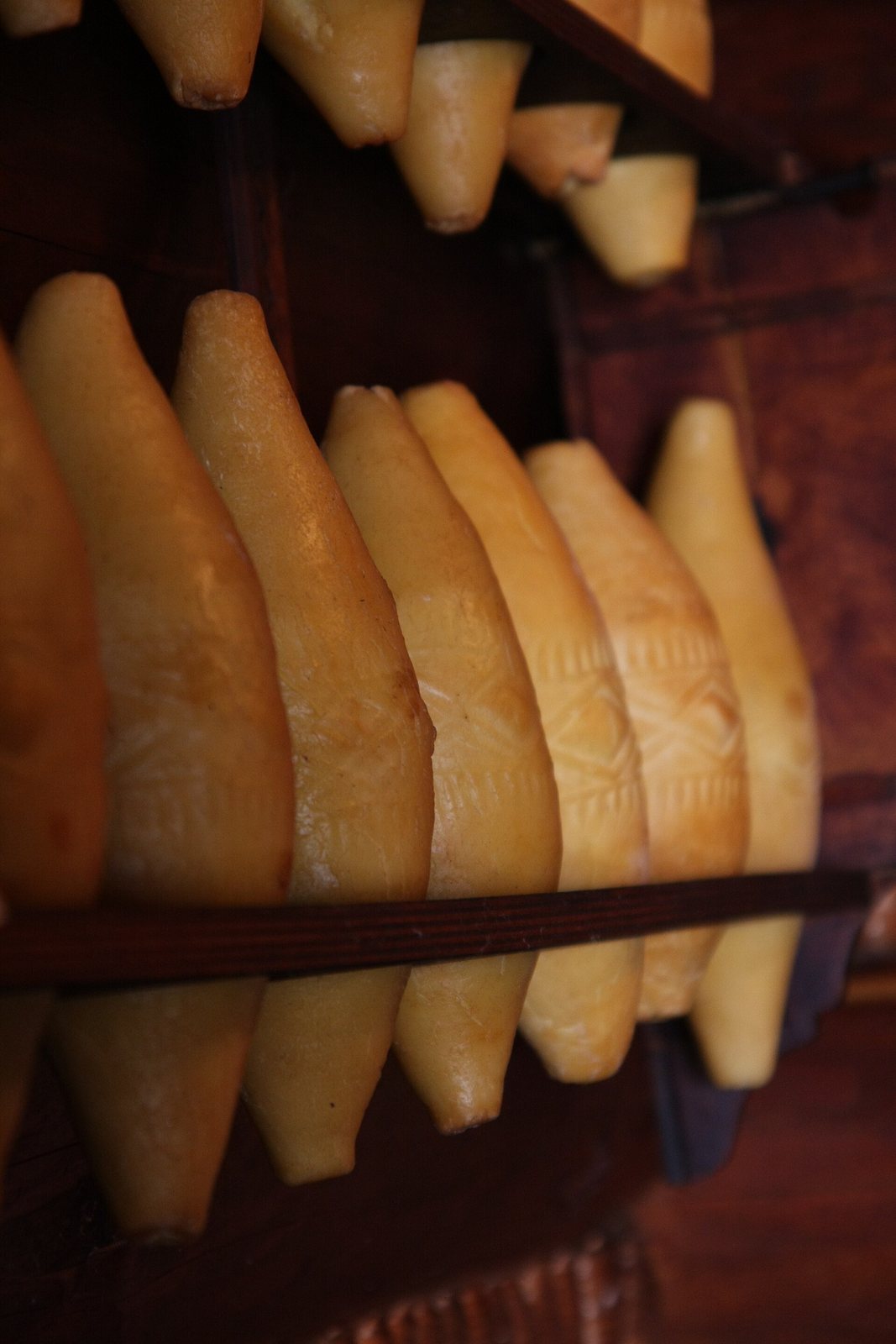
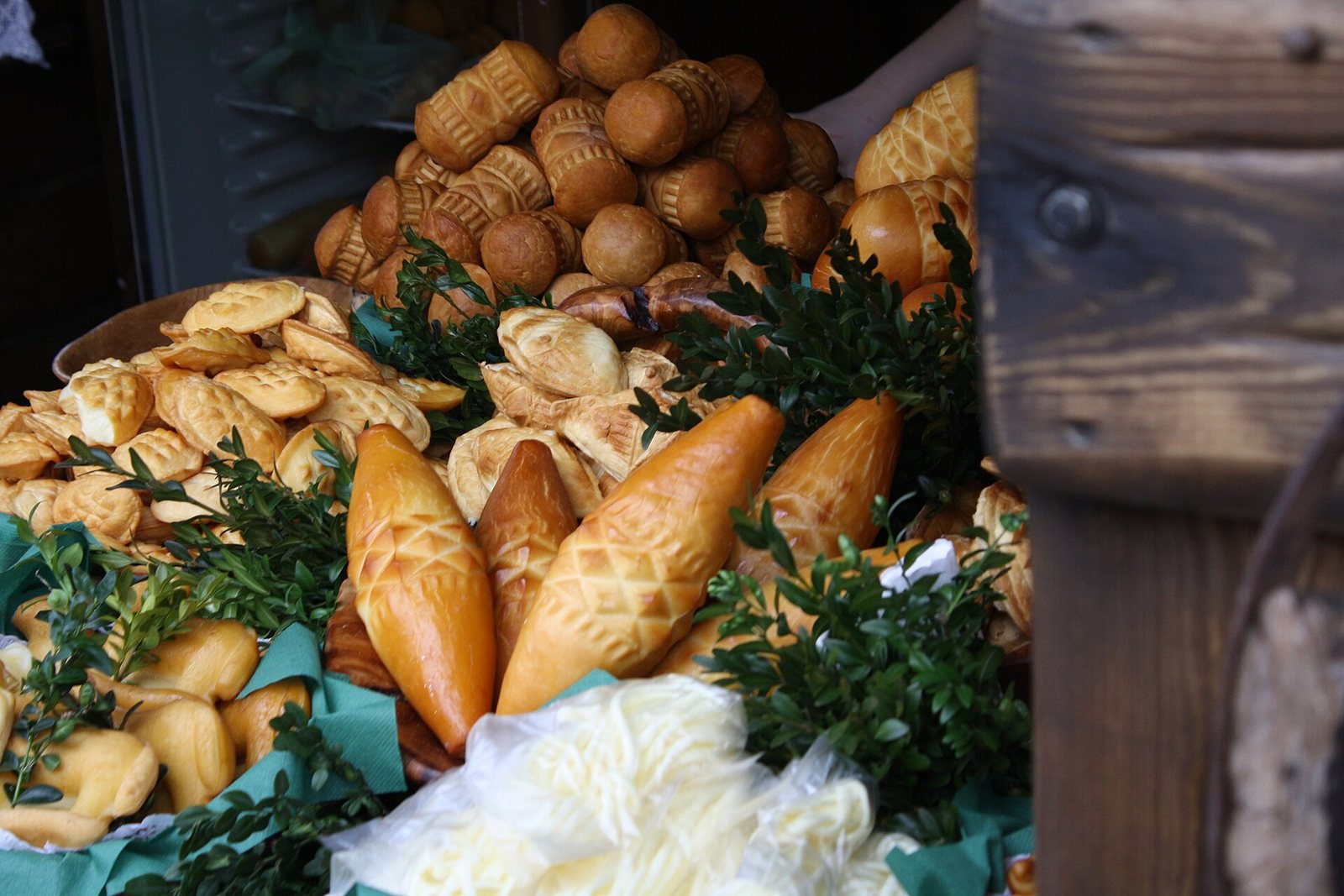
Oscypek is a hard smoked cheese made by bacowie (older shepherds) in bacówki — summer shepherd huts in the mountain pastures. It is easily recognizable: a spindle measuring 17–23 cm in length and weighing 600–800 g, golden-brown from the smoke, with a convex ornament in the middle.
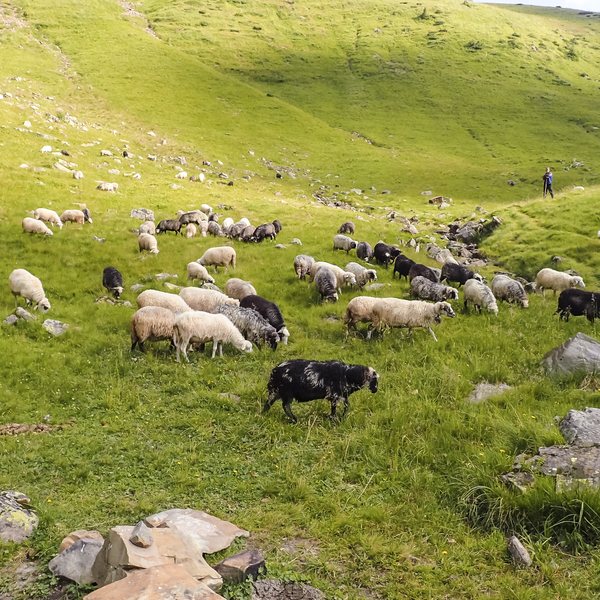
The base of oscypek is the milk of Polish mountain sheep. The specification of the protected name allows for the addition of no more than 40% milk from Polish Red cattle. The taste is slightly salty, with a pronounced smokiness; fresh cheese has a slight squeak when bitten.
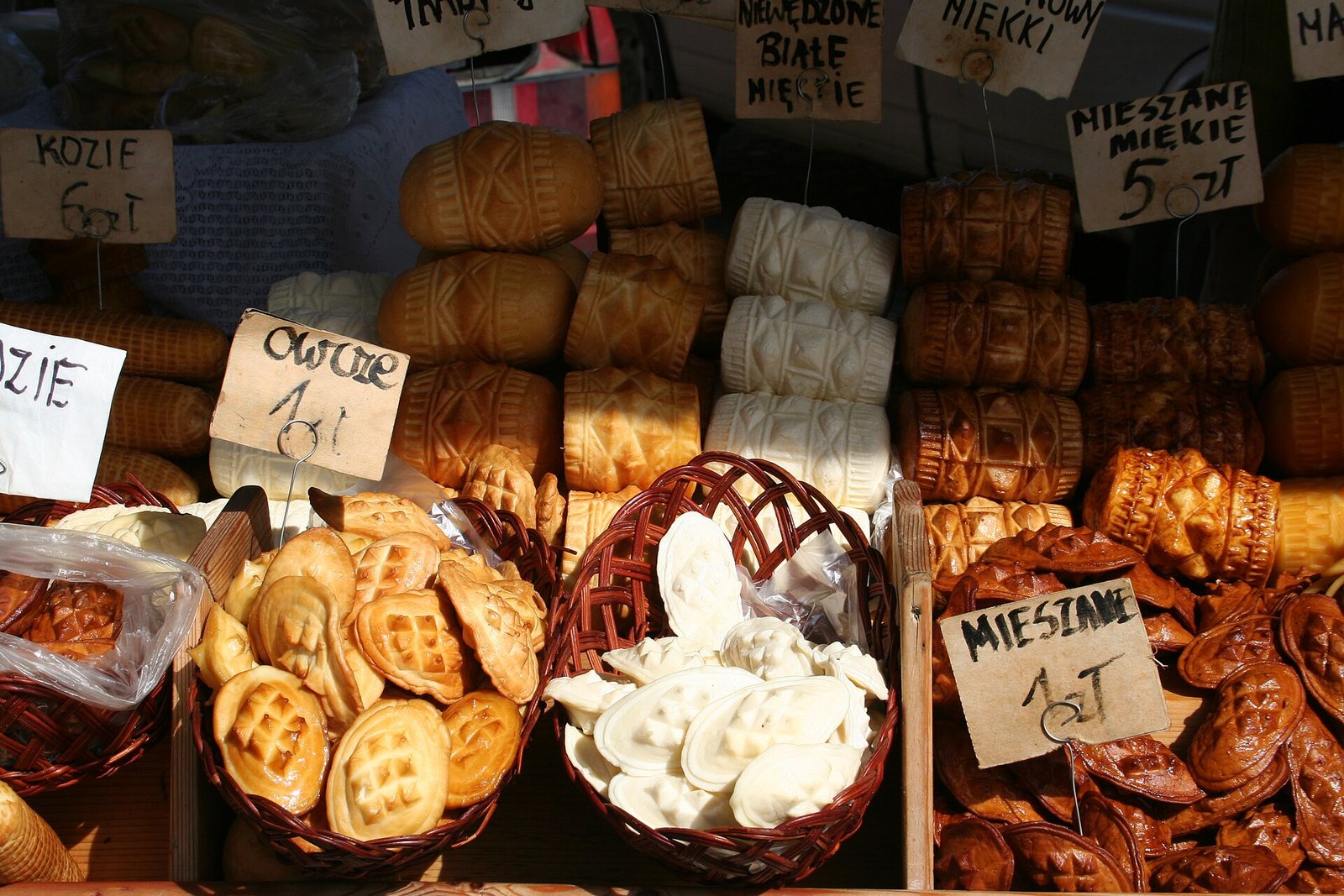
True oscypek is seasonal. It can only be made from May to September, when the sheep graze in the mountains, and sold until the end of October. Cheeses of a similar shape that are found in the stalls of Zakopane in winter are made from cow's milk and cannot be called oscypek.
Oscypek is most often eaten as is or grilled in slices on a rack and served with cranberry jam.
History and name
Cheesemaking in the Tatras was brought by Wallachian shepherds who moved westward through the Carpathians in the 15th–16th centuries. From them, the Goral dialect retained words such as bača, juhas, bryndza, and žentica. The name of the cheese is derived from 'scypać' — to split: the oscypiorka mold, which leaves a pattern on the cheese, is made from two halves.
Once, oscypki were used as a form of payment: the number of cheeses belonging to the sheep owner was determined by the yield during the flock's outing to pasture and after their return.
The registration in the EU was delayed by Slovakia's objection, where a family cheese called oštiepok is made. The parties agreed that these are two separate products with a shared history.
In the EU register: protected designation of origin (PDO), registered name «Oscypek», registered in 2008. Sources
Legend: Oscypek can be bought at Krupówki all year round.
In fact: Cheese with a protected name is made only from May to September and sold until the end of October. In winter, smoked cheeses made from cow's milk are sold under the guise of oscypek — for example, gołka.
Ingredients and allergens
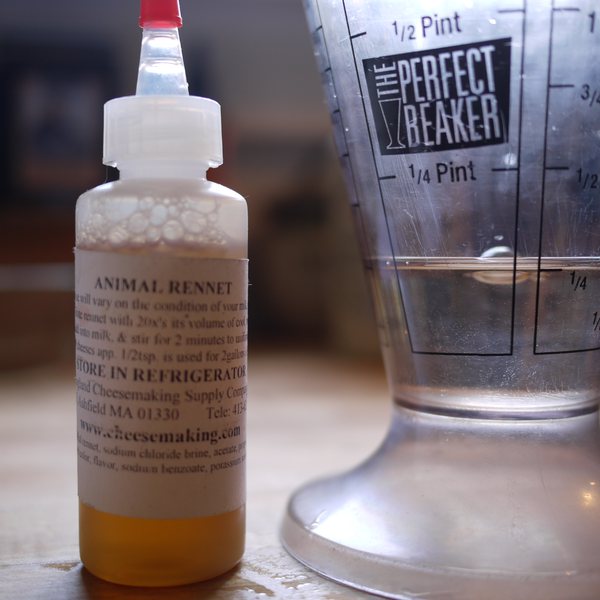
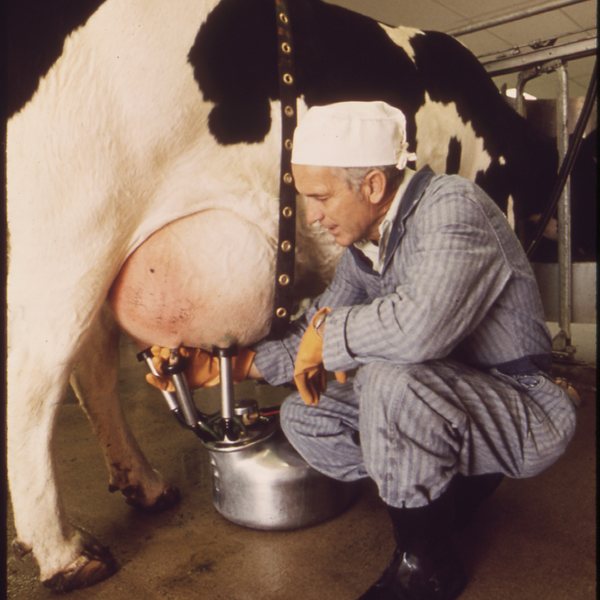
Also: salt (brine for soaking)
Contains allergens: milk
Diet: gluten-free · no cooking
Ingredients of the traditional recipe; every cook and every place may do it differently — please ask when ordering. We cannot guarantee the absence of allergens or traces.
How it is made
Fresh sheep's milk is strained through linen cloth into a wooden tub — pućera — and mixed with kłag, rennet. The curd is broken up, allowed to settle, collected, and pressed by hand, repeatedly dipping it in hot water: this makes the cheese mass elastic.
The curds are shaped into a spindle, and a carved wooden oscypiorka is placed in the middle, which leaves a pattern. The finished cheeses rest in brine — a strong salt solution — for a day, and then dry and smoke under the roof of the bacówka in smoke from the fire.
Where it is eaten

The area is approximate and based on the sources below. The dish is cooked outside it too, and ethnographic borders are blurred.
The entire Tatra and Nowy Targ counties, as well as certain municipalities of the Żywiec (Milówka, Węgierska Górka, Rajcza, Ujsoły, Jeleśnia, Koszarawa), Suski (Zawoja, Bystra-Sidzina), Limanowa, Nowy Sącz (Północny-Zdrój, Muszyna, Krynica-Zdrój) and Cieszyn (Istebna) counties. On the map, the counties are shown in full, so the area is approximate.
When it is eaten
| Jan | Feb | Mar | Apr | May | Jun | Jul | Aug | Sep | Oct | Nov | Dec |
|---|---|---|---|---|---|---|---|---|---|---|---|
Occasions: Polonyna (May — September) · Everyday food
In tradition
The season opens with the spring redyk — the ceremonial outing of the flocks to the pastures at the end of April, and closes with the autumn redyk at the end of September. The first oscypek of the season is an event that is eagerly awaited in Podhale.
Safety
Traditionally, cheese is made from raw, unpasteurized milk. Pregnant women, small children, and people with weakened immune systems should choose cheese made from pasteurized milk or eat it in hot dishes.
FAQ
When can I buy real oscypek?
From May to the end of October. Cheese is made only when the sheep graze in the mountains — from May to September.
How can I distinguish oscypek from a fake?
True oscypek has a spindle shape measuring 17–23 cm, weighs 600–800 g, is sold in season, and is marked with the EU protected designation of origin sign. A cylindrical cheese made from cow's milk is gołka.
How does oscypek differ from Slovak oštiepok?
These are related cheeses, but different products: oštiepok has the shape of a large egg or cone and can be made from cow's milk.
Comments
Travellers’ experience: reports, tips, questions.
No one has written here yet. Be the first — your experience helps others.
Similar dishes and products


Relatives in the Carpathians and nearby
- oštiepok · Slovakia
related cheese with a common Wallachian root; a separate protected name - Hucul cheese konyki, budz · Ukraine
a similar polonyna tradition
Sources
- Реєстр географічних зазначень ЄС (eAmbrosia): Oscypek, PDO-PL-0451
- Вікіпедія (пол.): Oscypek
- Вікіпедія: Осципек
Written by the Karpaty.rocks editors from the sources above. Checked 11.11.2026.
