Langosh (lángos)
What it is
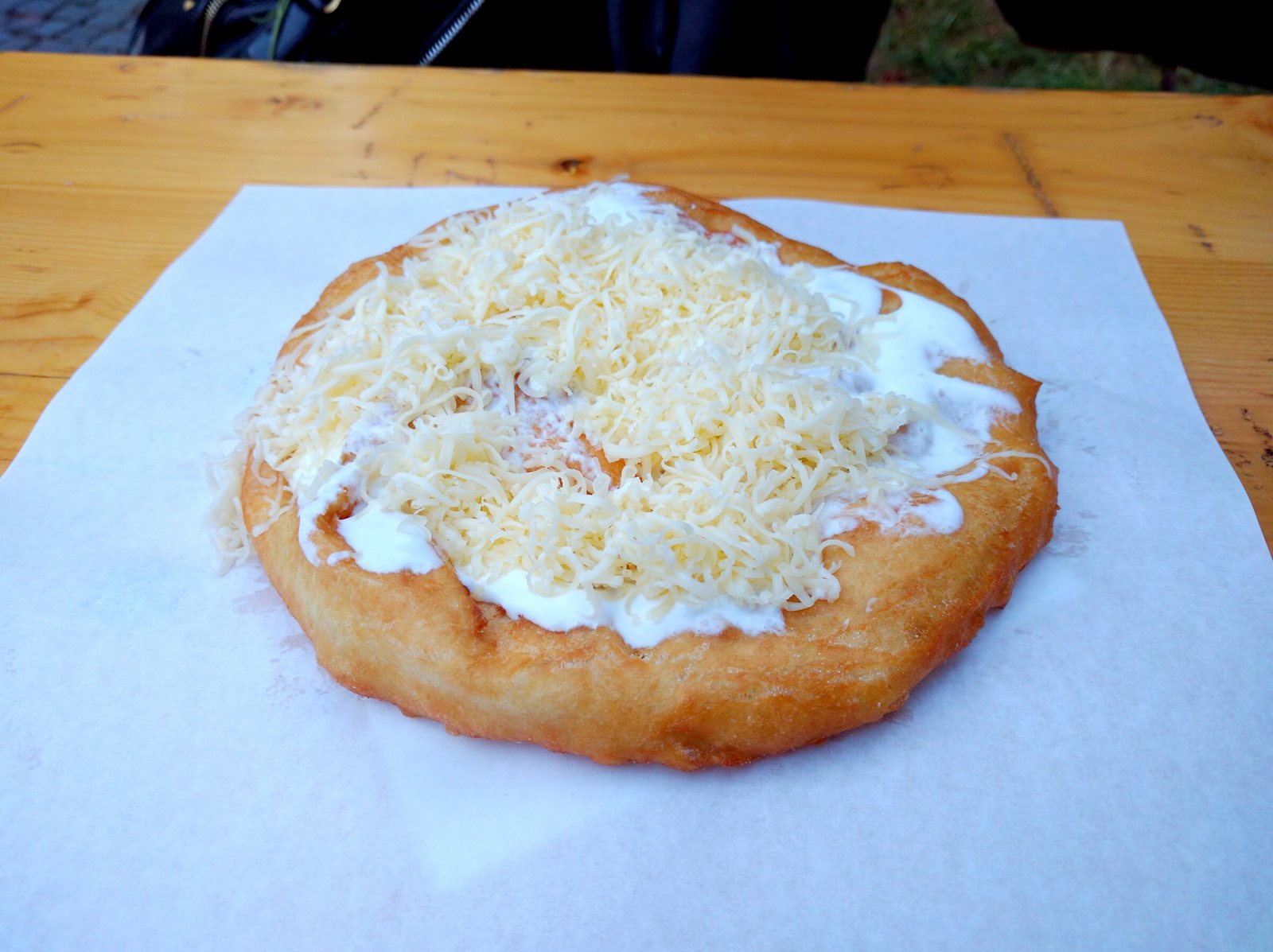
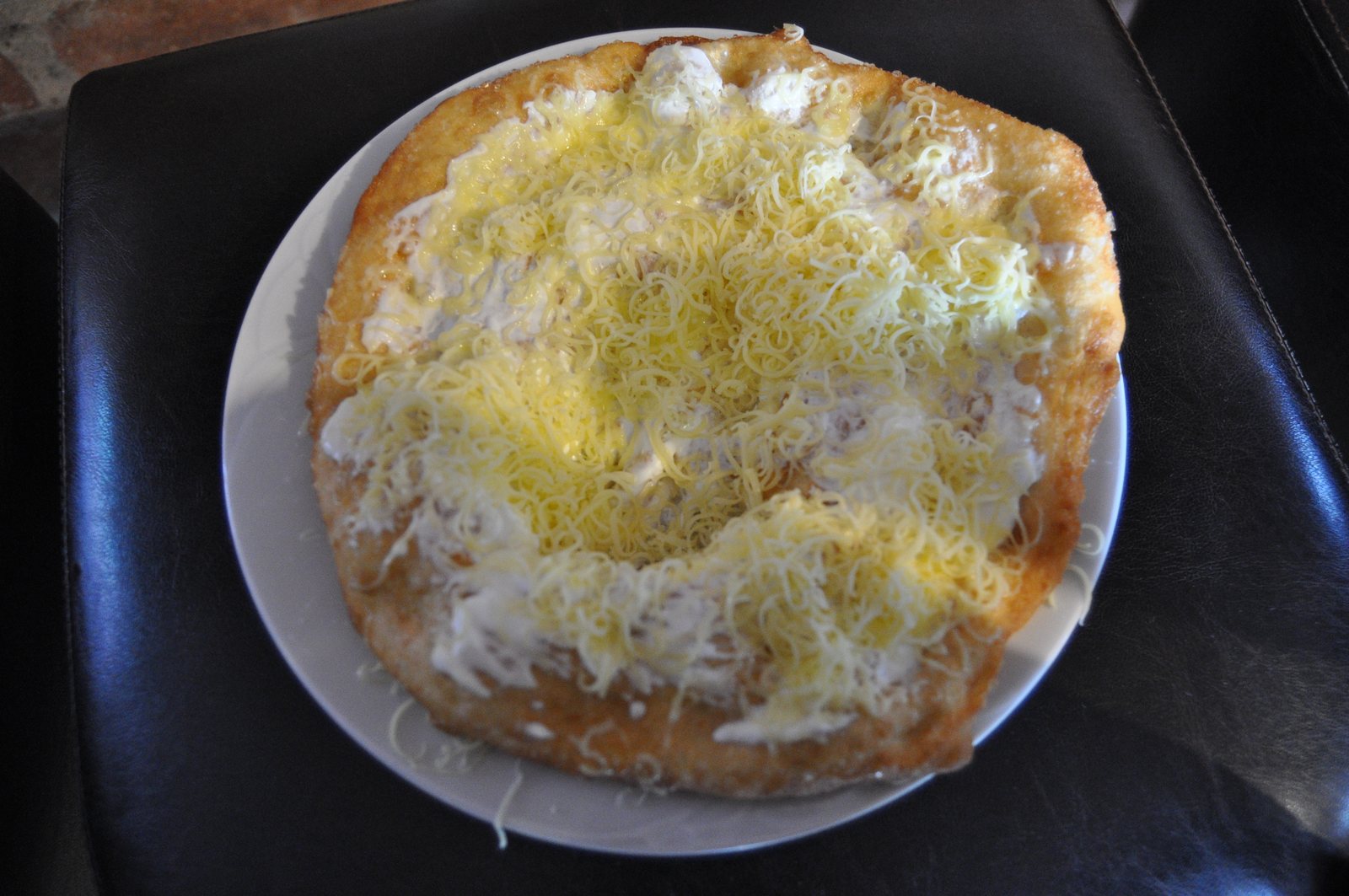
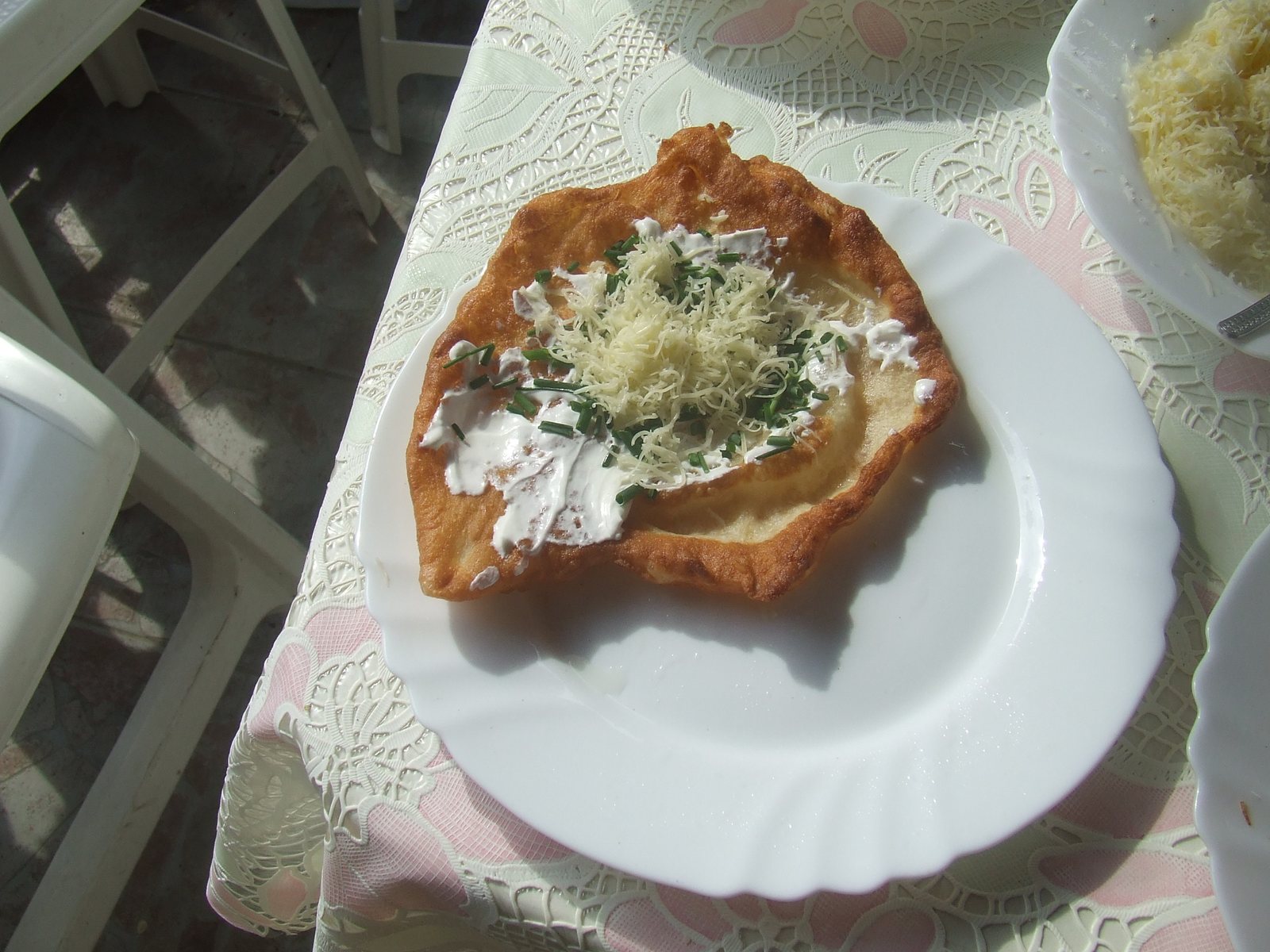
Langosh (Hungarian: lángos) is a fluffy flatbread made from yeast dough, often mixed with boiled potatoes. It is quickly fried in a large amount of oil until golden and crispy on the outside, while remaining soft on the inside. The classic serving is rubbed with garlic or drizzled with garlic water, spread with sour cream, and generously sprinkled with grated cheese.
Today, langosh is primarily street food: it is sold at markets, fairs, near train stations, and during festivals. In Transcarpathia, langoshs are mainly sold in the towns and villages of the lowland part of the region, where Hungarian communities live, at markets and during celebrations.
Honestly, in its familiar form—fried in oil—langosh is a modern dish, not an ancient mountain one. It came to Transcarpathia from Hungarian urban and fair cuisine and is widespread in the lowland part of the region.
History and name
The ancient Hungarian langosh was quite different: on days when bread was baked (once a week), leftover dough was shaped into flatbreads and baked in the still-hot oven, near the flames—hence the name from Hungarian láng, "flame." They were eaten for breakfast on the day bread was baked, in western Hungary—with onions and lard.
With the disappearance of home bread baking, this type of langosh also vanished. Fried langosh appeared in the late 1950s among small vendors, became widely popular in the 1970s, and sour cream and grated cheese as toppings were only added in the 1980s.
Legend: Langosh is an ancient Transcarpathian dish that was baked in every home.
In fact: Bread langosh was indeed baked in Hungary long ago, but fried langosh with cheese and sour cream is street food from the second half of the 20th century. In Transcarpathia, it spread along with Hungarian fair cuisine.
Ingredients and allergens
Variant: classic: garlic, sour cream, cheese
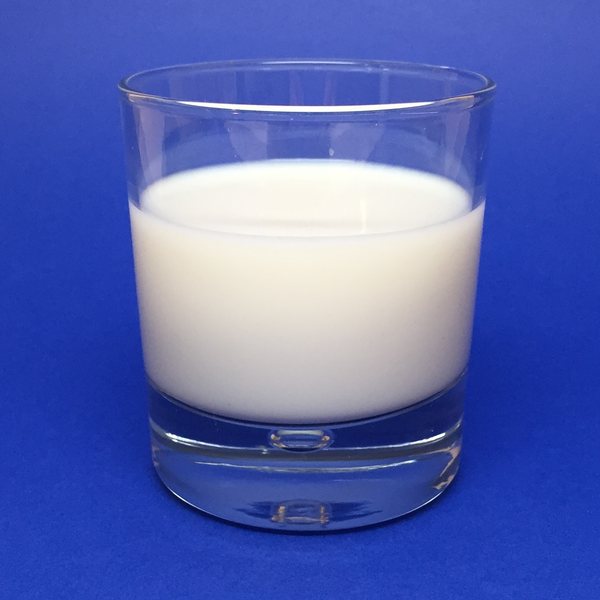
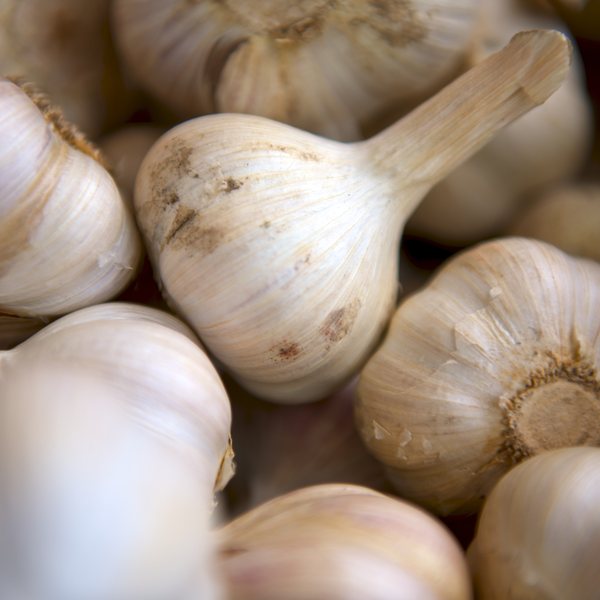
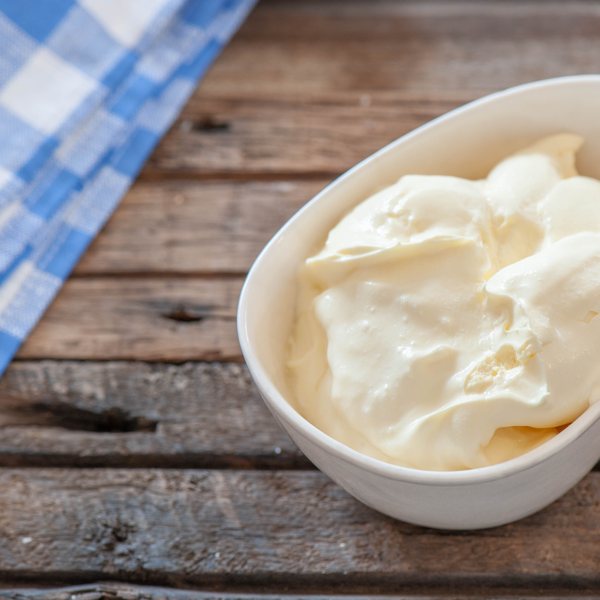
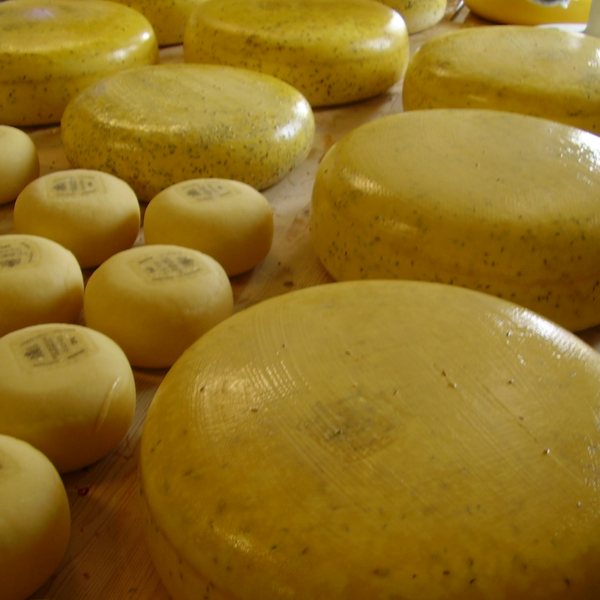
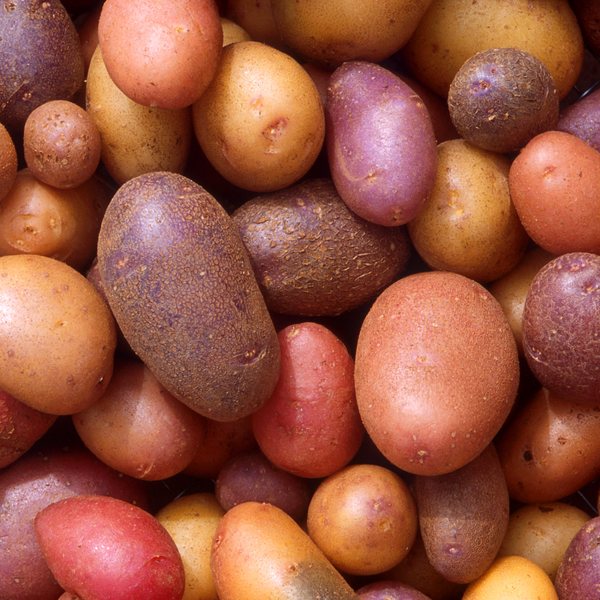
Also: yeast (10–20 g fresh), salt (1 tsp), sunflower oil (for frying)
Contains allergens: gluten, milk
Diet: vegetarian
Variant: plain, with garlic and salt
wheat flour, yeast, water, salt, sunflower oil, garlic
Contains allergens: gluten
Diet: lenten · vegan
Ingredients of the traditional recipe; every cook and every place may do it differently — please ask when ordering. We cannot guarantee the absence of allergens or traces.
How it is traditionally made
Serves: 6–8 flatbreads · Preparation: 75 min · Cooking: 20 min
- Wheat flour — 500 g
- Yeast — 10–20 g fresh
- Milk — 250–300 ml (or water)
- Potato — 1–2 boiled potatoes
- Salt — 1 tsp
- Sunflower oil — for frying
- Garlic — 3–5 cloves
- Sour cream — to taste
- Hard cheese — to taste
- Dissolve the yeast in warm milk or water with a pinch of sugar and let it activate for 10 minutes.
- Mix the flour with salt, and if desired, add mashed boiled potatoes, pour in the yeast mixture, and knead a soft, slightly sticky dough.
- Cover and let it rise in a warm place for 45–60 minutes until the dough doubles in size.
- With oiled hands, tear off pieces of dough and stretch them into thin flatbreads with thicker edges.
- Fry in heated oil for 1–2 minutes on each side until golden and place on a paper towel.
- Rub the hot flatbreads with garlic or drizzle with garlic water, spread with sour cream, and sprinkle with grated cheese.
How it is served
Immediately, hot, while the flatbread is crispy: with garlic, sour cream, and cheese, or plain—with just garlic and salt.
Variants
Until the 1980s, three varieties were known: plain, with cabbage, or with potatoes in the dough. Modern street langoshs are also served with sausage, ham, onions, or cracklings.
The traditional method as described by our sources; every family does it its own way. We have not tested this recipe in a professional kitchen.
Video 2
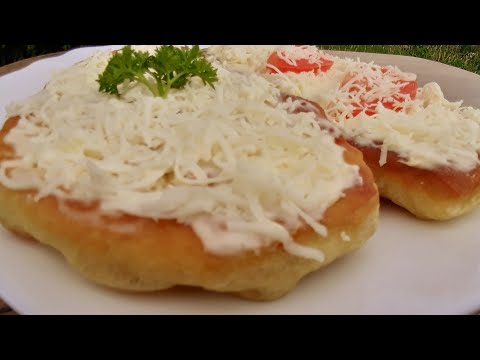 🇺🇦Закарпатський лангош. Ніжні та смачні Лангоші швидкого приготування. Із бездрожжевого тіста🇺🇦Мамина Помічниця

Where it is eaten

The area is approximate and based on the sources below. The dish is cooked outside it too, and ethnographic borders are blurred.
Hungarian communities and towns of lowland Transcarpathia (Berehove, Mukachevo, Uzhhorod), markets, and festivals in the region. Not a mountain or ancient local dish.
When it is eaten
| Jan | Feb | Mar | Apr | May | Jun | Jul | Aug | Sep | Oct | Nov | Dec |
|---|---|---|---|---|---|---|---|---|---|---|---|
Occasions: Everyday food · Festivals
In tradition
Langosh is food for fairs, markets, and celebrations, not for home ceremonial tables: it is bought on the go, like pastries.
FAQ
Is langosh a traditional Transcarpathian dish?
Not quite. It is Hungarian street food from the second half of the 20th century that spread to Transcarpathia. The ancient Hungarian langosh was baked in the oven from leftover bread dough, while fried langosh appeared in the late 1950s.
What does the word 'langosh' mean?
It comes from the Hungarian láng—'flame': once these flatbreads were baked near the fire in a freshly heated bread oven.
What do you eat langosh with?
Classically—with garlic, sour cream, and grated cheese. Plain langosh is eaten only with garlic and salt.
Similar dishes and products
Relatives in the Carpathians and nearby
- lángos · Hungary
related name; Hungarian street classic - langoș · Romania
related name; common in Transylvania - пампушки, перепічки · Ukraine
similar tradition of fried yeast dough
Sources
- Вікіпедія: Лангош
- Wikipédia: Lángos
- Вікіпедія: Закарпатська кухня (лангоші)
- Vidviday: Traditional food of Transcarpathia (langos)
Written by the Karpaty.rocks editors from the sources above. Checked 10.11.2026.
