Halushky with bryndza
What it is
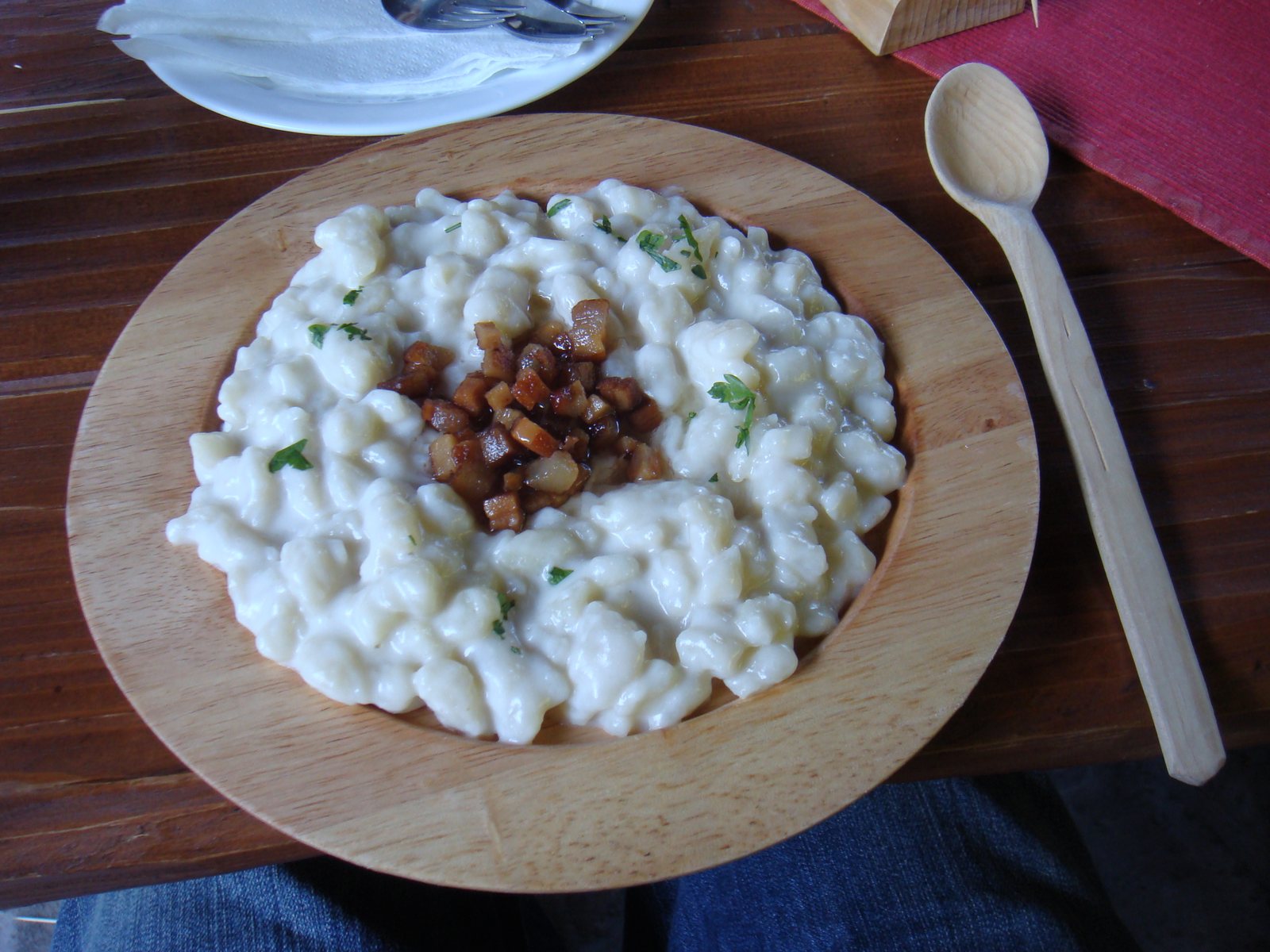
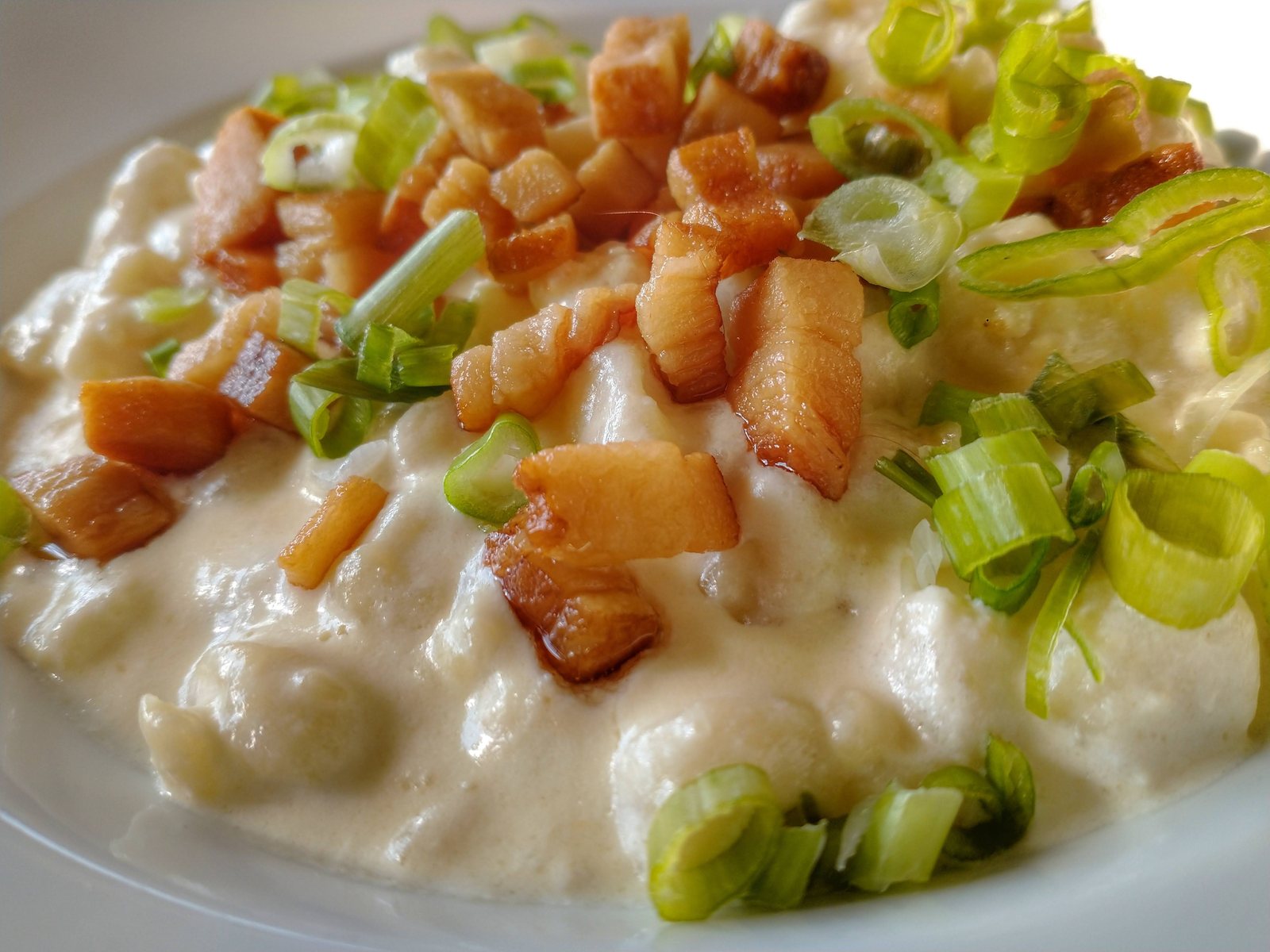
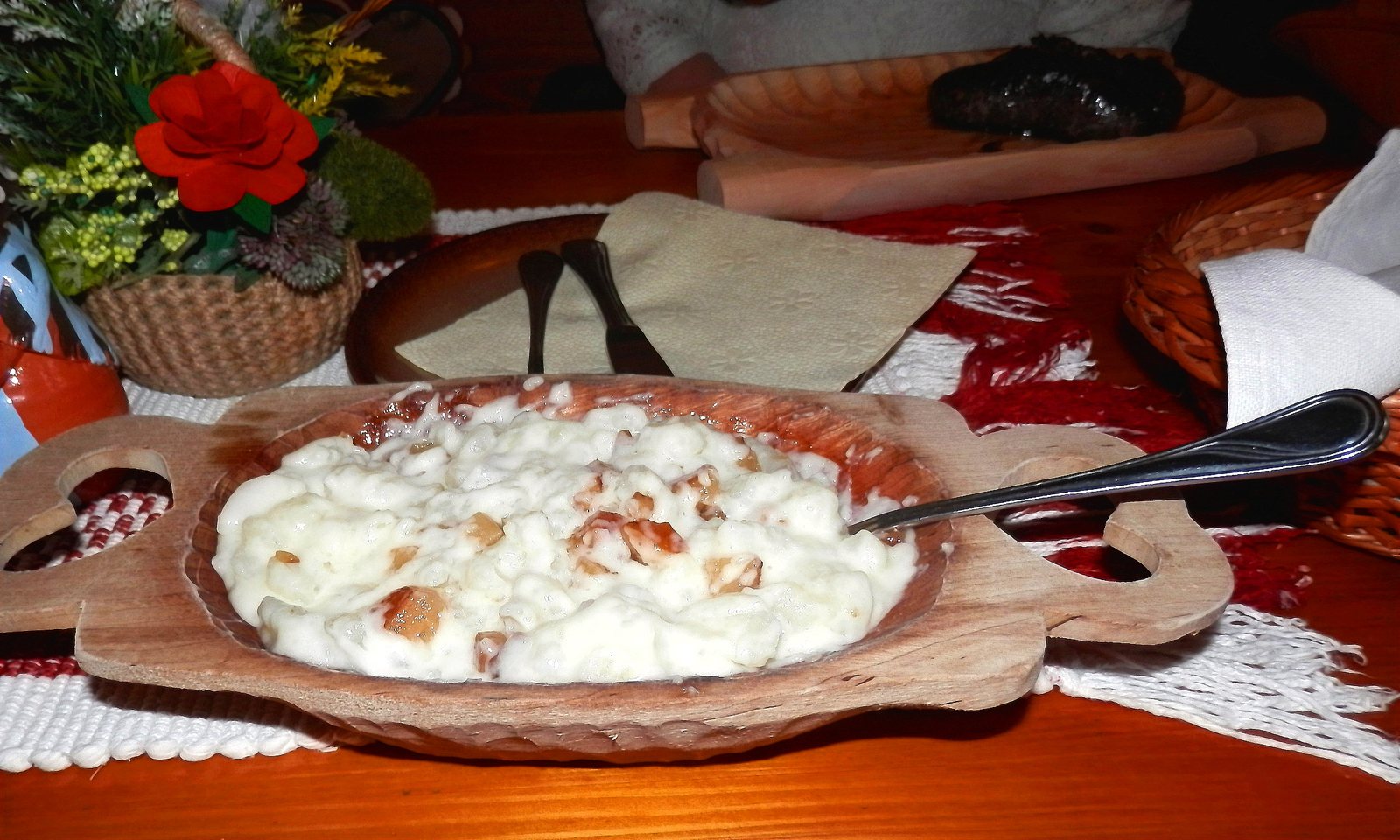
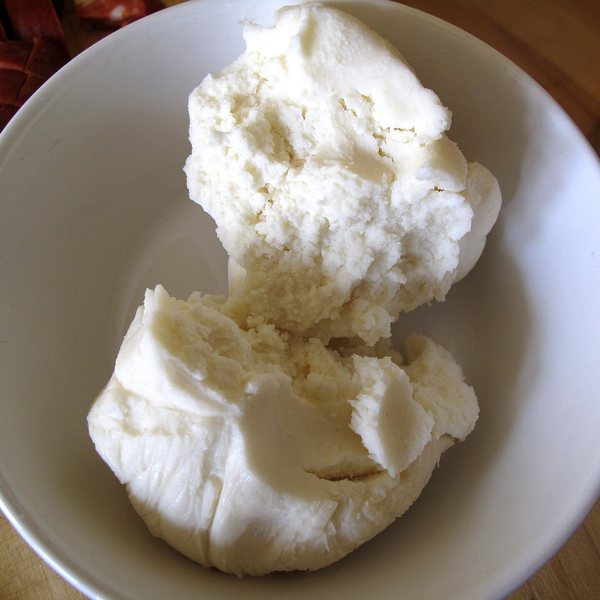
Halushky with bryndza is a simple mountain dish made from potatoes, flour, and sheep cheese. The potatoes are finely grated, mixed with flour (often with an egg) and salt, and then small pieces are dropped into boiling water. The ready soft dumplings are mixed with bryndza until the cheese melts and coats each one, and then topped with cracklings made from rendered fat.
In Lemko villages, dumplings were a daily dinner. Ethnographic descriptions of Lemko cuisine mention dumplings with cheese and bryndza, smeared with butter or fat with cracklings; in family recipes of Lemko settlers, they were also poured with hot milk or mixed with stewed cabbage.
The most famous form of the dish is Slovak bryndzové halušky, which is considered a national dish in Slovakia. In Poland, they are known in the Beskids and Podhale, and in Ukraine, primarily in the families of Lemkos and in Transcarpathia near the Slovak border.
History and name
Potatoes spread in the Carpathians in the 18th–19th centuries and quickly became the staple food of poorer mountain villages: less flour was needed for potato dough than for regular dough. Thus, dumplings with grated potatoes appeared in the mountains, while flour-based ones remained in the lowlands.
Lemkivshchyna is mostly located in modern Poland. After the deportations of 1944–1947, most Lemko Ukrainians ended up in various regions of Ukraine — from Lviv and Ternopil to Donetsk, while some settled in the west and north of Poland. Today, Lemko dumplings are prepared where families of settlers live, not just in the Carpathians.
Ingredients and allergens
Variant: with bryndza and cracklings
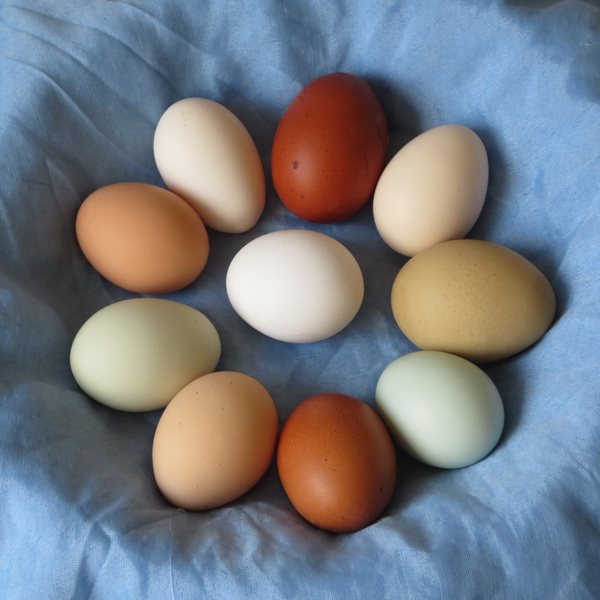
Also: salt (to taste)
Contains allergens: gluten, milk
Depending on how it is served, may contain: eggs
Variant: lemko, with milk or butter and onions
potato, eggs, wheat flour, milk, butter, onion
Contains allergens: milk, eggs
Depending on how it is served, may contain: gluten
Diet: vegetarian · gluten-free
Ingredients of the traditional recipe; every cook and every place may do it differently — please ask when ordering. We cannot guarantee the absence of allergens or traces.
How it is traditionally made
Serves: 4 servings · Preparation: 20 min · Cooking: 15 min
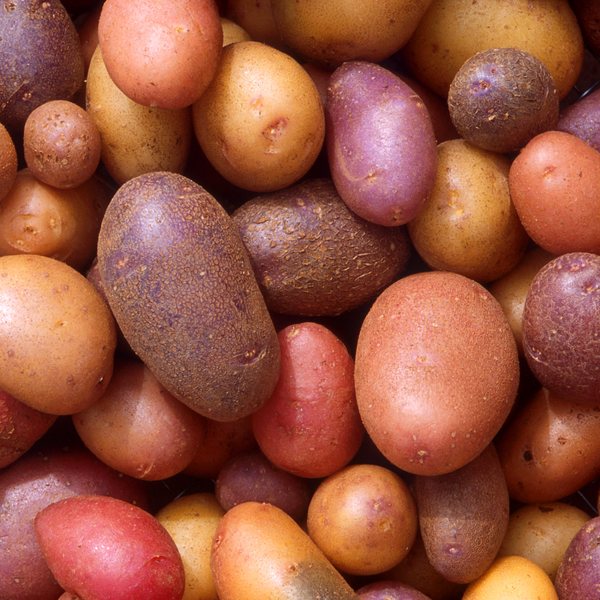
- Potato — 1 kg
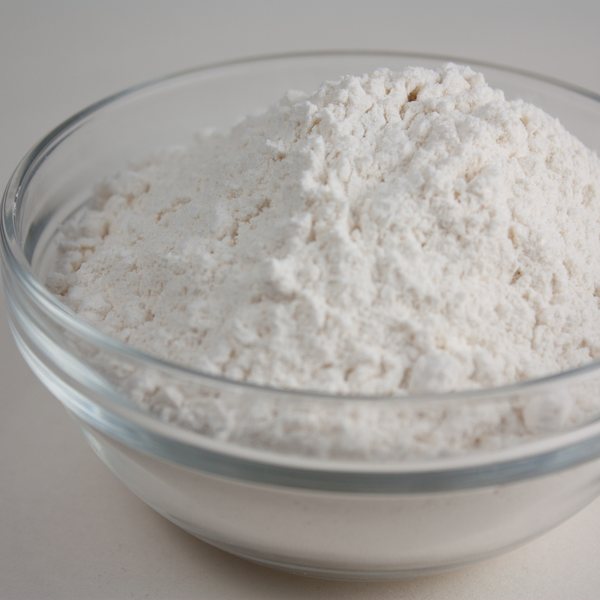
- Wheat flour — 1–2 cups
- Eggs — 1–2 pcs.
- Salt — to taste
- Bryndza (sheep cheese) — 250–300 g
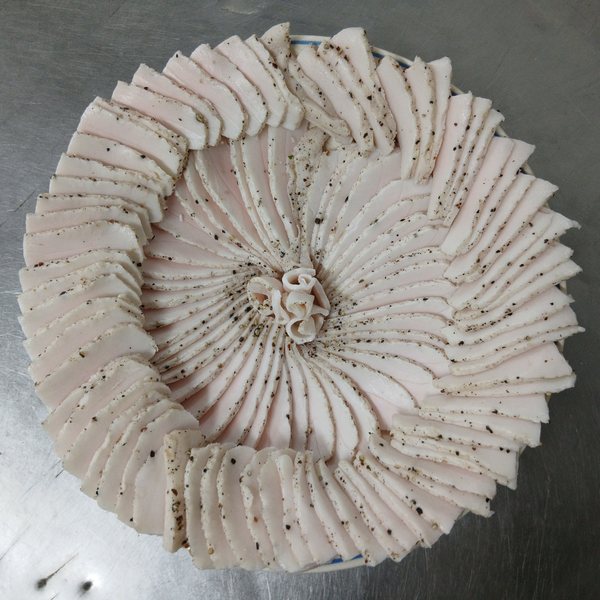
- Pork fat (salo) — 100–150 g
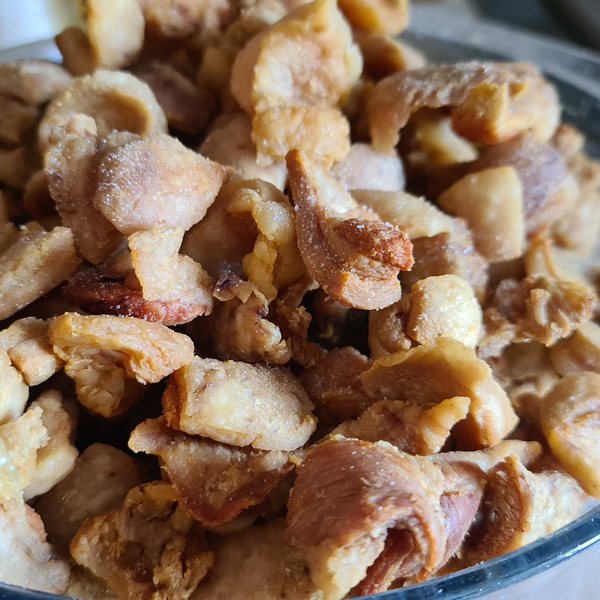
- Pork cracklings — to taste
- Grate the peeled potatoes on a fine grater and lightly squeeze out the excess liquid.
- Add salt, 1–2 eggs (if using), and enough flour to make the dough thick and sticky but able to hold on a spoon.
- Drop small pieces (using a spoon or by pressing through a board with holes) of the dough into salted boiling water.
- Cook for 3–5 minutes after the dumplings float to the surface, and remove with a slotted spoon.
- While the dumplings are cooking, cut the fat into small cubes and render until crispy cracklings.
- Immediately mix the hot dumplings with bryndza so that the cheese softens, place on plates, and drizzle with cracklings made from rendered fat.
How it is served
Hot, immediately after preparation, with cracklings; in Slovakia, they are often washed down with žinčica. In Lemko tradition, dumplings were poured with hot milk for dinner.
Variants
Lemko families made dumplings without bryndza — with butter and fried onions or with stewed sweet cabbage.
The traditional method as described by our sources; every family does it its own way. We have not tested this recipe in a professional kitchen.
Video 2
 Recept na bryndzové halušky │ Zuzana MachováZuzana Machová

Where it is eaten
Lemkivshchyna (mostly in modern Poland) and the Slovak Carpathians. In Ukraine, the dish is preserved by families of Lemko settlers in various regions and the Slovak community of Transcarpathia; specific Ukrainian villages are not mentioned in the sources, so there are no points on the map.
When it is eaten
| Jan | Feb | Mar | Apr | May | Jun | Jul | Aug | Sep | Oct | Nov | Dec |
|---|---|---|---|---|---|---|---|---|---|---|---|
Occasions: Everyday food
In tradition
This is a daily, not a festive dish: it was prepared for dinner from what was available in the household — potatoes, flour, cheese, and fat. In Slovakia, gastronomic competitions and festivals have grown around the dish, while in Ukraine, it can mainly be tasted in home Lemko and Transcarpathian families.
Safety
It is better for pregnant women and small children not to eat bryndza made from unpasteurized milk; in this dish, the cheese is only slightly warmed by the hot dumplings.
FAQ
How do halushky with bryndza differ from varenyky with bryndza?
In halushky, the cheese is not inside: the dumplings themselves are pieces of potato dough, and bryndza is mixed with them after cooking. Varenyky are made from dough with filling.
Is this a Ukrainian or Slovak dish?
Both. The most famous version is Slovak bryndzové halušky, but dumplings with bryndza have long been eaten by Lemkos who lived on both sides of the modern Polish-Slovak border.
Which bryndza should I use?
Traditionally — sheep's: it is salty and creamy. Cow's bryndza will also work, but the taste will be milder.
Similar dishes and products
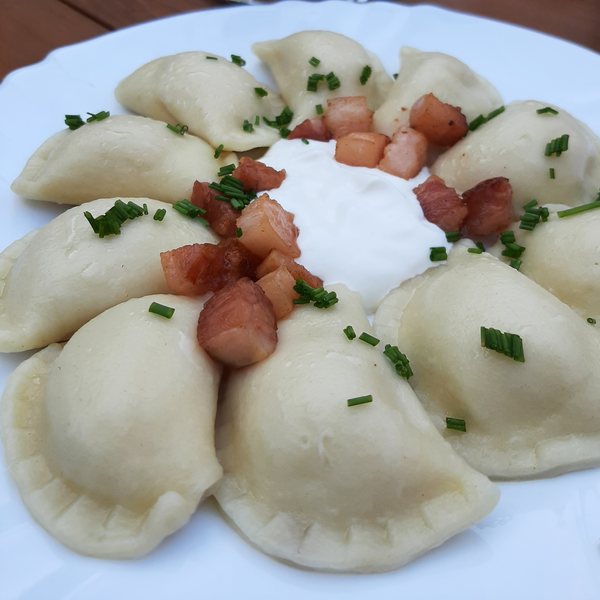
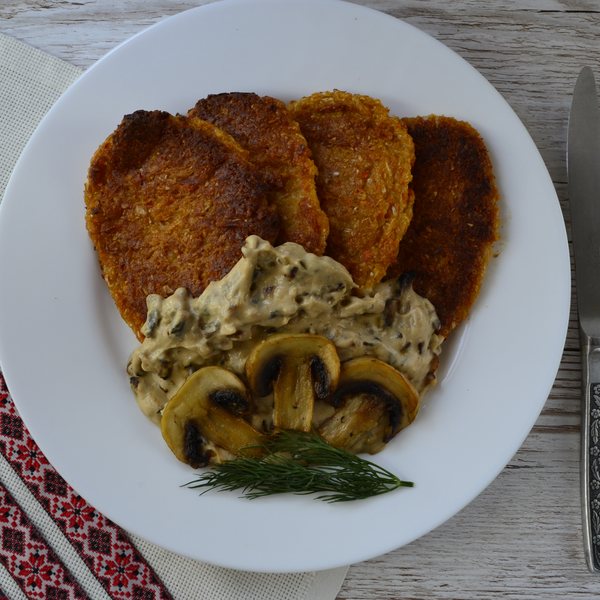
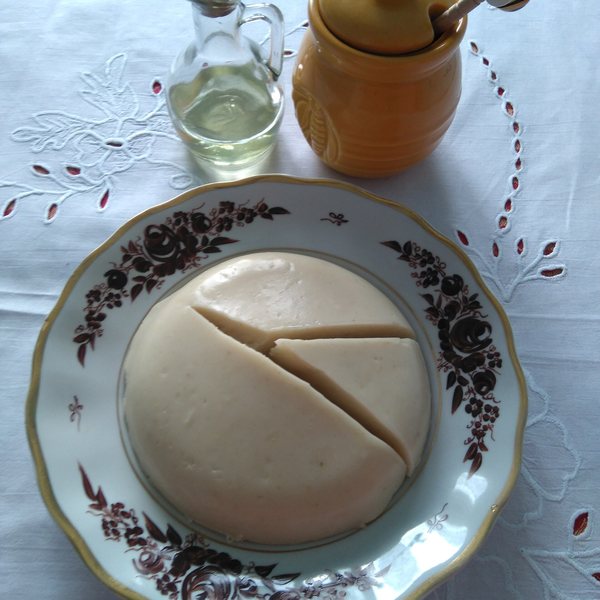
Relatives in the Carpathians and nearby
- bryndzové halušky · Slovakia
family name; national dish of Slovakia - haluszki z bryndzą · Poland
close tradition of the Polish Beskids and Podhale - galuska · Hungary
family name; flour dumplings without potatoes
Sources
- Вікіпедія: Лемківська кухня
- Спадок: Лемківські страви з гарячої кухні (галушки з тертої картоплі)
- Wikipedia: Bryndzové halušky
- Щука Г. Гастрономічний бренд Закарпаття (2025): словацький вплив на кухню Перечинщини
Written by the Karpaty.rocks editors from the sources above. Checked 10.11.2026.
