Crackling pogácsa (shkvarkovi pohachi)
What it is
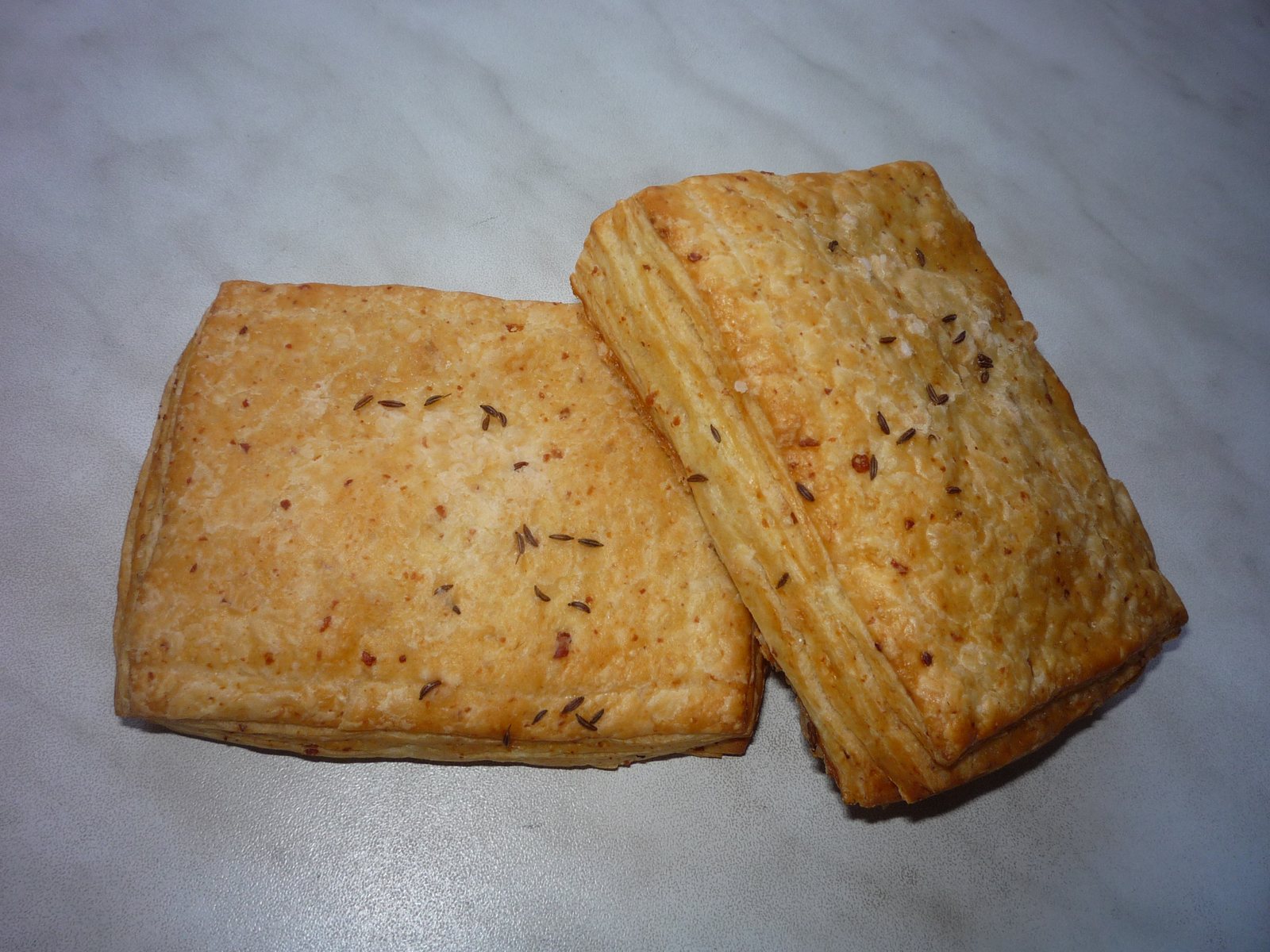
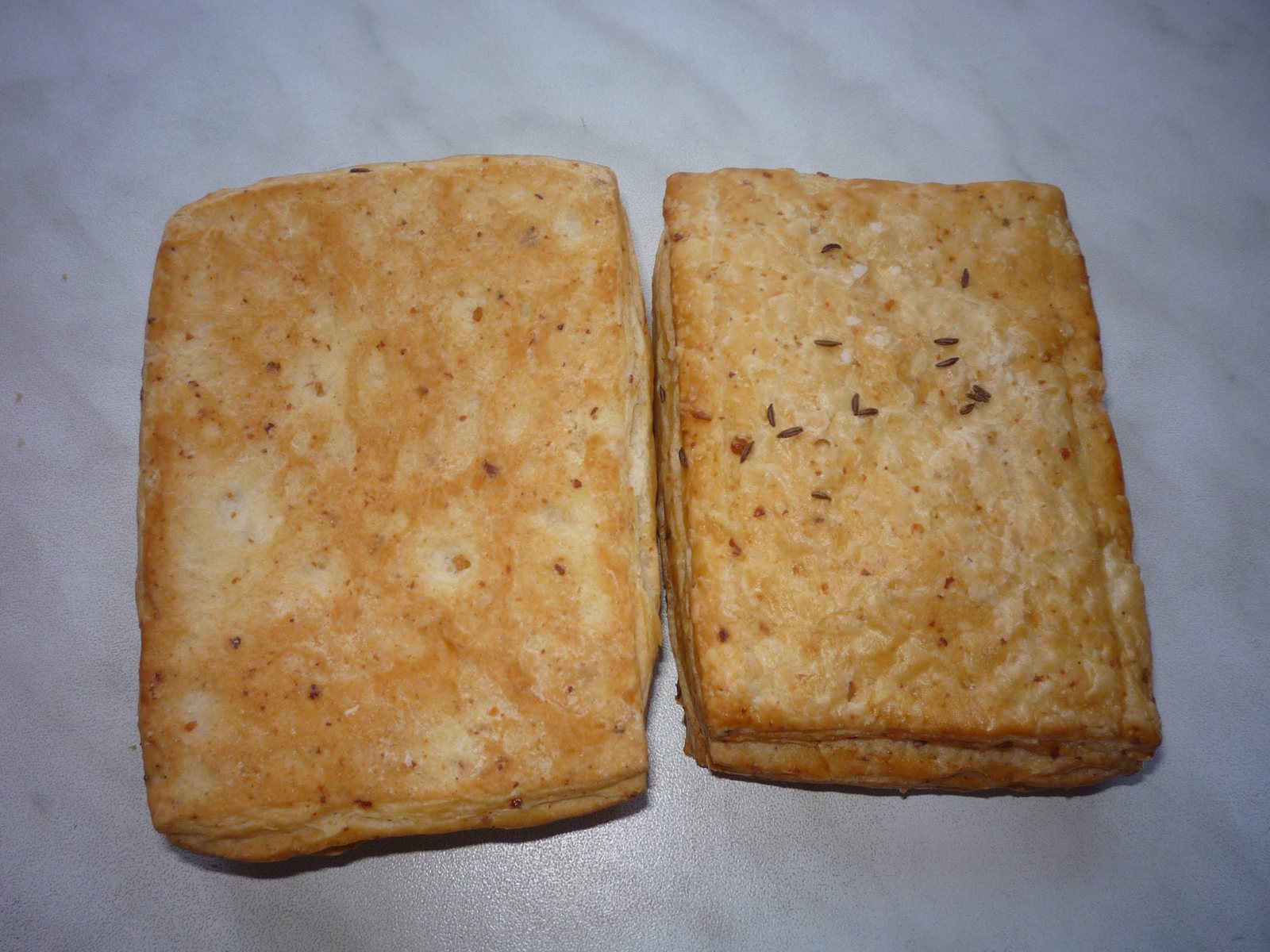
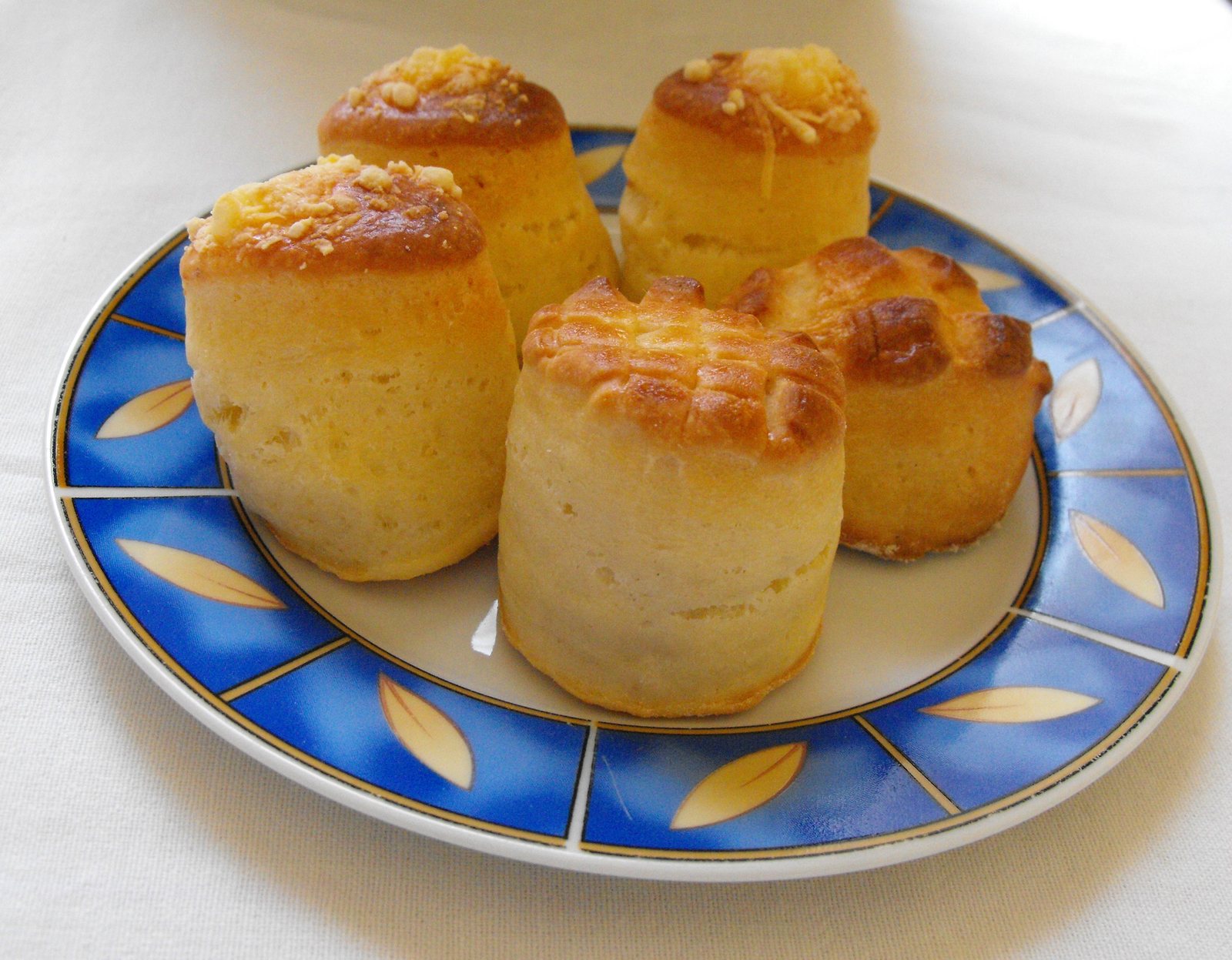
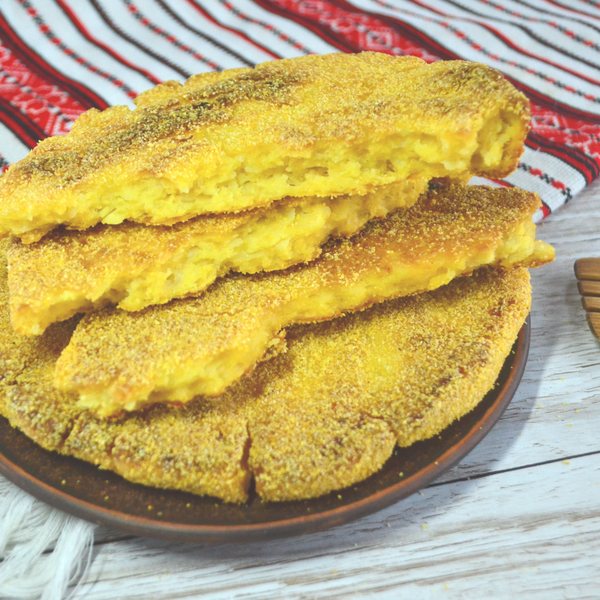
Crackling pogácsa (Hungarian: tepertős pogácsa) are round salty rolls the size of cookies, into which finely chopped or crushed cracklings are mixed. The dough is rolled out and folded several times, resulting in flaky pogácsa, which are then scored on top in a lattice pattern and brushed with egg. In Transcarpathia, caraway seeds are often added.
This hearty snack pairs well with wine or beer, with soup, or simply for the road. In Hungarian families of the region, pogácsa were primarily baked after the winter pig slaughter when there was an abundance of fresh cracklings at home, and later throughout the year.
Researchers of Transcarpathian gastronomic heritage mention crackling pogácsa among the products described in the publication 'Ark of Taste. Ukraine' (R. Siukkand, A. Pieroni, 2022), and 'crackling rolls with caraway' from the Hungarian minority were included in the nominations for the Ukrainian atlas 'Ark of Taste.'
History and name
Pogácsa is an ancient type of flat pastry. The name traces back to the Latin focus — 'hearth' (from which the Italian focaccia derives), and it entered the Hungarian language from South Slavic (Serbian, Croatian, Slovenian pogača). In Hungary, dozens of varieties have spread — potato, cheese, sour cream, and with cracklings.
Hungarian peasants began baking crackling pogácsa when lard and cracklings became common in peasant cuisine (approximately from the mid-19th century), and in many areas — only in the 20th century. It became a typical rural snack and a companion to wine. In 2013, the European Union registered 'Tepertős pogácsa' as a guaranteed traditional specialty (TSG).
Ingredients and allergens
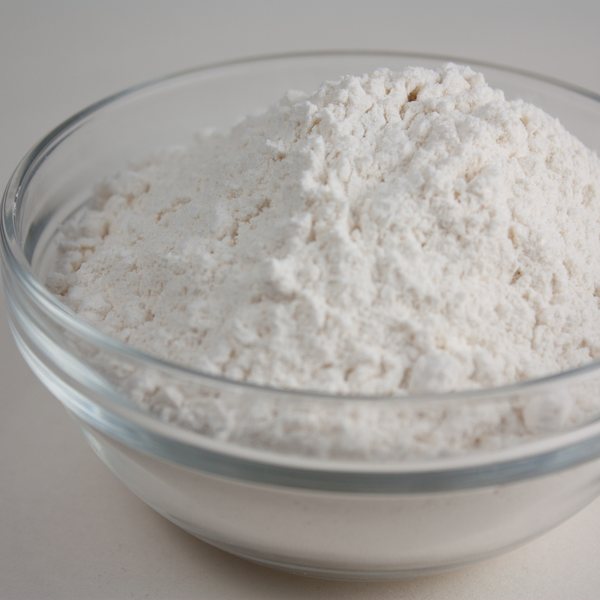
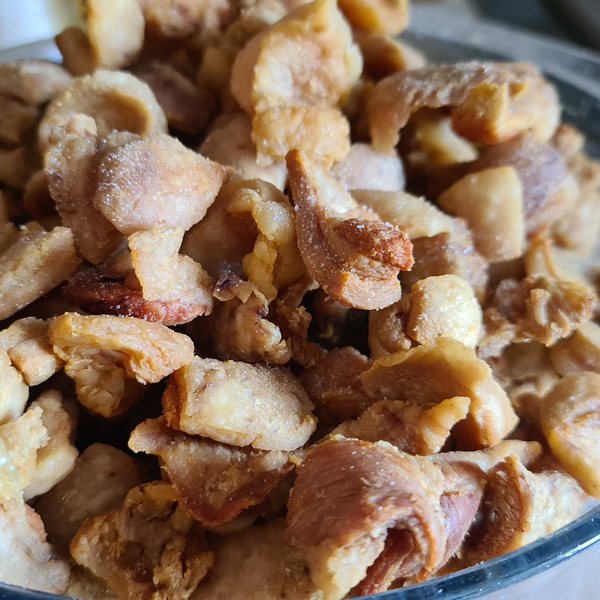
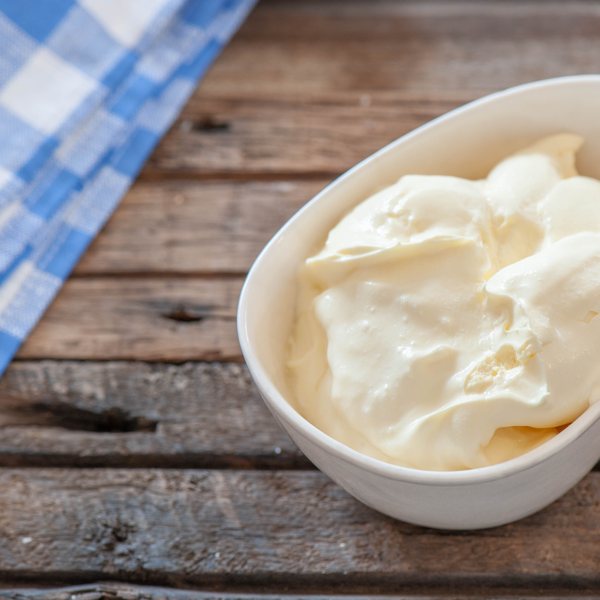
Also: eggs (for the dough and brushing), lard (for layering, optional), yeast (a little), salt (to taste), caraway (to taste, optional), black pepper (to taste, optional)
Contains allergens: gluten, milk, eggs
Ingredients of the traditional recipe; every cook and every place may do it differently — please ask when ordering. We cannot guarantee the absence of allergens or traces.
How it is made
Yeast dough made with sour cream or milk is mixed with chopped or ground cracklings, salt, and pepper, sometimes with caraway seeds. The dough is rolled out and folded like an envelope several times, allowing it to rest — this makes the pogácsa flaky.
Then the dough is rolled out to a finger's thickness, small circles are cut out, the surface is scored in a lattice pattern, brushed with beaten egg, and baked until golden brown. In the past, crackling pogácsa were made from leftover bread dough, mixing in cracklings — while bread was baked at home.
Video
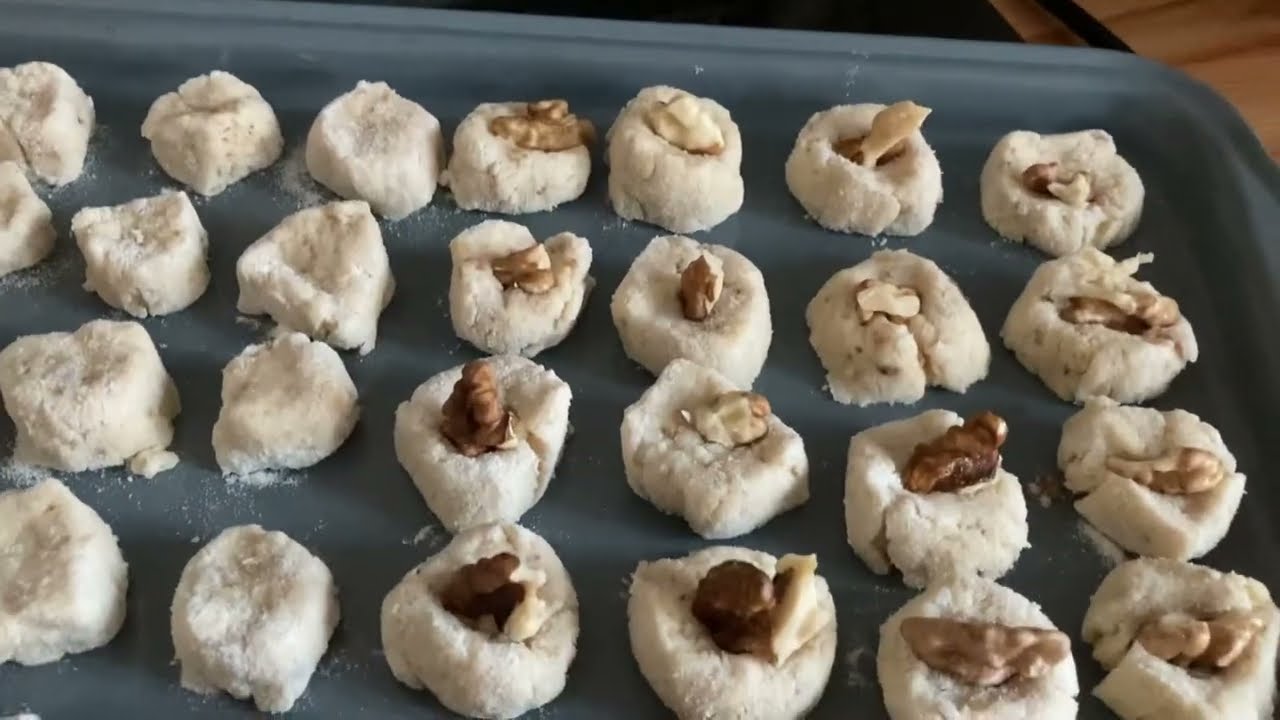 Моя кухня! Мій варіант печива «погачо», яке колись ми, діти, дуже любили. Основа - шкварки!Знайомтесь - Закарпаття!) Вікторія Тирба.
Where it is eaten

The area is approximate and based on the sources below. The dish is cooked outside it too, and ethnographic borders are blurred.
Hungarian communities in Transcarpathia, mainly in the lowland and foothill parts of the region (Berehove, Vynohradiv, Uzhhorod). Specific villages are not mentioned in the sources.
When it is eaten
| Jan | Feb | Mar | Apr | May | Jun | Jul | Aug | Sep | Oct | Nov | Dec |
|---|---|---|---|---|---|---|---|---|---|---|---|
Occasions: Winter pig slaughter · Everyday food
In tradition
Crackling pogácsa are a fresh meat pastry: they were baked when lard was rendered and cracklings were left after butchering a pig.
FAQ
What are pogácsa?
Small round rolls from Hungarian and Balkan cuisine. They can be cheese, potato, sour cream, and in Transcarpathia, the most famous are crackling pogácsa, with crushed cracklings in the dough.
Why are pogácsa flaky?
The dough is rolled out and folded several times, like puff pastry, and the cracklings and fat between the layers create a flaky structure during baking.
Similar dishes and products
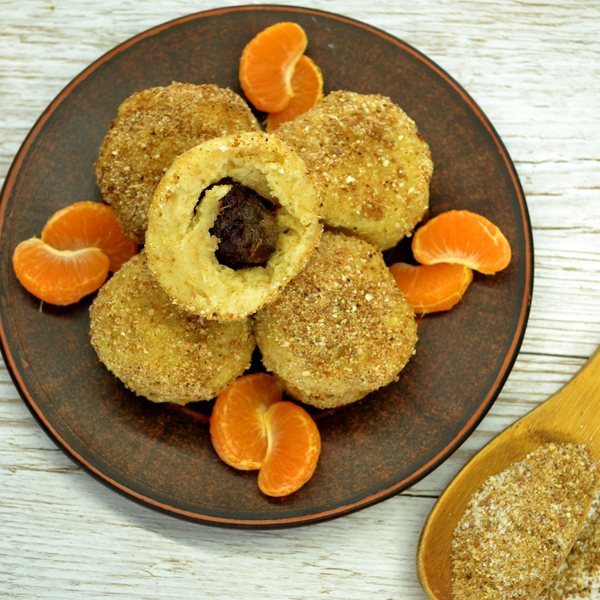
Relatives in the Carpathians and nearby
- tepertős pogácsa · Hungary
family name; guaranteed traditional product of the EU - pagáč · Slovakia
family name; Slovak pogácsa with cracklings - pogača · Serbia
family name of Balkan pastry
Sources
- Щука Г. Гастрономічний бренд Закарпаття (2025): шкваркові погачі в «Ковчезі смаку. Україна»
- DiGe: Номінації до атласу «Ковчег смаку України» (булочки шкваркові з кмином, угорська меншина)
- Wikipédia: Tepertős pogácsa (історія, реєстрація TSG 2013)
- Вікіпедія: Погача
Written by the Karpaty.rocks editors from the sources above. Checked 10.11.2026.
