Chovlent (Zakarpattia cholent)
What it is
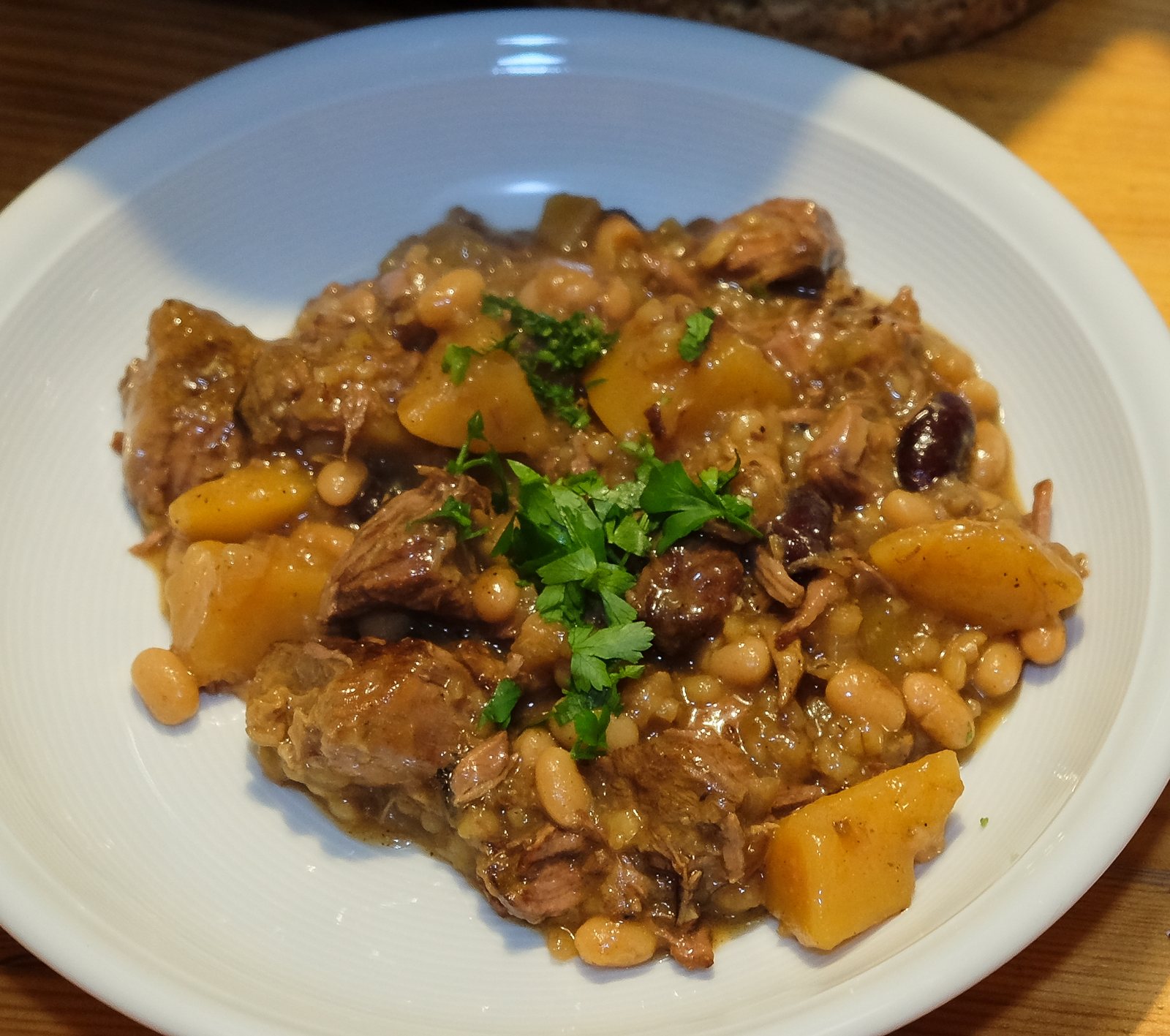
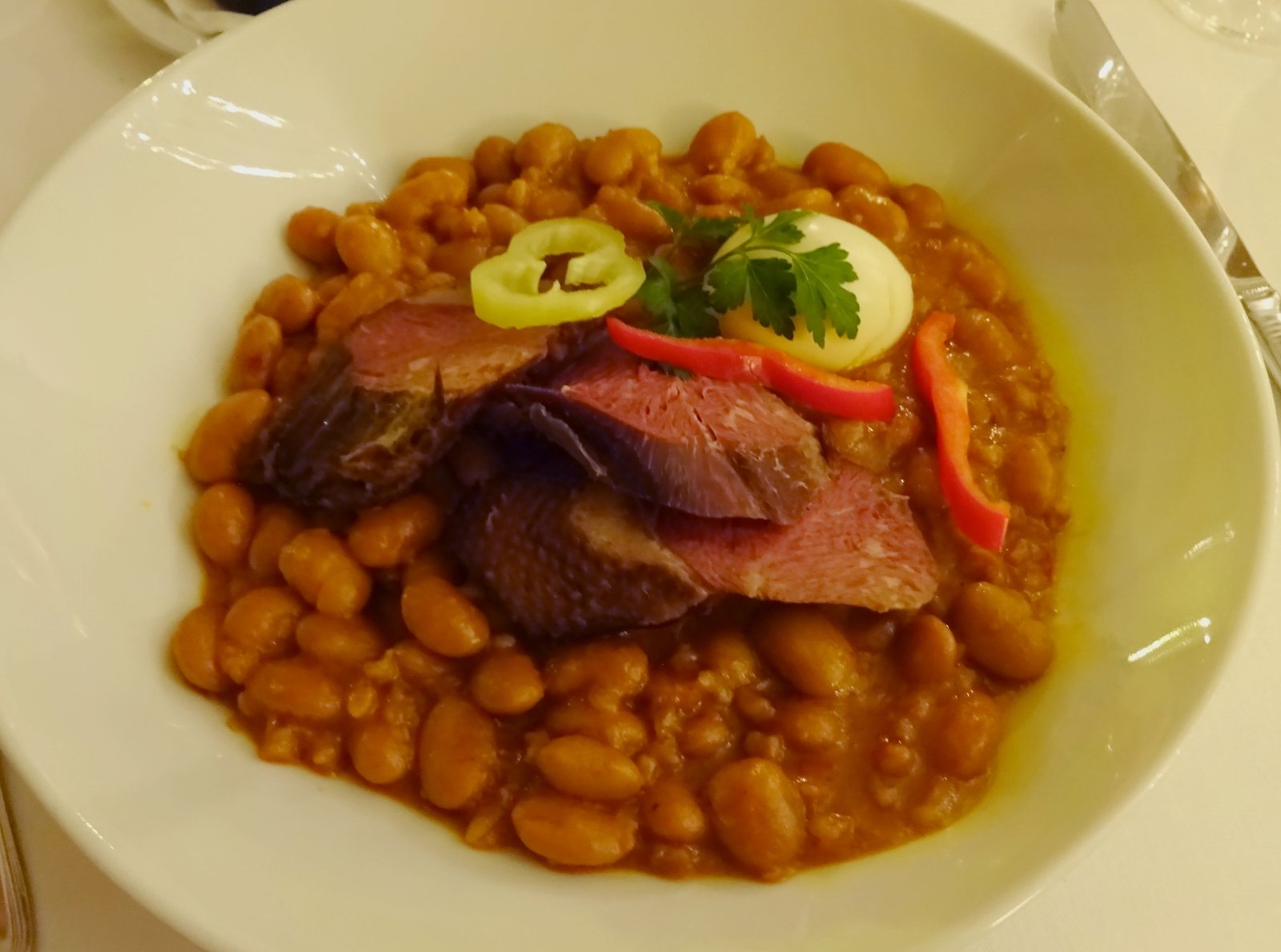
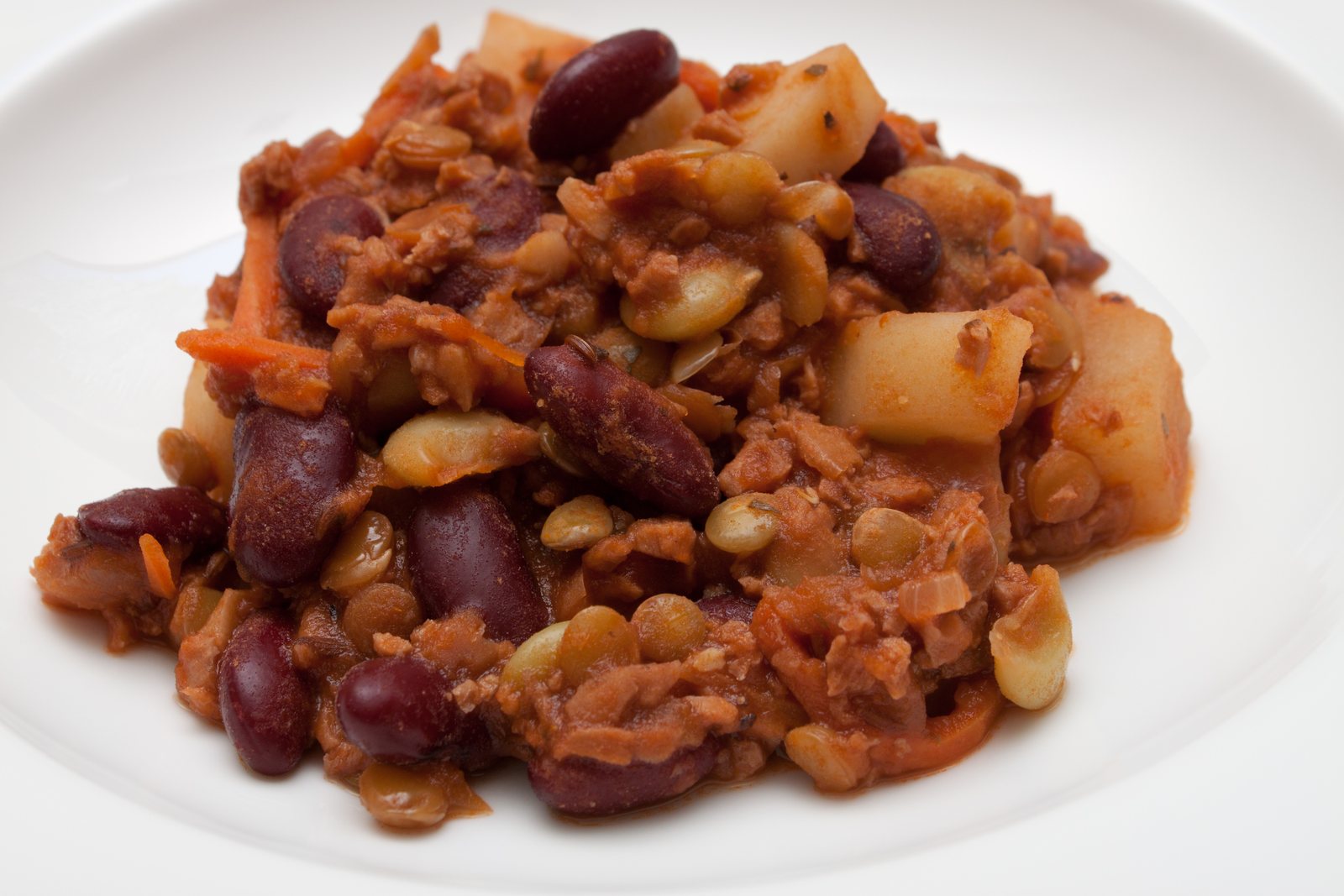
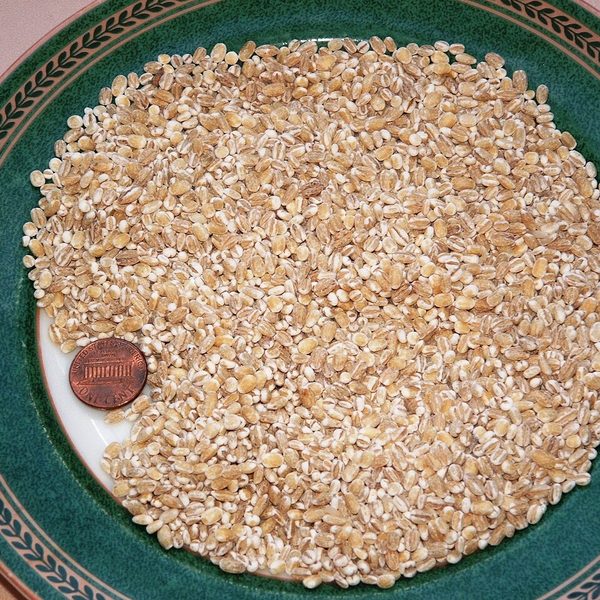
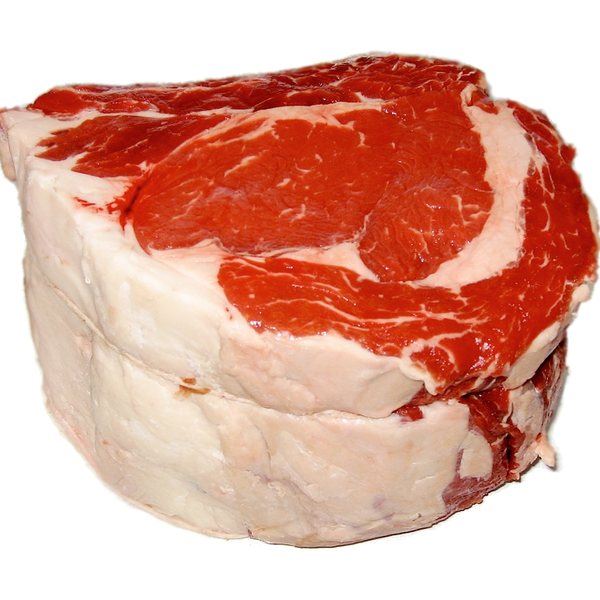
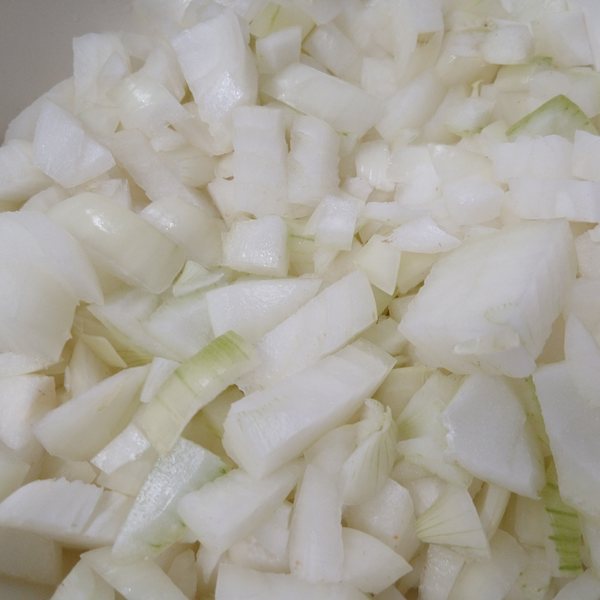
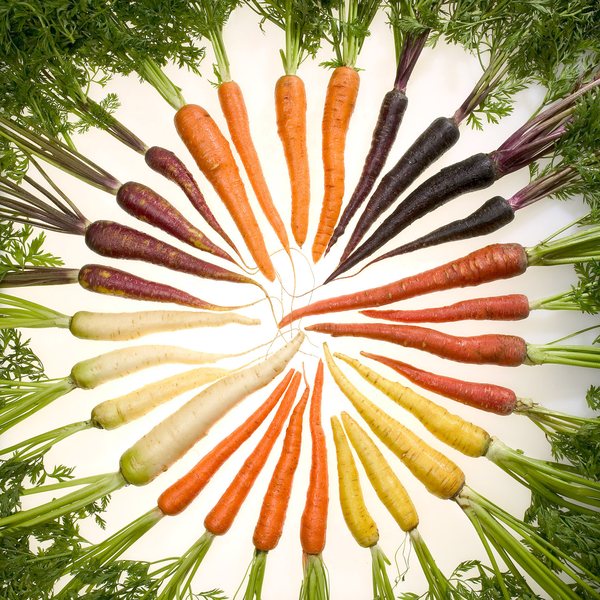
Chovlent is a thick, almost liquid-free dish made of beans, pearl barley, and meat, which are simmered together in one pot or cauldron for several hours. Onions, carrots, garlic, and spices are added, and various types of meat can be used: beef, goose, or chicken, preferably slightly smoked for a richer aroma.
Zakarpattia writer Andrii Liubka notes that at home, chovlent was one of the favorite dishes during the cold season, and it is served in establishments in the cities of Vynohradiv, Mukachevo, and Uzhhorod; in other regions of Ukraine, this dish is not found on the menu. Therefore, chovlent is often considered purely Zakarpattian.
In fact, this is a local name for cholent—a Sabbath dish of the Jews who lived in the neighboring Zakarpattian towns; today, Liubka writes, these neighbors are almost gone from the cities. The pot was placed in the oven on Friday, and the dish cooked overnight as the oven slowly cooled, being ready and still warm on Saturday when it was forbidden to kindle a fire.
Modern home recipes are noticeably more 'Zakarpattian': smoked ribs, pork belly, homemade sausage, paprika, and even dried mushrooms are added to the beans and pearl barley, and the dish is prepared much faster.
History and name
Cholent was first described in the 12th century: the Viennese rabbi Isaac ben Moses mentioned it as a dish of the Jews of France. The name is often derived from the Old French 'chalant' meaning 'hot'. In Eastern Europe, the dish's base became beans, barley, and meat; Hungarian Jews call it 'sólet', and in Hungary, it has long transcended Jewish cuisine.
The Zakarpattian 'chovlent' is the local pronunciation of the same name; Andrii Liubka conveys the Jewish pronunciation as 'chount'. His essay 'Chovlent' tells the story of how he searched for the dish's homeland in Hungary and Romania, only to find it 'on the neighboring street': in the Jewish families of his city.
Legend: Chovlent is an ancient Hungarian or Romanian dish that the Zakarpattians borrowed from their neighbors abroad.
In fact: It is a Jewish Sabbath dish: it was prepared by the Jews of Zakarpattian towns, and the neighbors adopted the recipe. A similar dish in Hungary is called 'sólet'; a similar one was also seen by Andrii Liubka in a Romanian shop.
Ingredients and allergens
Variant: traditional, long simmering
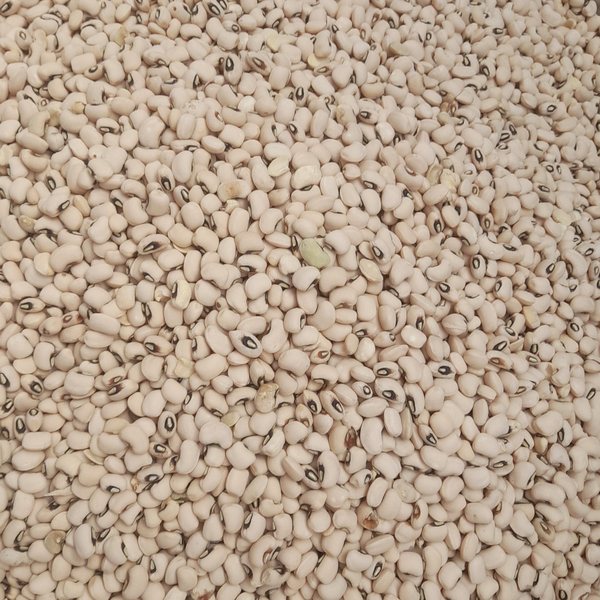
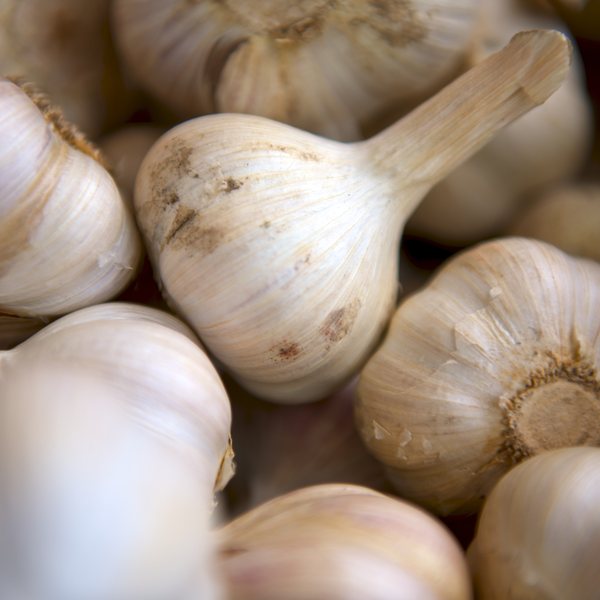
Also: salt (to taste), water (to add during simmering), black pepper (to taste, optional)
Contains allergens: gluten
Variant: modern, with smoked meats
dry beans, pearl barley, pork, smoked pork (ribs, hock), smoked homemade sausage, lard, onion, carrot, tomatoes, dried porcini, ground paprika, salt, black pepper
Contains allergens: gluten
Ingredients of the traditional recipe; every cook and every place may do it differently — please ask when ordering. We cannot guarantee the absence of allergens or traces.
How it is traditionally made
- Dry beans — 1 part
- Pearl barley — 1 part
- Beef — 1 part
- Onion — 1–2 pcs.
- Carrot — 1–2 pcs.
- Garlic — a few cloves
- Salt — to taste
- Black pepper — to taste
- Water — to add during simmering
- Rinse the beans and pearl barley separately and soak them in water for several hours, preferably overnight.
- In the bottom of a thick-walled cauldron or pot, brown the meat cut into large pieces; add the chopped onion and carrot.
- Add the beans and pearl barley, finely chopped garlic, salt, and spices, and pour in enough water to cover the ingredients.
- Cover with a lid and simmer on the lowest heat for 5–7 hours, stirring occasionally and adding water as needed.
- The finished chovlent is thick: the beans and barley are soft, and the meat easily separates from the bone.
- In a quicker modern version, the smoked meats and pork are sautéed in lard, stewed with onion, carrot, and tomato, the soaked pearl barley is added, and the cooked beans are added at the end.
How it is served
Hot, as a standalone dish—most often in the cold season: chovlent is hearty and heavy.
Variants
The proportions of the classic recipe are equal parts beans, barley, and meat: during simmering, the barley and beans expand, while the meat reduces. In home Zakarpattian recipes, smoked ribs, sausage, paprika, tomato, and dried mushrooms are added.
The traditional method as described by our sources; every family does it its own way. We have not tested this recipe in a professional kitchen.
Where it is eaten

The area is approximate and based on the sources below. The dish is cooked outside it too, and ethnographic borders are blurred.
The cities of lowland Zakarpattia: Andrii Liubka mentions Vynohradiv, Mukachevo, and Uzhhorod. This is a legacy of urban Jewish cuisine, not a dish from mountain villages; the area is approximate.
When it is eaten
| Jan | Feb | Mar | Apr | May | Jun | Jul | Aug | Sep | Oct | Nov | Dec |
|---|---|---|---|---|---|---|---|---|---|---|---|
Occasions: Everyday food
In tradition
In Jewish families, chovlent was the food of Sabbath—a day when no work is done and no fire is kindled. Today in Zakarpattia, it is a dish for the cold season: it is prepared at home and served in establishments in the cities of Vynohradiv, Mukachevo, and Uzhhorod.
FAQ
What is chovlent?
A thick Zakarpattian dish made of beans, pearl barley, and meat, which is simmered for a long time in one pot. It is the local name for cholent—a Sabbath dish of Jewish cuisine.
Why is chovlent cooked for so long?
Beans and pearl barley require long simmering. In Jewish families, the pot was placed in the oven on Friday, and the dish cooked until Saturday; the classic home recipe recommends 5–7 hours on the lowest heat.
How does chovlent differ from bob-levesh?
Bob-levesh is a liquid bean soup from Hungarian cuisine with smoked meat and paprika. Chovlent is a thick dish without broth, where the beans are simmered together with pearl barley.
Comments
Travellers’ experience: reports, tips, questions.
No one has written here yet. Be the first — your experience helps others.
Similar dishes and products
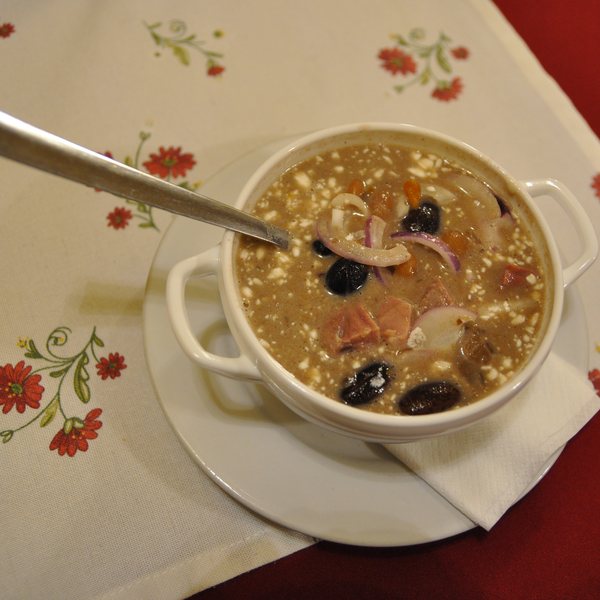
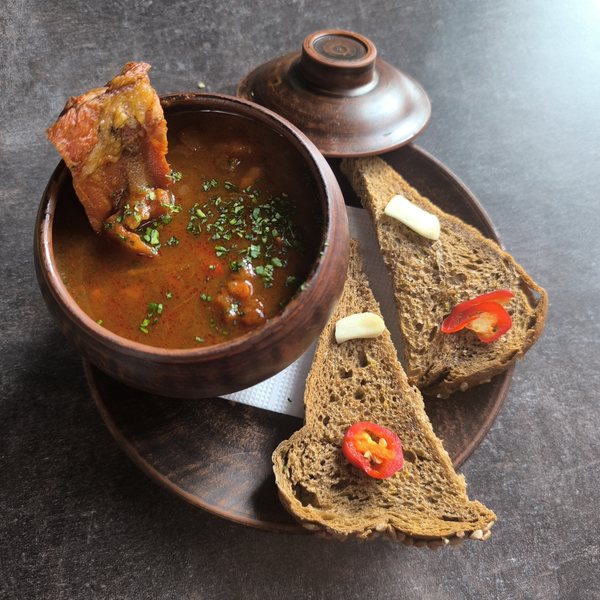
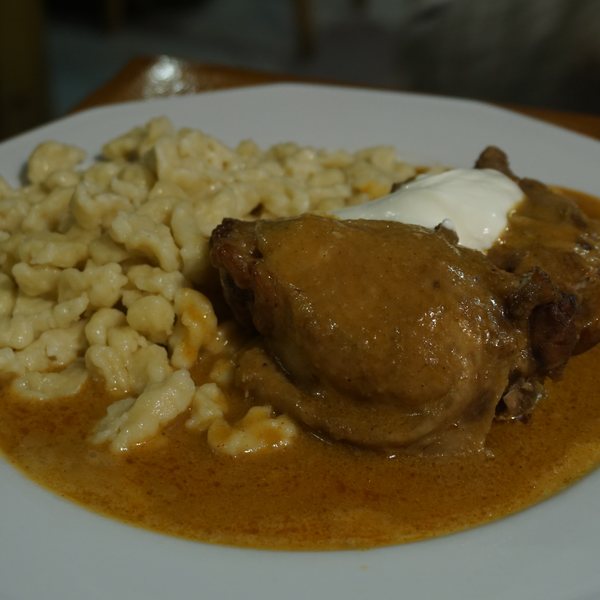
Relatives in the Carpathians and nearby
- sólet (шолет) · Hungary
a close tradition; the Hungarian name for the same Sabbath dish - czulent · Poland
a related name; a dish of Polish Jews
Sources
- А. Любка. Човлент (есей) // Ukrainian Jewish Encounter
- ТСН: Закарпатський човлент — рецепт ситної страви (С. Бондаренко, 09.07.2026; рецепт М. Пекарюк)
- Wikipedia (англ.): Cholent — суботня страва ашкеназьких євреїв, угорський sólet
Written by the Karpaty.rocks editors from the sources above. Checked 11.11.2026.
