Caș
What it is
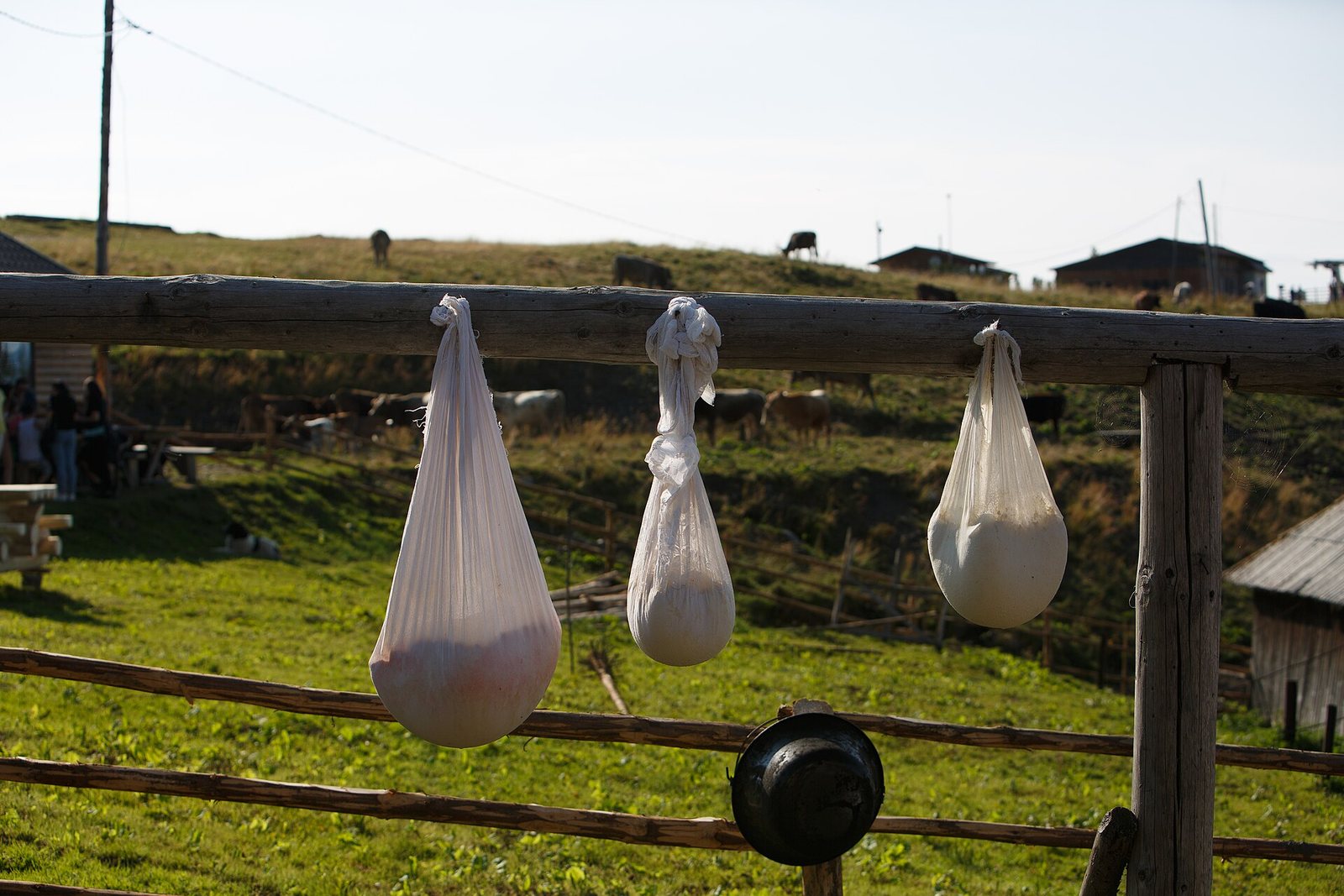
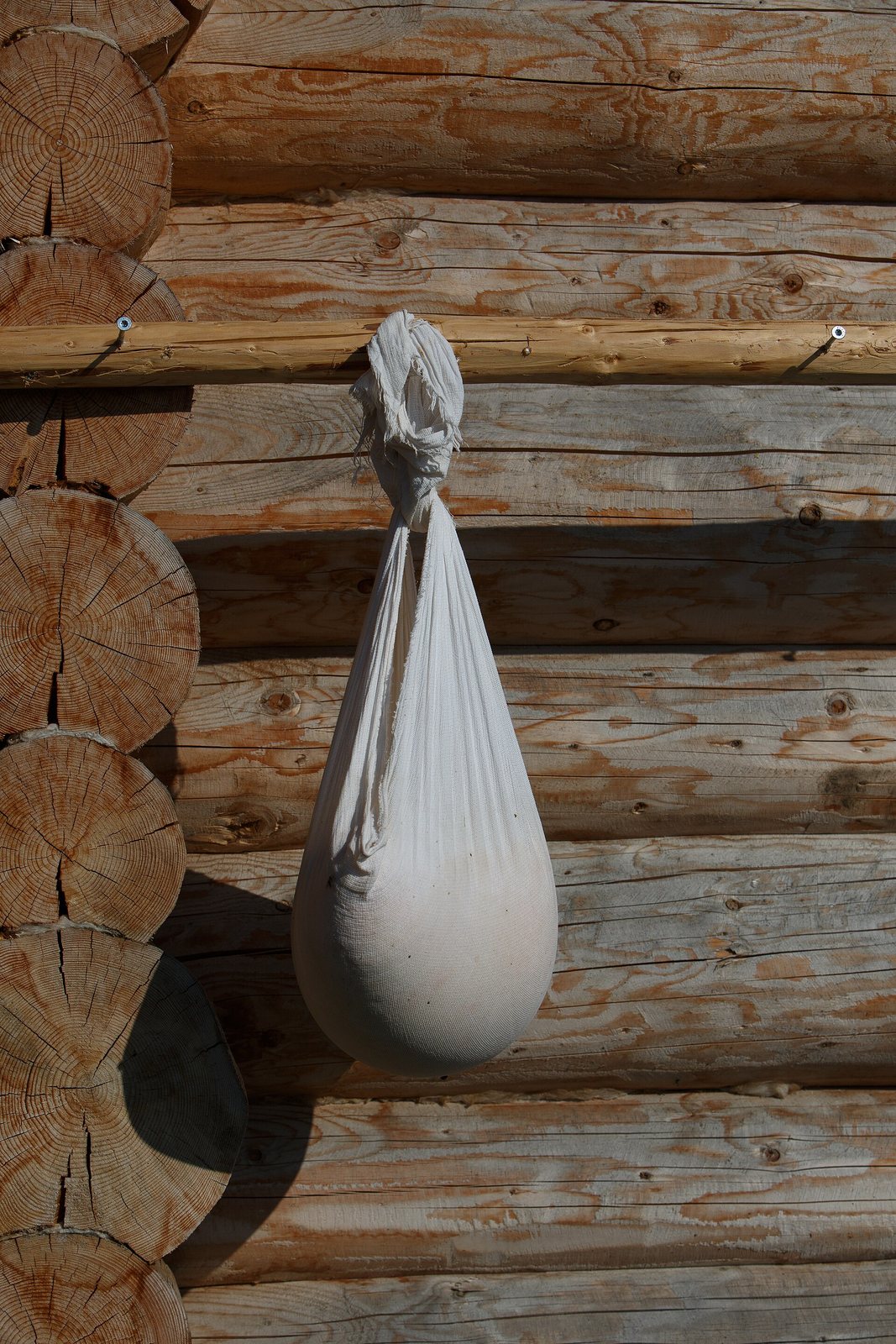
Caș is the simplest Romanian cheese: milk, curdled with rennet and drained of whey. It is white, semi-soft, elastic, unsalted or slightly salted, with a clean milky taste.
Fresh caș is eaten immediately — with young green onions, radishes, and bread. In spring, when sheep milking begins, this is the first cheese of the new season.
Moreover, caș is a raw material. If placed in brine, in two to three weeks it will become telemea. If allowed to sour, mixed with salt, and stuffed into a casing — it becomes Bryndza de burduf. It is also used to make cașcaval.
Caș is almost impossible to bring home — it lasts a day or two. So this is a taste worth stopping for by the sheepfold or at the village market in spring: the cheese is cut into thick slices, and it barely squeaks on the teeth.
History and name
In the village of Negrilești in the Vrancea mountains, caș is made into 'dolls': fresh cheese is pressed into carved molds made of maple wood — a tradition akin to Hutsul cheese horses and Podhalan redykolki.
Ingredients and allergens
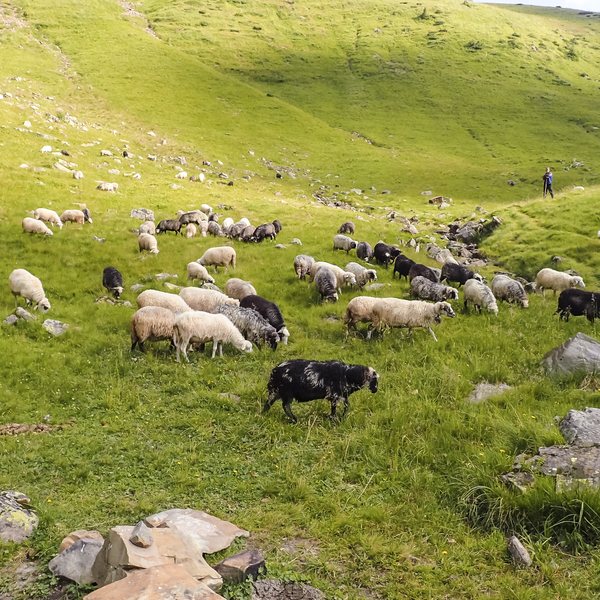
Variant: sheep
Contains allergens: milk
Diet: gluten-free · no cooking
Variant: cow
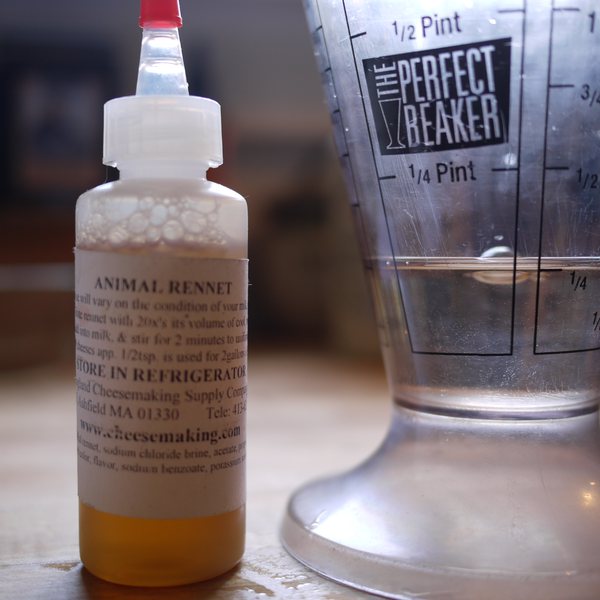
cow's milk, rennet (klyag)
Contains allergens: milk
Diet: gluten-free · no cooking
Ingredients of the traditional recipe; every cook and every place may do it differently — please ask when ordering. We cannot guarantee the absence of allergens or traces.
How it is made
Fresh milk is strained into a wooden tub, heated, and rennet is added. When the milk curdles, the curd is separated from the whey using a sieve or cloth and placed under a weight. From the remaining whey, urda is made.
Where it is eaten

The area is approximate and based on the sources below. The dish is cooked outside it too, and ethnographic borders are blurred.
The mountainous counties of Romania along the Carpathian arc — from Maramureș and Bukovina to the Southern Carpathians. The counties are shown on the map in their entirety, along with their flat parts, so the area is approximate.
When it is eaten
| Jan | Feb | Mar | Apr | May | Jun | Jul | Aug | Sep | Oct | Nov | Dec |
|---|---|---|---|---|---|---|---|---|---|---|---|
Occasions: Polonyna (May — September) · Easter · Everyday food
Safety
Traditionally, cheese is made from raw, unpasteurized milk. Pregnant women, small children, and people with weak immune systems should choose cheese made from pasteurized milk or eat it in hot dishes.
FAQ
What is the difference between caș and telemea?
Caș is fresh and unsalted. Telemea is the same cheese that has been in brine for two to three weeks.
When to eat caș?
Fresh, within a day or two after preparation; the best is in spring and early summer.
Comments
Travellers’ experience: reports, tips, questions.
No one has written here yet. Be the first — your experience helps others.
Similar dishes and products


Relatives in the Carpathians and nearby
- Budz · Ukraine
the same first link in the mountain cheese-making - Bundz · Poland
a similar tradition of Podhale
Sources
Written by the Karpaty.rocks editors from the sources above. Checked 11.11.2026.
