Bulz
What it is
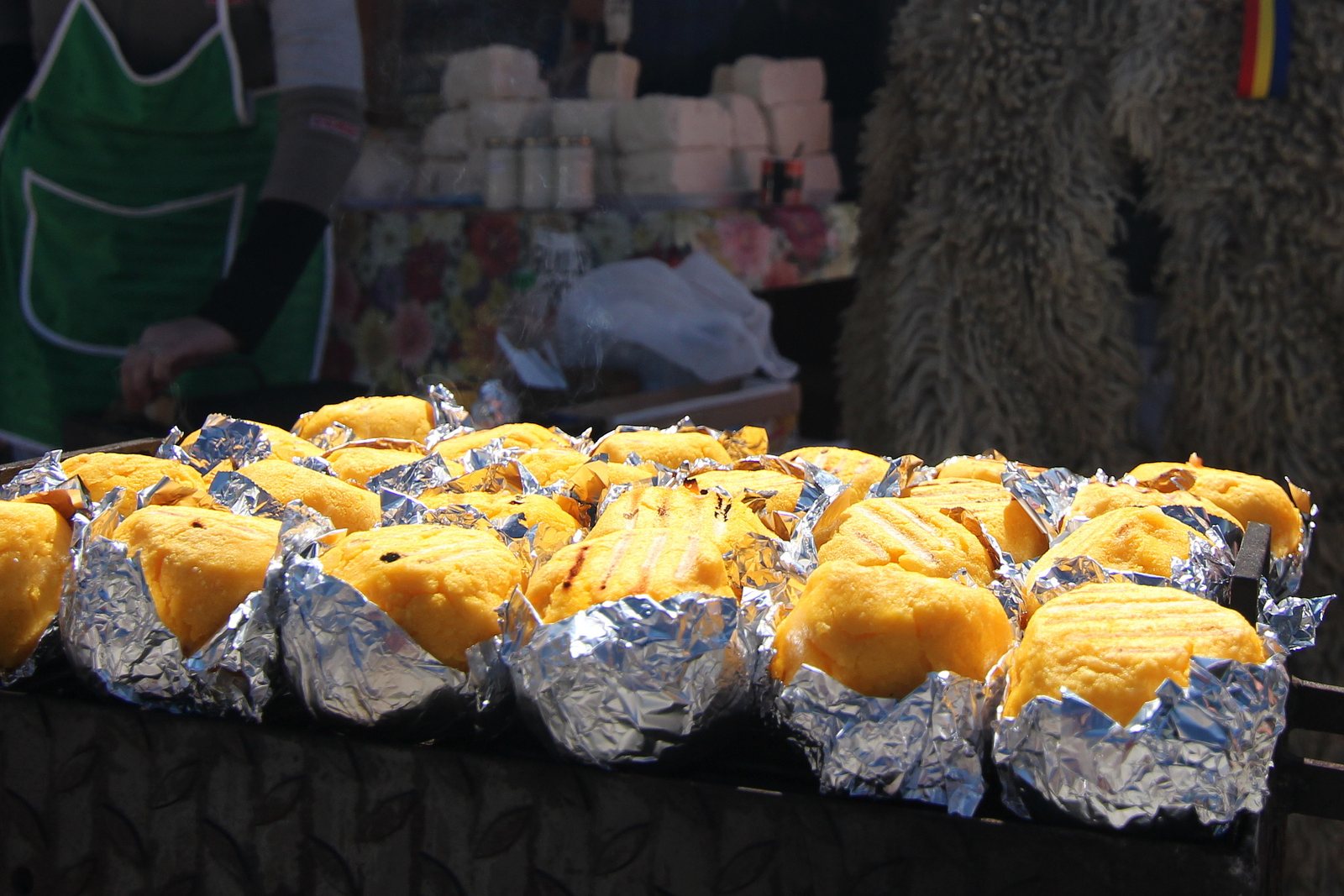
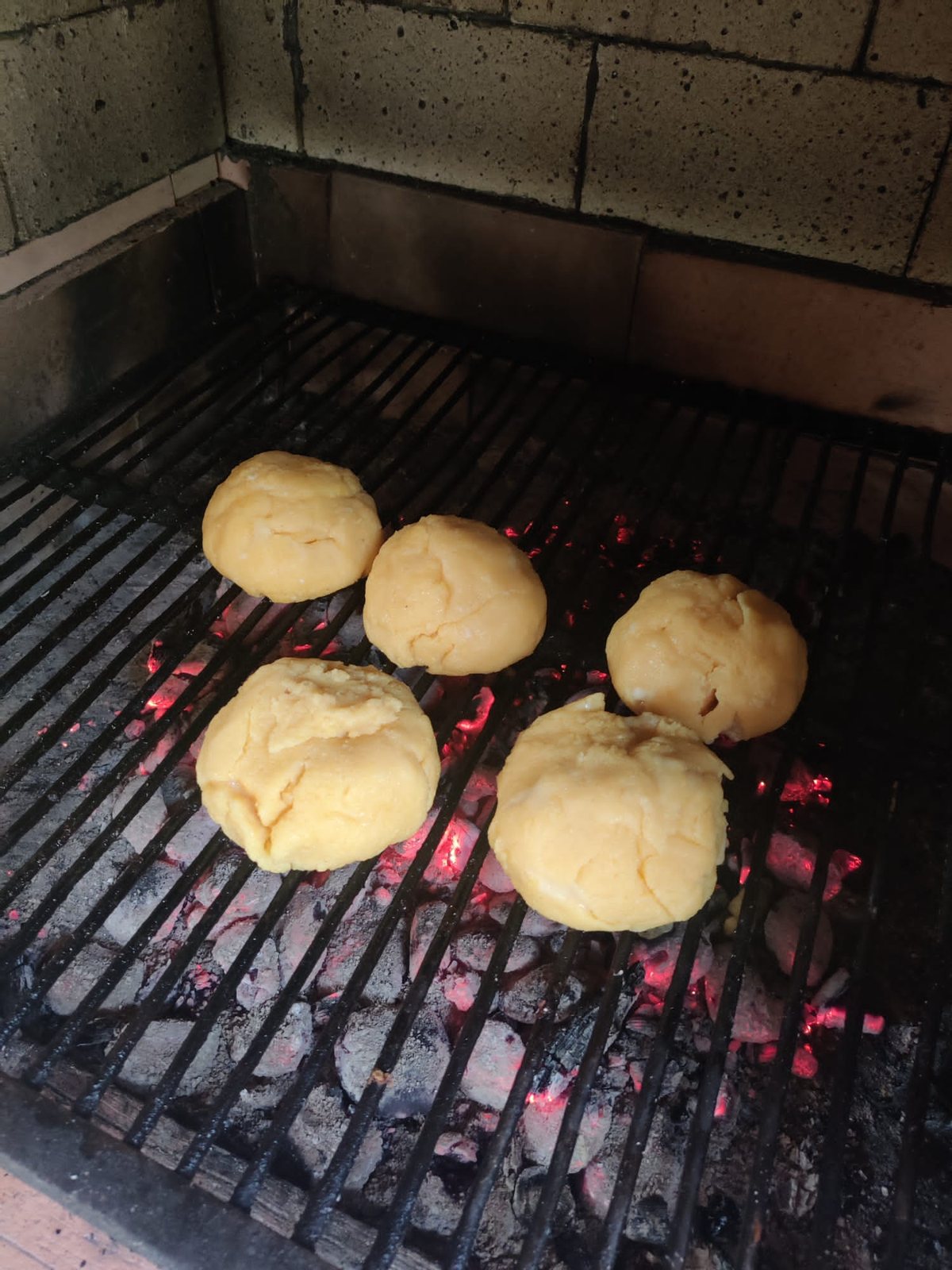
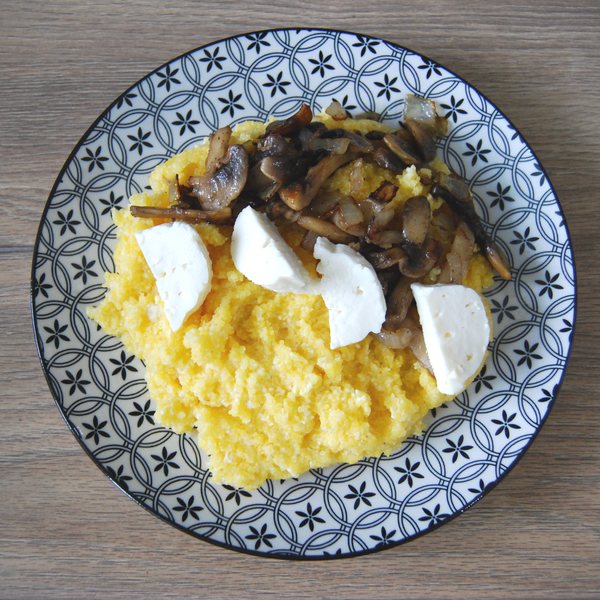
Bulz is mămăligă with a surprise. Thick corn porridge is flattened in the palm, a spicy sheep cheese — most often brânză de burduf — is placed inside, and then it is closed into a ball. The balls are baked in the oven or over heat until a crust forms on the outside and the cheese inside melts.
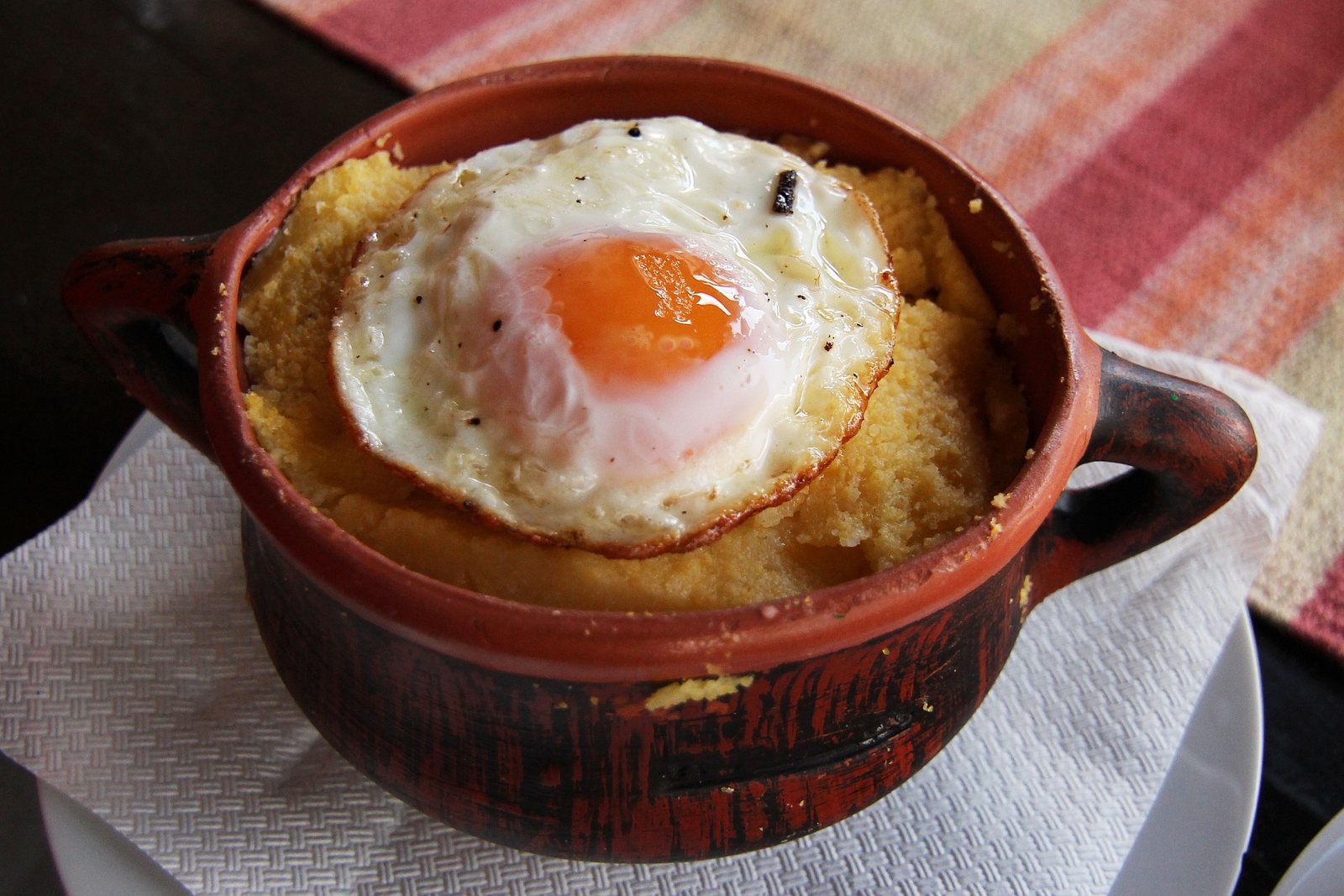
Romanians jokingly call bulz 'urs de mămăligă' — bear made of mămăligă. It is served hot, with sour cream, often with a fried egg and pieces of crispy bacon.
This is the food of the stâna — a shepherd's hut in the mountains, where the available products were corn flour and cheese. Today, bulz can be found on the menu of almost every mountain restaurant in Romania.
History and name
The word bulz in Romanian means lump, ball; from the same root comes the Ukrainian budz and Polish bundz — which refer to a lump of fresh cheese.
In June 2010, a 50-meter-long bulz was prepared in the town of Covasna — a record recorded by the Guinness World Records.
Ingredients and allergens
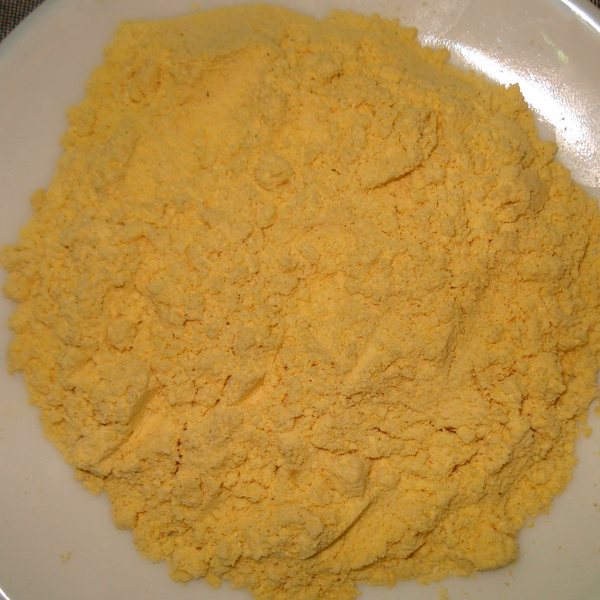

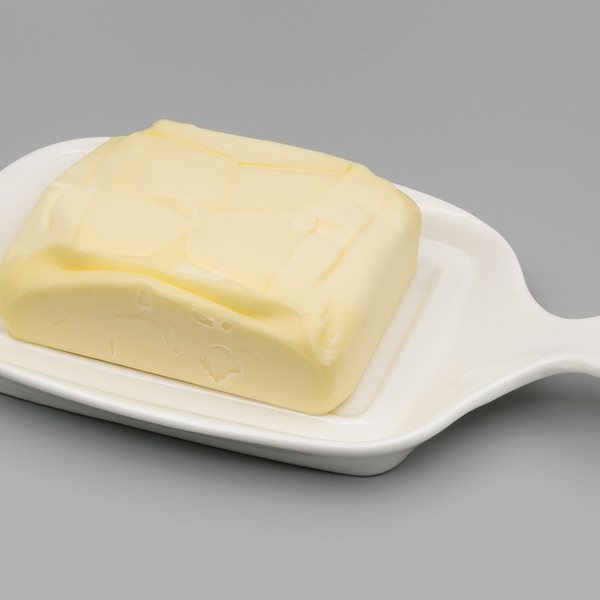
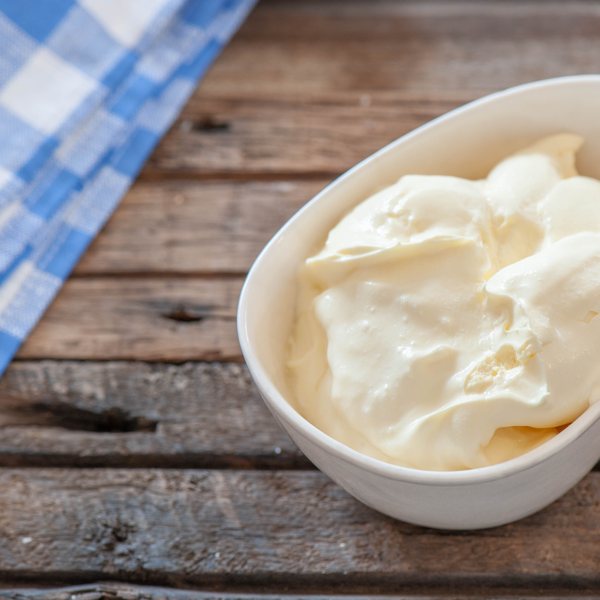
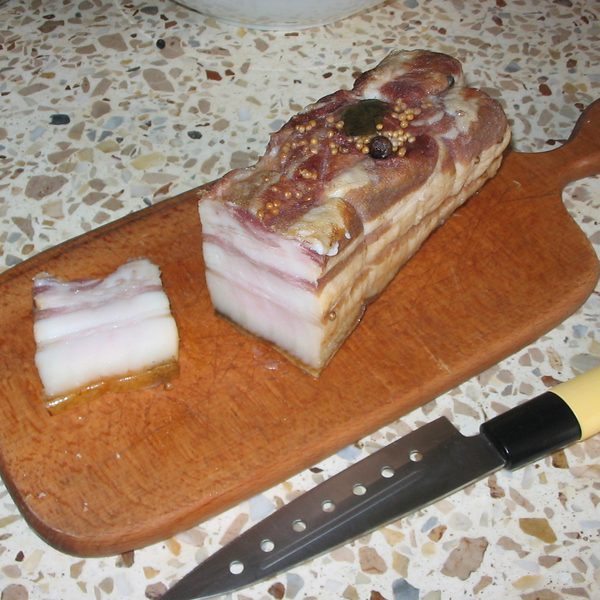
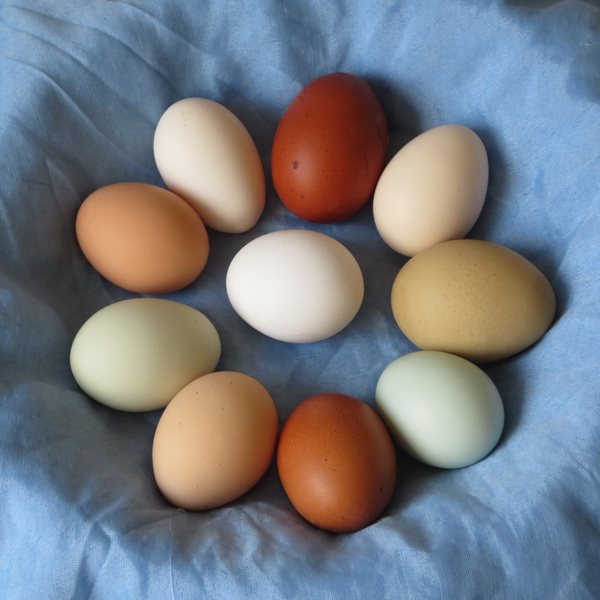
Also: water (1 l), salt
Contains allergens: milk
Depending on how it is served, may contain: eggs
Diet: gluten-free by ingredients; traces possible
Ingredients of the traditional recipe; every cook and every place may do it differently — please ask when ordering. We cannot guarantee the absence of allergens or traces.
How it is traditionally made
Serves: 4 servings
- Corn flour — 300 g
- Brânză de burduf — 200–250 g
- Water — 1 l
- Salt
- Butter — 50 g
- Sour cream
- Smoked bacon
- Eggs
- Boil salted water. Gradually add corn flour in a thin stream, stirring continuously, and cook over low heat for 20–30 minutes, until the porridge starts to pull away from the walls.
- Mix in the butter and let the mămăligă cool slightly so that it can be handled by hand.
- With wet hands, take a portion of the porridge, flatten it into a disc, place a spoonful of cheese in the center, and form a ball the size of a fist.
- Place the balls in a greased dish and bake at 200 °C for 15–20 minutes, until golden brown. In the stână, they are baked over heat.
How it is served
Hot, with sour cream; optionally — with a fried egg and crispy bacon.
Variants
There is a layered version: mămăligă, cheese, and bacon are layered in a dish and baked.
The traditional method as described by our sources; every family does it its own way. We have not tested this recipe in a professional kitchen.
Where it is eaten

The area is approximate and based on the sources below. The dish is cooked outside it too, and ethnographic borders are blurred.
The mountainous counties of Romania along the Carpathian arc — from Maramureș and Bukovina to the Southern Carpathians. The counties are shown on the map in their entirety, along with their flat parts, so the area is approximate.
When it is eaten
| Jan | Feb | Mar | Apr | May | Jun | Jul | Aug | Sep | Oct | Nov | Dec |
|---|---|---|---|---|---|---|---|---|---|---|---|
Occasions: Polonyna (May — September) · Everyday food
FAQ
What is bulz?
A baked ball of mămăligă, inside of which is melted sheep cheese.
What cheese is used in bulz?
Most often brânză de burduf — a spicy mashed sheep cheese; it can also be telemea or cașcaval.
Comments
Travellers’ experience: reports, tips, questions.
No one has written here yet. Be the first — your experience helps others.
Similar dishes and products

Relatives in the Carpathians and nearby
- banosh with bryndza · Ukraine
a similar dish made from corn flour and sheep cheese - tokan · Ukraine
a Transcarpathian layered mămăligă with cheese
Sources
Written by the Karpaty.rocks editors from the sources above. Checked 11.11.2026.
