Mămăligă cu brânză și smântână
What it is
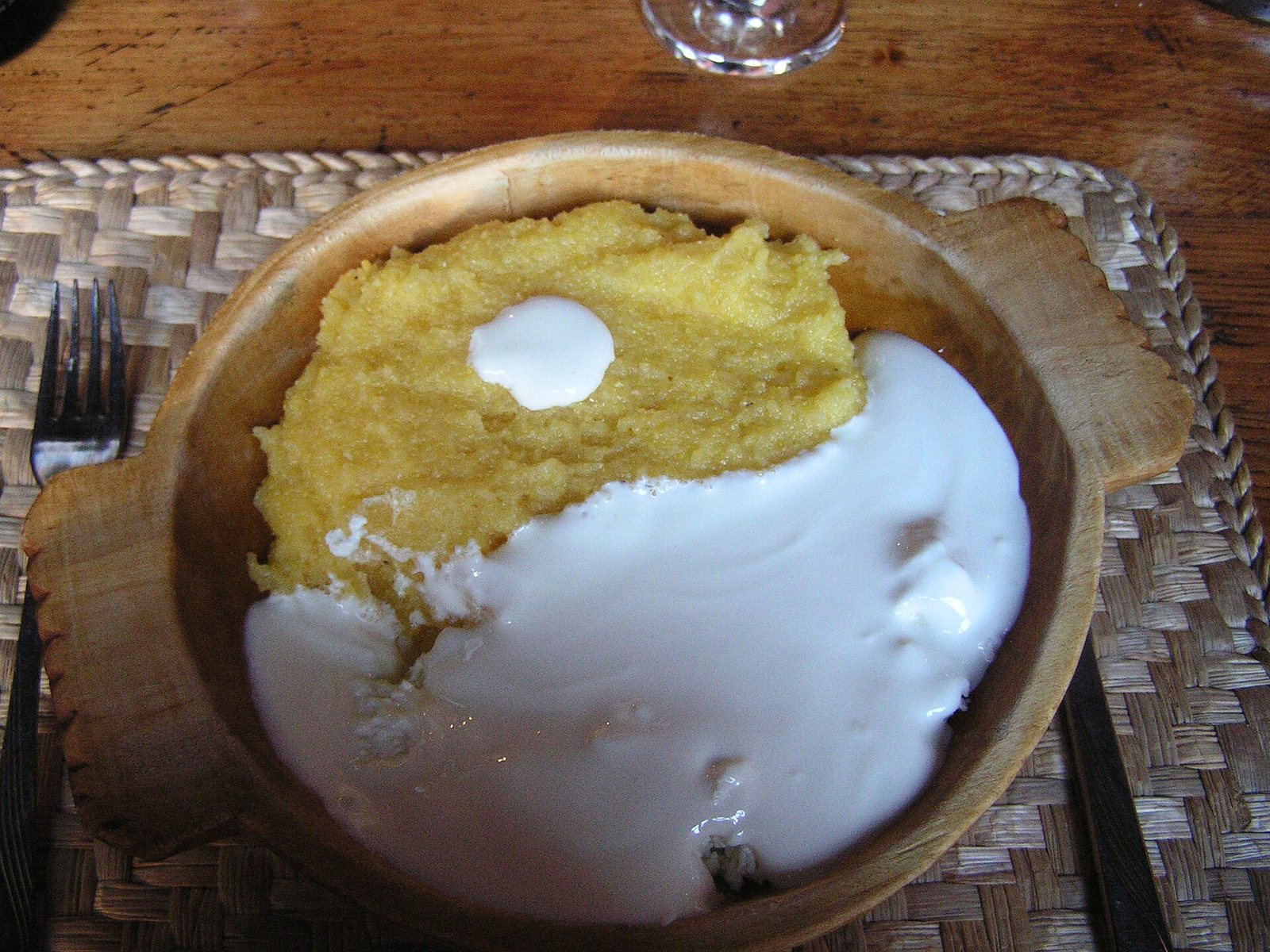
Mămăligă is a porridge made from corn flour, cooked in salted water in a cast-iron cauldron — chauni. Peasant mămăligă is thicker than Italian polenta: it is turned out onto a board and holds its shape, so it is cut into slices like bread — traditionally not with a knife, but with a string.
The simplest and most beloved serving is 'cu brânză și smântână': crumbled salty sheep cheese — brânză de burduf or telemea — is added to hot mămăligă, along with thick sour cream. The cheese melts, and the sour cream cools it down.
Mămăligă replaced bread, so it is served with stuffed cabbage — sarmale, stewed meat, fish, or eggs. A softer, almost liquid mămăligă is called 'kulesha' in Banat and Transylvania.
History and name
The word 'mămăligă' predates corn. Before corn was brought from America, boiled porridge made from millet was called that in the lands of present-day Romania.
Romanian sources explain its popularity also due to taxes during the Ottoman times: a tribute was taken from wheat, while corn remained the most filling substitute.
Ingredients and allergens
Variant: with sheep cheese and sour cream
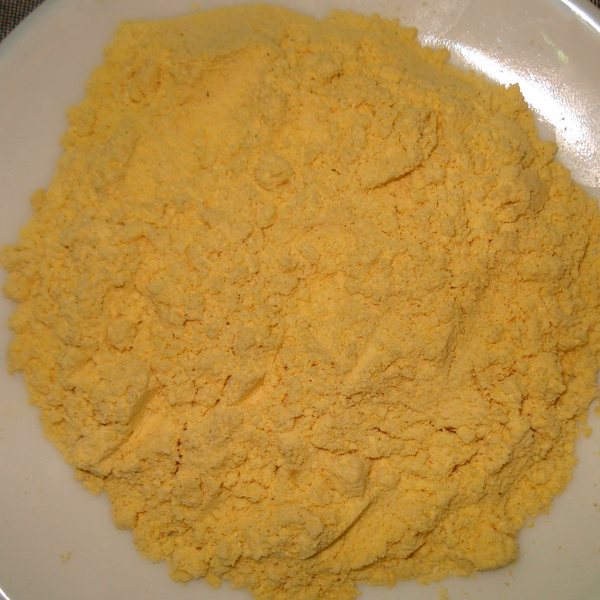

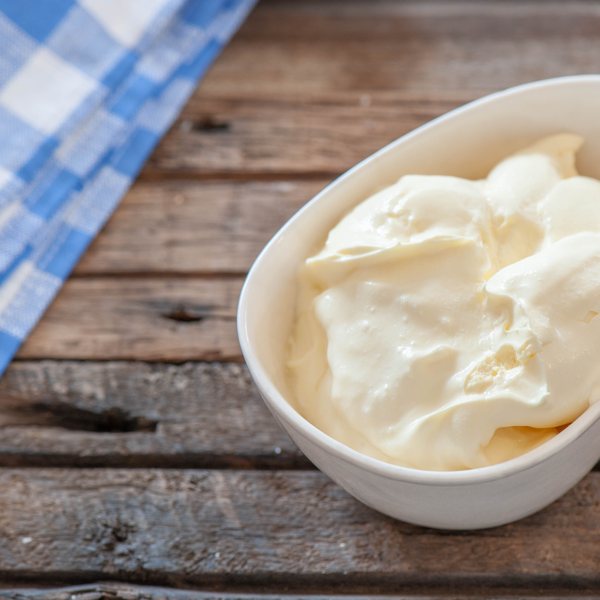
Also: butter (optional), water (1 l), salt
Contains allergens: milk
Diet: vegetarian · gluten-free by ingredients; traces possible
Variant: just mămăligă (instead of bread)
corn flour, water, salt
Contains allergens: none of the 14 major allergens in the traditional recipe
Diet: lenten · vegan · gluten-free by ingredients; traces possible
Ingredients of the traditional recipe; every cook and every place may do it differently — please ask when ordering. We cannot guarantee the absence of allergens or traces.
How it is traditionally made
Serves: 4 servings
- Corn flour — 300 g
- Water — 1 l
- Salt
- Brânză de burduf — 150 g, or telemea
- Sour cream — 200 g
- Butter
- In a cauldron or pot with a thick bottom, bring salted water to a boil.
- Reduce the heat and gradually sprinkle in the corn flour while constantly stirring with a wooden spoon or a pestle to avoid lumps.
- Cook on low heat for 25–40 minutes, stirring. The finished mămăligă is thick and pulls away from the walls.
- Smooth the surface with a wet spoon, keep the cauldron on the heat for another minute, and turn the mămăligă out onto a wooden board.
- Cut into slices with a string.
How it is served
Hot, with crumbled sheep cheese and sour cream; optionally with a piece of butter.
Variants
Without cheese and sour cream, mămăligă is a lenten dish that replaces bread.
The traditional method as described by our sources; every family does it its own way. We have not tested this recipe in a professional kitchen.
Where it is eaten

The area is approximate and based on the sources below. The dish is cooked outside it too, and ethnographic borders are blurred.
All of Romania and Moldova; in the mountains, it is a daily food of the Hutsuls. The map shows the mountainous counties; the area is approximate.
When it is eaten
| Jan | Feb | Mar | Apr | May | Jun | Jul | Aug | Sep | Oct | Nov | Dec |
|---|---|---|---|---|---|---|---|---|---|---|---|
Occasions: Everyday food · Polonyna (May — September)
FAQ
How does mămăligă differ from polenta?
Peasant mămăligă is significantly thicker: it is turned out onto a board and cut into slices instead of bread.
Why is mămăligă cut with a string?
Thick hot porridge sticks to a knife, while a string passes through it cleanly.
What cheese is served with mămăligă?
Salty sheep cheese: brânză de burduf or telemea.
Comments
Travellers’ experience: reports, tips, questions.
No one has written here yet. Be the first — your experience helps others.
Similar dishes and products


Relatives in the Carpathians and nearby
- kulesha, tokan · Ukraine
the same porridge in Hutsul region and Transcarpathia - banosh · Ukraine
corn porridge with sour cream
Sources
Written by the Karpaty.rocks editors from the sources above. Checked 11.11.2026.
